In This Guide
- Where to Camp in Chile - Top Options
- Campground Types in Chile (National, Private, Wild)
- Featured RV Park or Campground in Chile
- Hookups & Amenities - What to Expect
- Booking Windows & Reservations in Chile
- Nearby Supermarkets & Resupply Points
- Best RV Class for Camping in Chile
- How to Save on Campgrounds in Chile
- How much does an RV trip in Chile cost?
- Can I take an RV from Chile to Argentina?
- What kind of RV is best for challenging Chilean routes like the Carretera Austral?
- Where can I find unique off-the-beaten-path camping spots in Chile?
- What cultural etiquette and language tips are important for RV travelers in Chile?
- How do I manage water, waste, and power when RV camping in Chile?
- What essential packing list items for RV travel in Chile's diverse climates?
- What safety precautions should I take for RV travel in Chile?
- How can I practice Leave No Trace principles while RV camping in Chile?
Embarking on your first rented RV adventure in Chile is an exciting prospect, offering unparalleled freedom to explore this incredibly diverse South American nation. From the stark, beautiful landscapes of the Atacama Desert in the north to the glacial fjords of Patagonia in the south, Chile is perfectly suited for a motorhome journey. As true RV specialists, Bandana Caravan has been helping tens of thousands of travelers since 2001, providing expertise and support so you can focus on the journey, not the logistics. For live availability and current prices, start with our RV Rental Chile - Complete Guide 2026 guide.
Where to Camp in Chile - Top Options
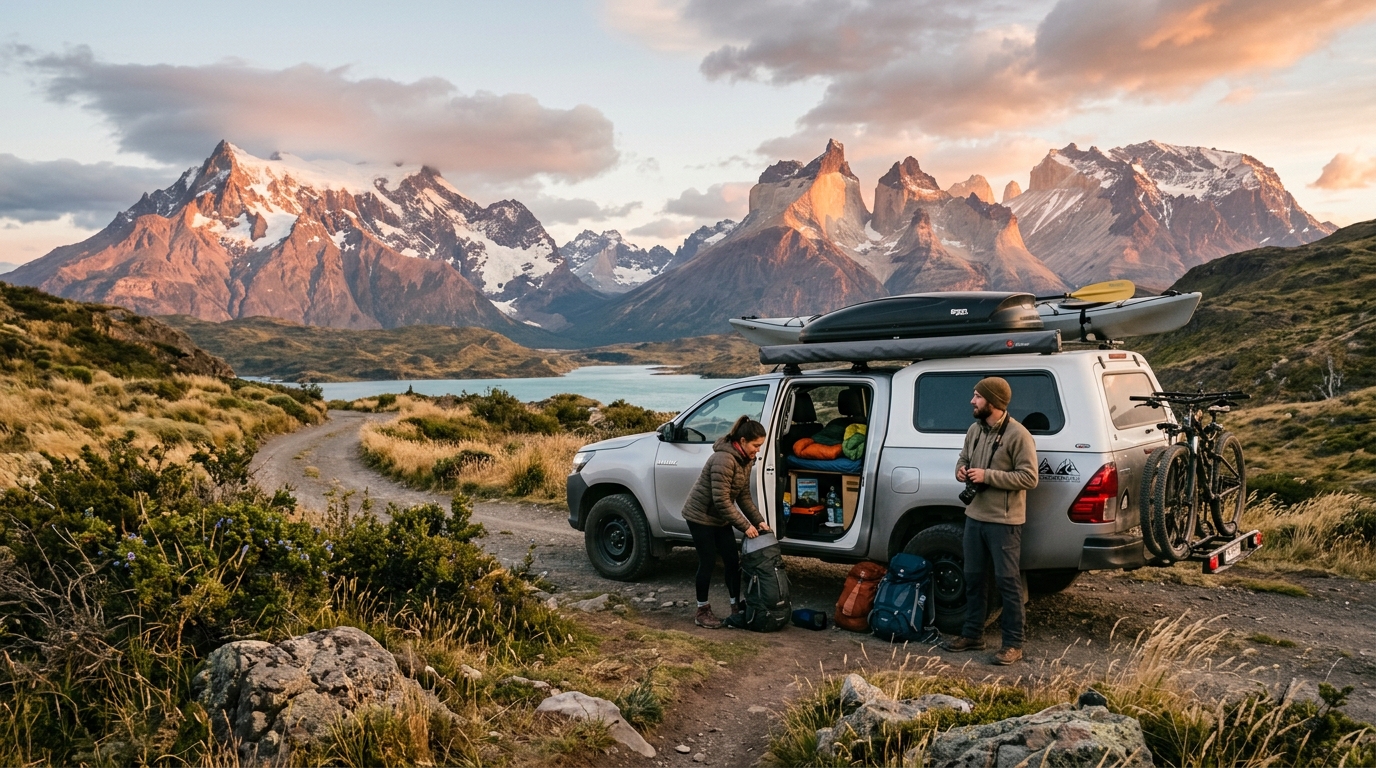
Chile offers a diverse array of camping options, ranging from well-equipped private RV parks to more rustic national park sites. Popular regions for RV camping include the dramatic landscapes of Patagonia, the fertile Central Valley with its wineries, and the otherworldly Atacama Desert. When planning your route, it is crucial to research specific campgrounds based on the amenities you desire and the regional attractions you wish to explore. Consider visiting the Lake District for charming towns and volcano views, or the Elqui Valley for stargazing opportunities. To help organize your trip, remember that RV PLANET (rvplan.net) offers over 1,300 pre-planned routes across 5 continents, making itinerary creation simple and efficient, and you can even get a 25% planning discount by using it.Campground Types in Chile (National, Private, Wild)
RV travelers in Chile will encounter three main types of campgrounds: national park sites, privately-owned RV parks, and wild camping spots. National park campgrounds typically offer basic facilities and immerse you in stunning natural settings; reservation rules often apply, especially during peak season from December to February. For example, campsites in Torres del Paine often require advance booking. Privately-owned RV parks, found in or near major towns and tourist hubs, generally provide more amenities, including electrical (220V, European Type L or C sockets are common), fresh water, and grey/black water dump stations. While not officially sanctioned everywhere, wild or freedom camping is often tolerated in some remote areas, particularly in less-visited parts of Patagonia or the high desert. It is imperative to always verify legality locally, respect private property, and strictly adhere to Leave No Trace principles to preserve Chile's pristine environment.Featured RV Park or Campground in Chile
For beginners, selecting an RV park with secure environments, essential amenities, and proximity to popular attractions is highly recommended for RV camping in Chile. Campgrounds in tourist hubs such as Pucón in the Lake District, or those near the entrance to Torres del Paine National Park, like Camping Pehoé, offer excellent starting points. These sites often provide crucial services including potable water, electricity, and waste disposal, alongside easy access to local activities and town centers. When comparing options for your first rented motorhome, prioritize sites with good reviews regarding safety and basic services to ensure a smooth and enjoyable trip. Consider researching options available in Santiago or Puerto Montt to begin your journey. Our detailed pricing guide, RV Rental in Chile - Prices and Best Deals 2026, can offer more insights into campground locations and costs.Hookups & Amenities - What to Expect
When RV camping in Chile, the availability of hookups and amenities varies significantly by campground type. Private campgrounds generally offer full hookups, which typically include electrical service (220V, with European Type L or C sockets being standard), fresh water connections, and grey/black water dump stations. These facilities provide the comfort and convenience of a home on wheels for your rented motorhome. In contrast, national park sites and more remote campgrounds, particularly in areas like the Carretera Austral, may provide only basic facilities such, as a central potable water tap and dry toilets, or even no hookups at all. Furthermore, expect limited Wi-Fi and laundry services outside of major private RV parks. Always confirm amenities beforehand, especially if you rely on internet access. Packing a universal adapter for charging devices is always a smart move.Booking Windows & Reservations in Chile
For popular national park campsites in Chile during the peak season (December-February), booking several months in advance is often crucial to secure your spot. Many national park campgrounds, however, release only 25-30% of their spots for online reservations, reserving the majority for first-come, first-served arrivals. This system provides opportunities for both pre-planners and more spontaneous travelers. If you're someone who loves having everything organized, aim to book your rented campervan well ahead of time. Conversely, if you prefer flexibility, don't stress; spontaneous travelers can often find a place by calling campgrounds ahead or arriving early in the day. You will almost certainly find a spot; if not at the first campground, then at the next one. This approach allows for flexibility in your itinerary, letting you discover hidden gems. Keep in mind that prices for RV rentals are dynamic, much like flight tickets, changing daily based on availability and seasonality. For the best selection and potentially better rates, considering booking 90+ days in advance for your Class B Camper Van. If you're looking for last-minute deals, our Last-Minute RV Rental in Chile - What to Expect 2026 guide might be helpful.Nearby Supermarkets & Resupply Points
Planning your resupply stops is key for a comfortable RV trip in Chile. Major supermarkets, including well-known chains like Jumbo, Lider (Walmart), and Santa Isabel, are readily available in Chilean cities and larger towns, offering a comprehensive range of groceries and necessities for your rented motorhome. In smaller towns and rural areas, you'll find 'minimarkets' or local markets (ferias) that are excellent for fresh produce and basic supplies, providing a more authentic local experience. It's always a good idea to plan your route to include stops in these larger centers to stock up, especially before venturing into remote regions like Patagonia, where options become scarce. Preparing meals in your RV is a fantastic way to save money and enjoy local ingredients. Check out our RV-friendly recipes playlist for inspiration on cooking delicious meals on the road.Best RV Class for Camping in Chile
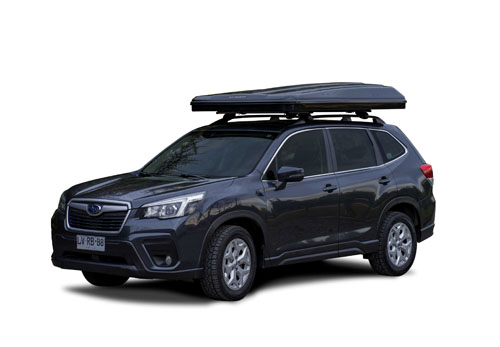
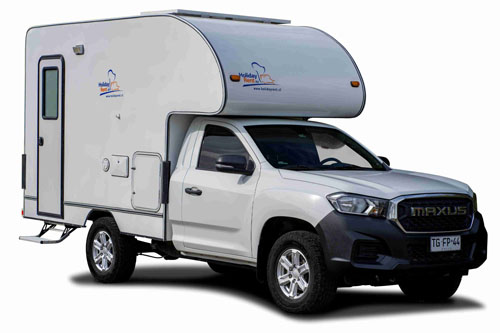
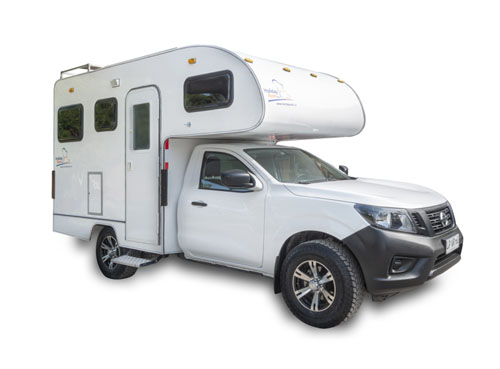
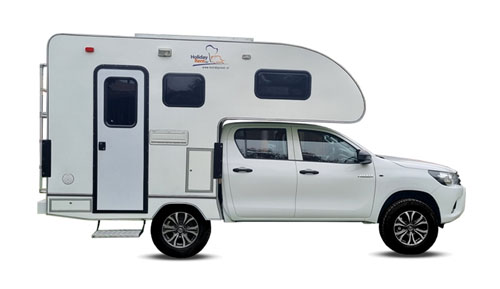
Choosing the right RV class for camping in Chile depends on your travel style and desired routes. Class B Camper Vans from Bandana's fleet average 5.8m in length, typically sleeping 3.2 people, and offer fuel consumption around 10 Liters/100 km, making them excellent for their maneuverability and ease of parking. These compact vehicles are suitable for both paved and some unpaved roads, ideal for boondocking and diverse terrains, even in city centers where you just need to drive slowly and carefully, using common sense and paying attention. Class SI Semi-integrated RVs, with an average length of 6.9m and sleeping 3.8, consume about 10-11 Liters/100 km, providing a comfortable balance of space and handling for couples or small families seeking more amenities. For those needing maximum comfort, Class C Alcove RVs (Bandana's fleet averages 7.5m, sleeping 5.8, with 10-12 Liters/100 km fuel) offer ample space, perfect for families with kids. If you're heading to more challenging routes, a robust Class TC Truck Camper (Bandana's fleet averages 5.5m, sleeping 2.4, with 12-17 Liters/100 km fuel) could be a suitable option due to its enhanced durability.How to Save on Campgrounds in Chile
You can significantly save on campground costs in Chile by employing a few smart strategies. First, leverage campground discount cards, which are often available through RV rental partners like Bandana Caravan, to secure reduced rates at participating sites. Traveling during the shoulder season (March-May, September-November) also provides substantial benefits, offering lower prices and fewer crowds compared to the December-February peak season. Opting for municipal or regional campgrounds is another excellent way to reduce expenses, as these are generally more affordable than private resort-style RV parks that offer extensive amenities. Finally, consider staying three or more nights at a single location and inquire about weekly rates, which can significantly lower your nightly cost and allow for more immersive, slow travel experiences, averaging 100-150 km per day. For more budget tips, explore our "Cheap RV Rental in Chile - Budget Guide 2026" to plan your perfect trip.How much does an RV trip in Chile cost?
A comprehensive budget for an RV trip in Chile must extend beyond just rental fees to include several significant costs, dynamically fluctuating like airline tickets. These include fuel, camping fees, national park entry, tolls, groceries, and unforeseen expenses like minor repairs or emergency services. Fuel is a major expenditure, particularly for longer routes or larger rented RVs like a Class TC Truck Camper, which averages 12-17 Liters/100 km, and prices can vary regionally across Chile. Expect to budget for varying campground fees, from basic national park sites (often $10-$20 USD/night) to full-service private parks ($30-$60+ USD/night). Additionally, national park entrance fees are usually per person, per visit, so factor these into your budget. For easy budgeting and tracking every expense along the way, we recommend utilizing RV PLANET routes, a great tool for financial planning your adventure. For detailed information on costs, you might find our "RV Rental Deals in Chile - Latest Offers 2026" useful.Can I take an RV from Chile to Argentina?
Yes, taking a rented RV from Chile to Argentina is feasible, but it requires careful planning and specific documentation. Beginners must arrange an international permit, often called a 'permiso de salida' or 'autorización para salir del país,' well in advance with their RV rental company. This authorization involves specific paperwork and typically incurs additional fees, which can range from $100-$300 USD depending on the supplier and the duration of your cross-border travel. Expect customs and immigration procedures at the border, where you'll need to present passports, vehicle documentation, and undergo inspections. Be aware that there are often restrictions on bringing fresh produce or certain food items across borders, so consume or dispose of these before crossing. Our "One-Way RV Rental in Chile - Price Guide 2026" offers more details on cross-border logistics.What kind of RV is best for challenging Chilean routes like the Carretera Austral?
For challenging Chilean routes such as the Carretera Austral, which features extensive gravel sections, steep ascents, and winding paths, a robust Class TC (Truck Camper) is often recommended for enhanced traction and durability. Bandana's fleet averages 5.5m in length for these vehicles, with fuel consumption around 12-17 Liters/100 km, making them well-suited for such conditions. Class B Camper Vans, averaging 5.8m and around 10 Liters/100 km fuel consumption, are also excellent choices due to their compact size and often higher ground clearance, allowing for easier navigation on narrower or unpaved roads. Prioritize rented vehicles with good suspension, reliable tires, and sufficient ground clearance. Importantly, always ensure your rental agreement explicitly covers travel on such routes to avoid any insurance or contractual issues. Driving slowly and carefully, you can navigate almost anywhere without issues; just use common sense and pay attention.Where can I find unique off-the-beaten-path camping spots in Chile?
Unique off-the-beaten-path camping spots in Chile can be discovered by looking beyond the most popular national parks and tourist routes. Researching lesser-known municipal campgrounds in smaller towns often reveals hidden gems, offering basic amenities but a more authentic local experience for your rented RV. Engaging with local communities, even with basic Spanish phrases like "¿Hay un lugar para acampar por aquí?" (Is there a place to camp around here?), can often lead to recommendations for informal or wild camping locations, sometimes on private land with permission, or in secluded public areas. Exploring regions like the interior of the Aysén region or specific valleys in the Coquimbo region can yield fantastic, unique camping experiences. Utilize specialized apps, online forums, or local guides to uncover these hidden spots, which often provide incredible tranquility and connection to nature.What cultural etiquette and language tips are important for RV travelers in Chile?
RV travelers in Chile will find that practicing polite cultural etiquette and learning some basic Spanish phrases significantly enhances their interactions and overall experience. Always greet locals with a "Hola" or "Buenos días/tardes/noches" before engaging in conversation, and frequently use "Por favor" (please) and "Gracias" (thank you). Chileans appreciate respectful communication. Be mindful of personal space, which can be closer than in some Western cultures, and avoid overly loud conversations in public spaces, especially within small towns. It is also good practice to always ask for permission before photographing individuals, particularly in indigenous communities. Showing genuine interest and respect for local customs will open doors to warmer interactions and more enriching travel experiences with your rented campervan.How do I manage water, waste, and power when RV camping in Chile?
Effective water, waste, and power management is crucial for comfortable RV camping in Chile, particularly when exploring remote areas. Conserve fresh water by taking short showers and using water sparingly for dishes, always refilling your rented motorhome's tanks at designated potable water sources, not just any tap. Waste management requires diligently utilizing designated grey and black water dump stations, which are common at private RV parks and some national park facilities; never dispose of waste in undesignated areas. For power, monitoring your RV's battery levels is essential, especially if you have an older model. Understanding the capacity of any onboard solar panels or generators is vital, and plan to connect to 220V shore power whenever available to recharge for extended stays. These practices uphold Leave No Trace principles and ensure a sustainable adventure.What essential packing list items for RV travel in Chile's diverse climates?
An essential packing list for RV travel in Chile's incredibly diverse climates, which range from the arid Atacama Desert to the temperate Lake District and icy Patagonia, must prioritize versatile layering clothing. High-quality waterproof and windproof outerwear is indispensable, as are sturdy hiking boots suitable for varied terrains. Beyond clothing, pack a comprehensive first-aid kit, strong sun protection (hat, sunscreen with high SPF, sunglasses), and insect repellent, especially for warmer regions. A water filter or purification tablets are wise additions for remote camping. For navigation, download offline maps and consider a reliable GPS device, especially in areas with limited connectivity. Bringing a local SIM card (available in major cities) for phone service and a power inverter for charging smaller devices, if not built into your rented RV, can be very useful.What safety precautions should I take for RV travel in Chile?
For RV travel in Chile, key safety precautions include always securing your rented vehicle and belongings, avoiding displaying valuables, and opting for well-lit, populated areas when parking overnight in cities. Be acutely aware of road conditions, especially on unpaved gravel roads, winding mountain passes, and in adverse weather; always check local reports before departing and drive defensively. For instance, the Carretera Austral can present varied and challenging conditions. Carry readily accessible emergency contact information, and familiarize yourself with local emergency numbers (e.g., 133 for police, 131 for ambulance, 132 for firefighters). Understanding basic emergency procedures for your RV and personal safety in remote regions, including medical preparedness and knowing access points to healthcare facilities, will provide peace of mind. Travel slowly, averaging a maximum of 100-150 km per day, to better appreciate the scenery and react to changing conditions.How can I practice Leave No Trace principles while RV camping in Chile?
Practicing Leave No Trace principles is essential for preserving Chile's pristine natural beauty while RV camping, particularly in sensitive ecosystems like Patagonia. This involves planning ahead and preparing thoroughly, including understanding local regulations and carrying maps. Properly dispose of all waste by utilizing designated bins or, in remote areas, packing it out entirely. Stay on durable surfaces for travel and camping, avoiding sensitive vegetation and fragile ecosystems. Respect wildlife by observing from a distance, never approaching or feeding animals. Minimize campfire impacts by using existing fire rings where permitted, keeping fires small, and ensuring they are completely extinguished before leaving. Avoid gathering firewood in protected areas. Always leave natural and cultural features as you found them, allowing others to experience the same untouched beauty.🎬 Video coming soon
What You Shouldn't Miss
- **Drive the Carretera Austral:** Experience one of the world's most epic road trips, a 1,240 km route through untouched Patagonian wilderness.
- **Explore Torres del Paine National Park:** Hike iconic trails and marvel at granite peaks, glaciers, and turquoise lakes.
- **Stargaze in the Elqui Valley:** Camp under some of the clearest skies on Earth, perfect for astronomy enthusiasts.
- **Discover the Atacama Desert:** Visit the El Tatio geysers, Valle de la Luna, and salt flats in the driest desert in the world.
- **Relax in the Lake District:** Enjoy charming German-influenced towns, hot springs, and volcanic landscapes around Pucón and Puerto Varas.
- **Visit a Desert Vineyard:** Experience unique wine tasting at high-altitude vineyards in the Atacama, like Bodega y Viñedos Kunza.
Looking for expert insights from Avi Bandana? Top 5 Adventures - recommendations from Avi Bandana
Final Thoughts
Chile truly is an RV traveler's dream, offering an incredible variety of landscapes and experiences that are best discovered at your own pace. Don't let the idea of a first-time RV trip intimidate you; with a little preparation and the right rented motorhome, you're set for an unforgettable adventure. We handle the details, so you can truly live the journey, exploring every corner of this magnificent country. Imagine yourself waking up to panoramic views of Patagonia's peaks, enjoying a homemade breakfast in the comfort of your campervan, and setting off on a new adventure each day. Whether you're a meticulous planner or a spontaneous explorer, Chile welcomes you to its roads. Ready to start your Chilean RV adventure? Compare Motorhome Prices for Chile and begin planning your route today!On the routes offered through RV PLANET routes, you can itemize and track every expense along the way for easy budgeting.