In This Guide
- Welcome to RV Camping in Canada: Your First Adventure Starts Here
- Where to Camp in Canada - Top Options
- Campground Types in Canada (National, Private, Wild)
- Featured RV Park or Campground in Canada
- Hookups & Amenities - What to Expect
- Booking Windows & Reservations in Canada
- Nearby Supermarkets & Resupply Points
- Best RV Class for Camping in Canada
- How to Save on Campgrounds in Canada
- What are the typical costs for an RV trip in Canada?
- What are the best unique experiences for RVing in Canada?
- Can you boondock or wild camp with an RV in Canada?
- What are essential safety tips for RV travel in remote Canadian wilderness?
- What are the best RV itinerary suggestions for Canada?
- How can I practice responsible RV tourism in Canada?
- What should I consider for long-term RV travel in Canada?
- Top Cities for RV Rental in Canada
- Driving Laws and General Road Rules in Canada
- Why Book with Bandana Caravan
- Final Thoughts
- Frequently Asked Questions
Welcome to RV Camping in Canada: Your First Adventure Starts Here
Embarking on your first rented RV camping adventure in Canada is an exciting step into a world of breathtaking landscapes and unparalleled freedom. This vast and diverse country, spanning from the Atlantic to the Pacific, offers endless opportunities for exploration, whether you're seeking majestic mountains, pristine coastlines, or vibrant city experiences. With a rented motorhome or campervan, you truly hold the keys to a flexible and unforgettable journey, allowing you to immerse yourself in nature while still enjoying the comforts of home. We are true RV specialists, with over two decades of experience helping tens of thousands of travelers explore the world by RV, and we're here to support you before, during, and after your booking. For live availability and current prices, start with our RV Rental Canada - Complete Guide 2026 guide. Planning your trip with full transparency, you'll encounter no hidden fees or unwelcome surprises when booking with Bandana RV.Where to Camp in Canada - Top Options
Canada offers an abundance of exceptional camping locations, from iconic national parks to serene provincial sites, perfect for your rented RV. Banff National Park in Alberta features stunning mountain vistas and well-maintained campgrounds like Tunnel Mountain, which is popular for its accessibility to major attractions and offers full hookups for a comfortable stay. On the opposite coast, Pacific Rim National Park Reserve in British Columbia delivers unparalleled coastal experiences, complete with ancient rainforest hiking and picturesque beachside camping opportunities. In Eastern Canada, Prince Edward Island National Park is celebrated for its beautiful beachside camping and provides an excellent base for exploring the island's charming communities. For those seeking a blend of wilderness and urban proximity, consider provincial parks near major cities, such as Jacques-Cartier National Park near Quebec City or Golden Ears Provincial Park close to Vancouver. No matter your preference, Canada's diverse geography ensures a memorable backdrop for your camping adventures.Campground Types in Canada (National, Private, Wild)
Canada presents a diverse range of campground types, each offering a unique experience for rented RV travelers. National Parks, managed by Parks Canada, are nestled within breathtaking natural landscapes and typically provide a mix of basic to semi-serviced sites; remember that a Parks Canada pass is required for entry and often for camping within these federal lands. Provincial Parks, overseen by individual provinces, vary widely in amenities and size but are consistently well-maintained, highly popular with local families, and frequently offer good value for money. Private Campgrounds and RV Resorts usually boast the most extensive amenities, including full hookups, reliable Wi-Fi, swimming pools, and recreational activities, though these often come at a higher price point. For an authentic, off-grid experience, wild camping or boondocking is generally permissible on most Crown Land (publicly owned land) across Canada, providing a free option that demands self-sufficiency and adherence to specific provincial regulations. Lastly, Municipal Campgrounds, often found in smaller towns, can be budget-friendly with basic services, serving as convenient overnight stops or practical bases for exploring local communities.Featured RV Park or Campground in Canada
When selecting an RV park for your trip in Canada, finding a balance between essential amenities, natural beauty, and convenient proximity to your desired attractions is key. A top-tier campground will typically offer a comprehensive range of services such as full hookups (including electricity, water, and sewer connections), consistently clean washrooms, hot showers, and often additional perks like Wi-Fi access or laundry facilities. Consider a location like Tunnel Mountain Village II in Banff National Park, which provides 322 full-service RV sites, a phenomenal location, and stunning views of the surrounding Canadian Rockies. Look for parks that also include picnic tables and fire pits at each site, as these enhance the comfort and enjoyment of your outdoor camping experience. Proximity to natural wonders like lakes or extensive hiking trails, or charming small towns, can significantly elevate your adventure by offering readily available outdoor activities and local exploration. Always consult recent traveler reviews for current insights into staff helpfulness, site spaciousness, and overall cleanliness before making your reservation, ensuring your stay meets your expectations for a peaceful retreat.🎬 Video coming soon
Hookups & Amenities - What to Expect
Most Canadian RV campgrounds reliably offer electric (15, 30, or 50 amp, with 120V being the standard), water, and dump station hookups for traveler convenience. Full hookups, which include electric, water, and sewer connections, are particularly common at private RV resorts and some larger provincial and national parks. The standard electrical voltage across Canada is 120 volts AC, ensuring that North American RVs are fully compatible without the need for any converters. Potable water hookups are widely accessible, but having a full fresh water tank is a smart practice for dry camping or when traveling between serviced sites. Dump stations for properly emptying grey and black water tanks are standard amenities at nearly all campgrounds, even if individual sewer hookups aren't available at every single site. While Wi-Fi might be available, especially in developed areas, cellular service can be unreliable or non-existent in more remote regions, so planning accordingly is important. Basic facilities like hot showers and laundry services are frequently found at private and larger park campgrounds, though they may require a small fee or tokens to operate.Booking Windows & Reservations in Canada
For RV travel during Canada's peak season (typically June through September), booking campgrounds significantly in advance-often 3 to 12 months out-is highly recommended, especially for popular national and provincial parks. Parks Canada usually opens its reservation system for the upcoming season starting in January, and in-demand sites can be fully booked within minutes or hours. However, many national park campgrounds wisely reserve only 25%-30% of their spots for advance booking, making the majority available on a first-come, first-served basis. This system benefits both meticulous pre-planners and spontaneous travelers. While early booking guarantees a spot, adventurers who prefer day-to-day decisions can often secure same-day or next-day sites by arriving early in the morning or by contacting smaller municipal or private campgrounds directly. Rest assured, you will almost certainly find a place-if not at the first campground, then at the next-but it’s always wise to call ahead before driving to a potentially full site, particularly if you're new to RVing in Canada.Nearby Supermarkets & Resupply Points
Major Canadian supermarket chains such as Loblaws (which includes popular banners like Real Canadian Superstore, Zehrs, and Provigo), Sobeys, and Safeway are reliable and widely available throughout the country for stocking your rented RV with groceries and essential supplies. Walmart Supercentres are another convenient option, often featuring a full grocery store alongside other retail sections, making them excellent one-stop resupply points frequently located with easy highway access in larger towns. For a taste of local flavor or when venturing into smaller communities, keep an eye out for independent grocers or smaller regional chains like IGA, which can offer unique regional products in addition to your staple items. Diligent planning of your resupply stops is crucial, especially when your itinerary takes you into Canada's vast remote regions, where options for food, water, and fuel become significantly scarcer. Beyond food, pharmacies such as Shoppers Drug Mart and Rexall, and hardware stores like Home Hardware and Canadian Tire, are widely accessible for any other essential items you might need for your extended road trip. If you're meticulously planning your budget and itinerary for Canada, remember that RV PLANET routes allow travelers to itemize and track every expense along the way for effortless budgeting.Best RV Class for Camping in Canada
For RV rental beginners exploring Canada, Class B Camper Vans or Class C Alcove RVs typically strike the best balance of comfort, maneuverability, and suitability for the country's diverse landscapes. Class B Camper Vans, like those in Bandana's fleet averaging 5.8m in length, are excellent for navigating smaller provincial roads, urban areas (like Abbotsford or Halifax), and fitting into more compact campgrounds or boondocking spots due to their car-like handling. These often sleep around 3.2 people and have a common fuel consumption of 8-10 Liters/100km. Meanwhile, Class C Alcove RVs, with Bandana's fleet averaging 7.5m in length and sleeping around 5.8 people, provide more generous interior space, dedicated beds, and larger amenities, making them an ideal choice for families or groups seeking extra comfort on longer journeys. Their fuel consumption is typically around 10-12 Liters/100km. While larger Class A RVs offer luxurious living, their size can pose challenges for novices on Canada's narrower scenic routes or in some older, smaller campgrounds. Remember, a standard car driver's license is sufficient for all motorhome classes, and the minimum rental age is 21 with no young driver surcharges.How to Save on Campgrounds in Canada
To significantly reduce your campground expenses in Canada, consider utilizing discount cards, timing your booking for the shoulder season, and opting for more economical campground types. Many private RV parks across Canada offer discounts with specific membership cards, which can often pay for themselves after just a few nights of use. Booking your rented RV trip during the shoulder seasons-typically May-June and September-October-not only offers lower nightly rates but also means fewer crowds and better availability compared to the bustling peak summer months. Opting for municipal or regional campgrounds over private RV resorts can provide excellent value, often with good amenities at a lower price point. Additionally, if your RV allows for dry camping or boondocking, choosing unserviced or partial hookup sites will nearly always be much cheaper than full hookup options, allowing you to stretch your budget further while experiencing Canada's vast wilderness.What are the typical costs for an RV trip in Canada?
The typical costs for an RV trip in Canada vary significantly based on your chosen RV class, the duration of your adventure, and your travel style, but generally encompass rental fees, fuel, campgrounds, food, activities, and permits. For a rented RV, expect daily rates to range from CAD $150-400+ for smaller Class B campervans to larger Class C or A units, with prices fluctuating considerably by season and how far in advance you book. Fuel is a substantial expense due to Canada's immense distances; RVs typically consume between 8-17 Liters/100 km, with Bandana's Class C averaging 10-12 L/100km, and gas prices usually range from CAD $1.50-2.00+ per Liter depending on the province. Campground fees can vary from CAD $20-40/night for unserviced sites in national and provincial parks to CAD $60-90+/night for full hookups; private RV resorts might cost CAD $50-100+ per night. For food and activities, budget approximately CAD $50-100/day for groceries and occasional dining out, plus CAD $20-50 per person per activity, such as park entry fees (a Parks Canada Discovery Pass for CAD $75.25/adult or CAD $145.25/family annually can offer savings for multiple visits), tours, or attractions. Lastly, remember to allocate funds for miscellaneous expenses like propane refills, dump fees, laundry, souvenirs, and a contingency for unexpected repairs. You can explore a detailed breakdown of these expenses in our "RV Rental in Canada - Prices and Best Deals 2026" article.What are the best unique experiences for RVing in Canada?
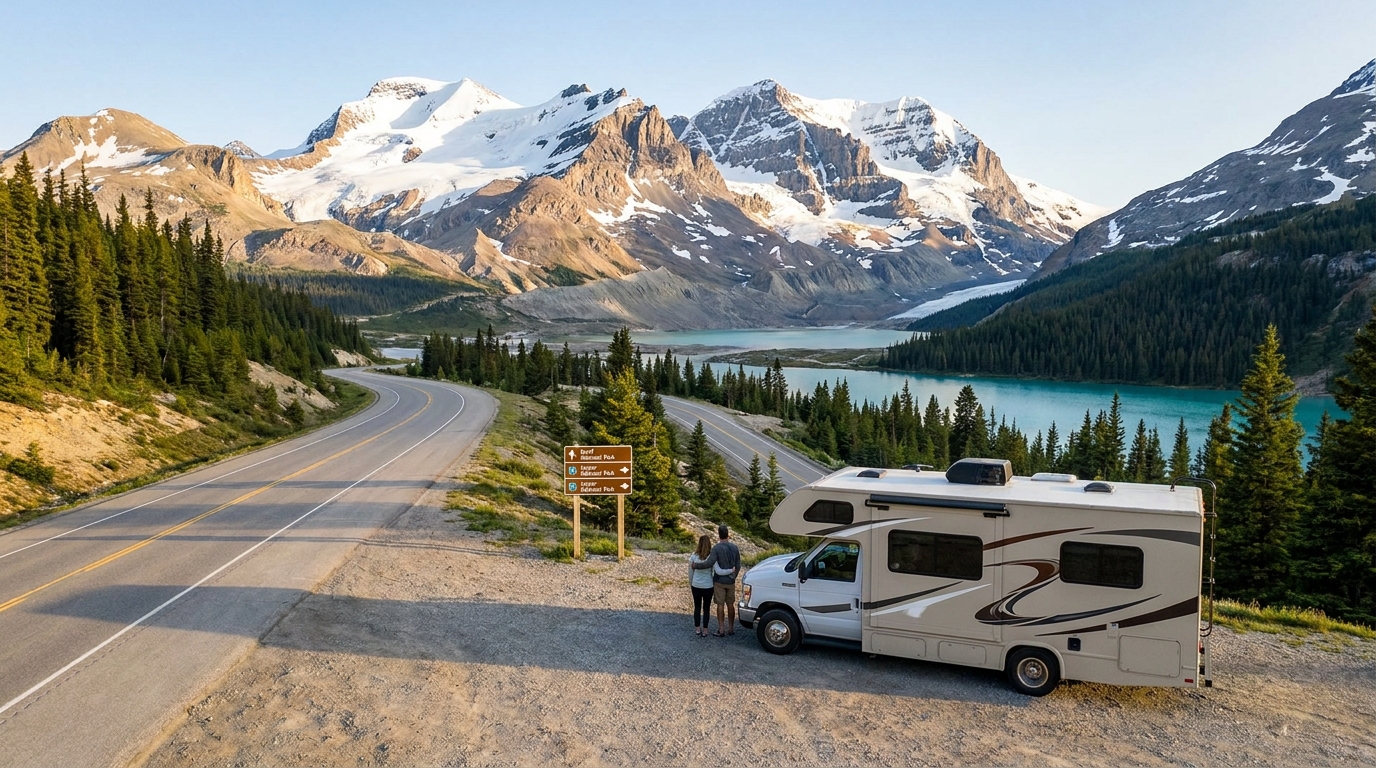
RVing in Canada provides unparalleled access to a diverse array of unique experiences, from traversing majestic national parks to immersing oneself in vibrant cultural traditions. Embark on iconic scenic drives such as the Icefields Parkway in Alberta for breathtaking glacial landscapes between Banff and Jasper National Parks, or navigate Nova Scotia's Cabot Trail for stunning coastal vistas and charming fishing villages. Wildlife viewing is abundant; you can spot whales in Pacific Rim National Park on Vancouver Island, moose and loons in Algonquin Provincial Park in Ontario, or bears, elk, and bighorn sheep in the Canadian Rockies. For a cultural deep dive, explore Quebec's distinct French heritage, visit Indigenous territories to learn about traditional cultures and art, or soak in the maritime charm of Atlantic Canada. Unique camping options include staying in a Parks Canada oTENTik (a unique blend of tent and cabin) in select national parks, or finding remote boondocking spots on Crown Land for a truly wild and free experience. Opportunities for outdoor adventures abound, including hiking, kayaking, fishing, or stargazing in some of the world's darkest sky preserves, ensuring unforgettable memories across Canada's vast natural playground. This is exactly the kind of adventure you can discover through RV PLANET routes. The "Halifax to Whitehorse - Exploring Canada’s Heartland in a Motorhome" route plan, spanning 37 days and 9199.1 km, takes you through an incredible journey including 6 museums, 4 natural features, and opportunities for wildlife watching and horseback riding.Can you boondock or wild camp with an RV in Canada?
Yes, boondocking, also known as wild camping or dispersed camping, is generally permitted with a rented RV on most Crown Land (publicly owned land) in Canada, offering a free and deeply immersive nature experience away from developed campgrounds. While legal, specific regulations vary significantly by province and even by region; travelers must always research provincial land use acts and local bylaws to understand where and how long they can legally camp. Resources like provincial Crown Land atlases or the iOverlander app can be invaluable for locating suitable areas. Strict adherence to Leave No Trace principles is paramount when wild camping; this means all trash must be packed out, human waste properly disposed of, campfires managed responsibly, and the natural environment left undisturbed. Being fully self-sufficient with adequate water, power (solar panels or a generator are highly recommended), and robust waste management is crucial due to the lack of amenities and often non-existent cell service in remote areas. Expect rougher access roads, potential wildlife encounters (requiring bear safety), and variable weather, necessitating thorough preparation and a rented RV capable of handling off-grid conditions, such as one of Bandana's smaller Class B Camper Vans.What are essential safety tips for RV travel in remote Canadian wilderness?
Ensuring safety during your RV travel in Canada's remote wilderness requires diligent planning, appropriate gear, and a keen awareness of potential natural hazards and communication limitations. Always be bear-aware in wildlife-rich areas-carry bear spray, store all food and scented items in bear-proof containers, and make noise on trails to avoid surprise encounters. Cell service is notoriously unreliable or nonexistent in vast stretches of Canadian wilderness; therefore, carry a satellite messenger device like a Garmin inReach or SPOT for emergencies and to maintain contact with family. Canada's weather can change rapidly; pack layers suitable for all seasons, even in summer, and be prepared for sudden temperature drops, heavy rain, or unexpected snow, especially in mountainous regions. Before departure, ensure your rented RV is in excellent mechanical condition, and carry a spare tire, an essential repair kit, extra fuel, sufficient water, and non-perishable food supplies for unexpected delays or breakdowns. Always inform someone of your detailed itinerary, research current road conditions (particularly for gravel or logging roads), carry physical maps, and understand your RV's capabilities on challenging terrain. Remember, your safety is paramount.What are the best RV itinerary suggestions for Canada?
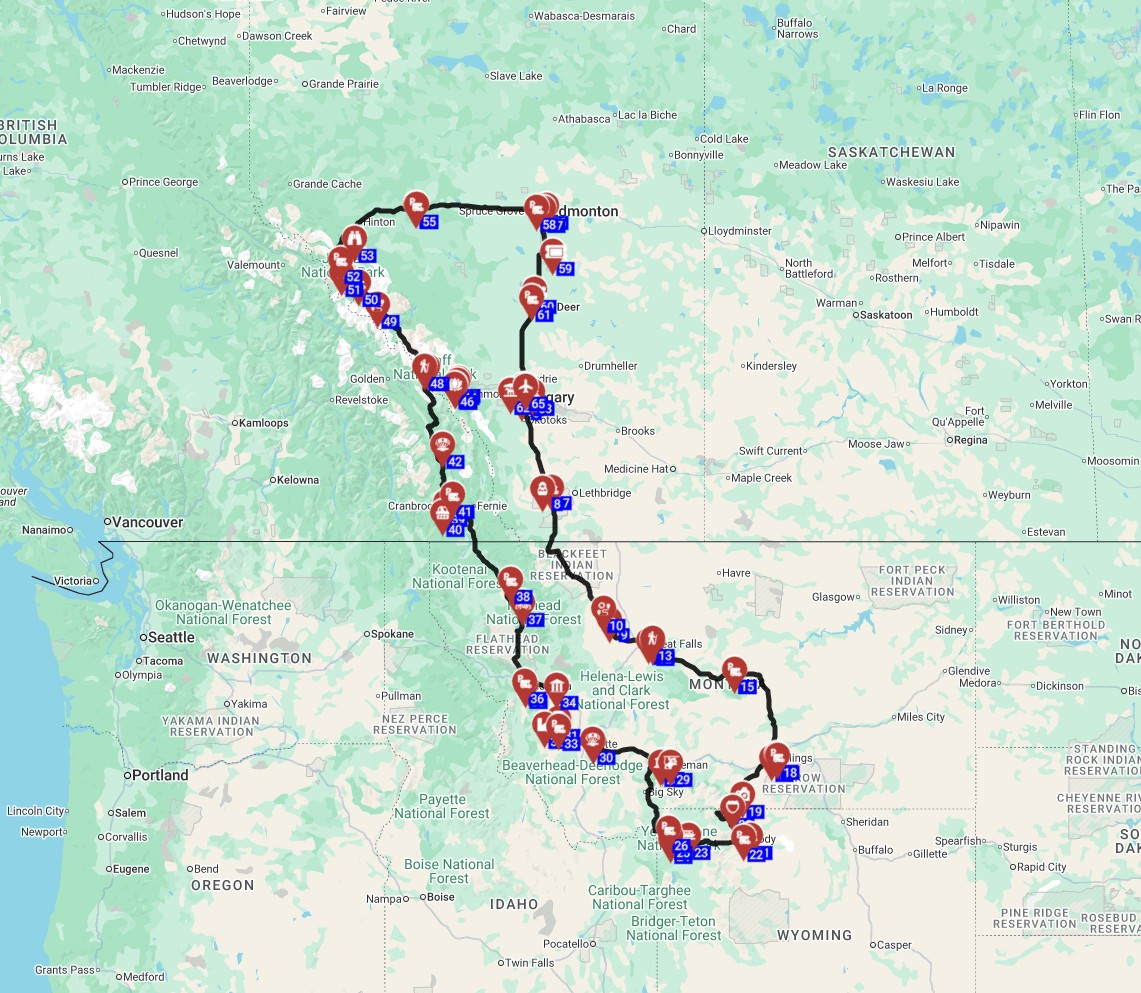
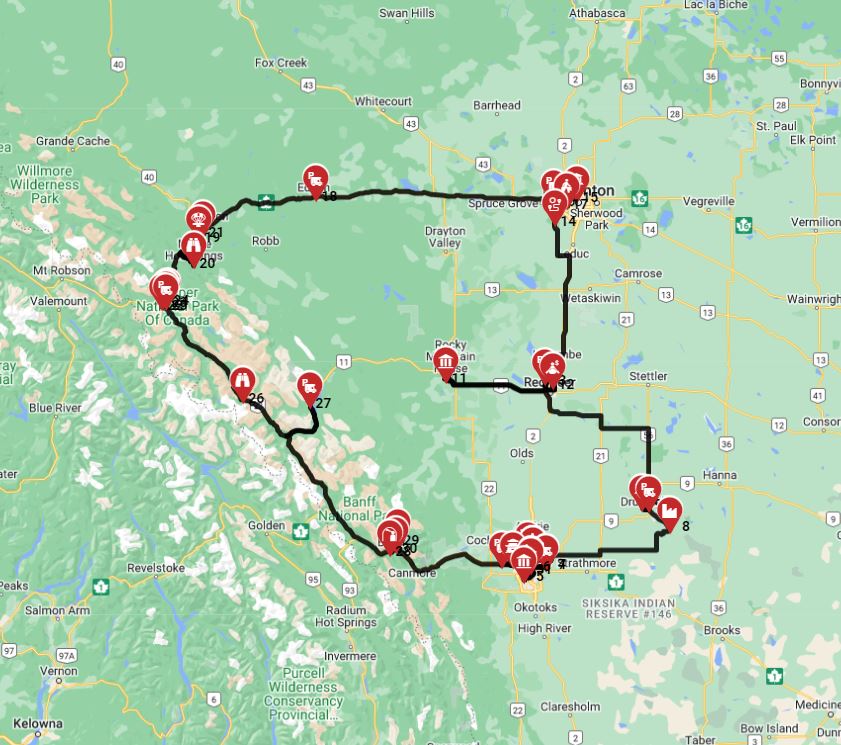
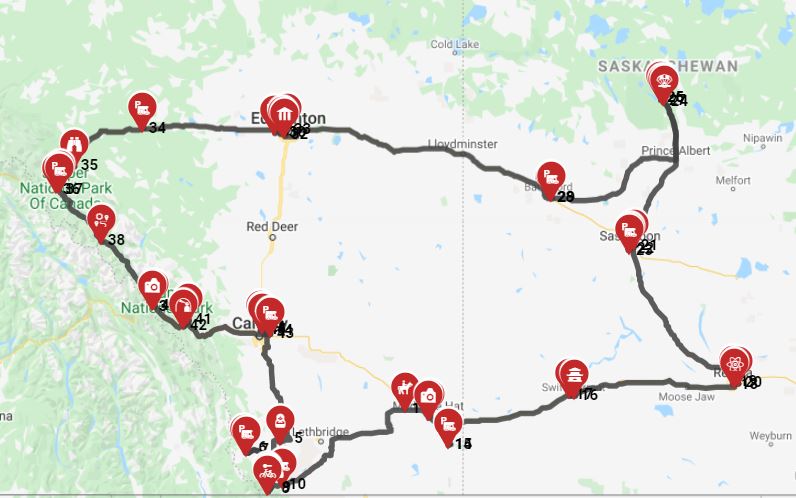
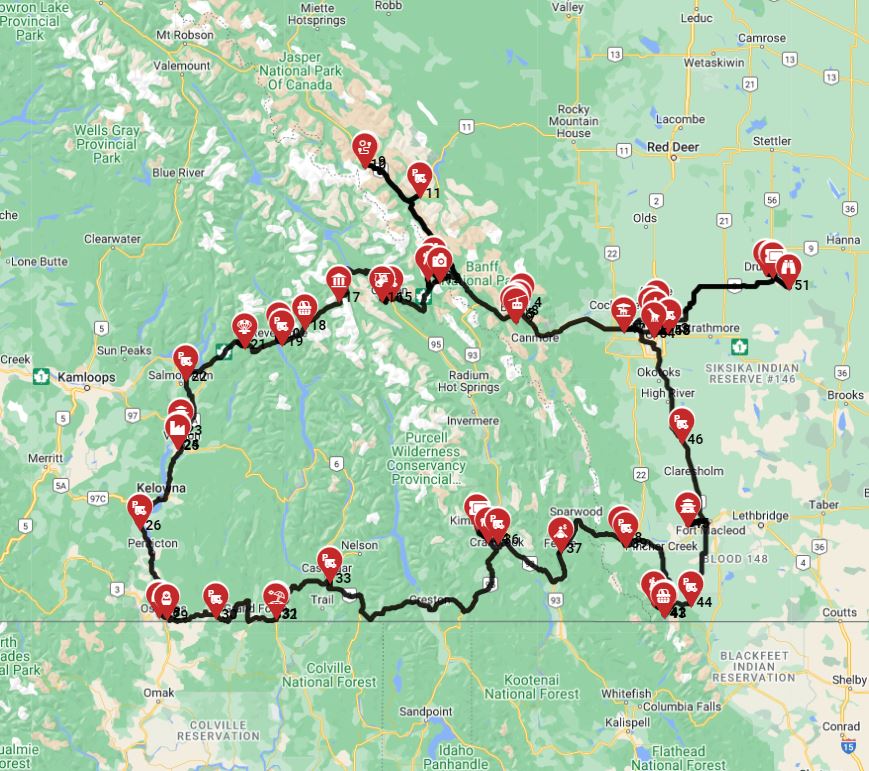
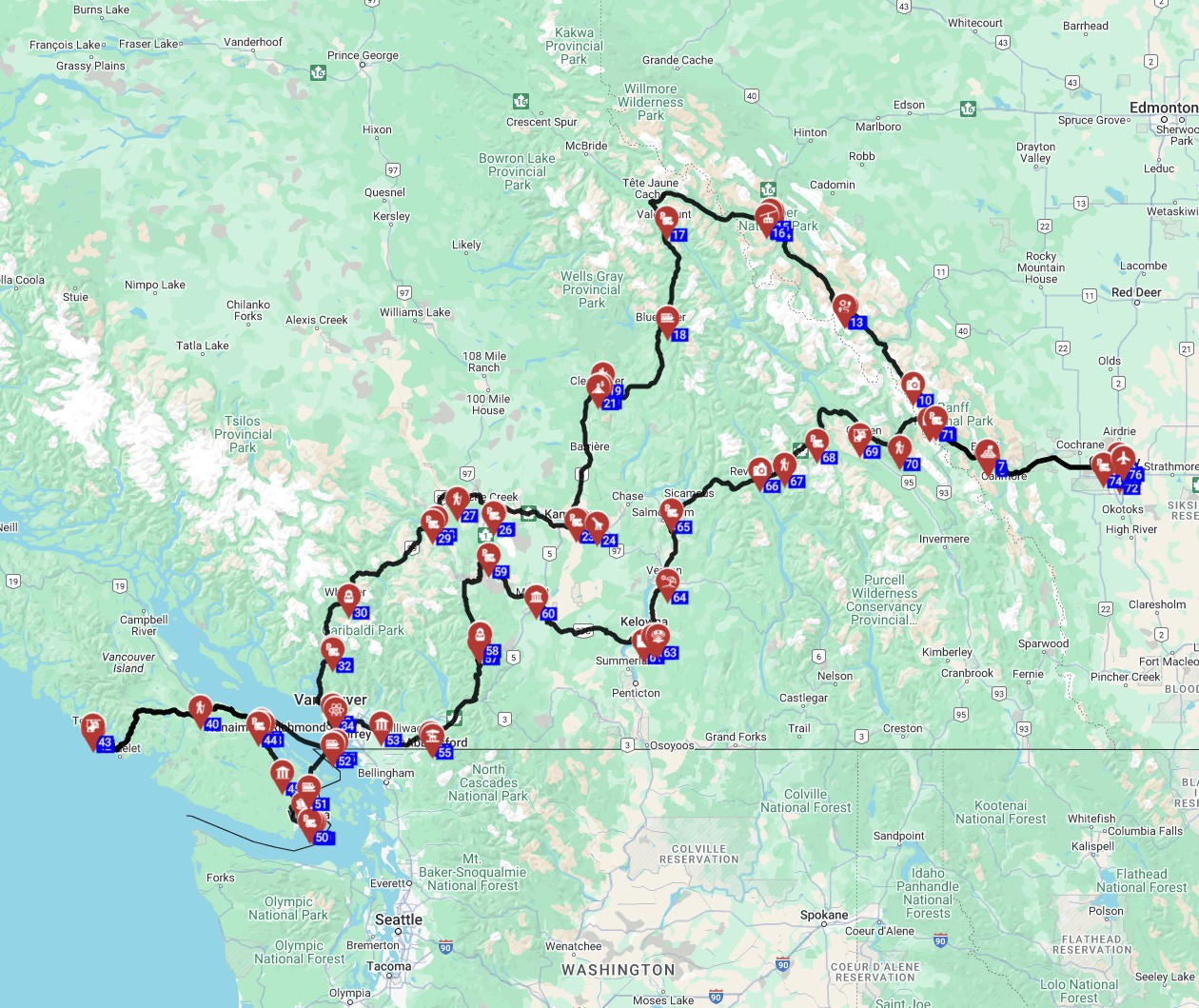
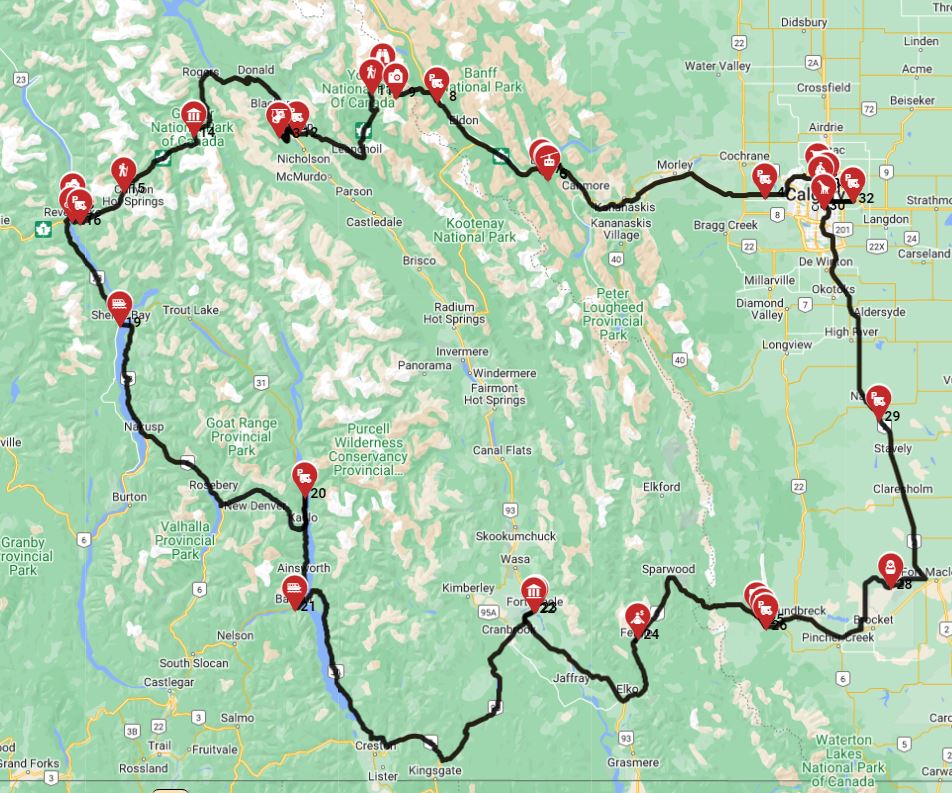
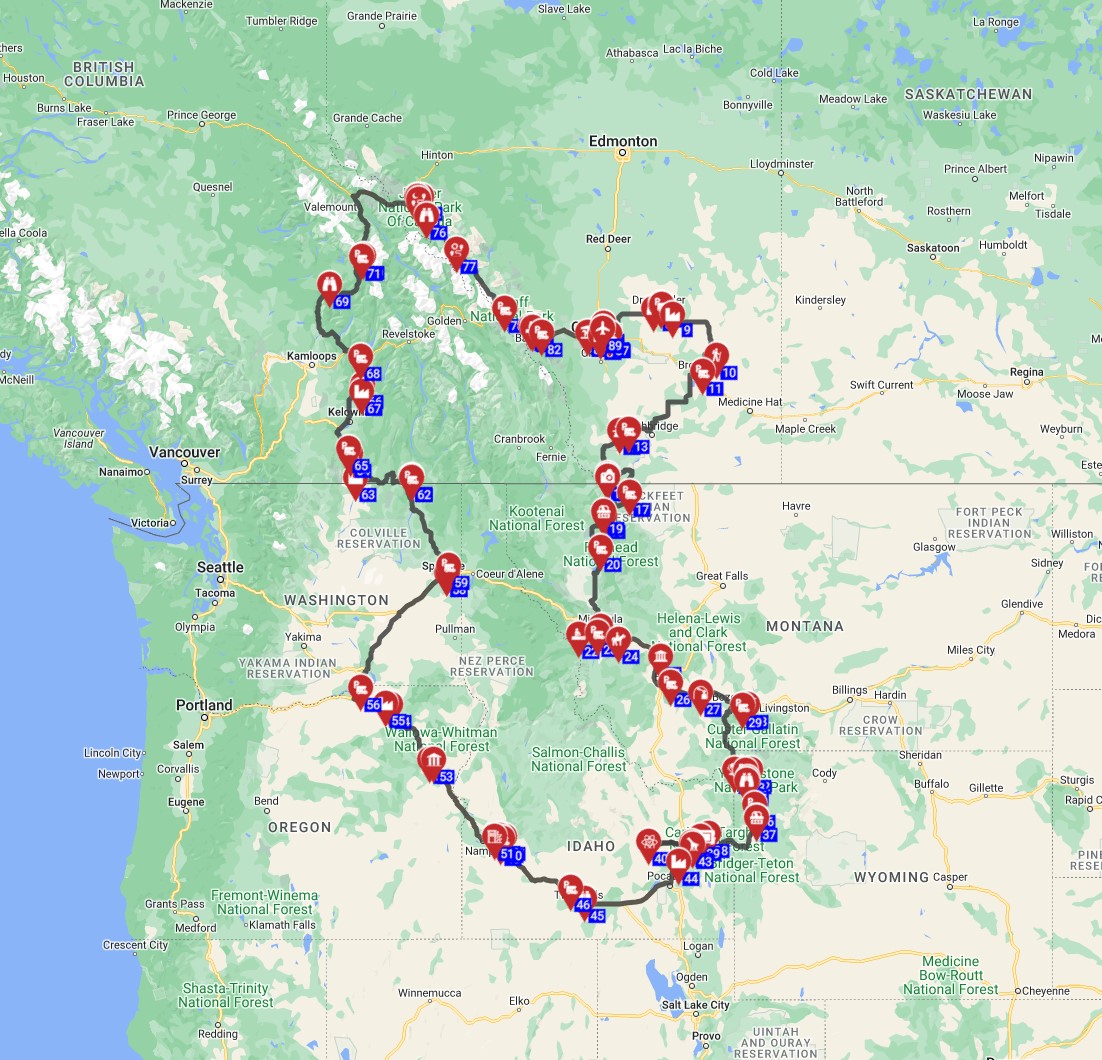
Canada boasts a wealth of incredible RV itineraries, with some of the best suggestions for beginners focusing on iconic regions that combine stunning natural beauty with accessible amenities. The Canadian Rockies Loop, an ideal 7-14 day itinerary covering Alberta and British Columbia, takes you through Banff, Jasper, Lake Louise, and Yoho National Parks, offering majestic mountains, turquoise lakes, ample wildlife viewing, and endless hiking opportunities. For a different charm, the Maritimes Coastal Drive is a 10-14 day journey through Nova Scotia, Prince Edward Island, and New Brunswick, featuring Nova Scotia's famous Cabot Trail, the sandy beaches of PEI, and the dramatic tides of the Bay of Fundy. The "
Vancouver Round Trip - West Canada Cycling Adventure
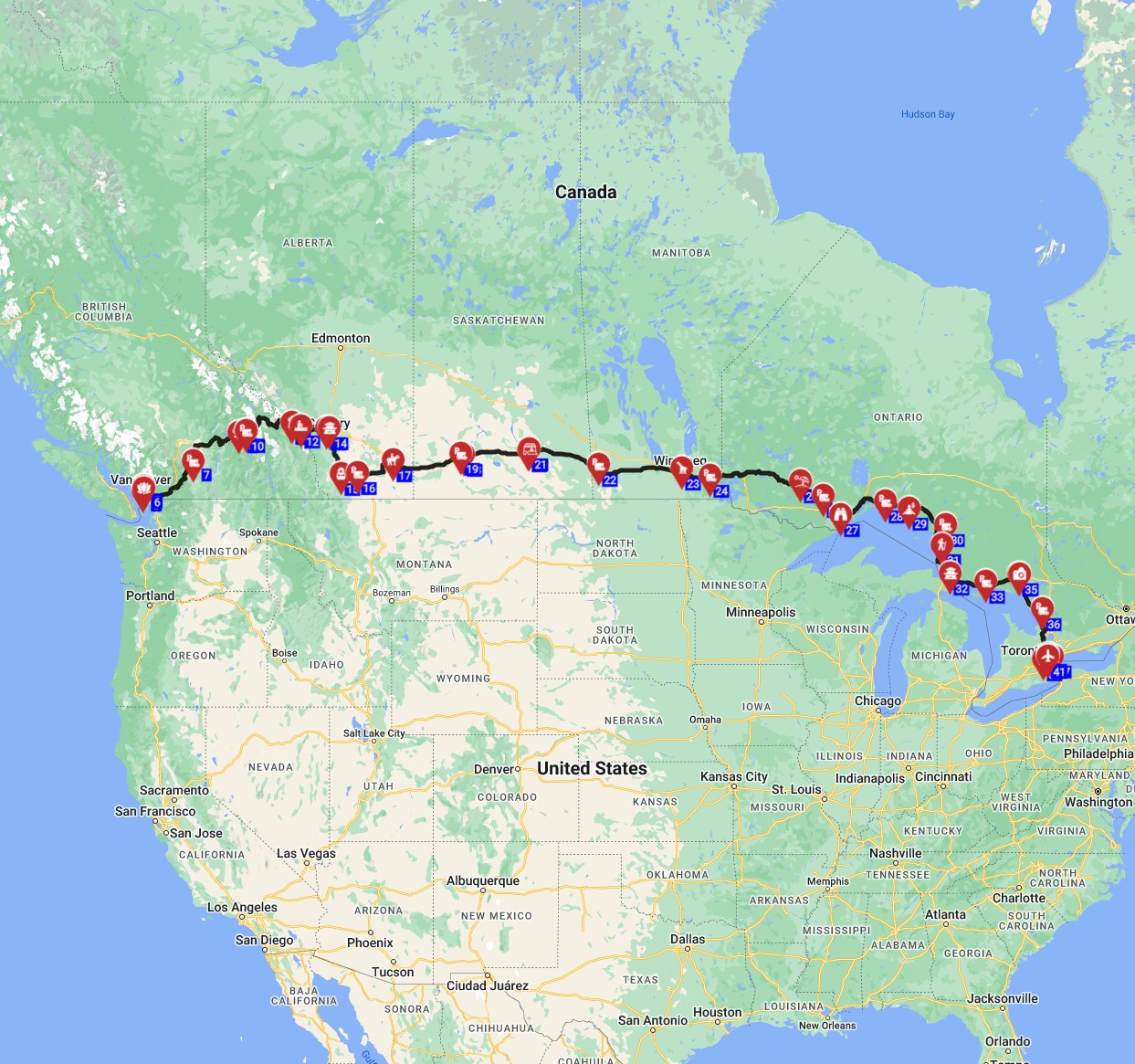
Vancouver to Toronto - Trans Canada West to East