In This Guide
- Top 5 Tips for family rv rental RV Rental in Ireland
- Before You Book - Class, Dates, Insurance
- Pre-Trip Prep - Packing Checklist for Ireland
- On the Road - Driving, Fueling, Navigation
- At the Campground - Setup, Hookups & Etiquette
- Family RV Rental-Specific Tips for Ireland
- Common Mistakes to Avoid in Ireland
- How much does it cost to rent an RV in Ireland
- What is the best month to RV in Ireland
- Do I need a special license to drive an RV in Ireland
- Is driving an RV in Ireland difficult
- Are there RV parks in Ireland
- Can you wild camp in Ireland with an RV
- RV-Specific Regulations in Ireland Beyond Wild Camping
- Local Etiquette and Cultural Immersion for RVers in Ireland
- Emergency Preparedness and Support for RV Travel in Ireland
- Sustainable RVing Practices in Ireland
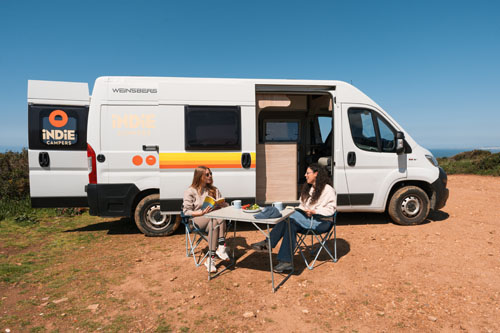
Embarking on a family RV adventure in Ireland is an unparalleled way to discover the Emerald Isle's breathtaking landscapes and vibrant culture at your own pace. Imagine waking up to the sound of waves crashing against a rugged coastline, having breakfast with views of ancient castles, and tucking your children into their comfortable beds after a day of exploring fairy tale forests. A family RV rental in Ireland offers flexibility, comfort, and the freedom to create cherished memories around every bend in the road. For live availability and current prices, start with our RV Rental Ireland - Complete Guide 2026 guide. For ideas you can prep on the road, watch our RV-friendly recipes playlist on YouTube.
Top 5 Tips for family rv rental RV Rental in Ireland
Successfully navigating a family RV rental in Ireland involves thoughtful planning, starting with booking your motorhome well in advance, especially for the popular peak season months of June, July, and August.
Firstly, secure your rental vehicle 3 to 6 months ahead to ensure the best selection and rates. Secondly, take time to familiarize yourself with driving on the left side of the road and the distinctive characteristics of Ireland's roads, including narrow country lanes. Thirdly, the unpredictable Irish weather necessitates packing layers of clothing and reliable waterproof gear for everyone. Fourthly, design a flexible itinerary that embraces spontaneous stops in charming small towns, which often lead to the most authentic experiences. Lastly, ensure you understand all waste disposal and fresh water refill protocols before you depart, as proper management is key to a smooth and eco-conscious trip.
Before You Book - Class, Dates, Insurance
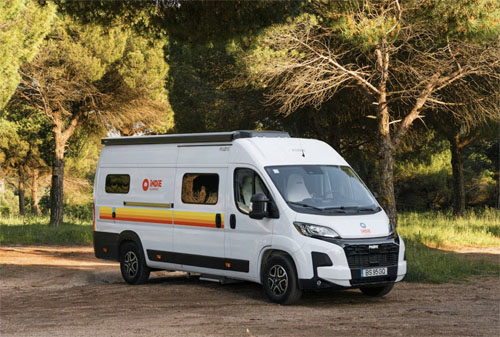
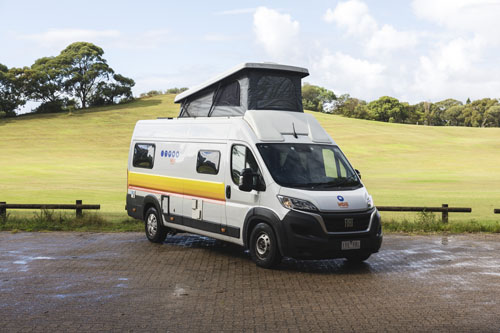
Selecting the right motorhome class for your family RV rental in Ireland is crucial for both comfort and ease of driving, ensuring everyone has enough space without making navigation a challenge.
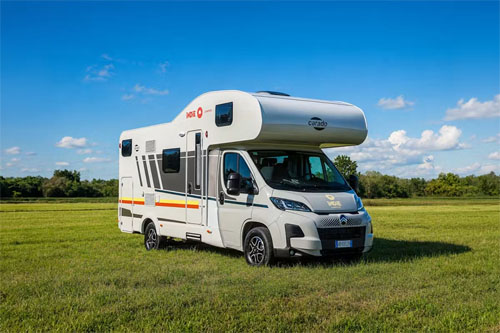
For families, popular choices include Class C motorhomes, which often offer a good balance of sleeping capacity and amenities, such as a full kitchen with a 3-burner gas stove and a 100-liter refrigerator, plus a dedicated shower and toilet, like the "rv rentals example Comfort Class" or "cruise america rv rental example Explorer." These typically sleep 4-6 people, with dimensions around 7-8 meters in length, providing ample living space for a week-long trip or even an extended road trip across the country. Booking dates should be confirmed 3-6 months ahead for summer travel or 2-4 months for shoulder seasons (May, September) to guarantee availability and secure more favorable rates, as prices are dynamic and change daily. While basic insurance is always included with your rental, you can upgrade to a top-level deductible reimbursement for extra peace of mind, which covers unforeseen incidents up to a specified amount. When searching on Bandana, be transparent about the number of travelers, including any young children, to ensure you receive accurate quotes for suitable vehicles. Our goal is full transparency, so there are no hidden fees or surprises after you book.
🎬 Video coming soon
Pre-Trip Prep - Packing Checklist for Ireland
A comprehensive packing checklist for an RV rental in Ireland should prioritize items that cater to varied weather conditions and promote self-sufficiency, ensuring your family is comfortable and prepared for any adventure.
Given Ireland's famously changeable climate, layers are essential. Think thermals, fleeces, and t-shirts that can be easily added or removed, along with comfortable, waterproof walking shoes for exploring. Don't forget adapters for Irish/UK sockets (Type G) to keep devices charged. For cooking convenience, consider bringing basic essentials like salt, pepper, and your favorite coffee or tea. Most RVs, such as a typical Class C motorhome like the "cruise america rv rental example Explorer", come equipped with a refrigerator, a gas stove, and ample cabinet space, making on-board meal preparation a breeze. Remember reusable water bottles and shopping bags to minimize waste, a first-aid kit for minor bumps and scrapes, and high-visibility vests for roadside emergencies. Always carry your passport or ID, driving license, and all RV rental documents, keeping both physical and digital copies readily accessible. For entertainment during travel times or quiet evenings at the campground, pack books, games, or downloaded movies for the kids. A portable power bank for devices is also a smart addition, ensuring connectivity even when you're off-grid. Traveling with an RV means you can enjoy delicious home-cooked meals; explore our RV-friendly recipes playlist for inspiration!
- Waterproof rain jackets and trousers
- Layered clothing (thermals, fleeces, t-shirts)
- Comfortable waterproof walking shoes or boots
- Adapters for Irish/UK sockets (Type G)
- Basic cooking essentials (salt, pepper, oil, coffee/tea)
- Reusable water bottles and shopping bags
- First-aid kit and any personal medications
- High-visibility vests for roadside emergencies
- Passport/ID, driving license, RV rental documents
- Copies of important documents (physical and digital)
- Portable power bank for devices
- Entertainment for kids (books, games, downloaded movies)
On the Road - Driving, Fueling, Navigation
Driving a rented RV or motorhome in Ireland requires adapting to left-hand traffic, which is common throughout the UK and Ireland, along with navigating narrow roads and unique challenges in terms of navigation.
Irish roads, particularly the scenic "boreens" (small country roads), can be significantly narrower than what many travelers are accustomed to. Drive slowly and carefully, and you can drive almost anywhere without issues. No need to stress - just use common sense and pay attention. Speed limits are typically 50 km/h in urban areas, 80 km/h on regional roads, and 100-120 km/h on national primary routes and motorways. Planning fuel stops is essential, especially in rural areas where stations may be less frequent; diesel is the predominant fuel type. Utilize a reliable GPS, preferably one that allows you to input your RV's dimensions, to avoid unsuitable roads. You might encounter livestock on rural routes, so always be prepared to slow down or stop safely. Even in city centers like Dublin, Cork, or Belfast, you can navigate with a larger RV; just allow extra time, be patient, and use common sense. Finding suitable parking might require a bit more effort in smaller towns, often meaning looking for larger car parks outside the immediate town center. If you plan an extensive Week-Long RV Driving Tour in Ireland 2026, careful planning of your daily drives to cover around 100-150 km per day will allow ample time for exploration without rushing.
At the Campground - Setup, Hookups & Etiquette
Setting up your rented motorhome at a campground in Ireland involves a straightforward sequence of steps for both safety and convenience, ensuring a comfortable stay for your family.
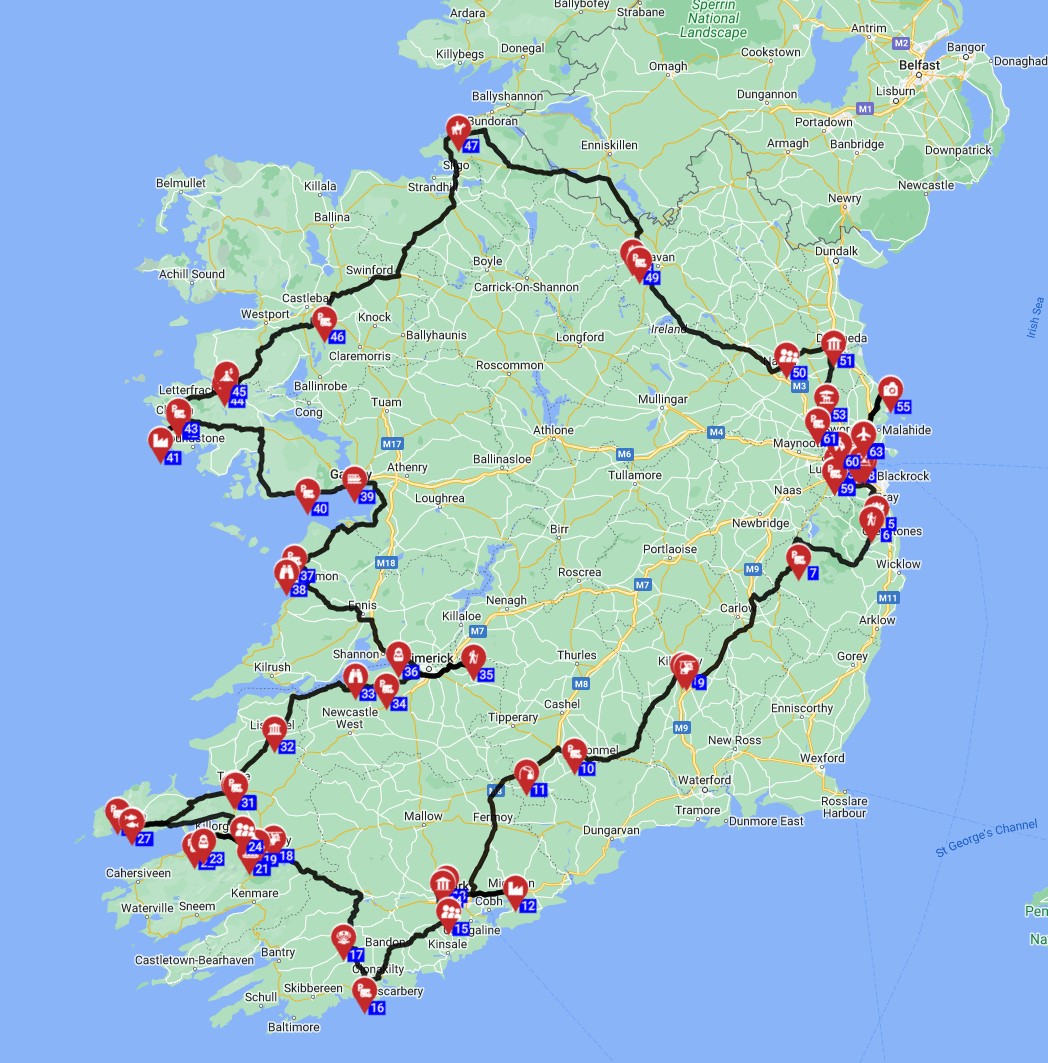
Upon arrival, first position your RV on your designated pitch, ensuring it's level. Next, connect your electrical hookup (EHU) cable, which provides 220-240V power at most sites; typically, a 16-amp connection is standard. Then, attach your fresh water hose if a direct hookup is available, or refill your fresh water tank using a designated tap. Always ensure your greywater (sink/shower waste) and blackwater (toilet waste) tanks are ready for proper disposal at the site's dump station, also known as a 'service point' or 'chemical disposal point.' Adhering to local campground etiquette is important for a pleasant experience for everyone: respect quiet hours, often between 10 PM and 8 AM, keep your area tidy, and be mindful of your neighbors' privacy. Many Irish campgrounds offer communal facilities like laundromats, playgrounds, and even small shops. For a comprehensive overview of campsites and campgrounds during your trip, we recommend using RV PLANET (rvplan.net) - a great resource for locating available spots along your route. On the routes offered through RV PLANET routes, you can itemize and track every expense along the way for easy budgeting.
Family RV Rental-Specific Tips for Ireland
Prioritizing an RV with adequate sleeping arrangements and sufficient living space is paramount for family comfort on an extended road trip through Ireland, especially with children.
For instance, a Class C motorhome like the "cruise america rv rental example Explorer" or a similar model offering multiple beds (e.g., a double over the cab and a rear double bed), a spacious dining area that converts into an additional sleeping area, and ample storage for luggage and toys, is ideal for a family of 4-6 people. Plan your daily drives to include frequent stops at kid-friendly attractions, such as historical sites like the Rock of Cashel, adventure parks, playgrounds, or scenic spots like the Cliffs of Moher for invigorating breaks. Pack a variety of entertainment options, from books and travel games to downloaded movies, to keep children engaged during travel times and quiet evenings. Prioritize campgrounds with family-friendly amenities, which often include playgrounds, games rooms, or even organized activity programs during peak season. Consider incorporating "down days" at a single location, allowing children to relax and explore the immediate surroundings without constant travel, providing a much-needed break from driving. Remember, with Bandana, you're working with true RV specialists, not just a general travel agency, so we understand the nuances of family RV travel and are here to support you in finding the perfect vehicle for your adventure in Ireland.
Common Mistakes to Avoid in Ireland
A frequent oversight for first-time RV renters in Ireland is underestimating the narrowness of rural Irish roads, often called boreens, which requires drivers to practice defensive driving and be prepared to yield.
It's easy to overpack for an RV trip, but this can make maneuvering and living in your motorhome challenging; instead, pack efficiently and utilize laundry facilities often available at campgrounds. While the idea of wild camping is romantic, relying solely on it can lead to legal issues and limited amenities, as strict "no overnight parking" signs are becoming more common in sensitive areas; instead, plan a mix of official campgrounds and approved overnight spots. Failing to pre-book popular campgrounds, especially in the peak summer season, can result in no vacancies upon arrival, so secure your pitches in advance, particularly for iconic locations. Lastly, attempting to rush through a packed itinerary leads to exhaustion and missed opportunities; instead, embrace the slower pace of RV travel in Ireland, aiming for a maximum of 100-150 km per day on average, allowing your family to fully connect with the culture, food, and stunning scenery. This thoughtful approach will ensure a more enjoyable and authentic experience, helping you avoid unnecessary stress. For additional cost-saving tips, check our Cheap RV Rental in Ireland - Budget Guide 2026.
How much does it cost to rent an RV in Ireland
RV rental costs in Ireland vary significantly based on factors such as the vehicle size, rental duration, and the season, typically ranging from approximately €80 to €250+ per night for a family-sized motorhome.
For example, a smaller campervan suitable for a couple might start at €80-€120 per night in the shoulder season, while a larger Class C motorhome like the "cruise america rv rental example Explorer" for a family of four could cost €150-€250+ per night during peak summer. Beyond the rental fee, budgeting for daily expenses is crucial: fuel (diesel costs around €1.70-€1.90 per liter in 2026) averages approximately €20-€40 per 150 km, tolls (ranging from €1.90 to €3.20 per toll plaza on motorways) can add up, and campground fees typically range from €25 to €50 per night for a powered pitch. Remember to also allocate funds for a daily food budget (e.g., €50-€100 for a family cooking most meals on board) and entrance fees for attractions (e.g., €10-€20 per adult for popular sites like national parks or historic castles). On RV PLANET routes, travelers can itemize and track every expense along the way for easy budgeting, ensuring full transparency in your trip's financial planning. For more detailed pricing information, consider reading our "Family RV Rental in Ireland - Pricing Guide 2026" or "RV Rental in Ireland - Prices and Best Deals 2026".
What is the best month to RV in Ireland
The best months to RV in Ireland are generally May, June, and September, which offer a favorable balance of milder weather, longer daylight hours (up to 16 hours in June), and fewer crowds compared to the bustling peak summer season.
Late spring (May-June) provides blooming landscapes and the freshest greens, with average temperatures ranging from 10°C to 18°C, creating ideal conditions for scenic drives and outdoor activities. Early autumn (September) often boasts stable weather, vibrant foliage, and less wind and rain than later months, with temperatures from 10°C to 17°C, perfect for enjoying coastal routes like the Wild Atlantic Way. Traveling during these shoulder seasons can also result in better deals on motorhome rentals and campground bookings, often saving up to 10-15% on daily rates, while still offering full access to attractions and services before seasonal closures. The peak summer months of July and August see higher temperatures (averaging 15°C to 20°C) but also significant tourist traffic and higher prices, making early booking even more critical.
Do I need a special license to drive an RV in Ireland
Most standard RVs available for family rental in Ireland, typically falling under 3,500 kg Maximum Authorised Mass (MAM), can be driven with a regular Category B car license issued in your home country.
Drivers from EU/EEA countries can simply use their existing license. For those from outside the EU/EEA, an International Driving Permit (IDP) is recommended to accompany their valid national license, although it is not mandatory in most cases, it can be very helpful for translation purposes. For larger Class A or C motorhomes exceeding 3,500 kg MAM (e.g., up to 7,500 kg), a Category C1 license might be required by law in some other European countries, but for all rental motorhomes offered by our suppliers in Ireland, a standard car driver's license is sufficient. It's always best to confirm the specific vehicle's MAM and your license validity with the rental provider to ensure compliance. The minimum rental age for motorhomes in Ireland is 21 years old, with no young driver surcharges or vehicle class restrictions based on age across our network of trusted suppliers like Apollo or Britz.
Is driving an RV in Ireland difficult
Driving a rented RV in Ireland can present unique challenges, primarily due to its predominantly narrow, winding roads, including the famous boreens (small country roads) and often unhedged coastal routes, making careful navigation essential.
While larger vehicles require more vigilance, drive slowly and carefully, and you can drive almost anywhere without issues. No need to stress - just use common sense and pay attention. Practical tips for navigating boreens include driving slowly, anticipating oncoming traffic, and utilizing designated passing places by reversing if necessary, especially with larger Class C motorhomes. Parking a motorhome in Ireland's historic towns can be difficult due to limited space; look for designated RV parking outside town centers or utilize park-and-ride options. Be prepared for occasional encounters with livestock like sheep or cattle on rural roads, which will require you to slow down or stop. Despite these considerations, the experience of having a mobile home base to explore Ireland's stunning scenery far outweighs any minor driving inconveniences, allowing you to venture to charming towns like Killarney or Derry City Airport with confidence.
Are there RV parks in Ireland
Ireland boasts a diverse and welcoming network of RV parks and campgrounds scattered across the entire island, providing a wide variety of options for family travelers.
These options range from basic council-run sites with minimal facilities, offering just a pitch and perhaps a water tap, to luxurious holiday parks featuring extensive amenities like playgrounds, laundromats, on-site restaurants, and even guided activities or entertainment for children. Specific recommendations include family-friendly parks found within the Caravan & Camping Ireland network, which often provide full hookups (electric, water, waste disposal points) and are conveniently located near popular attractions such or vibrant cities like Cork Airport or Belfast Harbour. Many sites also offer stunning scenic views, from coastal pitches overlooking the Atlantic to tranquil spots nestled in national parks. When considering a rental in cities like Belfast or Belfast City Airport, remember that while you'll drive through, the real beauty of RV travel in Ireland lies in camping at these well-equipped parks in nature.
Can you wild camp in Ireland with an RV
Wild camping with a rented RV or motorhome in Ireland is generally not permitted on public or private land without explicit permission from the landowner, and travelers will increasingly find strict 'no overnight parking' signs in popular scenic areas.
While some remote areas might tolerate discreet overnight stays, it's safer, more responsible, and respectful of local regulations and communities to utilize official campgrounds, designated overnight parking spots (sometimes referred to as 'aires' in other European regions), or respectfully ask local businesses, such as pubs with large car parks, for permission. Ignoring these guidelines can lead to fines, confrontation with landowners or authorities, and contribute to environmental damage if waste is not properly managed. Planned stays at established sites are therefore the recommended and most hassle-free approach for RVers, offering access to essential services like waste disposal and fresh water refills. This ensures a smooth and enjoyable trip, preventing unnecessary stress or surprises. Always check local signage and respect private property.
RV-Specific Regulations in Ireland Beyond Wild Camping
RV-specific regulations in Ireland extend beyond wild camping rules to encompass proper waste management, including strict guidelines for disposing of greywater (sink/shower waste) and blackwater (toilet waste) only at designated dump stations found at most campgrounds or official service points.
Accessing potable water for refills is readily available at official campsites, but it is advisable for RV renters to carry a full fresh water tank, such as the 82-liter tank in a "cruise america rv rental example Explorer", when venturing into more remote areas, as public refill points are less common. Be aware of potential vehicle size restrictions for certain historic sites, ancient monuments, or very narrow coastal routes, which will often be indicated by clear signage. For example, some parts of the Ring of Kerry have advisories for large coaches, which RVers should heed. Drivers of larger Class C motorhomes should always be vigilant for signage indicating height or weight restrictions, especially when entering small villages or crossing older bridges. These regulations are in place to preserve Ireland's natural beauty and infrastructure, ensuring a sustainable RV travel experience for all.
Local Etiquette and Cultural Immersion for RVers in Ireland
Engaging respectfully with locals in Ireland involves being polite, acknowledging passersby with a nod or a 'hello' in rural communities, and understanding that privacy and community values are highly regarded.
Supporting small, local businesses, such as family-run shops, cafes, and traditional pubs, is an excellent way to contribute directly to the local economy and experience authentic Irish hospitality. To find traditional music sessions ('seisiúin'), inquire at local pubs, especially in towns renowned for their music scene like Doolin or Westport, which can offer a truly immersive cultural experience that's easily accessible from your RV base. Utilize your rented RV or campervan to access these authentic cultural experiences by seeking out farm stays or smaller, family-run campgrounds that often provide unique insights into rural Irish life and can offer personalized recommendations for local events and hidden gems. Remember, traveling slowly, ideally at a maximum of 100-150 km per day on average, allows your family ample time to feel the place, connect to the local culture, savor the food, and truly appreciate the stunning scenery.
Emergency Preparedness and Support for RV Travel in Ireland
Emergency preparedness for RV travel in Ireland requires a clear understanding of local roadside assistance options, such as those provided by your rental company or reputable organizations like AA Ireland, which can assist with breakdowns or common vehicle issues.
Before you depart with your rented motorhome, familiarize yourself with common RV issues that might arise, such as a water pump malfunction or minor electrical issues, and know basic troubleshooting steps, including where to locate your vehicle's manual. Always keep a readily accessible list of local emergency contacts within the RV, including the universal European emergency services number (112 or 999 in Ireland), your rental company's specific 24/7 support line, and details of your travel insurance provider. Our direct partnerships with 50+ leading RV suppliers worldwide, including El Monte, Cruise America, Apollo, and Britz, means you're backed by a robust network. While Bandana specializes in pre-booking comparison, booking support, and post-booking coordination, our suppliers offer comprehensive roadside assistance during your trip, ensuring real people are behind you every step of the way. We handle the details, you live the journey - personal service from day one until your booking is confirmed.
Sustainable RVing Practices in Ireland
Practicing sustainable RVing in Ireland involves diligently adhering to 'Leave No Trace' principles, ensuring that all waste is packed out or disposed of responsibly at designated facilities, and avoiding any form of littering.
Conserving precious resources like water and electricity is crucial, especially when traveling in a self-contained motorhome; take shorter showers, turn off lights when not actively needed, and minimize generator use if your vehicle is equipped with one. To further minimize your environmental impact and preserve Ireland's pristine natural beauty, always stick to marked roads and established trails, respect local wildlife and their natural habitats by keeping a safe distance, and ensure all grey and black water is emptied exclusively at proper dump stations, never into the natural environment. Bandana, founded in 2001, has over two decades of experience helping tens of thousands of travelers explore the world by RV, and we strongly advocate for responsible travel practices. By following these guidelines, your family RV adventure in Ireland will not only be unforgettable but also contribute positively to preserving this beautiful country for future generations.
What You Shouldn't Miss
- Drive the Wild Atlantic Way: Experience one of the world's longest defined coastal touring routes, stretching 2,500 km along Ireland's rugged west coast. Park your campervan at scenic overlooks and explore stunning cliffs, hidden beaches, and charming fishing villages.
- Explore the Ring of Kerry: Take a 179 km panoramic driving route through County Kerry, offering breathtaking views of mountains, lakes, and the Atlantic Ocean. Stop at charming towns like Killarney and Kenmare, which are perfect for a family lunch.
- Visit the Cliffs of Moher: Witness the iconic 214-meter-high cliffs along the Wild Atlantic Way, home to thousands of seabirds. Park your motorhome and take a walk along the designated paths for spectacular views.
- Discover the Giant's Causeway: Head north to UNESCO World Heritage Site in County Antrim, a geological wonder of hexagonal basalt columns formed by ancient volcanic activity. There are RV-friendly parking options nearby for this incredible natural attraction.
- Wander through Killarney National Park: Enjoy the lush landscapes, mountains, lakes, and ancient woodlands of Ireland's first national park. Many local campgrounds offer easy access to walking and cycling trails suitable for families.
- Looking for expert insights from Avi Bandana? Top 5 Adventures - recommendations from Avi Bandana
Final Thoughts
An RV adventure through Ireland with your family is more than just a vacation; it's an opportunity for discovery, connection, and creating stories you'll share for years to come. The freedom of a rented motorhome allows you to immerse yourselves fully in the Emerald Isle's legendary beauty, from ancient ruins to vibrant green landscapes and welcoming local communities. Embrace the slower pace, allowing yourselves to truly feel the magic of each place you visit.
Remember, we are here to support you every step of the way, offering transparent pricing, expert advice, and a selection of top-quality vehicles from trusted suppliers. With careful planning and our comprehensive tips, your family RV trip to Ireland will be a smooth, stress-free, and utterly enchanting experience.
So, gather your loved ones, pack your bags, and get ready to hit the road. Ireland is waiting to unveil its wonders, and a family RV rental is the perfect way to explore it together. Discover top destinations and planning tips, all in one place!