In This Guide
- Top 5 Tips for family rv rental RV Rental in Chile
- Before You Book - Class, Dates, Insurance
- Pre-Trip Prep - Packing Checklist for Chile
- On the Road - Driving, Fueling, Navigation
- At the Campground - Setup, Hookups & Etiquette
- Family RV Rental-Specific Tips for Chile
- Common Mistakes to Avoid in Chile
- What are the vehicle requirements for an RV rental in Chile (e.g., 4x4 vs 2WD, size/weight limits)?
- How much does RV travel in Chile cost, including fuel, camping fees, and permits?
- What are the essential safety tips for RVing in Chile, including road safety and emergency services?
- What is the cell service coverage like in Chile for RV travelers, and is Wi-Fi available?
- Where can RVs find water, dump stations, and propane refills in Chile?
- What are the requirements for border crossing with an RV in Chile?
- What are the rules for wild camping (camping libre) vs. designated campgrounds in Chile?
- When is the best time to visit Chile in an RV, considering weather and crowds?
- What are the cultural nuances for RV travelers in Chile?
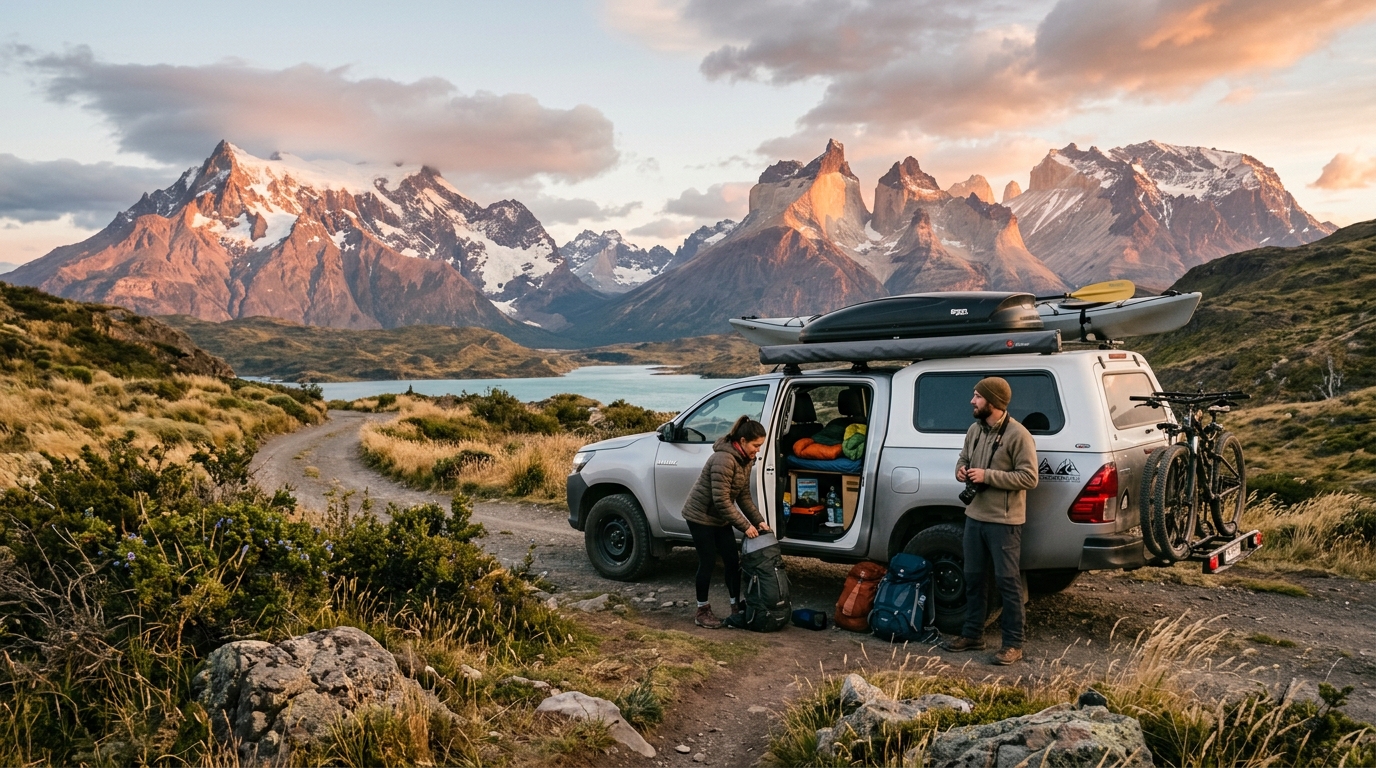
Chile offers an incredible landscape for family RV adventures, stretching from the arid Atacama Desert in the north to the glacial fjords of Patagonia in the south. Imagine waking up to a new, breathtaking view each morning with your loved ones, with the convenience of your mobile home right there. Renting a motorhome in Chile means unparalleled freedom to explore this diverse country at your own pace, creating memories that will last a lifetime.
To help you navigate this stunning destination, we’ve put together a comprehensive guide specifically tailored for family RV travel. For live availability and current prices, start with our RV Rental Chile - Complete Guide 2026 guide, offering transparent comparisons across top suppliers like El Monte and Apollo. We believe in full transparency: what you see is what you pay, with no surprise fees at pickup, ensuring a smooth start to your Chilean journey.
Top 5 Tips for family rv rental RV Rental in Chile
Booking early is crucial for family RV rental in Chile, especially to secure preferred RV models and dates during peak season, which runs from December to February. Popular Class C motorhomes, ideal for families, often get reserved up to 6 months in advance. You can compare various models, from compact campervans like the "rv rental denver example Category Van" for couples to larger "rv rentals example Comfort Class" with 3 double beds for big families, directly on our platform.
Researching vehicle requirements is essential, as Chile's diverse terrain from the Andes to the coast may suggest different vehicle capabilities. While a 4x4 such as a "Patagonia Camper 4x4 double cab" is recommended for more challenging, unpaved routes in Patagonia, a standard 2WD motorhome is perfectly suitable for main highways and accessible national parks. Your budget should account comprehensively for fuel, camping fees, national park permits, and potential ferry costs, which can vary significantly along the Carretera Austral, for example. We're true RV specialists, not just a side department of a travel agency, so we understand these nuances.
Familiarize yourself with local road rules and safety measures, as driving conditions can change rapidly from bustling city streets to remote gravel roads; always drive slowly and carefully, and you can drive almost anywhere without issues, just use common sense and pay attention. Preparing for varying climates with a versatile packing list is non-negotiable for a country that spans from desert heat to Patagonian cold. Consider checking our Cheap RV Rental in Chile - Budget Guide 2026 for more cost-saving tips to plan your adventure.
Before You Book - Class, Dates, Insurance
Choosing the right rented RV class for a family in Chile involves balancing space for comfort with maneuverability on diverse roads, ensuring your adventure is enjoyable. For families with 4-6 people, a Class C motorhome like the "cruise america rv rental example Explorer" offers a good balance, typically featuring a queen bed over the cab, a convertible dinette, and a rear double bed, along with a full kitchen and bathroom. These often come with a 82-liter fresh water tank and a 75-liter fuel tank, providing ample self-sufficiency for extended trips.
Securing your rental dates well in advance is highly recommended, particularly if you plan to travel during the Chilean summer (December to February) or national holidays, when demand for family motorhomes is highest. While many national and state parks reserve only 25-30% of spots for advance booking, the rest are first-come-first-serve, so don't stress; you'll find a spot, and if not at the first campground, then the next one, just remember to call ahead before driving. Our service ensures full transparency, with no hidden fees or surprises, making your booking process straightforward.
Basic insurance is always included with your RV rental. For the most comprehensive coverage, you can select that option during your search on our platform, and all relevant insurance options, including upgrading to a top-level deductible for extra peace of mind, will be clearly shown. This allows you to compare final prices across 50+ suppliers without guesswork. If you're wondering about specific costs, our RV Rental in Chile - Prices and Best Deals 2026 provides more details.
Pre-Trip Prep - Packing Checklist for Chile
A comprehensive packing list for a family RV trip in Chile must account for its vast climate differences, from the arid Atacama Desert in the north to the glacial south. Essential items include layered clothing suitable for both warm days and cold nights, sturdy hiking boots for exploring national parks like Torres del Paine, and waterproof gear for unexpected rain in the south. For cooking on board your rented RV, remember basic supplies like a portable grill for outdoor meals and reusable containers for food storage. Many modern Class C motorhomes, such as a "Glamys 265", come with gas stoves and refrigerators to make meal prep easy. Don't forget a first-aid kit, sun protection (hats, sunscreen, sunglasses), and insect repellent, especially for warmer regions. For more culinary inspiration, check out our RV-friendly recipes playlist.
Safety gear should include a reflective vest, a warning triangle, and a basic tool kit for minor adjustments. Crucially, bring all necessary travel documents: passports, a standard car driver's license (minimum age 21), and an International Driving Permit (IDP) which is highly recommended for non-English speaking countries like Chile, although not always mandatory. Also, consider bringing a portable power bank for electronics, as power outlets in remote areas can be scarce. Remember to pack a variety of entertainment for children, like books, games, and tablets, especially for longer drives. Our true RV specialists are here to support you before and after your booking, offering insights from years of experience helping tens of thousands of travelers explore the world by RV since 2001.
On the Road - Driving, Fueling, Navigation
Driving a rented RV in Chile requires awareness of varying road conditions, from well-maintained paved highways (like Ruta 5) to unpaved scenic routes, especially in regions such as Patagonia or the Andes foothills. Drive slowly and carefully, and you can drive almost anywhere without issues; no need to stress, just use common sense and pay attention to road signs. For example, some sections of the Carretera Austral are gravel, which requires slower speeds and more cautious driving, particularly if you're in a larger Class C motorhome like an "Euro Deluxe" with a length of over 7 meters.
Plan your fuel stops in advance, especially in remote areas where stations can be sparse, and always keep your tank topped up. Fuel prices for diesel (which most modern motorhomes use) average around $1.20-$1.50 USD per liter in Chile, and can be higher in isolated regions. Utilize reliable navigation tools such as offline maps on your smartphone or a dedicated GPS, as cell service can be intermittent outside major towns. RV PLANET (rvplan.net) is a great resource for pre-planned routes by professionals and can help you itemize and track every expense along the way for easy budgeting. You can even find specific "Rent&Plan" itineraries designed for Chilean adventures. Be prepared for potential road tolls, particularly near cities and on major highways, and ensure your vehicle meets any specific requirements for certain routes or national parks, such as the need for chains in winter mountain passes. On the routes offered through RV PLANET routes, you can itemize and track every expense along the way for easy budgeting.
🎬 Video coming soon
Remember that slow travel is key to enjoying Chile; aim for a maximum of 100-150 km per day on average. This pace allows your family to truly feel the place, connect to the local culture, savor the food, and immerse yourselves in the stunning scenery, from the Pacific coast to the towering Andes.
At the Campground - Setup, Hookups & Etiquette
Setting up your rented RV at a Chilean campground typically involves leveling the vehicle, connecting to water and electricity hookups (if available), and managing waste disposal. Many organized campgrounds offer designated spots for motorhomes, often including 220V electrical hookups and fresh water access. For instance, a Class C motorhome like the "Adak Argonaut 21 - Gold" would comfortably connect to a 30-amp or 50-amp power pedestal found at many well-equipped sites. It's always a good idea to arrive early, especially during peak season, as some popular campgrounds fill up quickly. Remember that you can search for campsites via RV PLANET (rvplan.net) - a great resource for locating available spots along your route.
Adhering to campground quiet hours, typically between 10 PM and 7 AM, and maintaining a respectful distance from other campers are important aspects of local etiquette. Chileans appreciate peaceful enjoyment of nature, so keep noise levels down, especially in the evenings. Familiarize yourself with the process for using dump stations (often called "descarga de aguas grises y negras") and ensure proper waste disposal to protect Chile's pristine natural environments. Never dispose of grey or black water outside of designated facilities. For longer stays or in remote areas, managing your fresh water supply and waste tanks, perhaps with a capacity of 80-150 liters, becomes a crucial part of your daily routine. Many campgrounds will have signs and instructions, but don't hesitate to ask local staff if you're unsure about any procedures.
Family RV Rental-Specific Tips for Chile
For family RV rentals in Chile, prioritize selecting vehicles with adequate sleeping arrangements and ample storage for children's gear. A 4-6 berth Class C motorhome like the "Adventure Tent Select 4" offers comfortable double beds and convertible dinettes, ensuring everyone has their own space. Look for models with generous storage compartments for luggage, toys, and outdoor equipment. Many family motorhomes feature an internal height of at least 2 meters, providing comfortable living space for taller family members.
Planning routes with kid-friendly attractions and incorporating plenty of stops for playtime and naps is crucial to keep everyone comfortable and happy on an extended road trip. Chile offers numerous family-friendly activities, from exploring penguin colonies on Isla Magdalena to sandboarding in the Atacama Desert, or visiting the charming lakeside towns in the Lake District. Make sure your rented RV is equipped with appropriate car seats or booster seats as required by Chilean law for children under 12 years old or shorter than 1.35 meters; these are usually available as add-ons from rental suppliers like Britz or Apollo. Consider child-proof locks for cabinets and refrigerator doors to prevent spills and ensure safety while driving. Packing a variety of entertainment options for children, such as books, games, and tablets, is essential, especially for longer drives through less populated areas. Research family-friendly campgrounds offering amenities like playgrounds, shallow swimming areas, or organized activities, which can be found in our RV Rental Deals in Chile - Latest Offers 2026 guide. Remember to travel slowly, max 100-150 km per day on average, to truly immerse your family in the culture, food, and scenery.
Common Mistakes to Avoid in Chile
Underestimating driving distances and travel times in Chile is a common mistake; instead, always add buffer time to your itinerary to account for diverse terrain, slower mountain roads, and unexpected stops. For instance, the drive through the Atacama Desert can feel vast, and Patagonian roads, though scenic, are often gravel and require slower speeds, even in a robust 4x4 campervan. For planning efficiency, our 1,300+ pre-planned routes across 5 continents via RV PLANET (rvplan.net) can help you create realistic schedules.
Failing to carry local currency (Chilean Pesos) for small purchases and remote vendors can be problematic; instead, always have cash on hand, as many small towns and roadside stalls may not accept credit cards. Neglecting to check weather forecasts for different regions can lead to discomfort, especially given Chile's extreme climate variations; instead, pack layers and consult multiple sources like local news or weather apps for accurate updates. Our Rent&Plan service can also help you prepare for these shifts.
Not booking popular campsites or ferries in advance, especially in peak season, can result in missed opportunities, particularly in high-demand areas like Torres del Paine or for crucial ferry crossings along the Carretera Austral; instead, reserve early, ideally 3-6 months out. Overlooking the need for an International Driving Permit (IDP) in addition to your home country license is a frequent error for international visitors; instead, obtain one before departure, as it is highly recommended despite a standard car driver's license (minimum age 21) being sufficient for all motorhome classes. We are true RV specialists, dedicated to making your journey seamless, offering 24/7 support for pre-booking comparisons and expert advice.
What are the vehicle requirements for an RV rental in Chile (e.g., 4x4 vs 2WD, size/weight limits)?
RV rental vehicle requirements in Chile depend heavily on your intended route, with 4x4 vehicles like the "4x4 Camper B - THOR" recommended for challenging terrains such as specific sections of Patagonia or the high Andes, while 2WD models suffice for major highways. A standard Class C motorhome, like a "C-Medium," measuring approximately 7-8 meters in length, is ideal for paved roads and well-maintained gravel routes, offering comfortable living amenities including a fresh water tank often around 150 liters.
Road conditions in areas like the Carretera Austral, which features many unpaved sections and mountain passes, often favor smaller, more robust campervans or 4x4 camper units like the "Patagonia Camper 4x4 double cab," and larger vehicles might face size or weight restrictions on certain ferries or narrow mountain passes. For instance, some smaller ferries might have length limits of 6-7 meters. Always confirm with your rental provider the specific capabilities and limitations of your chosen RV model regarding off-road suitability and dimensions for local infrastructure. Remember that a standard car driver's license is all you need for any motorhome class in Chile, as long as you're 21 years or older.
How much does RV travel in Chile cost, including fuel, camping fees, and permits?
The cost of RV travel in Chile varies significantly, typically ranging from $100 to $300 USD per day for motorhome rentals, plus additional expenses for fuel, camping fees, national park permits, and consumables. For a mid-sized family Class C motorhome like the "MHC24" (sleeping 6 with a 150L fresh water tank), daily rental prices can start from approximately $150 USD in low season and go up to $400+ USD in peak summer months (December-February). Remember that prices are dynamic, changing daily based on availability and seasonality.
Fuel is a major expense in Chile, with prices generally higher than in North America, especially in remote regions; budgeting for approximately $1.20-$1.50 USD per liter for diesel is advisable, meaning a 2,000 km trip could cost around $600-$1000 in fuel. Camping fees for designated sites can range from $15 to $40 USD per night, depending on amenities and location (e.g., national parks or private sites). National park entrance fees vary but are generally affordable, typically between $5-$25 USD per person. Additional costs may include ferry crossings (e.g., along the Carretera Austral, some are free, others cost $30-$100 USD depending on vehicle size and route), propane refills, water, and groceries. When using RV PLANET routes, travelers can itemize and track every expense along the way for easy budgeting. Our pricing guides, such as RV Rental in Chile - Prices and Best Deals 2026 and Luxury RV Rental in Chile - Premium Prices 2026, offer further insights into budgeting for your adventure.
What are the essential safety tips for RVing in Chile, including road safety and emergency services?
Essential safety tips for RVing in Chile involve rigorous road safety practices, including adjusting to varying road conditions, from paved highways to gravel roads, and being aware of local driving habits. Always maintain safe following distances and drive slowly and carefully, especially in urban areas or on winding mountain passes; you can drive almost anywhere without issues, just use common sense and pay attention. For instance, a larger 6-berth RV like the "6 Berth Discovery" (7.4m length) requires extra caution on narrow roads.
Always carry emergency contact information, a comprehensive first-aid kit, and ensure your cell phone has a local SIM card for better access to emergency services; in Chile, you can reach ambulances by dialing 131, firefighters at 132, and police at 133. Be prepared for natural hazards like earthquakes by knowing basic safety protocols (e.g., drop, cover, hold on) and recognizing signs of volcanic activity in certain regions, particularly in the Lake District. Practice theft prevention by securing your rented vehicle and valuables, locking doors, and parking in well-lit, reputable campgrounds. Trust authority signals like our 25+ years of experience helping tens of thousands of travelers worldwide for peace of mind before and after your booking.
What is the cell service coverage like in Chile for RV travelers, and is Wi-Fi available?
Cell service coverage for RV travelers in Chile is generally reliable in urban areas and along major highways, but it can become sporadic or nonexistent in remote regions, national parks, and some parts of Patagonia. Major providers like Entel, Movistar, and Claro offer the widest coverage, and purchasing a local prepaid SIM card upon arrival, often costing around $10-$20 USD for data, is recommended for better connectivity. Even with a local SIM, anticipate "dead zones" in very isolated areas, particularly in places like the Atacama Desert or deep in the Andes. Our global expertise across 50+ countries gives us insights into these local connectivity challenges.
Wi-Fi availability is common in most designated campgrounds and virtually all towns and cities in Chile, but it can be unreliable or absent in wild camping spots and extremely remote areas. Many campgrounds offer paid Wi-Fi access, while cafes and restaurants in towns often provide free Wi-Fi for customers. Consider downloading offline maps and essential travel information before heading into areas with limited connectivity. A portable Wi-Fi hotspot with a local SIM card can be a useful backup for families needing consistent connection, whether for work or entertainment. Remember, our full transparency means no hidden fees, and we're here to help you plan effectively, though we don't assist with campsite Wi-Fi connections during your trip itself.
Where can RVs find water, dump stations, and propane refills in Chile?
RVs can typically find water, dump stations, and propane refills in Chile at designated campgrounds, larger gas stations in towns, and specialized RV service centers. Many national parks and private campsites, especially those catering to motorhome travelers, offer water hookups and dump stations, though availability can be limited in very remote or basic camping areas. Always inquire about these services upon arrival, as some smaller sites might only offer basic facilities.
Propane (gas licuado) refills are widely available at 'gas licuado' stations, which are common in cities and towns throughout Chile. It's advisable to refill your propane tank whenever possible, especially before heading into sparsely populated regions like Patagonia or the high desert, to ensure you have enough fuel for cooking and heating in your rented camper or caravan. For instance, a Class B campervan like the "V2L" or "V3" typically uses 5kg gas bottles for cooking. For finding specific locations for these services during your trip, we recommend using RV PLANET (rvplan.net) - a great resource for locating available spots along your route and can also help you with planning your route so you will not find yourself out of gas.
What are the requirements for border crossing with an RV in Chile?
Border crossing with an RV into Chile requires specific documentation, including valid passports for all travelers, an International Driving Permit (IDP) for the driver (highly recommended, though a standard driver's license is sufficient for motorhomes), the vehicle's registration papers, and proof of ownership or a formal rental agreement. For instance, if you're driving a rented Class C motorhome from Argentina into Chile, ensure your rental contract explicitly permits international travel and specifies the border crossings you plan to use.
Customs procedures involve declaring all goods, and it's critical to avoid bringing agricultural products (fruits, vegetables, meat, dairy) into the country, which can result in significant fines. Chile has strict biosecurity regulations to protect its unique ecosystems. If traveling in a non-Chilean registered RV, specific temporary vehicle import permits are required, typically obtained at the border crossing, and adequate vehicle insurance covering Chile is mandatory, often available at the border or through your rental agency. Always check the latest requirements from official Chilean government sources or your rental provider before attempting a border crossing, as rules can change. Our direct partnerships with 50+ leading RV suppliers worldwide, including those operating in Chile, mean we have up-to-date information to help you prepare.
What are the rules for wild camping (camping libre) vs. designated campgrounds in Chile?
Rules for wild camping, or 'camping libre,' in Chile are generally less formal than in some other countries, but it's crucial to respect private property, protected areas, and leave no trace of your stay. While generally tolerated on public lands outside of national parks or clearly marked restricted areas, always seek permission from landowners if camping near private property, especially in rural communities. This is a common practice that fosters positive interactions and ensures responsible travel, allowing you to enjoy secluded spots with your rented campervan or motorhome.
Designated campgrounds, both in national parks and private sites, offer amenities like restrooms, showers, and hookups (e.g., electricity and water), and require fees, providing a more structured and secure camping experience. For example, national park campgrounds like those in Torres del Paine require advance booking and adhere to strict rules to protect the environment. While 'camping libre' is widely practiced by adventurous RVers seeking off-grid experiences, it is often strictly prohibited within national parks, on private land without permission, and in urban zones; always look for signs, consult local tourism offices, or ask locals to confirm legal and acceptable wild camping spots. We recommend pre-planned routes from RV PLANET (rvplan.net) which can include suggestions for both designated campgrounds and areas where wild camping might be appropriate, always with an emphasis on responsible travel and environmental protection.
When is the best time to visit Chile in an RV, considering weather and crowds?
The best time to visit Chile in an RV, considering both weather and crowds, is generally during the shoulder seasons of spring (September to November) and autumn (March to May). During these periods, the weather is often pleasant across diverse climates - from mild in the Central Valley to manageable in Patagonia - roads are more accessible than in winter, and popular destinations experience fewer crowds compared to the peak summer months. For instance, traveling in October or April allows for comfortable temperatures in the Atacama Desert (average 20-25°C) and the Lake District, avoiding the intense summer heat or winter snow closures that can affect mountain passes. You can find flexible booking options and potential savings if you target these shoulder seasons, especially for a family motorhome rental.
Summer (December to February) offers the warmest weather and full accessibility, especially in Patagonia where temperatures can reach 15-20°C, but also brings the highest prices and most significant crowds, making advance bookings for campsites and ferries essential. Winter (June to August) can limit access to southern regions and high mountain passes due to snow and ice, with many roads potentially closing, making it less ideal for extensive RV travel, though the Atacama Desert remains pleasant. If you're flexible with your travel dates, exploring outside of the absolute peak summer can offer a more relaxed experience and potentially better deals on a rented campervan or motorhome. For Last-Minute RV Rental in Chile - What to Expect 2026, consider searching just a few weeks out, keeping in mind that flexibility with vehicle choice might be necessary.
What are the cultural nuances for RV travelers in Chile?
RV travelers in Chile should be aware of several cultural nuances to ensure a respectful and enriching experience, including the importance of greeting locals with "Buenos días" (good morning), "Buenas tardes" (good afternoon), or "Buenas noches" (good evening), and always showing politeness and respect, particularly in rural communities. A simple "Hola" or "Gracias" goes a long way in fostering positive interactions. This approach reflects our supportive philosophy, where we're with you before, during, and after your booking, extending to cultural preparation.
Patience is key when dealing with administrative processes, including checking into campgrounds or navigating local services, as things often operate at a more relaxed pace than in some Western countries. Understanding that meal times are typically later than in many Western countries can help with planning stops and restaurant visits; lunch is often between 1 PM and 3 PM, and dinner rarely starts before 8 PM. Always ask for permission before entering private property or attempting to wild camp near homes, demonstrating respect for local customs and land rights. Embrace the relaxed pace of life, known as "la buena onda" (good vibes), for a more enjoyable and authentic experience of Chilean culture. Learning a few basic Spanish phrases will significantly enhance your interactions and demonstrate your appreciation for their culture.
What You Shouldn't Miss
- **Stargazing in the Atacama Desert:** Drive your rented motorhome to one of the world's clearest skies for an unparalleled cosmic display, especially near San Pedro de Atacama.
- **Exploring Torres del Paine National Park:** Hike iconic trails and witness towering granite peaks, glaciers, and vibrant wildlife from your comfortable base in a rented RV.
- **The Lake District's Volcanoes and Lakes:** Navigate through charming towns like Puerto Varas, surrounded by stunning lakes and snow-capped volcanoes like Osorno.
- **Driving the Carretera Austral:** Embark on this epic road trip in southern Chile, traversing remote landscapes, rainforests, and requiring scenic ferry crossings.
- **Valparaíso's Colorful Hills:** Park your campervan and explore the bohemian, UNESCO-listed port city with its vibrant street art, historic funiculars, and unique architecture.
- Looking for expert insights from Avi Bandana? Top 5 Adventures - recommendations from Avi Bandana
Final Thoughts
A family RV rental adventure in Chile is more than just a vacation; it's an opportunity to connect with nature, discover vibrant cultures, and create lasting memories together. From the majestic Andes to the wild coasts of Patagonia, having your own mobile home gives you the freedom and flexibility to truly immerse yourselves in Chile's incredible diversity. Remember to embrace the slow travel philosophy, allowing you to savor every moment and experience the magic of this extraordinary country.
We at Bandana Caravan are passionate about RV travel, and we're here to support you every step of the way, from comparing the best deals on your preferred motorhome rental to ensuring you have all the information you need for a smooth journey. Our commitment to full transparency and personalized support means you can book with confidence, knowing there are no hidden fees or surprises.
So, gather your family, pack your bags, and get ready to embark on the adventure of a lifetime. Chile is waiting to be explored, one unforgettable mile at a time!
Discover top destinations, planning tips, all in one place! Compare Family RV Prices for Chile today.