In This Guide
- Top 5 Tips for RV Rental in Australia
- Before You Book - Class, Dates, Insurance
- Pre-Trip Prep - Packing Checklist for Australia
- On the Road - Driving, Fueling, Navigation
- At the Campground - Setup, Hookups & Etiquette
- RV Rental-Specific Tips for Australia
- Common Mistakes to Avoid in Australia
- What is the 3-3-3 rule for campervan travel?
- What are the drawbacks of renting an RV?
- How much does it cost to rent an RV in Australia?
- Can you park an RV anywhere in Australia?
- How much is a 1-week RV rental?
- Is it worth having a toilet in a campervan?
- Can US citizens rent a car in Australia?
- What is the 3-3-3 rule for RV travel?
- What not to do in Australia as an American?
- Is 3000 AUD enough for 2 weeks in Australia?
Embarking on an RV rental adventure through Australia with your family is an incredible way to experience the vast, diverse landscapes and vibrant culture at your own pace. With a rented motorhome or campervan, you have the freedom to explore everything from stunning coastlines to the iconic Outback, making memories that will last a lifetime. For live availability and current prices, start with our RV Rental Australia - Complete Guide 2026 guide, where you can easily compare options from over 50 leading RV suppliers, including trusted names like Apollo and Britz. We’ve been helping tens of thousands of travelers discover the joy of RV travel since 2001, providing honest and transparent service every step of the way.
Top 5 Tips for RV Rental in Australia
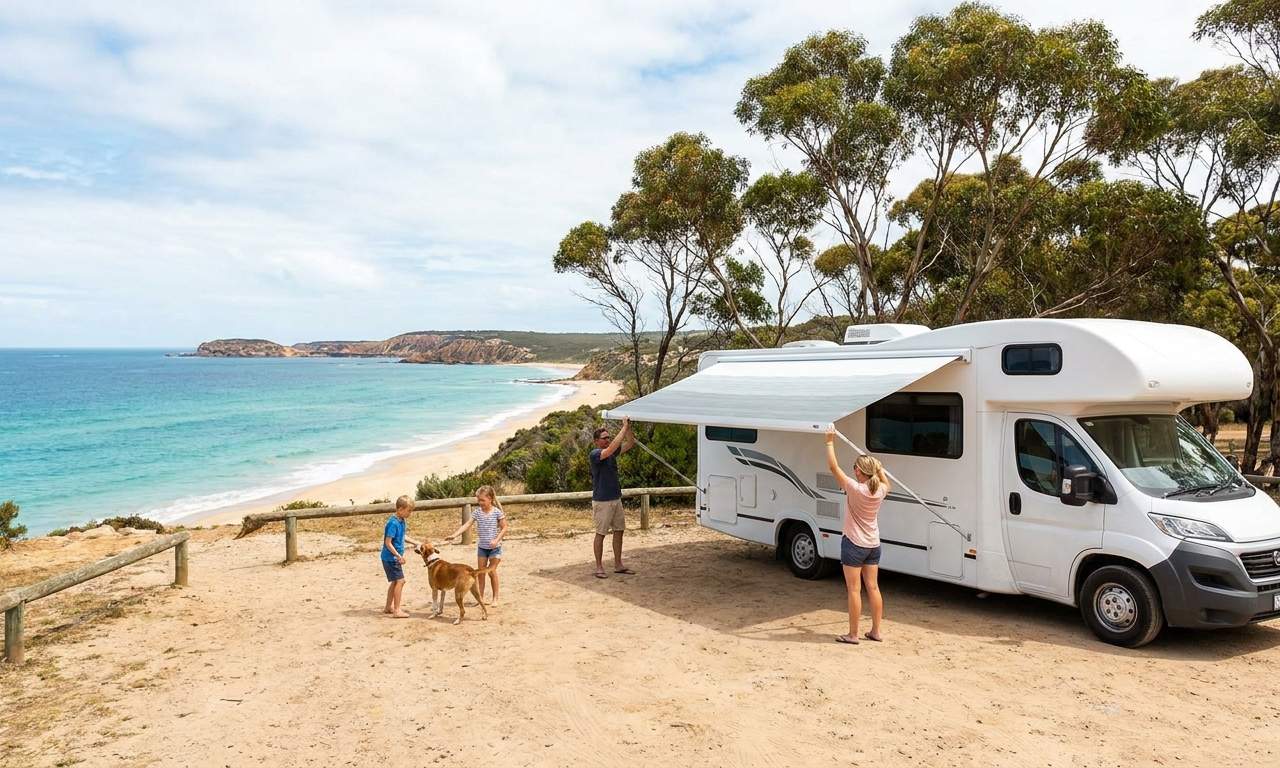
Planning your RV rental trip to Australia effectively ensures a smooth and enjoyable journey. Firstly, booking your RV well in advance, especially for popular travel periods like Australian school holidays (mid-December to late January, April, July, September-October), is crucial to secure your preferred vehicle and potentially save up to 20% on daily rates. Many national and state parks, for instance, reserve only 25-30% of their spots, leaving the rest for first-come-first-serve, so early booking for peak season is still beneficial but spontaneous camping is often possible.
Secondly, choosing an RV size appropriate for your group and driving comfort is essential for a family trip. For example, a 6-berth motorhome like the "Euro Deluxe" is ideal for larger families, offering ample sleeping and living space with features like a large refrigerator and roof air conditioning. Drive slowly and carefully, and you can drive almost anywhere without issues; there's no need to stress about city driving with a larger RV-just use common sense and pay attention. As true RV specialists, we understand that finding the right vehicle for your family’s needs is paramount.
Thirdly, accurately factoring in all costs beyond just the rental fee is important for budgeting in Australia. Ancillary expenses such as fuel, campground fees, propane, dump fees, and groceries can significantly impact your total trip cost. On RV PLANET routes, travelers can itemize and track every expense along the way for easy budgeting, ensuring full transparency with no hidden fees or surprises. On the routes offered through RV PLANET routes, you can itemize and track every expense along the way for easy budgeting.
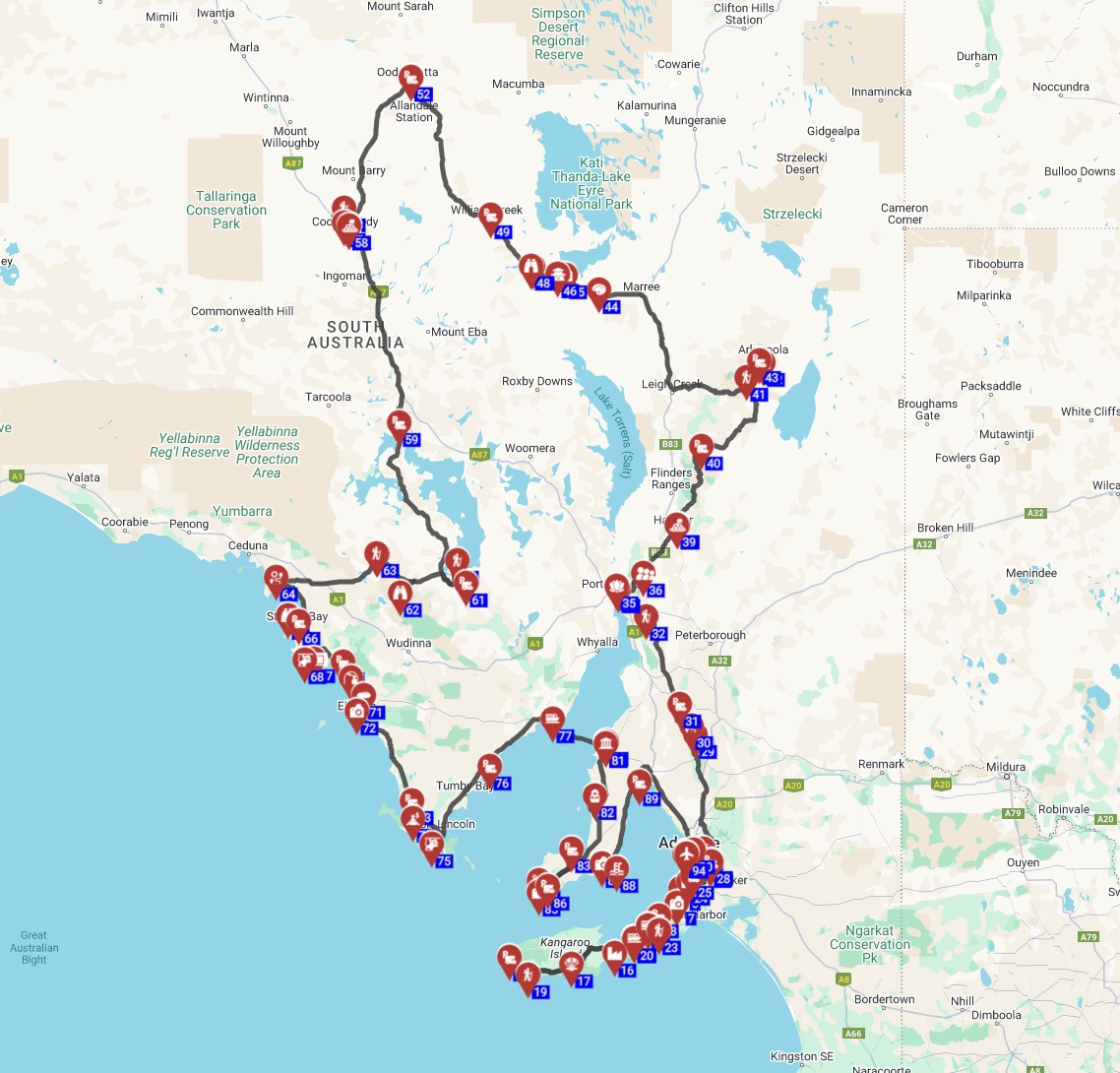
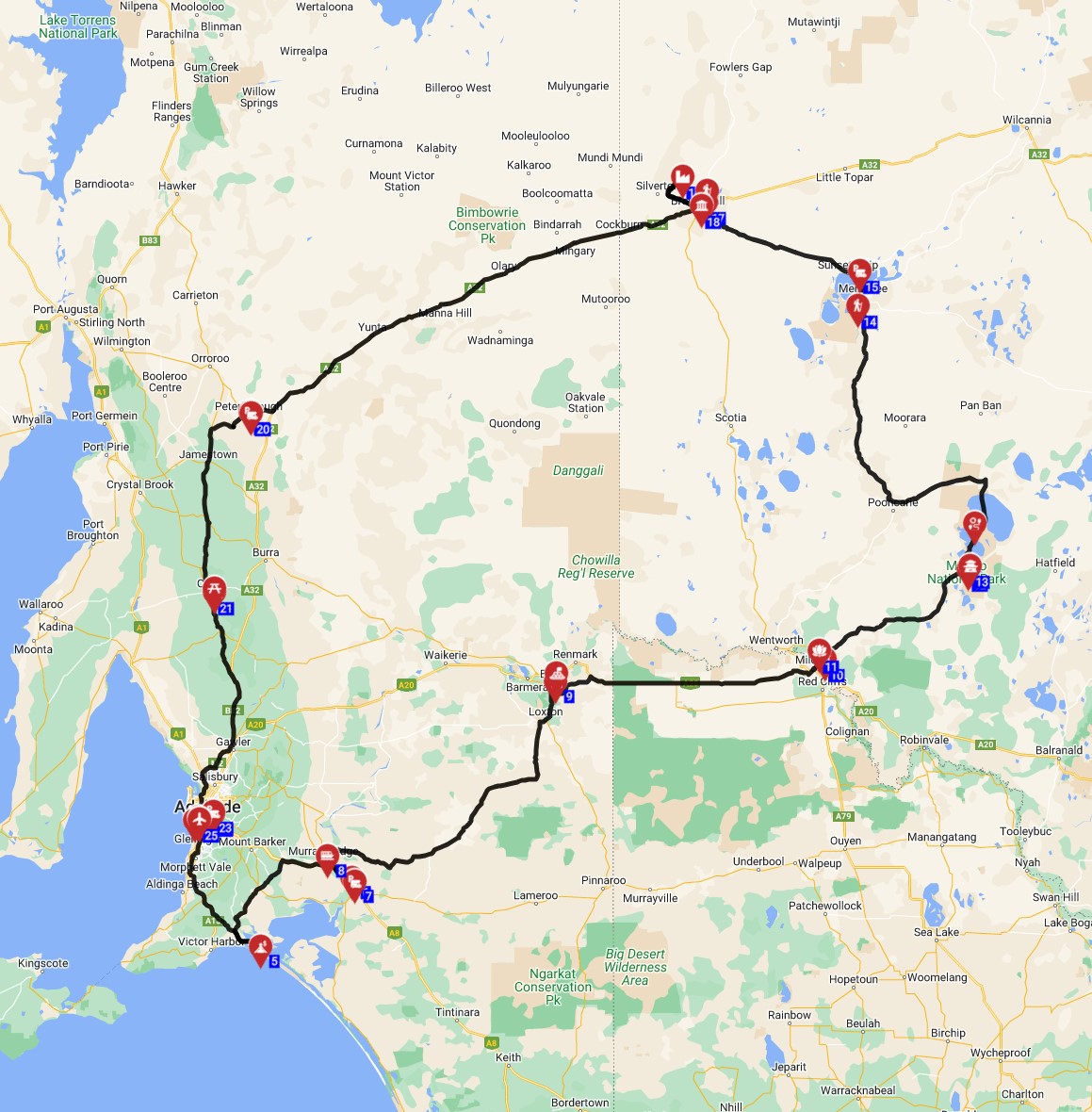
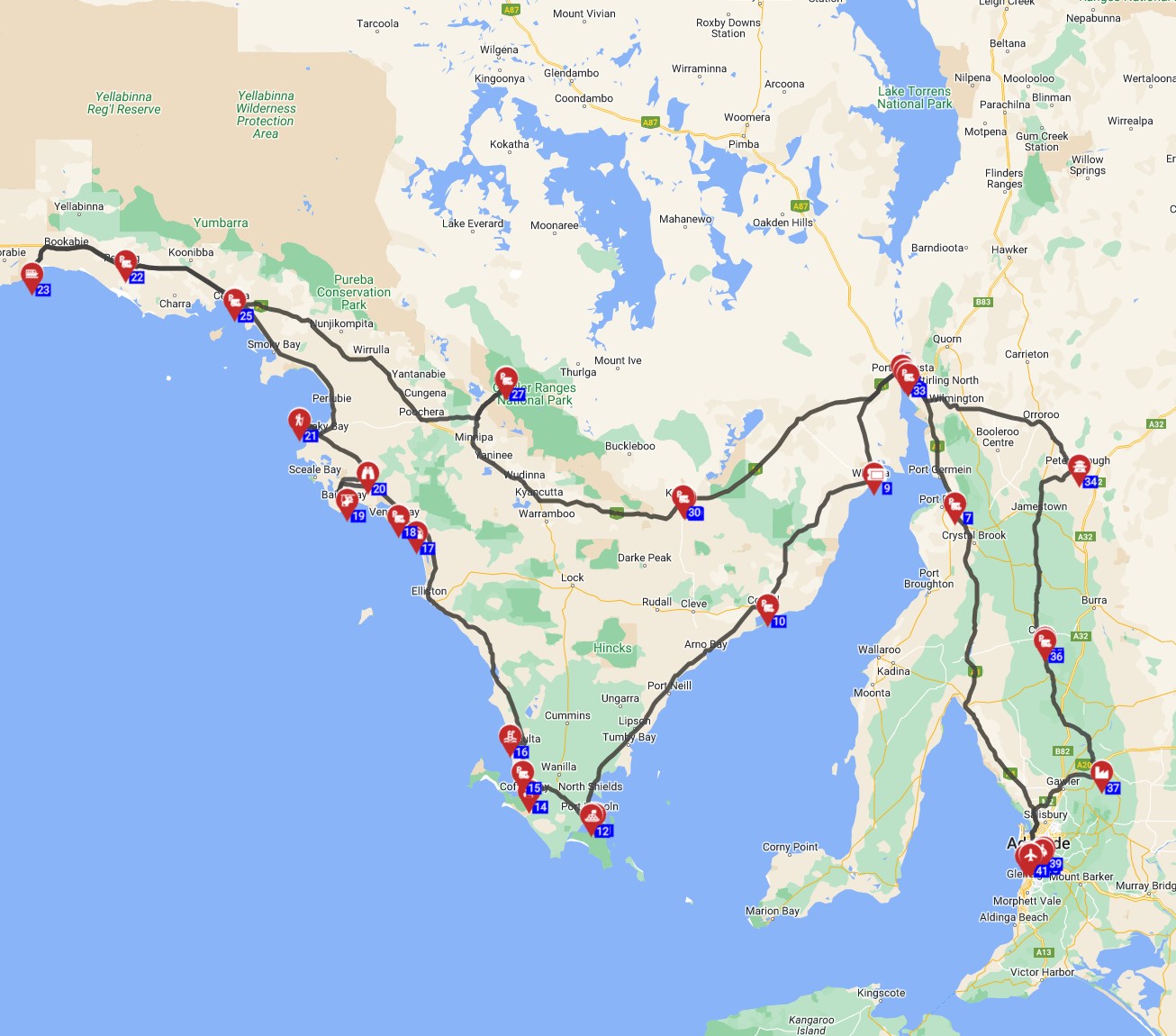
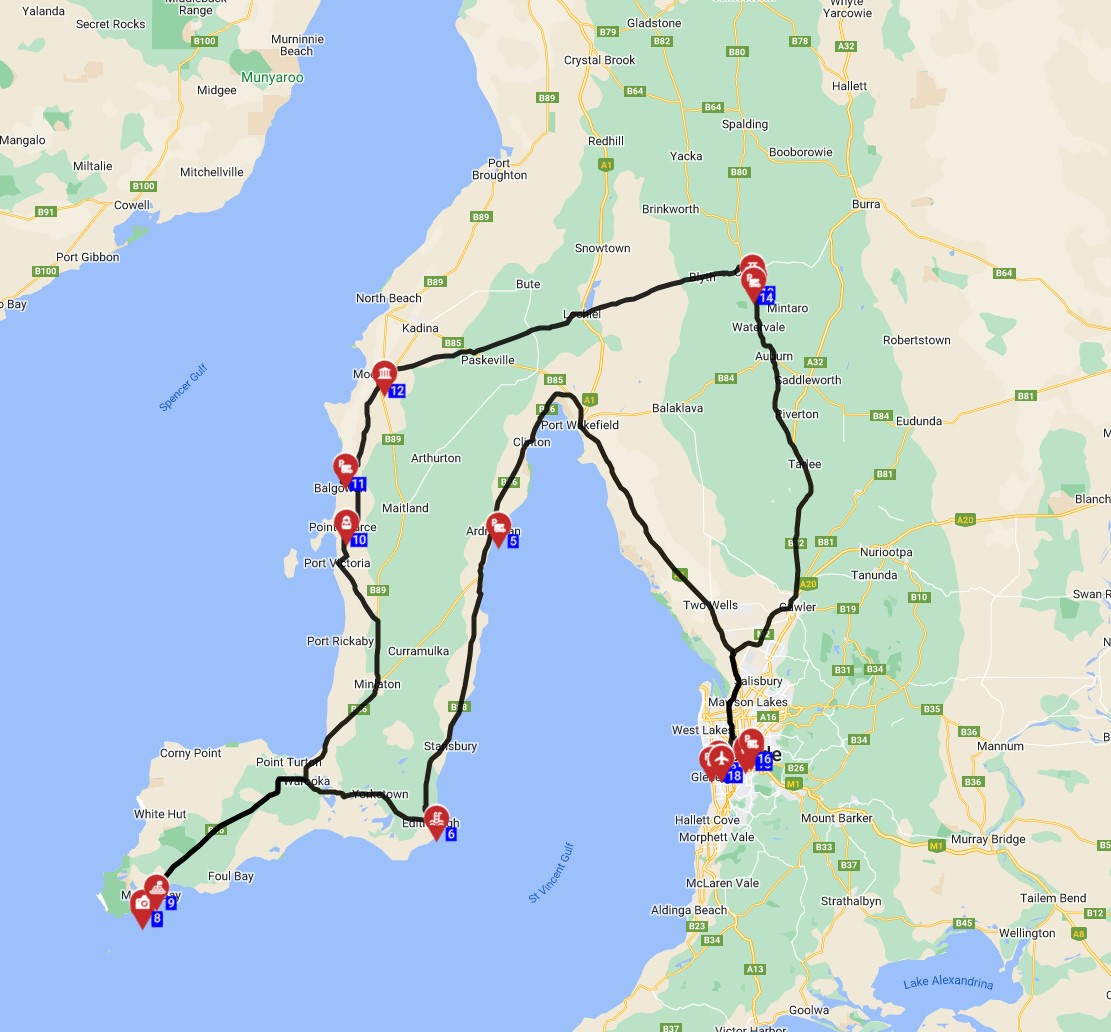
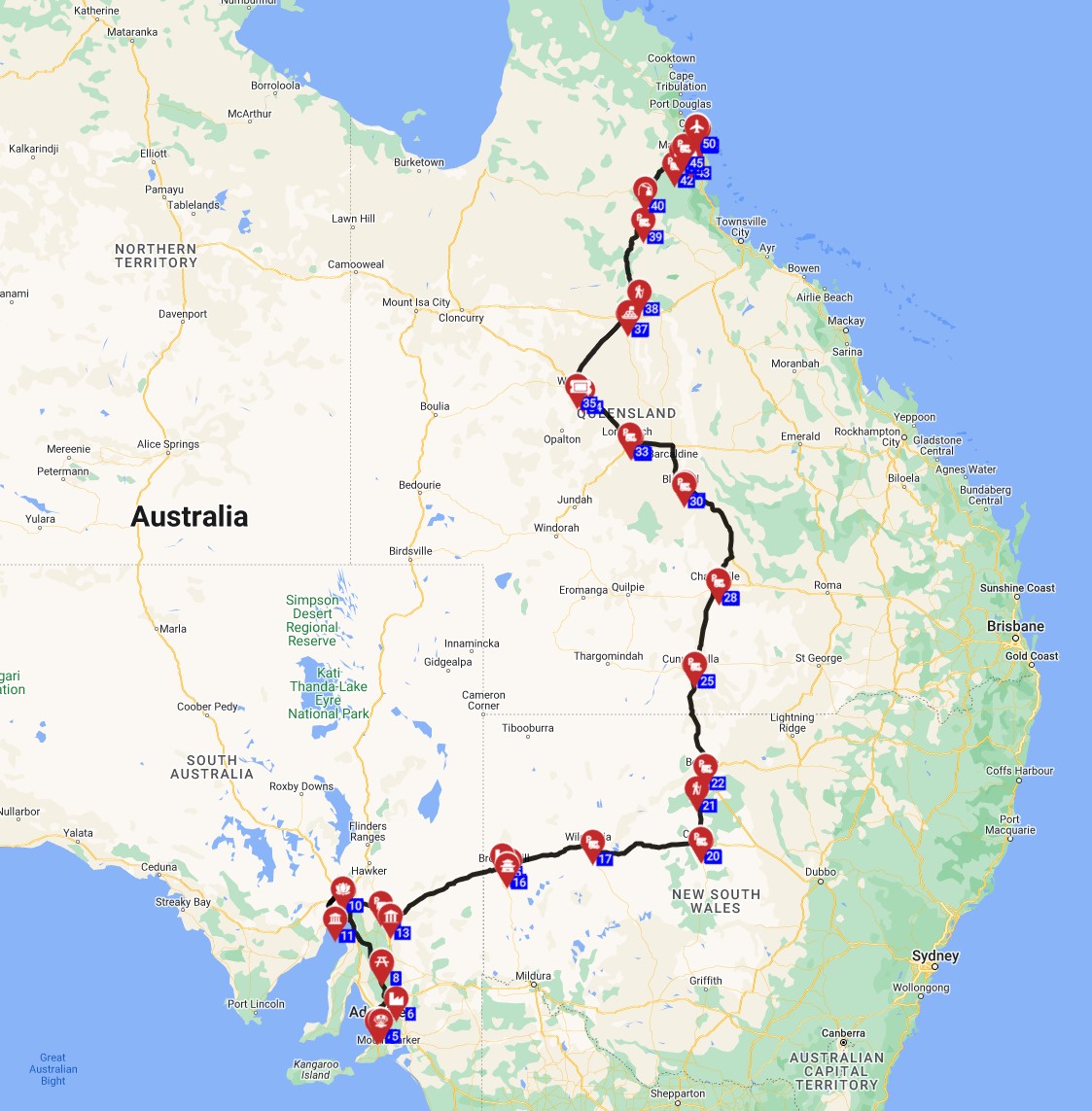
Fourthly, planning a flexible itinerary, allowing time for unexpected stops and discoveries, enriches your Australian adventure. While our Rent&Plan service offers professionally pre-planned routes, such as the "Cairns to Alice Springs - Northern Horizons: A Journey Through Australia's Heartland" which spans 17 days and 4,003.6 km, it's always good to build in extra days for spontaneous detours, especially when traveling with kids. Remember to travel slowly, aiming for a maximum of 100-150 km per day on average, to truly absorb the scenery, culture, and local food.
Lastly, thoroughly understanding your insurance options and vehicle features before departing ensures peace of mind. Basic insurance is always included in your rental, but you can upgrade to a top-level deductible reimbursement for extra coverage. This ensures you travel with confidence, knowing you're fully protected.
Before You Book - Class, Dates, Insurance
Selecting an RV class that matches your family's needs and travel style is the first step in planning your Australian adventure. For instance, a campervan like the "Active Pop Top" is ideal for a family of 4, offering a compact solution with a double bed and a bed over the cab, plus a small kitchen setup. If you're traveling with a larger group or desire more amenities, a spacious Class C motorhome such as the "Jayco Excursion" could accommodate up to 6 people with features like three double beds, a large refrigerator, and an oven, perfect for preparing RV-friendly recipes playlist. Consider that while larger vehicles offer more comfort, they are still easily manageable on Australia's major roads; just drive attentively.
Securing your rental dates as early as possible, particularly if your trip aligns with peak seasons like summer (December to February) or state school holidays, can lead to better availability and more favorable rental prices. Prices are dynamic, similar to flight tickets, changing daily based on demand and seasonality. This proactive approach helps avoid last-minute booking stress, though options often exist for spontaneous travelers as many campgrounds have first-come-first-serve spots.
Understanding your insurance coverage is paramount for RV rental in Australia. While basic insurance is always part of your rental, you have the option to enhance your protection. When searching for rentals, look for the option to select comprehensive coverage to see prices that include the most extensive protection, including our top-level deductible reimbursement option, which provides significant peace of mind. We believe in full transparency, so you'll always see the final price with no hidden fees or surprises.
Pre-Trip Prep - Packing Checklist for Australia
Effective pre-trip preparation and a smart packing checklist are vital for a comfortable family RV trip in Australia. Pack a versatile wardrobe suitable for Australia's diverse climates, from the tropical north to the temperate south; include layers for cool evenings and light, breathable clothing for hot, sunny days. Don't forget swimwear, as Australia boasts countless beautiful beaches and swimming holes. Also, remember wide-brimmed hats, high-SPF sunscreen (at least SPF30+), and sunglasses due to Australia's strong UV index.
Ensure you have essential safety gear like a first-aid kit, a reliable navigation system (both a GPS device and physical maps are recommended as mobile reception can be spotty in remote areas), and all necessary travel documents (driver's license, IDP if applicable, passport, visa). Many rental motorhomes come equipped with basic kitchenware and linens, but it's always wise to confirm with your supplier and consider bringing personal items like favorite books, games for the kids, and small portable fans for extra comfort during warmer weather.
For international travelers, obtaining an International Driving Permit (IDP) is highly recommended, although a valid US driver's license is generally sufficient for short-term visits in Australia. It simply provides a certified English translation of your license, which can be useful for rental companies or local authorities. Since Bandana RV has direct partnerships with over 50 leading RV suppliers worldwide, including Apollo and Britz in Australia, we ensure you have clear information on all requirements.
🎬 Video coming soon
On the Road - Driving, Fueling, Navigation
Driving an RV rental in Australia requires adherence to local road rules, starting with the fundamental fact that you drive on the left side of the road. Speed limits typically range from 50 km/h in urban areas to 100-110 km/h on highways, with clear signage indicating changes. It's crucial to be constantly aware of wildlife, especially at dawn and dusk, when animals like kangaroos, wallabies, and emus are most active and prone to crossing roads. Driving slowly and carefully allows you to navigate almost anywhere without issues, including cities, without needing to stress.
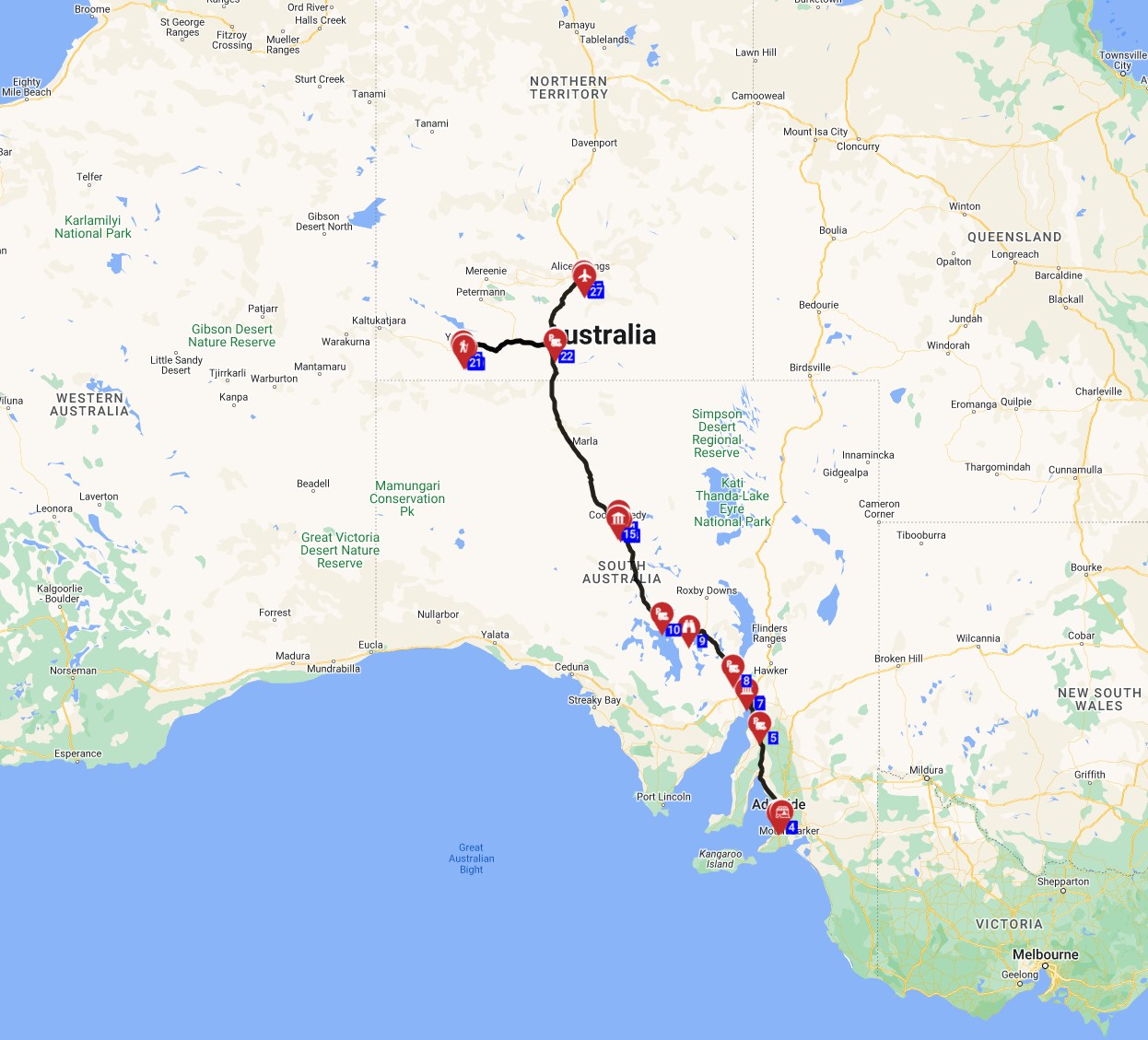
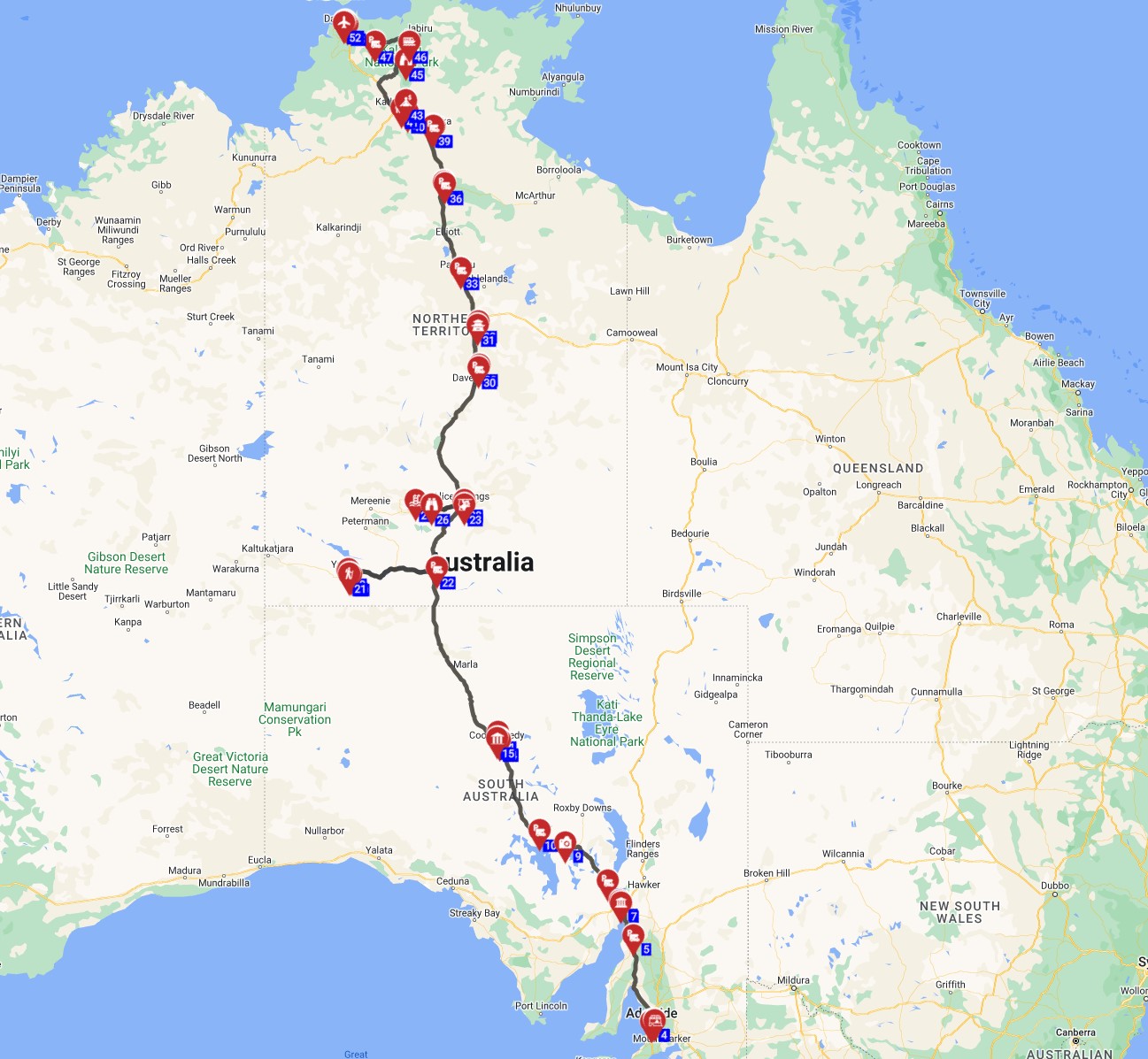
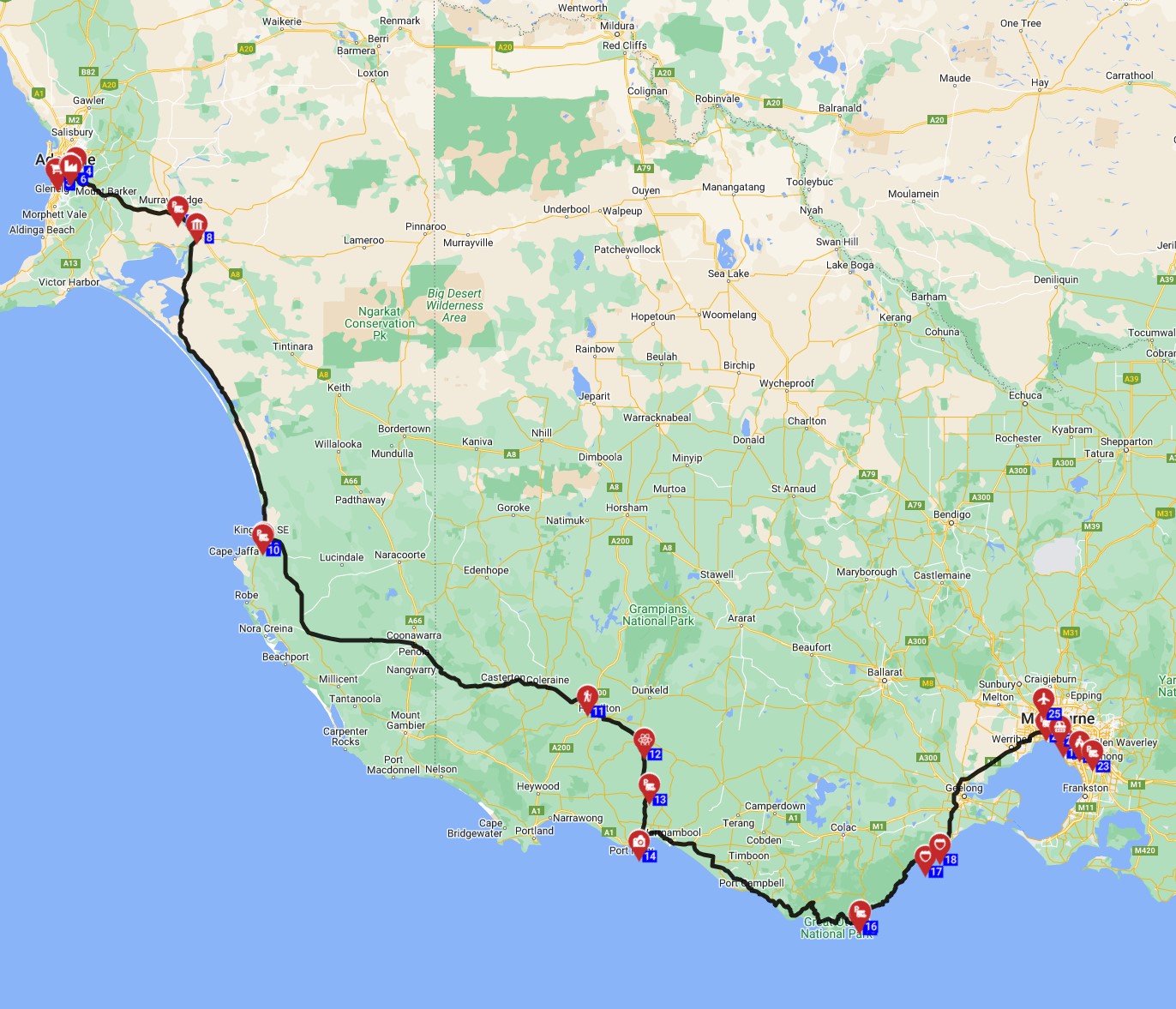
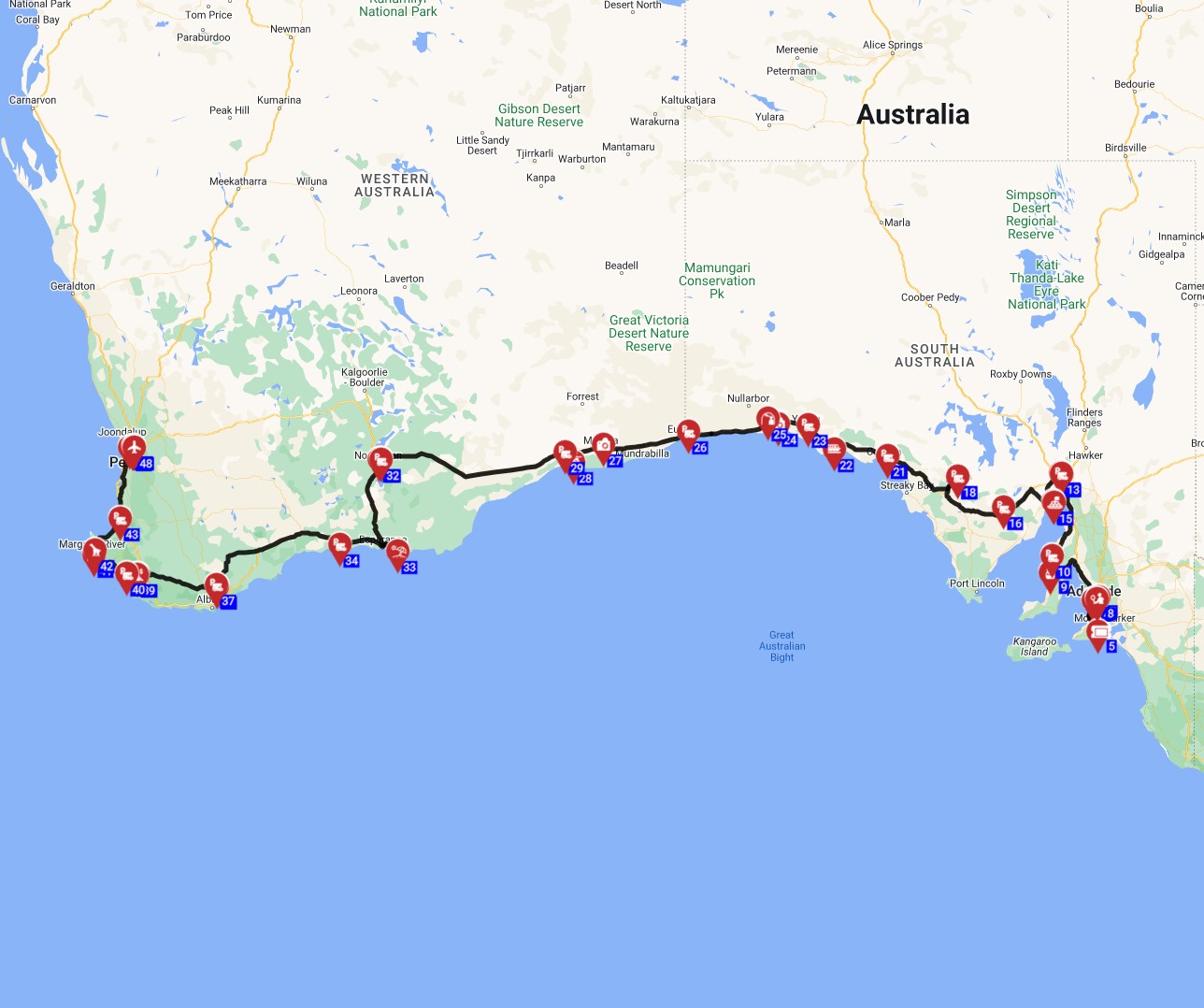
Planning your fuel stops meticulously is essential, particularly when venturing into regional and Outback areas where petrol stations can be sparse, sometimes hundreds of kilometers apart. Always top up your tank when you see an opportunity, even if it's not completely empty, to avoid running low in remote locations. For long journeys, consider carrying an extra fuel can for emergencies. Our Rent&Plan service can help you identify routes like the "Perth to Alice Springs - The Dreamtime Highway," a 21-day, 5,447.3 km journey, where fuel stops are strategically integrated into the itinerary.
Utilizing a reliable GPS or mapping app is indispensable for navigation, but carrying physical maps is also highly recommended, as mobile reception can be limited or nonexistent outside major towns and cities. Australia is a vast continent, and having multiple navigation methods ensures you stay on track. If you're exploring pre-planned routes from RV PLANET, you'll find detailed route information that can be downloaded offline, ensuring you’re always prepared.
At the Campground - Setup, Hookups & Etiquette
Upon arriving at an Australian campground with your rented motorhome, first position your vehicle on a level site to ensure comfort and proper functioning of onboard systems. Once leveled, proceed to connect to power (if available via a 15-amp connection), followed by water hookups, and then manage your grey and black waste water systems. Many campgrounds offer powered sites with fresh water access, which makes setting up simple. For finding campsites and campgrounds during your trip, we recommend using RV PLANET (rvplan.net) - a great resource for locating available spots along your route.
Observing campground etiquette, such as adhering to designated quiet hours (typically 10 PM to 7 AM), helps ensure a peaceful environment for all campers. Always dispose of your waste responsibly at designated dump points found at most caravan parks and public rest areas. Leaving your campsite clean and tidy is not just good manners, but a critical part of Australia's 'leave no trace' camping ethic, especially when engaging in freedom camping where specific self-containment rules often apply.
Many national and state parks operate on a mixed booking system; while popular sites may fill up, a significant portion (around 70-75%) of spots are often available on a first-come, first-served basis. This means you'll almost always find a spot; if not at the first campground, then the next one. It’s a good practice to call ahead, especially during peak seasons, before driving a long distance.
RV Rental-Specific Tips for Australia
When selecting an RV rental for your family trip in Australia, choose a model that offers sufficient sleeping and living space to keep everyone comfortable, such as a "Category Large" motorhome which typically features three double beds. Ensure the vehicle has appropriate child seat anchor points if traveling with young children, and plan shorter daily drives to accommodate nap times and frequent stops for stretching and play. For instance, the "Family Sleeper (FS)" model is a good choice, designed for large families with features like a large refrigerator and slide-outs for extra space.
For couples, a compact campervan like the "Paradise S/T" or "Active Classic" with a toilet and shower and a front air condition unit might be ideal, offering easy maneuverability and all essential amenities. These smaller rented motorhomes are perfect for exploring both urban and remote areas without feeling overwhelmed. Our diverse fleet includes options like the "Campervan for 2 - Automatic" which provides modern comfort and convenience for two.
Budget-conscious travelers can significantly save by opting for slightly older models (which are still well-maintained and reliable), cooking most meals in their RV kitchen, and seeking out free or low-cost overnight parking spots where permitted. RV PLANET’s routes often highlight affordable camping options and points of interest. Luxury renters, on the other hand, can explore premium add-ons such as pre-stocked fridges, outdoor furniture, and higher-end vehicle models like the "Euro Deluxe" which boasts exclusive features and integrated entertainment systems for an enhanced comfort level.
With Bandana RV, you're not just renting a vehicle; you're gaining access to a team of true RV specialists. We were founded in 2001 and have over 23 years of experience helping tens of thousands of travelers explore the world by RV, from the bustling cities to the vast Outback. We offer bookings in over 30 currencies with full price transparency, ensuring no hidden fees or conversion commissions, just honest service. We compare final prices across more than 50 leading suppliers worldwide, including El Monte, Cruise America, Apollo, and Britz, so you don't have to.
Common Mistakes to Avoid in Australia
A common mistake first-time RV renters make in Australia is underestimating the vast driving distances between destinations; instead, always plan realistic daily itineraries with ample rest stops and account for travel times that might be longer than expected due to varying road conditions. The country is immense, and what looks like a short distance on a map can easily be an entire day's drive. Remember our recommendation for slow travel: aim for 100-150 km per day on average to truly enjoy your surroundings.
Ignoring wildlife warning signs is another serious error; instead, always slow down, especially around dawn and dusk, and be prepared for animals like kangaroos, emus, or even cattle on the road. These encounters can be dangerous and cause significant damage to your rented motorhome. Always ensure your headlights are working properly and consider driving during daylight hours in rural areas.
Forgetting robust sun protection is a mistake with serious health implications in Australia; instead, consistently wear high-SPF sunscreen, a wide-brimmed hat, and sunglasses, even on cloudy days, as the UV index can be extremely high. Australia's sun is unforgiving, and sunburn can quickly ruin a vacation.
Finally, attempting to drive your rented RV on unsealed or 4WD-only roads without appropriate insurance coverage or vehicle type is a mistake that can lead to costly damages and voided insurance. Always stick to sealed roads unless your specific rental agreement explicitly allows off-road driving and your vehicle is a designated 4WD camper like the "2 Person 4WD Camper." Always check your rental terms and conditions carefully to avoid any issues.
What is the 3-3-3 rule for campervan travel?
The '3-3-3 rule' for campervan travel in Australia is a helpful guideline for managing driver fatigue and enhancing safety. This rule suggests driving no more than 3 hours without a break, stopping driving by 3 PM each day, and ideally staying in one location for at least 3 nights. Adhering to this practice allows ample time for rest, avoids driving in challenging conditions like dusk (when wildlife is most active), and encourages deeper exploration of each destination.
This approach is particularly valuable when navigating Australia's vast distances and unfamiliar roads with a larger rented motorhome. By preventing driver fatigue, you significantly reduce the risk of accidents and ensure a more relaxed and enjoyable trip. It also gives families with kids plenty of time for activities and unwinding at each stop.
What are the drawbacks of renting an RV?
Renting an RV for your trip to Australia, while offering incredible freedom, can present some specific drawbacks to consider. One primary concern is that the overall costs can sometimes be higher compared to a traditional car-and-motel vacation, especially when factoring in dynamic rental prices, fuel, campground fees, and optional add-ons. Fuel consumption for a large motorhome like a "C-30" can be significant over Australia's vast distances, directly impacting your budget.
Another potential challenge is navigating and parking a larger vehicle, particularly in major city centers like Sydney or Melbourne where space can be limited. While you can drive almost anywhere slowly and carefully, finding suitable parking might require some extra planning. Additionally, learning the ropes of operating onboard RV features, such as connecting hookups or managing waste systems, can have a slight initial learning curve, although most modern rental RVs are user-friendly.
How much does it cost to rent an RV in Australia?
The cost to rent an RV in Australia typically ranges from AUD $80 to $300+ per day, depending on several factors. Smaller campervans, such as a "HiTop," generally start at the lower end, around AUD $80-$150 per day, while a spacious Class C motorhome like the "Euro Deluxe" could be AUD $200-$300+ per day. Prices are dynamic, fluctuating daily based on vehicle availability, rental duration, seasonality, and the specific pick-up and drop-off locations within Australia.
Peak season, which includes summer (December to February) and school holidays, generally sees higher rates due to increased demand. Factors like vehicle age (newer models typically cost more), luxury features, and selected insurance packages also influence the final daily rate. Remember that this base rental cost does not include ancillary expenses like fuel, campground fees (which can range from $25-$70+ per night), food, and activity costs, all of which contribute to the total trip budget. For comparing prices across 50+ suppliers, Bandana RV provides transparent, final prices with no hidden fees.
Can you park an RV anywhere in Australia?
No, you cannot park an RV just anywhere in Australia; parking regulations for motorhomes and campervans are generally strict and vary by state, territory, and local council. Overnight parking is usually restricted to designated caravan parks, official campgrounds (including national and state park sites), or approved 'freedom camping' locations. While freedom camping is permitted in some regional and remote areas, strict rules apply regarding vehicle self-containment (e.g., having an onboard toilet and waste tanks), waste disposal, and duration of stay.
Illegal parking or camping can result in significant fines from local authorities, making it essential to research local regulations. Resources like the WikiCamps Australia app are invaluable for finding legal overnight spots and understanding specific rules. Always look for clear signage and consult local visitor information centers. Even with a large rented RV, driving slowly and carefully in urban areas allows you to reach designated parking spots without issues, avoiding unnecessary stress.
How much is a 1-week RV rental?
A 1-week RV rental in Australia can range broadly from approximately AUD $560 to $2,100 or more, with pricing depending heavily on the vehicle type, season, and booking lead time. For instance, a compact campervan for a couple during the off-season might fall in the lower range, costing around AUD $80-$120 per day, totaling $560-$840 for the week. A larger, newer Class C motorhome for a family of four in peak season could be AUD $200-$300 per day, accumulating to $1,400-$2,100+ for a week-long trip.
These figures primarily cover the rental vehicle itself. Additional weekly costs will include fuel (e.g., for a 1,000 km journey, a motorhome with 12L/100km consumption might use 120 liters of fuel), campground fees ($175-$490 for 7 nights at $25-$70 per night), groceries, and any chosen activities. For longer trips, such as a two-week adventure, the daily rate may slightly decrease, but overall costs will naturally increase. We handle the details, ensuring personal service from day one until your booking is confirmed, including transparent pricing on our platform.
Is it worth having a toilet in a campervan?
Having a toilet and shower onboard your rented campervan in Australia is often highly worth it for enhanced convenience and increased flexibility in camping options. An onboard toilet eliminates the constant need to seek public facilities, a significant advantage in remote areas or during late-night stops, contributing to a more relaxed travel experience. Many self-contained campsites, including some national park locations, explicitly require vehicles to have their own waste disposal systems, making an onboard toilet a necessity for wider access.
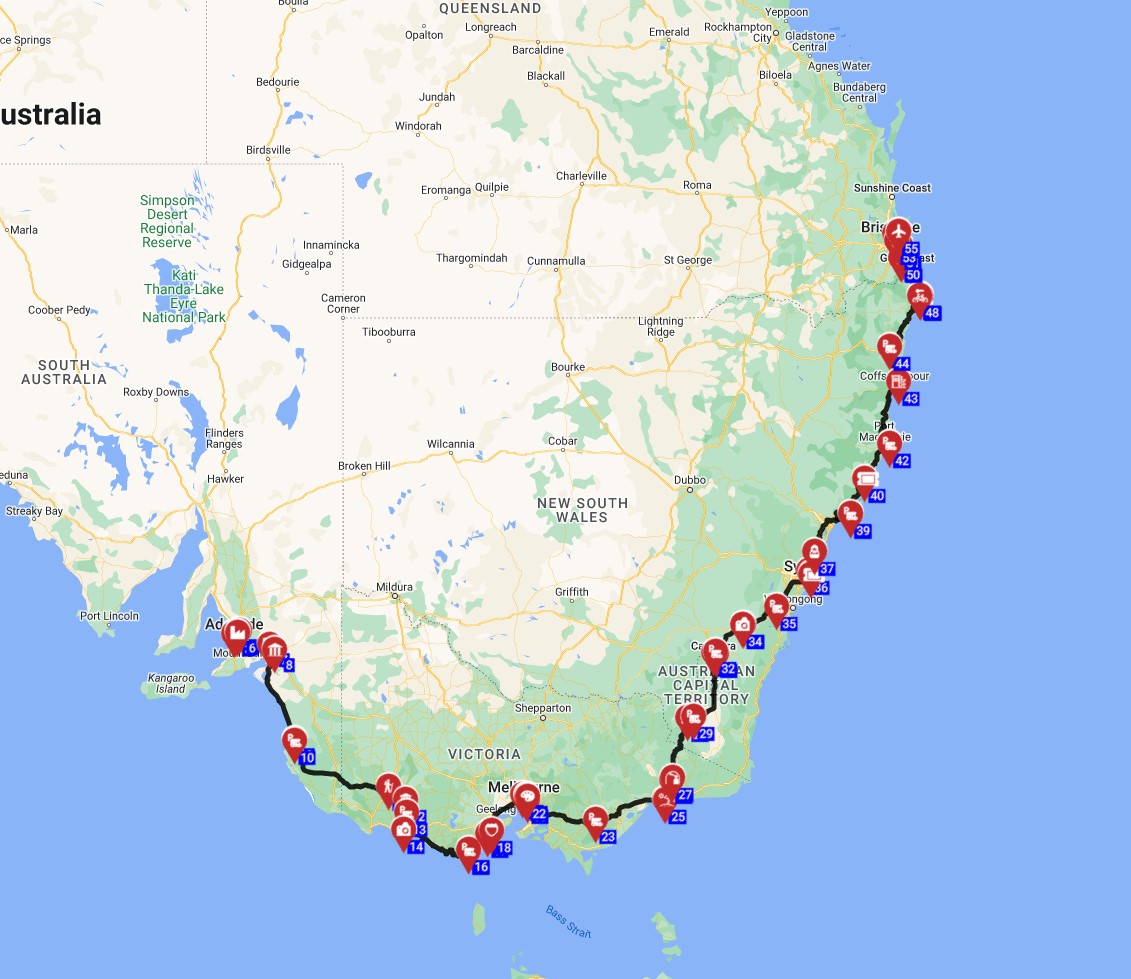
However, integrated toilets do occupy valuable interior space in smaller campervans and require regular emptying of waste tanks at designated dump points. This chore is part of RV travel, but the comfort and freedom they provide often outweigh this minor inconvenience for many travelers, especially families with kids. For example, a campervan like the "Koru Star 3 Freedom" features a toilet and shower, providing greater independence on routes like the "Melbourne to Darwin - Australia’s Heartline Road Trip," which is 26 days and covers 5,622.8 km and includes various natural features and historical sites where amenities might be limited.
Can US citizens rent a car in Australia?
Yes, US citizens can absolutely rent a car, and by extension an RV, in Australia, provided they hold a valid US driver's license and meet the minimum age requirement of 21 years. There are no young driver surcharges and no vehicle class restrictions based on age for Bandana RV rentals, making it accessible for a wider range of travelers. While a US license is generally accepted for short-term visits, it is highly recommended to obtain an International Driving Permit (IDP) before your trip. An IDP serves as a certified translation of your license, which can be requested by some police officers or rental companies, ensuring a smoother process.
For any motorhome class (Class A, Class B, or Class C), a standard car driver's license is sufficient; no special license or CDL is required. When picking up your rented motorhome, ensure you have your valid driver's license, passport, and credit card ready. Our customer support team is always here to provide pre-booking comparison and booking support to clarify any specific licensing or documentation requirements.
What is the 3-3-3 rule for RV travel?
The '3-3-3 rule' for RV travel in Australia is a comprehensive safety guideline, recommending that you drive for a maximum of 3 hours before taking a substantial break, aim to stop driving by 3 PM each day, and ideally stay in one location for at least 3 nights. This rule is particularly pertinent for RV adventures due to the larger size and weight of motorhomes and campervans, which can increase driver fatigue compared to a standard car. Following this rule helps mitigate fatigue-related risks on long stretches of road, like the Eyre Highway.
By stopping driving by 3 PM, you ensure you arrive at your chosen campground with ample daylight to set up, relax, and explore your surroundings. Staying for at least 3 nights allows for a more immersive experience at each destination, enabling you to truly feel the place, connect to the local culture, food, and scenery, rather than rushing through. This philosophy aligns perfectly with our recommendation for slow travel, maximizing enjoyment and minimizing stress on your Australian RV trip. For more organized itineraries that incorporate this relaxed pace, consider our RV PLANET routes.
What not to do in Australia as an American?
As an American traveler in Australia, a critical 'what not to do' is to drive on the right side of the road; always remember that traffic flows on the left, and vehicles are right-hand drive. This fundamental difference requires constant vigilance, especially at intersections and roundabouts. Secondly, do not underestimate the sheer vastness of Australia's distances or the intensity of its sun; instead, plan travel times generously, take frequent breaks, and consistently apply high-SPF sunscreen to protect against severe sunburn. This aligns with our advice to travel slowly, approximately 100-150 km per day.
Avoid interacting with wildlife directly or attempting to feed wild animals, as this can be dangerous for both you and the animals, and is often illegal. Observe Australia's unique fauna from a respectful distance. Furthermore, do not make assumptions about Australian culture based solely on media portrayals; instead, engage with locals respectfully and be open to understanding the nuances of their lifestyle and customs. Our team offers local expertise and support, helping travelers navigate cultural differences and practicalities across 50+ countries.
Is 3000 AUD enough for 2 weeks in Australia?
AUD $3,000 can be enough for a 2-week RV trip in Australia, particularly for budget-conscious travelers who prioritize self-catering and utilize free or low-cost camping options, but it requires careful financial planning. This budget would need to cover the RV rental itself (which for 14 days could range from AUD $1,120 to $4,200), fuel for modest distances, groceries for cooking most meals, and potentially some national park entrance fees or a few activities. For example, a basic campervan like the "HiTop Campervan" might fit into this budget more easily than a larger motorhome.
To stay within this budget, consider traveling during the shoulder or off-season, which often offers lower rental rates. Opt for a smaller, more fuel-efficient campervan, and make use of the cooking facilities in your rented RV to save on dining out. For a more comfortable experience with more varied activities, frequent paid campsites, and dining out, a higher budget of around AUD $4,000-$6,000+ would be more realistic, especially during peak season or for longer routes like the "Cairns to Alice Springs - Northern Horizons" which spans 4,003.6 km and includes 3 hiking areas and 2 caves. Remember, prices are dynamic, so comparing options thoroughly is key.
What You Shouldn't Miss
- Explore the Great Ocean Road, a 243-kilometer (151-mile) scenic route in Victoria, with iconic stops like the Twelve Apostles and charming coastal towns.
- Venture into the Australian Outback with a capable campervan, visiting Uluru-Kata Tjuta National Park for breathtaking sunrises and sunsets over ancient rock formations.
- Discover the tropical wonders of Tropical North Queensland, including the Daintree Rainforest and the Great Barrier Reef, accessible from Cairns with various day tours.
- Experience the vibrant cities of Sydney and Melbourne, easily navigated with a rented RV by driving slowly and carefully, and find designated parking just outside the city centers for convenient exploration.
- Enjoy the pristine beaches and national parks of Western Australia along the coastline from Perth, offering countless opportunities for swimming, surfing, and bushwalking.
- Looking for expert insights from Avi Bandana? Top 5 Adventures - recommendations from Avi Bandana
Final Thoughts
An RV rental in Australia offers an unparalleled family adventure, combining the thrill of the open road with the comfort of a home on wheels. From the bustling coastal cities to the serene Outback, the continent promises diverse experiences for every traveler. Remember to embrace slow travel, allowing ample time to soak in Australia's natural beauty and vibrant culture, averaging 100-150 km per day.
Whether you're a meticulous planner or a spontaneous explorer, Bandana RV is here to support you before, during, and after your booking, making the process easy, safe, and affordable. We're true RV specialists, dedicated to ensuring your family's Australian journey is filled with joyful memories and no surprises. Prepare for an unforgettable expedition, where every kilometer brings a new discovery!
Ready to plan your family's ultimate Australian road trip? Compare Motorhome Prices for Australia and start your adventure today.