In This Guide
- What family rv rental RV Rental Costs in South America (CurrentYear)
- Seasonal Pricing - Peak vs. Shoulder vs. Off-Season in South America
- What's Included vs. What's an Add-On
- Hidden Costs to Budget For in South America
- How to Save on family rv rental RV Rental in South America
- Is it cheaper to rent an RV or stay in hotels?
- Can you RV in South America?
- Can you rent an RV for a family road trip?
- Is renting an RV cheaper than flying?
- Where is the cheapest country to rent a campervan?
- How much is a 1 week RV rental?
- What is the 3-3-3 rule for rving?
- How much does a family size RV cost?
- How much does a 1 month trip to South America cost?
What family rv rental RV Rental Costs in South America (CurrentYear)
RV rental prices in South America are dynamic, meaning they fluctuate daily based on demand, availability, and specific booking parameters. A mid-sized Class C motorhome for a family of four can average $120-$200 USD per day during shoulder season. For live, up-to-date pricing tailored to your specific travel plans, we encourage you to use the search box at the top of this page. Prices will vary widely by vehicle class (e.g., Class B campervan, Class C motorhome), rental duration, and the exact pickup location and dates. We believe in full transparency, so you'll always see the complete cost upfront with Bandana Caravan - no hidden fees, no surprises. For live availability and current prices, start with our RV Rental South America - Complete Guide 2026 guide.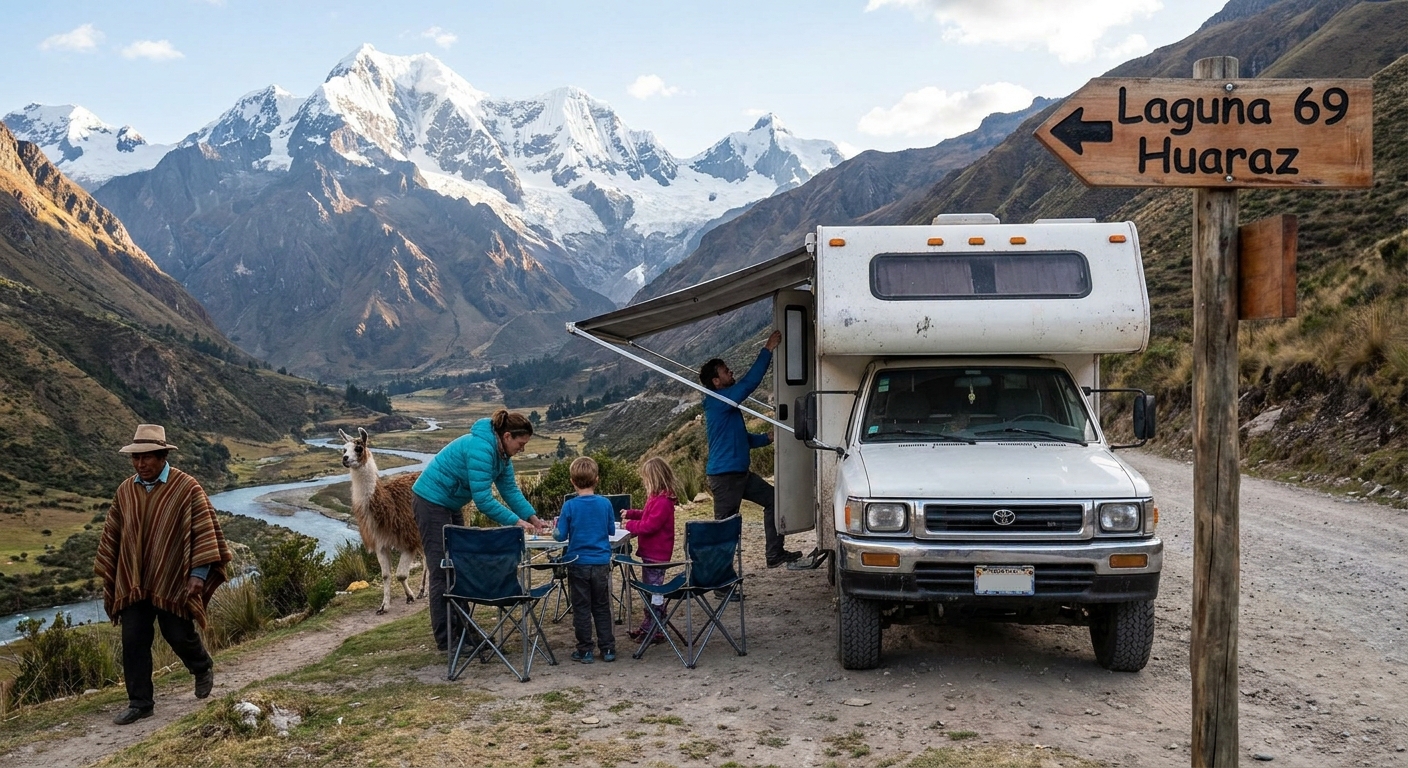
Seasonal Pricing - Peak vs. Shoulder vs. Off-Season in South America
RV rental prices in South America fluctuate significantly by season, with April generally offering the lowest rates while July-August often represents peak pricing. Peak season, typically during major holidays and local summer months (e.g., December-February in the southern cone, July-August further north), sees the highest demand and therefore the highest prices, which can change significantly day-to-day; always check specific dates for the most accurate quote. Shoulder seasons (e.g., March-June excluding Easter, September-November) offer a pleasant balance of good weather and more moderate prices, presenting a sweet spot for many family travelers. Off-season, primarily April, May, and September, typically provides the most budget-friendly rates due to lower demand, though weather conditions might be more variable depending on the region you plan to explore. Consider a "Patagonia Camper 4x4 double cab" during a shoulder season for an adventurous yet economical trip.What's Included vs. What's an Add-On
Basic RV insurance is universally included with rentals in South America, though comprehensive coverage, mileage packages, and convenience items like kitchen kits or bedding are typically optional add-ons. What's included in an RV rental can vary significantly by rental station and specific vehicle, making it crucial to verify details for each booking. Common inclusions typically cover the base vehicle rental and essential safety features, with basic liability insurance always provided. Typical add-ons often include higher-tier insurance options (for greater protection), unlimited mileage packages, generator usage fees (if the RV, such as an "rv rentals example Comfort Class" or "cruise america example R 27-30", has one), and convenient kitchen equipment kits or bedding sets. Insider tip: To see prices including the most comprehensive coverage, select that option during your search; all relevant insurance options will then be shown. Many platforms, including Bandana, offer a comparison toggle to see what's included regarding kitchen utensils, tableware, and bedding, facilitating easier decision-making. You can upgrade to a top-level deductible for extra peace of mind.Hidden Costs to Budget For in South America
Beyond the initial rental fee, travelers to South America should carefully budget for tolls, campsite fees, fuel, and potential dump-station charges, which can vary significantly by country and region. Tolls can be frequent and vary in cost, particularly on well-maintained highways; some RVs might allow you to pre-purchase toll-road usage to avoid surprise charges and fines. Campsite fees range from basic municipal sites for around $10-20 USD per night to full-service RV parks offering amenities for $30-60 USD or more. Fuel costs are a significant variable due to fluctuating prices and varied availability, especially in remote South American areas; planning your route with attention to fuel stops is essential, particularly for long stretches like those on "Driving an RV in South America - Complete Guide 2026". Additionally, factors like temporary import permits for your RV, international insurance requirements beyond basic coverage, and specific border crossing fees and processes (including potential for minor administrative fees) are vital considerations for South American RV travel. For comprehensive budgeting, explore RV PLANET routes, where you can itemize and track every expense along the way for easy trip financial planning. Always inquire about these potential hidden costs and available perks at pickup to ensure a smooth journey.How to Save on family rv rental RV Rental in South America
To save on a family RV rental in South America, consider booking during the shoulder season, opting for longer rental durations, and choosing a smaller RV class if suitable for your group size. Traveling during the shoulder or off-season (e.g., April-May, September) can save you an average of 15-20% on daily rates due to decreased demand. Booking for longer durations, such as a two-week adventure or even a month-long trip, often results in better daily rates compared to shorter week-long rentals. Pre-purchase toll usage or inquire about available discount cards for fuel or campgrounds if offered by your supplier, helping manage daily operational costs. Opt for a smaller, more fuel-efficient RV class, such as a Class B campervan like the "rv rental denver example Category Van" for a couple, or a slightly larger "Active Bunk Auto" for a small family, to reduce both rental cost and fuel expenses. Actively monitor dynamic flex-rate drops by checking prices periodically, especially if your travel dates are flexible, as rates can change daily. Additionally, securing comprehensive travel insurance for unexpected events can prevent larger financial losses from unforeseen circumstances unique to South American travel, such as medical emergencies or vehicle issues.Is it cheaper to rent an RV or stay in hotels?
Renting an RV can be more cost-effective than staying in hotels for a family trip, especially when factoring in the savings on restaurant meals due to having a kitchen onboard and potentially avoiding multiple transportation costs between destinations. For families or groups of 4-6 people, an RV combines accommodation and transport into one manageable expense, often leading to significant savings compared to booking separate hotel rooms, rental cars, and frequent restaurant meals. The ability to prepare your own food in an RV's kitchen can drastically reduce daily expenses, as dining out in South America, particularly in tourist areas, can quickly add up. Imagine preparing a fresh breakfast in your rented motorhome while overlooking a stunning Patagonian landscape, saving both time and money. For ideas on what to cook, check out our RV-friendly recipes playlist. However, travelers should consider fuel costs, campsite fees, and the initial RV rental price, as these ancillary costs can accumulate, making the total cost highly dependent on trip duration, mileage, and chosen destinations.Can you RV in South America?
Yes, RV travel is absolutely possible and increasingly popular in many parts of South America, offering a unique way to explore the continent's diverse landscapes, though it requires thorough planning regarding road conditions, border crossings, and local regulations. Countries like Argentina, Chile, Peru, and Ecuador have growing RV rental infrastructures and scenic routes, including challenging but rewarding roads like the Carretera Austral or Ruta 40, which are perfect for a "Luxury RV Driving in South America - Scenic Routes 2026" adventure. Navigating South America by RV necessitates understanding specific border crossing paperwork and costs, temporary import permits for your rented vehicle, and obtaining international insurance coverage suitable for multiple countries. Travelers should be prepared for varied road conditions, from well-maintained highways to unpaved or high-altitude routes; drive slowly and carefully, and you can drive almost anywhere without issues. No need to stress - just use common sense and pay attention to local driving laws, fuel availability in remote areas, and crucial safety and security advice.Can you rent an RV for a family road trip?
Yes, RVs are an excellent option for family road trips in South America, providing the flexibility to travel at your own pace, carry all your belongings, and prepare meals, which can significantly enhance the family travel experience. A rented motorhome offers a comfortable 'home base' on wheels, allowing families to avoid the constant packing and unpacking associated with hotel hopping. Vehicles like the "24' Class C Motorhome" with sleeping capacity for 5 people or a "6 Berth Discovery" Class C for 6 provide ample space. The built-in kitchen facilitates healthier and more budget-friendly meals, catering to specific dietary needs or picky eaters. RVs provide ample space for children to play and relax, making long drives more manageable, and foster a unique bonding experience through shared adventure. For example, a "Category Family 5" motorhome offers sleeping for 6 with a refrigerator and shower, ideal for exploring diverse terrains. We recommend you travel slowly, maximum 100-150 km per day on average, to take time to feel the place, connect to the culture, the food, and the scenery.Is renting an RV cheaper than flying?
For extended family travel over long distances within South America, renting an RV can be cheaper than flying multiple family members between destinations, especially when considering the combined costs of flights, ground transportation, and accommodation that RVs consolidate. When comparing an RV trip to flying, factor in the cost of multiple airline tickets, checked baggage fees, airport transfers, car rentals at each destination, and numerous hotel stays. An RV, such as a spacious Class C, eliminates most of these separate costs, consolidating them into the rental fee, fuel, and campsite expenses. For instance, a family of four flying between several South American cities could easily spend thousands on airfare alone. However, for very long distances or time-constrained trips where a specific destination needs to be reached quickly, flying can still be more efficient and potentially cheaper if only one or two people are traveling and RV fuel costs become prohibitive. This is why it is crucial to plan your trip budget comprehensively, whether through RV PLANET routes or another method.Where is the cheapest country to rent a campervan?
While prices fluctuate daily, Argentina and Chile are often cited as more established markets for RV and campervan rentals in South America, potentially offering competitive rates and a wider selection. These countries benefit from a more developed tourism infrastructure and a greater number of rental companies, leading to more competitive pricing, particularly during shoulder seasons. Emerging markets like Peru and Ecuador are also seeing an increase in campervan rentals, but availability might be more limited, and prices could vary widely. Ultimately, the 'cheapest' country will depend on the specific travel dates, the type of campervan chosen (e.g., 4x4 campervans like the "Patagonia Camper 4x4 double cab" are often recommended for South America's diverse terrain), and the duration of the rental. For spontaneous travelers, last-minute deals may appear, but prices are dynamic, so checking frequently is key. You'll find a spot. If not at the first campground, then the next one. Call ahead before driving.How much is a 1 week RV rental?
The cost of a 1-week RV rental in South America can range significantly, typically starting from around $700-$1000 USD for a smaller campervan during the off-season, and increasing for larger models or peak travel periods. For instance, a compact Class B campervan, ideal for a couple, might cost $100-$140 USD per day during April. Prices for a mid-sized Class C RV, suitable for a family of 4, during shoulder season might average between $1200-$1800 USD for a full week. Factors influencing this weekly rate include the specific country of rental, the RV's size and amenities (a "2 Berth Sandpiper" with a 80 liter refrigerator for a couple vs. a "6 Berth Discovery" for a large family), the time of year (peak season will be considerably higher), and any additional insurance or mileage packages purchased. For precise 1-week rental costs in South America, it is always best to input your specific dates and desired RV type into our rental search engine.What is the 3-3-3 rule for rving?
The '3-3-3 rule' for RVing is a widely recommended guideline advising travelers to drive no more than 300 miles (480 km) a day, arrive at their destination by 3 PM, and stay for at least 3 nights, promoting a relaxed pace and deeper exploration of each location. Driving no more than 300 miles a day helps prevent driver fatigue and allows for spontaneous stops, crucial for enjoying the scenic routes of South America, such as a "Week-Long RV Driving Tour in South America 2026". Arriving by 3 PM provides ample daylight to navigate to a campsite, set up, and explore the immediate surroundings before dusk, especially important in unfamiliar or remote areas. Staying for at least 3 nights encourages slower, more immersive travel, reducing the stress of constant packing and unpacking and allowing for better engagement with local culture and activities. This slow travel philosophy aligns perfectly with Bandana Caravan's recommendation to travel slowly, max 100-150 km per day on average, taking time to feel the place, connect to the culture, the food, and the scenery.How much does a family size RV cost?
The rental cost for a family-sized RV in South America, typically referring to Class C motorhomes or larger campervans accommodating 4-6 people, generally starts from approximately $120-$200 USD per day during shoulder season. However, this can exceed $300-$400+ USD per day during peak times for premium models or those with specific features like a "Glamys 265" with enhanced living space. These daily rates are base prices and do not include fuel, campsite fees, or optional add-ons like comprehensive insurance or kitchen kits. The specific cost also depends on the RV's age, its features (e.g., 4x4 capabilities for routes like the Carretera Austral), and the demand in the particular country or city of rental. For an accurate estimate for a family-sized RV, it's essential to specify your travel dates and the number of passengers in your rental search. A standard car driver's license is sufficient for all motorhome classes, so you won't need a special license for a larger vehicle.How much does a 1 month trip to South America cost?
A 1-month RV trip to South America can range from $3,000 to over $8,000 USD, covering rental fees, fuel, campsites, and daily expenses, with the total significantly impacted by the chosen RV class, travel route, and lifestyle. This estimate includes the RV rental itself (which can be $2,000-$5,000+ for a month, depending on vehicle type like a "camper for rent example Big Six" and season), plus substantial costs for fuel (varying by distance and country), campsites, and food. Additional expenses for a long-term South America RV trip include visas, an International Driving Permit (recommended), comprehensive travel and vehicle insurance, tolls, unexpected repairs, and border crossing fees and paperwork, which can vary by country. For long-term travelers, comparing 'renting an RV in South America' versus 'buying and selling in South America' or 'shipping your own RV from home' can reveal different cost efficiencies depending on the trip's overall duration and desired vehicle type (e.g., 4x4 truck campers for rugged terrain are popular). Always plan your budget with full transparency.What You Shouldn't Miss
- **Patagonian Road Trip:** Drive a rented motorhome along Argentina's Ruta 40 or Chile's Carretera Austral for unparalleled access to glaciers, national parks, and vibrant small towns.
- **Andean Crossings:** Experience breathtaking high-altitude passes in Peru and Bolivia with your RV, offering stunning views and unique cultural encounters.
- **Coastal Adventures in Brazil:** Explore the diverse beaches and colonial towns of Brazil's coastline in a comfortable campervan.
- **The Salt Flats of Uyuni:** Take a guided tour from your base in a rented RV to Bolivia's otherworldly Salar de Uyuni, the world's largest salt flat.
- **Wine Regions of Argentina and Chile:** Park your RV at vineyards in Mendoza or Colchagua Valley and enjoy the local flavors without needing to drive after a tasting.
- **Looking for expert insights from Avi Bandana? Top 5 Adventures - recommendations from Avi Bandana**
Final Thoughts
Embarking on a family RV rental adventure in South America is an incredible way to create lasting memories, offering unparalleled freedom and flexibility. While budgeting is key, understanding the dynamic pricing, what’s included, and how to save can make your dream trip a reality. Remember to embrace the local pace, take time to explore, and let the journey unfold. With Bandana Caravan as your trusted partner, you’ll have the support and resources needed to navigate your South American exploration confidently. From comparing the best motorhome options to planning your route with RV PLANET, we’re here to help you every step of the way. Get ready to discover the vibrant cultures and stunning landscapes of South America from the comfort of your rented RV.🎬 Video coming soon