In This Guide
- What family rv rental RV Rental Costs in Iceland (CurrentYear)
- Seasonal Pricing - Peak vs. Shoulder vs. Off-Season in Iceland
- What's Included vs. What's an Add-On
- Hidden Costs to Budget For in Iceland
- How to Save on family rv rental RV Rental in Iceland
- What is the best way to travel around Iceland with kids?
- Do you need a 4x4 RV in Iceland?
- Is it easy to camp in Iceland with an RV?
- Can you wild camp in Iceland with an RV?
- What are the rules for camping in Iceland?
- How much is a campsite in Iceland?
- Do you need to book campsites in Iceland?
- What is the best month to rent an RV in Iceland?
- Is it safe to drive an RV in Iceland?
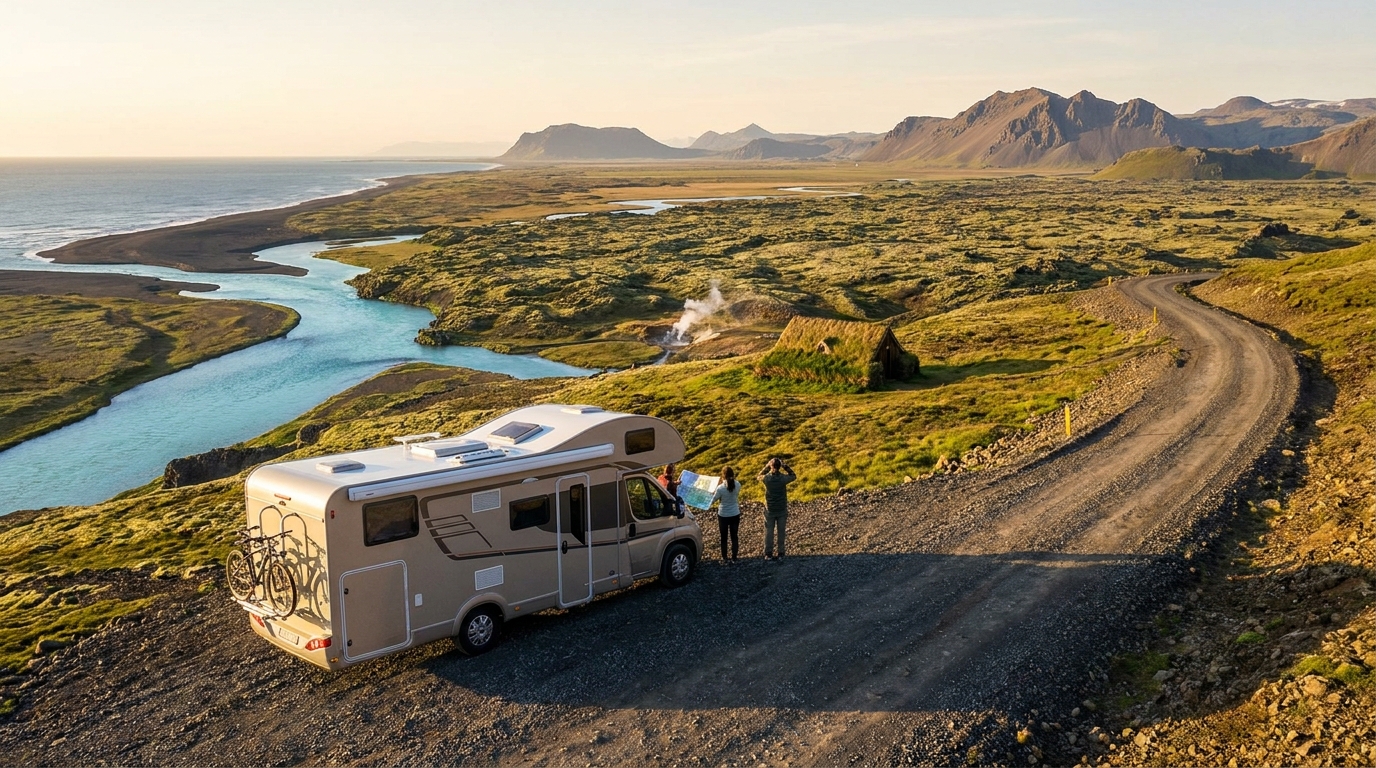
Iceland, the land of fire and ice, offers an unparalleled adventure for families traveling by RV. Imagine waking up to a glacier view, having breakfast by a geothermal hot spring, or chasing the Northern Lights from your cozy mobile home. Renting a motorhome here gives you the freedom to explore at your own pace, creating unforgettable memories with your loved ones. Our goal at Bandana RV is to make your family RV rental in Iceland as smooth and enjoyable as possible. For live availability and current prices, start with our RV Rental Iceland - Complete Guide 2026 guide.
What family rv rental RV Rental Costs in Iceland (CurrentYear)
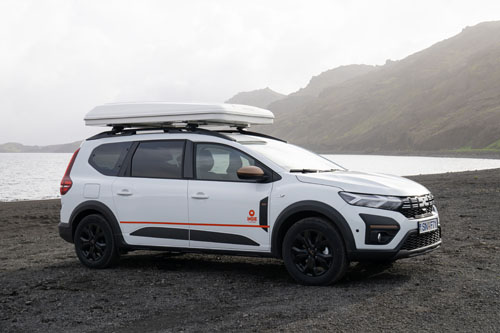
RV rental costs in Iceland are dynamic, changing daily based on factors like vehicle class, rental duration, and seasonality, similar to airline tickets. April is generally the cheapest month for RV rentals in Iceland, with prices for a compact campervan like the "Camper 2 - LOKI E" (RV size - Small, Automatic transmission) potentially starting around $150-$200 USD per day for a week-long trip. Larger family motorhomes, such as a Class C with sleeping capacity for 4-6 people, could range from $250-$400 USD per day in shoulder season. During peak summer (July-August), these prices can increase significantly, reaching $450-$600+ USD per day for a spacious "6 Berth Discovery" (Automatic transmission, Roof Air condition, Shower, Toilet, 190 liter refrigerator with freezer). We provide live, flex-rate price estimates directly on our platform, allowing you to easily compare different RV types and rental periods to find the best fit for your family's budget.
The total cost for a two-week family RV trip in Iceland for a family of four (two adults, two children) during the shoulder season might average around $4,000-$6,000 USD, covering rental, fuel, and campsites. This could be significantly higher in peak season, potentially reaching $8,000-$10,000 USD, or lower in the off-season. For a couple traveling in a smaller campervan, a week-long adventure during a quieter period could be managed for $1,500-$2,500 USD. Remember that prices are ultimately set at the actual booking time, so it's always best to check for your specific dates. Our platform offers a clear view of these dynamic rates, ensuring full transparency with no hidden fees. On the routes offered through RV PLANET routes, you can itemize and track every expense along the way for easy budgeting.
Seasonal Pricing - Peak vs. Shoulder vs. Off-Season in Iceland
Seasonal pricing significantly impacts RV rental costs in Iceland, with distinct differences across the year. Peak season, typically from July to August, sees the highest RV rental prices due to maximum demand and the most favorable weather conditions. During this period, a "Category Large 5 AT" (3 double beds, Automatic transmission) might cost upwards of $600 USD per day. This is when all roads, including the challenging F-roads, are generally open, offering full access to the country's breathtaking landscapes.
Shoulder season, which includes May-June and September-October, offers a more balanced approach with moderate prices and good travel conditions. For example, a "Category Medium AT" (Automatic transmission, Ideal for family of 2+2) could be rented for $300-$450 USD per day. May and early June bring increasing daylight and warming temperatures, while September and October showcase stunning autumn colors and increased chances of seeing the Northern Lights. Some F-roads may still be closed in early shoulder season, so always check local conditions.
Off-season, from November to April, presents the lowest prices for RV rentals, with some campervans possibly available for under $150-$200 USD per day, such as a "Juliette 2-3" (RV size - Small, Young driver). However, this period also comes with considerable challenges, including limited services, shorter daylight hours, and extreme weather conditions. Many campsites operate with reduced services or close entirely, and road closures due to snow or ice are common. April is highlighted as a low-season anchor, offering competitive rates while daylight hours are increasing, making it an appealing option for budget-conscious travelers ready for cooler adventures. You can explore a variety of routes for different seasons through RV PLANET (rvplan.net).
What's Included vs. What's an Add-On
When you rent a motorhome in Iceland, basic insurance coverage and standard mileage are typically included as part of the rental package, but always confirm the specifics of your chosen vehicle. Most suppliers on our platform, like those offering the "MH4-5 - SIF" (Diesel, 120 Liter fresh water tank, 137 Liter refrigerator), provide clear details on what's covered. However, many items that enhance comfort and convenience are often offered as optional add-ons, allowing you to customize your trip to your family's needs.
Common add-ons include comprehensive insurance tiers for extra protection, such as top-level deductible reimbursement, which you can purchase for added peace of mind. Kitchen kits, which typically contain utensils, pots, pans, and dishes, are usually an extra charge, as are bedding sets (linens, pillows, towels). For colder months, portable generators can be useful for powering appliances when not connected to shore power. We believe in full transparency, so our platform allows you to toggle and compare options with items like kitchen utensils, tableware, and bedding included, ensuring no surprises in the final price. This helps you budget accurately and confidently.
Hidden Costs to Budget For in Iceland
While RV rental covers your vehicle, several ancillary costs must be factored into your budget for a family RV trip in Iceland to avoid surprises. Mandatory campsite fees are a significant ongoing expense, as wild camping is largely prohibited for RVs. Expect to pay 1,500 to 3,000 ISK (approximately $10-25 USD) per person per night, with additional charges for electricity and showers at many of the 170+ campsites available. Fuel costs are notably high in Iceland; a full tank for a larger motorhome like the "MH-A" (208 Liter fuel tank, 25 Liter / 100Km fuel consumption) can easily cost over $200 USD, so budget generously, especially for longer routes like the Full Ring Road.
Toll roads are few but do exist, such as the Vaðlaheiðargöng tunnel in North Iceland, which incurs a charge. While these are not extensive, it's wise to check for any tolls along your planned route. Dump station charges for grey water and black water disposal may also apply at some service points, though many campgrounds include this in their overnight fee. To help mitigate these costs, some Bandana partner RVs offer perks like pre-purchased toll usage or campground discount cards. For a detailed breakdown of all potential expenses and to track them for easy budgeting, we highly recommend planning your adventure using RV PLANET routes. Our commitment to full transparency means we want you to be fully prepared for your adventure.
🎬 Video coming soon
How to Save on family rv rental RV Rental in Iceland
To maximize your budget for an Iceland RV adventure, strategic planning and flexibility are key. Booking your family RV rental during the shoulder season (May-June, September-October) can offer significant savings, often 15-30% lower than peak summer rates, while still providing favorable weather and fewer crowds. Additionally, opting for a smaller RV class, like a compact campervan for a couple or a Class C for a family of four, can considerably lower both the daily rental cost and your fuel expenses, as smaller vehicles like the "Combi Van" (Diesel 130 hp, 9-12 Liter / 100 Km fuel consumption) are more fuel-efficient. Consider flexible travel dates, as even shifting your departure by a few days can sometimes reveal cheaper rental options.
Booking longer rental durations often results in a better daily rate for the RV. For example, a two-week trip usually has a lower per-day cost than a one-week rental. Keep an eye on flex-rate price drops and aim to book in advance - securing your rental 3-6 months out can lock in more favorable deals and ensure availability of your preferred vehicle type. Pre-paying for tolls or utilizing any available discount cards for fuel and campgrounds can also reduce incidental expenses. Many of our partner suppliers, like El Monte and Apollo, offer diverse packages, and our comparison platform helps you identify these cost-saving opportunities. We handle the details, you live the journey, ensuring personal service from day one until your booking is confirmed.
What is the best way to travel around Iceland with kids?
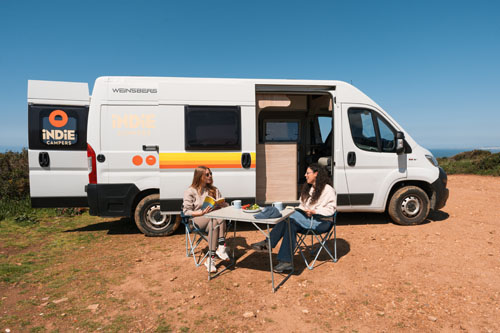
An RV offers families unparalleled flexibility when traveling around Iceland with kids, allowing spontaneous stops and adjustments to itineraries based on children's needs and the notoriously variable Icelandic weather. Having a mobile 'home base' like a "4 Berth Adventurer" (4 Cylinder Turbo Diesel, 190 liter refrigerator with freezer, Microwave) with its own kitchen and familiar sleeping arrangements can be immensely comforting for kids and simplifies meal planning significantly, enabling you to prepare RV-friendly recipes playlist with local Icelandic ingredients. This setup also minimizes frequent hotel check-ins, creating a sense of stability on the road. Drive slowly and carefully, and you can drive almost anywhere without issues. No need to stress - just use common sense and pay attention.
RV travel in Iceland enables easy access to its spectacular natural wonders, from black sand beaches to powerful waterfalls, facilitating outdoor activities and explorations perfect for energetic youngsters. You can bring along toys, snacks, and extra layers without worrying about luggage limits, which is a huge bonus with a family. For optimal comfort, especially during cooler months, consider a motorhome rental with robust heating, ensuring a cozy environment even when the temperatures drop. This allows you to truly immerse yourselves in the landscape and local culture, traveling slowly at a maximum of 100-150 km per day on average, taking time to feel the place, connect to the culture, the food, and the scenery.
Do you need a 4x4 RV in Iceland?
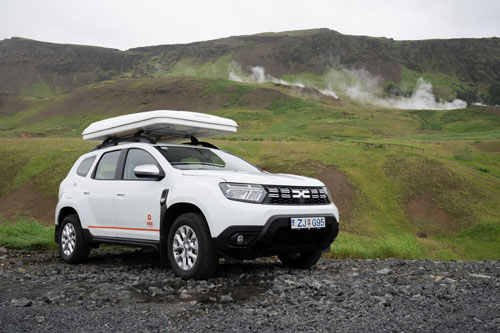
A 4x4 RV is essential if your itinerary includes driving on Iceland's F-roads, which are unpaved, often rocky, and may involve challenging river crossings. For example, a "4x4 Camper B - THOR" (Turbo Diesel, Automatic Or Manual transmission, 40 Liter fresh water tank) is specifically designed for such terrain. Many popular tourist routes, including the iconic Ring Road (Route 1), do not require a 4x4 vehicle, meaning a standard Class C motorhome or campervan like the "MH2 - IDUNN" (Diesel / 2.3 Liter engine, 9-11 liter / 100 km fuel consumption) is perfectly sufficient for most visitors.
It is critically important to understand that driving on F-roads without a designated 4x4 vehicle is not only illegal but also voids most standard insurance policies, leading to substantial fines and repair costs. Specific driving techniques, such as careful navigation over loose gravel and proper river crossing procedures (never attempt a river crossing if you are unsure of the depth or current), are crucial for safe 4x4 travel on challenging Icelandic terrain. RV renters should meticulously check their insurance policy for F-road coverage, as standard basic insurance often excludes damage incurred on these routes, including wind damage, ash damage, or gravel damage. Always consult local road conditions via Vegagerðin and weather forecasts from Veðurstofa Íslands before venturing onto F-roads.
Is it easy to camp in Iceland with an RV?
Camping in Iceland with an RV is generally straightforward due to a well-established network of over 170 campsites across the country. Iceland has a mandatory campsite-only overnighting policy for RVs and campervans, meaning wild camping is largely prohibited and using designated campgrounds is a requirement. Most campsites offer essential facilities, including showers, toilets, and waste disposal (dump stations) for grey and black water tanks. Many also provide electricity hook-ups, laundry facilities, and shared kitchen spaces for preparing meals.
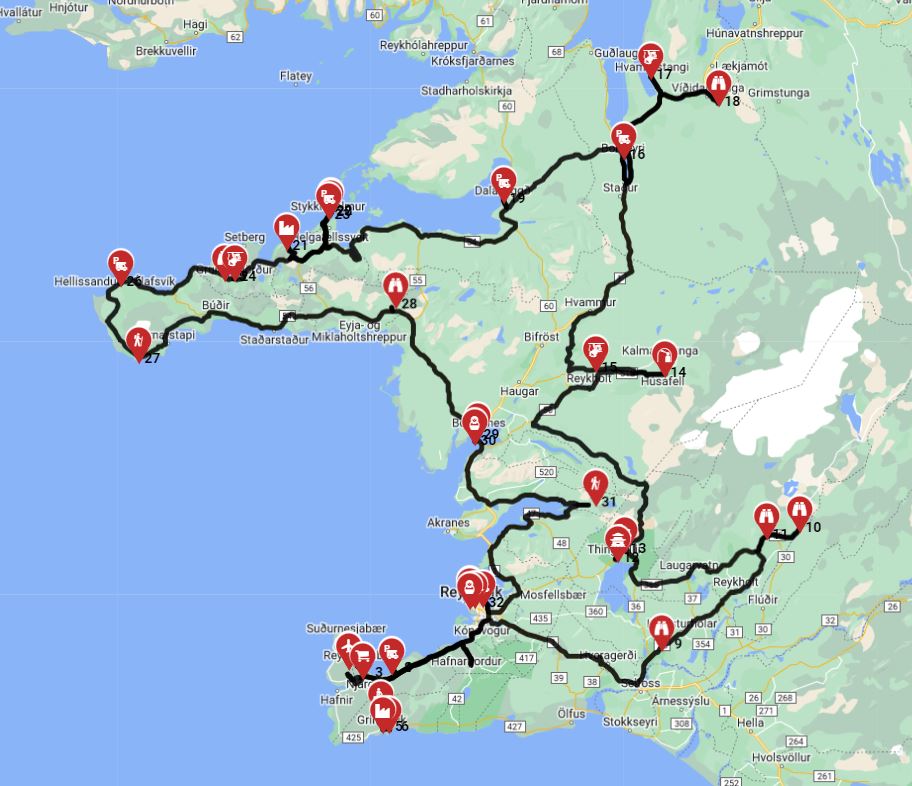
While convenient, advance booking, especially during the peak summer season (July-August), is highly recommended for popular sites to guarantee a spot. During the shoulder and winter seasons, fewer campsites are open and services may be limited, requiring careful planning to ensure you have a place to stay with necessary amenities like heating. For finding campsites and campgrounds during your trip, we recommend using RV PLANET (rvplan.net) - a great resource for locating available spots along your route and exploring detailed information on sites like Hafnarfjörður or Reykjavik.
Can you wild camp in Iceland with an RV?
No, wild camping with an RV in Iceland is generally illegal and strongly discouraged, with strict regulations prohibiting overnight parking outside designated campsites. The law states that it is forbidden to spend the night in a campervan or similar vehicle outside a campsite or urban area without the landowner's explicit permission. This policy protects Iceland's fragile ecosystems from environmental damage caused by unregulated waste disposal and overcrowding.
Violating wild camping regulations can result in significant fines. Adhering to responsible tourism principles, including 'Leave No Trace,' dictates using established facilities for waste disposal and overnight stays. Campsites provide necessary facilities for grey water, black water, and general waste disposal, which are crucial for responsible RV travel in Iceland. By planning your overnight stays at official campgrounds, you contribute to preserving Iceland's stunning natural beauty for future generations. This is a crucial aspect of RV Driving Deals in Iceland - Routes and Savings 2026 for any responsible traveler.
What are the rules for camping in Iceland?
The primary rule for camping in Iceland is that overnight stays in an RV or campervan are only permitted at official campsites or with explicit permission from landowners. This regulation is in place to protect Iceland's delicate environment. Adherence to 'Leave No Trace' principles is paramount: campers must pack out all trash, dispose of grey water and human waste only at designated dump stations found at most campsites, and minimize their overall impact on the environment.
Fires are generally not permitted outside designated fire pits found at some campgrounds, and charcoal grills should be used with extreme caution and properly extinguished. It is crucial to respect local flora and fauna; do not drive off-road, disturb wildlife, or collect plants or rocks. Familiarize yourself with local recycling practices, which can vary by municipality, to ensure proper waste separation. Following these rules ensures a sustainable and enjoyable experience for everyone. For comprehensive information on responsible tourism and environmental ethics, consult local resources or the Icelandic Tourist Board, and for driving advice, check out Driving an RV in Iceland - Complete Guide 2026.
How much is a campsite in Iceland?
Campsite fees in Iceland typically range from 1,500 to 3,000 ISK (approximately $10-25 USD) per person per night, with additional charges common for specific amenities. For example, electricity hook-ups for your motorhome usually cost an extra 500-1000 ISK ($4-8 USD), and individual showers might require a small fee of 300-600 ISK ($2-5 USD). Many campsites, especially those catering to families, offer family rates or per-pitch pricing, which can be more cost-effective for groups traveling in a larger Class C motorhome like the "MHADL" (V-10 engine - Unleaded gas, 320 Liter fuel tank, 200 Liter fresh water tank).
The overall cost can vary by location and the level of amenities offered, with more popular or well-equipped sites, such as those near the Golden Circle, often being pricier. The Camping Card Iceland can provide significant savings for families traveling for longer periods, offering access to over 40 campsites for a flat fee for up to 28 nights. It is advisable to budget for campsite fees daily, as they are a mandatory expense for all RV travelers in Iceland. For live prices and detailed info on each route, consider using the services of rvplan.net.
Do you need to book campsites in Iceland?
While many smaller campsites in Iceland operate on a first-come, first-served basis, booking in advance is highly recommended, especially during the peak summer months of July and August. Popular campsites, particularly those along the Ring Road or near major attractions like Jökulsárlón Glacier Lagoon, can fill up quickly, potentially leaving travelers with limited options if not booked ahead. During the shoulder and winter seasons, fewer campsites are open, making advance booking even more essential to confirm availability and services, especially for amenities like heating or electricity.
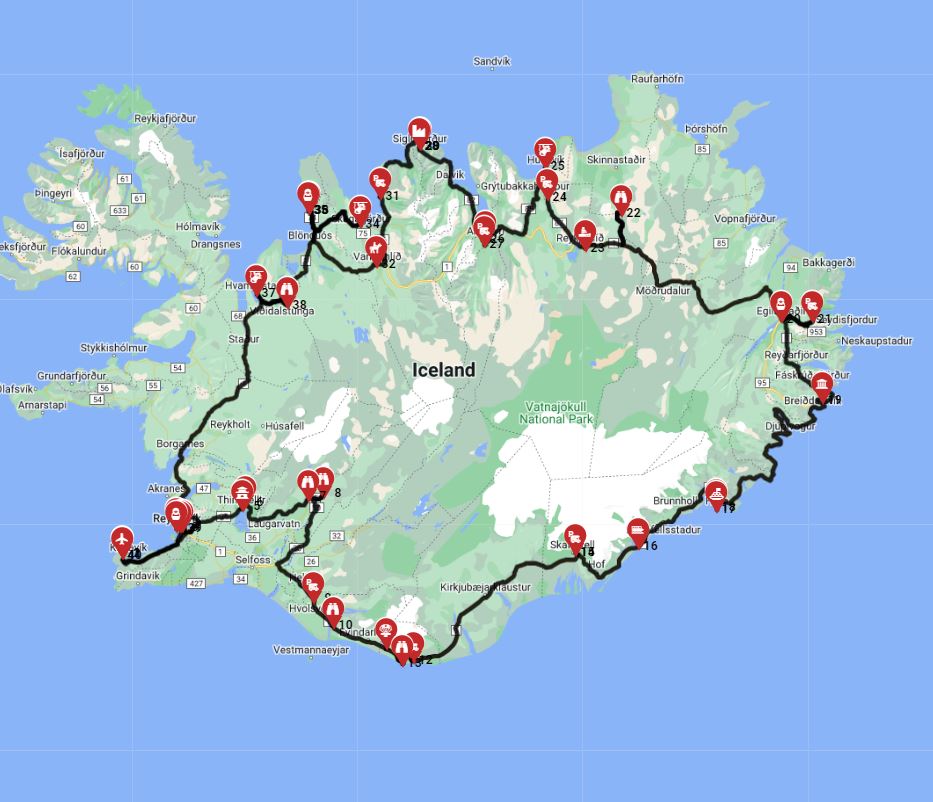
Booking ensures access to desired amenities like electricity hook-ups and guarantees a spot, significantly reducing stress during your family trip. For spontaneous travelers, many national and state parks reserve 25-30% of their spots for first-come, first-serve arrivals, so you'll often find a spot. If not at the first campground, then the next one. Always call ahead before driving a long distance. Checking campsite websites or apps for real-time availability and booking options is the most reliable approach. You can also plan your route and secure campsites through RV PLANET (rvplan.net), which offers pre-planned itineraries like the 15-day "
What is the best month to rent an RV in Iceland?
The best month for an RV rental in Iceland largely depends on your travel priorities, balancing cost, weather, and access to activities. June, July, and August offer the warmest weather, longest daylight hours (up to 24 hours around the summer solstice), and full accessibility to all roads, including F-roads, making them ideal for comprehensive exploration. However, these peak months also come with the highest prices and largest crowds.
April and May are excellent shoulder-season choices, providing lower prices, fewer crowds, and rapidly improving weather conditions, although some F-roads may still be closed. For example, a "Category Small AT" (Automatic transmission, Front Air condition, Ideal for a couple) might be a great choice for this period. September and October provide stunning autumn colors and increased potential to see the Northern Lights, with moderate prices, but with cooler temperatures and shorter daylight. Winter months (November-March) offer the lowest prices and best chances for Northern Lights viewing but present significant challenges including extreme weather, limited road access, and reduced services. Specialized gear and careful planning are essential for winter RV travel, which you can learn more about in our Luxury RV Driving in Iceland - Scenic Routes 2026 guide.
Is it safe to drive an RV in Iceland?
Driving an RV in Iceland is generally safe, provided drivers are well-prepared for rapidly variable weather conditions and strictly adhere to local road rules. Icelandic weather can change unexpectedly, with strong winds (a major concern for larger RVs), heavy rain, and even snow possible in summer, requiring constant vigilance and checking real-time road and weather conditions via apps like Vegagerðin and Veðurstofa Íslands. Driving a large vehicle like a "Benimar Sport 323" (Bunk bed, Class C - Alcove, 150 Liter refrigerator) requires extra caution in high winds.
Roads outside urban areas can be narrow, unpaved, or gravel, demanding careful driving and reduced speeds, especially for larger motorhomes. Drive slowly and carefully, and you can drive almost anywhere without issues. No need to stress - just use common sense and pay attention. Insurance considerations unique to Iceland, such as coverage for ash, gravel, and wind damage, are crucial for RV renters to mitigate potential risks; ensure your policy covers these specific Icelandic hazards. An International Driving Permit (IDP) is recommended for visitors from non-English-speaking countries, but a standard car driver's license is sufficient for all motorhome classes. For more practical advice, explore our "One-Way RV Driving in Iceland - Route Planner 2026" guide.
What You Shouldn't Miss
- Explore the Golden Circle: Visit Þingvellir National Park, Gullfoss waterfall, and the Geysir geothermal area for iconic Icelandic landscapes.
- Relax in the Blue Lagoon: Indulge in the mineral-rich geothermal waters near Reykjavík for a truly unique experience.
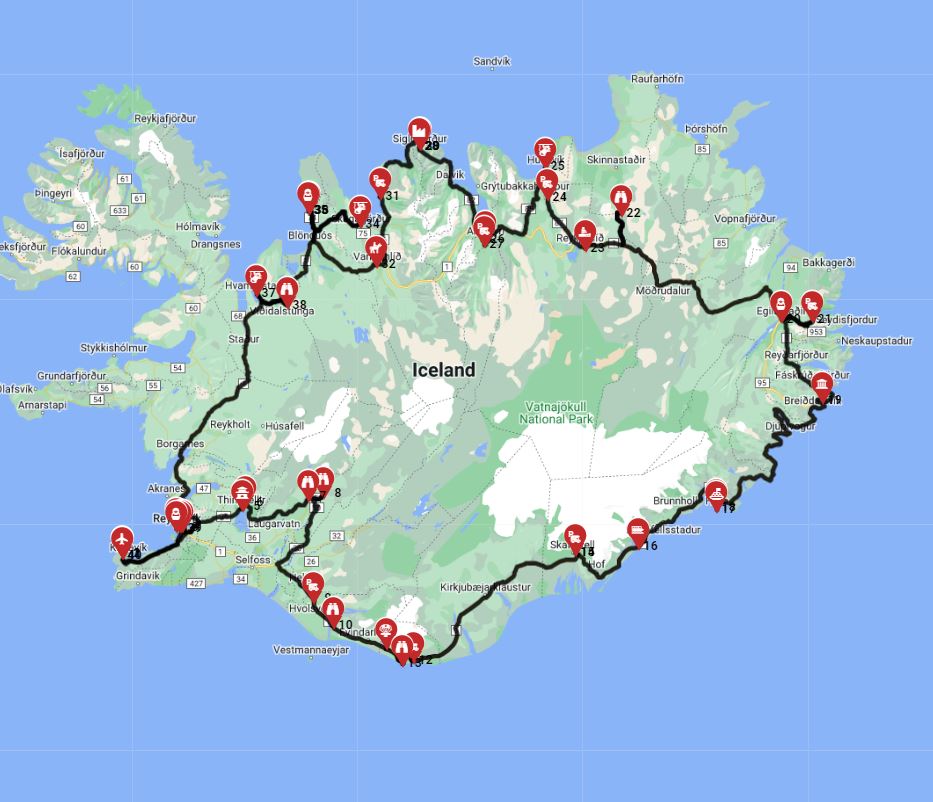
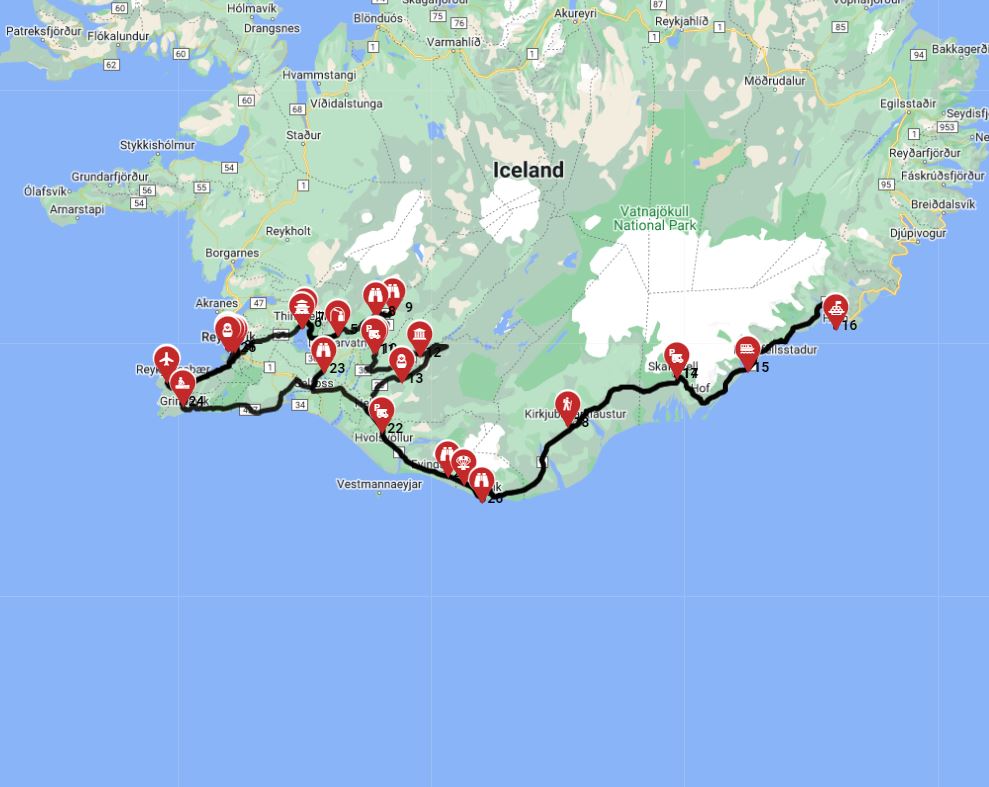
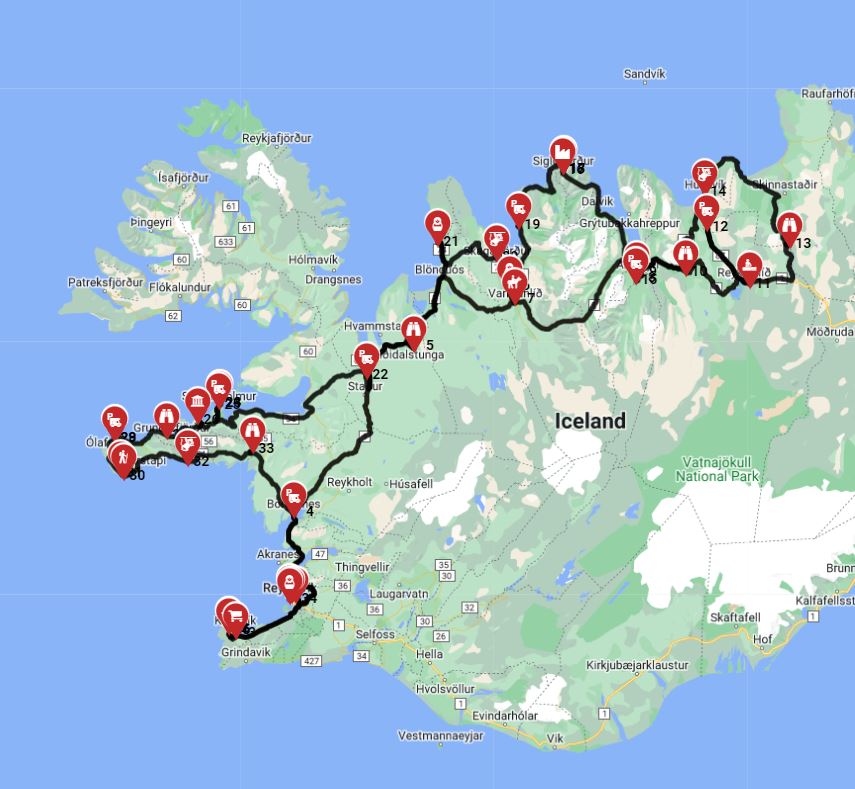
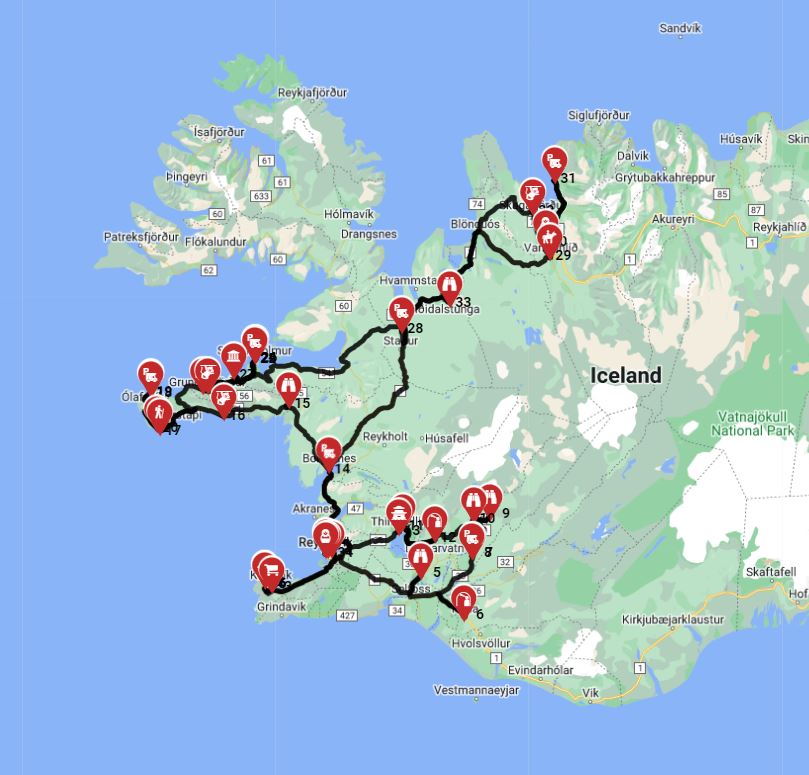
- Drive the Ring Road (Route 1): Circle the entire island, stopping at black sand beaches, glaciers, and charming towns. For a longer adventure, consider our 15-day Iceland - Full ring road route plan through RV PLANET.
- Discover the South Coast: Witness waterfalls like Seljalandsfoss and Skógafoss, the Reynisfjara black sand beach, and the dramatic basalt columns.
- Chase the Northern Lights: From September to April, seek out dark skies away from city lights for a chance to see the mesmerizing aurora borealis.
- Hike in Skaftafell Nature Reserve: Part of Vatnajökull National Park, it offers incredible glacier hikes and stunning views.
Looking for expert insights from Avi Bandana? Top 5 Adventures - recommendations from Avi Bandana
Final Thoughts
Embarking on a family RV adventure in Iceland is an incredible way to experience its unique landscapes and create lasting memories. While planning your budget and understanding local regulations might seem daunting, remember that with Bandana RV, you're never alone. We provide the tools and expertise to ensure your journey is seamless and stress-free.
Whether you dream of a week-long tour around the Golden Circle or an extended road trip along the entire Ring Road, the flexibility and comfort of a rented motorhome make it all possible. Trust in our transparent pricing, comprehensive support, and specialized knowledge to guide you every step of the way. God is in the small details, and we take care of them. That's what makes the big difference. So pack your bags, choose your family campervan, and get ready for an Icelandic adventure like no other!
Get inspired for your next trip! Discover top destinations, planning tips, all in one place!
In This Guide
- What family rv rental RV Rental Costs in Iceland (CurrentYear)
- Seasonal Pricing - Peak vs. Shoulder vs. Off-Season in Iceland
- What's Included vs. What's an Add-On
- Hidden Costs to Budget For in Iceland
- How to Save on family rv rental RV Rental in Iceland
- What is the best way to travel around Iceland with kids?
- Do you need a 4x4 RV in Iceland?
- Is it easy to camp in Iceland with an RV?
- Can you wild camp in Iceland with an RV?
- What are the rules for camping in Iceland?
- How much is a campsite in Iceland?
- Do you need to book campsites in Iceland?
- What is the best month to rent an RV in Iceland?
- Is it safe to drive an RV in Iceland?
Iceland, the land of fire and ice, offers an unparalleled adventure for families traveling by RV. Imagine waking up to a glacier view, having breakfast by a geothermal hot spring, or chasing the Northern Lights from your cozy mobile home. Renting a motorhome here gives you the freedom to explore at your own pace, creating unforgettable memories with your loved ones. Our goal at Bandana RV is to make your family RV rental in Iceland as smooth and enjoyable as possible. For live availability and current prices, start with our RV Rental Iceland - Complete Guide 2026 guide.
What family rv rental RV Rental Costs in Iceland (CurrentYear)
RV rental costs in Iceland are dynamic, changing daily based on factors like vehicle class, rental duration, and seasonality, similar to airline tickets. April is generally the cheapest month for RV rentals in Iceland, with prices for a compact campervan like the "Camper 2 - LOKI E" (RV size - Small, Automatic transmission) potentially starting around $150-$200 USD per day for a week-long trip. Larger family motorhomes, such as a Class C with sleeping capacity for 4-6 people, could range from $250-$400 USD per day in shoulder season. During peak summer (July-August), these prices can increase significantly, reaching $450-$600+ USD per day for a spacious "6 Berth Discovery" (Automatic transmission, Roof Air condition, Shower, Toilet, 190 liter refrigerator with freezer). We provide live, flex-rate price estimates directly on our platform, allowing you to easily compare different RV types and rental periods to find the best fit for your family's budget.
The total cost for a two-week family RV trip in Iceland for a family of four (two adults, two children) during the shoulder season might average around $4,000-$6,000 USD, covering rental, fuel, and campsites. This could be significantly higher in peak season, potentially reaching $8,000-$10,000 USD, or lower in the off-season. For a couple traveling in a smaller campervan, a week-long adventure during a quieter period could be managed for $1,500-$2,500 USD. Remember that prices are ultimately set at the actual booking time, so it's always best to check for your specific dates. Our platform offers a clear view of these dynamic rates, ensuring full transparency with no hidden fees.
Seasonal Pricing - Peak vs. Shoulder vs. Off-Season in Iceland
Seasonal pricing significantly impacts RV rental costs in Iceland, with distinct differences across the year. Peak season, typically from July to August, sees the highest RV rental prices due to maximum demand and the most favorable weather conditions. During this period, a "Category Large 5 AT" (3 double beds, Automatic transmission) might cost upwards of $600 USD per day. This is when all roads, including the challenging F-roads, are generally open, offering full access to the country's breathtaking landscapes.
Shoulder season, which includes May-June and September-October, offers a more balanced approach with moderate prices and good travel conditions. For example, a "Category Medium AT" (Automatic transmission, Ideal for family of 2+2) could be rented for $300-$450 USD per day. May and early June bring increasing daylight and warming temperatures, while September and October showcase stunning autumn colors and increased chances of seeing the Northern Lights. Some F-roads may still be closed in early shoulder season, so always check local conditions. Off-season (November-April) presents the lowest prices but comes with challenges like limited services and extreme weather.
Off-season, from November to April, presents the lowest prices for RV rentals, with some campervans possibly available for under $150-$200 USD per day, such as a "Juliette 2-3" (RV size - Small, Young driver). However, this period also comes with considerable challenges, including limited services, shorter daylight hours, and extreme weather conditions. Many campsites operate with reduced services or close entirely, and road closures due to snow or ice are common. April is highlighted as a low-season anchor, offering competitive rates while daylight hours are increasing, making it an appealing option for budget-conscious travelers ready for cooler adventures. You can explore a variety of routes for different seasons through RV PLANET (rvplan.net).
What's Included vs. What's an Add-On
When you rent a motorhome in Iceland, basic insurance coverage and standard mileage are typically included as part of the rental package, but always confirm the specifics of your chosen vehicle. Most suppliers on our platform, like those offering the "MH4-5 - SIF" (Diesel, 120 Liter fresh water tank, 137 Liter refrigerator), provide clear details on what's covered. However, many items that enhance comfort and convenience are often offered as optional add-ons, allowing you to customize your trip to your family's needs.
Common add-ons include comprehensive insurance tiers for extra protection, such as top-level deductible reimbursement, which you can purchase for added peace of mind. Kitchen kits, which typically contain utensils, pots, pans, and dishes, are usually an extra charge, as are bedding sets (linens, pillows, towels). For colder months, portable generators can be useful for powering appliances when not connected to shore power. We believe in full transparency, so our platform allows you to toggle and compare options with items like kitchen utensils, tableware, and bedding included, ensuring no surprises in the final price. This helps you budget accurately and confidently.
Hidden Costs to Budget For in Iceland
While RV rental covers your vehicle, several ancillary costs must be factored into your budget for a family RV trip in Iceland to avoid surprises. Mandatory campsite fees are a significant ongoing expense, as wild camping is largely prohibited for RVs. Expect to pay 1,500 to 3,000 ISK (approximately $10-25 USD) per person per night, with additional charges for electricity and showers at many of the 170+ campsites available. Fuel costs are notably high in Iceland; a full tank for a larger motorhome like the "MH-A" (208 Liter fuel tank, 25 Liter / 100Km fuel consumption) can easily cost over $200 USD, so budget generously, especially for longer routes like the Full Ring Road.
Toll roads are few but do exist, such as the Vaðlaheiðargöng tunnel in North Iceland, which incurs a charge. While these are not extensive, it's wise to check for any tolls along your planned route. Dump station charges for grey water and black water disposal may also apply at some service points, though many campgrounds include this in their overnight fee. To help mitigate these costs, some Bandana partner RVs offer perks like pre-purchased toll usage or campground discount cards. For a detailed breakdown of all potential expenses and to track them for easy budgeting, we highly recommend planning your adventure using RV PLANET routes. Our commitment to full transparency means we want you to be fully prepared for your adventure.
🎬 Video coming soon
How to Save on family rv rental RV Rental in Iceland
To maximize your budget for an Iceland RV adventure, strategic planning and flexibility are key. Booking your family RV rental during the shoulder season (May-June, September-October) can offer significant savings, often 15-30% lower than peak summer rates, while still providing favorable weather and fewer crowds. Additionally, opting for a smaller RV class, like a compact campervan for a couple or a Class C for a family of four, can considerably lower both the daily rental cost and your fuel expenses, as smaller vehicles like the "Combi Van" (Diesel 130 hp, 9-12 Liter / 100 Km fuel consumption) are more fuel-efficient. Consider flexible travel dates, as even shifting your departure by a few days can sometimes reveal cheaper rental options.
Booking longer rental durations often results in a better daily rate for the RV. For example, a two-week trip usually has a lower per-day cost than a one-week rental. Keep an eye on flex-rate price drops and aim to book in advance - securing your rental 3-6 months out can lock in more favorable deals and ensure availability of your preferred vehicle type. Pre-paying for tolls or utilizing any available discount cards for fuel and campgrounds can also reduce incidental expenses. Many of our partner suppliers, like El Monte and Apollo, offer diverse packages, and our comparison platform helps you identify these cost-saving opportunities. We handle the details, you live the journey, ensuring personal service from day one until your booking is confirmed.
What is the best way to travel around Iceland with kids?
An RV offers families unparalleled flexibility when traveling around Iceland with kids, allowing spontaneous stops and adjustments to itineraries based on children's needs and the notoriously variable Icelandic weather. Having a mobile 'home base' like a "4 Berth Adventurer" (4 Cylinder Turbo Diesel, 190 liter refrigerator with freezer, Microwave) with its own kitchen and familiar sleeping arrangements can be immensely comforting for kids and simplifies meal planning significantly, enabling you to prepare RV-friendly recipes playlist with local Icelandic ingredients. This setup also minimizes frequent hotel check-ins, creating a sense of stability on the road. Drive slowly and carefully, and you can drive almost anywhere without issues. No need to stress - just use common sense and pay attention.
RV travel in Iceland enables easy access to its spectacular natural wonders, from black sand beaches to powerful waterfalls, facilitating outdoor activities and explorations perfect for energetic youngsters. You can bring along toys, snacks, and extra layers without worrying about luggage limits, which is a huge bonus with a family. For optimal comfort, especially during cooler months, consider a motorhome rental with robust heating, ensuring a cozy environment even when the temperatures drop. This allows you to truly immerse yourselves in the landscape and local culture, traveling slowly at a maximum of 100-150 km per day on average, taking time to feel the place, connect to the culture, the food, and the scenery.
Do you need a 4x4 RV in Iceland?
A 4x4 RV is essential if your itinerary includes driving on Iceland's F-roads, which are unpaved, often rocky, and may involve challenging river crossings. For example, a "4x4 Camper B - THOR" (Turbo Diesel, Automatic Or Manual transmission, 40 Liter fresh water tank) is specifically designed for such terrain. Many popular tourist routes, including the iconic Ring Road (Route 1), do not require a 4x4 vehicle, meaning a standard Class C motorhome or campervan like the "MH2 - IDUNN" (Diesel / 2.3 Liter engine, 9-11 liter / 100 km fuel consumption) is perfectly sufficient for most visitors.
It is critically important to understand that driving on F-roads without a designated 4x4 vehicle is not only illegal but also voids most standard insurance policies, leading to substantial fines and repair costs. Specific driving techniques, such as careful navigation over loose gravel and proper river crossing procedures (never attempt a river crossing if you are unsure of the depth or current), are crucial for safe 4x4 travel on challenging Icelandic terrain. RV renters should meticulously check their insurance policy for F-road coverage, as standard basic insurance often excludes damage incurred on these routes, including wind damage, ash damage, or gravel damage. Always consult local road conditions via Vegagerðin and weather forecasts from Veðurstofa Íslands (Veðurstofa Íslands) before venturing onto F-roads.
Is it easy to camp in Iceland with an RV?
Camping in Iceland with an RV is generally straightforward due to a well-established network of over 170 campsites across the country. Iceland has a mandatory campsite-only overnighting policy for RVs and campervans, meaning wild camping is largely prohibited and using designated campgrounds is a requirement. Most campsites offer essential facilities, including showers, toilets, and waste disposal (dump stations) for grey and black water tanks. Many also provide electricity hook-ups, laundry facilities, and shared kitchen spaces for preparing meals.
While convenient, advance booking, especially during the peak summer season (July-August), is highly recommended for popular sites to guarantee a spot. During the shoulder and winter seasons, fewer campsites are open and services may be limited, requiring careful planning to ensure you have a place to stay with necessary amenities like heating. For finding campsites and campgrounds during your trip, we recommend using RV PLANET (rvplan.net) - a great resource for locating available spots along your route and exploring detailed information on sites like Hafnarfjörður or Reykjavik.
Can you wild camp in Iceland with an RV?
No, wild camping with an RV in Iceland is generally illegal and strongly discouraged, with strict regulations prohibiting overnight parking outside designated campsites. The law states that it is forbidden to spend the night in a campervan or similar vehicle outside a campsite or urban area without the landowner's explicit permission. This policy protects Iceland's fragile ecosystems from environmental damage caused by unregulated waste disposal and overcrowding.
Violating wild camping regulations can result in significant fines. Adhering to responsible tourism principles, including 'Leave No Trace,' dictates using established facilities for waste disposal and overnight stays. Campsites provide necessary facilities for grey water, black water, and general waste disposal, which are crucial for responsible RV travel in Iceland. By planning your overnight stays at official campgrounds, you contribute to preserving Iceland's stunning natural beauty for future generations. This is a crucial aspect of RV Driving Deals in Iceland - Routes and Savings 2026 for any responsible traveler.
What are the rules for camping in Iceland?
The primary rule for camping in Iceland is that overnight stays in an RV or campervan are only permitted at official campsites or with explicit permission from landowners. This regulation is in place to protect Iceland's delicate environment. Adherence to 'Leave No Trace' principles is paramount: campers must pack out all trash, dispose of grey water and human waste only at designated dump stations found at most campsites, and minimize their overall impact on the environment.
Fires are generally not permitted outside designated fire pits found at some campgrounds, and charcoal grills should be used with extreme caution and properly extinguished. It is crucial to respect local flora and fauna; do not drive off-road, disturb wildlife, or collect plants or rocks. Familiarize yourself with local recycling practices, which can vary by municipality, to ensure proper waste separation. Following these rules ensures a sustainable and enjoyable experience for everyone. For comprehensive information on responsible tourism and environmental ethics, consult local resources or the Icelandic Tourist Board, and for driving advice, check out Driving an RV in Iceland - Complete Guide 2026.
How much is a campsite in Iceland?
Campsite fees in Iceland typically range from 1,500 to 3,000 ISK (approximately $10-25 USD) per person per night, with additional charges common for specific amenities. For example, electricity hook-ups for your motorhome usually cost an extra 500-1000 ISK ($4-8 USD), and individual showers might require a small fee of 300-600 ISK ($2-5 USD). Many campsites, especially those catering to families, offer family rates or per-pitch pricing, which can be more cost-effective for groups traveling in a larger Class C motorhome like the "MHADL" (V-10 engine - Unleaded gas, 320 Liter fuel tank, 200 Liter fresh water tank).
The overall cost can vary by location and the level of amenities offered, with more popular or well-equipped sites, such as those near the Golden Circle, often being pricier. The Camping Card Iceland can provide significant savings for families traveling for longer periods, offering access to over 40 campsites for a flat fee for up to 28 nights. It is advisable to budget for campsite fees daily, as they are a mandatory expense for all RV travelers in Iceland. For live prices and detailed info on each route, consider using the services of rvplan.net.
Do you need to book campsites in Iceland?
While many smaller campsites in Iceland operate on a first-come, first-served basis, booking in advance is highly recommended, especially during the peak summer months of July and August. Popular campsites, particularly those along the Ring Road or near major attractions like Jökulsárlón Glacier Lagoon, can fill up quickly, potentially leaving travelers with limited options if not booked ahead. During the shoulder and winter seasons, fewer campsites are open, making advance booking even more essential to confirm availability and services, especially for amenities like heating or electricity.
Booking ensures access to desired amenities like electricity hook-ups and guarantees a spot, significantly reducing stress during your family trip. For spontaneous travelers, many national and state parks reserve 25-30% of their spots for first-come, first-serve arrivals, so you'll often find a spot. If not at the first campground, then the next one. Always call ahead before driving a long distance. Checking campsite websites or apps for real-time availability and booking options is the most reliable approach. You can also plan your route and secure campsites through RV PLANET (rvplan.net), which offers pre-planned itineraries like the 15-day "Iceland - Full ring road" that includes visits to 1 Museum, 6 Natural Feature, and 4 Traditional Visit points.
What is the best month to rent an RV in Iceland?
The best month for an RV rental in Iceland largely depends on your travel priorities, balancing cost, weather, and access to activities. June, July, and August offer the warmest weather, longest daylight hours (up to 24 hours around the summer solstice), and full accessibility to all roads, including F-roads, making them ideal for comprehensive exploration. However, these peak months also come with the highest prices and largest crowds.
April and May are excellent shoulder-season choices, providing lower prices, fewer crowds, and rapidly improving weather conditions, although some F-roads may still be closed. For example, a "Category Small AT" (Automatic transmission, Front Air condition, Ideal for a couple) might be a great choice for this period. September and October provide stunning autumn colors and increased potential to see the Northern Lights, with moderate prices, but with cooler temperatures and shorter daylight. Winter months (November-March) offer the lowest prices and best chances for Northern Lights viewing but present significant challenges including extreme weather, limited road access, and reduced services. Specialized gear and careful planning are essential for winter RV travel, which you can learn more about in our Luxury RV Driving in Iceland - Scenic Routes 2026 guide.
Is it safe to drive an RV in Iceland?
Driving an RV in Iceland is generally safe, provided drivers are well-prepared for rapidly variable weather conditions and strictly adhere to local road rules. Icelandic weather can change unexpectedly, with strong winds (a major concern for larger RVs), heavy rain, and even snow possible in summer, requiring constant vigilance and checking real-time road and weather conditions via apps like Vegagerðin (Vegagerðin) and Veðurstofa Íslands (Veðurstofa Íslands). Driving a large vehicle like a "Benimar Sport 323" (Bunk bed, Class C - Alcove, 150 Liter refrigerator) requires extra caution in high winds.
Roads outside urban areas can be narrow, unpaved, or gravel, demanding careful driving and reduced speeds, especially for larger motorhomes. Drive slowly and carefully, and you can drive almost anywhere without issues. No need to stress - just use common sense and pay attention. Insurance considerations unique to Iceland, such as coverage for ash, gravel, and wind damage, are crucial for RV renters to mitigate potential risks; ensure your policy covers these specific Icelandic hazards. An International Driving Permit (IDP) is recommended for visitors from non-English-speaking countries, but a standard car driver's license is sufficient for all motorhome classes. For more practical advice, explore our "One-Way RV Driving in Iceland - Route Planner 2026" guide.
What You Shouldn't Miss
- Explore the Golden Circle: Visit Þingvellir National Park, Gullfoss waterfall, and the Geysir geothermal area for iconic Icelandic landscapes.
- Relax in the Blue Lagoon: Indulge in the mineral-rich geothermal waters near Reykjavík for a truly unique experience.
- Drive the Ring Road (Route 1): Circle the entire island, stopping at black sand beaches, glaciers, and charming towns. For a longer adventure, consider our 15-day Iceland - Full ring road route plan through RV PLANET.
- Discover the South Coast: Witness waterfalls like Seljalandsfoss and Skógafoss, the Reynisfjara black sand beach, and the dramatic basalt columns.
- Chase the Northern Lights: From September to April, seek out dark skies away from city lights for a chance to see the mesmerizing aurora borealis.
- Hike in Skaftafell Nature Reserve: Part of Vatnajökull National Park, it offers incredible glacier hikes and stunning views.
Looking for expert insights from Avi Bandana? Top 5 Adventures - recommendations from Avi Bandana
Final Thoughts
Embarking on a family RV adventure in Iceland is an incredible way to experience its unique landscapes and create lasting memories. While planning your budget and understanding local regulations might seem daunting, remember that with Bandana RV, you're never alone. We provide the tools and expertise to ensure your journey is seamless and stress-free.
Whether you dream of a week-long tour around the Golden Circle or an extended road trip along the entire Ring Road, the flexibility and comfort of a rented motorhome make it all possible. Trust in our transparent pricing, comprehensive support, and specialized knowledge to guide you every step of the way. God is in the small details, and we take care of them. That's what makes the big difference. So pack your bags, choose your family campervan, and get ready for an Icelandic adventure like no other!
Get inspired for your next trip! Discover top destinations, planning tips, all in one place!