In This Guide
- Can You Drive an RV in Iceland? License & Age Rules
- Road Conditions & Terrain in Iceland
- RV Size Limits, Bridges & Restricted Zones
- Fuel: Diesel vs. Petrol & Cost per 100 km
- Tolls, Vignettes & Border Rules
- Driving Tips for luxury rv rental Travelers
- Recommended RV Class for Iceland Roads
- Should I Choose a Compact Van Instead of a Large RV in Iceland?
- Can I Park Anywhere? Free & Wild Camping Rules in Iceland
- Can I Drive an RV Into the City Center? Heights, Tunnels & Local Signage
- How much does it cost to rent a luxury RV in Iceland?
- What is the best time to rent an RV in Iceland?
- Are F-roads suitable for luxury RVs in Iceland?
- How do you prepare for extreme weather while RVing in Iceland?
- What are the must-see attractions for an RV trip in Iceland?
- Can you find RV parks with hookups in Iceland?
- Is it better to rent an RV or a car and hotels in Iceland?
- What kind of insurance do you need for an RV rental in Iceland?
- How long does it take to drive around Iceland in an RV?
- Are luxury RV rentals available for winter travel in Iceland?
- Where can I find pet-friendly luxury RV rentals in Iceland?
- What is the typical availability of Wi-Fi and cell service in Icelandic RVs?
- How do you handle waste disposal and water refills in an Icelandic RV?
- Are there any cultural etiquette tips for RV travelers in Iceland?
Can You Drive an RV in Iceland? License & Age Rules
To drive an RV in Iceland, a standard Category B driving license is typically sufficient for vehicles up to 3,500 kg (7,716 lbs) and carrying up to 8 passengers. For foreign drivers, an International Driving Permit (IDP) is highly recommended or legally required if your national license is not in a Latin alphabet, alongside your valid national driver's license. The minimum age for RV rental in Iceland is generally 20 years old for smaller vehicles and 23-25 years for larger models, though this can vary by rental company. Vehicles exceeding 3,500 kg may require a higher license category (e.g., C1 or C), but most rental RVs fall within the standard B license limit.
Road Conditions & Terrain in Iceland
Iceland's road conditions vary significantly, from well-maintained paved roads (like the Ring Road/Route 1) to gravel roads and challenging F-roads. The majority of Iceland's main routes are paved, offering a smooth driving experience suitable for luxury RVs, encouraging slow and scenic travel. Expect winding roads, narrow passages, and single-lane bridges, especially outside urban areas, requiring careful and attentive driving. Gravel roads are common, particularly when venturing off the main Ring Road; reduce speed to prevent stone chips and maintain control.
RV Size Limits, Bridges & Restricted Zones
While Iceland generally accommodates RVs of various sizes, drivers must be mindful of specific restrictions, particularly regarding single-lane bridges and certain F-roads. There are very few strict height or weight restrictions on Iceland's main roads, but common sense applies to smaller bridges and tunnels. Many bridges outside the Ring Road are single-lane; always yield to oncoming traffic by pulling over to marked passing points. F-roads, which access the Highlands, are typically restricted to 4x4 vehicles only, and many rental RVs (especially 2WD luxury models) are prohibited from these routes by rental agreements due to clearance and terrain.
Fuel: Diesel vs. Petrol & Cost per 100 km
The vast majority of luxury RVs in Iceland, like those in Bandana's fleet, run on diesel, which is widely available at gas stations across the country. Fuel consumption for Bandana's typical RV fleet ranges from approximately 8-14 Liters per 100 km, with Class B Camper Vans averaging 8-10 L/100km and larger Class C or A models around 10-12 L/100km, and Truck Campers 12-14 L/100km. To estimate fuel costs, multiply your RV's average consumption (e.g., 11 L/100km) by the current price of diesel in Iceland (which can fluctuate but is generally higher than in many other European countries). Many rental companies, including some Bandana partners, provide fuel discount cards for major gas stations, which can offer significant savings on your trip. On the routes offered through RV PLANET routes, you can itemize and track every expense along the way for easy budgeting.
Tolls, Vignettes & Border Rules
Iceland has very few toll roads, with the primary one being the Vaðlaheiðargöng tunnel in the North, and it does not require vignettes or have complex border rules given its island status. The Vaðlaheiðargöng tunnel toll can be paid online at vegagjald.is up to 24 hours before or after passing through, or at select N1 gas stations. Failure to pay the Vaðlaheiðargöng tunnel toll within 24 hours results in an increased fee charged to your rental company, which will then pass the cost plus an administrative fee to you. As an island nation outside the Schengen Area (though part of its travel zone for many), there are no land borders with neighboring countries, simplifying international travel logistics.
Driving Tips for luxury rv rental Travelers
Always drive with headlights on, day or night, as it is legally required in Iceland for all vehicles. Pay close attention to speed limits, which are typically 90 km/h on paved rural roads, 80 km/h on gravel rural roads, and 50 km/h in urban areas. Be highly aware of strong winds, which can pose a significant danger to high-sided vehicles like RVs; check weather forecasts regularly and be prepared to pull over. Allow extra time for travel, particularly on scenic routes, and plan frequent stops every 2-3 hours to enjoy the scenery and rest. Opt for an automatic transmission, often standard in luxury RVs, to enhance driving comfort and ease, especially on Iceland's varied terrain.
Recommended RV Class for Iceland Roads
For a luxury RV experience in Iceland, Class A - Integrated and Class C - Alcove motorhomes from Bandana's fleet are highly recommended, offering ample space and comfort for longer journeys. Class A - Integrated RVs, with an average length of 7.5 meters, provide the most luxurious experience with integrated living spaces and often higher-end amenities, suitable for families or groups. Class C - Alcove RVs, also averaging 7.5 meters in length, are excellent for families with children due to their over-cab sleeping areas and robust design. For those desiring luxury within a slightly more compact footprint, a Class SI - Semi-integrated RV (average 6.9 meters) offers a good balance of comfort and maneuverability, especially on narrower roads.
Should I Choose a Compact Van Instead of a Large RV in Iceland?
While a compact camper van (like Bandana's Class B Camper Van, averaging 5.8 meters) offers superior maneuverability and easier parking, a larger luxury RV often provides a more comfortable and spacious experience without significant driving disadvantages on Iceland's main routes. The main Ring Road and popular scenic routes in Iceland are generally wide enough for large RVs, making indoor space and amenities often more critical for a 'luxury' trip than extreme maneuverability. A compact van may be marginally easier for navigating very tight parking lots or extremely narrow, less-traveled side roads, but these scenarios are rare on typical tourist itineraries. For a truly luxurious experience with enhanced living space, private bathrooms, and a full kitchen, a larger RV like a Class A or C typically offers better value and comfort for your investment in Iceland. For ideas you can prep on the road, watch our RV-friendly recipes playlist on YouTube.
Can I Park Anywhere? Free & Wild Camping Rules in Iceland
In Iceland, free or wild camping in an RV is generally prohibited and can result in significant fines, requiring travelers to use designated campsites for overnight stays. The 'Freedom to Roam' act in Iceland primarily applies to tents and short-term stays in uncultivated areas, but explicitly excludes motorhomes, caravans, and similar vehicles. RVs must park overnight at official campsites, which are abundant across Iceland and offer essential facilities like waste disposal, fresh water, and electrical hookups. Rules vary by region — always check local regulations and follow local law before parking overnight, ensuring you respect private property and environmental protection zones.
Can I Drive an RV Into the City Center? Heights, Tunnels & Local Signage
Yes, you can generally drive an RV into most city centers in Iceland, including Reykjavik, but drivers should be vigilant for local signage indicating height limits, restricted zones, and parking availability. Reykjavik's city center is accessible to RVs, though finding suitable parking for larger vehicles can be challenging, especially during peak tourist season. Always pay attention to signs for low bridges, tunnels, or environmental zones, which may restrict access for oversized vehicles, though these are uncommon on primary city access routes. Consider parking your RV on the outskirts of city centers and utilizing public transport or walking to explore the core areas, which often offer a more relaxed experience.
How much does it cost to rent a luxury RV in Iceland?
The cost to rent a luxury RV in Iceland typically ranges from €200 to €600+ per day, depending on the season, RV class, rental duration, and included amenities, excluding significant hidden costs. Peak season (June-August) prices are significantly higher, while shoulder seasons (May, September) offer better value. Beyond the daily rental fee, budget for mandatory insurance, a deposit, fuel, campsite fees, any additional equipment (e.g., WiFi, outdoor furniture), and potential one-way rental fees. Hidden costs can include insurance nuances (e.g., gravel protection, deductibles), the Vaðlaheiðargöng tunnel toll, specific activity costs, and varying prices for groceries and attractions. To save money, consider cooking most meals in your RV kitchen, utilizing fuel discount cards often provided by rental agencies, booking campsites in advance, and planning your itinerary to minimize backtracking.
What is the best time to rent an RV in Iceland?
The best time to rent an RV in Iceland for most travelers is during the summer months (June to August) for optimal weather, longer daylight hours, and full road accessibility, though it is also the most expensive and crowded period. Shoulder seasons (May and September) offer a good balance of milder weather, fewer crowds, and lower prices, with most roads still accessible. For viewing the Northern Lights, late autumn to early spring (September to April) is ideal, but weather conditions for RV travel can be challenging, with shorter daylight hours and potential road closures. Consider your priorities: summer for comprehensive touring and hiking; shoulder seasons for a quieter experience with good weather; winter for Northern Lights and snow activities, with proper preparedness.
Are F-roads suitable for luxury RVs in Iceland?
F-roads in Iceland are generally not suitable for standard luxury RVs and are typically prohibited by rental agreements, as they require specialized 4x4 vehicles due to rough terrain, unbridged river crossings, and challenging conditions. These unpaved mountain roads are characterized by loose gravel, large rocks, steep inclines, and often unbridged rivers that demand high ground clearance, robust suspension, and proper river crossing techniques. Driving a luxury RV on an F-road not only risks severe damage to the vehicle but also voids most rental insurance policies, leaving you liable for costly repairs. If exploring the Icelandic Highlands is a priority, consider renting a separate 4x4 vehicle for those specific excursions while parking your luxury RV at a suitable base camp, or opting for a specifically designed 4x4 truck camper.
How do you prepare for extreme weather while RVing in Iceland?
Preparing for extreme weather while RVing in Iceland involves vigilant weather monitoring, understanding safety protocols, and ensuring your vehicle and supplies are ready for sudden changes. Regularly check official weather forecasts (e.g., vedur.is) and road conditions (e.9., road.is) for wind warnings, ash storms, heavy rain, and potential whiteouts, which can develop rapidly. Always carry emergency supplies, including extra warm clothing, blankets, a first-aid kit, non-perishable food, water, and a fully charged satellite phone or GPS device for remote area communication. In high winds, pull over to a sheltered spot and wait it out; during ash storms or whiteouts, find a safe place to stop, turn on hazard lights, and avoid driving until visibility improves. Communicate your travel plans and expected return times to someone, and ensure your luxury RV's heating system and tire pressure are adequately maintained for varying conditions.
What are the must-see attractions for an RV trip in Iceland?
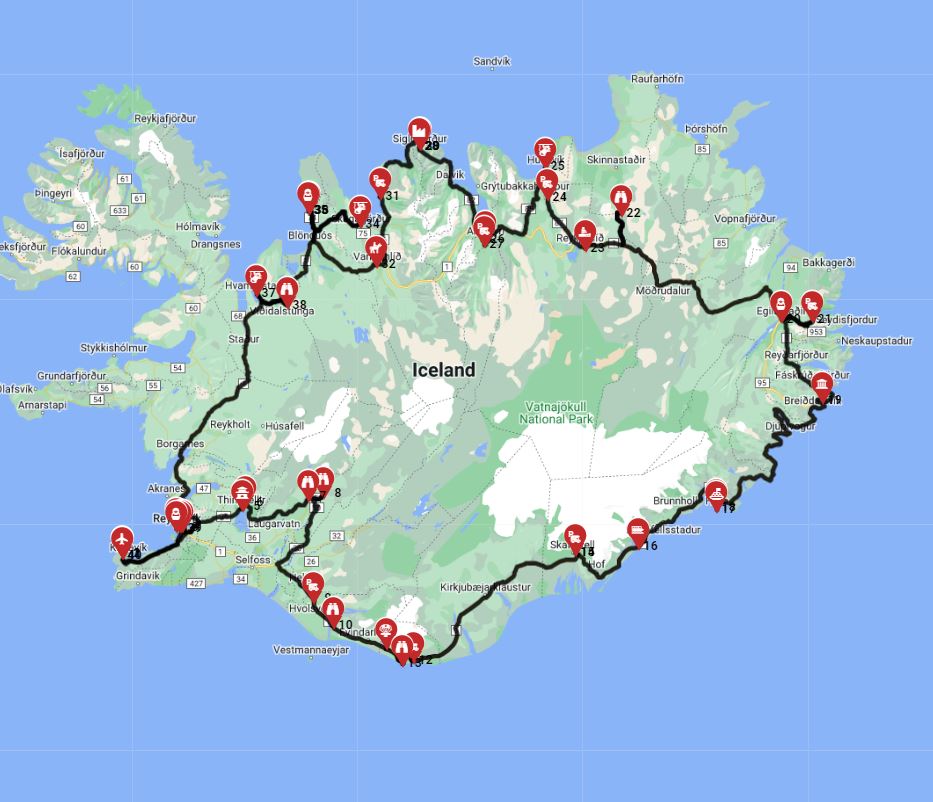
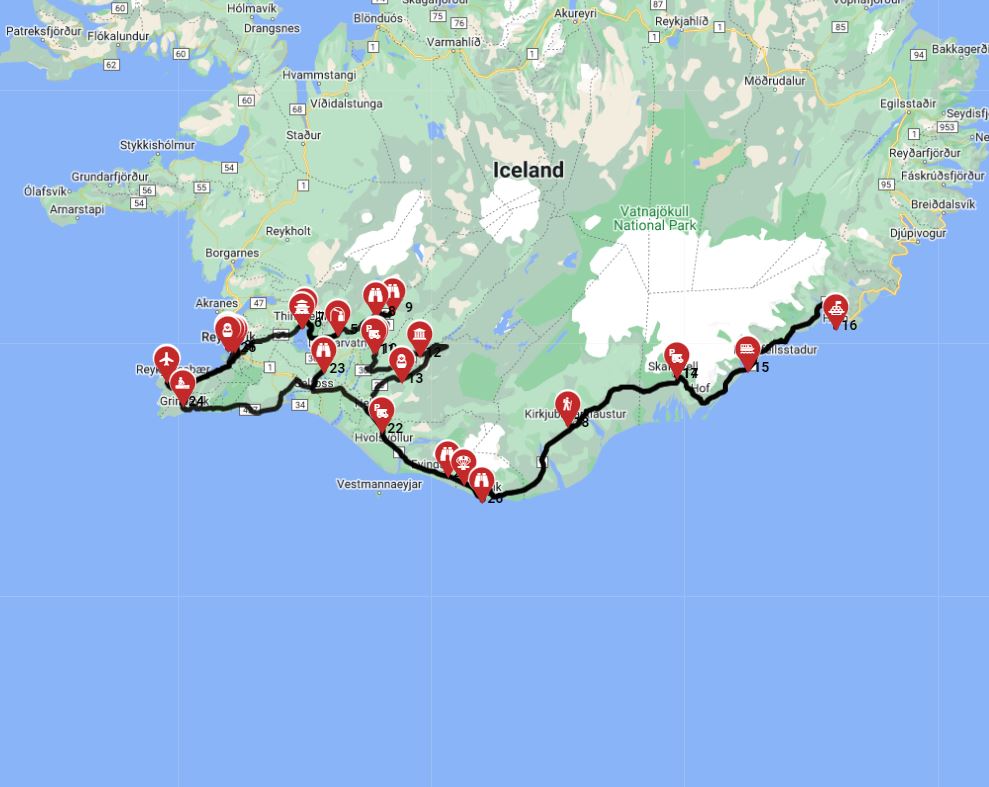
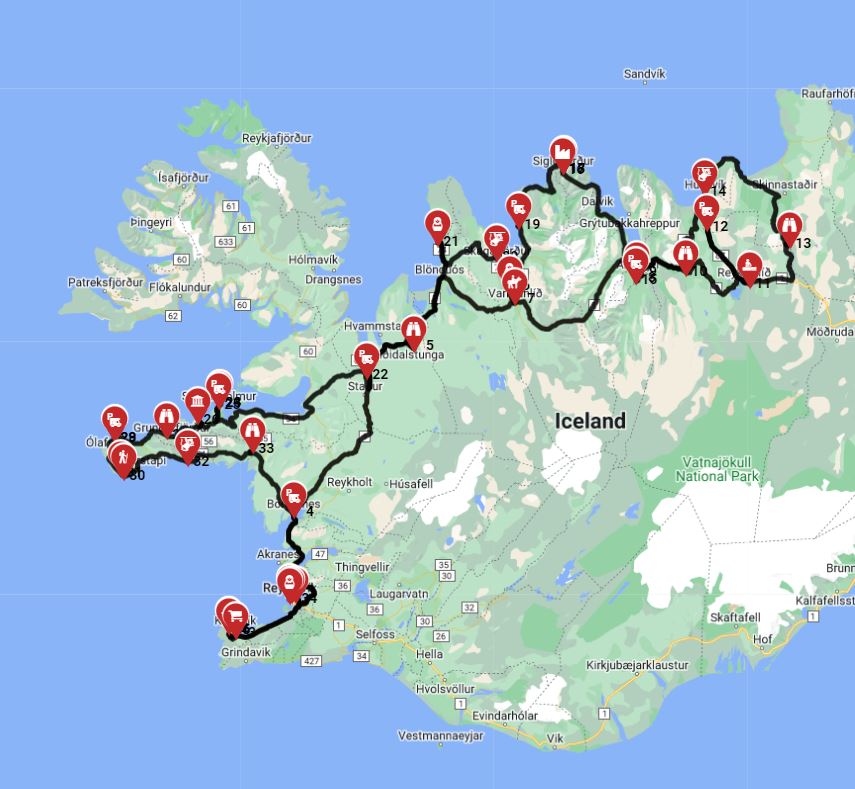
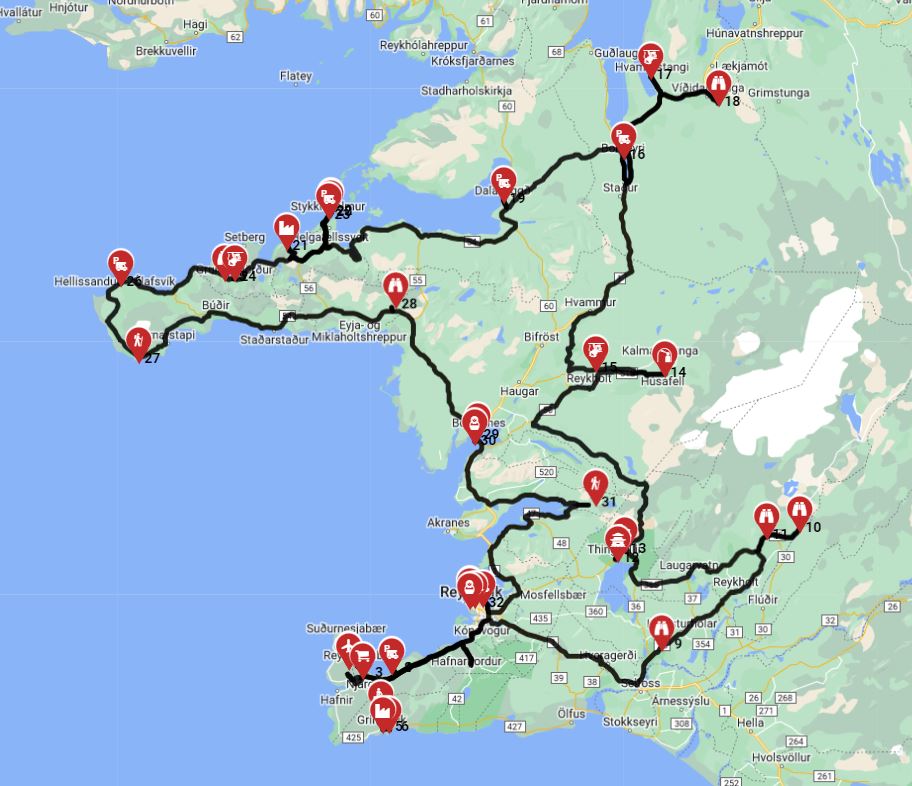
An RV trip through Iceland offers unparalleled access to iconic natural wonders, with must-see attractions including the Golden Circle, the South Coast, and the Snaefellsnes Peninsula. The Golden Circle features Þingvellir National Park, Gullfoss waterfall, and the Geysir geothermal area, easily accessible for RVs. The South Coast boasts black sand beaches (Reynisfjara), stunning waterfalls (Seljalandsfoss, Skógafoss), and the Jökulsárlón glacier lagoon. For a complete Ring Road adventure, allocate at least 10-14 days to explore the East Fjords, Lake Mývatn, Akureyri, and the Westfjords if time permits. Don't miss opportunities for local immersion, such as visiting small fishing villages, trying local cuisine, or exploring less-traveled hot springs and hiking trails, all while practicing sustainable travel and leave no trace principles.
Can you find RV parks with hookups in Iceland?
Yes, Iceland has an extensive network of RV parks and campsites located throughout the country, many of which offer essential hookups including electricity, fresh water, and waste disposal facilities. Most designated campsites provide both basic pitches and those with electrical hookups, which are crucial for powering your luxury RV's amenities, especially during colder months. It's advisable to book campsites in advance, particularly during the peak summer season, to secure a spot with desired hookups, as popular locations can fill up quickly. Campsite facilities often include showers, restrooms, laundry facilities, and kitchen areas, addressing common RV travel challenges and ensuring a comfortable stay.
Is it better to rent an RV or a car and hotels in Iceland?
Choosing between an RV and a car with hotels in Iceland depends on your travel style, budget, and desired level of flexibility and immersion. Renting a luxury RV offers unparalleled flexibility and freedom, allowing you to change plans spontaneously, wake up to stunning views, and cook your own meals, potentially saving on dining costs. A car and hotel itinerary can offer more comfort and amenities associated with traditional accommodation, but often involves more packing/unpacking and adherence to booking schedules, which can limit spontaneity. While initial RV rental costs might seem higher, the ability to combine accommodation and transportation, plus cooking your own meals, can make it a more cost-effective option than car rental plus daily hotel stays and restaurant meals, especially for families or longer trips. For genuine local immersion, an RV allows you to stay closer to nature and small communities, whereas hotels often situate you in larger towns.
What kind of insurance do you need for an RV rental in Iceland?
For an RV rental in Iceland, comprehensive insurance coverage is crucial, typically including Collision Damage Waiver (CDW) as a minimum, but additional protections like Gravel Protection (GP) and Theft Protection (TP) are highly recommended. Standard CDW usually comes with a high deductible, so consider purchasing Super CDW (SCDW) to reduce your liability significantly in case of damage. Gravel Protection (GP) is vital due to Iceland's many gravel roads, protecting against damage to the RV's bodywork, headlights, and windshield from loose stones. Additional insurance options may include Sand and Ash Protection (SAAP) to cover damage from volcanic ash or sandstorms, and tire insurance, both of which are prudent for Icelandic conditions. Always review the rental agreement carefully to understand what is included, what the deductibles are, and what exclusions apply (e.g., F-road driving typically voids insurance).
How long does it take to drive around Iceland in an RV?
To comfortably drive the full Ring Road (Route 1) around Iceland in an RV, a minimum of 10 to 14 days is recommended to allow for sightseeing, spontaneous stops, and flexibility for weather changes. A 7-day trip is feasible but will feel rushed, focusing primarily on the South Coast and Golden Circle without much time for the northern or eastern regions. For shorter trips (e.g., 5-7 days), consider curated itineraries focusing on specific regions or themes, such as exploring the Snaefellsnes Peninsula and the Golden Circle, or the South Coast to Jökulsárlón. Remember that driving speeds are lower than in many countries, and you'll want ample time to hike, explore, and relax at various attractions rather than constantly being on the move.
Are luxury RV rentals available for winter travel in Iceland?
Yes, luxury RV rentals are available for winter travel in Iceland, offering a unique opportunity to experience the country's snowy landscapes and Northern Lights, provided you are well-prepared for the challenging conditions. Winter-ready RVs typically come equipped with good heating systems, insulated water tanks to prevent freezing, and often studded tires for improved traction on icy roads. While main roads are usually plowed, many secondary roads and all F-roads will be closed, and daylight hours are significantly shorter, requiring careful itinerary planning. Winter RV travel in Iceland offers fewer crowds and breathtaking scenery, but demands excellent driving skills, constant weather monitoring, and flexibility for potential road closures.
Where can I find pet-friendly luxury RV rentals in Iceland?
Finding pet-friendly luxury RV rentals in Iceland requires diligent research, as policies vary significantly between rental companies, and strict regulations govern pet entry into the country. Always confirm directly with the rental agency about their specific pet policies, potential additional cleaning fees, and any restrictions on pet size or breed. Iceland has very stringent regulations regarding importing pets, requiring extensive veterinary checks, vaccinations, microchipping, and potentially quarantine periods, making it complex to bring your own pet from abroad. If you are traveling with a pet, inquire about pet-friendly campsites in Iceland, as not all sites accommodate animals, and ensure your pet is always on a leash and waste is properly disposed of to respect local rules and sustainable travel practices.
What is the typical availability of Wi-Fi and cell service in Icelandic RVs?
The typical availability of Wi-Fi in Icelandic RV rentals is often through optional add-on portable Wi-Fi devices, while cell service coverage is generally good in populated areas but can be sparse in remote regions. Many luxury RV rental companies offer portable Wi-Fi hotspots for rent, providing internet access throughout your journey for a daily or weekly fee. Cell phone service (3G/4G/5G) is reliable along the Ring Road and in major towns, but expect limited or no coverage in the Highlands, remote areas, and some of the more isolated fjords. For reliable navigation and emergency communication, downloading offline maps (e.g., via Google Maps, Maps.me) and carrying a satellite phone for remote areas are highly recommended. Ensure you have sufficient charging solutions for all your devices, as campsite electrical hookups are not always available, and reliable phone signal is essential for essential apps like '112 Iceland' for emergencies and 'Vegagerðin' for road conditions.
How do you handle waste disposal and water refills in an Icelandic RV?
Handling waste disposal and water refills in an Icelandic RV primarily involves utilizing the facilities available at designated campsites and respecting local environmental guidelines. Most official campsites in Iceland are equipped with 'grey water' (sink/shower) and 'black water' (toilet) dumping stations, along with fresh water refill points. It is illegal and environmentally damaging to dispose of grey or black water anywhere other than designated stations; plan your route to ensure regular access to campsites with these facilities. For solid waste, use designated bins at campsites or local waste collection points; never leave trash in nature, upholding Iceland's strong sustainable travel and 'leave no trace' principles. Additionally, many campsites offer laundry facilities and shared kitchen spaces, providing solutions for varied meal preparation and personal hygiene challenges.
Are there any cultural etiquette tips for RV travelers in Iceland?
RV travelers in Iceland should observe several cultural etiquette tips to respect local customs, protect the fragile environment, and ensure a positive experience for everyone. Always drive considerately, especially on narrow roads, and be patient with local traffic; pull over to let faster vehicles pass. Strictly adhere to 'leave no trace' principles: pack out everything you pack in, stay on marked trails, and never wild camp with an RV. Respect private property; always ask for permission before entering private land, even if it appears uncultivated, and do not disturb livestock. Embrace 'ísland í sumar' (Iceland in summer) by engaging with local communities, trying regional foods, and visiting local museums or events beyond just popular tourist sites, contributing to a genuine cultural immersion.
What You Shouldn't Miss
- The Golden Circle: A classic route covering Þingvellir National Park, Gullfoss waterfall, and the Geysir geothermal area – easily navigable by RV.
- South Coast Wonders: Explore black sand beaches like Reynisfjara, the majestic Seljalandsfoss and Skógafoss waterfalls, and the stunning Jökulsárlón glacier lagoon.
- Snaefellsnes Peninsula: Often called "Iceland in Miniature," this peninsula offers a diverse landscape including Kirkjufell mountain, charming fishing villages, and dramatic coastlines.
- Ring Road Exploration: For the full experience, dedicate at least 10-14 days to circumnavigate Iceland, discovering the East Fjords, Lake Mývatn's geothermal wonders, and the vibrant town of Akureyri.
- Geothermal Bathing: Experience Iceland's famous geothermal spas like the Blue Lagoon or lesser-known local pools, a perfect way to relax after a day of driving.
- Northern Lights Hunting (Seasonal): If traveling between September and April, keep an eye out for the aurora borealis, a truly magical spectacle best viewed away from city lights.
Final Thoughts
Embarking on an RV adventure in Iceland is an unparalleled way to experience its dramatic landscapes and unique culture. With the freedom to explore at your own pace, you can truly immerse yourself in the land of fire and ice. Remember to plan ahead, respect the local environment and regulations, and embrace the journey. The memories you make navigating Iceland's stunning scenery in your rented RV will last a lifetime.
Ready to start planning your dream Iceland road trip? Bandana Caravan is here to help you find the perfect luxury RV rental for your adventure. Compare options, secure the best deals, and get ready to explore the wonders of Iceland!
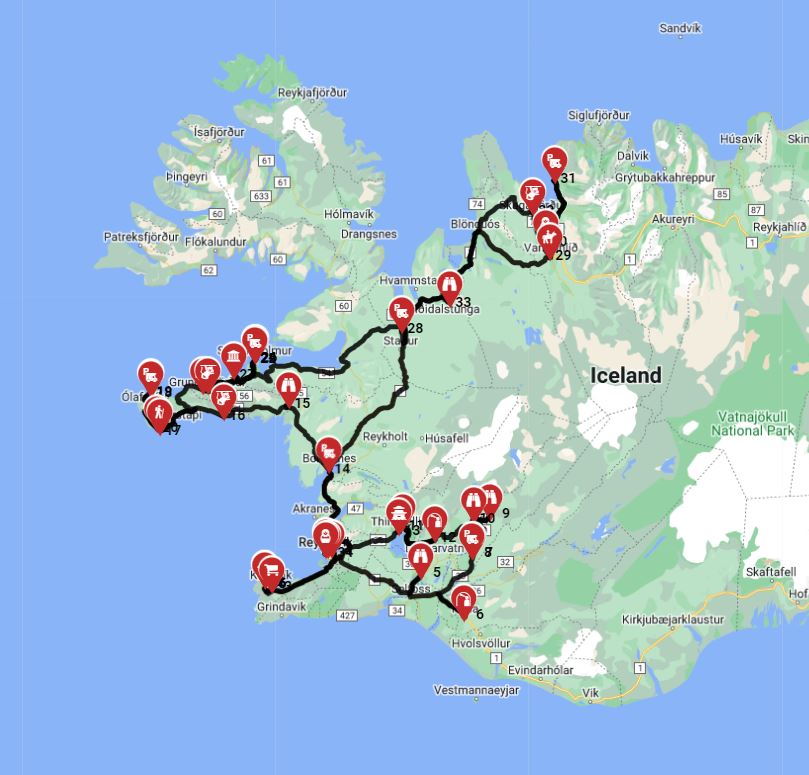
Get inspired for your next trip! Discover top destinations, planning tips, all in one place! Plan your trip itinerary in advance with minimal effort and maximum enjoyment.