In This Guide
- Can You Drive an RV in Iceland? License & Age Rules
- Road Conditions & Terrain in Iceland
- RV Size Limits, Bridges & Restricted Zones
- Fuel: Diesel vs. Petrol & Cost per 100 km
- Tolls, Vignettes & Border Rules
- Driving Tips for RV Rental Travelers
- Recommended RV Class for Iceland Roads
- Should I Choose a Compact Van Instead of a Large RV in Iceland?
- Can I Park Anywhere? Free & Wild Camping Rules in Iceland
- Can I Drive an RV Into the City Center? Heights, Tunnels & Local Signage
- How much does it cost to rent an RV in Iceland?
- What is the best time of year to RV in Iceland?
- What are the best RV routes in Iceland?
- What do I need to know about RV insurance in Iceland?
- What are the F-road rules for RVs in Iceland?
- How do I manage water and waste in an RV in Iceland?
- Are there specific camping regulations for RVs in Iceland?
- How to prepare for driving an RV in Iceland's weather?
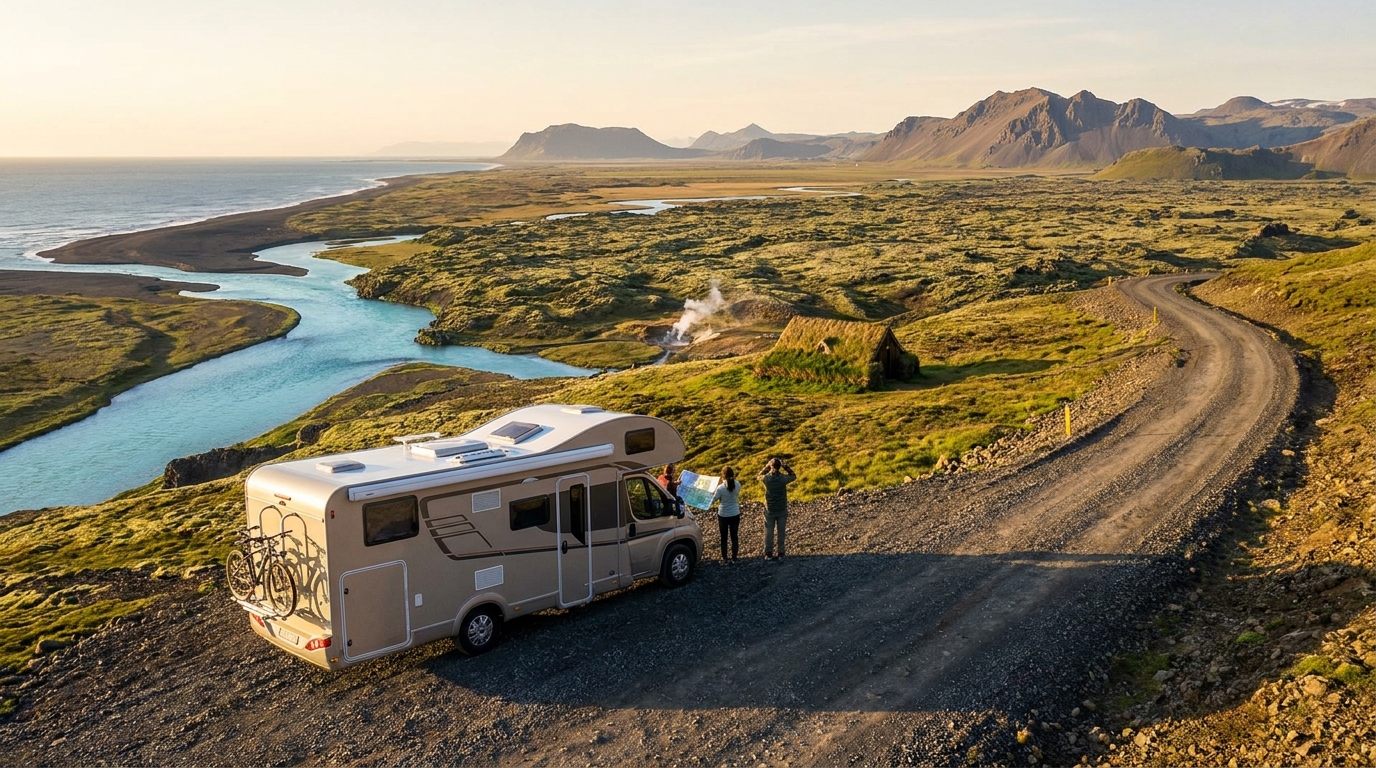
Imagine yourself traversing the ethereal landscapes of Iceland, the rugged beauty of glaciers, volcanoes, and black sand beaches unfolding right outside your window. Renting an RV in Iceland is truly the ultimate way to experience this Nordic gem, offering unparalleled freedom and flexibility to explore at your own pace. Here at Bandana Caravan, we specialize in helping you navigate the world of RV rentals with complete transparency and expert guidance, ensuring your adventure is everything you dreamed of and more. For live availability and current prices, start with our RV Rental Iceland - Complete Guide 2026 guide.
Can You Drive an RV in Iceland? License & Age Rules
A standard Class B driver's license, suitable for vehicles under 3,500 kg, is typically sufficient for most rented motorhomes and campervans in Iceland. This means that if you hold a regular car driver's license from your home country, you're usually good to go for the vast majority of rental RVs. While an International Driving Permit (IDP) is highly recommended for non-EU/EEA license holders to complement their national license, it is not mandatory in most cases; however, it can simplify things if you encounter any official queries.
The minimum rental age for an RV in Iceland is 21 years old across most suppliers. Unlike some destinations, Bandana Caravan partners usually do not impose young driver surcharges or vehicle class restrictions based on age in Iceland, allowing younger adventurers to hit the road without extra fees. We believe in supporting all travelers in discovering the joys of RV travel, which is why we’re transparent about rental requirements from the start. We are true RV specialists, focused exclusively on RV travel, offering unmatched personal experience and attention to the smallest details, so you can trust our advice.
Road Conditions & Terrain in Iceland
Iceland's roads present a diverse range of conditions, from well-maintained paved sections like the famous Ring Road (Route 1), to extensive gravel roads and the more challenging F-roads into the Highlands. Being prepared for varying surfaces is key to a smooth and enjoyable RV adventure. You should always be ready for high winds, especially on open stretches and bridges, as these can significantly affect the stability of your rented RV. Road conditions can change rapidly with Iceland's unpredictable weather, so always encourage slow, scenic driving and constant vigilance. For detailed, up-to-date information on road conditions and closures, you should regularly check road.is throughout your trip.
RV Size Limits, Bridges & Restricted Zones
Most standard rental RVs are explicitly prohibited on Iceland's F-roads, which are mountain roads leading into the rugged interior, and driving on them will unfortunately void your insurance. These roads often feature unbridged river crossings and extremely rough terrain, requiring specialized 4x4 vehicles. Many bridges, particularly in rural areas, are single-lane; it is customary and essential to give way to oncoming traffic already on the bridge. While rare for primary routes, always observe signage for height and weight restrictions, such as for tunnels or specific passes, to ensure safe passage with your rented motorhome.
Fuel: Diesel vs. Petrol & Cost per 100 km
Most motorhomes and campervans available for rent in Iceland, including Bandana's global fleet, are diesel-powered, which is generally more fuel-efficient than petrol. Fuel consumption typically ranges from 10 Liters/100 km for a compact Class B Camper Van like a `V3` to 12-17 Liters/100 km for a larger Class TC Truck Camper. A Class SI Semi-integrated RV, such as an `EcoLine 2`, might average 10-11 Liters/100 km, while a Class C Alcove like the `24 Class C Motorhome` could be around 11 Liters/100 km. Fuel is widely available across the country, but prices in Iceland are generally higher than global averages, so budgeting for this is crucial. Some rental companies offer fuel discount cards to help reduce costs at major gas stations, so inquire about this when booking. For a comprehensive budget breakdown and to itemize every expense along the way, we highly recommend planning your trip with RV PLANET routes. On the routes offered through RV PLANET routes, you can itemize and track every expense along the way for easy budgeting.
Tolls, Vignettes & Border Rules
Iceland has minimal tolls, with the Vaðlaheiðargöng tunnel in North Iceland being the primary instance where a toll applies. This tunnel helps save driving time and distance, but you will need to pay a fee online or at a designated station. Unlike some other European countries, there are no vignette systems in place for general road use across Iceland. As an island nation, Iceland has no land borders, simplifying travel logistics for RV renters as you won't need to worry about crossing into other countries or any associated paperwork.
Driving Tips for RV Rental Travelers
When driving a rented RV in Iceland, adhere strictly to speed limits, which are lower on gravel roads (often 80 km/h) and in urban areas (typically 50 km/h), to avoid hefty fines that can quickly add up. Be highly vigilant for strong winds that can destabilize RVs; if conditions become dangerous, reduce speed or pull over to a safe area. Drive cautiously on gravel roads to prevent skidding and damage from flying stones, which are common causes of insurance claims. Always yield to traffic already on single-lane bridges, and keep a sharp eye out for free-roaming sheep and other wildlife on roadsides, as they often have the right-of-way. Remember, travel slowly, max 100-150 km per day on average, and take time to feel the place, connect to the culture, the food, and the scenery.
Recommended RV Class for Iceland Roads
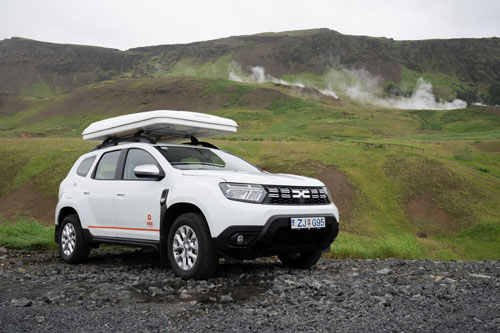
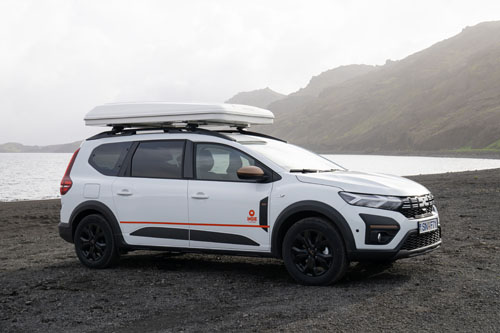
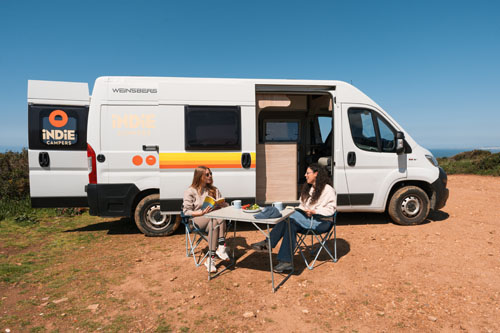
Choosing the right rented RV class for Iceland depends on your group size, comfort preferences, and desired level of agility. Class SI (Semi-integrated) RVs, with an average length of 6.9m and sleeping 3.8 people, offer a great balance of comfort and maneuverability for Iceland's main roads, including the Ring Road. These models, like the `K3E` or `2 Berth Tamar`, often feature spacious interiors while remaining manageable to drive. Class B (Camper Van) RVs, such as the `V2L` or `Chubby Camper`, averaging 5.8m in length and sleeping 3.2 people, are ideal for couples or small families seeking easier handling and better fuel efficiency on diverse roads, and are excellent for zipping into smaller towns. While larger Class C (Alcove) like a `MHC24` and Class A (Integrated) RVs (avg 7.5m), such as a `Class A - Thor ACE 30`, offer more space and amenities for up to 6 or 7 people, they can be more challenging in high winds, though they are perfectly suitable for the main Ring Road and well-paved routes. For specific off-road scenarios, verify if a Class TC (Truck Camper) or 4x4 campervan like a `4x4 Camper B - THOR` or `rv rental usa example T17 Truck Camper` is insured for F-roads, as standard RVs are strictly prohibited from these unpaved mountain routes.
Should I Choose a Compact Van Instead of a Large RV in Iceland?
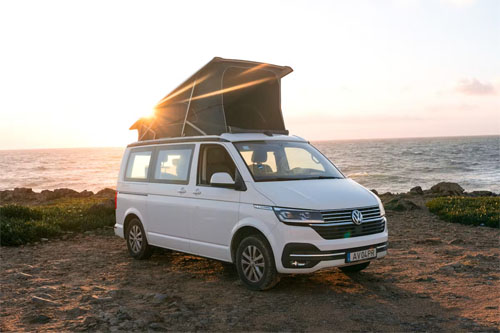
Choosing between a compact campervan and a larger motorhome in Iceland truly depends on your travel style and priorities. Compact vans, like a `Combi Van` or `VW California Ocean`, offer greater maneuverability, easier parking in towns and at popular attractions, and potentially better fuel economy, appealing to budget-conscious travelers or those seeking a more agile experience. These smaller vehicles are often easier to handle in strong winds and on narrower sections of road. Larger RVs, such as a `Euro Deluxe` or `MHC30`, provide significantly more indoor space, comprehensive amenities (e.g., full bathroom, larger kitchen, multiple sleeping areas), and greater comfort for extended trips with families or groups. The choice ultimately hinges on prioritizing interior comfort and amenities versus vehicle agility and potentially lower rental and fuel costs, as most RVs, regardless of size, are restricted from Iceland's challenging F-roads. Consider what kind of daily living experience you envision for your week-long trip or extended road trip.
Can I Park Anywhere? Free & Wild Camping Rules in Iceland
No, wild camping or overnight parking for RVs and motorhomes is largely prohibited in Iceland to protect its fragile environment and ensure the sustainable enjoyment of its natural wonders. All rented RVs and campervans are legally required to stay overnight in designated, official campsites, which are plentiful across the country. Failure to adhere to these strict regulations can result in significant fines and environmental damage. It's important to remember that rules can vary by region, so always check local regulations and follow local law before parking overnight. For finding campsites and campgrounds during your trip, we recommend using RV PLANET (rvplan.net) - a great resource for locating available spots along your route and ensuring compliance with local rules.
Can I Drive an RV Into the City Center? Heights, Tunnels & Local Signage
Yes, RVs can generally be driven into city centers in Iceland, including the capital Reykjavik, without major height or width restrictions on main roads. Icelandic cities do not typically have widespread environmental zones that restrict RV access, simplifying urban navigation compared to some European counterparts. However, drivers should always pay close attention to local signage, especially concerning parking availability, specific height limits for underground garages, and one-way street designations. Drive slowly and carefully, and you can drive almost anywhere without issues. No need to stress - just use common sense and pay attention to your surroundings.
How much does it cost to rent an RV in Iceland?
The total cost for an RV trip in Iceland is dynamic, similar to flight tickets, and changes daily based on availability, seasonality, and supplier marketing decisions. This comprehensive cost estimation includes the RV rental fee, fuel, mandatory campsite fees, insurance, groceries, and activities. Expect significant fuel expenses, as most rented RVs, like a Class SI Semi-integrated `MH4-5 - SIF` averaging 9-11 Liters/100 km or a Class C `F4` averaging 14-12 Liters/100 km, require considerable fuel, and Icelandic fuel prices are high. Budget for nightly campsite fees, which are approximately 1500-2500 ISK per person or 4000-6000 ISK per vehicle per night, and ensure comprehensive insurance, including gravel and sand/ash protection, which adds to the overall cost. Bandana Caravan is committed to full transparency, comparing final prices across suppliers so what you see is what you pay, with no surprise fees at pickup.
RV rental cost for couples vs. families with kids in Iceland
RV rental costs in Iceland vary significantly based on vehicle size and amenities, directly impacting whether you're traveling as a couple or a family with kids. Couples might opt for a smaller, more fuel-efficient campervan or a compact Class B motorhome, with daily rental rates typically starting from $150-$250 during the shoulder season for a `MH2 - IDUNN` for two people. Families with 4-6 people, on the other hand, will require a larger Class C motorhome like a `F4` or even a Class A integrated model, which can range from $250-$450 per day, providing more sleeping berths, bathroom facilities, and kitchen space. When preparing meals in your RV, exploring our RV-friendly recipes playlist can help you make the most of your onboard kitchen. Beyond the rental price, larger vehicles generally incur higher fuel costs and sometimes slightly higher campsite fees, so these factors should be considered when budgeting for your group type. Remember, prices are dynamic and fluctuate based on season and demand.
Can I find last-minute RV rental deals in Iceland?
Yes, last-minute RV rental deals in Iceland are possible, but they are not guaranteed, as prices are dynamic and availability can be limited, especially during peak summer months. While some travelers find success with spontaneous bookings, particularly in the shoulder or off-seasons, the best availability and competitive rates typically come with planning ahead. For popular models and peak travel times, booking 3-6 months in advance often secures your preferred vehicle and can result in average savings of 10-25%. If you're flexible with dates and vehicle types, you might discover last-minute options, but always call ahead to confirm availability before driving to a pickup location.
I'm flexible - how do I find the cheapest RV rental?
If you're flexible with your travel plans, you can significantly increase your chances of finding the cheapest RV rental in Iceland. Firstly, consider traveling during the shoulder seasons (May, early June, September, October) or even the winter months for potentially lower daily rates compared to peak summer. Secondly, be flexible with your pickup and drop-off dates; sometimes shifting your trip by just a few days can unlock better prices due to dynamic pricing. Utilize comparison platforms like Bandana Caravan to easily compare prices across 50+ leading RV suppliers worldwide, including El Monte, Cruise America, Apollo, and Britz, for various vehicle classes in one place. Opting for a slightly smaller or older model, like a `Crib Plus` campervan with 4 sleeping places from an earlier model year, can also offer budget advantages while still providing a comfortable experience. With our full price transparency, you can be confident that what you see is what you pay, with no hidden fees.
What is the best time of year to RV in Iceland?
Summer, from June to August, is widely considered the best time of year to RV in Iceland, offering the mildest weather, longest daylight hours (including the famous Midnight Sun), and full accessibility to most roads (excluding F-roads for standard RVs). This period is also the most popular, meaning higher prices and more crowded campsites and attractions. Shoulder seasons, namely May and September-October, provide a fantastic balance of fewer crowds and potentially lower prices, with May seeing many roads open up and September-October offering increasing chances to see the mesmerizing Northern Lights. Winter, from November to April, is ideal for Northern Lights viewing and dramatic snowy landscapes, but it requires experienced winter driving, thorough preparedness for extreme weather conditions, and awareness of significant road closures, making route planning via RV PLANET even more crucial.
What are the best RV routes in Iceland?
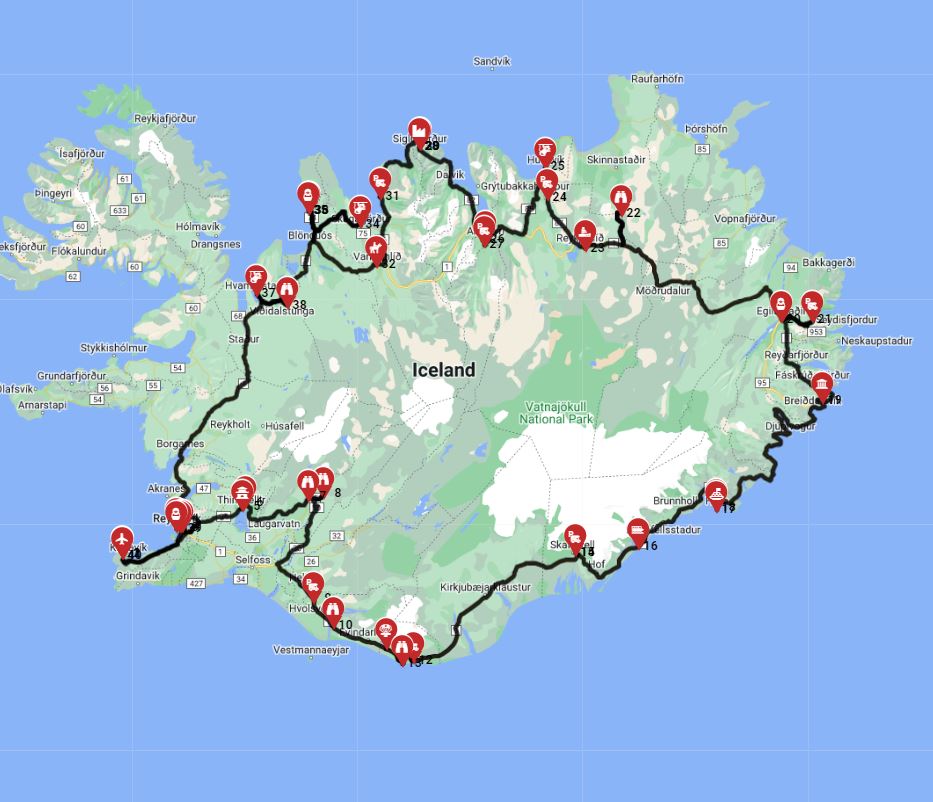
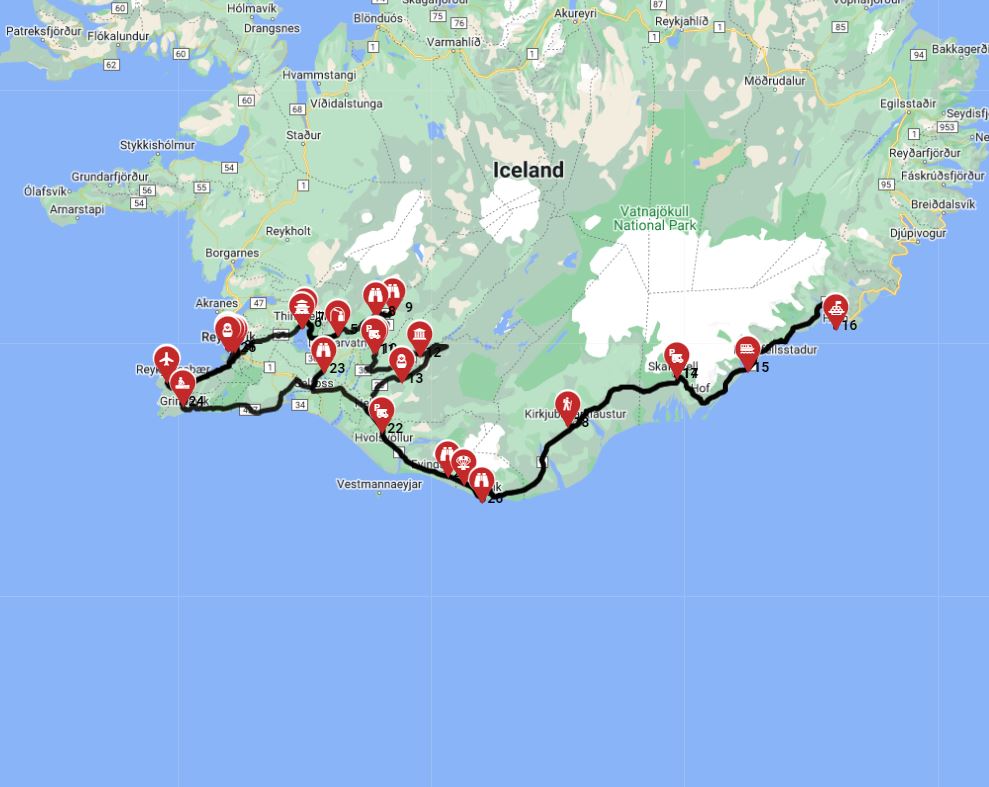
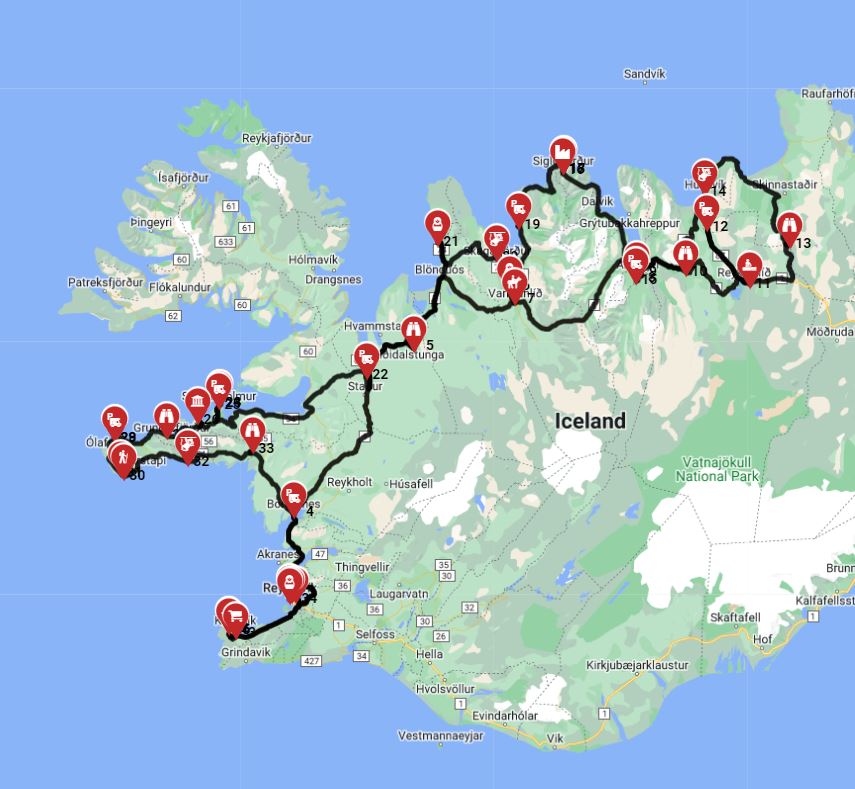
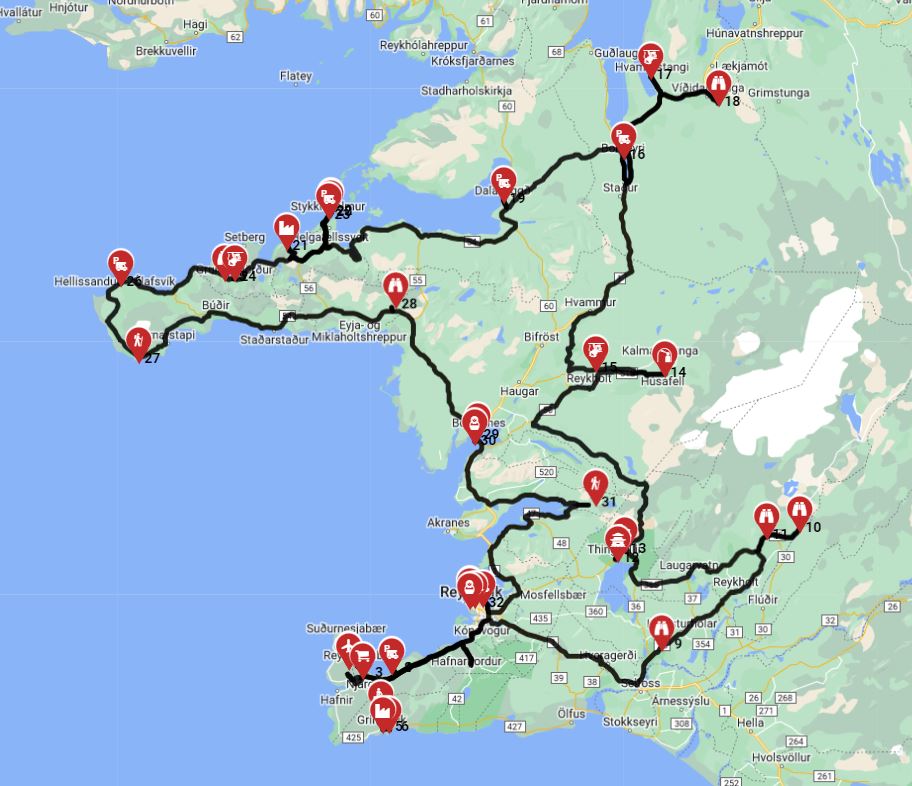
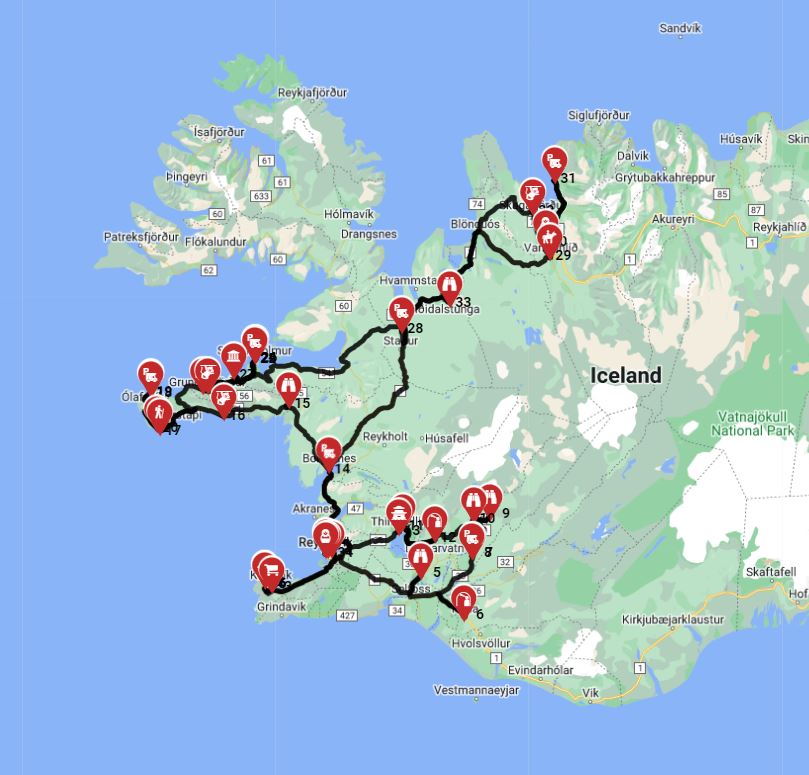
Iceland's Ring Road (Route 1) is undoubtedly the most popular RV route, offering a comprehensive tour of the island's diverse landscapes over a 7-14+ day trip, covering approximately 1,322 km of generally paved roads. Shorter, highly accessible routes like the Golden Circle, which can be explored in 2-3 days from Reykjavik, highlight iconic waterfalls, geysers, and historic sites. The South Coast (3-5 days) is another favorite, leading past black sand beaches, glaciers, and stunning waterfalls. For those seeking off-the-beaten-path experiences, consider the Snaefellsnes Peninsula (3-4 days) or the remote Westfjords (7+ days), always confirming road accessibility for your specific rented RV, as most standard rentals are restricted from F-roads.
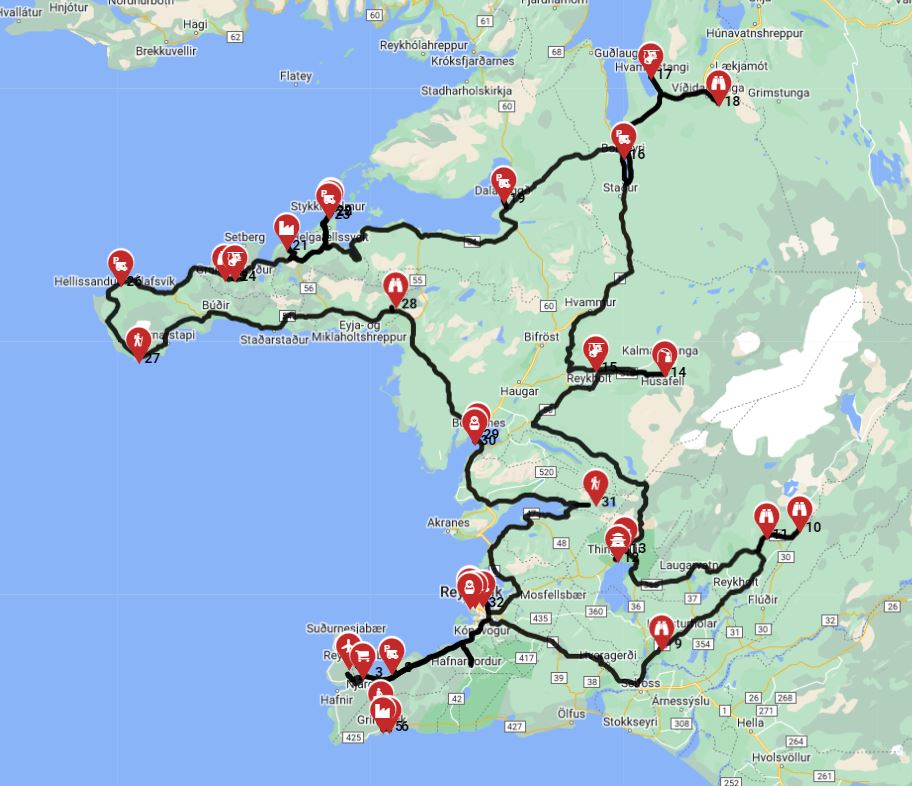
To help you plan your ultimate Icelandic RV adventure, our sister company RV PLANET (rvplan.net) offers professionally pre-planned routes:
The "
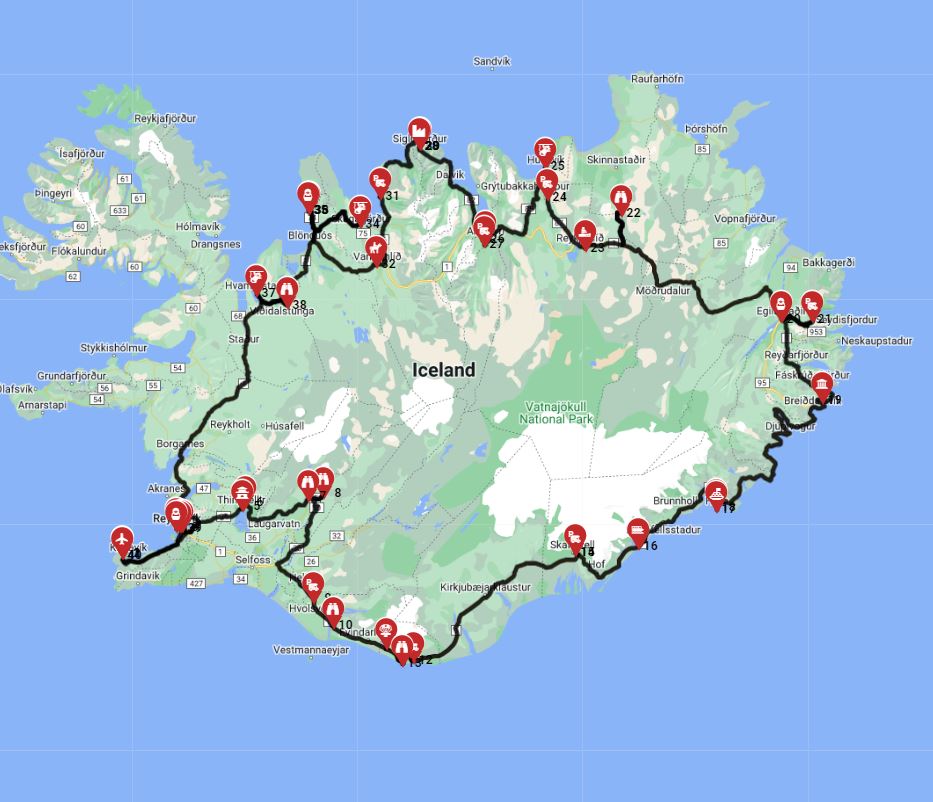
Our "
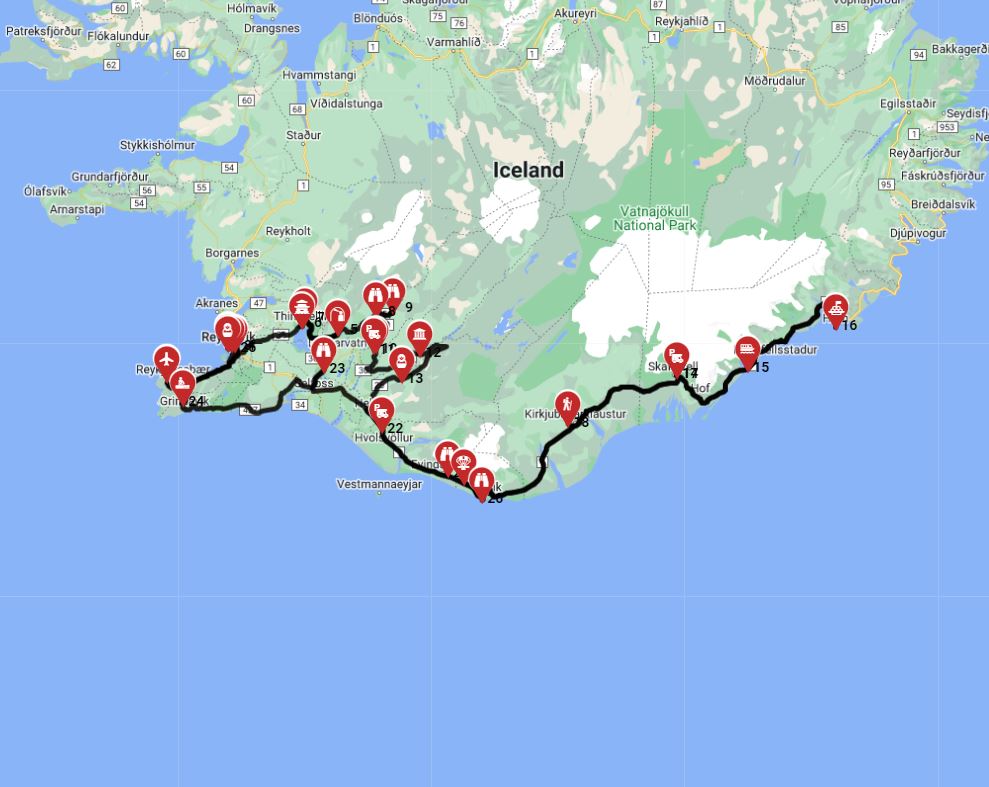
For those venturing north, the "
What do I need to know about RV insurance in Iceland?
Comprehensive RV insurance is absolutely crucial for your Iceland adventure due to the country's unique road and weather conditions. A Collision Damage Waiver (CDW) is typically a basic requirement, but it is highly recommended to supplement this with Super CDW (SCDW) for reduced excess liability. Furthermore, it's almost essential to add Gravel Protection (GP) for damage from loose stones, which are prevalent on many roads, and Sand & Ash Protection (SAAP) to cover potential damage from volcanic dust storms, both common in Iceland. Always be aware of common exclusions in your policy, such as driving on F-roads or engaging in river crossings, as these actions will almost certainly void your rental insurance. Thoroughly inspect your rented vehicle with the rental company during handover to document any existing damage, saving potential disputes upon return. For ultimate peace of mind, you can upgrade to a top-level deductible for extra protection, ensuring a worry-free journey.
What are the F-road rules for RVs in Iceland?
Standard rental RVs are strictly prohibited on Iceland's F-roads, which are unpaved mountain roads designed for specialized 4x4 vehicles. Attempting to drive a standard RV on an F-road will almost certainly void your rental insurance, making you fully liable for any damages incurred, which can be substantial given the challenging terrain and potential for river crossings. F-roads are typically only open during the summer months, usually from late June to September, depending on snowmelt and conditions, and are clearly marked with an 'F' prefix on maps and road signs. Always confirm specific vehicle allowances directly with your rental company if you are considering venturing off the main paved routes, but generally, stick to approved roads with your standard RV rental.
How do I manage water and waste in an RV in Iceland?
Efficient water and waste management is essential for a comfortable RV trip in Iceland. You can easily refill potable water tanks at designated facilities in official campsites or at larger gas stations across the country. It's safe to drink cold tap water everywhere in Iceland, including from public fountains, though the geothermal hot water may have a sulfurous smell. Grey water (from sinks and showers) and black water (from toilets) must be disposed of only at specific dump stations, which are conveniently found at nearly all campsites. Never release any waste into nature, as this can severely harm Iceland's fragile environment and lead to heavy fines. Propane tanks for cooking and heating can be refilled at major gas stations or specialized dealers, ensuring you have enough fuel for those chilly Icelandic nights, even in summer. This careful planning contributes to a responsible and enjoyable adventure.
Are there specific camping regulations for RVs in Iceland?
Yes, Icelandic law strictly mandates that all RVs, motorhomes, and campervans must spend overnight stays in official, registered campsites; wild camping is largely prohibited to preserve the country's delicate ecosystems. Adherence to 'Leave No Trace' principles is crucial for preserving Iceland's fragile environment, including proper waste disposal, staying on marked paths, and respecting wildlife. Booking campsites in advance, especially during the peak summer months (July and August), is highly recommended as popular sites can fill quickly. While you'll find numerous campsites, planning ahead through resources like RV PLANET can save you time and stress, ensuring you always have a reserved spot. If you haven't booked, always call ahead before driving to a campground to confirm availability, as many national and state parks reserve only 25-30% of spots, leaving the rest for first-come, first-serve. Rest assured, you'll find a spot; if not at the first campground, then the next one.
How to prepare for driving an RV in Iceland's weather?
Preparing for Iceland's famously unpredictable weather is paramount for a safe and enjoyable RV trip. You should constantly monitor weather forecasts via vedur.is and road conditions at road.is, as situations can change rapidly, even within a single day. Be ready for extreme high winds, which can severely impact RV stability and require you to reduce speed significantly or pull over to a safe area until conditions improve. Pack versatile, waterproof, and windproof layered clothing suitable for rapid temperature and weather changes, even in summer, including warm base layers and sturdy footwear. Always carry an emergency kit with basic tools, a first-aid kit, extra blankets, non-perishable food, and sufficient water, as roadside assistance can be delayed in remote areas. A well-prepared traveler is a happy traveler, ready for whatever spectacular weather Iceland decides to show.
What You Shouldn't Miss
- **Explore the Snaefellsnes Peninsula:** Often called "Iceland in Miniature," this peninsula offers diverse landscapes from black beaches to basalt columns and the iconic Kirkjufell mountain.
- **Bathe in a Geothermal Spa:** While the Blue Lagoon is famous, consider a visit to the Secret Lagoon or Myvatn Nature Baths for a more local, serene experience.
- **Hike to Skogafoss Waterfall:** Beyond admiring it from below, take the stairs up the side for breathtaking views and access to the Fimmvörðuháls trail, dotted with numerous smaller waterfalls.
- **Discover Glacier Lagoons:** Jökulsárlón and Fjallsárlón glacier lagoons offer stunning opportunities to see icebergs up close, with boat tours available in summer.
- **Visit a Local Farm or Fishing Village:** Connect with the authentic Icelandic culture by stopping at a horse farm or exploring charming fishing villages like Hofn for fresh seafood.
- **Chase the Northern Lights (seasonal):** If traveling in the shoulder or winter seasons, dedicate evenings to finding dark spots away from light pollution to witness the aurora borealis dancing across the sky.
Looking for expert insights from Avi Bandana? Top 5 Adventures - recommendations from Avi Bandana
Final Thoughts
Embarking on an RV adventure in Iceland promises an unforgettable journey through some of the planet's most dramatic landscapes. With proper planning, a good understanding of local driving rules, and the right vehicle for your needs, you're set to discover hidden gems and iconic sights at your own pace. Remember to embrace the spirit of slow travel, allowing yourself to truly soak in the natural beauty, unique culture, and delicious food that Iceland offers.
Whether you're exploring the Ring Road or delving into more secluded regions, a rented motorhome or campervan provides the flexibility and comfort to make your trip truly special. At Bandana Caravan, we're dedicated to making your RV rental experience seamless and transparent, so you can focus on making incredible memories. Get inspired for your next trip and plan a journey that will stay with you long after you've returned home.
🎬 Video coming soon
Compare Motorhome Prices for Iceland and start planning your epic adventure today!