In This Guide
- Can You Drive an RV in Iceland? License & Age Rules
- Road Conditions & Terrain in Iceland
- RV Size Limits, Bridges & Restricted Zones
- Fuel: Diesel vs. Petrol & Cost per 100 km
- Tolls, Vignettes & Border Rules
- Driving Tips for rv rental deals Travelers
- Recommended RV Class for Iceland Roads
- Should I Choose a Compact Van Instead of a Large RV in Iceland?
- Can I Park Anywhere? Free & Wild Camping Rules in Iceland
- Can I Drive an RV Into the City Center? Heights, Tunnels & Local Signage
- How much does it cost to rent an RV in Iceland?
- What is the best month to rent an RV in Iceland?
- Is an RV trip to Iceland worth it?
- Is it safe to drive an RV in Iceland in winter?
- How long does it take to RV around Iceland?
- How much is insurance for an RV in Iceland?
- What is the cheapest way to travel Iceland by RV?
- What documents do I need to rent an RV in Iceland?
- Can you sleep anywhere in an RV in Iceland?
- Class SI - Semi-integrated RVs for Iceland
- Class C - Alcove RVs for Iceland
- Class B - Camper Vans for Iceland
- Class A - Integrated RVs for Iceland
- Class TC - Truck Campers for Iceland
- What You Shouldn't Miss
- Top Cities for RV Rental in Iceland
Can You Drive an RV in Iceland? License & Age Rules
Most RVs under 3,500 kg in Iceland can be driven with a standard B-category car driver's license. For international visitors whose licenses are not in Roman script (e.g., Arabic, Chinese), an International Driving Permit (IDP) is strongly recommended, although not always strictly mandatory in all cases, as a translation of your home country license is often accepted. The minimum driver age for renting an RV in Iceland is typically 21 years old, with no young driver surcharges and no vehicle class restrictions based on age, making it accessible for a wide range of adventurers. Always ensure your license is valid for the entire rental period.Road Conditions & Terrain in Iceland
Iceland's diverse road network presents varied driving conditions for rented RVs, from smooth paved sections to challenging gravel routes. The famous Ring Road (Route 1) is largely paved, providing a comfortable journey around the island's periphery. However, many secondary roads leading to popular attractions are unpaved gravel, requiring reduced speeds and careful handling to prevent stone chips to your vehicle and other cars. F-roads, which are often found in the Highlands, are strictly reserved for 4x4 vehicles and are typically only open during the summer months (late June to early September), requiring specific driving skills due to river crossings and rough terrain. Drivers should constantly monitor weather and road conditions via official Icelandic resources like vegagerdin.is, as conditions can change rapidly, especially due to strong winds or volcanic ashfall impacts.RV Size Limits, Bridges & Restricted Zones
Most of Iceland's main roads and popular routes readily accommodate various RV sizes, so drivers can confidently choose a motorhome that fits their comfort and group needs. While there are no widespread environmental zones or significant RV size restrictions on major routes, drivers should always be observant of local signage. Some older, single-lane bridges, particularly on rural routes, may have weight or height advisories. In these instances, common sense and paying attention are your best tools: drive slowly and carefully, and you can navigate almost anywhere without issues. For instance, ferry services to destinations like the Westman Islands (Vestmannaeyjar) do have specific size and weight limits for vehicles, so it's always wise to check in advance.Fuel: Diesel vs. Petrol & Cost per 100 km
Diesel is the predominant fuel type for rented motorhomes and campervans in Iceland and is widely accessible at service stations throughout the country. Travelers should anticipate higher fuel costs in Iceland compared to many other nations. Based on Bandana's global fleet averages, fuel consumption for RVs typically ranges from 8-17 liters per 100 km, with compact Class B Camper Vans being the most fuel-efficient (8-10 L/100 km) and larger Class A motorhomes consuming more. For example, a Class C Alcove RV consuming 10-12 L/100km could cost approximately €20-€24 per 100km (assuming an average fuel price of €2.00/L), underscoring the need for careful budgeting. For managing all your trip expenses, from fuel to campground fees, RV PLANET routes allow you to itemize and track every cost along the way for easy budgeting.Tolls, Vignettes & Border Rules
Iceland has minimal toll roads, making RV travel straightforward without the need for complex vignette systems. The primary toll to be aware of is the Vaðlaheiðargöng tunnel in North Iceland, which can be conveniently paid online at vegagjald.is or at specific service stations near the tunnel. As an island nation, Iceland presents no land border crossing rules or international paperwork concerns for RV travelers once you've arrived. Some Bandana partner suppliers may offer optional pre-paid toll passes for added convenience, which can help renters avoid potential fines for delayed payment and ensure a smooth journey.Driving Tips for rv rental deals Travelers
Driving an RV in Iceland requires vigilance and adaptability to varying conditions, ensuring a safe and enjoyable journey. Always adhere to posted speed limits, which are generally 90 km/h (56 mph) on paved rural roads, 80 km/h (50 mph) on gravel roads, and 50 km/h (31 mph) in urban areas. Be particularly mindful of powerful crosswinds, especially when driving high-profile motorhomes or campervans, and slow down significantly on gravel roads to prevent stone chips to your vehicle and others, a common cause for insurance claims. Regularly check real-time weather and road conditions via the Icelandic Road and Coastal Administration's website (vegagerdin.is) or app, as conditions can change rapidly and affect your route plans. Remember to keep your headlights on at all times, day or night, as required by Icelandic law.Recommended RV Class for Iceland Roads
For general travel on Iceland's Ring Road and access to most popular attractions, Class SI (Semi-integrated) and Class C (Alcove) motorhomes are highly recommended for their balance of comfort and road suitability. Class SI RVs, with an average length of 6.9 meters and seating for 3.8 people, offer good maneuverability for couples or small families, consuming typically 10-11 liters per 100 km. Class C Alcove RVs, averaging 7.5 meters in length and accommodating up to 5.8 sleeping places, provide more generous living space for families or larger groups, with fuel consumption typically ranging from 10-12 liters per 100 km. For adventurous travelers planning to venture onto challenging F-roads, a 4x4 capable vehicle like a Class TC (Truck Camper), averaging 5.5 meters in length with 2.4 sleeping places, is essential due to the requirements for higher ground clearance and enhanced traction.Should I Choose a Compact Van Instead of a Large RV in Iceland?
Choosing between a compact van and a larger RV in Iceland depends on your priorities for comfort, group size, and desired routes, as most main roads accommodate various RV sizes without issue. Compact campervans (like Class B models), averaging 5.8 meters in length, are highly fuel-efficient (8-10 L/100km) and offer easier parking, making them ideal for solo travelers or couples who prioritize agility and a tighter budget. Larger motorhomes, such as Class C (avg. 7.5m, 10-12 L/100km) or Class SI (avg. 6.9m, 10-11 L/100km) vehicles, provide significantly more indoor space, amenities like a full kitchen and bathroom, and greater comfort for families or longer trips, which can be a worthwhile trade-off despite slightly less maneuverability in very tight spots. No need to stress about driving a larger RV in cities – just use common sense and pay attention to parking signs.Can I Park Anywhere? Free & Wild Camping Rules in Iceland
Wild camping or overnight parking outside designated campsites is largely illegal in Iceland and is strictly enforced to protect the country's delicate environment. RV travelers are required to stay overnight in recognized campsites or on private land with explicit permission from the landowner. Over 170 official campsites are available across the country, many offering essential amenities such as fresh water, waste disposal, and often geothermal showers. Always adhere to 'Leave No Trace' principles, properly disposing of all waste in designated facilities and leaving natural sites undisturbed, ensuring the preservation of Iceland's pristine beauty for future visitors.Can I Drive an RV Into the City Center? Heights, Tunnels & Local Signage
Yes, you can drive an RV into most city centers in Iceland, including Reykjavik, without significant issues, though careful attention to local parking and traffic regulations is always advised. Drive slowly and carefully, and you can drive almost anywhere without issues. No need to stress - just use common sense and pay attention. Parking a larger motorhome or campervan can naturally be more challenging in central Reykjavik due to limited space, but designated RV parking areas are typically available slightly outside the immediate core. Most tunnels on major routes do not have height restrictions that would impede standard RVs, but remember that some, like the Vaðlaheiðargöng, may incur tolls.How much does it cost to rent an RV in Iceland?
The cost to rent an RV in Iceland is dynamic, similar to flight tickets, and changes daily based on availability, seasonality, vehicle size, and supplier marketing decisions. For a week-long trip, a compact campervan can start from approximately €100-€150 per day during the off-season, while a larger, well-equipped motorhome for a family might range from €250-€500+ per day during peak summer. A two-week adventure could see total rental costs from €1400 to over €7000, not including fuel and campsite fees. An extended road trip of a month or more offers more competitive daily rates but a higher overall cost. Factors like additional insurance (e.g., Gravel Protection, Sand and Ash Protection), mileage packages, and optional extras further influence the final price, which is set at the actual booking time. Bandana Caravan offers full transparency with no hidden fees, comparing final prices across 50+ suppliers so you don't have to.What is the best month to rent an RV in Iceland?
The best month to rent an RV in Iceland depends on your travel preferences, with each season offering a unique experience. June, July, and August constitute the peak season, providing the mildest weather, average temperatures of 10-15°C (50-59°F), up to 24 hours of daylight (Midnight Sun), and full access to all roads, including the F-roads in the Highlands. However, these months also see the highest rental prices and most significant crowds. The shoulder months of May and September offer a balance, with fewer tourists, slightly lower prices, and a chance to experience the Northern Lights in September as nights grow longer, though some F-roads may begin to close. Winter months (October-April) are best for Northern Lights hunting but bring cold temperatures, potential snowstorms, limited road access, and require more experienced winter driving.Is an RV trip to Iceland worth it?
An RV trip to Iceland is profoundly worth it, offering unparalleled freedom and flexibility to immerse yourself in the country's stunning and diverse natural landscapes. Traveling with a rented motorhome or campervan allows for spontaneous stops at countless breathtaking waterfalls, black sand beaches, and geothermal areas, saving significantly on accommodation costs compared to hotels. This mode of travel facilitates deeper cultural immersion, enabling you to visit local markets, discover hidden hot springs, and connect with communities beyond the typical tourist hotspots. The convenience of having your mobile home means you can wake up to a new, incredible view every day, prepare your own meals, and truly experience Iceland at your own pace, maximizing every moment of your adventure.Is it safe to drive an RV in Iceland in winter?
Driving an RV in Iceland during winter (October to April) can be safe, but it demands careful preparation, experience with challenging winter driving conditions, and a deep understanding of Iceland's rapidly changing weather. Key safety measures include ensuring your rented RV is equipped with studded winter tires (often standard with winter rentals), having emergency communication devices like satellite phones or a personal locator beacon, and being prepared for rapid weather shifts that can include extreme winds, heavy snowstorms, ice, and even volcanic ashfall impacts. Many F-roads and highland routes are closed during winter, and even main routes like the Ring Road can experience temporary closures due to severe conditions. Flexible travel plans and constant monitoring of road conditions through vegagerdin.is are crucial for a safe winter RV adventure in Iceland.How long does it take to RV around Iceland?
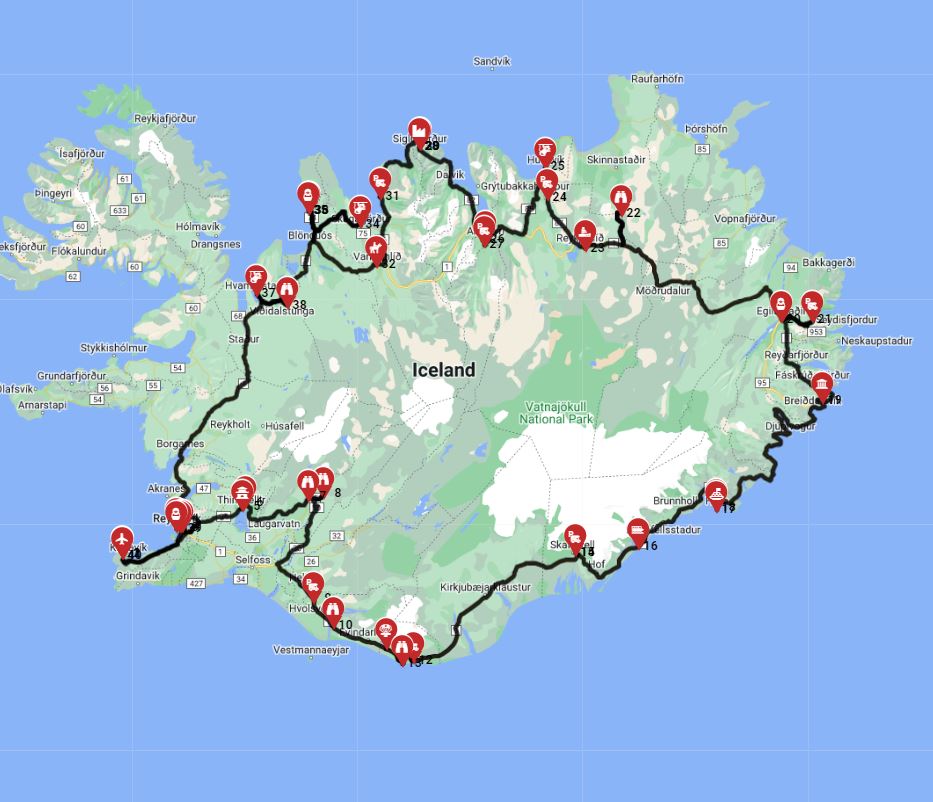
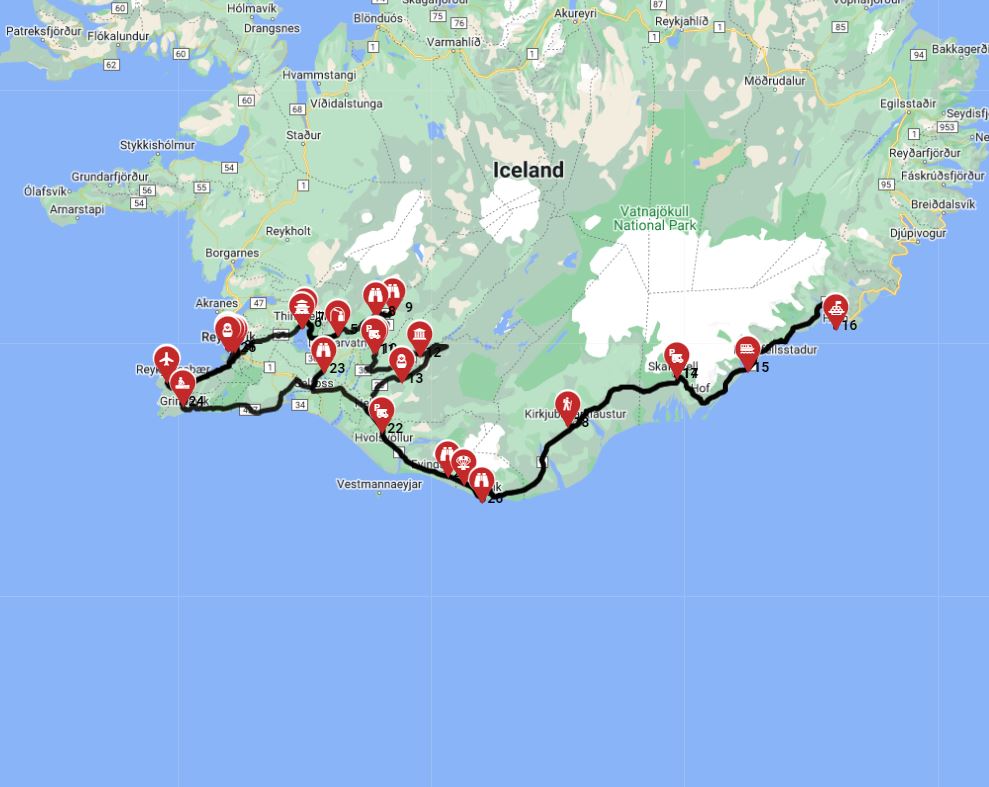
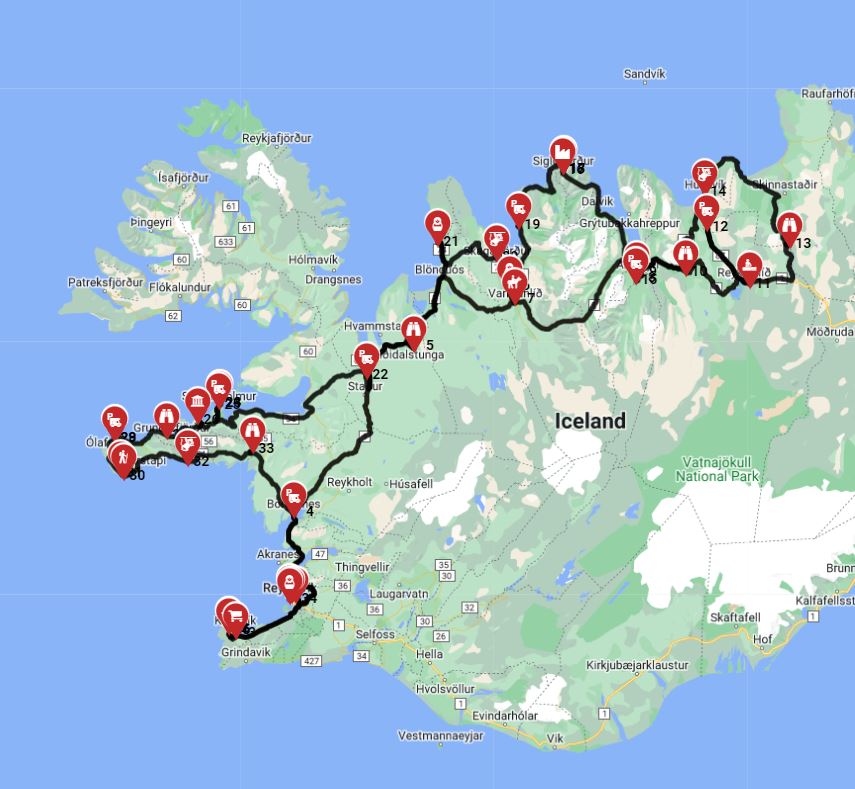
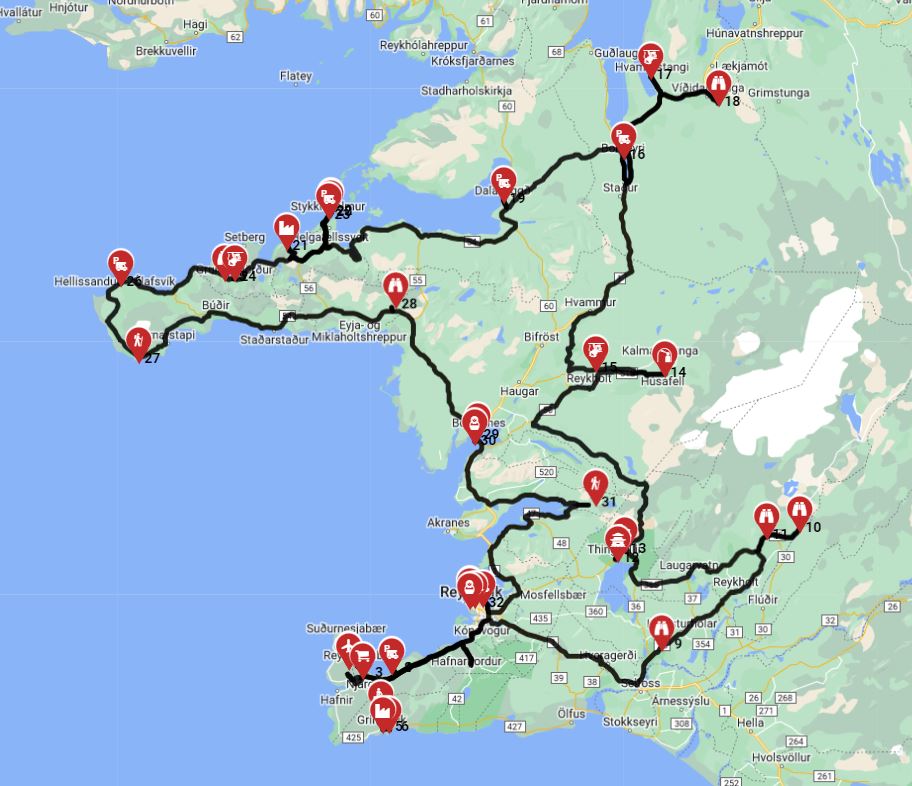
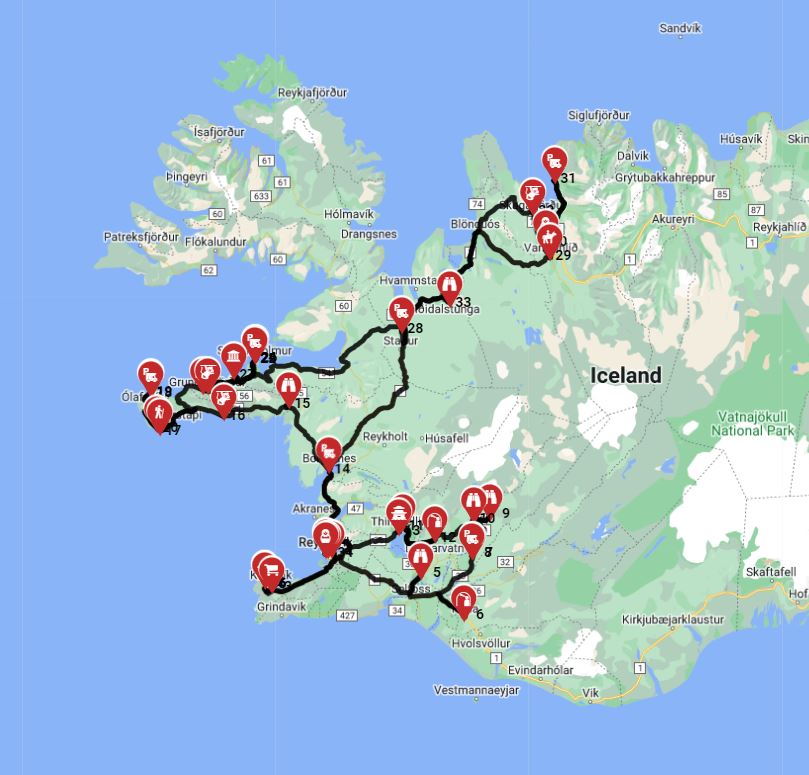
An RV trip around Iceland's iconic Ring Road (Route 1), which spans approximately 1,322 km (821 miles), typically requires a minimum of 7-10 days to experience the main attractions without feeling rushed. However, a more leisurely 14-day itinerary allows for more in-depth exploration, scenic detours, and longer stops for hiking or connecting with local culture. For example, Bandana's "Iceland - Full ring road" route plan spans 15 days and covers over 2045 km, including visits to 6 natural features, 1 botanical garden, and 4 traditional visits. If you wish to explore specific regions like the Snæfellsnes Peninsula or accessible parts of the Westfjords more comprehensively, planning for three weeks or more will allow you to truly appreciate Iceland's diverse landscapes. For those with less time, a 9-day trip like the "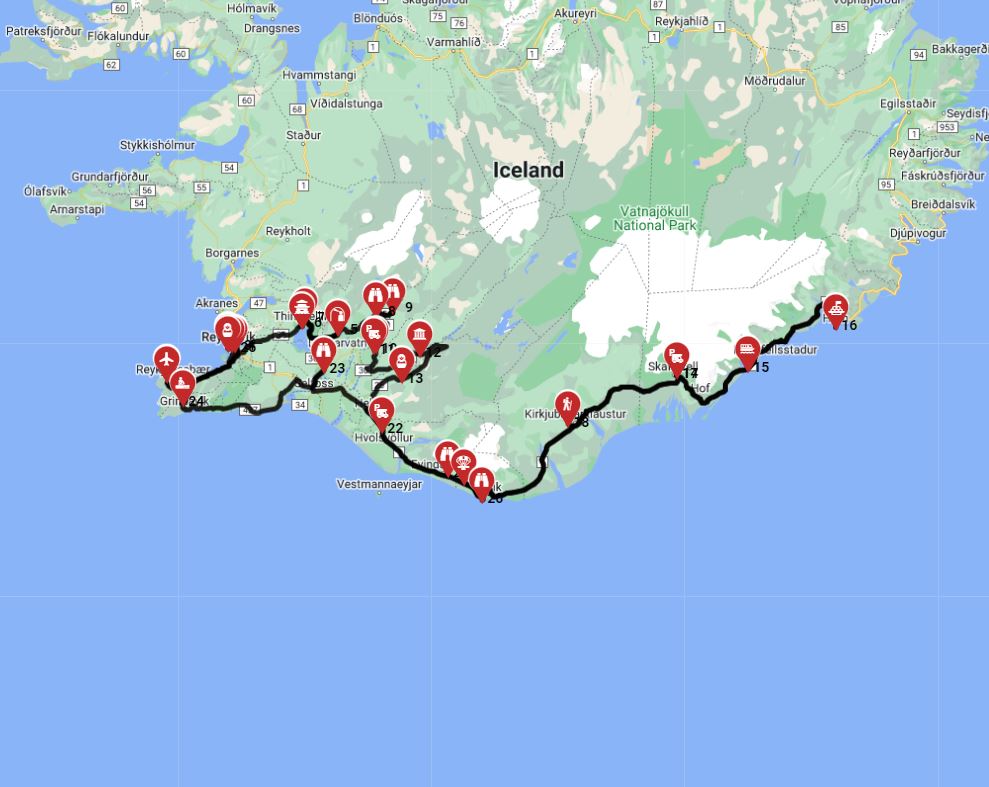
How much is insurance for an RV in Iceland?
RV rental insurance costs in Iceland vary, with basic Collision Damage Waiver (CDW) often included, but crucial additional protections highly recommended due to the country's unique terrain and weather. Essential add-ons include Gravel Protection (GP), which covers damage from stones on unpaved roads, and Sand and Ash Protection (SAAP), vital for protecting against volcanic ash and sandstorms. These comprehensive packages can add an extra €20-€60 per day to your rental cost but significantly reduce your deductible and provide invaluable peace of mind. Remember that you can also choose to upgrade to a top-level deductible reimbursement for extra peace of mind, ensuring a stress-free adventure.What is the cheapest way to travel Iceland by RV?
The most budget-friendly way to explore Iceland by RV involves strategic planning and smart choices, potentially saving hundreds of euros on your week-long or longer trip. Booking your motorhome or campervan well in advance, ideally 3-6 months prior, can secure lower dynamic prices and better availability, with savings up to 25% during peak season. Opting for smaller campervans, like a Class B Camper Van (averaging 5.8m in length with 8-10 L/100km fuel consumption), will significantly reduce both rental and fuel costs. Traveling during the shoulder seasons (May, September) or even winter offers considerably lower rates than the popular summer months. Prioritize self-catering by utilizing your RV's kitchen facilities for meals prepared with groceries from local supermarkets. Discover delicious and easy meal ideas for your journey with our RV-friendly recipes playlist. Additionally, look for bundled deals that might include basic insurance or specific mileage packages, or consider comparing "Cheap RV Rental in Iceland - Budget Guide 2026" and "RV Rental Deals in Iceland - Latest Offers 2026" for tailored options.What documents do I need to rent an RV in Iceland?
To seamlessly rent an RV in Iceland, travelers will generally need a few key documents to complete their booking and pickup. A valid driver's license, held for at least one year, is universally required. For visitors from countries where the driver's license is not in Roman script, an International Driving Permit (IDP) is strongly recommended as a certified translation. You will also need a major credit card for the security deposit and final payments, along with a passport or national ID for identification. Most Bandana partner suppliers require the main driver to be at least 21 years old, with no young driver surcharges and no vehicle class restrictions based on age, ensuring a straightforward rental process.Can you sleep anywhere in an RV in Iceland?
No, wild camping or sleeping overnight anywhere in a rented RV is largely illegal and strictly enforced across Iceland. This regulation is crucial for protecting the country's fragile natural environment and preventing damage to delicate ecosystems. Travelers are legally required to spend nights in designated campsites or on private land with explicit prior permission from the landowner. There are over 170 registered campsites throughout Iceland, providing facilities like waste disposal, fresh water, and often showers and restrooms. Planning your route with pre-booked campsites or a clear understanding of legal overnight parking options is essential to avoid substantial fines and ensure a responsible travel experience.Class SI - Semi-integrated RVs for Iceland
Class SI (Semi-integrated) RVs are a popular and practical choice for exploring Iceland, striking an excellent balance between comfortable living space and good maneuverability. Bandana's global fleet average for Class SI motorhomes indicates an average length of 6.9 meters, comfortably accommodating around 3.8 sleeping places, making them ideal for couples or small families. These RVs typically consume 10-11 liters of fuel per 100 km, offering reasonable fuel efficiency for touring Iceland's main Ring Road and accessible attractions. Class SI models, like the "2 Berth Tamar" or "Active Standard Auto", often come equipped with essential amenities such as a compact kitchen, private bathroom, and dedicated sleeping areas, providing a cozy home on wheels for your Icelandic adventure.Class C - Alcove RVs for Iceland
Class C (Alcove) RVs provide ample space and sleeping capacity, making them an excellent option for families or larger groups embarking on an Icelandic road trip, particularly on the main Ring Road. These motorhomes feature a distinctive sleeping area over the driver's cab, offering additional beds. Bandana's global fleet average for Class C Alcove RVs shows an average length of 7.5 meters and a capacity for 5.8 sleeping places, ensuring everyone has room to relax. While larger, their robust design is well-suited for Icelandic roads. Fuel consumption for Alcove RVs typically ranges from 10-12 liters per 100 km, offering robust comfort and amenities for longer journeys despite their size. Models like the "4 Berth Deluxe" or the "6 Berth Derwent" are popular choices, providing full kitchens and bathrooms.Class B - Camper Vans for Iceland
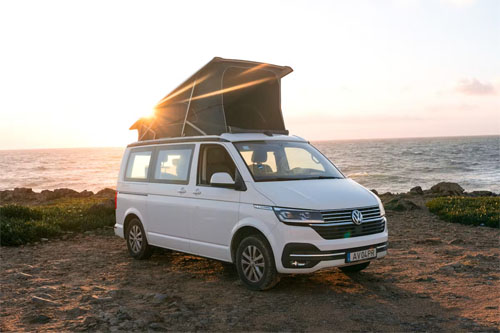
Class B (Camper Vans) are highly versatile and increasingly popular for Iceland, offering a compact size and excellent fuel efficiency, perfect for solo travelers, couples, or those prioritizing agility and ease of parking. Bandana's global fleet average for Class B Camper Vans indicates an average length of 5.8 meters, 3.2 sleeping places, and impressive fuel efficiency of 8-10 liters per 100 km, making them a budget-friendly option for your journey. Their smaller footprint makes them ideal for navigating narrower roads and accessing more remote campsites, with some models offering optional 4x4 capabilities suitable for less demanding gravel roads. Examples like "2 Berth Hi Top" or "Juliette 2-3" offer a cozy and flexible base for exploring Iceland's diverse landscapes.Class A - Integrated RVs for Iceland
Class A (Integrated) RVs offer the highest level of luxury and spaciousness for an RV trip in Iceland, appealing to travelers who prioritize comfort and a premium travel experience on well-maintained main routes. These motorhomes are built on a commercial bus or truck chassis, providing an expansive living area and a large panoramic front window for incredible views. With an average length of 7.5 meters and around 4.4 sleeping places from Bandana's global fleet, Class A RVs provide extensive amenities and a truly luxurious feel. Fuel consumption typically ranges from 8-12 liters per 100 km. While less suited for very narrow or unpaved tracks, they are a fantastic option for a high-comfort tour of Iceland's Ring Road and major accessible attractions.Class TC - Truck Campers for Iceland
Class TC (Truck Campers) are an excellent choice for adventurous travelers seeking to explore Iceland's more rugged terrain, including challenging F-roads, due to their typical 4x4 capability and higher ground clearance. These RVs are camper units mounted onto a pickup truck chassis, offering robust performance in demanding conditions. Bandana's global fleet average for Class TC models shows an average length of 5.5 meters and capacity for 2.4 sleeping places, making them ideal for smaller groups or couples eager to go off the beaten path. While offering superior off-road capability, they have a higher fuel consumption, typically 12-17 liters per 100 km, reflecting their powerful engines and specialized design for challenging landscapes. Examples include "Patagonia Camper 4x4 double cab" and "4x4 Scout Adventure Truck Camper Gold".What You Shouldn't Miss
- The Golden Circle: This classic route includes Thingvellir National Park, Gullfoss waterfall, and the Geysir geothermal area, a perfect introduction to Iceland's natural wonders.
- Jökulsárlón Glacier Lagoon: Witness luminous blue icebergs floating past, often with seals swimming among them. Take a boat tour for an even closer look.
- The Black Sand Beaches of Reynisfjara: Marvel at the dramatic basalt columns, black volcanic sand, and powerful Atlantic waves near Vík.
- Snæfellsnes Peninsula: Often called "Iceland in Miniature," this peninsula offers diverse landscapes from Kirkjufell mountain to the Gerðuberg basalt cliffs and charming fishing villages.
- The Secret Lagoon (Gamla Laugin): Enjoy a relaxing soak in one of Iceland's oldest natural geothermal pools, a quieter alternative to the more famous Blue Lagoon.
🎬 Video coming soon
Looking for expert insights from Avi Bandana? Top 5 Adventures – recommendations from Avi Bandana
Avi Bandana, our founder, has explored Iceland extensively by RV. His top recommendations include an extended two-week Ring Road tour that allows for detours to the Eastfjords, a specific hike to a hidden hot spring in the Highlands (accessible only with a capable 4x4 campervan), and a multi-day exploration of the dramatic Westfjords, where patience on gravel roads is rewarded with unparalleled serenity and wildlife viewing opportunities. He emphasizes the importance of tasting local seafood dishes fresh from the harbor towns and connecting with locals in smaller communities for an authentic experience.
Top Cities for RV Rental in Iceland
Iceland's main RV rental hubs are concentrated around its most populous areas, offering convenient pickup and drop-off points for your adventure.- Reykjavik: As the capital city, Reykjavik serves as a primary starting point for many RV trips, offering a wide selection of vehicles and easy access to the Golden Circle and South Coast.
- Keflavík & Keflavík - Airport: Located just a short drive from the international airport, Keflavík is often the most practical choice for picking up your RV immediately upon arrival, saving you time and hassle.
- Hafnarfjörður: A charming port town near Reykjavik, Hafnarfjörður provides another convenient option for rental pickups, with good transport links to the capital and the Reykjanes Peninsula.
- Kópavogur: Situated just south of Reykjavik, Kópavogur is a growing urban area that may offer additional RV rental locations, sometimes providing a slightly quieter pickup experience.
- Reykjanesbær: Home to Keflavík Airport, Reykjanesbær is a key location for rentals, ideal for travelers looking to quickly hit the road and explore the dramatic volcanic landscapes of the Reykjanes Peninsula.
Final Thoughts
Exploring Iceland with a rented RV is an adventure that offers unparalleled freedom and intimacy with nature. Imagine waking up to a new breathtaking landscape each day, with the convenience of your own kitchen and bed always at hand. We're here to make that dream a reality, providing transparent pricing and unwavering support every step of the way. Whether you're planning a week-long journey or an extended road trip, Iceland in a motorhome promises unforgettable memories. Remember, slow travel is the best travel here - take time to feel the place, connect to the culture, the food, and the scenery. Our goal is to ensure you have the easiest, safest, and most affordable way to rent an RV, so you can focus on the magic of Iceland. Ready to embark on your epic Icelandic RV journey? Let Bandana Caravan guide you to the perfect vehicle and deal. Discover top destinations, planning tips, all in one place!On the routes offered through RV PLANET routes, you can itemize and track every expense along the way for easy budgeting.