In This Guide
- RV Classes for Family RV Rental in Santiago
- Class TC (Truck Camper) - Best For
- Price Comparison by RV Class in Santiago
- Side-by-Side Comparison Table
- Our Recommendation for family rv rental Travelers in Santiago
- How Much Does RV Travel Cost in Chile Beyond Rental
- Is RV Travel Safe in Chile - Tips and Precautions
- What Permits and Gear Do You Need for RV Camping in Chile
- Can You Wild Camp or Boondock Anywhere in Chile
- Is Driving an RV in Chile Difficult - Road Conditions and Tolls
- Where Can You Park an RV Overnight in and Around Santiago
- How to Navigate Chile's Ferry System with an RV
- What Are the Rules for RV Border Crossings into Chile
- What are the Most Scenic RV Drives and Itineraries from Santiago
- How Can RV Travelers Experience Chilean Culture
Embarking on a family RV adventure in Santiago, Chile, promises an unforgettable journey through diverse landscapes, from the towering Andes to sun-kissed coastlines. Imagine waking up to a different breathtaking view every morning, with your home-on-wheels providing comfort and convenience for everyone. Renting a family RV in Santiago offers the freedom to explore at your own pace, connect with local culture, and create cherished memories. For live availability and current prices, start with our RV Rental Santiago - Complete Guide 2026 guide.
At Bandana RV, we understand that planning a family RV rental in Santiago requires careful consideration of vehicle types, costs, and local travel tips. That's why we're here to offer full transparency with no hidden fees and 24/7 support from real people, ensuring you feel confident before, during, and after your booking. Our goal is to make your Chilean family adventure as smooth and joyful as possible.
RV Classes for Family RV Rental in Santiago
Choosing the right RV class in Santiago for your family depends heavily on your trip goals, the size of your group, and the level of comfort you desire. While various motorhomes and campervans are available, families often look for options that balance living space with maneuverability, especially when planning to traverse Chile's diverse terrain and climate zones.
For families traveling in Santiago, the primary RV classes available for rental are Class B Campervans, Class C Motorhomes, and Class TC Truck Campers. Class B campervans, like the `hire campervan example Paradise S/T` (features: Automatic transmission, Front Air condition, Ideal for 2 couples, Ideal for a couple, More than 4 years on the road, RV size - Small, Shower, Toilet, Young driver), offer agility for city driving and easier parking, often ideal for smaller families or couples. Class C motorhomes, such as the `rv rentals example Comfort Class` (features: 3 double beds, Ideal for 2 couples, Ideal for a big family / group of friends, Ideal for family of 2+2, RV size - Large, Shower, Toilet, Up to 3 years on the road), provide more living and sleeping space, making them a popular choice for larger families. The specific features of the vehicle, like a well-equipped kitchen to prepare RV-friendly recipes playlist or ample storage, are important to match your family's needs for a memorable Chilean adventure.
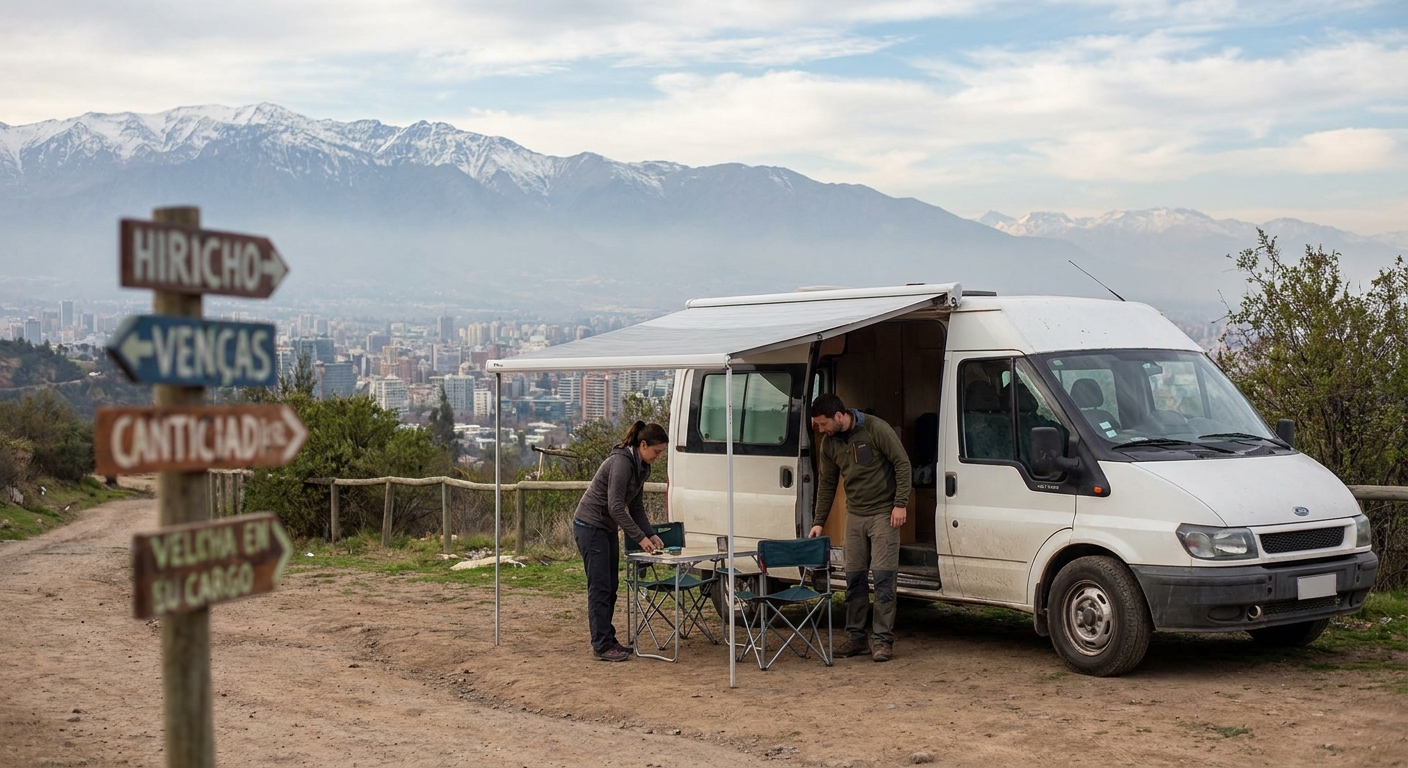
Considering the varied landscapes of Chile, from Andean passes to coastal roads, the rugged versatility of a Class TC Truck Camper also makes it an excellent choice for families prioritizing off-the-beaten-path exploration. This specific type of RV allows for greater access to remote locations that larger, less agile motorhomes might struggle with, directly impacting the kind of adventure your family can experience. For more detailed information on options and pricing, exploring our "Family RV Rental in Santiago - Pricing Guide 2026" can be very helpful.
Class TC (Truck Camper) - Best For
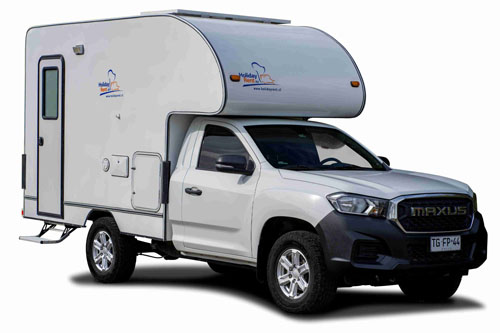
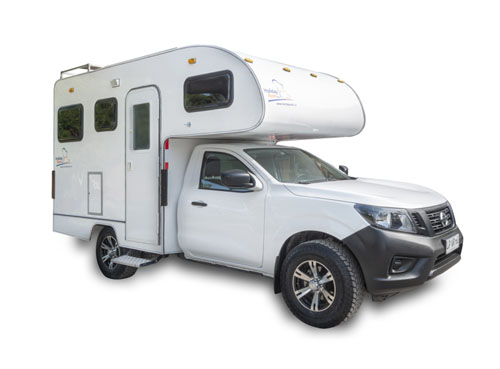
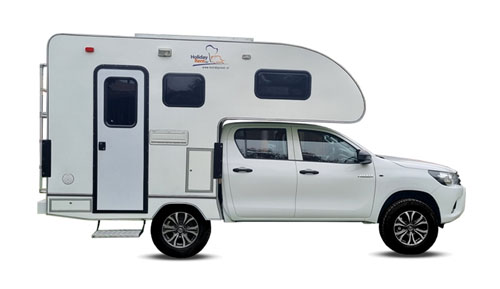
Class TC Truck Campers are ideal for families prioritizing rugged versatility and access to off-the-beaten-path locations around Santiago and beyond. Santiago's fleet offers Truck Campers averaging 5.6 meters in length, typically sleeping 2-3 people, making them suitable for smaller families or couples with one child looking for adventure.
With an average fuel consumption of 13 l / 100 km, these vehicles offer reasonable efficiency for exploring diverse Chilean landscapes, from the central valleys to the more remote corners of the Andes. Their detachable nature, characteristic of many Truck Campers like the `Patagonia Camper 4x4 double cab` (features: 4 Wheel Drive, Class TC - Truck Camper, Front Air condition, Ideal for a couple, More than 4 years on the road, RV size - Small), allows for exploring difficult terrain with the truck and then detaching the camper for a stationary basecamp, providing unparalleled flexibility. While they offer less interior space and fewer amenities compared to larger motorhomes, their robust design is perfect for families eager to venture into national parks or less-traveled routes, offering a true sense of freedom.
Price Comparison by RV Class in Santiago
RV rental prices in Santiago are dynamic, fluctuating daily based on demand, seasonality, and supplier marketing decisions, much like flight tickets. The final price is always set at the actual booking time, so early comparison can be advantageous.
The table below provides real example prices from Bandana's live search for various RV classes and rental durations. Please remember that these prices are flex-rate estimates for a `Patagonia Camper 4x4 double cab` and may change; for the most current numbers and the latest RV Rental Deals in Santiago - Latest Offers 2026, always check the live search box at the top of the page. Booking 90 or more days ahead often yields savings of up to 25% for peak season dates.
Live April Price Comparison — RV Class × Trip Length
| Trip length | Class A | Class B | Class C | Class SI | Class TC |
|---|---|---|---|---|---|
| 1 week 15/04 → 22/04 | Check prices | Check prices | Check prices | Check prices | 1,532.00 € EUR |
| 2 weeks 15/04 → 29/04 | Check prices | Check prices | Check prices | Check prices | 2,500.35 € EUR |
| 1 month 01/04 → 30/04 | Check prices | Check prices | Check prices | Check prices | 4,373.70 € EUR |
Estimates only — flex-rate prices change daily based on availability and season.
For more detailed insights into budget-friendly options, refer to our "Cheap RV Rental in Santiago - Budget Guide 2026".
Side-by-Side Comparison Table
Comparing key specifications helps families select the best RV for their Santiago adventure, focusing on attributes like length, sleeping capacity, and fuel efficiency. Below is a comparison table, specifically highlighting the Class TC - Truck Camper as a popular and versatile option for Chilean exploration, with data representing typical offerings for family RV rentals in Santiago.
| Family | Avg Length (m) | Sleeps (Avg) | Fuel Use (Avg) | Best Use Case in Santiago |
|---|---|---|---|---|
| Class TC - Truck Camper | 5.6 | 2-3 | 13 l / 100 km | Off-road adventures, remote camping, flexible exploration for smaller families or couples. |
For a more comprehensive overview of all available vehicle types and their features for your family trip, explore our "RV Rental in Santiago - Prices and Best Deals 2026" guide.
Our Recommendation for family rv rental Travelers in Santiago
For family RV rental travelers in Santiago, the Class TC Truck Camper is our primary recommendation, especially for those seeking adventure beyond paved roads and a truly immersive Chilean experience. Its compact size, averaging 5.6 meters in length, and robust nature make it ideal for small families or couples (typically sleeping 2-3 people) eager to explore Chile's diverse, and sometimes challenging, terrain.
The Truck Camper's superior maneuverability and 13 l / 100 km fuel efficiency allow access to remote natural parks and rugged coastal areas often inaccessible to larger RVs, offering unparalleled freedom for an authentic Chilean family adventure. While it naturally offers less interior space than a full-size Class C motorhome, its capability to detach from the truck provides unique flexibility for day trips or navigating tighter spots in charming small towns without the full RV. For those planning a longer adventure, our "Weekly RV Rental in Santiago - Pricing 2026" article provides useful budgeting insights for this and other RV classes. On the routes offered through RV PLANET routes, you can itemize and track every expense along the way for easy budgeting.
How Much Does RV Travel Cost in Chile Beyond Rental
Beyond the actual rental fee for your family RV in Santiago, typical RV travel costs in Chile include fuel, highway tolls, campground fees, groceries, and activity expenses. Fuel will likely be a significant expense, especially when covering long distances, with diesel prices often more favorable than gasoline in Chile; for example, a Truck Camper averaging 13 l / 100 km on a 1,500 km week-long trip would consume approximately 195 liters of fuel.
Chile has an extensive toll road system, particularly around Santiago and along major highways like Ruta 5, which should be factored into your daily travel budget; rental RVs typically come equipped with a TAG device for electronic toll collection, with costs tallied at the end of the rental. Campground fees vary widely, from free wild camping options to upwards of $30-50 USD per night for equipped sites with amenities, while groceries can be purchased at local supermarkets (Jumbo, Lider) with prices comparable to Western countries for imported goods, though local produce and staples are more affordable. Allocate additional funds for unique activities like national park entries (e.g., ~$10-20 USD per person), winery tours in the Maipo Valley, or adventure sports to enhance your family experience. For a detailed breakdown of these costs and to track every expense for easy budgeting, explore the RV PLANET routes planning platform.
Is RV Travel Safe in Chile - Tips and Precautions
RV travel in Chile is generally safe, but travelers should practice standard precautions regarding road safety, personal belongings, and emergency preparedness to ensure a smooth family adventure. It is crucial to adhere to local speed limits, be aware of varied road conditions-including unpaved sections and mountain passes-and always avoid driving at night, especially on rural or unpaved roads, due to potential hazards like wandering livestock or poor lighting.
To prevent petty theft, especially in urban areas of Santiago or popular tourist spots, always keep valuables out of sight, ensure your rented RV is locked, and utilize secure parking facilities or official campgrounds when possible. Carry essential emergency supplies, including a robust first-aid kit, spare tire, basic tools, and sufficient water and food, particularly when venturing into remote regions of Chile, as cellular service can be intermittent. Familiarize yourself with local emergency numbers (ee.g., 133 for police, 131 for fire, 132 for ambulance), and consider purchasing comprehensive travel insurance that covers RV-specific incidents for additional peace of mind. Inform family or friends of your itinerary and consider a satellite phone or device for areas with limited cell service, particularly if planning a remote adventure along the Carretera Austral.
What Permits and Gear Do You Need for RV Camping in Chile
For RV camping in Chile, you typically need a valid car driver's license (a standard license is sufficient for all motorhome classes), and an International Driving Permit (IDP) is highly recommended for visitors from non-Spanish-speaking countries, although not strictly mandatory in all cases. You'll also need your vehicle's registration, proof of insurance, and any temporary import permits if crossing borders (discussed further in our "What Are the Rules for RV Border Crossings into Chile" section).
When entering national parks or protected areas, specific entrance fees and sometimes prior reservations or permits are required for overnight camping, especially during peak season (December-February). Essential gear for your rented RV includes a robust first-aid kit, a spare tire and repair kit, basic repair tools, a reliable GPS, and detailed paper maps for areas with limited connectivity. For diverse Chilean environments, consider high-altitude appropriate gear (warm clothing, extra water), coastal gear (sun protection, wind-resistant shelter), and arid zone essentials (additional water, fuel, shade). A 4x4 capable vehicle, like a Truck Camper, can significantly broaden your camping opportunities by accessing more remote and rugged areas. It is also advisable to carry local currency (Chilean Pesos), a power converter for devices, universal adapters for campground hookups, and a water filter or purification tablets for extended boondocking.
Can You Wild Camp or Boondock Anywhere in Chile
Wild camping or boondocking in Chile is generally tolerated in many rural areas, particularly on uncultivated public land, but it is not universally legal and requires respectful and discreet practices. Always seek explicit permission from landowners if you intend to camp on private property, and be aware that specific regulations can vary by municipality and region. National parks and protected areas typically have designated campgrounds, and wild camping outside these specific, marked sites is often prohibited to protect natural resources and ensure visitor safety.
Best practices for wild camping or boondocking with your rented RV in Chile include adhering to the "leave no trace" principles by packing out all trash, properly disposing of human waste, and respecting local communities and wildlife. Avoid camping directly on beaches (especially those with private access or near homes) or near critical infrastructure, and always choose spots that appear safe and undisturbed. While not as widely accepted as in some other countries, with discretion and a strong commitment to environmental responsibility, many beautiful remote spots can be found for responsible boondocking. Always call ahead to local information centers or check local apps for the most up-to-date guidance.
Is Driving an RV in Chile Difficult - Road Conditions and Tolls
Driving an RV in Chile can present unique challenges due to varied road conditions and a significant electronic toll system, but it is certainly manageable with careful planning and a confident approach. Chile's main highways, such as Ruta 5 (Pan-American Highway) running north-south from Santiago and Ruta 68 connecting Santiago to Valparaíso, are generally well-maintained and paved, offering smooth travel. However, secondary roads, especially those leading to national parks, rural areas, or the famed Carretera Austral, can be gravel, winding, or unpaved, requiring slower speeds and increased attention.
RV drivers should be prepared for mountain passes with steep inclines and declines, particularly when venturing into the Andes near Santiago, and coastal roads that can be narrow and exposed to strong winds. Chile extensively uses an electronic toll system (TAG) on most major highways, especially around Santiago and other urban centers; rental RVs typically come equipped with a TAG device, so you won't need to stop at every toll booth, but the costs will be aggregated. Drive slowly and carefully, and you can drive almost anywhere without issues. No need to stress - just use common sense and pay attention to local driving habits, which can sometimes be aggressive. A smaller rented RV like a Class TC Truck Camper, with its average length of 5.6 meters, often offers greater maneuverability on narrower roads compared to larger motorhomes, making navigation easier.
Where Can You Park an RV Overnight in and Around Santiago
Overnight RV parking in and around Santiago offers various options ranging from official campgrounds to more informal urban and natural spots, depending on your comfort and security needs. Designated RV campgrounds, such as Camping Los Maitenes in Cajón del Maipo or Parque Mahuida on the city's eastern edge, provide essential amenities like electricity, water, and secure parking, offering peace of mind for families.
For urban parking within Santiago, some large supermarket parking lots (like Jumbo or Lider) may permit overnight stays, but it's crucial to always ask for permission from store management first and ensure the area has good lighting and security. Near Santiago, natural boondocking options exist in the pre-Andean valleys, along rivers in areas like Cajón del Maipo, or in less-developed coastal areas; however, remember that wild camping rules (as discussed previously) apply, offering more scenic but less serviced alternatives. Consider using popular RV travel apps like iOverlander to find user-submitted recommendations for safe and legal overnight parking spots, including both formal campgrounds and informal boondocking locations. Always prioritize safety and respect local regulations, especially when parking in residential or urban areas within Santiago. For finding campsites and campgrounds during your trip, we recommend using RV PLANET (rvplan.net) - a great resource for locating available spots along your route.
How to Navigate Chile's Ferry System with an RV
Navigating Chile's extensive ferry system with a rented RV, particularly for routes to regions like Patagonia or Chiloé Island, requires advance planning and a clear understanding of specific logistical requirements. Key ferry routes include those crossing the Chacao Channel to Chiloé Island (which is generally a shorter crossing) and various services connecting points along the Carretera Austral or reaching remote Patagonian fjords, such as the Navimag ferry from Puerto Montt or Puerto Chacabuco.
It is crucial to book ferry tickets well in advance, especially during peak season (December to February), as RV spaces are limited and can sell out quickly, sometimes weeks or even months ahead. When booking, be prepared to provide precise dimensions of your rented RV (length, height, width), as inaccurate measurements can lead to issues or even refusal at boarding. Arrive at the ferry terminal with ample time, typically 2-3 hours before departure, for check-in and boarding procedures, which can sometimes be slow. Expect varying conditions on the ferries, from basic vehicle transport to more comfortable services with cabins and dining options, and always be prepared for potential delays due to weather or operational issues. Consulting our "RV Travel Guide to Santiago - Tips and Top Spots 2026" might provide additional ferry insights for specific itineraries.
What Are the Rules for RV Border Crossings into Chile
Crossing borders into Chile with a rented RV from neighboring countries like Argentina (e.g., Paso Los Libertadores from Mendoza to Santiago) or Peru involves specific documentation and customs procedures that all travelers must follow. You will need your passport, the vehicle's registration papers, proof of ownership (or rental agreement from Bandana RV), and valid international insurance (Mercosur coverage is often accepted and recommended for regional travel).
A temporary import permit for the RV is required, which is typically issued at the Chilean border post and dictates the duration the vehicle can legally remain in Chile; ensure all details on this permit match your travel plans. Expect thorough inspections by SAG (Servicio Agrícola y Ganadero) officials, who enforce strict regulations on importing fresh food, plants, and animal products to protect Chile's agricultural integrity; it is best to consume or discard these items before reaching the border to avoid fines. Declare all relevant items to customs to avoid penalties, and ensure your RV is thoroughly clean, especially the tires and undercarriage, to prevent carrying prohibited biological material. Allow ample time for border formalities, as processes can be time-consuming, particularly during busy periods or at smaller, less-frequented crossings.
What are the Most Scenic RV Drives and Itineraries from Santiago
Santiago serves as an excellent starting point for numerous scenic RV drives and itineraries, showcasing Chile's incredible diverse landscapes, from coastal beauty to Andean grandeur. A popular itinerary for families is the drive south along Ruta 5, branching off to explore the renowned wine regions of the Colchagua Valley (just a couple of hours south) or the relaxed coastal towns like Pichilemu, famous for surfing.
For mountain enthusiasts, a captivating drive up to Cajón del Maipo, located just southeast of Santiago, offers stunning Andean views, opportunities for hot springs visits (like Termas Valle de Colina), and numerous hiking trails, easily accessible with a versatile Truck Camper. Further south, the iconic Carretera Austral is renowned as one of the world's most epic road trips, though it requires significant time and preparation due to its often unpaved sections; this route is best suited for robust RVs capable of navigating challenging roads and offers unparalleled wilderness immersion. Alternatively, consider a loop through the Lakes District, visiting charming cities like Pucón (with its Villarrica Volcano) or Puerto Varas (on Lake Llanquihue), surrounded by active volcanoes and pristine lakes, perfect for family outdoor activities such as kayaking, hiking, and exploring national parks like Conguillío. Each itinerary from Santiago offers unique cultural experiences, local cuisine, and breathtaking natural wonders, making the journey as memorable as the destinations. Remember to travel slowly, averaging a maximum of 100-150 km per day, to truly feel the place, connect to the culture, the food, and the scenery.
How Can RV Travelers Experience Chilean Culture
RV travelers can deeply experience Chilean culture by actively engaging with local communities, participating in traditional activities, and intentionally exploring beyond only the major tourist attractions around Santiago. One of the most rewarding ways is to visit local markets, known as "ferias" or "mercados," to discover regional produce, artisanal crafts, and interact directly with friendly vendors, offering a genuine glimpse into daily Chilean life and culinary traditions.
Seek out smaller towns and villages off the main tourist routes, perhaps along the coast or in the central valleys, to experience more authentic customs, local festivals (fiestas costumbristas), and regional food specialties like *empanadas*, *cazuela*, or *pastel de choclo*. Camping at smaller, family-run campgrounds (campings rurales) can provide excellent opportunities to meet locals, practice your Spanish, and gain invaluable insights into their way of life. Embrace Chilean hospitality by learning a few basic Spanish phrases, trying diverse local dishes, and respecting local customs and etiquette, such as a friendly "hola" or "gracias." Attending a rodeo chileno (Chilean rodeo) or visiting a historic vineyard in the Maipo Valley (many offer RV parking) also offers unique cultural immersion. You can discover top destinations, planning tips, all in one place, using RV PLANET to craft your cultural route plans.
Final Thoughts
A family RV rental in Santiago opens up a world of adventure, offering unparalleled freedom and flexibility to explore Chile's stunning landscapes and rich culture. From the rugged beauty of the Andes to the serene coastal towns, your rented motorhome or campervan becomes your comfortable home base, allowing you to create a personalized itinerary that truly resonates with your family's spirit of discovery.
Remember that planning is key, whether you're a meticulous pre-planner leveraging tools like RV PLANET for customized routes and a 25% planning discount, or a spontaneous traveler ready to embrace the day-to-day discoveries. With Bandana Caravan, you get not just a vehicle, but a partner committed to full transparency, expert support, and ensuring your Chilean family RV adventure is nothing short of incredible. Get inspired for your next trip and discover the joy of the open road.
Find Motorhome Rentals in Santiago