In This Guide
- The 5 RV Families Compared for Norway
- Class A (Integrated) - Best For
- Price Comparison by RV Class in Norway
- Class SI (Semi-integrated) - Best For
- Class C (Alcove) - Best For
- Class B (Campervan) - Best For
- Class TC (Truck Camper) - Best For
- Side-by-Side Comparison Table
- Our Recommendation for family rv rental Travelers in Norway
- What is the Detailed Cost Breakdown for an RV Trip in Norway
- What are the Specific Road Challenges and Driving Conditions in Norway for RVs
- How to Practice Environmental and Sustainable RVing in Norway
- What are the Cultural Immersion and Local Etiquette Tips for RVers in Norway
- What Diverse Landscapes and Activities Await RVers Beyond Norway's Fjords
- What are the Best Technology and Connectivity Options for RVing in Norway
- What are the Seasonal Specifics for RVing in Norway
- What are the Comprehensive Safety and Preparedness Tips for RVing in Norway
- Top Cities for RV Rental in Norway
- What You Shouldn't Miss
- Why Book with Bandana Caravan
- Final Thoughts
- Frequently Asked Questions
Embarking on a family RV rental adventure in Norway promises breathtaking scenery, from dramatic fjords to the magical Northern Lights. This guide provides an authoritative comparison of RV classes and essential tips to help you plan an unforgettable motorhome trip. For live availability and current prices, start with our RV Rental Norway - Complete Guide 2026 guide.
The 5 RV Families Compared for Norway
Choosing the right RV family is crucial for a successful family trip in Norway, considering its unique terrain, climate, and road network. The ideal rental RV balances space and comfort with maneuverability for navigating narrow fjord roads and ferries. Factors like your family size, desired activities, and trip duration should influence your RV class selection, ensuring a smooth journey through Norway's diverse landscapes.
Class A (Integrated) - Best For
Class A (Integrated) motorhomes are ideal for families prioritizing maximum space and luxury during their Norwegian RV adventure. Bandana's global fleet of Class A RVs typically averages 7.5 meters in length, comfortably sleeps around 4.4 people, and boasts a significant average load capacity of 209.5 kg. Fuel consumption for these larger vehicles generally ranges from 8-12 Liters/100 km. While offering extensive amenities, their size can present trade-offs on Norway's often narrow, winding roads and can limit access to smaller campsites or ferry capacities. If you're seeking a premium experience with all the comforts of home, a rented Class A motorhome in Norway could be the perfect fit, especially for longer, slower journeys focusing on major routes.
Price Comparison by RV Class in Norway
RV rental prices in Norway are dynamic, influenced by factors such as demand, season, RV class, and rental duration. Because pricing is flex-rate, the table below pulls real example prices from Bandana's live search for various RV classes and trip durations. These prices are estimates and update daily; for the most current numbers and availability, use the search box at the top of the page. You'll find transparent pricing with no hidden fees when booking through our platform.
Live April Price Comparison — RV Class × Trip Length
| Trip length | Class A | Class B | Class C | Class SI | Class TC |
|---|---|---|---|---|---|
| 1 week 15/04 → 22/04 | 940.66 € EUR | 643.71 € EUR | 833.41 € EUR | 715.51 € EUR | Check prices |
| 2 weeks 15/04 → 29/04 | 1,483.46 € EUR | 985.26 € EUR | 1,287.66 € EUR | 1,089.26 € EUR | Check prices |
| 1 month 01/04 → 30/04 | 2,501.30 € EUR | 1,575.04 € EUR | 2,116.37 € EUR | 1,746.72 € EUR | Check prices |
Estimates only — flex-rate prices change daily based on availability and season.
Class SI (Semi-integrated) - Best For
Class SI (Semi-integrated) motorhomes strike an excellent balance between spacious comfort and nimble maneuverability, making them highly suitable for family RV rentals in Norway. Bandana's global fleet of Class SI RVs typically averages 6.9 meters in length, offering sleeping capacity for about 3.8 people and an average load capacity of 72.2 kg. Fuel efficiency is generally good, with common consumption around 10-11 Liters/100 km. They are best for small to medium-sized families who desire comfortable living space for extended trips without the challenges of navigating Norway's diverse roads in a very large vehicle. Many travelers prefer a semi-integrated motorhome rental for its ease of driving and practicality on Norway's coastal routes and mountain passes.
Class C (Alcove) - Best For
Class C (Alcove) motorhomes are a popular choice for families in Norway, featuring a distinctive over-cab sleeping area that's perfect for children. Bandana's global fleet of Class C RVs typically averages 7.5 meters in length and are designed to comfortably sleep around 5.8 people, with an average load capacity of 42.4 kg. Fuel consumption generally ranges from 10-12 Liters/100 km. These RVs are ideally suited for larger families or groups needing dedicated sleeping zones and ample living space, providing a cost-effective option for traversing Norway's scenic routes. With a rented Class C mobile home, you'll have ample room for everyone to relax and enjoy the journey.
Class B (Campervan) - Best For
Class B (Campervan) rentals offer exceptional maneuverability and fuel economy, making them an ideal choice for smaller families or adventurous couples exploring Norway. Bandana's global fleet of Class B RVs typically averages 5.8 meters in length, providing sleeping arrangements for about 3.2 people, with an average load capacity of 37 kg. Their fuel consumption is notably efficient, often ranging from 8-10 Liters/100 km. Campervans excel in navigating Norway's tight fjord roads, accessing remote locations, and offering a spontaneous, immersive travel experience, though with less interior space than larger RVs. For those who prioritize flexibility and efficiency on their Norwegian road trip, a campervan rental is a fantastic choice.
Class TC (Truck Camper) - Best For
Class TC (Truck Camper) units, which are motorhome cabins mounted onto a truck chassis, are tailored for adventurous small families or couples seeking off-grid capabilities and flexibility in Norway's diverse terrain. Bandana offers a selection of these robust campers. Our typical Class TC vehicles, like the "Patagonia Camper 4x4 double cab" or "4x4 Truck Camper Gold," average 5.5 meters in length, providing sleeping for about 2.4 people, and consuming roughly 12-17 Liters/100 km. The unique design allows for enhanced access to more rugged, off-the-beaten-path locations where larger motorhomes might hesitate. They are best for those prioritizing ruggedness and exploring more challenging landscapes, offering a versatile base for outdoor activities with a compact rental RV.
Side-by-Side Comparison Table
This comparison table provides a concise overview of key specifications for each RV family, aiding in an informed decision for your Norway family RV rental. Remember, Bandana partners with leading global suppliers like Apollo and Britz to offer a wide range of motorhome and campervan options tailored to your adventure.
| Family | Avg Length | Sleeps | Fuel Use (L/100 km) | Best Use Case in Norway |
|---|---|---|---|---|
| Class A (Integrated) | 7.5 m | 4.4 | 8-12 | Luxury, spacious trips; less agile on narrow roads |
| Class SI (Semi-integrated) | 6.9 m | 3.8 | 10-11 | Balanced comfort and maneuverability; versatile for most families |
| Class C (Alcove) | 7.5 m | 5.8 | 10-12 | Larger families, dedicated sleeping; good value for space |
| Class B (Campervan) | 5.8 m | 3.2 | 8-10 | Small families/couples, agile, fuel-efficient; best for spontaneity |
| Class TC (Truck Camper) | 5.5 m | 2.4 | 12-17 | Adventurous small groups, off-grid exploration, rugged terrain |
Our Recommendation for family rv rental Travelers in Norway
For most family RV travelers heading to Norway, the Class SI (Semi-integrated) motorhome is our primary recommendation due to its optimal balance of comfort, size, and maneuverability. Its average length of 6.9 meters allows for comfortable living space while remaining manageable on Norway's winding fjord roads and when using ferries. A strong runner-up, particularly for larger families, is the Class C (Alcove) motorhome, which provides excellent value and additional sleeping capacity over the cab, ensuring ample space for everyone on longer journeys through Norway's diverse landscapes. Both options offer a fantastic way to experience a week-long trip or an extended road trip with your loved ones.
What is the Detailed Cost Breakdown for an RV Trip in Norway
A detailed cost breakdown for an RV trip in Norway includes rental fees, significant fuel expenses, various ferry costs, bridge/road tolls, parking, and average grocery/restaurant costs. RV rental costs are the primary expense, varying significantly by RV class, rental duration, and the specific season, with peak summer months (July-August) being the most expensive. Fuel in Norway is among the highest priced in Europe; budget for approximately €2.00-€2.30 per liter for diesel/petrol, especially given the driving distances. Ferry fees are frequent for crossing fjords and often mandatory for certain routes (e.g., to Lofoten), with prices depending on vehicle length and passenger count, so factor these into your daily budget; a typical short ferry crossing can range from €15-€50. Norway uses an automated AutoPASS system for bridge and road tolls; most rental RVs come equipped with a transponder, and you'll receive a bill post-trip for accumulating costs on scenic and main routes. Parking costs vary from free wild camping (adhering to Allemannsretten) to paid campsites (typically 300-600 NOK or €25-€50 per night) and urban parking fees. Groceries are generally expensive, but self-catering from an RV, preparing meals in your well-equipped kitchen, can significantly reduce overall food costs compared to dining out frequently. For easy budgeting and tracking every expense along the way, we recommend exploring RV PLANET routes. On the routes offered through RV PLANET routes, you can itemize and track every expense along the way for easy budgeting.
What are the Specific Road Challenges and Driving Conditions in Norway for RVs
Driving an RV in Norway presents unique challenges, including navigating narrow fjord roads, steep mountain passes, long tunnels, and variable seasonal conditions. Many fjord roads, particularly along the western coast, are incredibly narrow with sharp turns, steep gradients (some exceeding 10%), and limited passing points, demanding careful driving and awareness of oncoming traffic. Drive slowly and carefully, and you can drive almost anywhere without issues. No need to stress - just use common sense and pay attention. Mountain passes like Trollstigen, Lysevegen, or Sognefjellet are famous for their dramatic scenery but feature numerous hairpin bends and are subject to seasonal closures, typically opening from late spring to early autumn. Norway is abundant with tunnels, some exceptionally long (e.g., Lærdal Tunnel, 24.5 km), and while well-maintained, they can be dark and some require tolls. Driving outside of peak summer requires preparedness for rapidly changing weather, including rain, fog, and early snow on higher elevations, necessitating appropriate tires (often studded) and reduced speeds. Adhere strictly to speed limits, which are generally lower for heavier vehicles and on winding roads (typically 80 km/h on main roads, 50 km/h in urban areas), to ensure safety and avoid fines.
How to Practice Environmental and Sustainable RVing in Norway
Practicing environmental and sustainable RVing in Norway aligns with the country's strong green ethos and involves responsible waste management, respecting natural habitats, and minimizing your ecological footprint. Always dispose of all waste, including organic matter, in designated bins at campsites or public facilities; 'leave no trace' is a fundamental principle in Norway's outdoors. Properly manage gray (sink/shower) and black (toilet) water by utilizing designated emptying stations found at most campsites and many service points, as illegal dumping severely pollutes local water systems. Adhere to 'Allemannsretten' (the right to roam) responsibly, meaning you can camp freely in uncultivated land at least 150 meters from the nearest dwelling for up to two nights, but avoid disturbing wildlife or sensitive ecosystems. Conserve water and electricity within your RV, choose eco-friendly cleaning products, and strive for fuel-efficient driving to reduce emissions. Support local sustainable tourism initiatives by choosing environmentally certified campsites and participating in activities that promote ecological preservation.
What are the Cultural Immersion and Local Etiquette Tips for RVers in Norway
To foster cultural immersion and show respect while RVing in Norway, travelers should understand local customs, engage thoughtfully with communities, and appreciate unique Norwegian traditions. Norwegians value politeness, personal space, and a certain quiet respect for nature; a simple 'Takk' (thank you) and 'Unnskyld' (excuse me) are always appreciated. Seek out opportunities for local interaction, such as visiting small-town markets for fresh produce, trying regional specialties, or observing community events (like 'dugnad' - voluntary community work). When wild camping or parking, ensure you are not blocking access, disturbing residents, or infringing on private property, and maintain a low profile. Familiarize yourself with concepts like 'kos' (coziness, well-being) which encapsulates the Norwegian appreciation for simple comforts and quality time, often experienced in nature. Always ask permission before photographing people, and be mindful of noise levels, especially in residential areas or peaceful natural settings. To enhance your cooking experience with local ingredients, check out our RV-friendly recipes playlist for inspiration.
What Diverse Landscapes and Activities Await RVers Beyond Norway's Fjords
Beyond its iconic fjords, Norway offers RVers a breathtaking array of diverse landscapes, from Arctic tundras to vibrant coastal islands and lush forests, coupled with myriad activities. Explore the Arctic regions of Northern Norway (e.g., Finnmark, Troms) to experience the Midnight Sun in summer, the Northern Lights in winter, and unique wildlife like reindeer and musk oxen. Venture to the dramatic coastal islands of Lofoten and Vesterålen for stunning fishing villages, white sand beaches, world-class sea kayaking, and birdwatching (especially puffins seasonally). Discover the expansive forests and national parks of Eastern Norway, ideal for tranquil hiking, foraging, and experiencing serene wilderness away from coastal crowds. Engage in diverse activities such as hiking to iconic viewpoints (e.g., Preikestolen, Kjeragbolten - sometimes requiring pre-booking for access), fishing in pristine lakes and coastal waters, or cycling scenic routes. Seek out unique wildlife viewing opportunities like whale watching tours off the Vesterålen coast or observing elk and deer in forested areas. Remember to travel slowly, aiming for a maximum of 100-150 km per day on average, to fully immerse yourself in these incredible places, connect to the culture, the food, and the scenery.
What are the Best Technology and Connectivity Options for RVing in Norway
For RVers in Norway, reliable technology and connectivity often depend on local SIM cards, understanding mobile data coverage limitations, and leveraging available Wi-Fi. Purchasing a local prepaid SIM card from major Norwegian providers like Telenor, Telia, or Ice is highly recommended for dependable mobile data and calls, available at supermarkets, kiosks, or phone stores, with plans typically starting from 100-200 NOK for several GB of data. Mobile data coverage is generally strong in populated areas and along main routes but expect limited or no service in very remote fjord valleys, deep within mountains, or wilderness areas. Many campsites, hotels, and some public libraries offer free Wi-Fi, though speeds and reliability can vary significantly, especially during peak season. Consider bringing a portable Wi-Fi hotspot (mifi device) with a local SIM for consistent internet access for multiple devices, which can be essential for navigation and communication in remote regions. Download offline maps (e.g., Google Maps, Here WeGo) and essential travel information before venturing into areas where internet connectivity may be scarce. This kind of preparation ensures your rental RV trip through Norway is as smooth and connected as possible.
What are the Seasonal Specifics for RVing in Norway
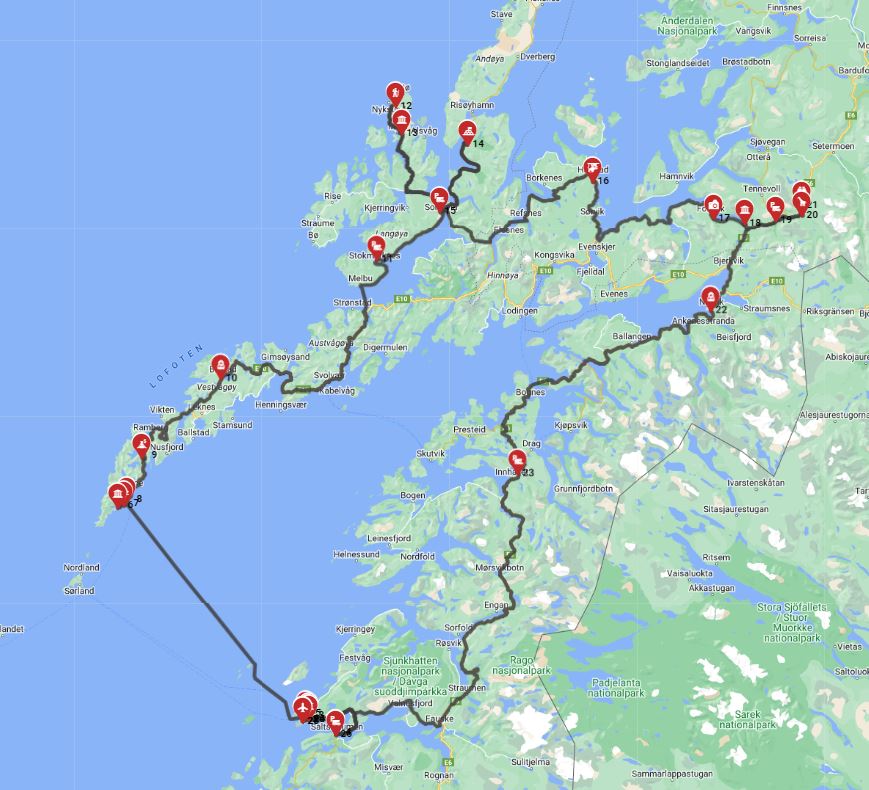
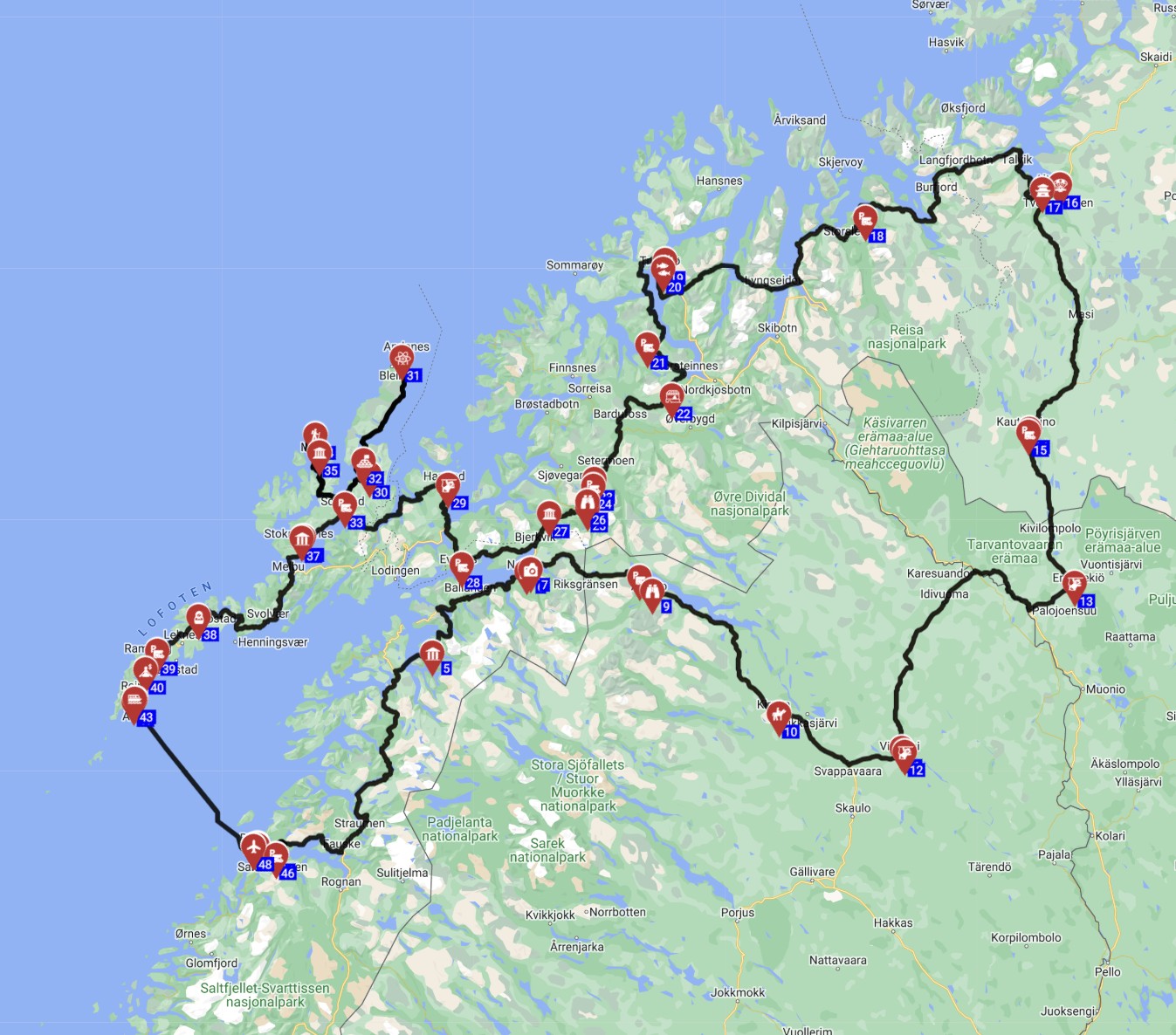
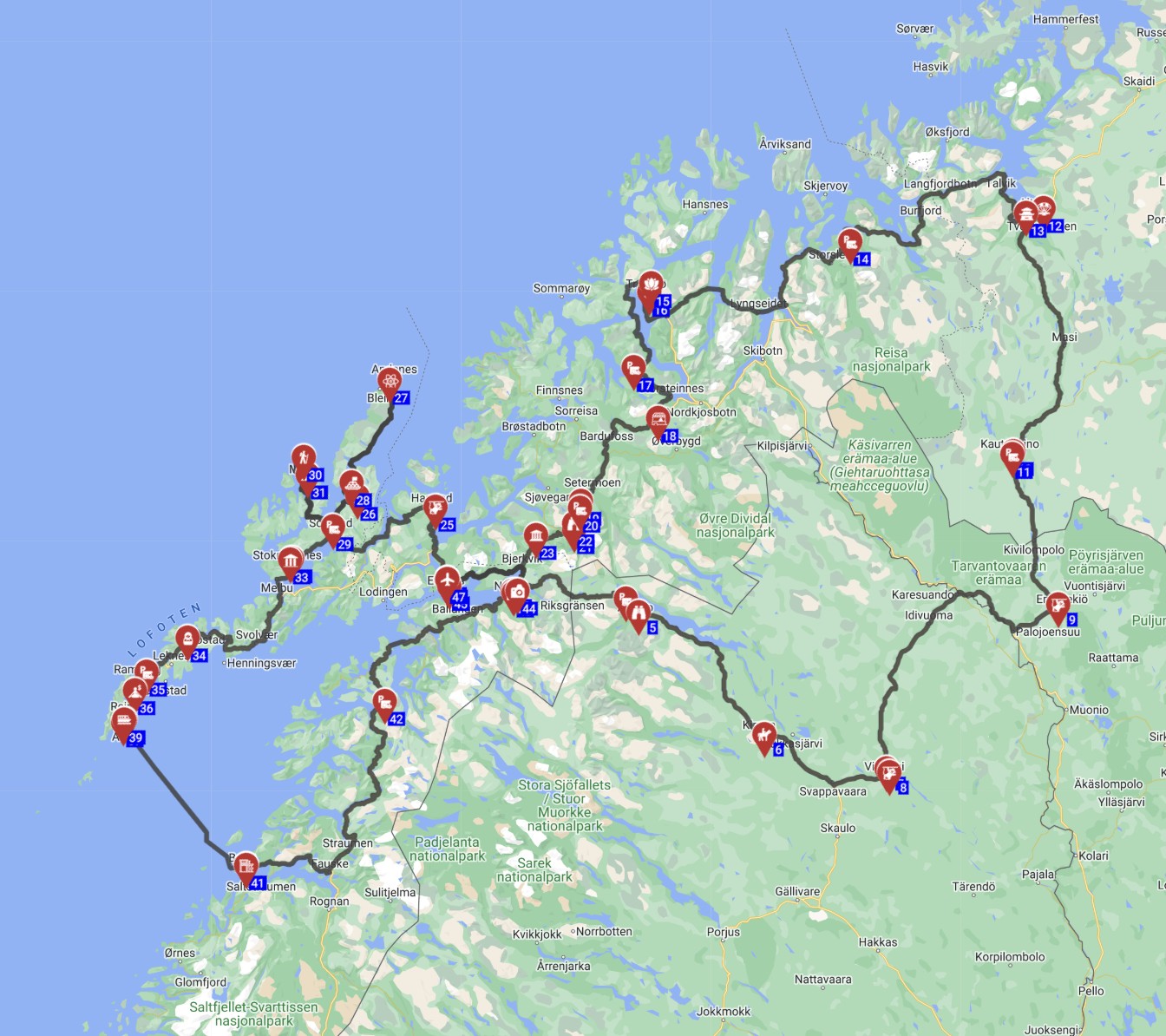
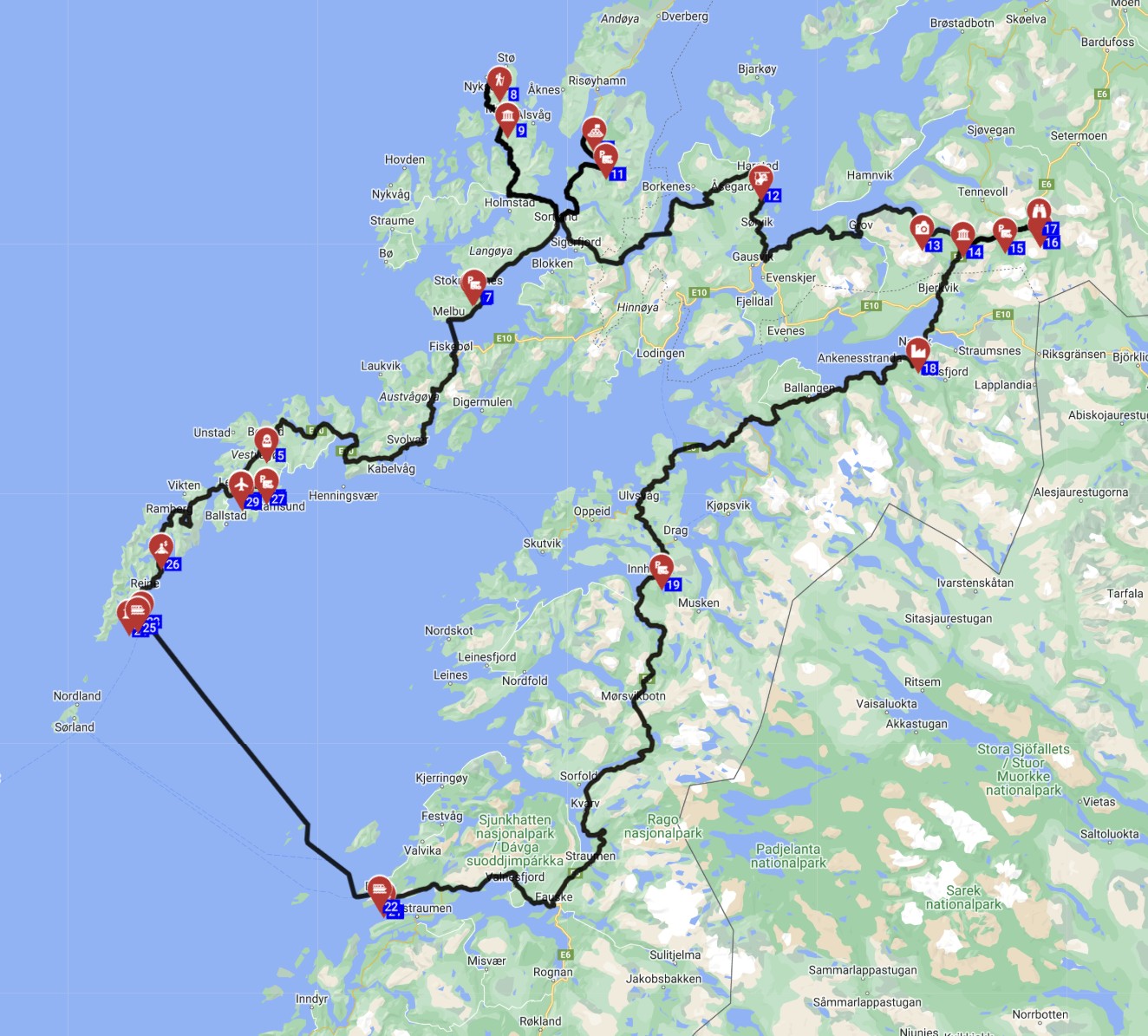
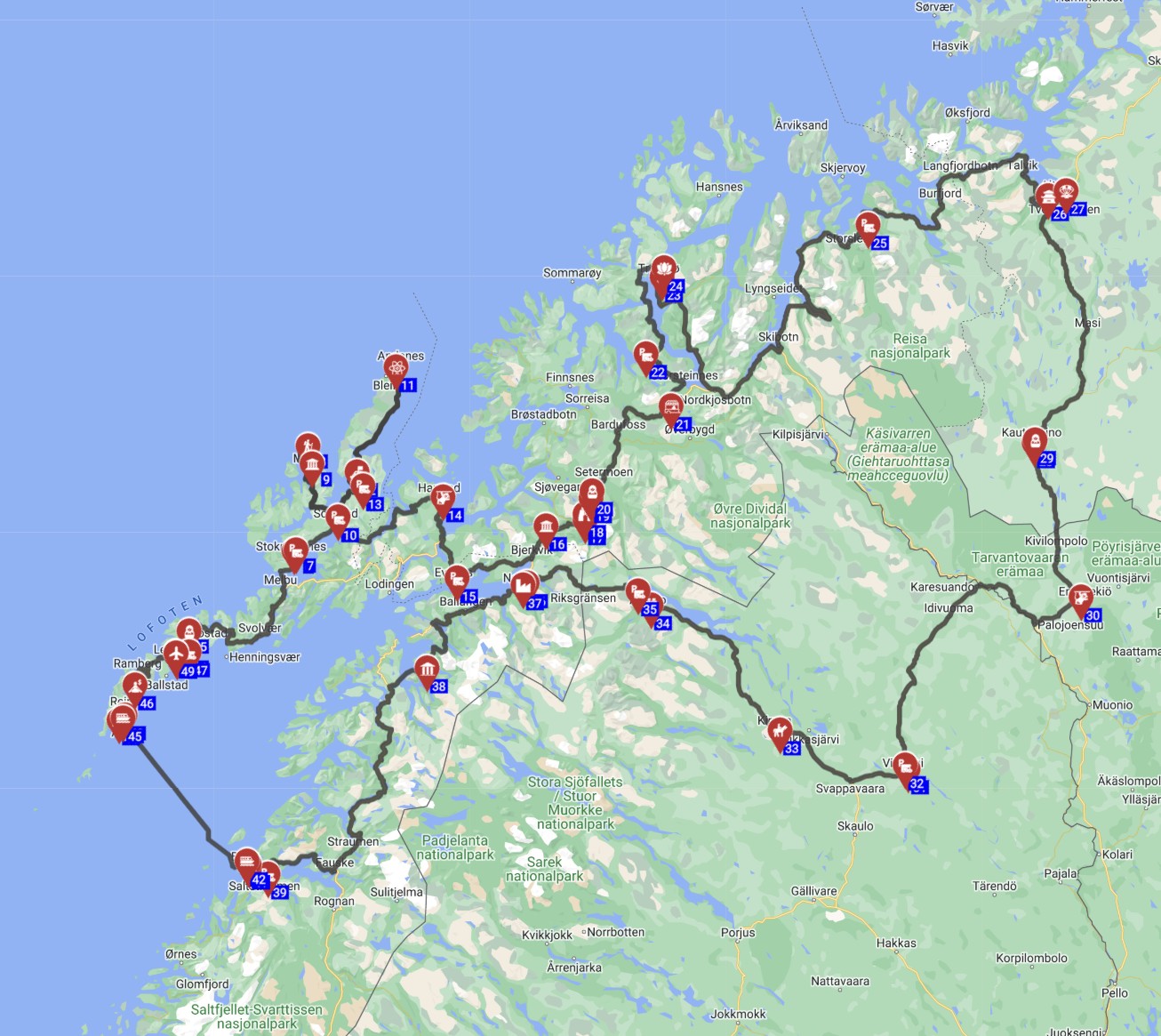
RVing in Norway offers vastly different experiences across its distinct seasons, each presenting unique pros, cons, accessible routes, and activity opportunities. **Spring (April-May):** Pros include blooming landscapes, fewer tourists, and potentially lower rental prices (starting around €120/day); cons are that many mountain passes may still be closed due to snow, and temperatures can be chilly (average 5-10°C). **Summer (June-August):** This is peak season, offering the warmest weather (average 15-20°C), longest daylight hours (including Midnight Sun in the north), and all roads accessible; however, expect larger crowds and the highest prices for rentals and campsites (up to €350/day). **Autumn (September-October):** Enjoy spectacular fall foliage, fewer crowds, and crisp hiking weather (average 8-12°C); cons include shorter daylight hours, earlier campsite closures (some close by end of September), and an increasing chance of snow on higher ground. **Early Winter (November-March):** Ideal for chasing the Northern Lights in the Arctic and winter sports, but driving conditions are challenging with snow and ice, many scenic roads are closed, and daylight is minimal; a winterized RV with appropriate tires is essential. For detailed itinerary planning tailored to different seasons, including our "Tromsø Round Trip - Arctic Wonders: Northern Norway Family Road Trip," explore RV PLANET.
What are the Comprehensive Safety and Preparedness Tips for RVing in Norway
Comprehensive safety and preparedness for RVing in Norway involves being aware of local wildlife, rapidly changing weather, emergency services, and packing a tailored kit. Be vigilant for wildlife, particularly moose and reindeer, which can unexpectedly appear on roads, especially during dawn and dusk; drive cautiously and maintain safe speeds, typically 80 km/h on open roads. Norway's weather is notoriously changeable, with conditions shifting from sunshine to rain, fog, or even snow within hours, particularly in mountainous regions; pack layers and regularly check forecasts, especially during spring and autumn. In case of emergencies, dial 112 for police, 110 for fire, and 113 for ambulance; ensure your mobile phone is charged and you know your exact location for prompt assistance. A tailored packing list should include waterproof and windproof clothing, warm layers, sturdy hiking boots, a comprehensive first-aid kit, a headlamp, and sufficient supplies (food, water, extra fuel) for remote areas. Familiarize yourself with basic RV maintenance (e.g., checking tire pressure, fluid levels) and consider subscribing to a roadside assistance service for peace of mind. You can upgrade to a top-level deductible for extra peace of mind, covering potential damages.
Top Cities for RV Rental in Norway
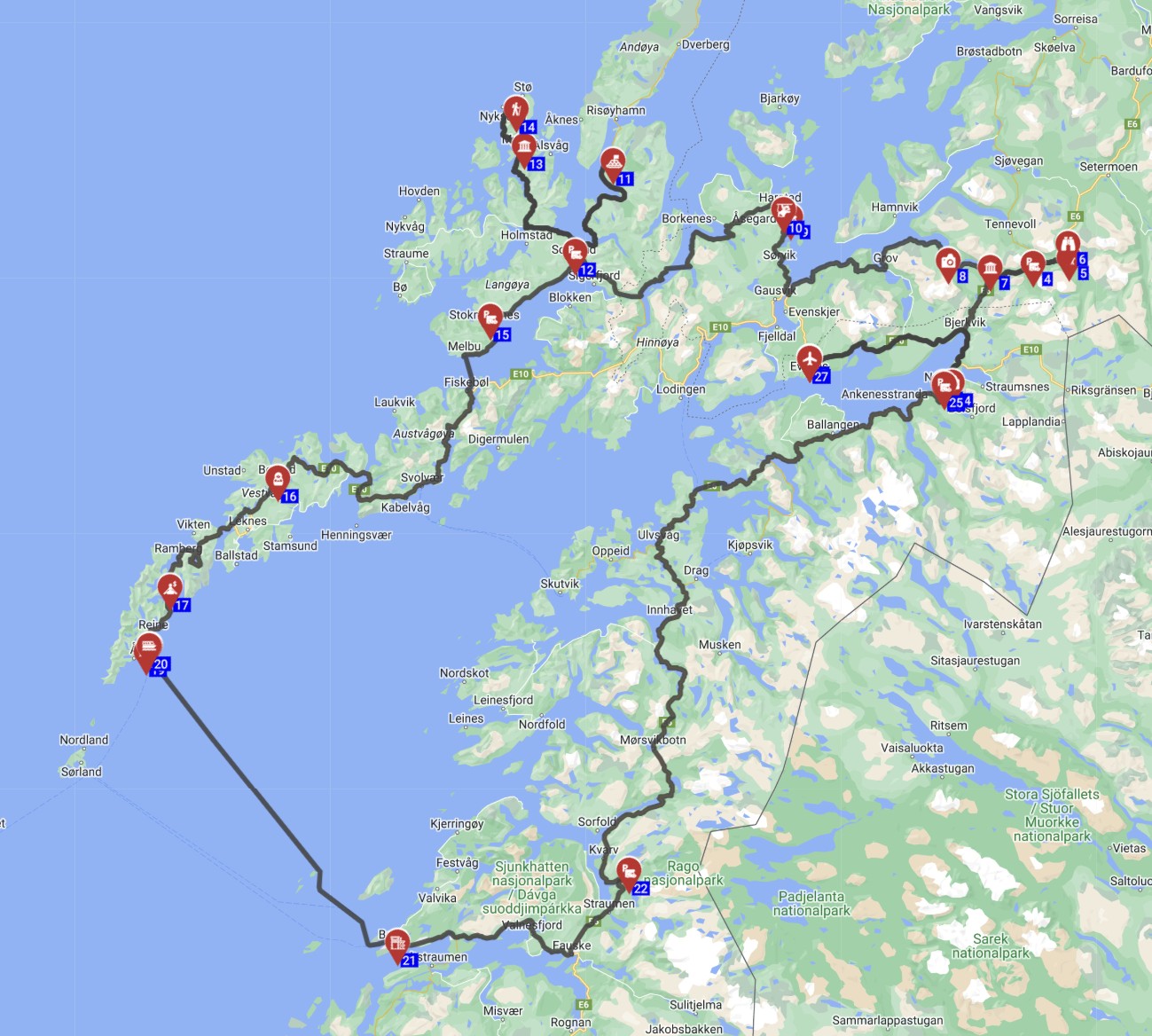
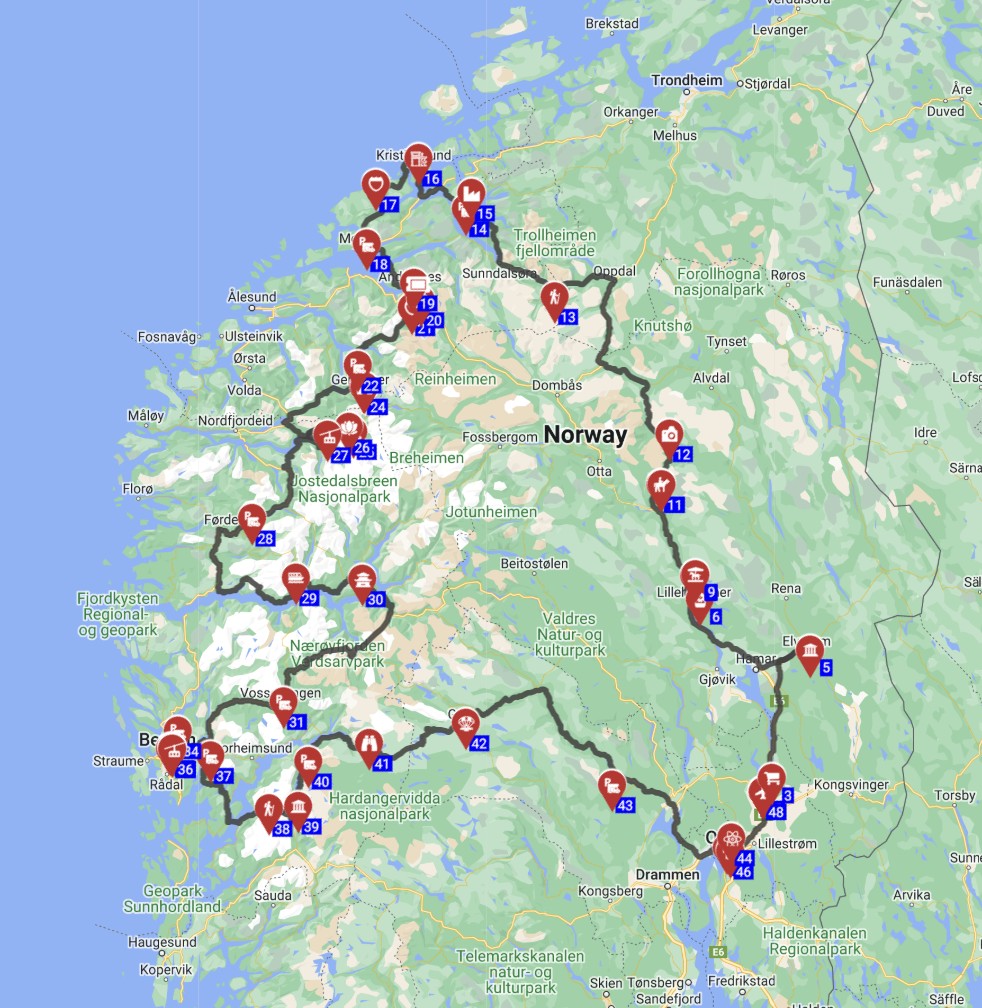
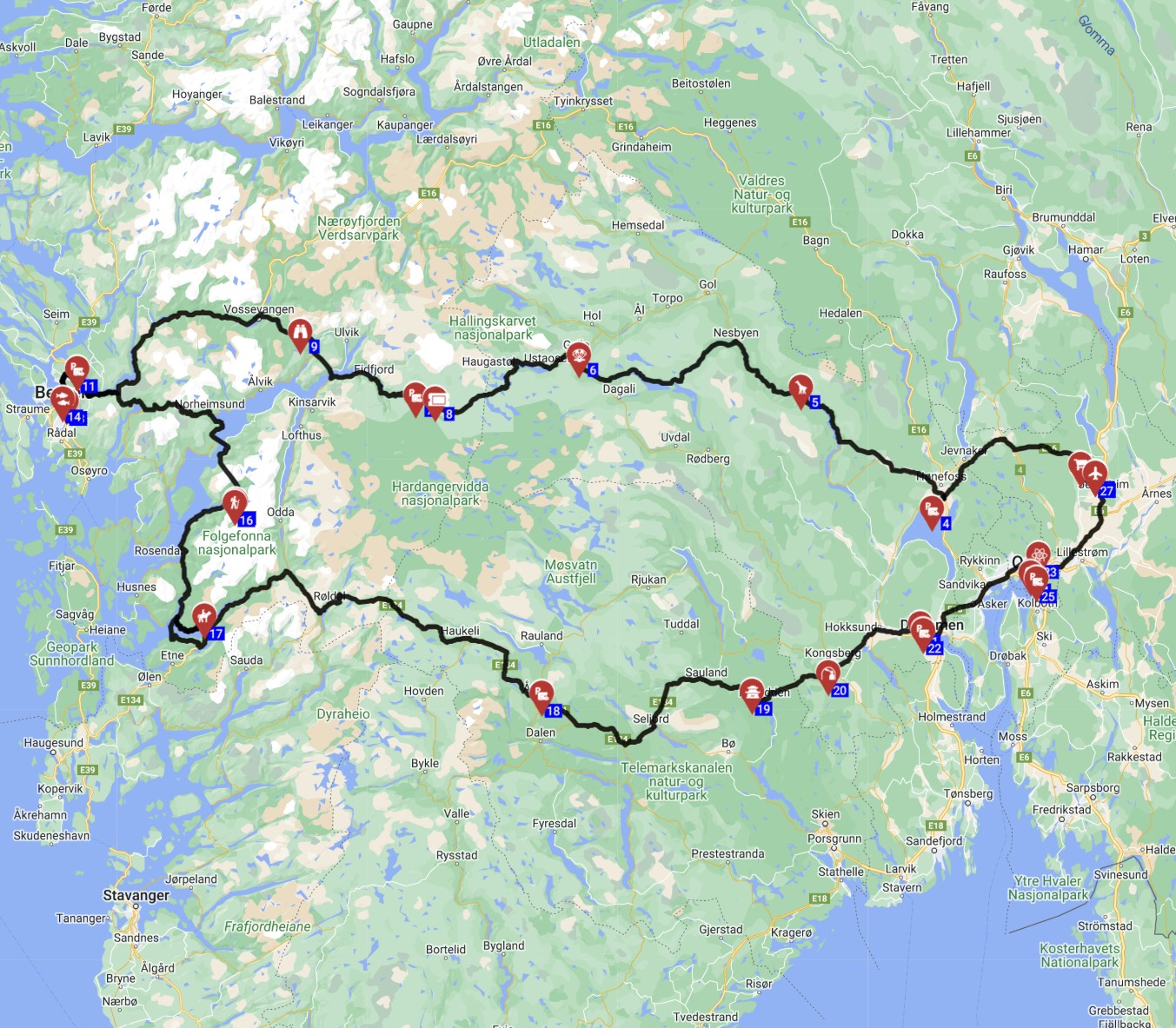
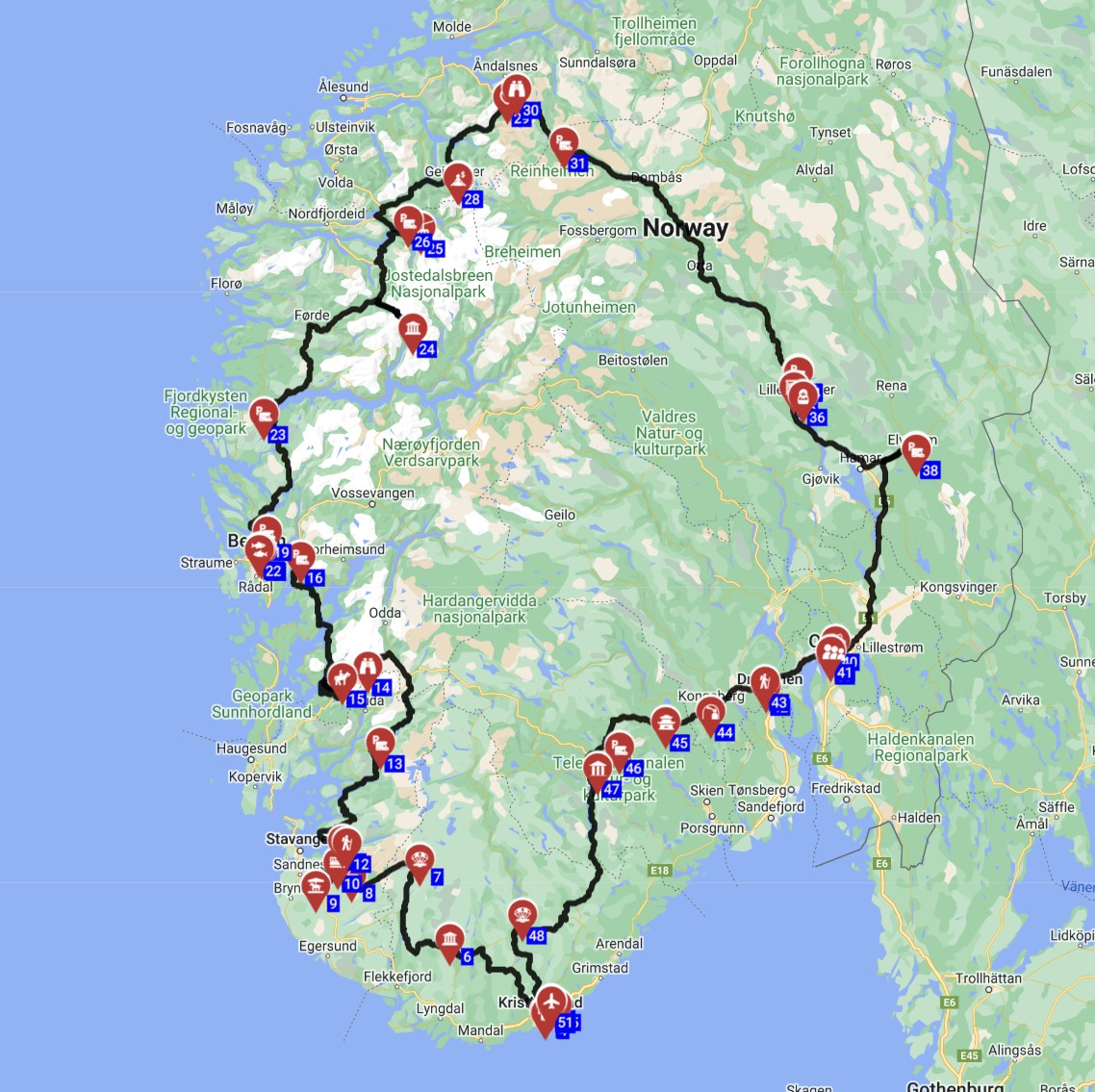
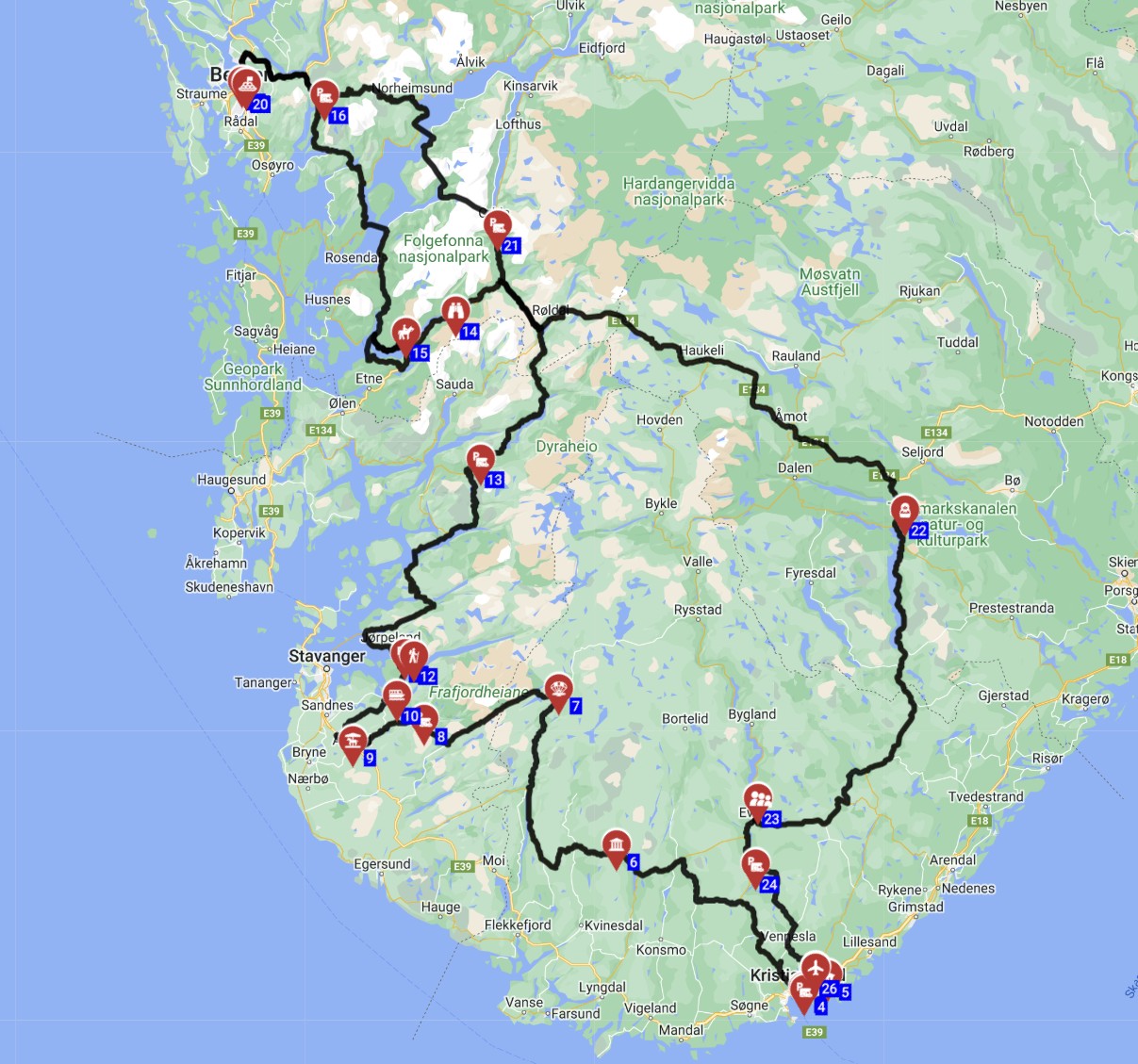
Norway offers numerous fantastic starting points for your rented RV adventure, each providing unique access to different regions and landscapes. Bergen, often called the "Gateway to the Fjords," is perfect for exploring the western coast with its majestic Sognefjord and Hardangerfjord. From Bergen, you can pick up a motorhome rental and embark on breathtaking coastal drives. For travelers interested in the Arctic, Tromsø is an excellent base for chasing the Northern Lights and experiencing the Midnight Sun, offering access to stunning northern landscapes. If you're looking for a more urban start with easy access to both nature and city life, consider a motorhome rental from Oslo, leading to beautiful forests and lakes in Eastern Norway. Other popular pickup locations include Alesund, Bergen - Airport, Bodo, Evenes, Grimstad, Harstad/Narvik Airport (Evenes), Haugesund, and Hylkje, providing flexibility for your itinerary. For example, a "Bergen Round trip - Norway’s Coastal Wonders" is an 8-day itinerary covering 782.9 km, including 2 hiking areas and 1 scenic route.
What You Shouldn't Miss
- **The Lofoten Islands:** Drive through these dramatic islands in Northern Norway for picturesque fishing villages, white sand beaches, and towering peaks. Many campsites here offer electrical hookups, with spots often available on a first-come, first-serve basis, even if only 25-30% are reservable.
- **The Atlantic Ocean Road (Atlanterhavsveien):** This 8.3-kilometer stretch of road is a marvel of engineering, connecting islands with causeways and bridges that seemingly dance across the ocean. It’s part of Norway’s "Nasjonale Turistveger" network.
- **Geirangerfjord:** A UNESCO World Heritage site, this fjord is famous for its steep cliffs and stunning waterfalls like the "Seven Sisters." Take a ferry ride through the fjord to truly appreciate its grandeur.
- **Pulpit Rock (Preikestolen):** Hike to this iconic flat-topped cliff 604 meters above Lysefjord for one of Norway's most spectacular views. Be sure to check weather conditions and book any necessary access in advance.
- **Tromsø's Arctic Activities:** In winter, chase the Northern Lights. In summer, experience the Midnight Sun and enjoy activities like whale watching tours or even dog sledding on wheels. Our "Tromsø Round Trip - Arctic Wonders: Northern Norway Family Road Trip" itinerary includes 3 wildlife watch activities and 4 museums.
- **The Lærdal Tunnel:** Experience the world's longest road tunnel, a 24.5 km journey featuring unique blue and yellow lighting designed to prevent driver fatigue, making it an attraction in itself.
Final Thoughts
Renting a family RV in Norway truly opens up a world of adventure, offering unparalleled freedom to explore its stunning fjords, vast wilderness, and charming coastal towns at your own pace. With Bandana Caravan, you're not just booking a vehicle; you're gaining a partner dedicated to making your journey as seamless and enjoyable as possible, backed by over 23 years of RV rental expertise. Imagine waking up to a different spectacular view every morning, with your home-on-wheels providing all the comforts you need.
Whether you opt for the versatility of a Class SI motorhome or the spaciousness of a Class C, Norway's roads are waiting to be explored. We're here to support you with full transparency and personal service, ensuring you focus on making incredible family memories. Discover top destinations and planning tips all in one place, and plan a trip itinerary in advance with minimal effort and maximum enjoyment.
Ready to experience the magic of a Norway motorhome adventure? Compare Family RV Rental Prices for Norway now, and let's get you on the road!