In This Guide
- Best Norway RV Itinerary for family rv rental - Overview
- 7-Day Classic Route in Norway
- 14-Day Extended Journey in Norway
- Recommended RVPlan Trip for Norway
- Must-See Stops Along the Way (Avi Bandana Picks)
- Daily Driving Distances & Drive Times in Norway
- Best RV Class for This Itinerary - Couple & Family Picks
- What is the best time to RV in Norway
- Is RVing in Norway expensive
- Can you wild camp with an RV in Norway
- What is the traffic like in Norway
- What equipment is mandatory in an RV in Norway
Best Norway RV Itinerary for family rv rental - Overview
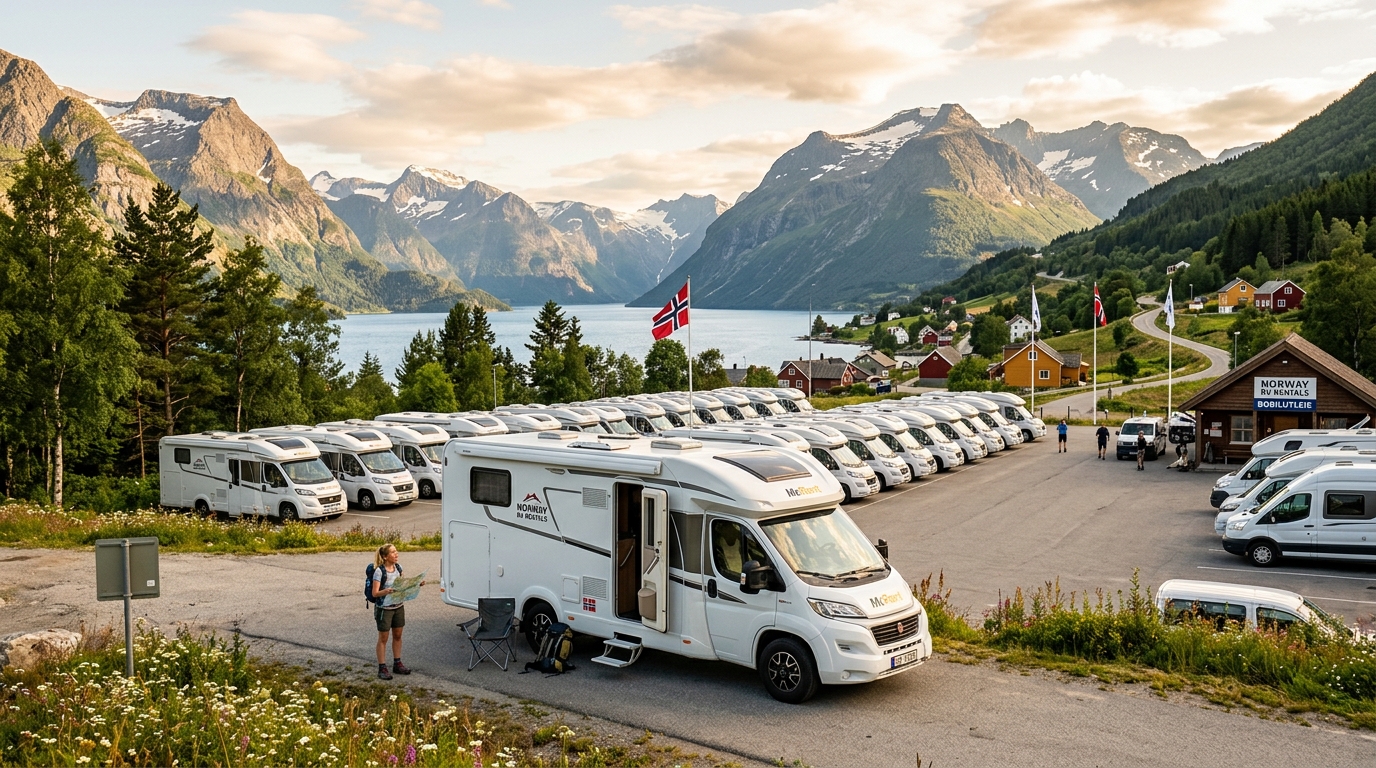
A family RV rental in Norway typically involves exploring majestic fjords, dramatic mountains, and picturesque coastal roads. A recommended duration is a minimum of 7 days, with 10 to 14 days offering a more comprehensive experience that allows for slow travel. Expect to cover between 1,500 km (930 miles) and 2,500 km (1,550 miles) for a typical 7-14 day trip, providing ample time to immerse yourselves in the culture, food, and scenery. The best season for an RV trip is late spring, summer (June-August), or early autumn for optimal weather and road access, ensuring all scenic routes and attractions are open.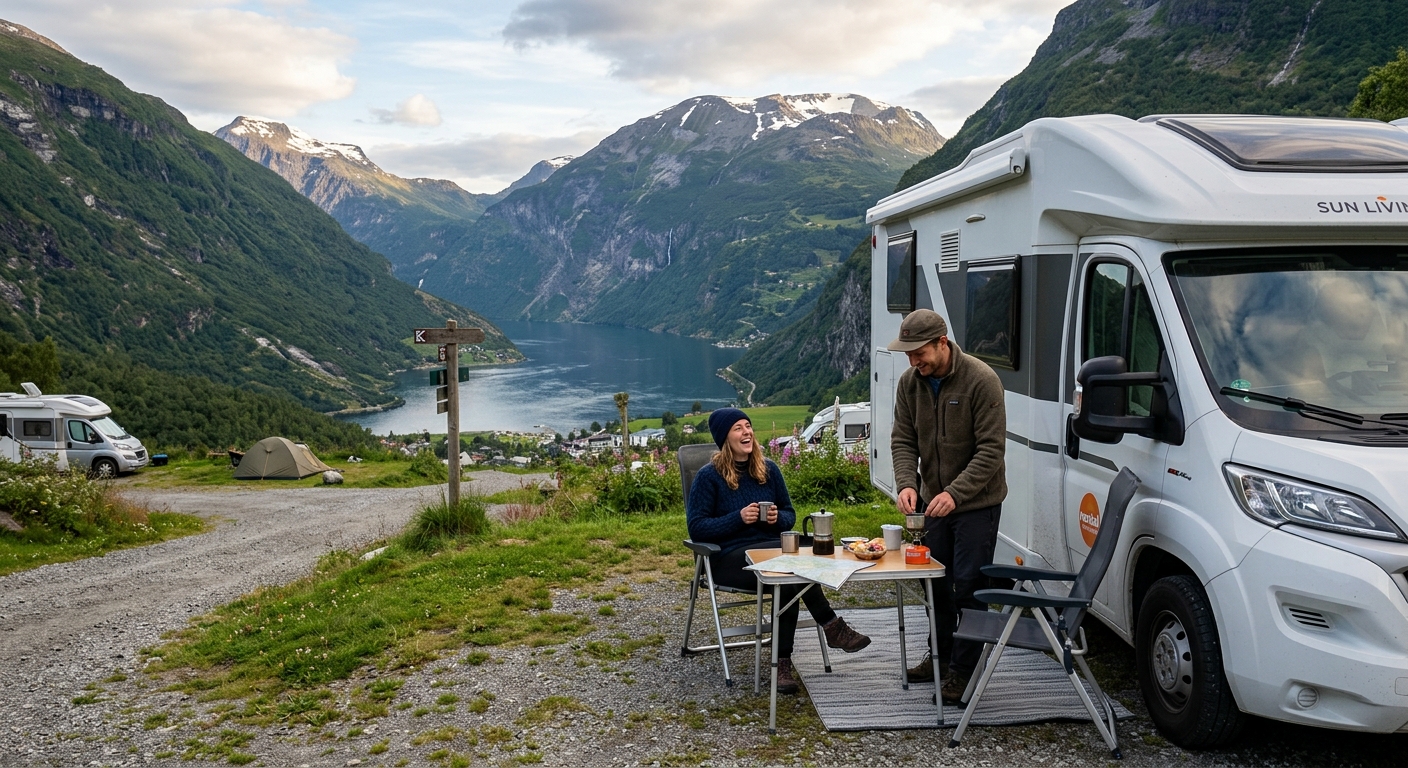
7-Day Classic Route in Norway
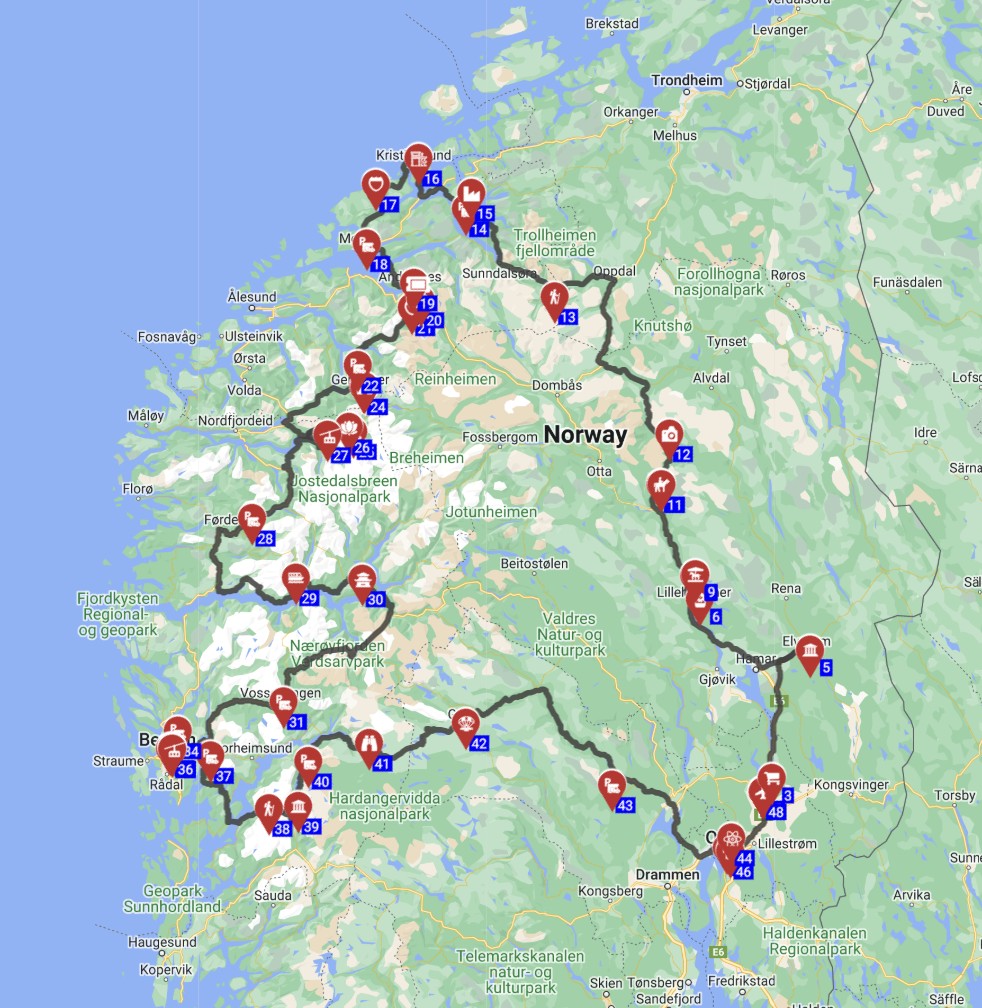
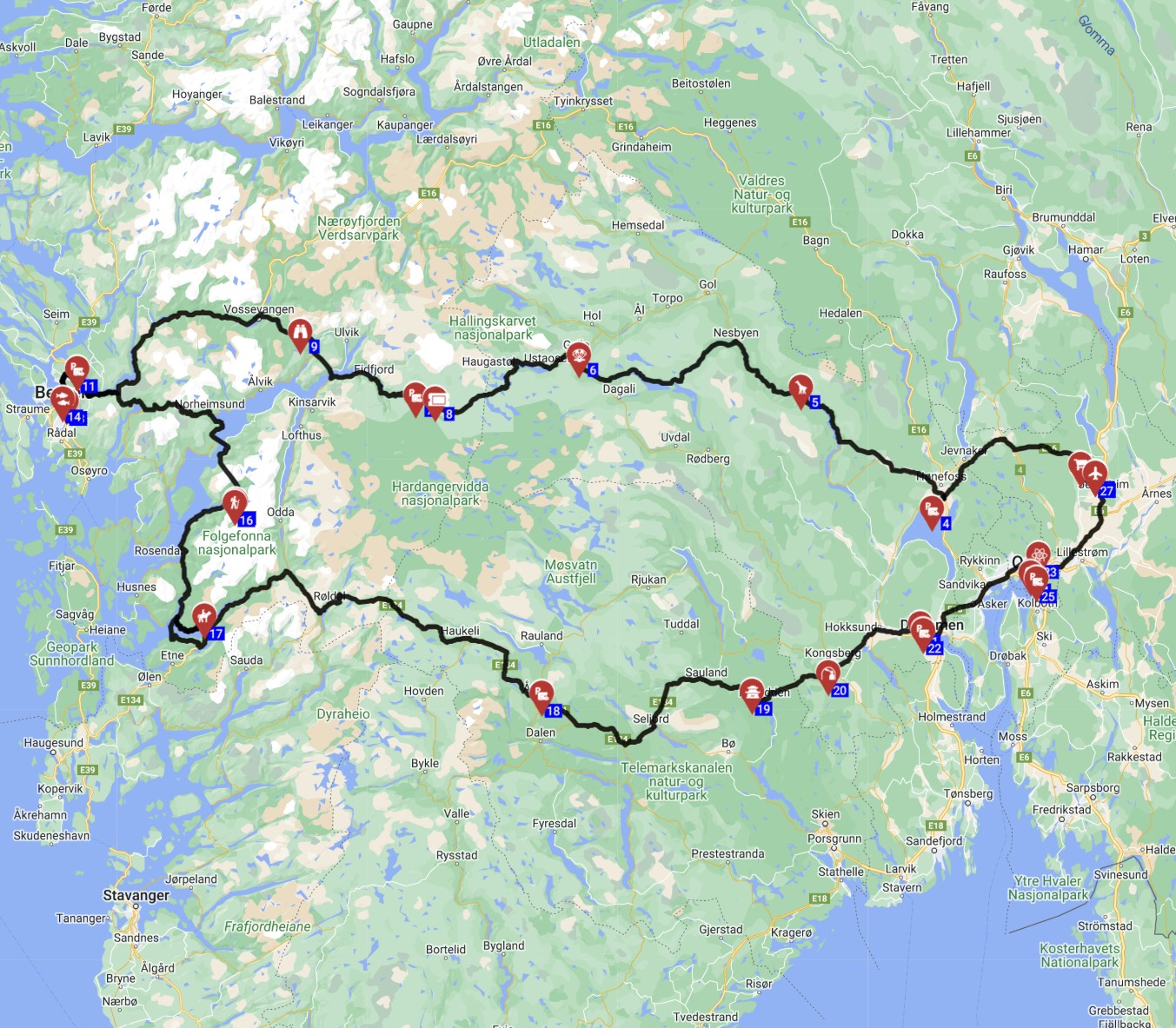
This 7-day family RV itinerary focuses on the stunning fjords and mountain regions, starting and ending in Oslo, covering approximately 1,200 km (745 miles).- Day 1: Oslo → Geilo (approx. 250 km / 155 mi): Depart from Oslo, heading towards the mountainous region. Highlights include crossing the scenic Hardangervidda plateau, perfect for early hikes or spotting local wildlife. Sleep at a family-friendly campsite near Geilo.
- Day 2: Geilo → Eidfjord (approx. 100 km / 60 mi): A shorter drive allowing time to explore Vøringsfossen waterfall, one of Norway's most spectacular cascades, and the Norwegian Nature Centre. Camp near Eidfjord, nestled by the Hardangerfjord.
- Day 3: Eidfjord → Bergen (approx. 150 km / 95 mi): Drive along the stunning Hardangerfjord, stopping at Steinsdalsfossen waterfall where you can walk behind the cascade without getting wet. Arrive in Bergen, parking at a city-accessible campsite. Drive slowly and carefully, and you can drive almost anywhere without issues. No need to stress - just use common sense and pay attention.
- Day 4: Bergen → Flåm (approx. 170 km / 105 mi): Experience the coastal charm of Bergen's colorful Bryggen wharf and Fish Market, then head towards the heart of the fjords. Enjoy the scenic drive to Flåm and consider the famous Flåm Railway, offering incredible mountain views. Overnight at a Flåm campsite.
- Day 5: Flåm → Jotunheimen National Park (approx. 200 km / 125 mi): Ascend the spectacular Aurlandsfjellet scenic route (often called the Snow Road) offering panoramic views of snow-capped peaks and winding valleys. Explore charming stave churches before reaching the Jotunheimen area, known as the "Home of the Giants." Camp near the national park.
- Day 6: Jotunheimen → Lillehammer (approx. 200 km / 125 mi): Travel through the stunning Valdresflye scenic route. Visit Olympic venues and museums in Lillehammer, a great stop for families interested in winter sports history. Find a campsite near Lake Mjøsa.
- Day 7: Lillehammer → Oslo (approx. 180 km / 110 mi): Enjoy a final scenic drive along Lake Mjøsa before returning to Oslo for RV drop-off, concluding your week-long adventure.
14-Day Extended Journey in Norway
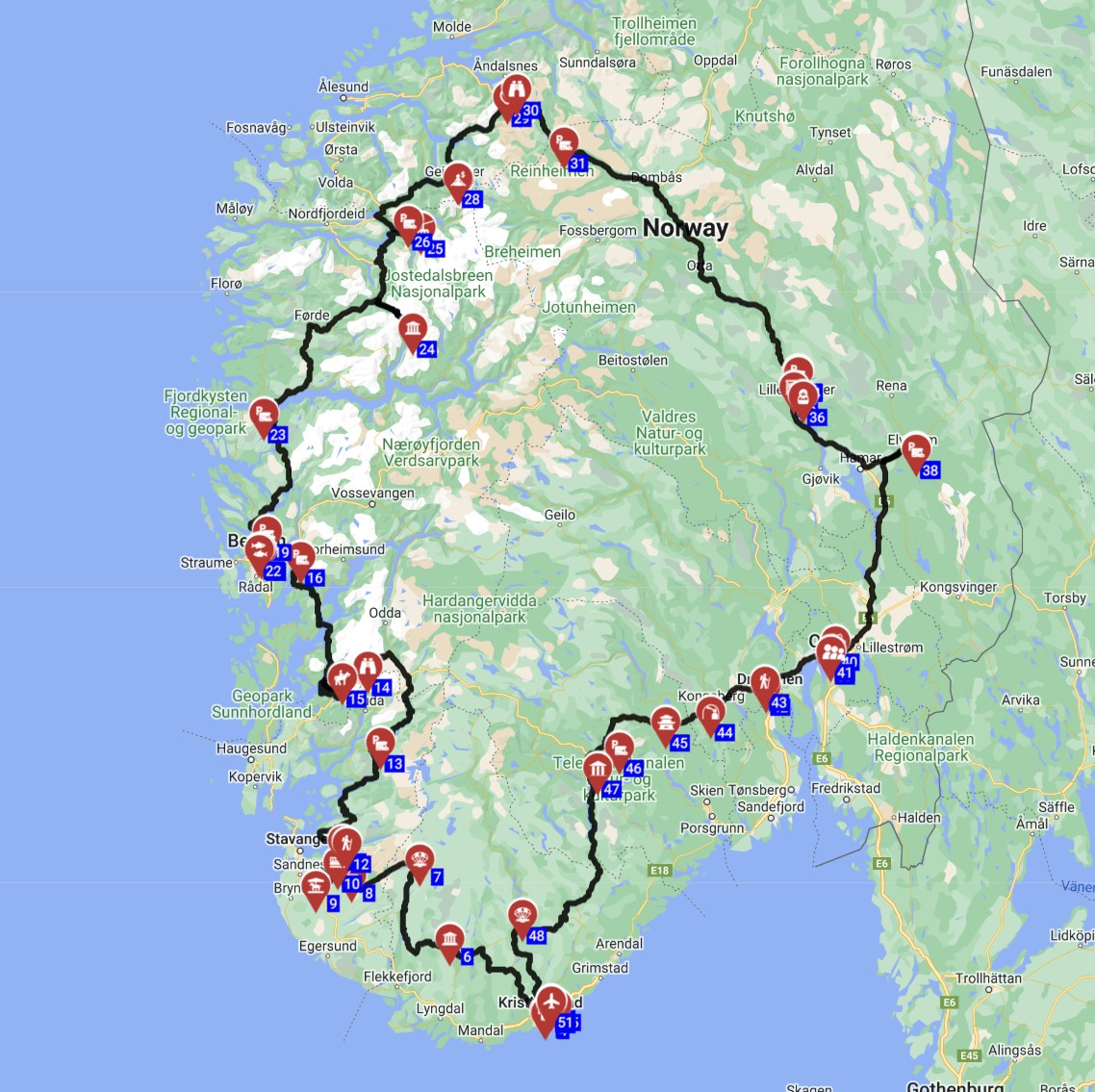
An extended two-week family RV trip in Norway provides an even deeper immersion into its diverse landscapes, covering approximately 2,000-2,500 km with more time for exploration.- Days 1-3: Oslo & Eastern Norway (approx. 150-200 km/day): Begin in Oslo exploring its museums and parks, then head north to Lillehammer to visit the Olympic sites and Maihaugen Open-Air Museum. This gentle start allows your family to acclimate to RV life.
- Days 4-6: Fjordland South (approx. 100-150 km/day): Drive through Telemark, famous for its canals and stunning stave churches, reaching the Hardangerfjord region. Explore waterfalls and visit local fruit farms, offering a taste of regional produce. Imagine stopping at a roadside fruit stand with fresh, crisp apples!
- Days 7-9: Central Fjords & Bergen (approx. 100-150 km/day): Experience the iconic Sognefjord, Nærøyfjord (a UNESCO World Heritage site), and the Flåm Railway. Spend ample time in Bergen, exploring its Hanseatic wharf and vibrant Fish Market. For ideas on local cuisine, check out our RV-friendly recipes playlist for inspiration on cooking your own meals onboard.
- Days 10-12: Atlantic Road & Geirangerfjord (approx. 150-200 km/day): Journey further north along the coast, taking in the dramatic Atlantic Road, an engineering marvel winding over tiny islands. Drive the exhilarating Trollstigen mountain pass (note vehicle length restrictions over 12.4 meters) and admire the iconic Geirangerfjord, another UNESCO World Heritage site, from various viewpoints.
- Days 13-14: Return to Oslo via Scenic Routes (approx. 200-250 km/day): Head back towards Eastern Norway, perhaps through the charming mining town of Røros (a UNESCO World Heritage site renowned for its wooden buildings) or along other national scenic routes, before returning to Oslo for your RV drop-off.
Recommended RVPlan Trip for Norway
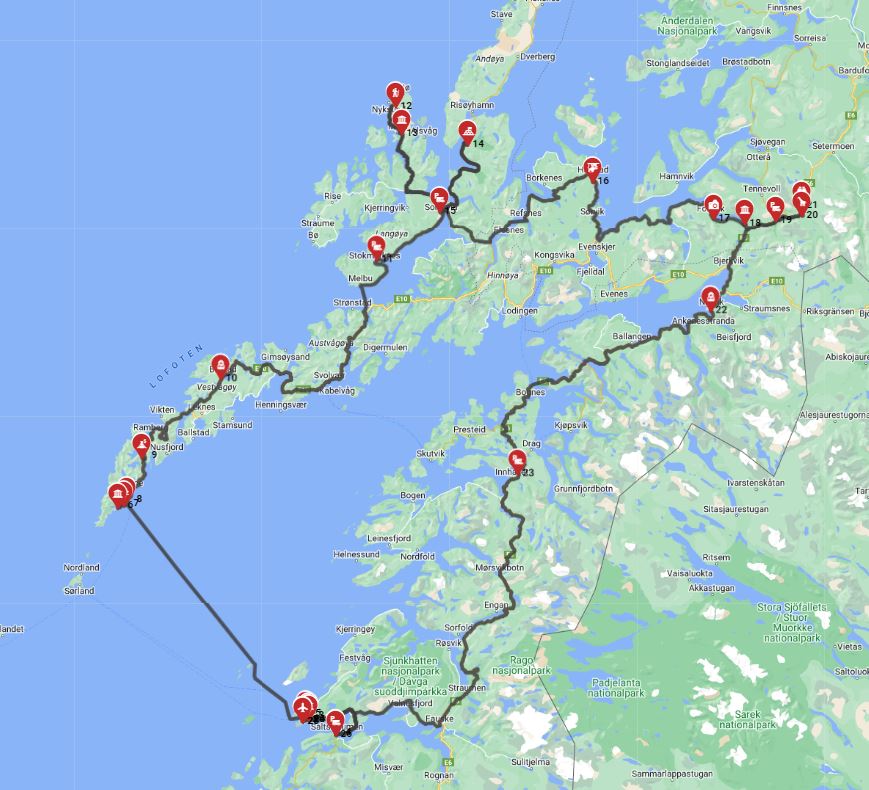
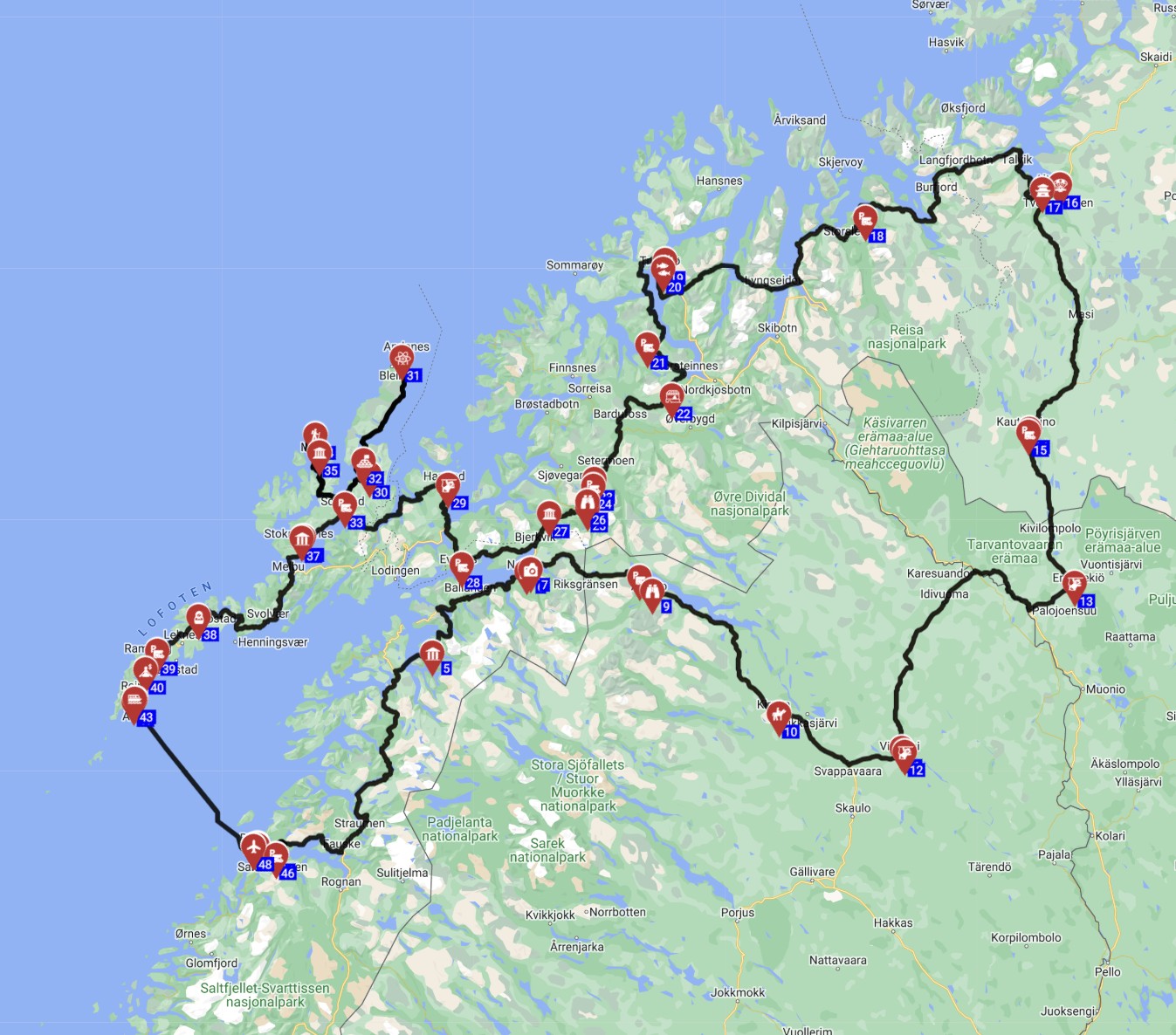
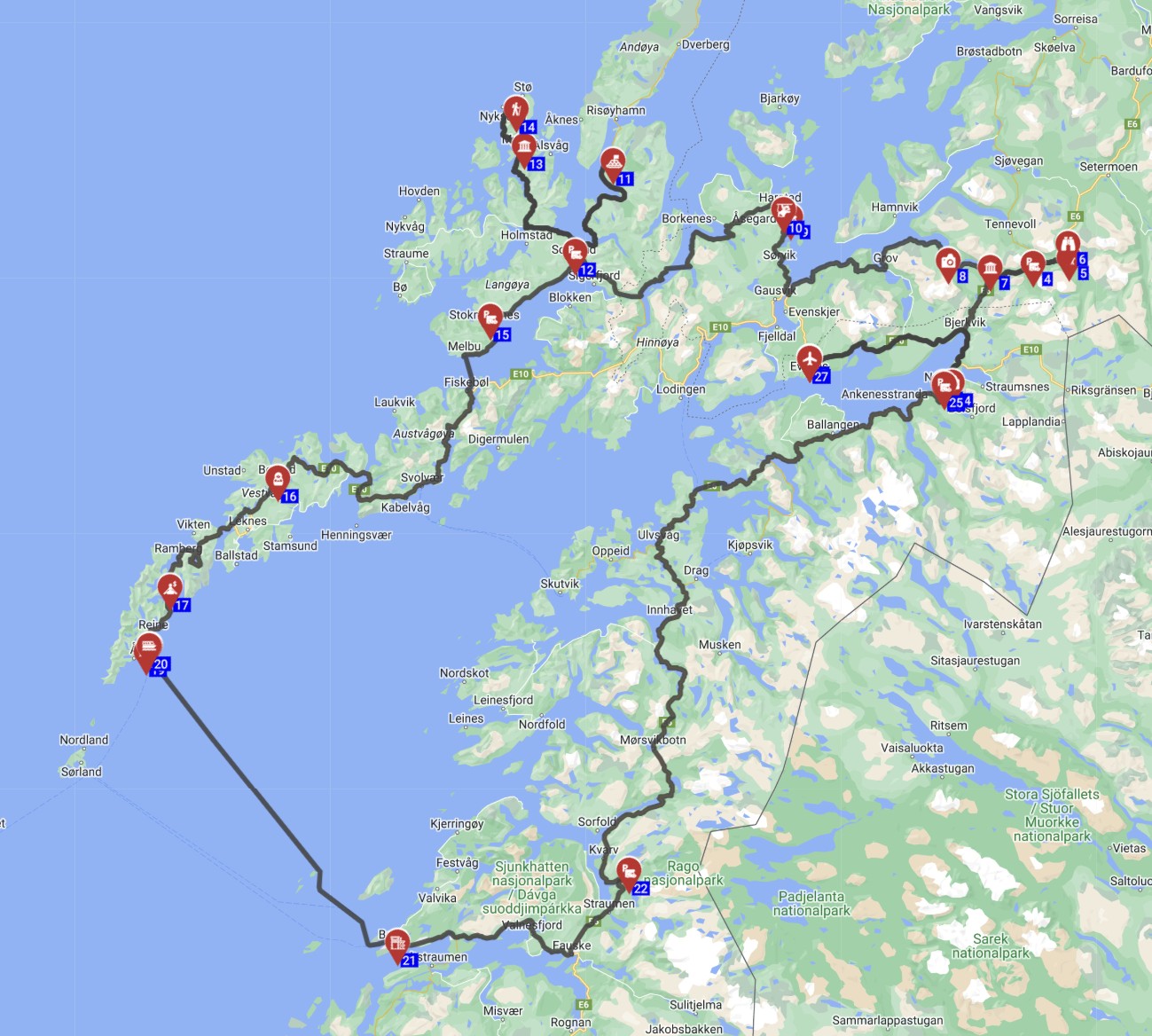
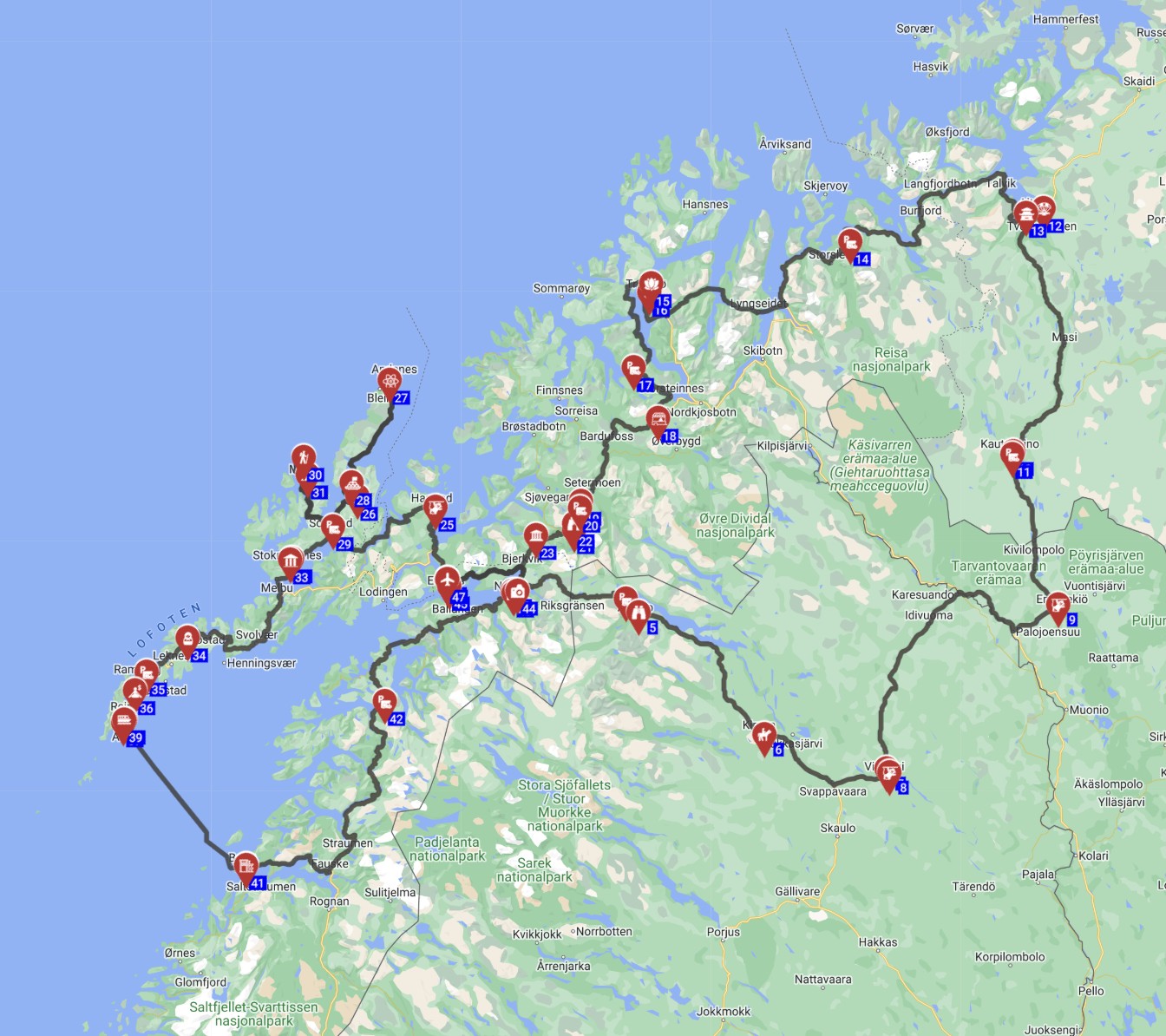
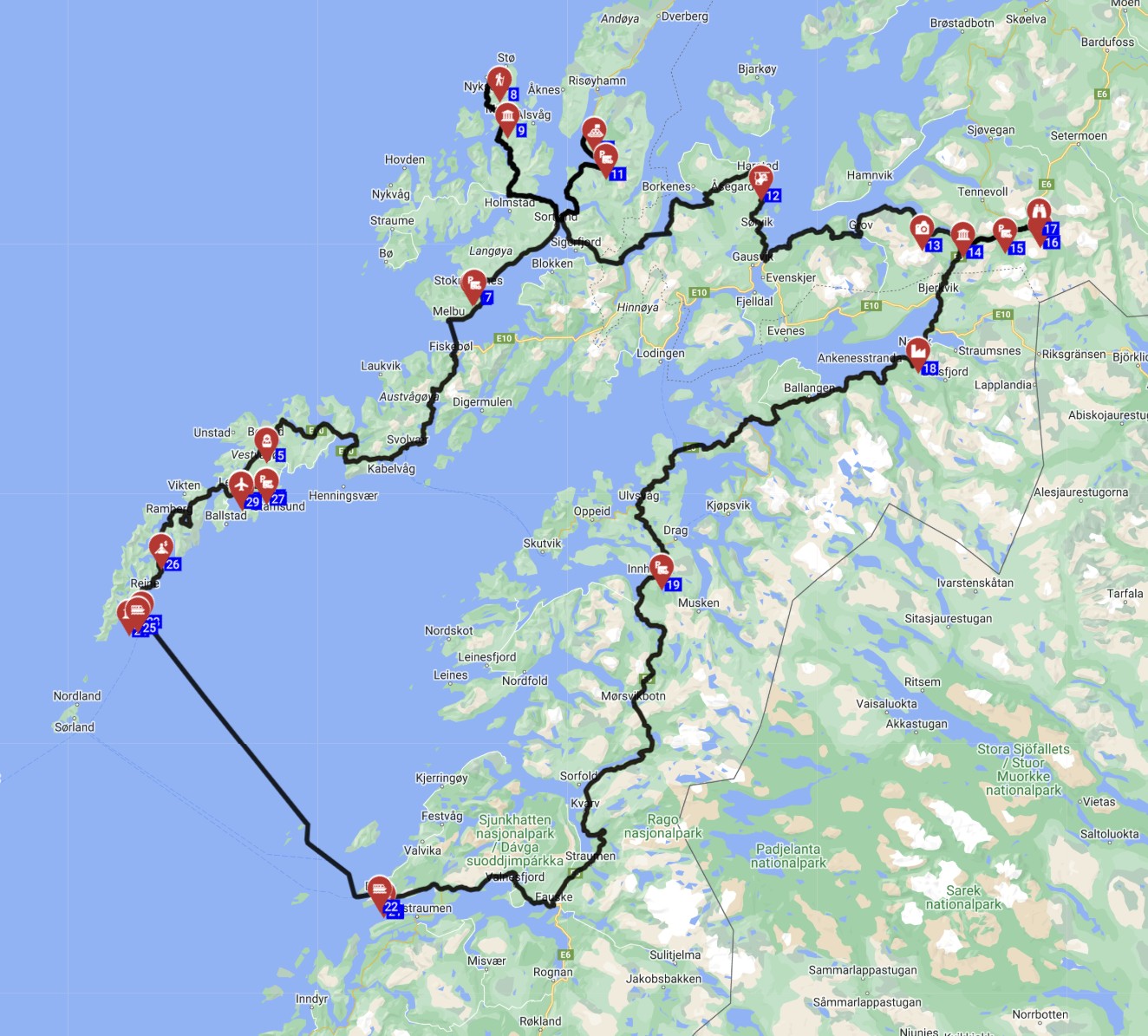
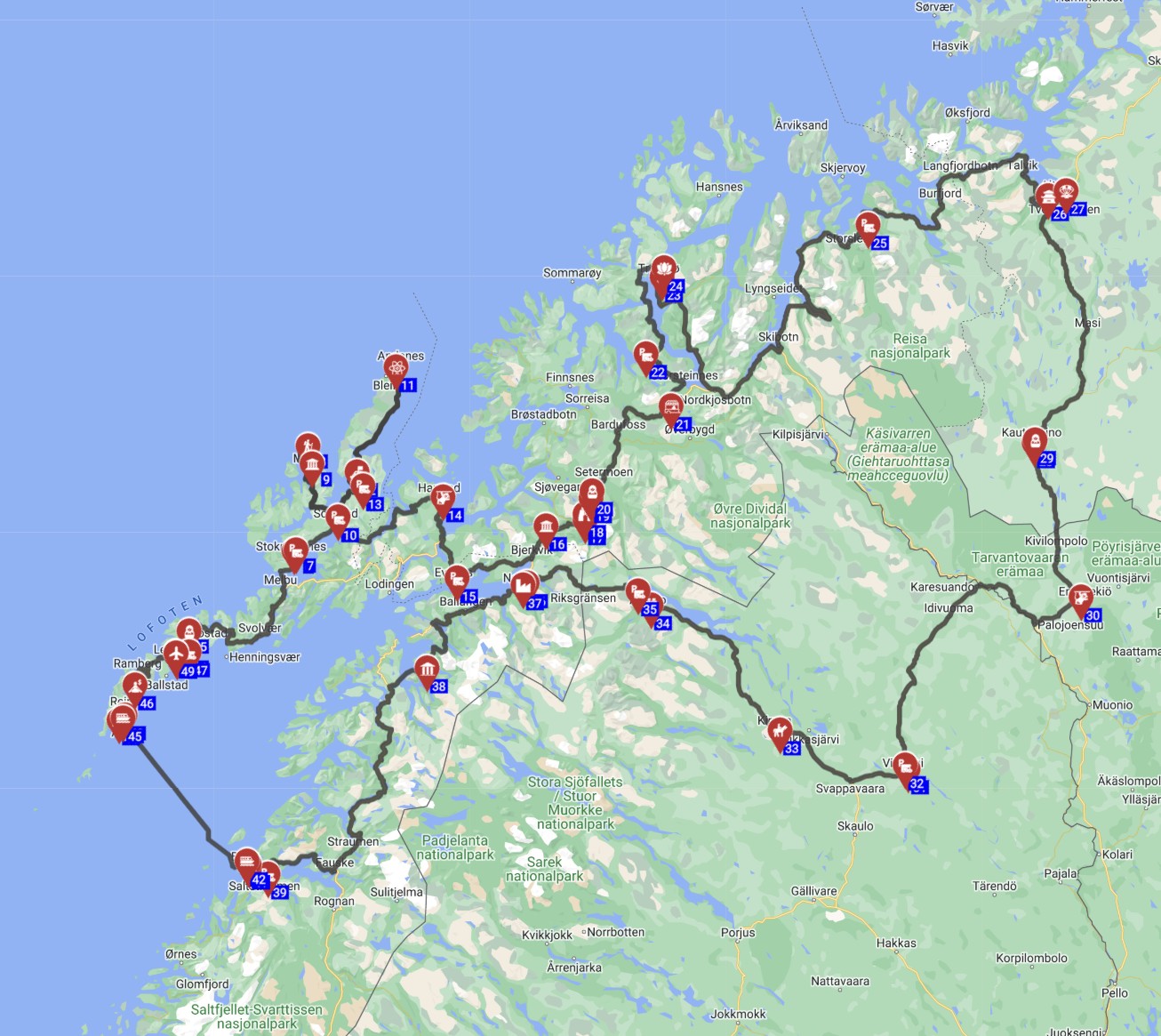
For families dreaming of an extensive European adventure that includes Norway, Bandana highly recommends the RVPlan trip named "Hamburg Roundtrip - To Denmark & Norway". This comprehensive 25-day journey covers 3426.9 kilometers, starting and ending in Hamburg, Germany, and offering a grand loop through Germany, Denmark, and the spectacular fjords of Norway. It's an ideal choice for families seeking an in-depth exploration of Scandinavia, meticulously crafted by travel professionals to eliminate planning stress. RVPlan's pre-designed itineraries remove the planning headache, allowing you to focus on enjoying the journey, knowing all major points of interest and logistical considerations have been thought through by travel experts. Another fantastic option for families exploring Norway’s Arctic region is the "Tromsø Round Trip - Arctic Wonders: Northern Norway Family Road Trip". This 15-day journey, covering 2402.5 kilometers, starts and ends in Tromsø, providing opportunities for wildlife watching, museum visits, and exploring natural features, including 2 hiking areas and 2 traditional visits. For those focusing on the stunning west coast, the "Bergen Round trip - Norway’s Coastal Wonders" is an excellent choice. This shorter, 8-day itinerary covers 782.9 km, starting and ending in Bergen, highlighting scenic routes, a cable railway, and cultural experiences like traditional markets. Bandana’s sister company, RV PLANET (rvplan.net), offers over 1,300 pre-planned routes across 5 continents, including these incredible Norway itineraries. When planning your route, remember that Bandana RV specialists are true RV specialists, not just a side department of a travel agency. We genuinely know RV travel and love helping people discover it.Must-See Stops Along the Way (Avi Bandana Picks)
Looking for expert insights from Avi Bandana? Top 5 Adventures - recommendations from Avi Bandana:- Viking Museum Haithabu (Traditional Visit): Although located in Germany as part of the broader "Hamburg Roundtrip - To Denmark & Norway" itinerary, this reconstructed Viking trading hub offers a fascinating glimpse into Norse history before you even reach Norway. It's an excellent prelude to the Scandinavian adventure.
- Maihaugen (Traditional Visit): Located in Lillehammer, this is one of the largest open-air museums in Norway, showcasing traditional Norwegian architecture and cultural history, perfect for families to explore. The interactive exhibits bring history to life for all ages.
- The Vigeland Park (Traditional Visit): An iconic sculpture park in Oslo, featuring over 200 works by Gustav Vigeland, offering a unique artistic experience in a beautiful outdoor setting. It's a serene yet engaging spot for a family stroll.
- Historical Museum, Oslo (Traditional Visit): As the Viking Ship Museum is undergoing reconstruction until 2026 and beyond, Avi Bandana highly recommends visiting Oslo's Historical Museum for its impressive Viking age exhibits, including artifacts and insights into Norse culture.
- Bergen Fish Market (Traditional Market): A vibrant, historic outdoor market in Bergen where you can sample fresh seafood and local delicacies. It provides a lively cultural experience and a chance to truly connect with the local food scene.
- Thorup Strand Fishermen (Local Industry): While in Denmark on the way to Norway (as per the recommended Hamburg Roundtrip itinerary), observing the local fishermen at Thorup Strand pulling their massive wooden boats onto the sand offers a unique insight into traditional Nordic coastal industry.
Daily Driving Distances & Drive Times in Norway
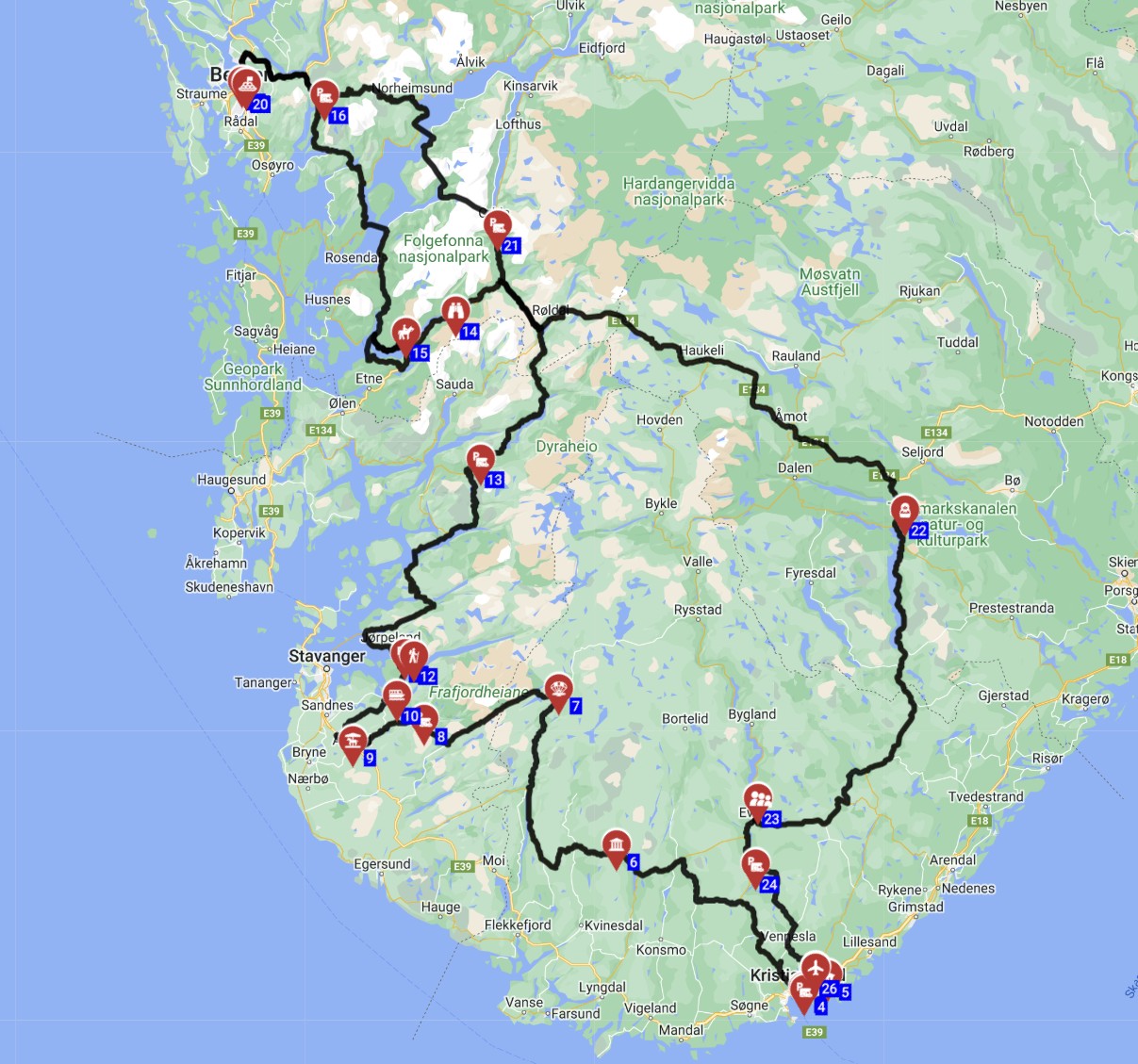
Avi Bandana recommends a maximum of 100 miles (150 km) per day on average for RV travel in Norway to allow ample time for sightseeing, navigation, and relaxation. Norway's roads are often narrow, winding, and include numerous tunnels and ferry crossings, which significantly slow down travel compared to wider European highways. For example, the scenic route from Oslo to Bergen, approximately 460 km (285 miles), while possible in one long day (7-8 hours driving), is best spread over 2-3 days to fully enjoy the landscapes and avoid driver fatigue. Another example is the Stavanger to Bergen route, about 200 km (125 miles), which typically takes 5-6 hours of driving due to multiple mandatory ferry crossings that add considerable travel time. Even shorter distances, like Flåm to Geiranger (approx. 180 km / 110 miles), a highly scenic route including the famous Trollstigen pass, can easily take 4-5 hours due to winding roads and frequent photo stops. Remember, slow travel is key to enjoying Norway.Best RV Class for This Itinerary - Couple & Family Picks
For couples exploring Norway by RV, Bandana's fleet typically recommends a **Class B - Camper Van** for its optimal maneuverability and fuel efficiency. These camper vans, with an average length of 5.8 meters and offering around 3.2 sleeping places (comfortably fitting 2 adults), are ideal for navigating Norway's often narrow roads and finding parking in towns and cities. With an average load capacity of 37 kg and common fuel consumption around 8-10 Liters/100 Km (global fleet average), they provide an agile and economical travel experience for two.For families, a **Class C - Alcove RV** is generally the preferred choice due to its generous living space and sleeping capacity. Bandana's Class C Alcove RVs typically average 7.5 meters in length and feature approximately 5.8 sleeping places (comfortably accommodating 4.4 adults), making them suitable for larger families. Despite a slightly higher average fuel consumption of 10-12 Liters/100 km (global fleet average) and an average load capacity of 42.4 kg, the additional comfort and amenities make it worthwhile for longer family journeys. These larger motorhomes offer features like more spacious refrigerators, bigger dining areas, and often separate showers from toilets. To remove the planning headache, consider Bandana's 'Rent&Plan' service, which combines your RV rental with a ready-made itinerary curated by travel experts, offering full access to specialized trip-planning software at a 25% planning discount when you book through rvplan.net.
What is the best time to RV in Norway
The best time to RV in Norway for most families is during the summer months, from June to August, due to warmer weather, significantly longer daylight hours (including the midnight sun in the north), and fully accessible roads. Summer offers the warmest temperatures, averaging 15-20°C (59-68°F) in southern and fjord regions, and the highest likelihood of clear weather for hiking and outdoor activities, with all mountain passes and scenic routes typically open. Shoulder seasons (May, September) present unique rewards: May brings blossoming landscapes and fewer crowds, while September offers stunning autumn foliage and cooler, crisp air. RVing in the shoulder seasons can also mean slightly lower rental and campsite prices, but be aware that some mountain roads may still be closed in early May or begin to close in late September due to snow. Winter (October-April) RVing is challenging and generally recommended only for experienced winter drivers, requiring specialized equipment like winter tires and snow chains, but it offers unique opportunities to see the Northern Lights.Is RVing in Norway expensive
RVing in Norway can be expensive compared to other European destinations due to higher costs for fuel, tolls, ferries, and groceries, but the flexibility and ability to self-cater can significantly offset these expenses. Fuel costs are notably higher in Norway, typically ranging from €1.80-€2.20 per liter; budgeting for this is crucial, and planning routes to minimize unnecessary driving can help. Tolls are common on many roads, bridges, and tunnels and are collected via the automatic AutoPASS system. Visitors should either register their vehicle with Euro Parking Collection (EPC) or ensure their rental RV has an AutoPASS chip to avoid penalties and additional charges. Ferry costs are an integral part of navigating Norway's fjords, and these expenses can accumulate quickly, often adding €20-€50 per crossing; some ferries accept AutoPASS, while others require card or cash payments directly onboard. Groceries are also more expensive than in many other countries, but cooking your own meals in the RV is a primary strategy for cost savings; look for local supermarkets like Kiwi, Rema 1000, and Coop for daily provisions. Budgeting strategies include utilizing free camping opportunities under Allemannsretten (the Right to Roam), cooking almost all meals in your RV, taking advantage of free natural attractions, and considering travel during the shoulder seasons for potentially lower rental rates. For detailed budgeting and expense tracking on your trip, we recommend exploring the RV PLANET routes, where you can itemize and track every expense.Can you wild camp with an RV in Norway
Yes, wild camping with an RV is generally allowed in Norway under the principle of "Allemannsretten" (the Right to Roam), provided you adhere to specific rules to protect nature and respect private property. Under Allemannsretten, you may pitch a tent or park an RV for up to two nights in uncultivated land, as long as it is at least 150 meters (approximately 500 feet) from the nearest inhabited house or cabin. It is crucial to leave no trace: this means absolutely no littering, disposing of grey water in designated areas (not directly into nature), and responsibly emptying black water at official emptying stations, typically found at campsites or specific RV service points. Fire bans are often in place during summer months (typically April 15 to September 15), prohibiting open fires in or near forests and other natural areas, so always check local regulations. Always respect local signage (e.g., 'No Camping' signs) and interact respectfully with local communities, especially when in close proximity to private land. For finding suitable wild camping spots and fresh water fill-up stations, apps like Park4Night or iOverlander are invaluable resources for RVers in Norway, offering community-sourced locations and amenity information. This freedom to roam is one of the incredible benefits of a family RV rental in Norway.What is the traffic like in Norway
Traffic in Norway, particularly outside major urban centers and popular tourist areas during peak summer, is generally light, but driving can be slow and challenging due to the country's unique mountainous and fjord-rich geography. Roads are frequently narrow and winding, especially in fjord regions and mountain passes, often with steep inclines and declines, requiring careful and attentive driving for RVs. Drive slowly and carefully, and you can drive almost anywhere without issues. No need to stress - just use common sense and pay attention. Norway's road infrastructure includes a vast network of tunnels, some of which are very long, descend steeply, or even contain roundabouts inside, which can be an unexpected navigational challenge; pay close attention to signage. The ferry system is an integral part of the road network, as many routes require crossing fjords by ferry; these crossings add to travel time and cost, so it's important to check schedules and payment methods (often linked to AutoPASS or via card/cash). Speed limits are generally lower than in other European countries, typically 80 km/h (50 mph) on rural roads and 50 km/h (30 mph) in urban areas, reinforcing the slow travel experience. When planning, consider that larger RVs (like Class C Alcove models) will require more caution on narrow roads and can be more challenging to maneuver and park in small villages or city centers, while smaller models (like Class B Camper Vans) offer greater agility.What equipment is mandatory in an RV in Norway
In Norway, several pieces of equipment are mandatory for all vehicles, including rented RVs, to ensure safety and compliance with local regulations, particularly during winter months, and should be checked before starting your rental. All vehicles must carry at least one high-visibility safety vest for the driver (one for each occupant is highly recommended for roadside safety) and a warning triangle for use in case of a breakdown. Headlights are mandatory to be on at all times, even during daylight hours, for all vehicles. Winter tires are legally mandatory from November 1 to April 30 in Southern Norway and from October 15 to May 1 in Northern Norway, or at any time when conditions (ice, snow, slush) require; spiked tires are permitted only within these periods. While not strictly mandatory, snow chains are highly recommended, and often essential, when driving on mountain passes during winter or early spring/late autumn, especially for larger RVs. It is also advisable to carry a first-aid kit and a fire extinguisher, though not always legally required for private vehicles, they are standard safety measures for an RV trip. Bandana’s commitment to full transparency means no hidden fees or surprises regarding equipment, ensuring you're fully informed before you book.What You Shouldn't Miss
Looking for expert insights from Avi Bandana? Top 5 Adventures - recommendations from Avi Bandana:- Geirangerfjord Cruise: Take a ferry cruise through the iconic Geirangerfjord, a UNESCO World Heritage site, marveling at towering waterfalls like the "Seven Sisters" and dramatic cliffs.
- Flåm Railway Experience: Ride the famous Flåm Railway, one of the world's steepest standard-gauge railway lines, offering breathtaking panoramic views between Flåm and Myrdal.
- Pulpit Rock (Preikestolen) Hike: Embark on a family-friendly hike to Pulpit Rock, a majestic flat-topped cliff offering incredible views over Lysefjord. The hike is moderately challenging but immensely rewarding.
- Explore Bergen's Bryggen Wharf: Wander through the colorful wooden houses of Bryggen, Bergen's historic Hanseatic Wharf, a UNESCO site, and soak in the city's charming atmosphere.
- Atlantic Road Drive: Experience the engineering marvel of the Atlantic Road, a winding coastal highway connecting islands with spectacular bridges, offering unique photo opportunities.
- Spot the Northern Lights (seasonal): If traveling in autumn or winter to Northern Norway, chase the magical Aurora Borealis from your RV, a truly unforgettable family experience. For planning a winter trip, consider our Winter RV Rental in Norway - Pricing Guide 2024.
🎬 Video coming soon
Final Thoughts
Embarking on a family RV itinerary in Norway promises an adventure filled with majestic landscapes, cultural discoveries, and unforgettable family bonding moments. Whether you opt for a week-long immersion or an extended two-week journey, the freedom of a rented motorhome allows you to tailor your experience to your family's pace and interests. Remember, a standard car driver's license is sufficient for all motorhome classes, making this accessible for many.At Bandana Caravan, we are with you every step of the way, from comparing prices and helping you choose the perfect family RV rental in Norway, to providing post-booking support. Our commitment to full transparency ensures you have no hidden fees or surprises, just an incredible journey ahead. Start dreaming and planning your ultimate family RV trip to Norway today.
Discover top destinations, planning tips, all in one place! Plan a trip itinerary in advance with minimal effort and maximum enjoyment. Your Norwegian family adventure awaits!
On the routes offered through RV PLANET routes, you can itemize and track every expense along the way for easy budgeting.