In This Guide
- Best Ireland RV Itinerary for family rv rental - Overview
- 7-Day Classic Route in Ireland
- 14-Day Extended Journey in Ireland
- Recommended RVPlan Trip for Ireland
- Must-See Stops Along the Way (Avi Bandana Picks)
- Daily Driving Distances & Drive Times in Ireland
- Best RV Class for This Itinerary - Couple & Family Picks
- Can you wild camp in an RV in Ireland?
- What are the road conditions like for RVs in Ireland?
- How can I experience local Irish culture with an RV?
- What emergency services are available for RVs in Ireland?
- How can I make my RV trip to Ireland eco-friendly?
- Where can I buy food for an RV trip in Ireland?
- What are the safety tips for RVing in Ireland?
- Is RVing in Ireland good in the off-season?
Best Ireland RV Itinerary for family rv rental - Overview
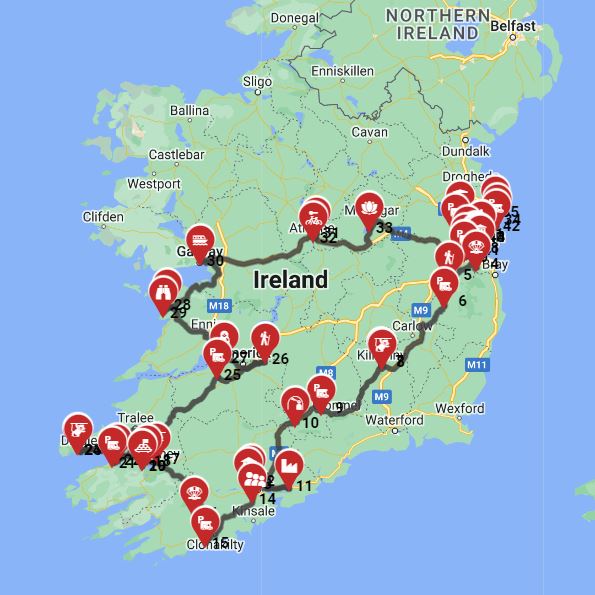
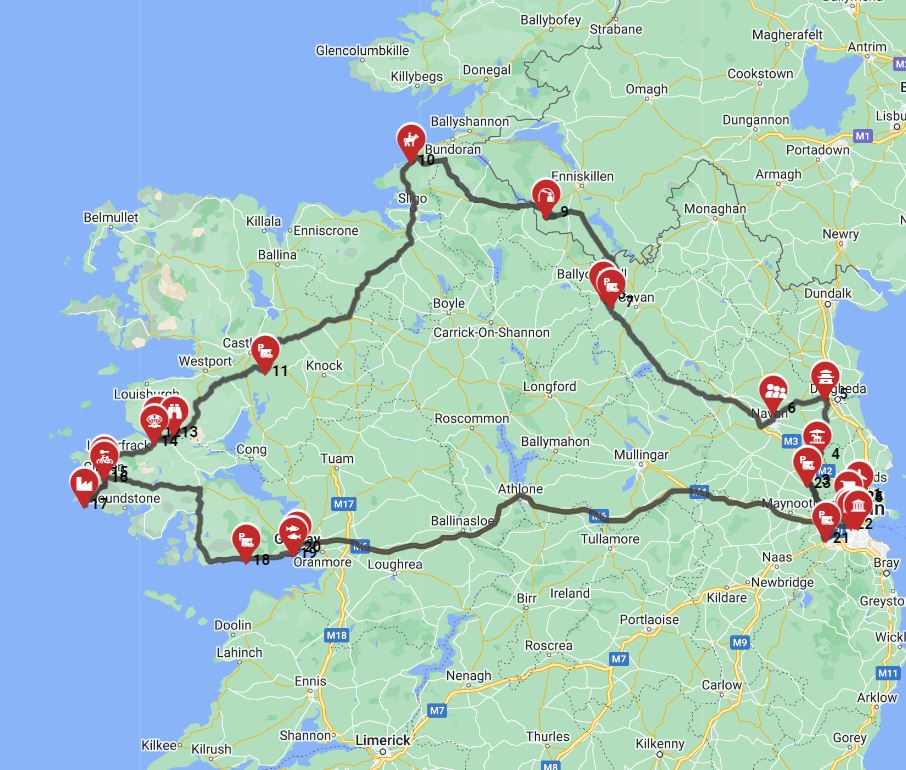
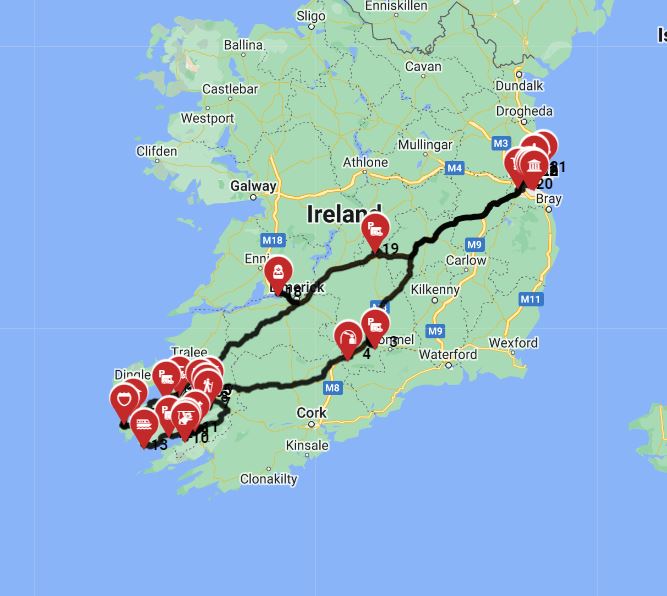
A family RV rental in Ireland offers unparalleled flexibility to explore the Emerald Isle's breathtaking landscapes and vibrant culture at your own pace. A recommended journey often focuses on a mix of coastal drives, historical sites, and charming towns, intentionally minimizing long travel days to ensure a relaxed and engaging experience for everyone. Typical trip durations range from a minimum of 7 days for a focused tour of a specific region to 14 days or more for a comprehensive exploration of the island, including highlights of Northern Ireland. For an in-depth exploration of all things RV rental in the Emerald Isle, be sure to check out our comprehensive RV Rental Ireland - Complete Guide 2026. The best season for an RV trip in Ireland is generally late spring (May-June) or early autumn (September-October) for pleasant weather and fewer crowds, though off-season travel offers unique advantages and potential cost savings as noted in our Cheap RV Rental in Ireland - Budget Guide 2026. An average 7-day trip might cover approximately 700-800 km (430-500 miles), designed for leisurely travel and deep immersion rather than rushing from one spot to the next.7-Day Classic Route in Ireland
This 7-day classic RV itinerary for families provides a balanced introduction to Ireland's stunning west and south-west, emphasizing scenic beauty and cultural stops while keeping daily driving manageable. For more detailed week-long itineraries, explore our Week-Long RV Driving Tour in Ireland 2026 guide.- Day 1: Dublin to Kilkenny (approx. 120 km / 75 miles): Start in Dublin, pick up your rented RV or campervan, and head to the medieval city of Kilkenny. Explore Kilkenny Castle and the Medieval Mile before settling at Kilkenny Tourist Caravan & Camping Park for the night. Focus on supporting local craft shops and traditional pubs for an authentic welcome.
- Day 2: Kilkenny to Cork (approx. 130 km / 80 miles): Drive south to Cork, stopping at the iconic Rock of Cashel en route. In Cork, explore the English Market for local produce and enjoy the city's lively atmosphere. Stay at Blarney Caravan & Camping Park near Cork. Utilize local markets like the English Market for fresh, specialty Irish ingredients, ideal for creating budget-friendly RV meals from our RV-friendly recipes playlist.
- Day 3: Cork to Killarney (approx. 85 km / 53 miles): Journey to Killarney, the picturesque gateway to the Ring of Kerry. Enjoy Killarney National Park, Muckross House, and Torc Waterfall. Overnight at Fossa Caravan & Camping Park, Killarney. Remember to respect local rural community norms, such as quiet hours at campsites and polite interactions with landowners.
- Day 4: Ring of Kerry Scenic Drive (approx. 180 km / 112 miles): Embark on the iconic Ring of Kerry drive, taking your time to soak in the coastal views, charming villages, and historical sites. For motorhomes, it's widely recommended to drive the Ring of Kerry loop counter-clockwise to avoid congestion with tour buses, which predominantly travel clockwise. Return to Fossa Caravan & Camping Park. Be mindful of narrow roads and designated pull-over points for photos.
- Day 5: Killarney to Doolin (approx. 140 km / 87 miles): Travel north through the dramatic landscape of County Clare. Visit the magnificent Cliffs of Moher and the unique Burren region. Enjoy traditional Irish music in Doolin's lively pubs. Stay at Doolin Caravan & Camping Park. Support small businesses by purchasing souvenirs or dining at local establishments.
- Day 6: Doolin to Galway (approx. 80 km / 50 miles): Head to Galway City, known for its vibrant arts scene and Eyre Square. Explore the Latin Quarter and enjoy the street performers. Consider a day trip to the Aran Islands if time permits for a truly unique experience. Stay at Salthill Caravan & Camping Park, Galway. Source fresh seafood directly from coastal towns for delicious meals onboard your rented motorhome.
- Day 7: Galway to Dublin (approx. 210 km / 130 miles): Return to Dublin for RV drop-off, allowing ample time for any last-minute sightseeing or souvenir shopping. This leg is longer but primarily on well-maintained motorways, making for a smooth end to your adventure.
14-Day Extended Journey in Ireland
A 14-day RV adventure in Ireland allows for a deeper exploration of the island's diverse regions, offering a more relaxed pace and opportunities to discover hidden gems beyond the main tourist routes.- Days 1-3: Dublin & East Coast (Dublin to Wexford, approx. 170 km / 105 miles): Begin in Dublin, exploring its historical sites and cultural offerings before picking up your rented campervan. Head south to County Wicklow (the 'Garden of Ireland') and then to Wexford, visiting Powerscourt Estate and the ancient monastic site of Glendalough along the way. Stay at campsites in Wicklow or Wexford. Consider eco-friendly initiatives like buying local produce and minimizing waste to make your extended journey more sustainable.
- Days 4-6: South-West Charm (Wexford to Killarney, approx. 220 km / 137 miles): Journey through Waterford (renowned for its crystal heritage) and Cork, before reaching the stunning Killarney region. Explore the breathtaking scenery of the Dingle Peninsula or the Beara Peninsula, which are often less crowded alternatives to the famous Ring of Kerry. Embrace responsible waste disposal by utilizing designated waste and recycling points at campsites to help keep Ireland beautiful.
- Days 7-9: Wild Atlantic Way Highlights (Killarney to Westport, approx. 280 km / 174 miles): Drive north along the spectacular Wild Atlantic Way, passing through County Clare for the majestic Cliffs of Moher and the unique, lunar-like Burren region. Continue to vibrant Galway City and then on to Westport in County Mayo, known for Croagh Patrick (Ireland's holy mountain) and the rugged beauty of Achill Island. Practice 'leave no trace' principles when visiting natural attractions, ensuring minimal environmental impact.
- Days 10-12: Northwest Mystique (Westport to Donegal, approx. 170 km / 105 miles): Explore the rugged, unspoiled beauty of Donegal, including the dramatic Slieve League Cliffs and the serene Glenveagh National Park. This region offers more opportunities for truly wild and unspoiled landscapes, perfect for those seeking solitude. Be prepared for potentially challenging roads in remote areas and ensure you have local emergency contact numbers (112 or 999) on hand for any breakdowns or medical emergencies.
- Days 13-14: Northern Ireland & Return (Donegal to Belfast, then Dublin for drop-off, approx. 200 km / 124 miles): Cross into Northern Ireland (remembering the currency changes to GBP). Visit the iconic Giant's Causeway and explore vibrant Belfast before heading back to Dublin for your rented motorhome drop-off. Understand the nuances of wild camping legality; generally, it's discouraged in Ireland, but specific permissions might be granted by landowners in certain rural areas. Always seek permission and respect private property.
Recommended RVPlan Trip for Ireland
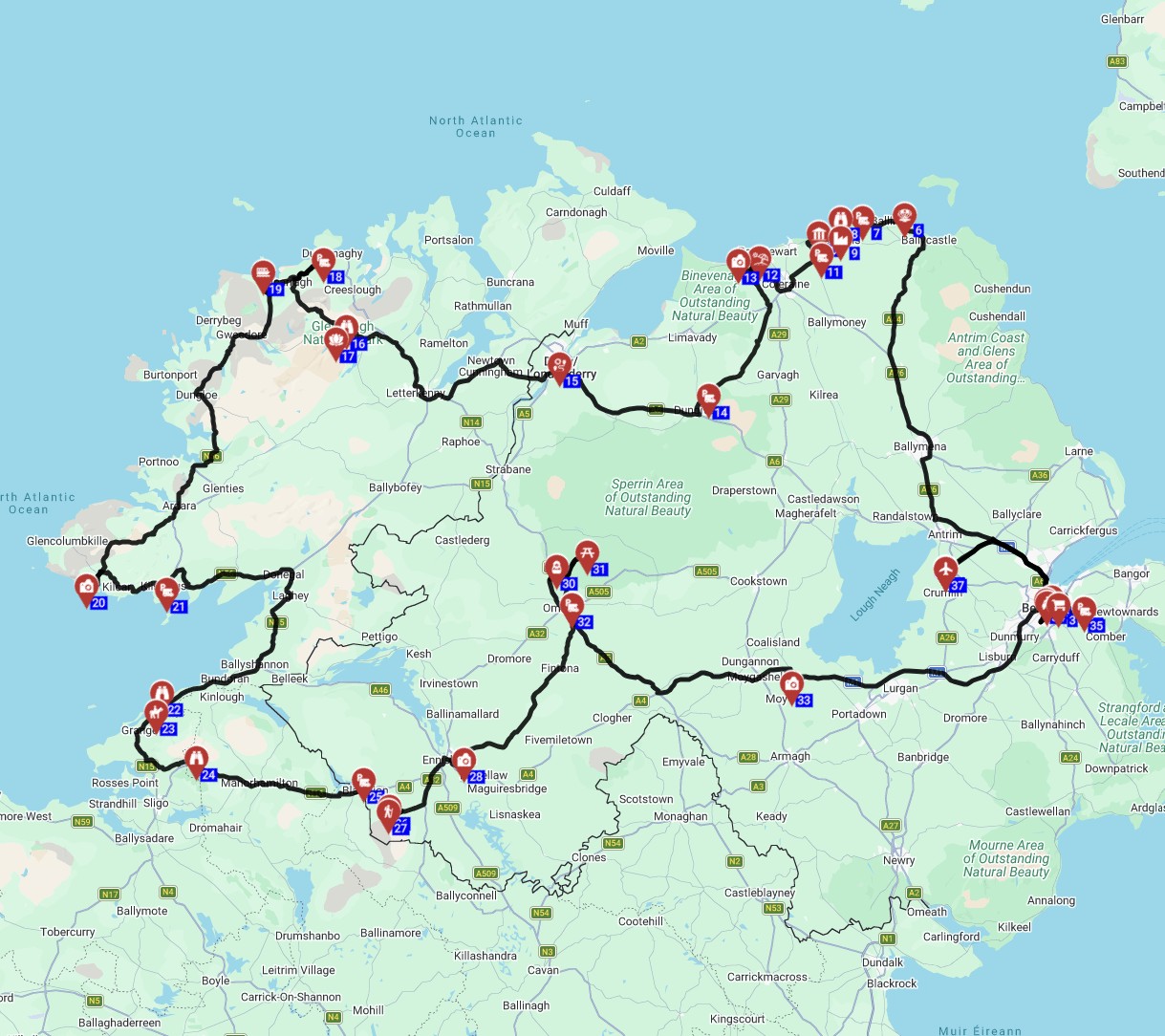
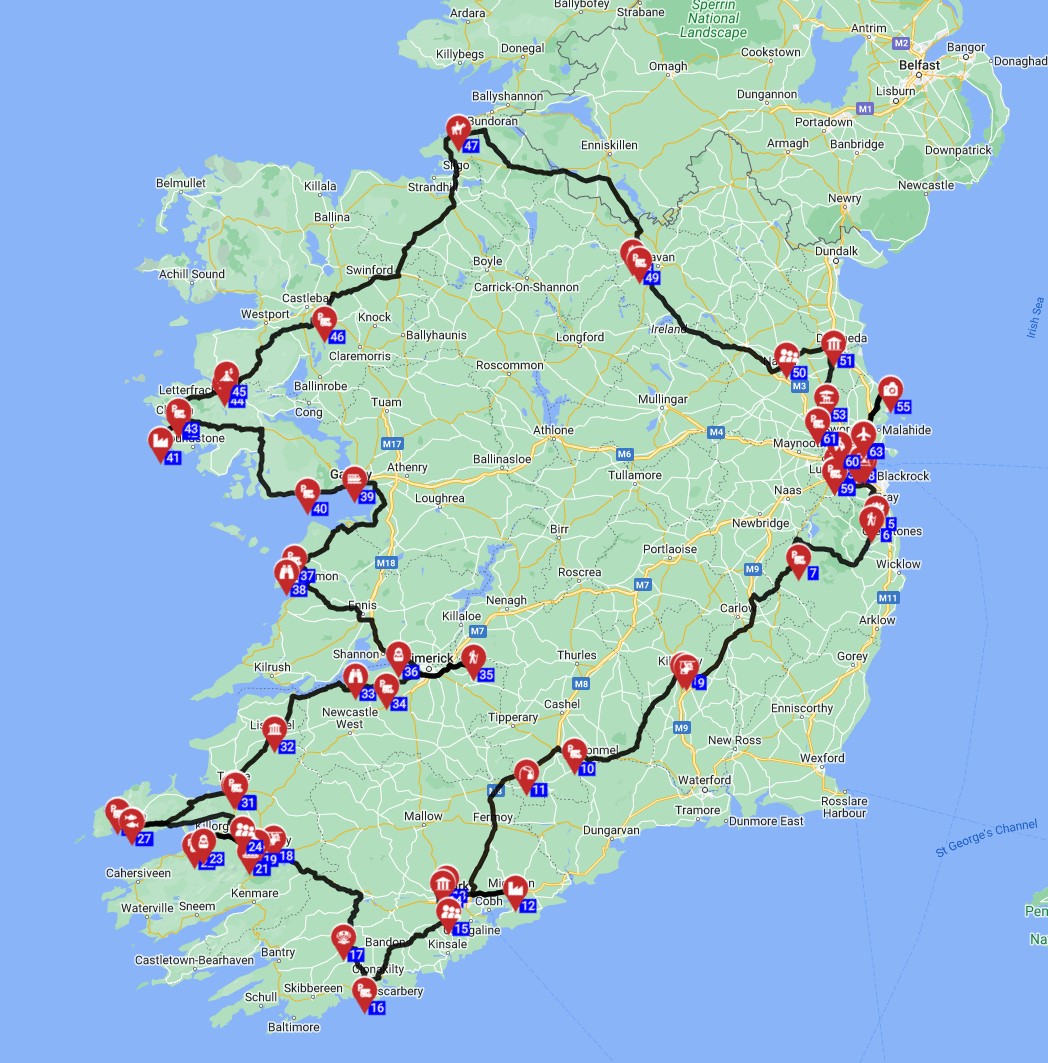
For a comprehensive and expertly curated family RV journey across Northern Ireland, Avi Bandana recommends the '
Belfast Round Trip - Family Motorhome Journey Across Northern Ireland
Belfast Round Trip - Family Motorhome Journey Across Northern Ireland
Must-See Stops Along the Way (Avi Bandana Picks)
Beyond the well-trodden tourist paths, Avi Bandana's personal picks for an RV trip in Ireland focus on authentic experiences that connect you with the local culture and unique landscapes. Looking for expert insights from Avi Bandana? Top 5 Adventures - recommendations from Avi Bandana.- Local Industry Visit: Seek out a local industry, such as a traditional woolen mill or a small-batch distillery. These offer genuine insight into Irish craftsmanship and economy, providing a more engaging experience for families than typical souvenir shops.
- Traditional Visit: Don't miss a 'Traditional Visit' like exploring an ancient monastic site such as Clonmacnoise or a historical fort like Grianán of Aileach. These locations often tell the story of Ireland's rich past in a way that resonates deeply and provides educational opportunities for kids.
- Natural Features: Prioritize natural features such as the dramatic coastal cliffs of Slieve League, unique geological formations like the Burren, or serene national parks such as Glenveagh. These spots are perfect for family hikes, wildlife spotting, and offer stunning photography opportunities from your rented camper.
- Historical Sites: Integrate visits to lesser-known historical sites, perhaps a dolmen or a famine cottage, to gain a deeper, more personal understanding of Ireland's heritage and resilience.
Daily Driving Distances & Drive Times in Ireland
Avi Bandana recommends a maximum of 100 miles or 150 km per day on average when RVing in Ireland to fully embrace the 'slow travel' ethos and allow for winding roads and frequent stops. Driving slowly is crucial in Ireland, enabling families to truly soak in the scenery, navigate narrower routes comfortably, and discover spontaneous stopping points without stress. Irish roads vary significantly, from modern motorways (M-roads) that allow for smooth travel between major cities like Dublin, Cork, and Galway, to single-lane country roads (boreens), especially prevalent in rural and coastal areas. Drive slowly and carefully, and you can drive almost anywhere without issues. No need to stress - just use common sense and pay attention. For example, a journey from Dublin to Galway, approximately 200 km (124 miles), typically takes around 2.5 to 3 hours of pure driving time on main roads, but families should factor in an extra hour or more for stops, breaks, and potential traffic. Driving from Killarney to Doolin, about 140 km (87 miles) through the Wild Atlantic Way, might take 2 hours of direct driving, but with numerous scenic pull-offs, it can easily stretch into a full day's activity.Best RV Class for This Itinerary - Couple & Family Picks
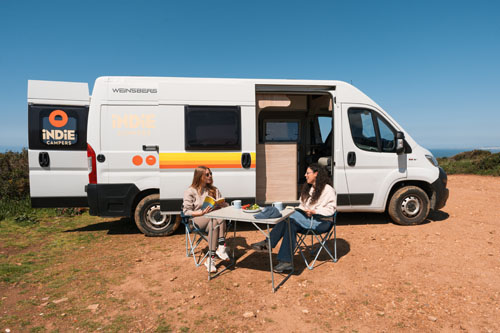
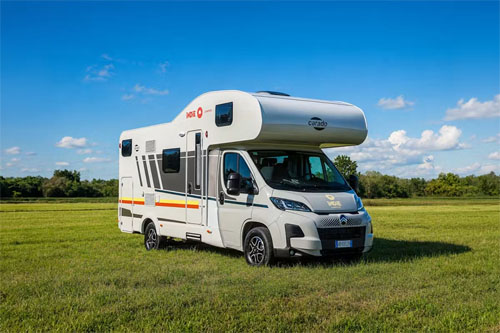
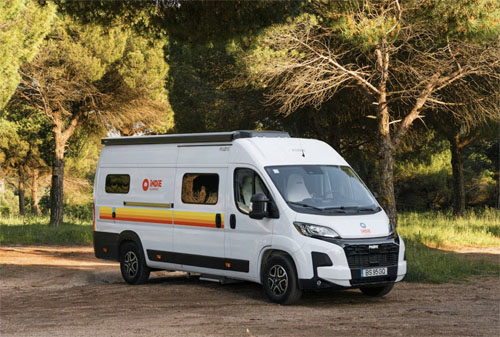
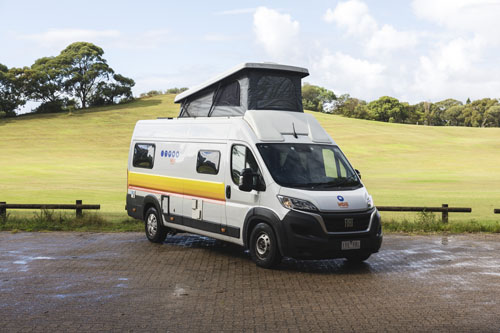
Choosing the right RV class significantly impacts your family's comfort and maneuverability on Irish roads, and Avi Bandana recommends specific classes based on group size and travel style. For Couples: A Class B - Camper Van is often ideal for a family rv rental, as Bandana's global fleet averages 5.8 meters in length, providing nimble handling on Ireland's narrow and winding country roads while still offering essential amenities. These units typically sleep 3.2 people and accommodate 2.7 adults, making them perfect for two with a bit of extra space for a small child or gear. Their smaller footprint makes parking and navigating villages much easier. Consider a `Combi Van` or `Active Pop Top` for ease of driving. For Families: A Class C - Alcove motorhome is an excellent choice for a family rv rental, offering ample space and comfort for larger groups. Bandana's global fleet of Class C - Alcove motorhomes averages 7.5 meters in length, sleeping 5.8 people and accommodating 4.4 adults, providing distinct sleeping areas and a more spacious living environment. While larger, the extra room for family gear and a more comfortable interior for downtime makes it worthwhile, especially for extended road trips like a 14-day itinerary. These vehicles are still manageable on most main Irish routes. Examples include the `24' Class C Motorhome` (sleeping 5 with a 166 Liter fresh water tank) or the `MHC24` (sleeping 6 with 150 Liter fresh water). No matter your choice, Bandana's 'Rent&Plan' service provides both your ideal RV rental and a ready-made itinerary by travel experts, complete with full access to trip-planning software, significantly reducing the planning headache for your Irish adventure.Can you wild camp in an RV in Ireland?
Wild camping in an RV is generally discouraged and often legally restricted in Ireland, though the situation can be nuanced depending on the exact location and whether landowner permission is obtained. Legally, free camping on public land, especially national parks or designated natural areas, is typically prohibited to protect the environment and manage tourism. In very remote rural areas, with explicit permission from a local landowner, it may be possible to overnight; however, this requires direct interaction and a clear understanding of their terms. Responsible wild camping, if permission is granted, demands strict adherence to 'leave no trace' principles, meaning absolutely no rubbish, no damage to vegetation, and ensuring you leave the spot exactly as you found it, or better. Safety is paramount; always choose well-lit, visible spots if considering wild camping without permission, or ideally, opt for established campsites or designated overnight parking areas to avoid issues. Regional variations exist, with some counties being more tolerant than others, but it's always best to assume wild camping is not permitted unless explicit permission is secured, or a designated 'stopover' is advertised. For finding campsites and campgrounds during your trip, we recommend using RV PLANET (rvplan.net) - a great resource for locating available spots along your route.What are the road conditions like for RVs in Ireland?
Road conditions for RVs in Ireland vary significantly, ranging from excellent motorways to narrow, winding country lanes, often presenting unique challenges for different vehicle sizes. Motorways (M-roads) and national primary routes (N-roads) are generally well-maintained and suitable for all RV types, offering smooth travel between major towns and cities. However, once you venture onto regional roads (R-roads) and local country lanes, particularly in scenic coastal areas like the Wild Atlantic Way or the Ring of Kerry, roads can become extremely narrow, often with high hedges, blind spots, and limited passing opportunities. Drive slowly and carefully, and you can drive almost anywhere without issues. No need to stress - just use common sense and pay attention. Smaller RVs, such as Class B campervans (averaging 5.8m in length in Bandana's global fleet), offer greater maneuverability and are generally easier to navigate on these tighter roads, reducing stress. Larger motorhomes (Class C, Alcove; averaging 7.5m in length) require more caution and careful planning, as passing oncoming traffic can be challenging, and some routes might be too tight, potentially requiring a detour. Expect uneven surfaces, potholes in very rural areas, and always be prepared for livestock (sheep, cattle) on the road, particularly in farming communities or national park regions, requiring reduced speeds and increased vigilance.How can I experience local Irish culture with an RV?
Experiencing local Irish culture with an RV involves moving beyond major tourist attractions to immerse yourselves in community life, support small businesses, and engage respectfully with locals. Frequent traditional pubs (often family-friendly during the day) in smaller towns for live music sessions ('trad sessions') and to sample local fare; a polite 'hello' and engaging conversation can open doors to invaluable local insights. Visit local markets, such as the English Market in Cork or smaller farmer's markets across the country, to purchase fresh, regional produce and specialty Irish ingredients, providing excellent opportunities to chat with vendors and prepare authentic meals in your rented motorhome. Attend local festivals or events, which are abundant throughout the year, especially in smaller villages; these can range from music and arts to agricultural shows, offering a genuine glimpse into community life. Support small businesses by purchasing handcrafted goods, dining at independent restaurants, or using local services, which helps sustain rural communities and offers more authentic interactions than larger chain establishments. Embrace rural community norms by being mindful of noise levels, especially at campsites, and demonstrating respect for private property and local traditions, such as acknowledging landowners if you're on their property or nearby.What emergency services are available for RVs in Ireland?
In Ireland, comprehensive emergency services are readily available for RVers, covering medical, fire, and police, accessible through a universal emergency number, alongside specific breakdown assistance for vehicles. The primary emergency contact number in Ireland is 112 or 999, which connects you directly to Ambulance, Gardaí (Police), Fire, and Coast Guard services. For RV breakdowns or roadside assistance, ensure your rental agreement includes a comprehensive breakdown service; major rental companies, including Bandana's trusted suppliers like Apollo and Britz, typically provide 24/7 support with local recovery partners. It's advisable to have a local SIM card or ensure your phone plan covers Ireland for reliable communication in emergencies, especially as mobile signal can be intermittent in very remote areas. Common rural hazards for RVers include encountering livestock on roads, narrow lanes with limited turning space, and sometimes unpredictable weather conditions like sudden heavy rain or high winds, so always drive cautiously. Always carry a basic first-aid kit, know the location of the nearest hospital or GP surgery (which can be found via local tourist information or online maps), and keep a physical map in case GPS signal is lost.How can I make my RV trip to Ireland eco-friendly?
Making your RV trip to Ireland eco-friendly involves conscious choices to minimize environmental impact, conserve resources, and support sustainable local practices. Practice responsible waste disposal by utilizing designated recycling points at campsites and service stations, diligently sorting plastics, glass, and paper, and absolutely avoiding littering, especially in Ireland's pristine natural beauty spots. Conserve water and energy by taking shorter showers, turning off lights and appliances when not in use, and using your rented RV's facilities efficiently, as fresh water and electricity can be limited resources, especially in more remote areas. Support eco-initiatives by choosing campsites or businesses that actively promote sustainability, such as those with solar power, rainwater harvesting, or local produce sourcing programs. Minimize your carbon footprint by planning efficient routes to reduce fuel consumption, opting for slower travel, and choosing a more fuel-efficient RV class, such as a Class B Camper Van (Bandana's global fleet averages around 10 Liters/100 km). Engage in 'leave no trace' principles when visiting natural areas: stick to marked paths, do not disturb wildlife or plants, and carry out everything you carry in, including organic waste.Where can I buy food for an RV trip in Ireland?
Food sourcing for an RV trip in Ireland is easy and offers delightful opportunities to explore local flavors, providing a budget-friendly alternative to eating out constantly. Supermarkets like Tesco, Dunnes Stores, SuperValu, Aldi, and Lidl are widely available in towns and cities across Ireland, offering a comprehensive range of groceries, fresh produce, and RV essentials. For specialty Irish ingredients and fresher, often organic, produce, prioritize visiting local markets and farmer's markets, which can be found in most towns on specific days of the week; these are excellent for unique cheeses, artisanal breads, and fresh seafood. Coastal towns often boast vibrant fresh fishmongers where you can buy the daily catch, perfect for a delicious and healthy seafood dinner cooked in your rented camper. Roadside stalls or farm shops, particularly in rural areas, are fantastic for seasonal fruits, vegetables, and homemade goods, offering a direct link to local producers and supporting local economies. Stock up on basics like milk, bread, and non-perishables at larger stores, but always leave room in your meal planning to explore local culinary delights and specialty items found in smaller shops or markets. For tips on cooking, refer to our RV-friendly recipes playlist.What are the safety tips for RVing in Ireland?
Beyond basic driving rules, ensuring personal safety and securing valuables are key aspects of a worry-free RV trip in Ireland, alongside awareness of common rural hazards. Always lock your rented RV when leaving it unattended, even for short periods, and use any provided security features to deter opportunistic theft. Keep valuables out of sight and ideally in a secure, hidden compartment or on your person, especially when parking overnight in less secure areas or at busy tourist spots. Be aware of common rural hazards such as livestock on roads (sheep, cattle), unmarked turns, and narrow country lanes that may suddenly reduce in width, requiring constant vigilance and slower speeds. When driving, especially on winding roads, be mindful of oncoming traffic and pull over into designated passing points (often marked 'Passing Place') to allow others to pass safely. Research your overnight stops in advance; prefer official campsites with security, or if wild camping (with permission), choose spots that feel safe and are not overly secluded. Familiarize yourself with local emergency numbers (112 or 999) and have a reliable way to communicate in case of an incident, as mobile signal can be spotty in very remote regions. Our trusted suppliers, like El Monte and Cruise America, prioritize your safety and provide support channels throughout your pre-booking and pickup process.Is RVing in Ireland good in the off-season?
RVing in Ireland during the off-season (winter, shoulder seasons like March-April or October-November) can offer significant advantages, unique experiences, and notable cost savings, though it comes with specific challenges. Advantages include substantially fewer crowds at popular attractions, leading to a more serene and authentic experience without the hustle and bustle of peak summer. This quiet time often translates to lower prices for rented RVs and campsite fees, making it an excellent option for those seeking a more budget-friendly adventure. Unique off-season experiences might include dramatic stormy coastal views, vibrant autumnal colors, or cozy evenings by a pub fire with fewer tourists, offering a different, often more intimate, perspective of the landscape and culture. Challenges primarily revolve around weather, which can be unpredictable with more rain, stronger winds, and colder temperatures, potentially impacting driving conditions and outdoor activities. Some campsites, attractions, and rural businesses may operate on reduced hours or close entirely during the deepest winter months, requiring more thorough planning of your itinerary and overnight stops. Despite potential weather challenges, for adventurers seeking solitude and a deeper connection with Ireland's rugged beauty, the off-season provides a rewarding and often more intimate RV travel experience, coupled with notable cost savings on rentals and potentially flights, which you can further explore in our RV Rental Deals in Ireland - Latest Offers 2026.🎬 Video coming soon
What You Shouldn't Miss
- Explore the Skellig Ring in Kerry: A lesser-known, incredibly scenic drive off the main Ring of Kerry, offering dramatic coastal views and the opportunity to visit the UNESCO World Heritage site of Skellig Michael (seasonal boat trips, book in advance).
- Hike in Connemara National Park: Discover the raw, untamed beauty of Connemara with family-friendly trails through mountains, bogs, and grasslands. Diamond Hill offers breathtaking panoramic views.
- Visit the Aran Islands: Take a ferry from Doolin or Rossaveal to one of the Aran Islands (Inis Mór, Inis Meáin, or Inis Oírr) for a step back in time, with ancient forts, drystone walls, and a strong Gaelic culture. Rent bikes for a truly immersive experience.
- Discover the Titanic Belfast Museum: An award-winning, interactive museum in Belfast that tells the story of the Titanic, built in the city, making history engaging for all ages.
- Experience Traditional Music in Doolin: Settle into a cozy pub in Doolin, County Clare, for an authentic traditional Irish music session. Many pubs are welcoming to families during the day and early evening.
- Walk the Giant's Causeway in Northern Ireland: Marvel at the hexagonal basalt columns of this natural wonder, a geological masterpiece steeped in legend.
Final Thoughts
An RV adventure through Ireland is a truly magical way for families to connect with the land, its history, and its warm-hearted people. From the dramatic Cliffs of Moher to the cozy pubs of Doolin, a rented motorhome gives you the freedom to discover Ireland's treasures at your own leisurely pace. Remember our philosophy: Travel slowly, max 100-150 km per day on average. Take time to feel the place, connect to the culture, the food, and the scenery. We believe that God is in the small details, and we take care of them, making a big difference in your travel experience. We handle the booking details, so you can simply live the journey, creating unforgettable memories with your family in a rented campervan or mobile home. Don't just dream of the Emerald Isle; start planning your family RV rental in Ireland today. Compare Motorhome Prices for Ireland and get ready for an adventure of a lifetime!For ideas you can prep on the road, watch our RV-friendly recipes playlist on YouTube.
On the routes offered through RV PLANET routes, you can itemize and track every expense along the way for easy budgeting.