In This Guide
- Can You Drive an RV in Norway? License & Age Rules
- Road Conditions & Terrain in Norway
- RV Size Limits, Bridges & Restricted Zones
- Fuel: Diesel vs. Petrol & Cost per 100 km
- Tolls, Vignettes & Border Rules
- Driving Tips for family rv rental Travelers
- Recommended RV Class for Norway Roads
- Should I Choose a Compact Van Instead of a Large RV in Norway?
- Can I Park Anywhere? Free & Wild Camping Rules in Norway
- Can I Drive an RV Into the City Center? Heights, Tunnels & Local Signage
Norway is an absolute dream for family RV adventures, offering breathtaking fjords, majestic mountains, and endless opportunities to connect with nature. Imagine waking up to a panoramic view of a glassy fjord, the crisp, clean air filling your lungs as your family prepares breakfast in your rented motorhome. With Bandana Caravan, we help make this vision a reality, providing you with the confidence and tools to explore Norway's stunning landscapes.
As true RV specialists, we understand that planning an international family RV trip to Norway comes with unique questions. From navigating scenic routes to understanding local driving regulations, we're here to offer friendly, authoritative guidance every step of the way. Our goal is to ensure your family’s journey is filled with joy and discovery, not hidden fees or unexpected surprises. For live availability and current prices, start with our RV Rental Norway - Complete Guide 2026 guide.
Can You Drive an RV in Norway? License & Age Rules
Yes, you can absolutely drive a rented RV in Norway, and the licensing requirements are quite straightforward for most travelers. A standard Class B driver's license is generally sufficient for operating most rental RVs in Norway, particularly those weighing up to 3,500 kg, which covers many popular campervan and smaller motorhome models. Foreign drivers from EU/EEA countries can confidently use their national license, while those from outside the EU/EEA are recommended to obtain an International Driving Permit (IDP) in addition to their national license for compliance with Norwegian law, though it is not always mandatory. For instance, a common Class B Camper Van like a "Category Van" or a "hire campervan example Paradise S/T" is well within these limits.
Regarding age, the minimum driver age for family RV rental in Norway is 21 years old across most suppliers. Unlike some other destinations, there are no young driver surcharges or vehicle class restrictions based on age when renting with Bandana Caravan's partners. Some rental companies may require drivers to have held their license for a specific period, such as two years, so it's always wise to confirm this detail when booking your chosen camper or motorhome. We make sure there are no surprises, offering full transparency from the moment you start comparing prices.
Road Conditions & Terrain in Norway
Norway boasts an excellent road network, featuring well-maintained surfaces that make RV travel generally comfortable throughout the country. The terrain, however, is predominantly mountainous, characterized by numerous winding roads, steep inclines, and declines, which necessitate cautious driving and lower speeds, especially for larger family RVs. You’ll encounter thousands of tunnels, some of which are remarkably long, narrow, or even include roundabouts inside, requiring close attention to signage and your vehicle's dimensions. For example, the Lærdal Tunnel, at 24.5 km, is designed with special lighting in mountain caves to prevent driver fatigue.
While most major routes are paved, some rural and highly scenic roads may be gravel. Outside of the summer months, ice or snow can be present on mountain passes, which can influence travel times and necessitate appropriate tires. The key to enjoying Norway's breathtaking landscapes in a rented motorhome is embracing slow, scenic travel, averaging no more than 100-150 km per day. This approach allows ample time for frequent stops to appreciate the fjords, waterfalls, and quaint villages, creating cherished family memories.
🎬 Video coming soon
RV Size Limits, Bridges & Restricted Zones
While most Norwegian roads can accommodate rented RVs, drivers must remain aware of varying height and weight restrictions, particularly on older routes, under low bridges, and within certain tunnels. Common height limits for tunnels and underpasses can range from 3.5 to 4 meters, and checking specific signage before proceeding is always crucial. Some older or less-traveled bridges may also have weight limits, typically 5-8 tonnes, which could affect very large Class A motorhomes, though most Class C motorhomes and campervans are well within these limits.
Environmental zones or low-emission zones exist in larger cities such as Oslo and Bergen, which may impose restrictions or charges on older or larger vehicles. Prior research for your specific rented motorhome is recommended if you plan to enter these zones. Additionally, ferry services, a common and essential part of traversing Norway's stunning fjords, have capacity limits and pricing structured around vehicle length and weight. It's vital to factor these details into your route planning, especially for larger Class C or Class A motorhomes, to ensure a smooth and enjoyable journey.
Fuel: Diesel vs. Petrol & Cost per 100 km
Most rental RVs in Norway, including those within Bandana Caravan’s extensive fleet, predominantly run on diesel fuel, which is widely available at service stations throughout the country. When planning your family RV rental in Norway, it's important to know that fuel prices are generally higher compared to many other European countries, making it a significant part of your overall trip budget. For example, a Class SI - Semi-integrated RV typically averages 10-11 Liters/100 km, while a Class C - Alcove might consume 10-12 Liters/100 km. Smaller Class B - Camper Vans are more fuel-efficient, often achieving 8-10 Liters/100 km.
To help manage these costs, it's beneficial to factor these consumption rates into your daily budgeting. While rental companies don't typically offer universal fuel discount cards, keeping track of your expenses is easy with tools like RV PLANET routes, where you can itemize and track every expense along the way. Planning your stops strategically to refuel in less remote areas can sometimes offer slight savings, but overall, expect fuel to be a notable expense. On the routes offered through RV PLANET routes, you can itemize and track every expense along the way for easy budgeting.
Tolls, Vignettes & Border Rules
Norway operates a highly efficient automatic toll system known as AutoPASS, which is applied to most roads, bridges, and tunnels, effectively eliminating the need for traditional vignettes. The good news for family RV renters is that most rental motorhomes come equipped with an AutoPASS transponder. This allows for seamless passage through toll points, with charges typically aggregated and conveniently billed by the rental company after your trip. There are no specific time-based vignettes required; instead, tolls are dynamic, based on distance traveled, the type of vehicle (RV length and weight), and the specific location. For travelers considering a route like Stockholm Round trip - Sweden, Denmark and Norway Family Adventure, understanding how tolls work across borders is key.
Pre-purchasing a toll pass through your rental company, if available, can help simplify budgeting and avoid unexpected fines. When embarking on cross-border adventures to neighboring countries like Sweden or Finland, standard border crossing procedures and customs regulations apply, but no specific additional vehicle passes are typically required for these land or ferry crossings. Always remember to carry your passport, driver's license, and rental documents when traveling internationally with your rented campervan.
Driving Tips for family rv rental Travelers
Driving a family RV in Norway is an incredibly rewarding experience, and with a few key tips, you'll navigate its stunning routes like a pro. First, plan frequent stops; with children, scheduling breaks every 2-3 hours allows everyone to stretch, play, and refuel. This also provides drivers with essential rest and the opportunity to soak in the incredible scenery. Remember to always respect speed limits; Norway has strict regulations (often 80 km/h on rural roads and even lower in towns and tunnels), and fines can be substantial, making adherence crucial for both safety and your budget.
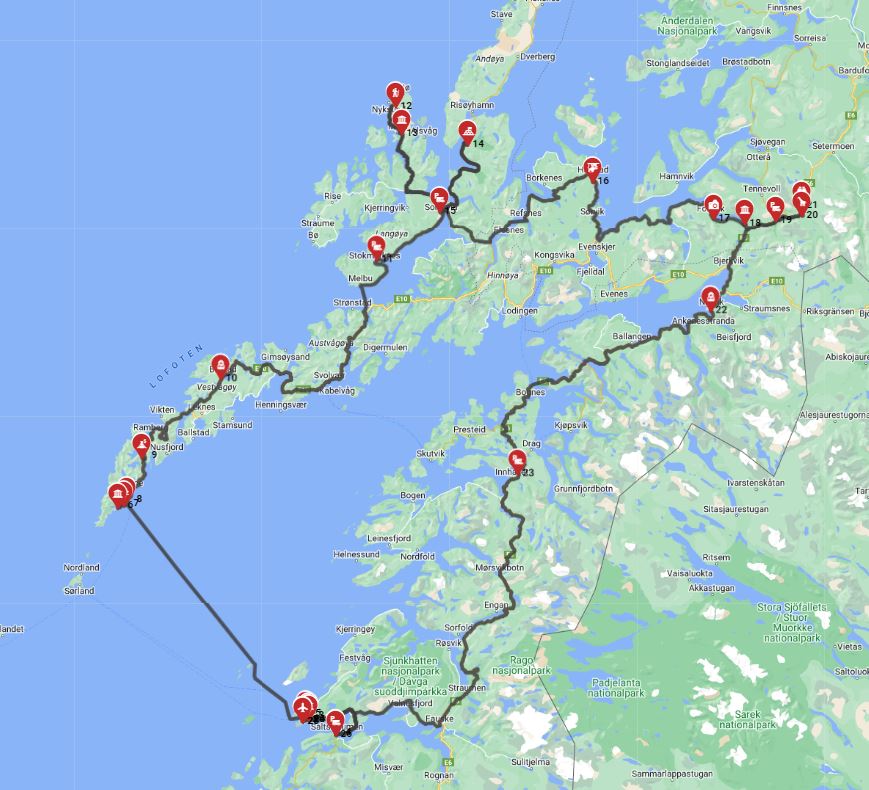
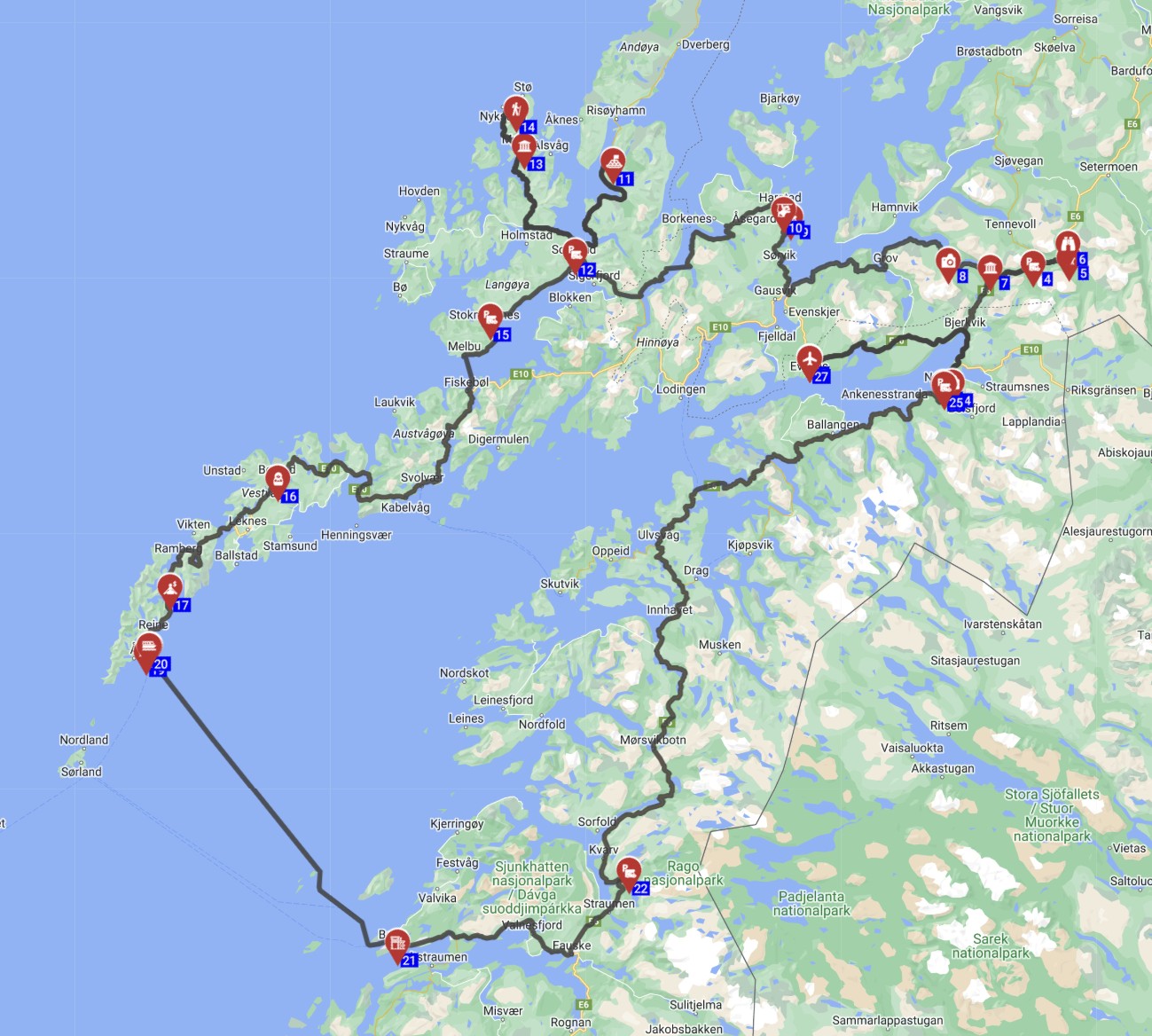
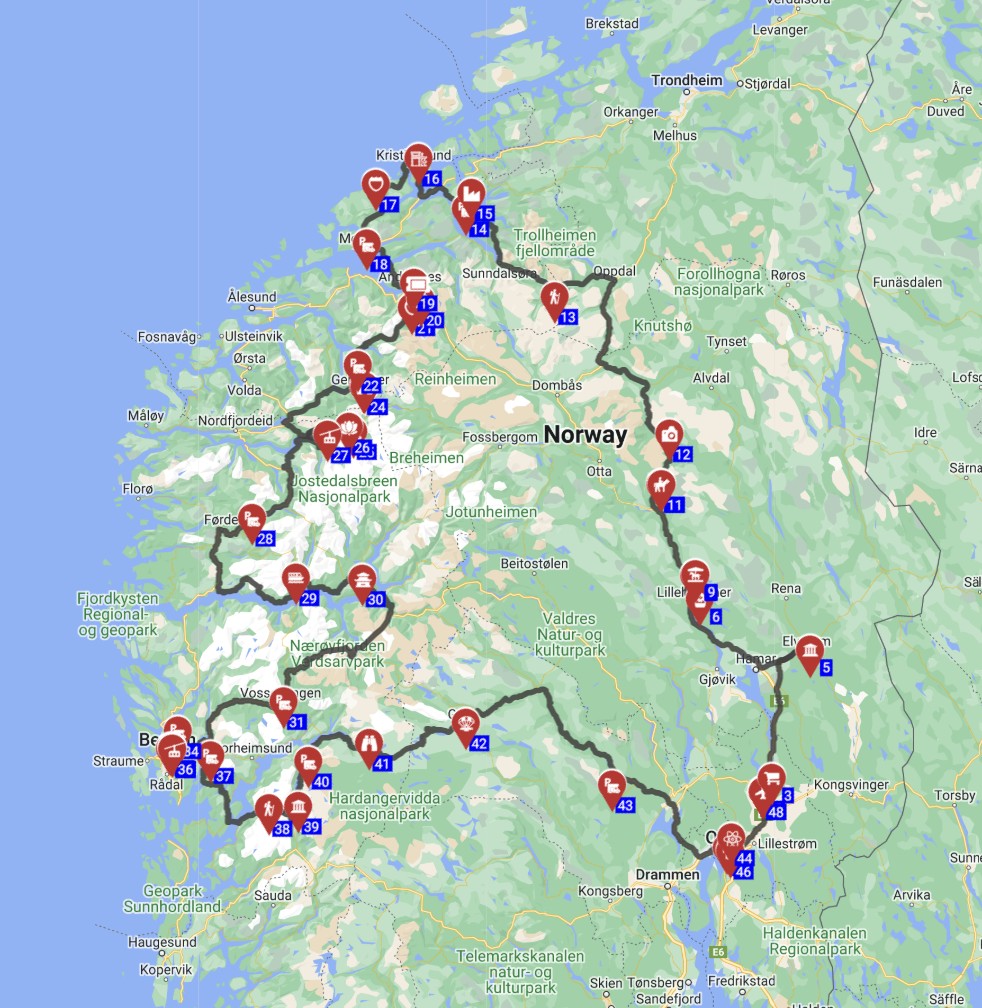
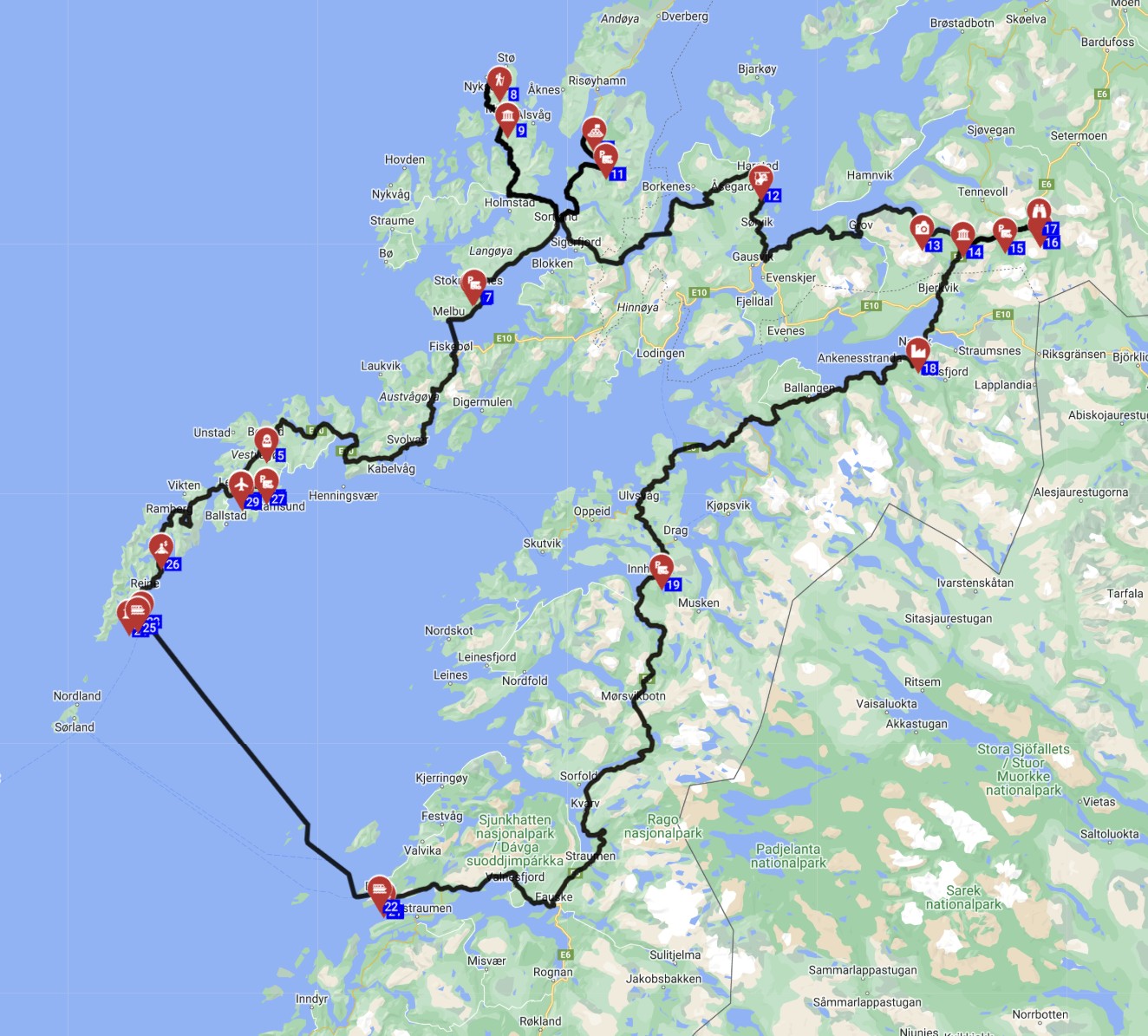
Be prepared for ferries, as many of Norway's most scenic routes involve crossing picturesque fjords. Research schedules and consider booking in advance during peak season, especially if you're traveling with a larger RV. Keep a watchful eye for wildlife, such as moose, reindeer, and sheep, which can unexpectedly appear on roads, particularly in rural areas at dusk or dawn. Lastly, master narrow roads and tunnels: many mountain roads are single-lane with passing points, so learn to yield to oncoming traffic by backing up to the nearest passing point if necessary. Tunnels can be very long and sometimes include roundabouts, so always follow signage carefully. Drive slowly and carefully, and you can drive almost anywhere without issues. No need to stress - just use common sense and pay attention. For a pre-planned journey, consider a Bergen Round trip - Norway’s Coastal Wonders, which covers 782.9 km and includes 2 cruise terminal/sailing stops.
Recommended RV Class for Norway Roads
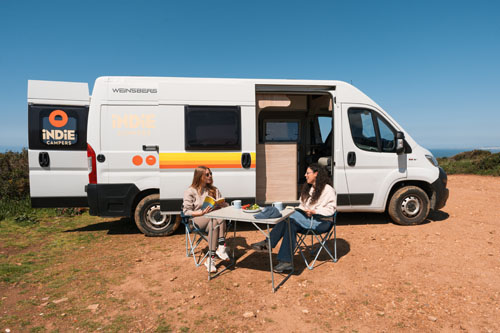
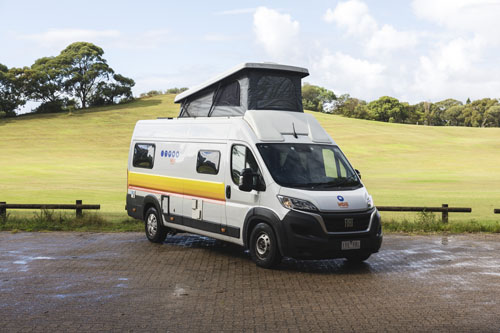
For family RV travel in Norway, the Class B - Camper Van and Class SI - Semi-integrated motorhomes offer the best combination of maneuverability for diverse roads and comfortable living space. Our global fleet includes excellent options, such as the `Category Van` or the `hire campervan example Paradise S/T`. Class B - Camper Vans, with an average length of 5.8 meters, are highly agile for Norway's winding roads, narrower passages, and city parking. They comfortably sleep an average of 3.2 people (2.7 adults) and typically consume around 8-10 Liters/100 km, making them a great choice for couples or small families.
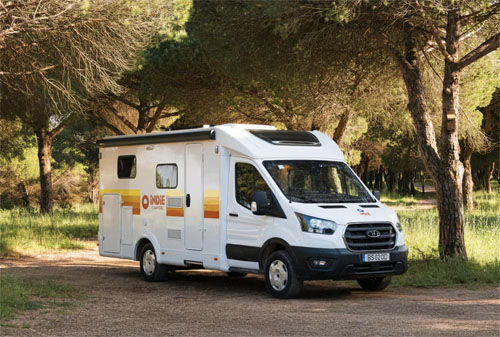
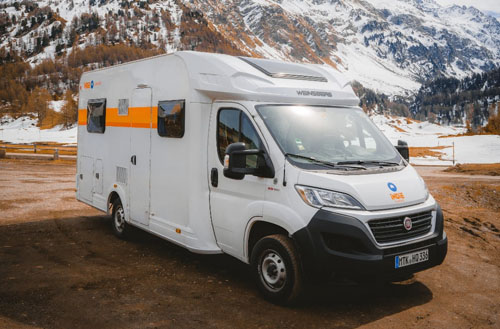
Class SI - Semi-integrated RVs, averaging 6.9 meters in length, provide more interior space, amenities, and sleeping capacity (an average of 3.8 people, 3.4 adults) than a campervan, while still being manageable on most Norwegian roads. Bandana's fleet models, such as the "Active Standard Auto" or "Class Comfort", typically consume 10-11 Liters/100 km. While larger Class C - Alcove motorhomes (avg. 7.5 meters), like a "Motorhome MC6 Gold", offer greater sleeping capacity (avg. 5.8 people, 4.4 adults) and more extensive kitchens perfect for preparing RV-friendly recipes playlist, they may present more challenges on very tight mountain roads. However, they remain suitable for main routes and larger families seeking extra room and amenities. Remember, our experienced team, true RV specialists, is here to guide you to the perfect vehicle for your Norway adventure.
Should I Choose a Compact Van Instead of a Large RV in Norway?
While a compact van offers superior maneuverability on Norway's tightest roads and easier parking in historic city centers, a larger RV generally provides more comfort and essential living space for families without significant driving hindrance on most primary and secondary routes. Compact vans, such as Bandana's Class B Camper Vans like the `Juliette 2-3` model, are indeed advantageous for very narrow mountain passes, negotiating small villages, and finding parking in busy urban areas. However, these benefits often come at the expense of interior space and amenities.
Larger RVs, such as Class SI Semi-integrated or Class C Alcove models, offer crucial amenities like bigger bathrooms, more private sleeping areas, greater storage for family luggage, and expanded living spaces, which can significantly enhance comfort on longer week-long or two-week adventures. Most main Norwegian roads and scenic routes are well-suited for standard-sized motorhomes up to 7.5 meters, meaning the driving experience for a larger RV is often not overly restrictive. Ultimately, the choice prioritizes family comfort and practical living space for an extended road trip over the marginal maneuverability benefits of a much smaller vehicle. We handle the details, you live the journey!
Can I Park Anywhere? Free & Wild Camping Rules in Norway
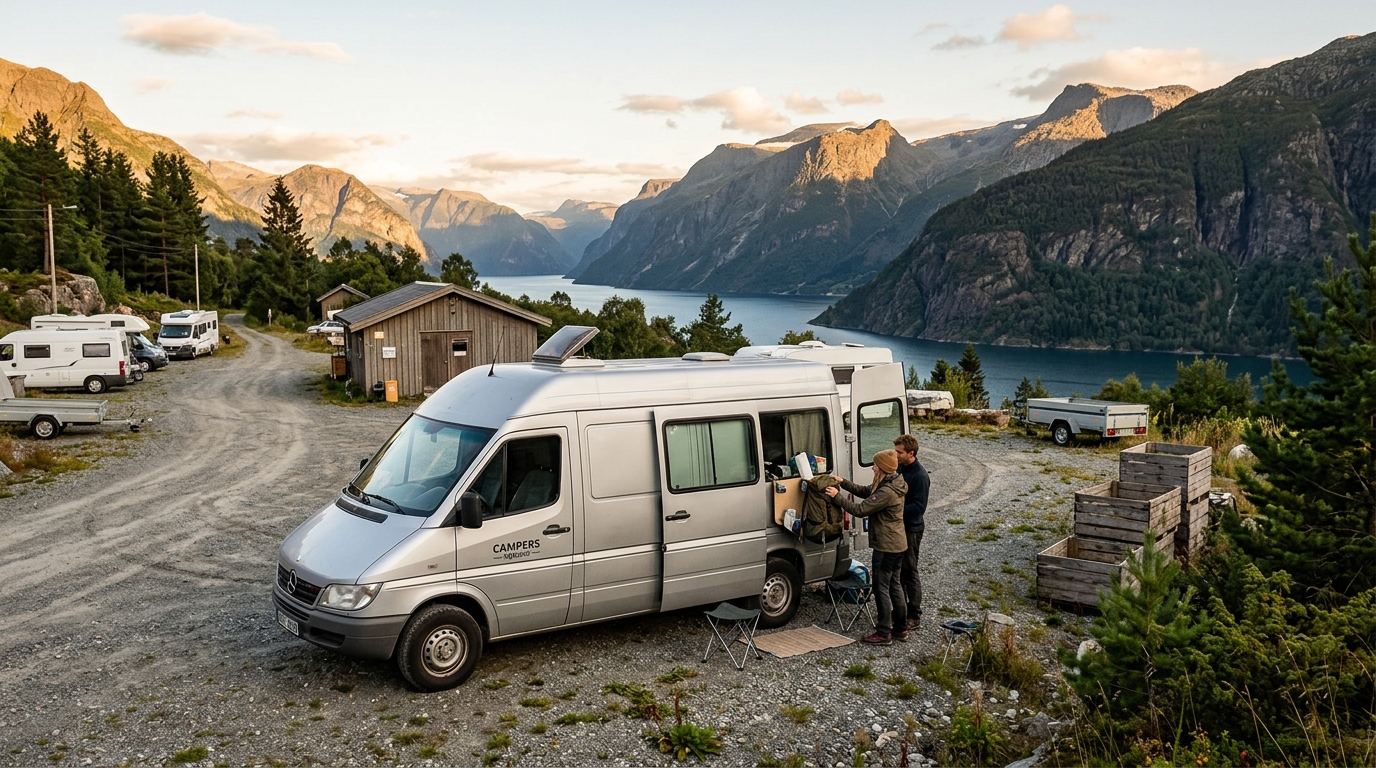
Norway's 'Allemannsretten' (Everyman's Right) generally permits wild camping, offering families incredible flexibility to park their rented RV overnight in undeveloped areas, provided they adhere to specific guidelines and respect local regulations. This unique right allows for camping for up to two nights on uncultivated land, as long as you maintain a distance of at least 150 meters (490 feet) from the nearest inhabited house or cabin, and you consistently leave no trace behind. It’s crucial to always obtain permission from the landowner before parking or camping on cultivated land, which includes fields, gardens, and pastures.
Strictly practice 'leave no trace' principles by packing out all rubbish, disposing of human waste responsibly, and avoiding open fires unless in designated areas or during periods of low fire risk. Designated motorhome parking areas, known as 'stellplatz' or 'bobilparkering', are common in towns and tourist areas, offering convenient parking, often with basic services like waste disposal and sometimes electricity. Rules and fees vary by region, so always check local regulations and follow local law before parking overnight. For finding campsites and campgrounds during your trip, we recommend using RV PLANET (rvplan.net) - a great resource for locating available spots along your route. You'll find a spot; if not at the first campground, then the next one. Call ahead before driving to confirm availability.
Can I Drive an RV Into the City Center? Heights, Tunnels & Local Signage
Yes, driving a rented RV into Norwegian city centers is generally possible, but it requires careful attention to local signage, particularly regarding height restrictions for tunnels and parking limitations. While most main city roads are navigable for motorhomes and campervans, pay close attention to height limit signs, especially when attempting to enter underground parking garages (which are often too low for RVs) or specific tunnels, which can have clearances as low as 3.5 meters. Drive slowly and carefully, and you can drive almost anywhere without issues. No need to stress - just use common sense and pay attention.
Many Norwegian cities, including popular destinations like Oslo and Bergen, have environmental zones or 'miljøsoner' that may restrict older, larger, or more polluting vehicles, or require a fee; researching specific city regulations in advance is highly advisable. Parking for larger RVs in city centers can be challenging to find and often expensive, making it advisable to utilize park-and-ride options or designated RV parking areas on the outskirts and then use public transport. Always respect local signage for 'residents-only' streets, no-stopping zones, and specific vehicle type restrictions to avoid fines, ensuring a smooth urban experience.
What You Shouldn't Miss
- **Fjord Exploration by Ferry:** Take a ferry through Geirangerfjord or Nærøyfjord, both UNESCO World Heritage sites, to truly experience Norway's iconic landscapes. This offers a unique perspective you can't get from the road.
- **The Atlantic Ocean Road:** Drive the dramatic Atlanterhavsveien, an 8.3-kilometer coastal road that hops across small islands with eight distinctive bridges, feeling the ocean spray on your RV.
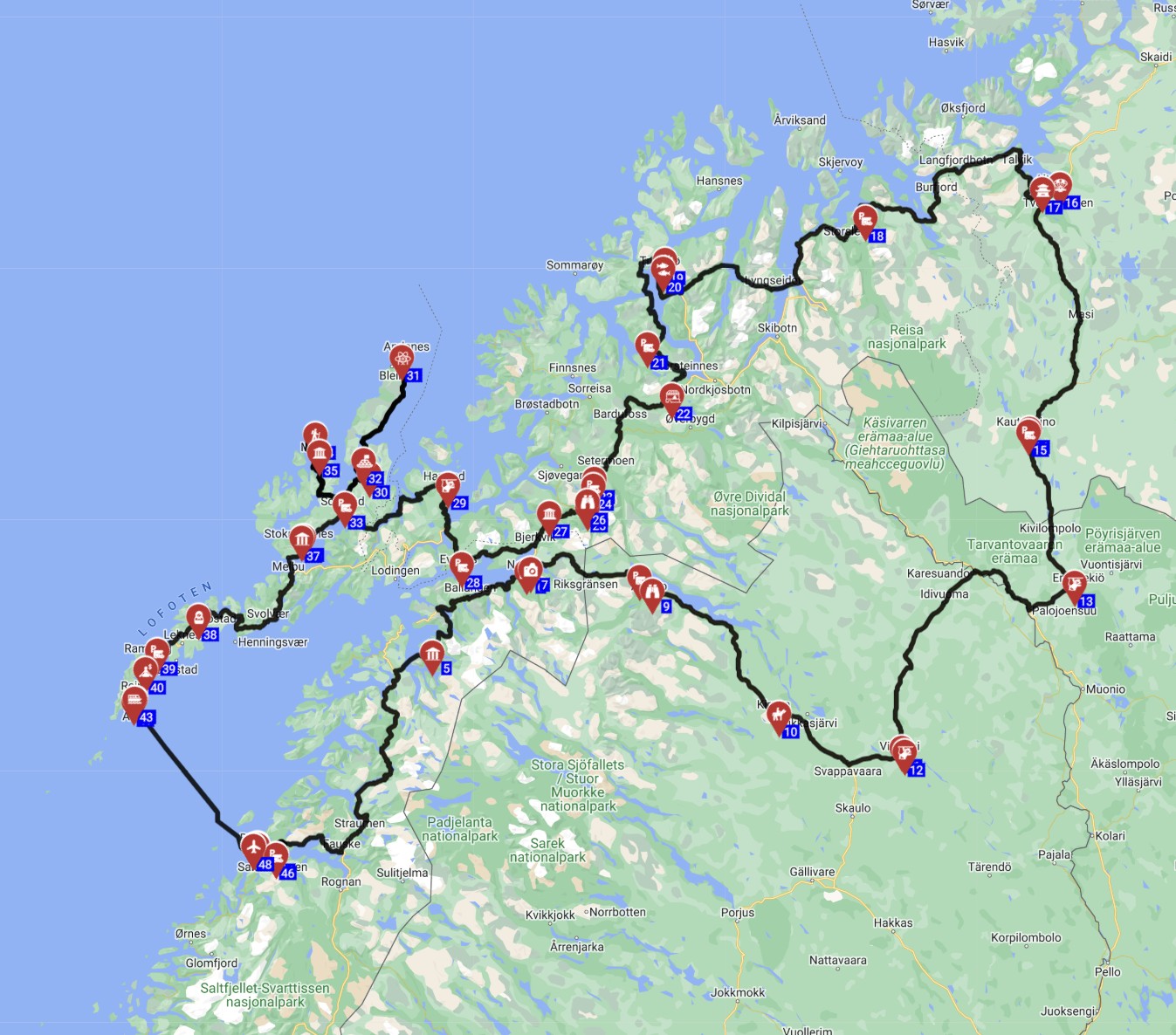
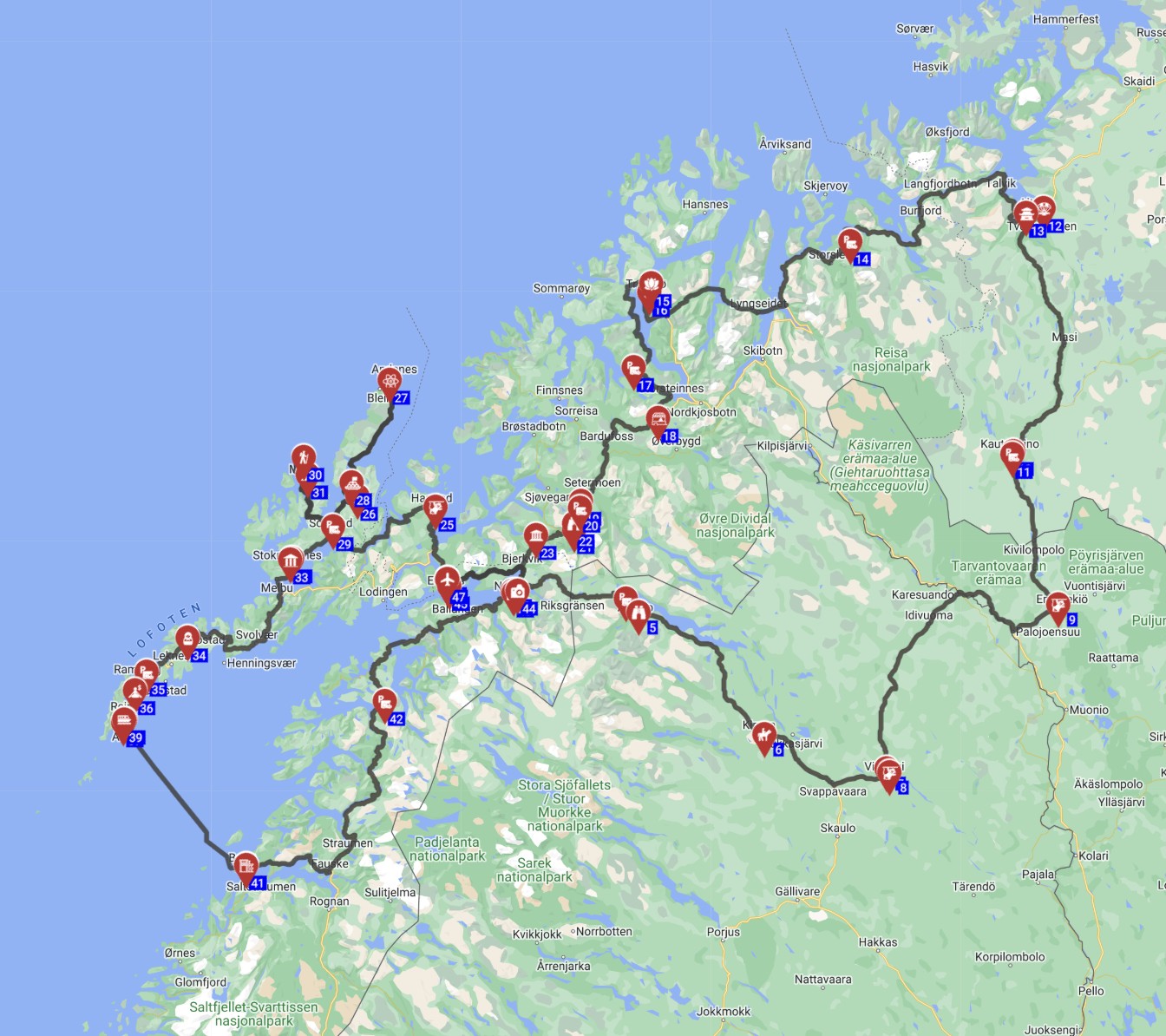
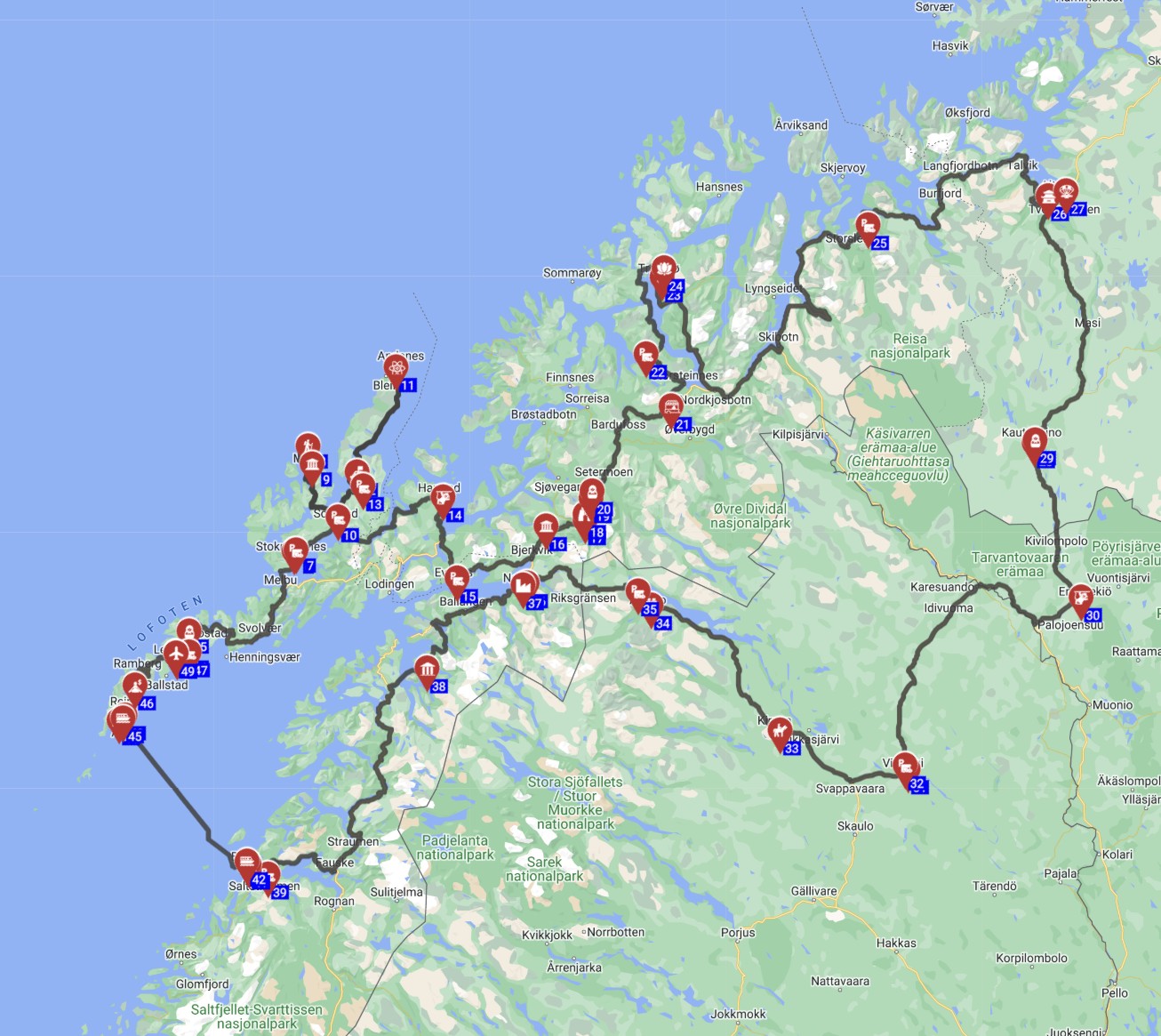
- **Tromsø's Arctic Wonders:** Explore the Arctic capital, Tromsø, and embark on a Northern Lights chase (seasonal) or a whale-watching tour. Consider the Tromsø Round Trip - Arctic Wonders: Northern Norway Family Road Trip for a 15-day adventure covering 2402.5 km and including 3 wildlife watch activities and 4 museums.
- **Hiking in National Parks:** Immerse yourselves in Norway's natural beauty with family-friendly hikes in Jotunheimen National Park or the trails around Pulpit Rock (Preikestolen) near Stavanger.
- **Discover Coastal Cities:** Wander through the charming Hanseatic Wharf (Bryggen) in Bergen or enjoy the art nouveau architecture of Ålesund. For more options, explore cities like Alesund, Bergen, Bodo, and Haugesund for RV pickup.
- **Avi Bandana's Top 5 Adventures:** Looking for expert insights from Avi Bandana? Discover top destinations, planning tips, all in one place!
Final Thoughts
Embarking on a family RV adventure in Norway is an experience unlike any other, promising unforgettable landscapes and cherished memories around every bend. With your rented motorhome or campervan, you have the freedom to explore majestic fjords, charming coastal towns, and dramatic mountain passes at your own pace. We encourage you to travel slowly, averaging a maximum of 100-150 km per day, allowing your family to truly feel the place, connect to the local culture, savor the food, and immerse yourselves in the stunning scenery.
Don't let the thought of Norwegian roads intimidate you; with a little planning and our expert guidance, you’ll find navigating them to be part of the adventure. Remember, Bandana Caravan is with you every step of the way, from comparing prices and booking your ideal family RV to providing support and transparency throughout the entire process. Your dream Norwegian road trip awaits!
Ready to discover Norway's coastal wonders or chase the Northern Lights? Plan a trip itinerary in advance with minimal effort and maximum enjoyment.