In This Guide
- Can You Drive an RV in Central North US? License & Age Rules
- Road Conditions & Terrain in Central North US
- RV Size Limits, Bridges & Restricted Zones
- Fuel: Diesel vs. Petrol & Cost per 100 km
- Tolls, Vignettes & Border Rules
- Driving Tips for family rv rental Travelers
- Recommended RV Class for Central North US Roads
- Should I Choose a Compact Van Instead of a Large RV in Central North US?
- Can I Park Anywhere? Free & Wild Camping Rules in Central North US
- Can I Drive an RV Into the City Center? Heights, Tunnels & Local Signage
- What is the 3 3 3 rule for RV driving?
- What states have banned RVs?
- How big of an RV can you drive with a regular driver's license?
- Can your family ride in a RV while it drives?
- What is the 3-3-3 rule for RV living?
- Which state is the most RV friendly?
- What is the largest RV you can drive without a special license?
- What states require a special RV license?
- Can I sleep in RV while driving?
- Who has the least expensive RV insurance?
Imagine yourself on the open road, children laughing in the back, the vast landscapes of the Central North US unfolding before you. Renting a family RV is the ultimate way to experience the heartland of America, offering unparalleled freedom and comfort for your adventure. From the sprawling prairies to majestic national parks, an RV rental transforms your trip into a memorable mobile home experience. For live availability and current prices, start with our RV Rental Central North US - Complete Guide 2026 guide, designed to help you navigate your journey with confidence.
Can You Drive an RV in Central North US? License & Age Rules
Yes, you can absolutely drive a rented RV in Central North US with a standard driver's license. Most RVs, especially those available for family rental trips, fall within the weight limits that a regular Class D (or equivalent) driver's license covers. This typically includes motorhomes with a Gross Vehicle Weight Rating (GVWR) of up to 26,000 pounds (approximately 11,793 kg), encompassing most Class C and Class B campervan models. For Bandana RV rentals, the minimum driver age is 21, and there are no young driver surcharges or specific vehicle class restrictions based on age, making RV travel accessible for many families. Foreign drivers will need a valid driver's license from their home country, and while not always mandatory, an International Driving Permit (IDP) translated into English is highly recommended for smooth travel.
We are true RV specialists, focused exclusively on RV travel, offering unmatched personal experience and attention to the smallest details. We want to ensure you're well-prepared for your Central North US adventure. For those looking for more specific pricing information, consider checking out our "RV Rental in Central North US for Couples - Pricing 2026" or "Cheap RV Rental in Central North US - Budget Guide 2026" to help plan your trip effectively.
Road Conditions & Terrain in Central North US
Central North US generally features excellent road conditions with well-maintained interstates and state highways, making it very RV-friendly. The vast majority of the region consists of flat plains terrain, particularly in states like North Dakota, South Dakota, Nebraska, Kansas, Iowa, and large portions of Minnesota and Missouri. While these long, straight roads offer smooth cruising, they can be susceptible to strong crosswinds, so handling your rented motorhome with care and attention is always wise. In more rural areas, national grasslands, and state parks, you might encounter unpaved gravel roads; driving slowly and cautiously on these surfaces is always recommended to ensure a comfortable and safe journey for your family. Sudden weather shifts, including thunderstorms and hail, are possible, especially during spring and summer, so stay vigilant and check forecasts frequently. Although predominantly flat, areas like the Ozarks in Missouri or the Black Hills of South Dakota introduce rolling hills and some mountainous terrain with winding roads, requiring attentive braking and appropriate gear selection for a smooth journey.
RV Size Limits, Bridges & Restricted Zones
In Central North US, most standard bridges readily accommodate rented RVs, but always be mindful of general US height limits, typically around 13 feet 6 inches (approx. 4.1 meters). While significantly low bridges are less common on main routes outside older urban centers, it is critical to pay attention to all posted signage, especially on secondary roads or when entering smaller towns. Weight limits are rarely an issue for standard rented family RVs on major roads, but always observe any posted bridge weight restrictions on smaller or historic routes. Unlike some European cities, environmental zones with vehicle access restrictions for emissions or noise are generally not a concern for RVs in Central North US cities. Ferry travel is quite uncommon for most itineraries in this landlocked region, but if your route involves crossing a large lake such as Lake Michigan (on its eastern border), be sure to check specific ferry operator length and weight restrictions beforehand.
Fuel: Diesel vs. Petrol & Cost per 100 km
Understanding fuel types and costs is key to budgeting for your Central North US RV adventure. Most larger rental motorhomes, including many Class C and Class A models, typically run on diesel fuel, while smaller Class B campervans and some gasoline-powered Class C models use gasoline (petrol). Both diesel and petrol are widely available across Central North US, though it's always wise to plan your fuel stops in very remote areas where stations might be sparse. Based on Bandana's global fleet averages and assuming an average fuel price of $4.00/gallon for diesel and $3.50/gallon for petrol in Central North US: a Class C RV, averaging 10-12 Liters/100 km, could cost approximately $10.50-$12.50 per 100 km. A Class B Camper Van, averaging 8-10 Liters/100 km, could cost approximately $8.50-$10.50 per 100 km. Remember, prices are dynamic and change daily, so these are estimates. Some Bandana rentals may even offer fuel discount cards, which can help reduce your overall ancillary costs by providing savings at participating stations. You can track every expense along your route using RV PLANET routes for easy budgeting. On the routes offered through RV PLANET routes, you can itemize and track every expense along the way for easy budgeting.
Tolls, Vignettes & Border Rules
Tolls are generally less prevalent in the Central North US compared to more densely populated coastal regions, though they do exist on specific highways or bridges. For instance, you might encounter tolls on portions of the Illinois Tollway or the Kansas Turnpike. Always check your planned route for potential toll roads, as paying them electronically in advance or carrying cash can save time and avoid potential higher fees or mailed violation notices. Vignettes, which are common for road access in some European countries, are not used in the United States. There are no international border crossings directly from the Central North US states into neighboring countries without first passing through other US states. For convenient toll management, some Bandana RVs may offer electronic toll passes (e.g., E-ZPass compatible devices) as an optional add-on, streamlining your travel through any tolled areas.
🎬 Video coming soon
Driving Tips for family rv rental Travelers
Embarking on a family RV adventure in Central North US means embracing the open road with a few key considerations for smooth sailing. Firstly, plan frequent stops, ideally every 2-3 hours, especially on those long stretches of plains roads. These breaks are perfect for stretching, letting the kids explore, and discovering charming roadside attractions. Secondly, monitor local weather forecasts and wind conditions regularly. Central North US can experience sudden shifts, including strong crosswinds that require extra attention, particularly for larger RVs. Be prepared to slow down or pull over if conditions become challenging. Thirdly, for a stress-free trip, pre-book your campsites during peak season (summer, fall foliage) as popular state parks and private campgrounds can fill up quickly. However, don't worry too much: many national/state parks reserve only 25-30% of spots, with the rest being first-come-first-serve. You'll find a spot; if not at the first campground, then the next one. Just call ahead before driving! Lastly, consider packing for remote areas: cell signal can be unreliable in vast parts of the Central North US, so download offline maps, carry physical maps, and think about satellite communication devices for emergencies. Remember to travel slowly, aiming for a maximum of 100-150 km per day on average, to truly feel the place and connect with the culture, food, and scenery.
Recommended RV Class for Central North US Roads
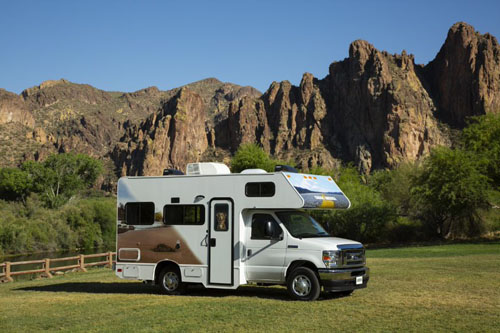
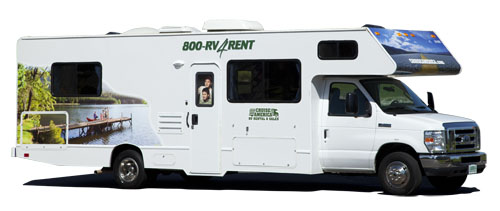
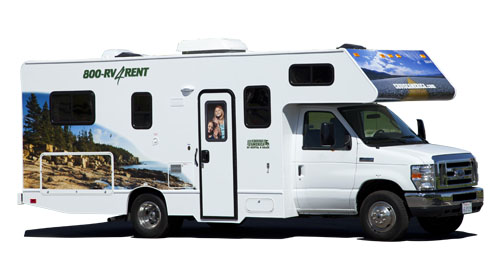
For family RV rentals in Central North US, a Class C (Alcove) or Class SI (Semi-integrated) motorhome is highly recommended, offering a superb balance of comfort, space, and manageable driving characteristics. Class C RVs, with an average length of around 7.5 meters and typically offering 5-8 sleeping places, provide ample room for families, often featuring a convenient over-cab bunk that kids love. Class SI RVs, averaging about 6.9 meters in length with 3-5 sleeping places, offer a more aerodynamic profile, which can be advantageous when dealing with the strong Central North US winds, while still providing comfortable living space. Both of these classes boast sufficient ground clearance for the well-maintained paved and gravel roads common in national parks and rural areas, ensuring a comfortable journey without sacrificing maneuverability. Whether you choose a "cruise america rv rental example Explorer" or a "rent motorhome example D2", you'll find a wide range of options to suit your family's needs. We partner directly with over 50 leading RV suppliers worldwide, including El Monte and Cruise America, to bring you the best selection.
Should I Choose a Compact Van Instead of a Large RV in Central North US?
For most family RV travel in Central North US, there is generally no significant issue driving larger motorhomes, as the roads are typically wide and well-suited for all vehicle sizes. The primary benefit of a larger RV, such as a Class C or Class SI, is the significantly greater comfort and indoor space it provides for your family, which often outweighs the slight gain in maneuverability a compact campervan offers in this region. A compact van (Class B Camper Van), typically averaging around 5.8 meters in length like the "Category Van" or the "hire campervan example Paradise S/T", might be genuinely helpful for navigating very tight historic city centers (like parts of Chicago or St. Louis), fitting into smaller, more rustic campsites, or if your family consists of only 2-3 people and prioritizes slightly better fuel efficiency. However, for a typical family seeking comfort, separate sleeping areas, and full amenities for an extended road trip, sticking with a larger RV offers a superior experience, as parking and driving are usually manageable across the vast landscapes of the Central North US. Ultimately, the choice depends on your family size and travel priorities; Bandana helps you compare final prices across 50+ suppliers to find the perfect fit.
Can I Park Anywhere? Free & Wild Camping Rules in Central North US
While specific free camping rules vary significantly across Central North US, generally, dispersed camping (also known as 'boondocking') is permitted in many designated areas on public lands managed by agencies like the Bureau of Land Management (BLM) and within National Forests. States such as South Dakota and North Dakota contain large tracts of National Grasslands where dispersed camping might be allowed under specific conditions, often requiring you to be a certain distance from developed areas or water sources. Many private businesses, including large retailers like Walmart and outdoor supply stores like Cabela's, along with some truck stops, often allow overnight RV parking with prior permission. It is critical to understand that these are typically for short, overnight stays and not for extended camping. Before parking your rented RV overnight, always check local regulations, respect posted signage, and follow local laws concerning fire restrictions, waste disposal, and maximum length of stay to ensure a hassle-free trip. For finding campsites and campgrounds during your trip, we recommend using RV PLANET (rvplan.net) - a great resource for locating available spots along your route.
Can I Drive an RV Into the City Center? Heights, Tunnels & Local Signage
Yes, you can almost always drive a rented RV into city centers in Central North US, but careful attention to local signage is absolutely critical to avoid any issues. Always watch for posted height limits on bridges, in tunnels, and when considering entering parking garages, as many garages simply cannot accommodate the height of a motorhome. Be aware that some urban areas may have local 'environmental zones' or 'residents-only' streets that might restrict larger vehicles, though these are much less common in US cities compared to European counterparts. Finding suitable parking for a larger RV in a busy city center can be the biggest challenge; it's always a good idea to research public parking lots or designated RV parking areas beforehand, or even consider parking on the outskirts and using public transit to explore the heart of the city. While specific regulations vary, cities like Minneapolis, Chicago, or St. Louis will naturally present more restrictive parking and navigation challenges than smaller towns, so a bit of pre-planning goes a long way.
What is the 3 3 3 rule for RV driving?
The 3-3-3 rule for RV driving is a popular and practical guideline recommending that RVers drive no more than 300 miles a day, arrive at their destination by 3 PM, and stay for a minimum of 3 nights. This rule is designed to prevent driver fatigue, allow ample time for setting up camp and relaxing, and encourage a slower, more enjoyable pace of travel, which is particularly beneficial for family RV trips in the Central North US. Adhering to the 3-3-3 rule helps minimize stress, provides valuable flexibility for unexpected stops at interesting sights, and ensures families can fully experience each location without feeling rushed. Traveling slowly, a maximum of 100-150 km per day on average, allows you to truly feel the place, connect to the culture, the food, and the scenery, making your RV rental adventure even richer.
What states have banned RVs?
No state in the U.S. has outright 'banned' RVs, meaning you are generally free to travel with your rented motorhome across any state, including those in Central North US. However, specific cities, counties, or local ordinances may have restrictions on where RVs can park or be used for overnight stays. These restrictions often relate to overnight parking on residential streets, limitations on the length of stay in certain public areas, or boondocking restrictions on non-designated lands. For family RV rentals in the Central North US, it's typically safe to travel freely, but always exercise common sense and check local laws and signage for your specific destination, especially when considering urban parking or overnight stays outside of established campgrounds. Be sure to check guides like "RV Travel Guide to Central North US - Tips and Top Spots 2026" for region-specific advice.
How big of an RV can you drive with a regular driver's license?
In most U.S. states, including all states within the Central North US, you can drive a rented RV with a standard Class D driver's license as long as its Gross Vehicle Weight Rating (GVWR) is under 26,001 pounds (approximately 11,794 kg). This weight threshold covers the vast majority of family RV rentals available, including nearly all Class C motorhomes, Class B campervans, and many semi-integrated Class SI models. This makes RV travel highly accessible for most drivers without needing to obtain any special licenses or additional permits. Only RVs significantly exceeding this weight, or those towing exceptionally heavy trailers, might require a non-commercial Class B or Class A license, but these are typically beyond the scope of a standard rental fleet.
Can your family ride in a RV while it drives?
Yes, your family can certainly ride in a rented RV while it drives, provided that all passengers are properly secured in a designated seat with a seatbelt. For safety, it is both illegal and highly unsafe for passengers to be unrestrained, walking around, or sleeping in non-belted areas, such as an over-cab bunk or dinette benches not equipped with seatbelts, while the motorhome is in motion. To ensure optimal safety and comfort, especially for longer stretches in Central North US, ensure all family members, particularly children, are buckled into appropriate car seats or seatbelts. Even minor bumps or sudden braking can be significantly magnified inside a moving RV, so securing everyone is paramount for a safe journey.
What is the 3-3-3 rule for RV living?
The '3-3-3 rule for RV living' is a variation of the driving rule, sometimes interpreted as spending no more than 3 hours a day driving, traveling no more than 300 miles, and staying in a location for at least 3 days. This approach extends beyond just driving to encompass a broader travel philosophy focused on quality over quantity. Alternatively, it can refer to a budgeting approach: keeping costs for 3 main categories (fuel, camping, food) in check, or planning for 3 types of activities (relaxation, adventure, cultural immersion) during a 3-day stay. The core intent of the 3-3-3 rule, whether for driving or general living, is to promote a relaxed, sustainable, and enjoyable RV lifestyle, avoiding burnout from constant travel and allowing deeper engagement with each destination, which is ideal for a fulfilling family trip in the Central North US. Consider browsing our "RV Rental Deals in Central North US - Latest Offers 2026" to make your trip planning even more affordable.
RV-friendly recipes playlist can be a great resource for meal planning during your stay!Which state is the most RV friendly?
While 'most RV friendly' is subjective and depends on individual preferences, states often cited for their RV amenities, natural beauty, and welcoming regulations include Florida, Arizona, Texas, and Oregon. Within the Central North US, states like South Dakota particularly stand out as highly RV-friendly. This is largely due to its incredible national parks (such as Badlands and Wind Cave National Parks) and iconic monuments (like Mount Rushmore), abundant camping opportunities, and generally welcoming attitude towards outdoor recreation. Factors contributing to RV friendliness in the region include widely available campgrounds, easy access to dump stations, typically relaxed boondocking rules on many public lands, and a wealth of attractive natural attractions that are perfectly suited for exploration with a rented motorhome or campervan.
What is the largest RV you can drive without a special license?
The largest RV you can typically drive without a special license in the Central North US, as well as most other U.S. states, is one with a Gross Vehicle Weight Rating (GVWR) of up to 26,000 pounds (approximately 11,794 kg). This substantial weight capacity includes a wide variety of rental vehicles, such as many large Class C motorhomes, semi-integrated Class SI models, and even some smaller Class A (integrated) motorhomes, depending on their specific weight rating. This generous limit ensures that families can rent comfortable and spacious RVs without the need for additional licensing or commercial driver's licenses (CDLs). Only motorhomes larger or heavier than this specific threshold, or those configured for particular commercial purposes, would typically require a non-commercial Class A or B license.
What states require a special RV license?
Only a handful of U.S. states require a special (non-commercial Class A or B) driver's license for certain large or heavy RVs, typically those with a Gross Vehicle Weight Rating (GVWR) exceeding 26,000 pounds or for specific combinations of RVs and towed vehicles. These states commonly include California, Hawaii, Maryland, New Mexico, New York, Nevada, North Carolina, Pennsylvania, South Carolina, Texas, and Washington. For family RV rentals in the Central North US, the standard Class D driver's license is generally sufficient for virtually all motorhomes and campervans available through rental suppliers, as most fall comfortably below the 26,000-pound GVWR threshold that triggers special licensing requirements in those specific states. You can embark on a week-long trip with confidence, knowing licensing requirements are straightforward. For planning one-way options, our "One-Way RV Rental in Central North US - Price Guide 2026" offers useful information.
Can I sleep in RV while driving?
No, it is generally unsafe and often illegal for passengers to sleep in a rented RV in any area not equipped with a seatbelt while the vehicle is in motion. All passengers, including children and adults, must remain seated in a designated seat and securely fastened with a seatbelt when the motorhome is driving to ensure their safety in case of sudden stops, sharp turns, or an accident. Allowing family members to sleep in unbelted beds or to move freely in the living area while the RV is underway poses significant risks and violates traffic safety regulations in most jurisdictions across the Central North US. Prioritizing safety means everyone is buckled up when the wheels are turning.
Who has the least expensive RV insurance?
There is no single insurer that consistently offers the 'least expensive' RV insurance, as rates depend heavily on numerous individual factors. These factors include the specific value and type of your rented RV, its age, the driver's record, estimated mileage, and the chosen coverage levels. Major insurance providers such as Progressive, GEICO, National General, and Good Sam (often partnered with National General) are well-known for offering competitive rates and specialized RV coverage. For family RV rentals arranged through Bandana, essential insurance coverage is typically included in the overall rental cost. However, it is always a smart practice to thoroughly review the policy details provided by your supplier or consider purchasing supplemental coverage offered by the rental company or your personal auto insurance for added peace of mind during your extended road trip in Central North US. For premium options and associated costs, check our "Luxury RV Rental in Central North US - Premium Prices 2026" guide.
What You Shouldn't Miss
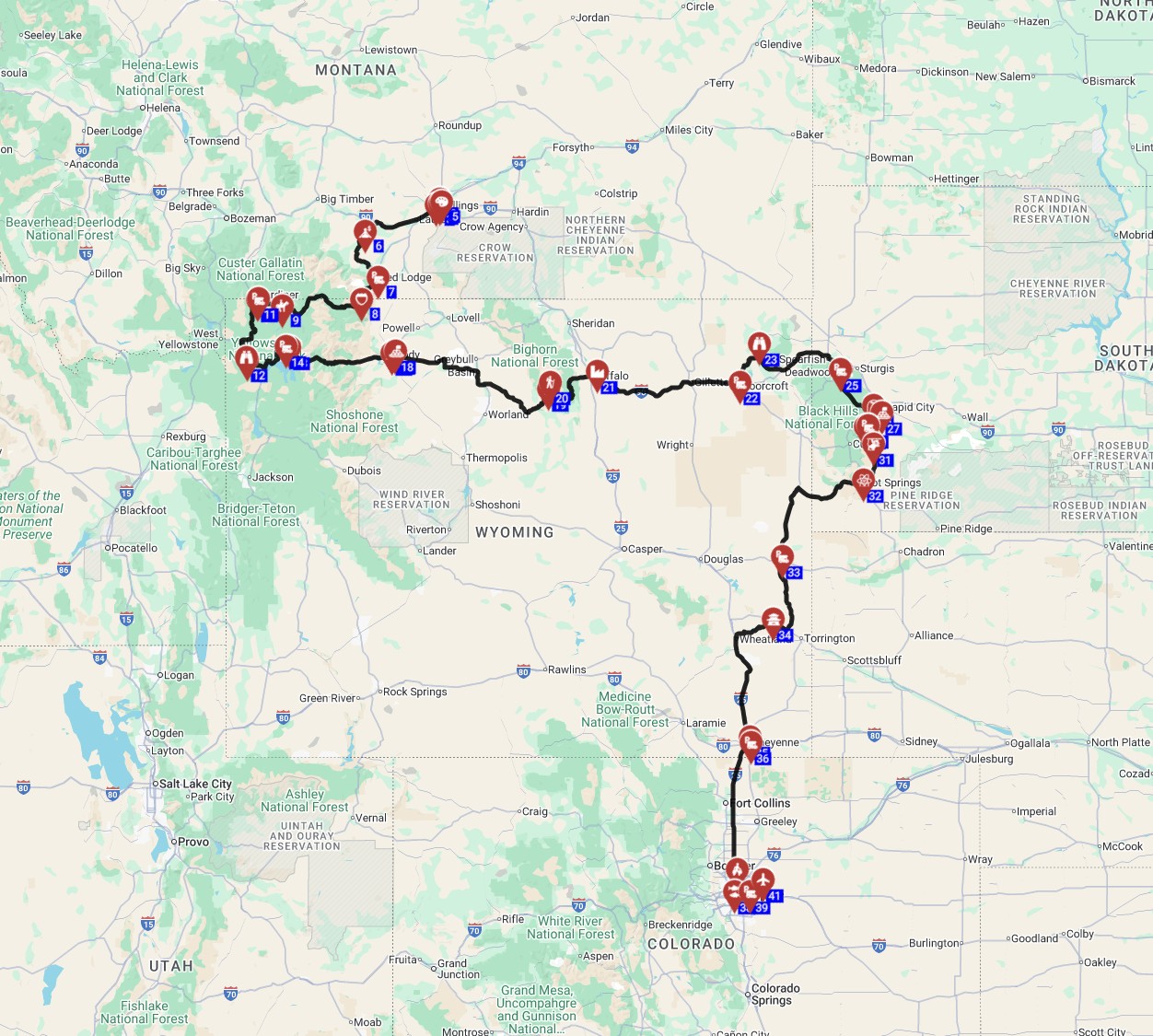
- **Badlands National Park, South Dakota:** Drive a rented motorhome through dramatic pinnacles and spires, offering incredible views of unique geological formations and opportunities to spot bison and prairie dogs.
- **Mount Rushmore National Memorial, South Dakota:** Witness the monumental carved faces of four U.S. presidents, a truly iconic American landmark easily accessible with RV parking.
- **Gateway Arch National Park, Missouri:** Explore the iconic Gateway Arch in St. Louis, symbolizing westward expansion, with dedicated RV parking often available nearby to enjoy city attractions.
- **Boundary Waters Canoe Area Wilderness (BWCAW), Minnesota:** While not RV-accessible directly, use your rented campervan as a base camp in nearby towns to launch a canoe adventure into this pristine wilderness.
- **Theodore Roosevelt National Park, North Dakota:** Experience the rugged beauty of the Badlands, where bison roam and wild horses gallop, offering scenic drives perfect for a family RV trip.
Looking for expert insights from Avi Bandana? Top 5 Adventures - recommendations from Avi Bandana.
Final Thoughts
A family RV rental in Central North US offers a unique opportunity to create lasting memories, with the freedom to explore at your own pace. The region's wide-open roads and abundant natural beauty make it an ideal destination for motorhome and campervan adventures. Remember to drive slowly and carefully, soaking in every moment of this incredible landscape.
Whether you're a meticulous planner or a spontaneous traveler, Bandana Caravan is here to support you every step of the way, from comparing prices to coordinating your booking. We're committed to making your RV journey as enjoyable and stress-free as possible.
So, why wait? Get inspired for your next trip and discover the endless possibilities of a family RV adventure in Central North US. We're confident you'll find the perfect mobile home to rent and embark on an unforgettable journey.
Compare Family RV Rental Prices for Central North US Now!