In This Guide
- Can You Drive an RV in Australia? License & Age Rules
- Road Conditions & Terrain in Australia
- RV Size Limits, Bridges & Restricted Zones
- Fuel: Diesel vs. Petrol & Cost per 100 km
- Tolls, Vignettes & Border Rules
- Driving Tips for Rv Rental Travelers
- Recommended RV Class for Australia Roads
- Should I Choose a Compact Van Instead of a Large RV in Australia?
- Can I Park Anywhere? Free & Wild Camping Rules in Australia
- Can I Drive an RV Into the City Center? Heights, Tunnels & Local Signage
- Can you sleep in a motorhome while driving in Australia?
- Are RVs allowed in Australia?
- How much does it cost to travel around Australia in a motorhome?
- What is the average cost of insuring a motorhome in Australia?
Imagine yourself traversing the vast, awe-inspiring landscapes of Australia, from its sun-drenched coastlines to its rugged red heart, all from the comfort and freedom of your own rented motorhome. Australia offers an unparalleled road trip experience for families, couples, and friends seeking adventure and exploration. With Bandana Caravan, your journey is transparent, supported, and tailor-made for discovery. We've been helping tens of thousands of travelers explore the world by RV since 2001, forging direct partnerships with over 50 leading RV suppliers worldwide, including trusted names like Apollo and Britz. For live availability and current prices, start with our RV Rental Australia - Complete Guide 2026 guide.
Embarking on an RV adventure in Australia promises unforgettable memories, offering the flexibility to chase sunsets, discover hidden gems, and truly immerse yourselves in the local culture and stunning scenery. We're here to ensure you have all the authoritative information you need to plan your safe and seamless Australian RV escapade, making sure there are no hidden fees or surprises along the way.
Can You Drive an RV in Australia? License & Age Rules
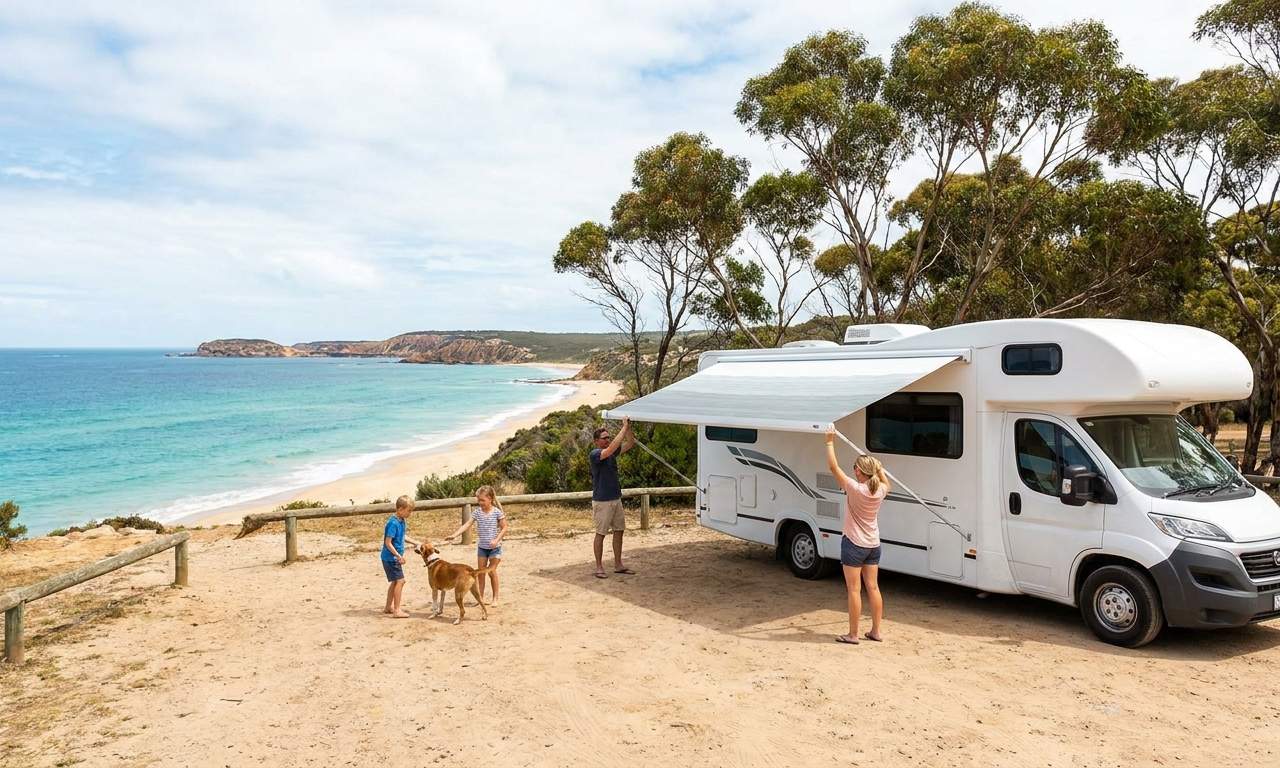
A standard car driver's license, such as an Australian 'C' class, or an equivalent international or US license, is generally sufficient for operating most rental RVs in Australia, provided the vehicle's Gross Vehicle Mass (GVM) does not exceed 4.5 tonnes. This means that whether you're behind the wheel of a compact campervan like a Bandana Class B - Camper Van or a spacious Class C - Alcove motorhome, your regular license should cover you. For vehicles exceeding 4.5 tonnes GVM, a light rigid (LR) or medium rigid (MR) license may be required, but most rental fleet motorhomes fall within the standard category.
The minimum driver age for RV rentals across Australia is typically 21 years. Unlike some other destinations, there are no young driver surcharges or vehicle class restrictions based on age, making RV travel accessible for younger adventurers too. International visitors, including those from the US, can legally drive in Australia for up to three months with a valid foreign driver's license, provided it is in English. If your license is not in English, an International Driving Permit (IDP) or an official English translation must be carried alongside your original license for clarity and compliance. This ensures a smooth start to your journey as true RV specialists, we prioritize your peace of mind and strive for full transparency in all requirements.
Road Conditions & Terrain in Australia
Australia features an extensive network of well-maintained sealed roads, particularly along popular coastal routes and major highways like Highway 1, which are generally excellent for all motorhome types. While venturing off the main arteries may lead to unsealed gravel or dirt tracks, especially in regional and outback areas, most rented RVs from Bandana Caravan are 2WD and specifically recommended for sealed roads only. It’s crucial to check your rental agreement for any restrictions on unsealed surfaces to ensure your travel plans align with vehicle capabilities and insurance terms.
Travelers can expect diverse terrain across the continent, including stunning coastal roads, manageable mountain passes, and vast plains. Seasonal travel considerations are vital for a comfortable experience; for instance, it's generally best to avoid the tropical north during the wet season (November-April) due to potential flooding and road closures, targeting spring or autumn for southern regions like Victoria or Tasmania instead. Always allow ample time for travel due to the country's immense distances and varying road conditions. In regional areas, be aware of "road trains," massive trucks that can be up to 53.5 meters (175 ft) long, requiring extra caution and significant space for safe overtaking. While specialized 4WD campervans are available from some suppliers for remote areas, Bandana focuses on comfortable 2WD motorhomes and campervans best suited for the sealed road networks for a more relaxed family RV driving in Australia.
RV Size Limits, Bridges & Restricted Zones
Most Australian roads readily accommodate standard RV sizes, but drivers must remain aware of specific height and weight restrictions, particularly in urban areas, underpasses, and some national parks. Standard highway bridges typically offer ample clearance for most motorhomes, but older urban or regional areas might have low bridges, so always pay close attention to posted signage. A typical Class C Alcove motorhome from Bandana averages 7.5m in length, while a Class B Camper Van averages 5.8m, both generally falling within common road limits.
Weight restrictions can apply to older bridges or specific access roads; always observe all posted limits to ensure safety. Some environmental zones or restricted access areas, such as fragile ecosystems or certain national park tracks, may prohibit larger RVs or require specific permits. If your route involves island visits, such as to Kangaroo Island or Tasmania, research ferry limits for height, length, and weight well in advance. Planning ahead for these details, perhaps using pre-planned routes from RV PLANET, helps avoid any unexpected surprises and ensures a smooth journey.
Fuel: Diesel vs. Petrol & Cost per 100 km
The majority of modern rental motorhomes in Australia operate on diesel fuel, which is widely accessible across the country, although petrol (unleaded) options are also available, especially for smaller campervans. Bandana’s fleet often includes diesel-powered RVs, such as the Bandana Class SI - Semi-integrated RV, which typically boasts a fuel consumption of 10-11 Liters/100 km. For a larger Bandana Class C - Alcove motorhome, you can expect consumption around 10-12 Liters/100 km, while more compact Bandana Class B - Camper Vans usually achieve a more efficient 8-10 Liters/100 km.
Fuel prices in Australia are dynamic, much like flight tickets, varying significantly by region and can be notably higher in remote outback locations compared to major cities. To estimate your daily fuel cost, multiply your estimated daily kilometers by the vehicle's average consumption and the current average fuel price in your region. Many rental suppliers offer fuel discount cards that can provide savings at participating service stations, which is always a welcome bonus for your budget. For comprehensive budgeting and tracking of all ancillary trip costs like fuel, campground fees, and groceries, remember that RV PLANET routes allow you to itemize and track every expense along the way. On the routes offered through RV PLANET routes, you can itemize and track every expense along the way for easy budgeting.
Tolls, Vignettes & Border Rules
Australia primarily utilizes electronic toll roads, which are concentrated in major metropolitan areas such as Sydney, Melbourne, and Brisbane, and are managed by systems like Linkt. These toll roads operate predominantly without cash payment, relying on e-tags or temporary passes, so it is crucial to arrange payment either in advance or shortly after using a toll road to avoid incurring fines. Many of our partner rental RVs offer convenient options to pre-purchase toll passes or have a toll device linked directly to your rental agreement, streamlining your travel.
Unlike many European countries, Australia does not implement country-wide vignettes or internal border checks between its states and territories. Interstate travel is generally seamless, allowing you to drive your rented motorhome from Queensland to Victoria without formal border stops. However, be mindful that some states may enforce biosecurity restrictions on bringing certain plant materials or produce across their borders to protect local ecosystems. Always check local government websites for current regulations before traveling between states.
Driving Tips for rv rental Travelers
Navigating Australia in a rented RV involves adapting to distinct road customs and vast distances, making careful preparation and adherence to safety protocols paramount for a smooth journey. Remember to always drive on the left-hand side of the road, which can take some getting used to for international visitors. Be vigilant for wildlife, especially kangaroos, wallabies, and emus, which are a significant hazard at dawn, dusk, and night in rural areas; minimize driving during these times if possible to reduce collision risks.
Planning fuel stops is critical because distances between towns and service stations, particularly in the outback, can be extensive; always keep your fuel tank topped up and consider carrying extra fuel if venturing into very remote regions. To avoid fatigue, take frequent breaks every 2 hours and stay hydrated. Mobile phone coverage can be limited outside major towns, so for remote travel, consider renting a satellite phone or UHF radio for essential connectivity. Before embarking on your adventure, research and obtain any necessary permits for national parks, Indigenous lands, or specific remote tracks. Always respect cultural sites and adhere to 'Leave No Trace' principles by taking all rubbish with you and minimizing your environmental impact.
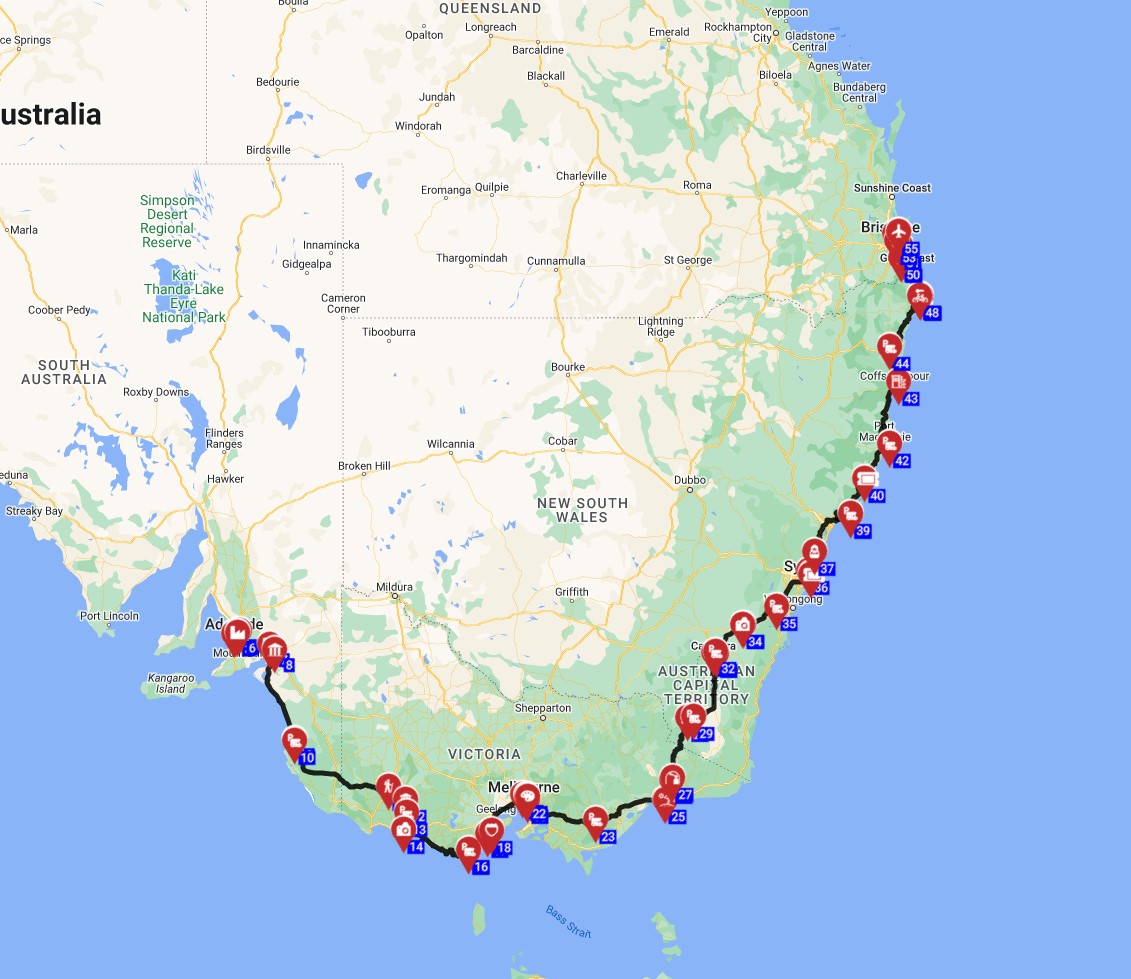
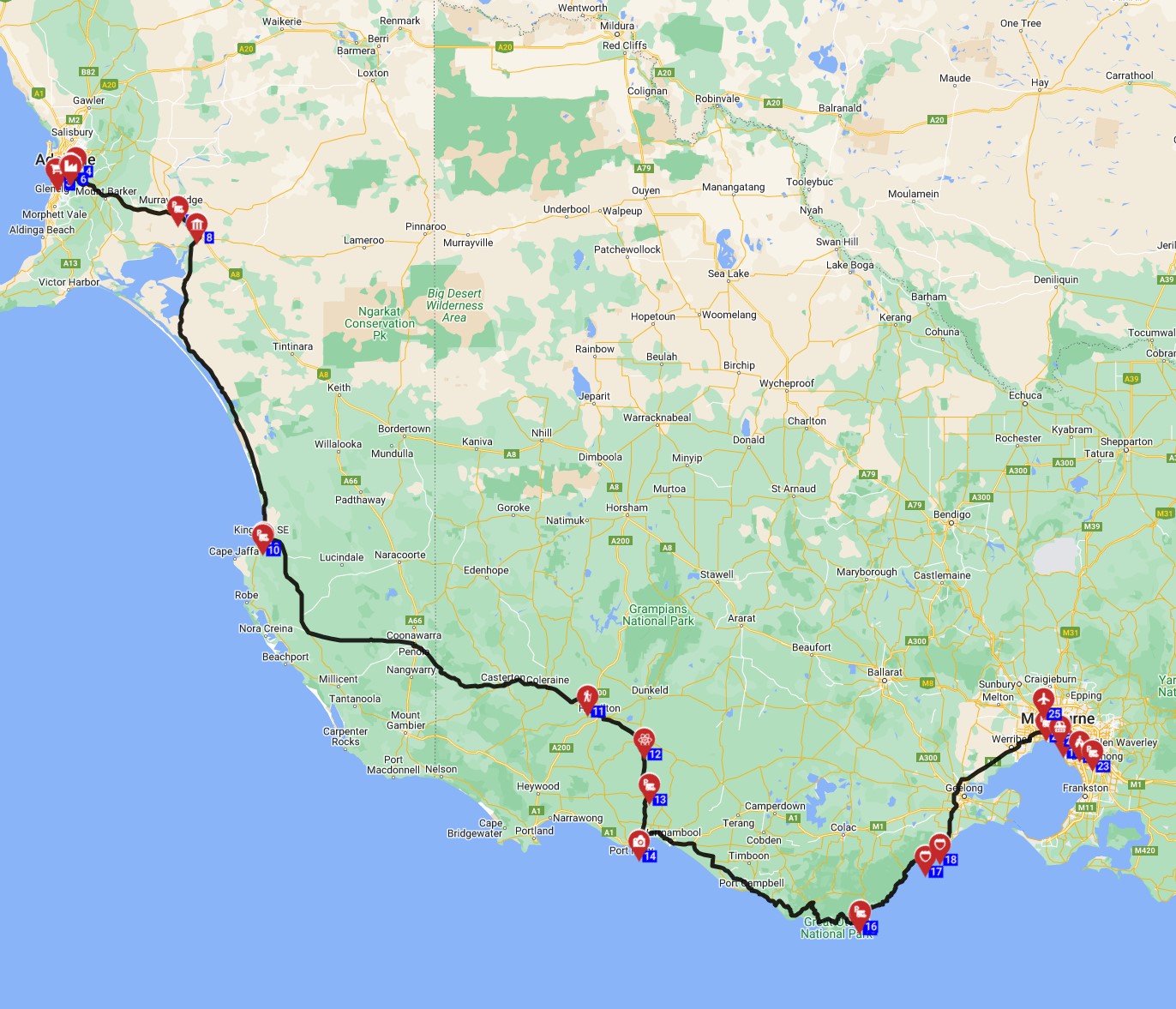
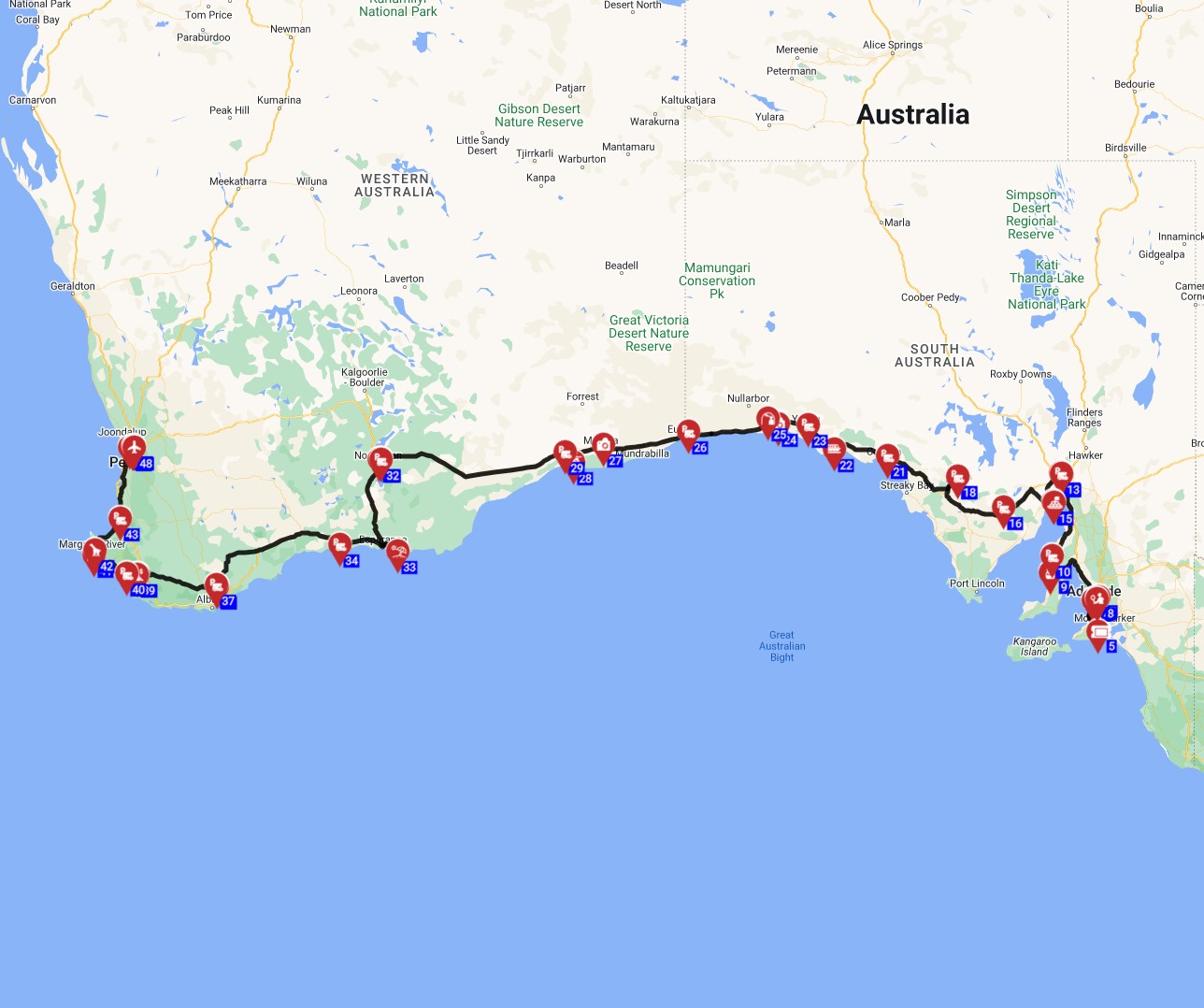
When planning your route, we always recommend slow travel, aiming for a maximum of 100-150 km per day on average, allowing you to truly feel the place and connect with the culture, food, and scenery. For comprehensive pre-planned routes tailored by professionals, consider our Rent&Plan service at RV PLANET. You can even get a 25% planning discount when you use rvplan.net to organize your adventure. For example:
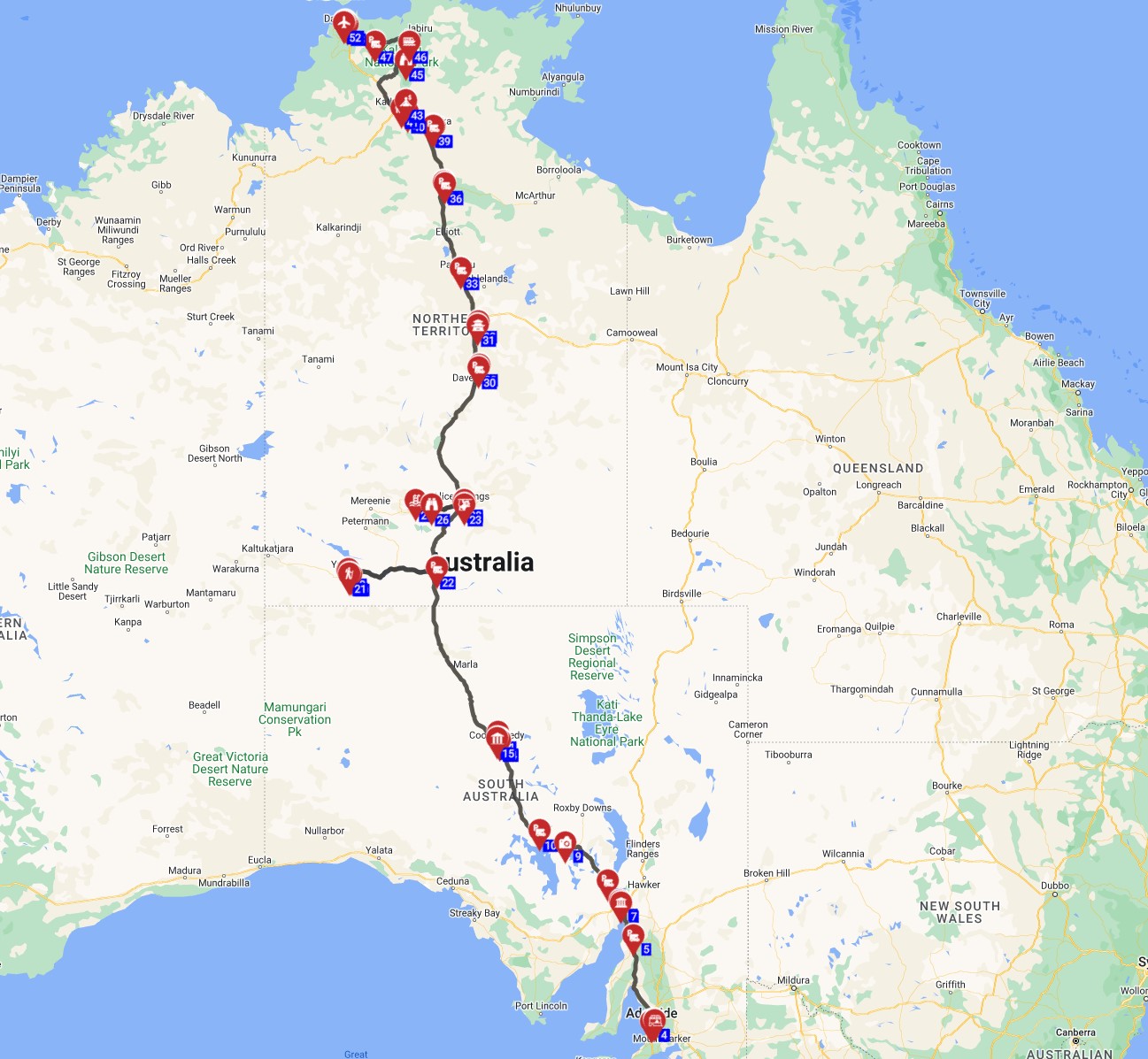
This "Melbourne to Darwin - Australia’s Heartline Road Trip" covers over 5,622 km in 26 days, including 5 hiking areas and 2 wildlife watch opportunities. It's a fantastic way to discover Australia's diverse landscapes and vibrant cities.
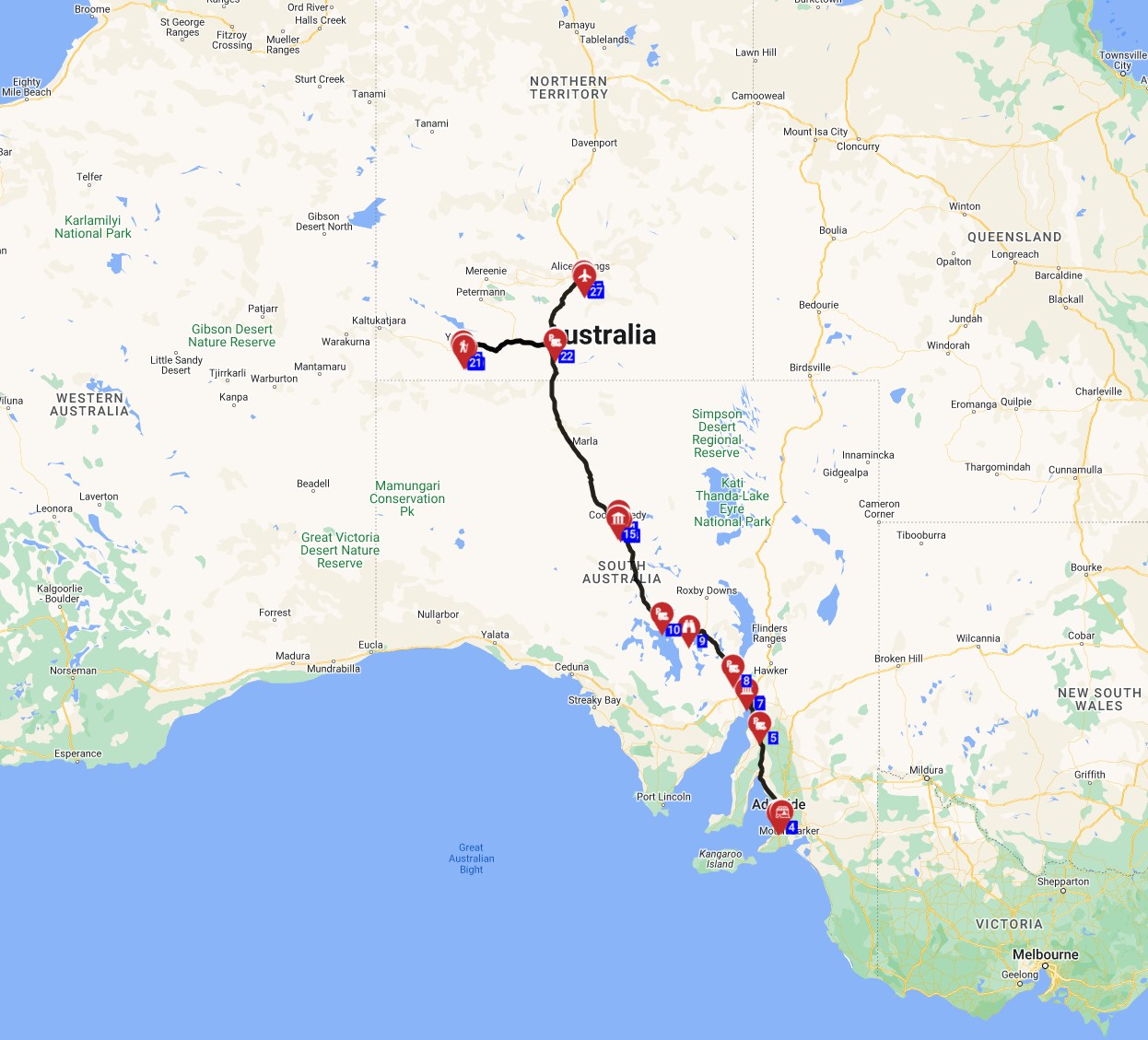
Another excellent option is the "Perth to Alice Springs - The Dreamtime Highway: A Journey Through Australia's Heart" route. This 21-day adventure spans 5,447 km and features 4 natural features and 3 museums, offering a deep dive into Australia's unique heritage and stunning interior.
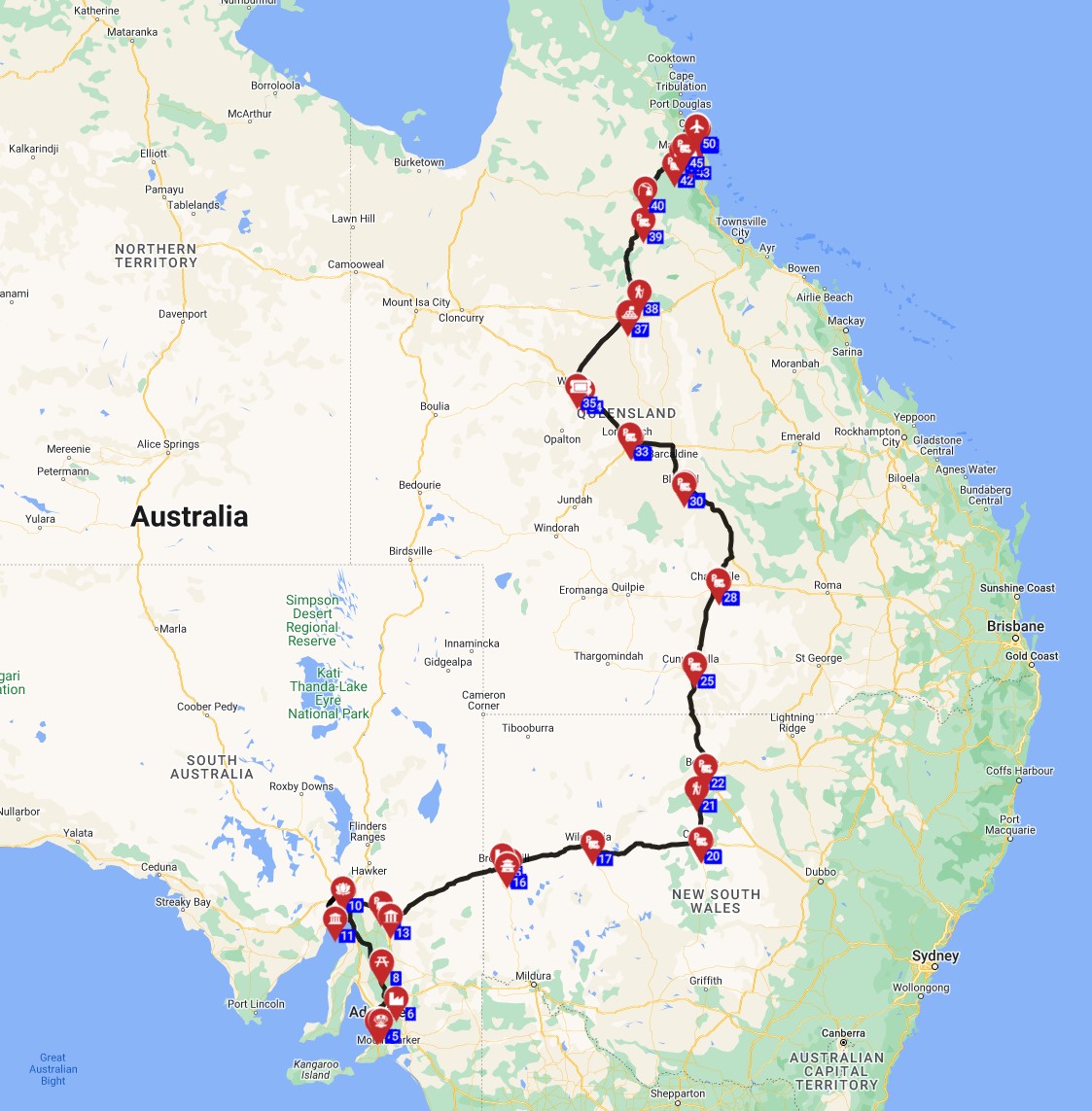
The "Cairns to Alice Springs - Northern Horizons: A Journey Through Australia's Heartland" is a 17-day journey covering 4,003 km, perfect for those seeking tropical and outback experiences, including 3 hiking areas and 2 impressive caves.
Recommended RV Class for Australia Roads
The most suitable rented RV class for Australian roads largely depends on your specific travel style and planned itinerary, with Class B Camper Vans offering maneuverability and Class C Alcove motorhomes providing comfort for families. For couples or small groups prioritizing agility and fuel efficiency on Australia's sealed road network, a Class B Camper Van is an excellent choice. Many of Bandana's Class B Camper Vans, averaging 5.8m in length, achieve an economical 8-10 Liters/100 km, making them ideal for exploring coastal highways and city fringes with ease.
Families and larger groups often find a Class C Alcove motorhome to be a popular choice, as it offers significantly more living space and amenities for extended travel. Bandana's Class C Alcove motorhomes average around 7.5m in length, typically consuming 10-12 Liters/100 km, providing a comfortable mobile base for longer adventures. While Class A Integrated and Semi-integrated motorhomes (averaging 6.9m to 7.5m) offer increased luxury, Class B and C options provide a great balance of comfort and practicality for most Australian road trips. It is important to note that most standard rental RVs are 2WD and are best suited for sealed roads; specialized 4WD campervans are generally required for truly diverse terrain or remote outback exploration, and these are typically not part of our motorhome rental offerings. Whatever your choice, with a rented RV, you have a mobile headquarters to venture out to national parks and vibrant cities.
Should I Choose a Compact Van Instead of a Large RV in Australia?
While a compact campervan or motorhome offers superior maneuverability and fuel efficiency in Australia, a larger RV generally provides unmatched comfort and living space, which often outweighs the marginal benefits of a smaller vehicle for most major routes. Compact vans, such as the Combi Van or the VW California Ocean (both Class B campervans), excel in navigating city streets, offer simpler parking, and deliver potentially lower fuel costs, typically achieving 8-10 Liters/100 km. These attributes make them appealing for urban-focused trips or those seeking maximum agility on winding coastal roads.
However, larger RVs, like a 7.5m Class C Alcove motorhome, offer significantly more internal living space, full kitchen and bathroom facilities, and separate sleeping areas, ensuring greater comfort for extended week-long or multi-week trips, especially for families. Australian cities are generally more accommodating for larger vehicles than some older European counterparts, so there's no need to stress about driving a bigger rig in urban areas-just use common sense and pay attention. Drive slowly and carefully, and you can drive almost anywhere without issues. Unless your itinerary is strictly limited to constant urban driving or very specific remote, unsealed tracks that prohibit 2WD vehicles, a larger rented motorhome often provides a more enjoyable and spacious travel experience across Australia's vast and diverse landscapes. For ideas you can prep on the road, watch our RV-friendly recipes playlist on YouTube.
Can I Park Anywhere? Free & Wild Camping Rules in Australia
No, you generally cannot park or 'wild camp' a rented motorhome anywhere in Australia; free camping is specifically restricted to designated areas, and regulations vary significantly by state, territory, and local council. Overnight parking outside of official campgrounds, caravan parks, or approved rest areas is typically illegal and can lead to substantial fines. While the dream of pulling over wherever you please is appealing, it's not a common reality in Australia, where environmental protection and public safety are prioritized.
'Free camping' or 'bush camping' is permissible only in clearly marked areas, which may include designated national park campgrounds (often requiring fees and advance permits), specific state forests, some roadside rest stops, or privately owned properties with explicit permission. To avoid issues, always utilize reliable resources such as apps like WikiCamps Australia or CamperMate, which provide up-to-date information on legal overnight parking spots, dump points, and water refill stations. Always look for and adhere to 'No Overnight Parking' or 'No Camping' signs. Furthermore, practice strict 'Leave No Trace' principles: take all your rubbish with you, respect local wildlife, and minimize your environmental impact to preserve Australia's natural beauty for all.
Can I Drive an RV Into the City Center? Heights, Tunnels & Local Signage
Yes, you can drive a rented RV into almost any Australian city center, but it's essential to pay close attention to local signage regarding height limits, tunnel restrictions, and specific parking regulations. Major roads in Australian cities are designed to accommodate larger vehicles, so you won't generally encounter issues on main thoroughfares. The primary concern for RVs in city centers typically involves height restrictions for underground car parks, multi-story parking garages, and some older underpasses; therefore, always know your rented motorhome's exact height and be vigilant for warning signs.
Tunnels in major cities, such as the Sydney Harbour Tunnel or Brisbane's Clem7, usually have ample clearance, but some may have restrictions on carrying LPG (propane) cylinders, so check specific tunnel rules before entry. Environmental zones, common in parts of Europe, are not widely implemented in Australia. Parking, while sometimes challenging and potentially expensive in central business districts, can often be found in designated large vehicle parking areas or on the outskirts, from where public transport can be utilized. Drive slowly and carefully, and you can drive almost anywhere without issues. No need to stress - just use common sense and pay attention to make your city explorations worry-free.
Can you sleep in a motorhome while driving in Australia?
No, it is unequivocally illegal and extremely dangerous to sleep in a rented motorhome while it is in motion on Australian roads; all passengers must be properly seated and wearing seatbelts. Australian road laws strictly mandate that every occupant of a moving vehicle, including an RV, must be in a designated seat with a securely fastened seatbelt. Attempting to sleep in beds, over-cab alcoves, or on lounge areas while the vehicle is driving is prohibited due to the severe safety risks it poses in the event of a sudden stop or collision.
Designated sleeping areas within your rented campervan or motorhome are strictly for use when the vehicle is safely parked and completely stationary. Ignoring this fundamental safety and legal requirement can result in significant fines for the driver, and crucially, it may void your insurance coverage in the unfortunate event of an accident. Prioritize the safety of all passengers by ensuring everyone is correctly belted in whenever the RV is moving.
Are RVs allowed in Australia?
Yes, RVs and motorhomes are not only allowed but are an exceptionally popular and well-supported mode of travel across Australia, featuring an extensive infrastructure for rentals, sales, and camping. Australia warmly embraces RV travel as an ideal way to experience its diverse landscapes, from stunning coastal drives to authentic outback adventures, all at your own pace. The country's vast and generally well-maintained road network, especially its sealed major highways, is perfectly suited for exploration in a rented motorhome or campervan.
A wide range of RV types are readily available for rent, catering to various budgets and travel preferences, from compact Class B Camper Vans for couples to large Class C Alcove motorhomes for families. While specific regulations apply to licensing, parking, and road use, these requirements are straightforward and easily understood by both local and international visitors. Bandana Caravan, with over 20 years of experience, specializes in RV rentals and provides all the necessary information to help you plan your journey, making sure your Australian RV trip is joyful and accessible.
How much does it cost to travel around Australia in a motorhome?
The total cost to travel around Australia in a rented motorhome varies significantly, influenced by factors such as the RV rental rates, fuel consumption, campground fees, time of year, and personal spending habits, generally ranging from AUD $150 to AUD $400+ per day. RV rental costs can fluctuate from approximately AUD $70-150 per day for a basic campervan in the off-season to AUD $200-500+ for a large, modern motorhome during peak season, such as school holidays or the Australian summer (December-February). Remember that prices are dynamic like flight tickets, changing daily based on availability and seasonality.
Fuel is a major component of your budget; with typical consumption of 8-12 Liters/100 km, you should budget approximately AUD $0.16 - $0.24 per km for fuel, based on an average price of $2.00/liter. Campsite fees range from AUD $30-70 per night for powered sites at commercial caravan parks, or a more modest AUD $10-30 for unpowered sites in national parks or basic campgrounds. Self-catering significantly reduces food costs; budget AUD $50-100 per day for groceries for a couple or small family. Factor in additional costs for national park passes, guided tours, and other attractions. Upgrading your rental insurance to a top-level deductible for extra peace of mind can add AUD $30-70 per day to your rental cost. A general daily budget for a comfortable RV trip for a couple might fall between AUD $250-350, excluding major tours. For a true breakdown and budgeting tool, check out RV PLANET routes where you can itemize and track every expense.
🎬 Video coming soon
What is the average cost of insuring a motorhome in Australia?
For rental motorhomes in Australia, the primary insurance expense is typically associated with reducing the excess (deductible) on the basic policy included with your rental, which can range from AUD $30 to $70 per day depending on the vehicle type and desired level of coverage. All rental RVs come with fundamental insurance, but this often carries a high excess, typically between AUD $5,000 to $8,000, for which the renter is liable in the event of damage. Rental companies offer daily excess reduction packages, often referred to as 'Bond Waiver' or 'Liability Reduction,' to significantly lower this liability to a more manageable amount, such as AUD $0 to $1,500.
Many comprehensive travel insurance policies or credit card travel benefits may offer additional RV excess insurance, providing a potentially cost-effective alternative; however, it is essential to verify the specifics of their coverage carefully. Most RV rentals include roadside assistance for mechanical breakdowns, but call-outs for user error, such as a flat tire or running out of fuel, may incur additional charges if not covered by a premium excess reduction package. For international visitors, purchasing comprehensive travel insurance that includes RV excess coverage or opting for the rental company's maximum excess reduction is strongly recommended. Always thoroughly read the fine print of your rental agreement concerning insurance coverage, exclusions, and claimable events to ensure full transparency and avoid surprises.
What You Shouldn't Miss
- **The Great Ocean Road:** Drive this iconic 243-kilometer stretch of coastline in Victoria, marveling at the Twelve Apostles, surfing beaches, and lush rainforests.
- **Uluru-Kata Tjuta National Park:** Experience the spiritual heart of Australia, witnessing the majestic Uluru and Kata Tjuta at sunrise and sunset. Respect Indigenous cultural protocols while visiting.
- **Sydney Harbour:** Park your rented motorhome at a nearby campsite and explore Sydney's vibrant city center, including the Opera House, Harbour Bridge, and Bondi Beach.
- **Kakadu National Park:** Discover ancient Indigenous rock art, diverse wildlife, and stunning waterfalls in this UNESCO World Heritage-listed park in the Northern Territory.
- **Queensland's Coastal Drives:** From Brisbane to Cairns, explore the Gold Coast, Sunshine Coast, Fraser Island (4WD access generally needed, check rental terms), and the Whitsunday Islands.
- **Tasmania's Wilderness:** Take a ferry to Tasmania for a week-long exploration of rugged mountains, pristine beaches, and unique wildlife in Cradle Mountain-Lake St Clair National Park.
Looking for expert insights from Avi Bandana? Top 5 Adventures - recommendations from Avi Bandana
Final Thoughts
Australia by rented RV is more than just a trip-it's an invitation to experience the sheer scale and beauty of a continent at your own pace. With Bandana Caravan, you’re not just booking a vehicle; you’re gaining a partner dedicated to making your adventure seamless and memorable. We’re here to help you navigate the details, ensuring that from the moment you compare motorhome prices for Australia to the instant you drop off your keys, your experience is nothing short of exceptional.
So, take the leap! Whether you’re dreaming of a week-long coastal cruise or an extended road trip into the rugged outback, Australia is ready to reveal its wonders. Start planning your incredible journey today, confidently comparing motorhome prices for Australia and knowing that you have comprehensive support every step of the way. Discover top destinations, planning tips, all in one place, and prepare for the adventure of a lifetime!