In This Guide
- Where to Camp in Norway - Top Options
- Campground Types in Norway (National, Private, Wild)
- Featured RV Park or Campground in Norway
- Hookups & Amenities - What to Expect
- Booking Windows & Reservations in Norway
- Nearby Supermarkets & Resupply Points
- Best RV Class for Camping in Norway
- How to Save on Campgrounds in Norway
- Is Norway good for RVing?
- How much does it cost to rent an RV in Norway?
- What is the best time to RV in Norway?
- Is it safe to wild camp in Norway?
- What do I need to drive an RV in Norway?
- Can I bring my dog to Norway in an RV?
- Can you drink tap water in Norway?
- Local Cultural Immersion for RVers in Norway
- Top Cities for RV Rental in Norway
Embarking on a family RV camping trip in Norway promises an adventure filled with majestic fjords, vibrant cities, and serene wilderness, creating memories that will last a lifetime. As true RV specialists, we at Bandana RV understand the unique joys and practicalities of exploring this stunning Scandinavian gem with your loved ones. Our goal is to make your journey as seamless and enjoyable as possible, offering full transparency with no hidden fees and dedicated support before, during, and after your booking. For live availability and current prices, start with our RV Rental Norway - Complete Guide 2026 guide.
🎬 Video coming soon
Where to Camp in Norway - Top Options
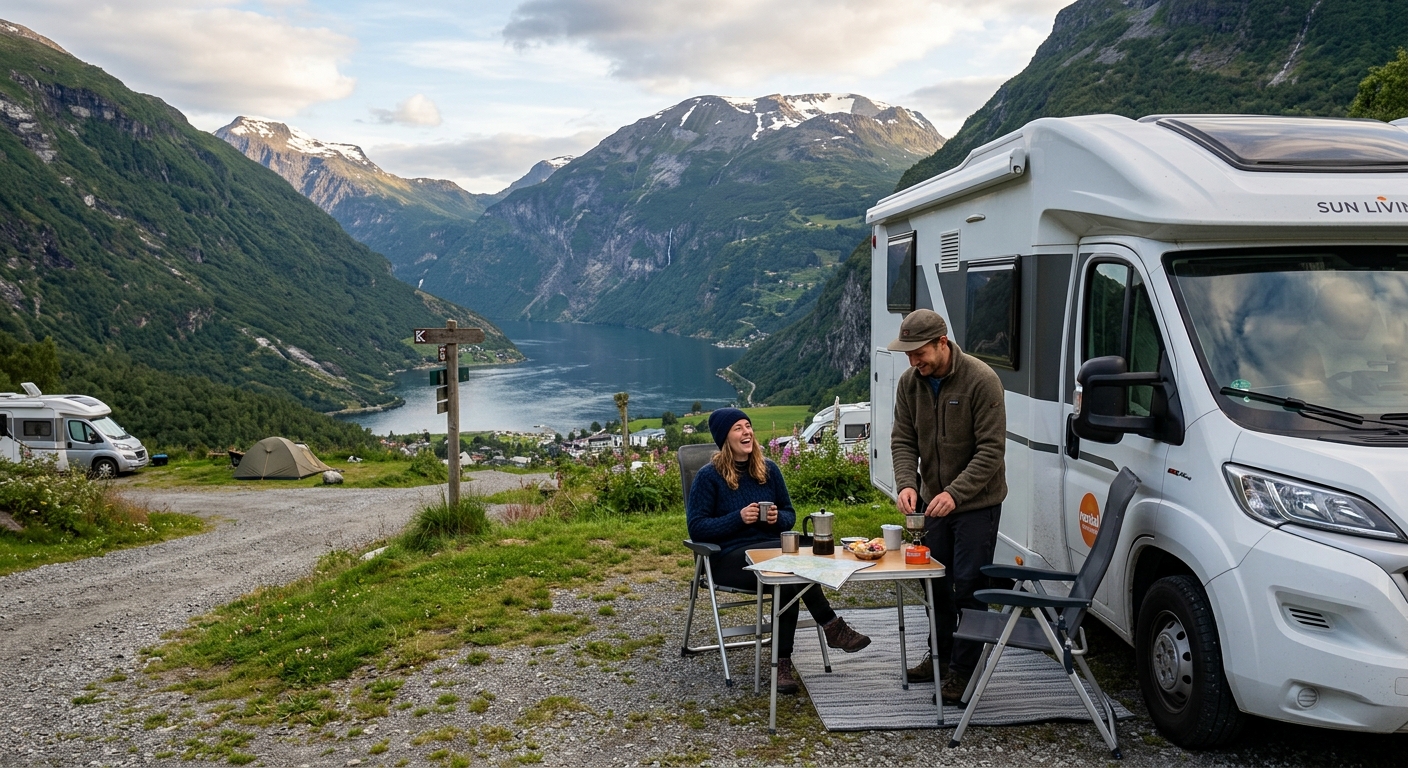
Norway offers diverse camping experiences for family RV camping, ranging from coastal fjords to expansive mountain plateaus. Popular regions for family adventures include the scenic Lofoten Islands in Northern Norway, known for their dramatic peaks and fishing villages, and the iconic fjords of Western Norway, such as the Geirangerfjord area, which boasts breathtaking views. Families will also find tranquil forest campgrounds near Lillehammer, perfect for outdoor activities. Campgrounds in Norway are generally well-maintained, providing a harmonious blend of natural beauty and necessary amenities to ensure a comfortable stay for families.
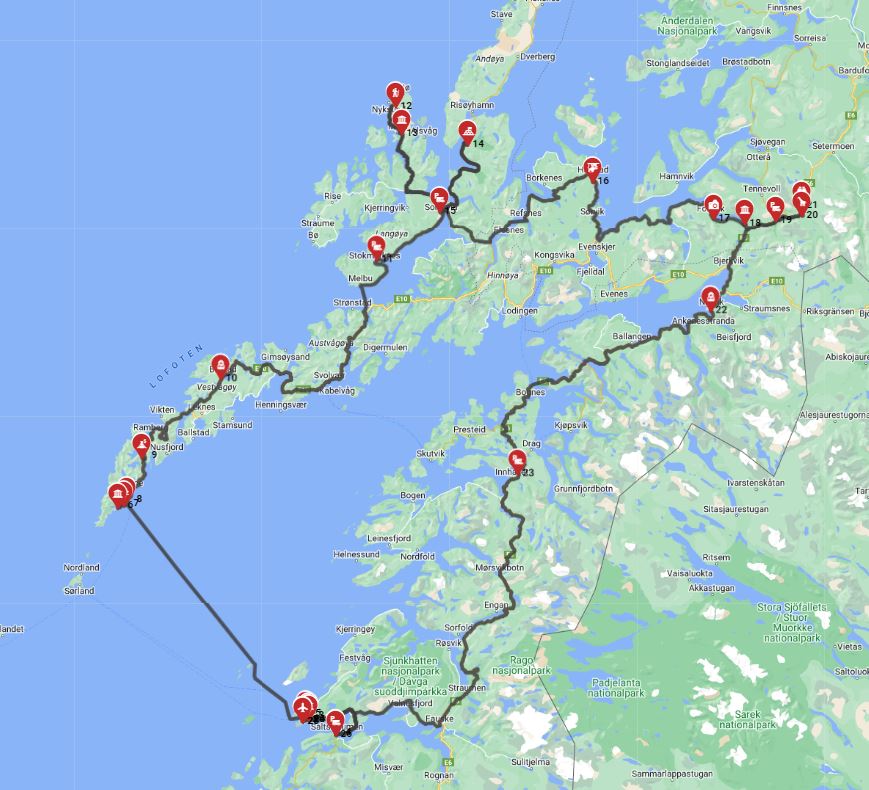
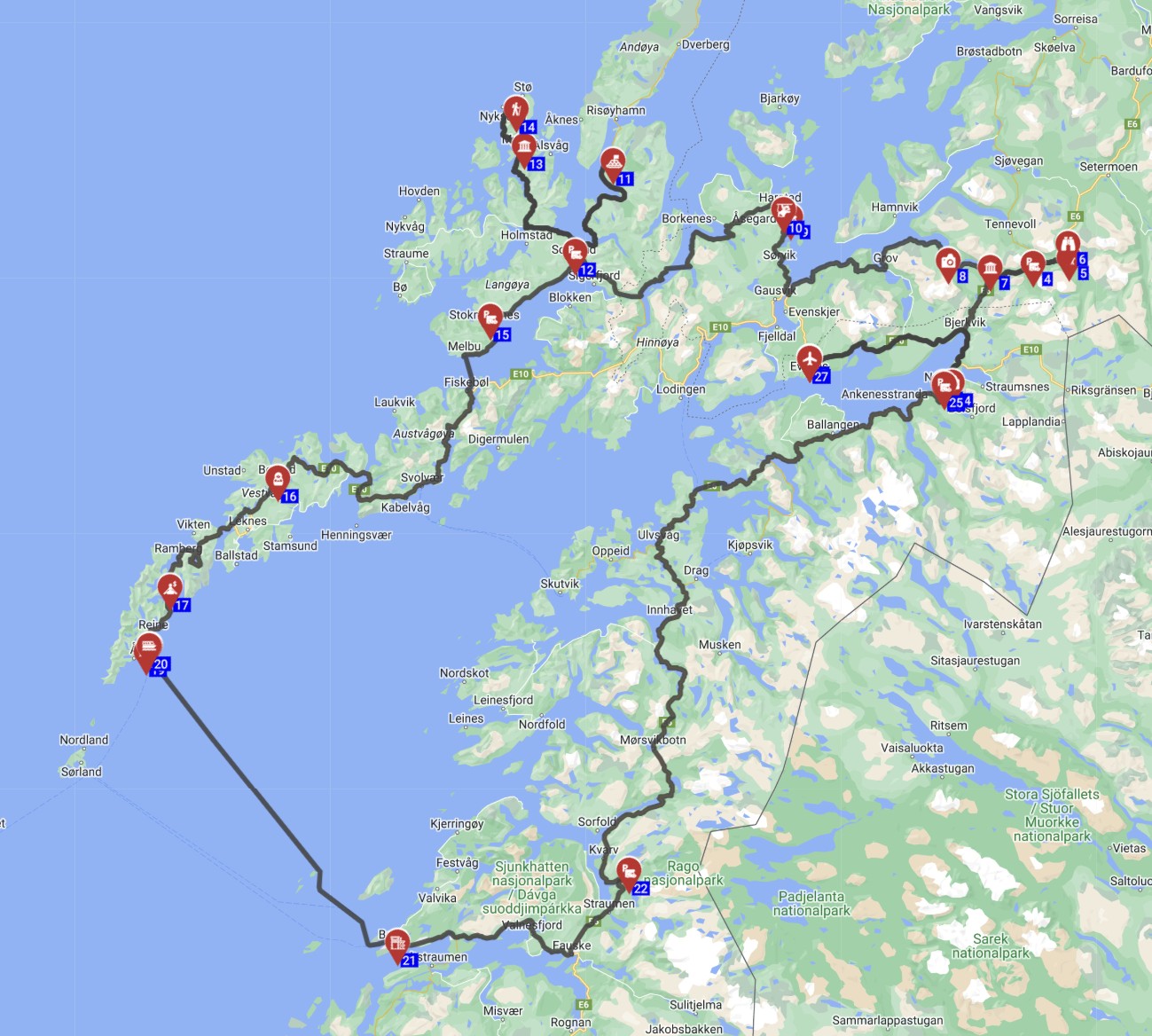
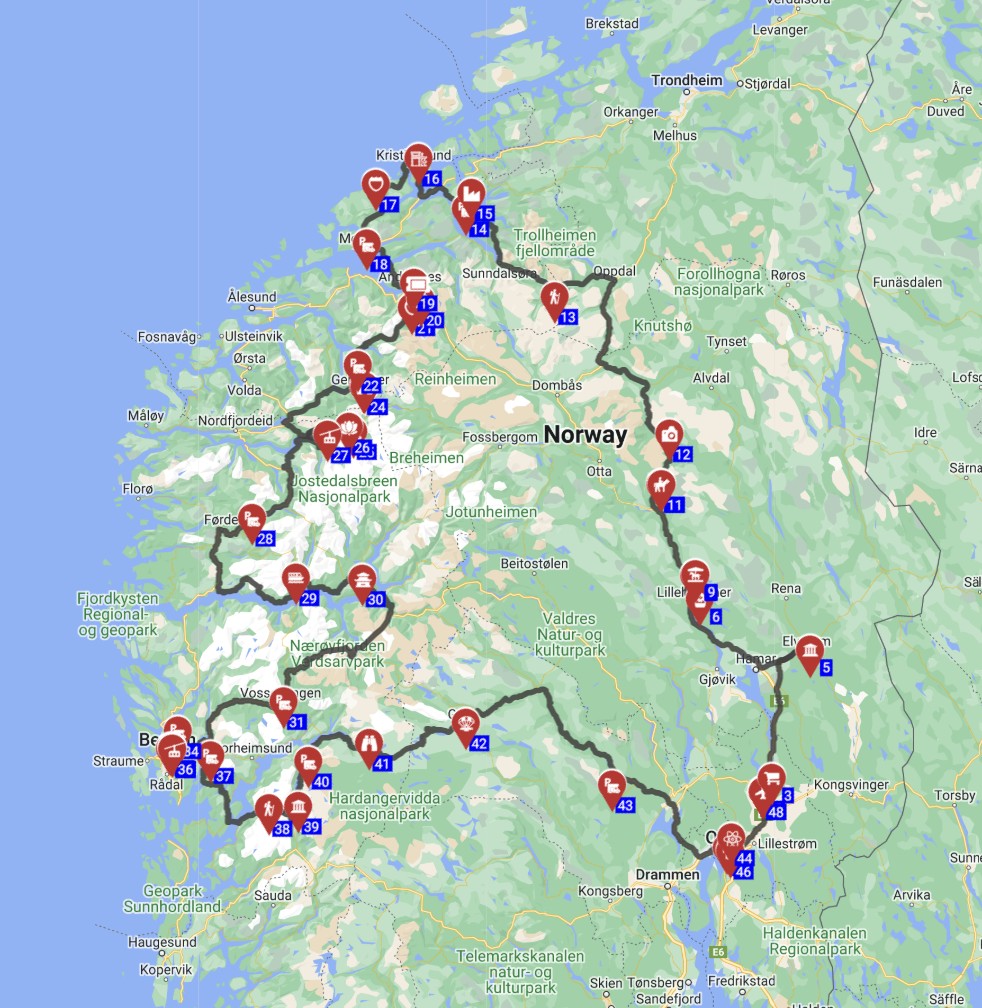
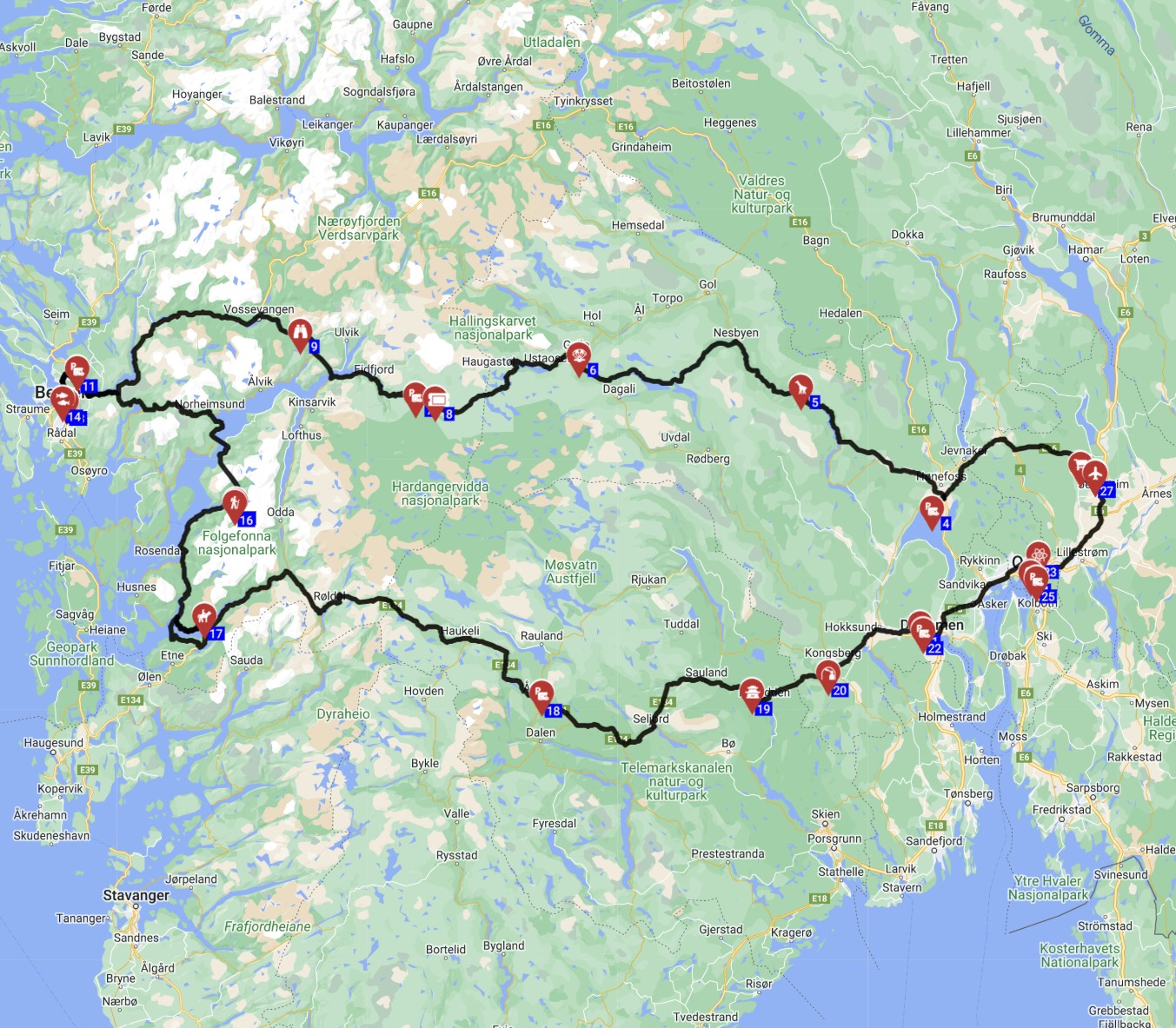
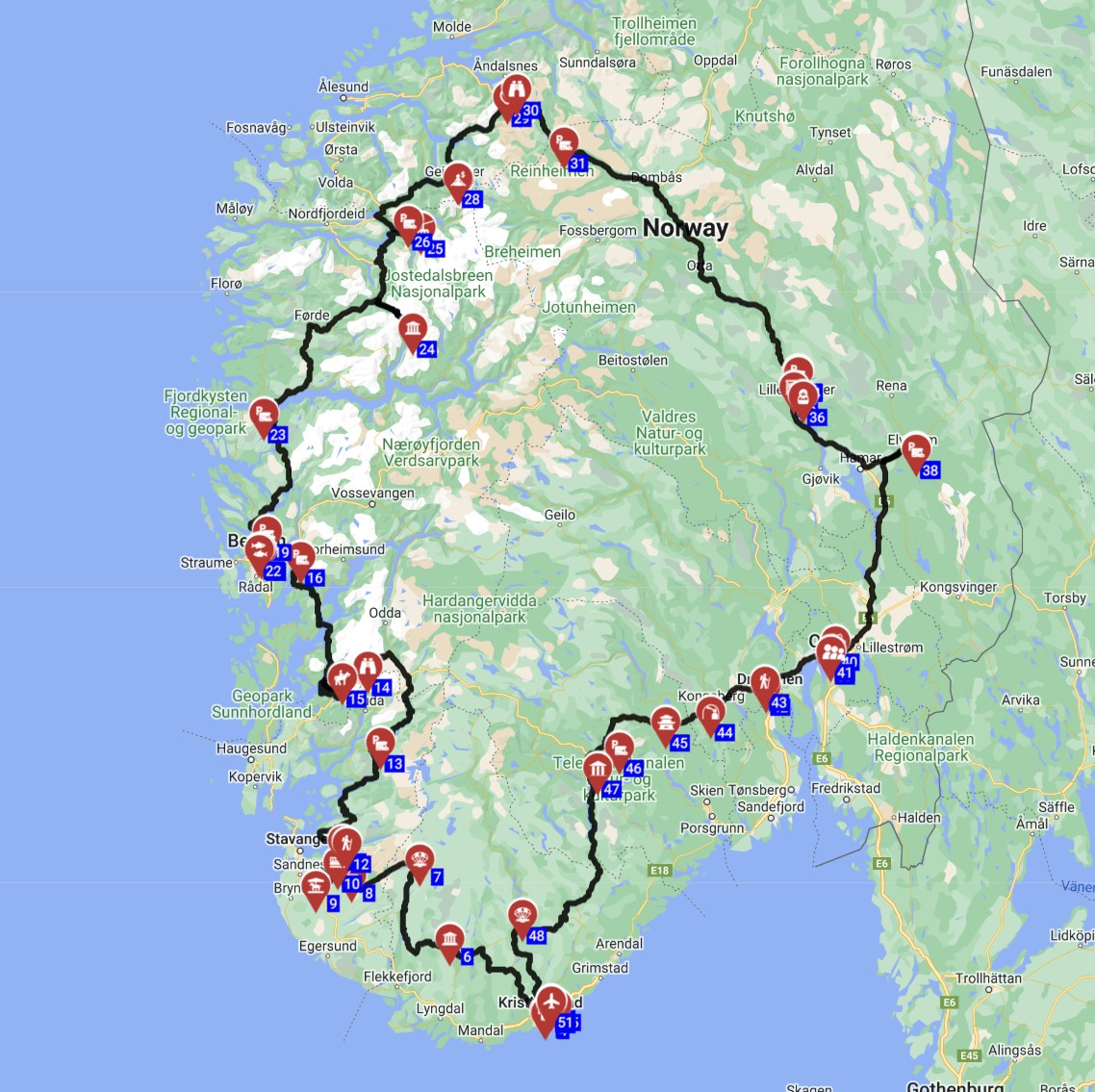
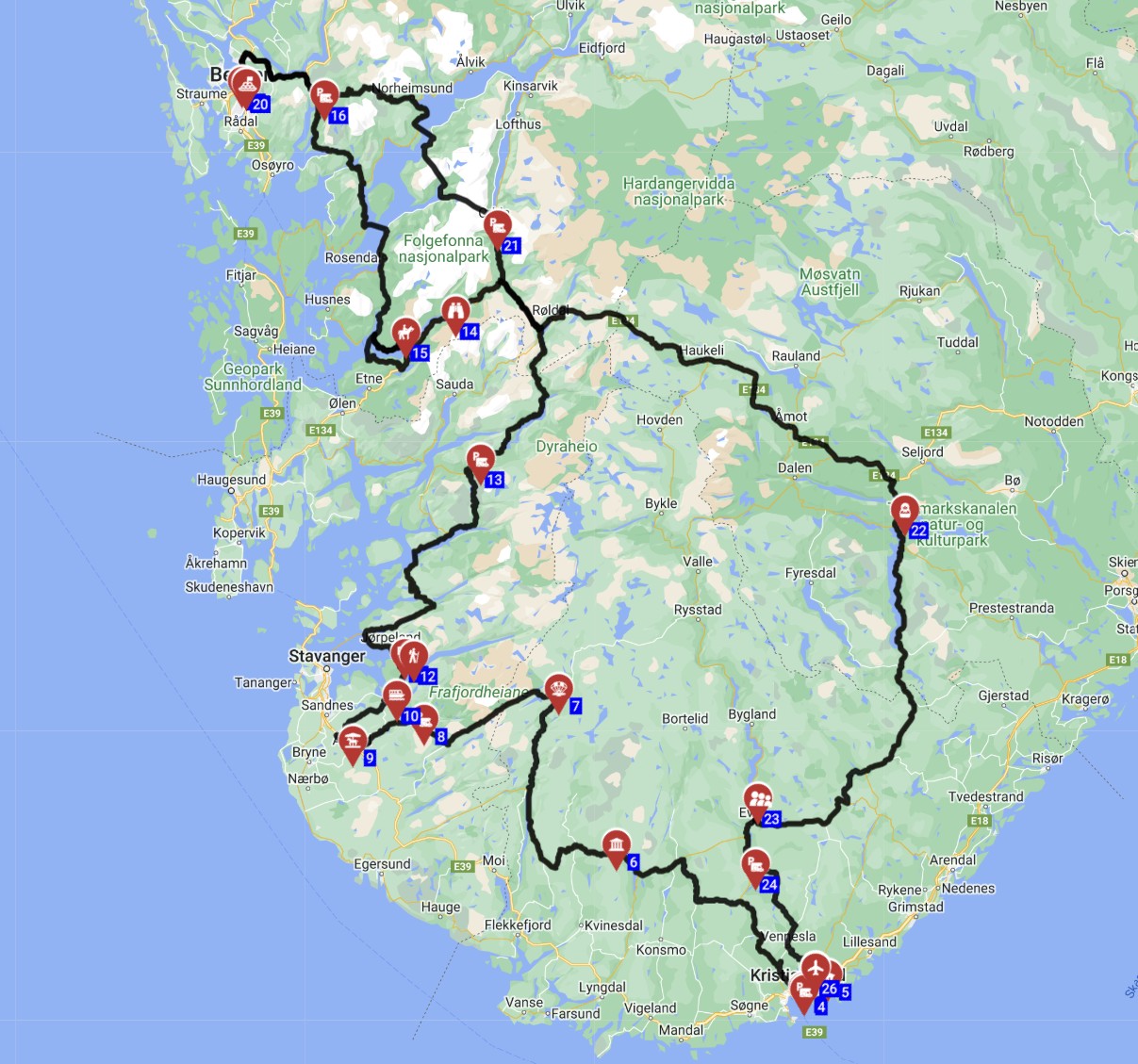
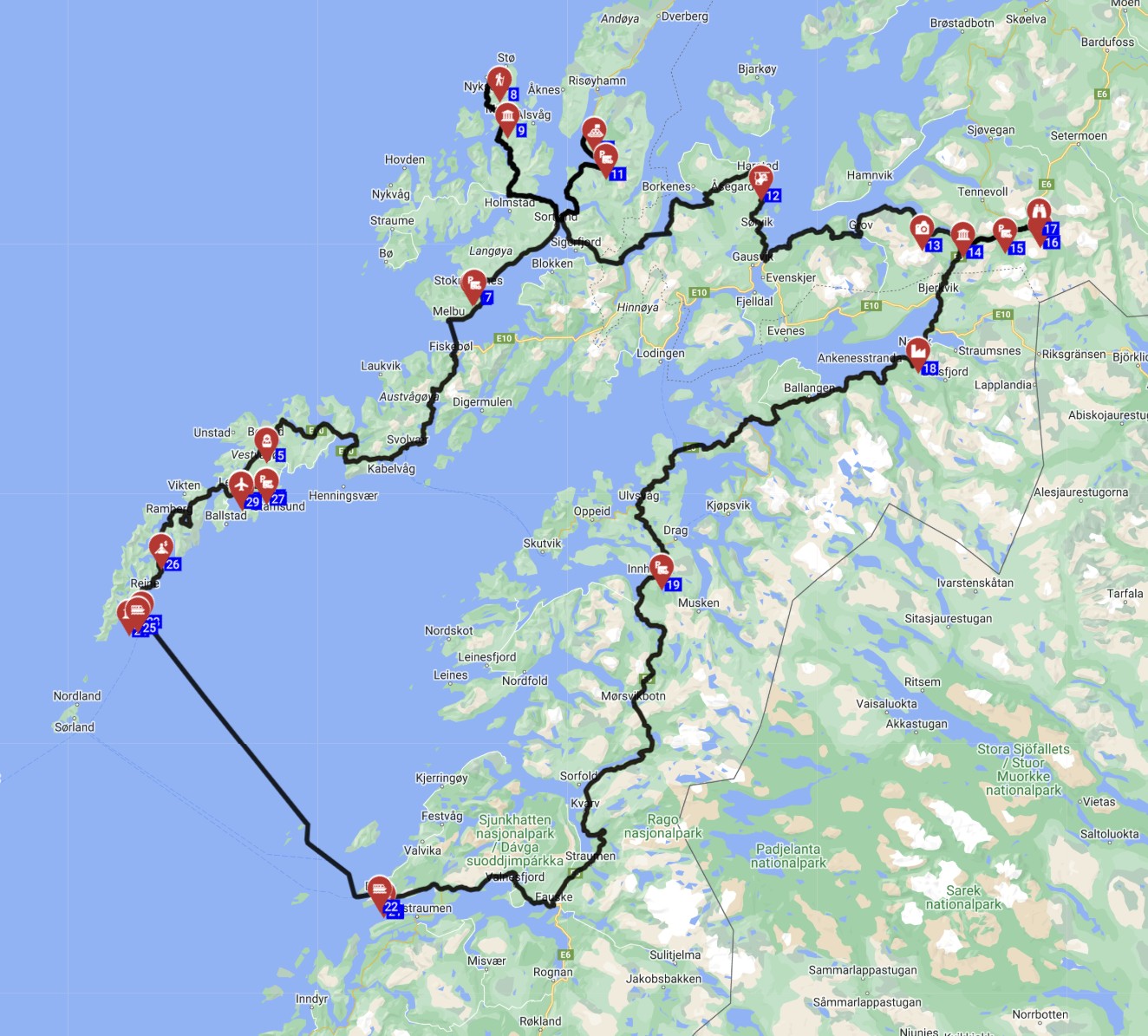
When planning a family motorhome trip, consider routes that offer a mix of attractions and relaxation. For instance, the Bergen Round trip - Norway’s Coastal Wonders, an 8-day itinerary covering 782.9 km, includes stops at an amusement park, cable railways, and scenic routes, ensuring plenty of engaging experiences for children and adults alike. Remember to travel slowly, averaging a maximum of 100-150 km per day, allowing your family ample time to connect with Norway's culture, food, and scenery.
Campground Types in Norway (National, Private, Wild)
Norway features a mix of camping options, including well-equipped private campgrounds, simpler national park sites, and the unique opportunity for legally tolerated freedom camping under *Allemannsretten* for rented motorhomes. Private campgrounds are typically the most family-friendly choice, offering a wide range of amenities such as 230V electricity, fresh water, hot showers, laundry facilities, and often playgrounds or shops, making them perfect for extended stays. National park sites tend to be more basic, focusing on providing unparalleled access to Norway's pristine nature, but may have limited services.
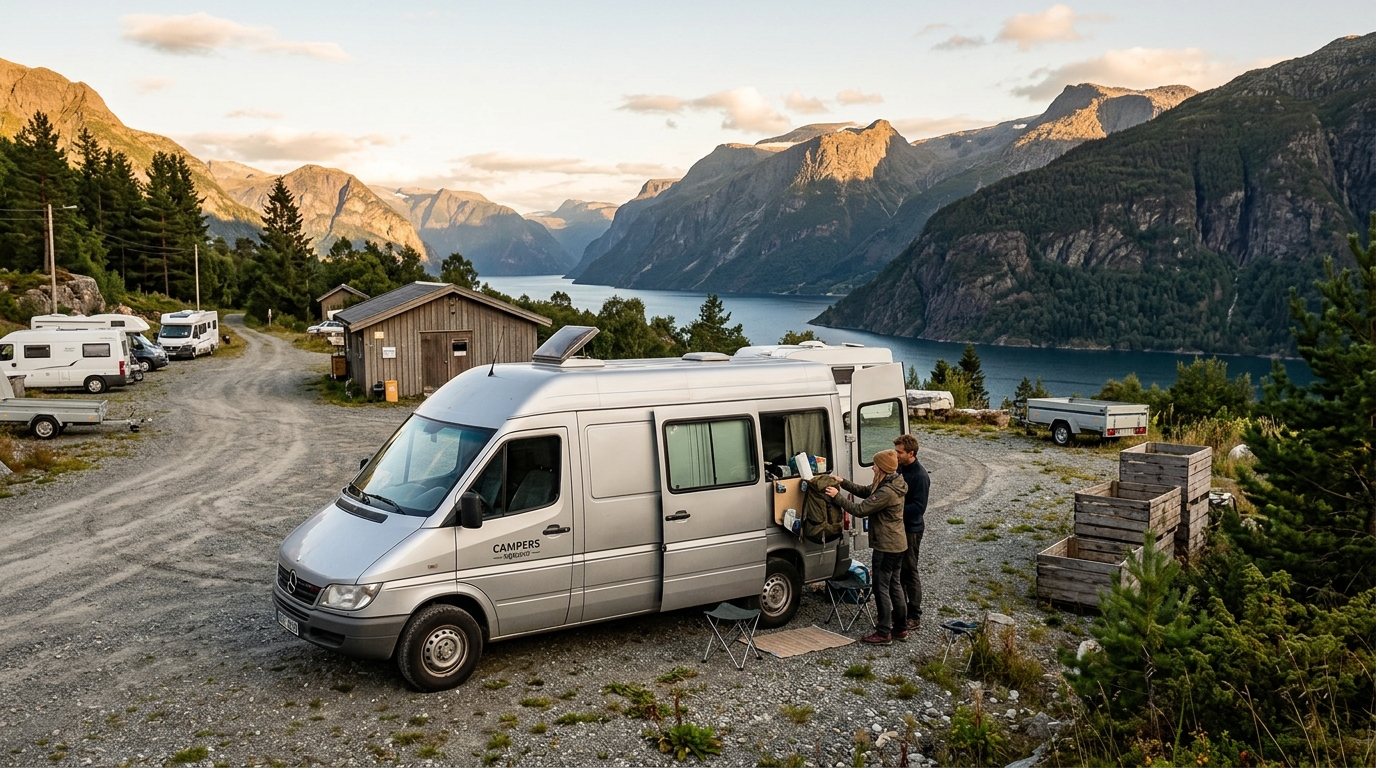
Wild camping, or freedom camping, is legally permitted in Norway under the 'right to roam,' *Allemannsretten*, for RVs. This allows you to typically park for up to two nights in uncultivated land, provided your rented campervan is at least 150 meters from the nearest inhabited house or cabin. It is crucial to always leave no trace, disposing of all rubbish properly and utilizing designated dump stations for grey and black water. This transparent approach to camping offers incredible flexibility and immersion in Norway's natural beauty. On the routes offered through RV PLANET routes, you can itemize and track every expense along the way for easy budgeting.
Featured RV Park or Campground in Norway
When selecting an RV park in Norway for your family, prioritize locations that offer scenic views, proximity to attractions, and essential family-friendly amenities. Look for campgrounds equipped with modern sanitary blocks, laundry services, and playgrounds for children, which make a significant difference for longer family trips. Many top-rated parks provide excellent bases for exploring nearby fjords, glaciers, or charming Norwegian towns, ensuring a comfortable and engaging stay for all ages.
For example, the Lofoten Islands boast campgrounds like Leknes Camping or Sandsletta Camping, offering stunning seaside views and easy access to hiking, kayaking, and fishing. In the fjord region, Oldevatn Camping near Briksdal Glacier or Loen Camping provide picturesque settings and amenities. These sites often feature 230V electric hookups, fresh water, and waste disposal facilities for your rented motorhome.
Hookups & Amenities - What to Expect
Most private campgrounds in Norway provide essential hookups for rented RVs, typically including 230V electric connections which require a CEE blue plug adapter. You'll also find fresh water access points and grey/black water dump stations for proper waste disposal. Families can expect modern and clean sanitary facilities, often with hot showers (sometimes coin-operated, requiring small Norwegian Kroner coins), and convenient laundry rooms. While Wi-Fi access is common, its coverage and speed can vary, particularly in more remote areas. Many sites offer additional amenities such as communal kitchen facilities, playgrounds for children, and small shops selling basic groceries, propane, and local souvenirs, making extended stays in your campervan more convenient. Before you travel, verify what's included with your specific rental to ensure a smooth trip.
Booking Windows & Reservations in Norway
For family RV rentals in Norway, pre-planners should book popular campgrounds several months in advance, especially for peak summer travel (June-August), to secure preferred spots. This is particularly true for popular areas like the Lofoten Islands or the Geirangerfjord region, where pitches can fill up quickly. However, spontaneous travelers can often find same-day or next-day availability, especially outside major tourist hubs or during shoulder seasons. It is always advisable to call ahead before driving to a specific site, especially if you have a larger Class A motorhome, to confirm availability. Many national and state park campgrounds reserve only 25-30% of their spots, with the remainder available on a first-come, first-served basis, offering a reassuring degree of flexibility for those on the road. Don't stress, you'll find a spot. If not at the first campground, then the next one.
Nearby Supermarkets & Resupply Points
For convenient resupply of your family RV in Norway, travelers should look for major supermarket chains such as REMA 1000, Kiwi, or Coop, which are prevalent in most towns and cities. These supermarkets offer a wide range of products, including fresh produce, dairy, meats, pantry staples, and local Norwegian specialties, making it easy to prepare delicious meals in your rented motorhome. Planning your stops in larger towns ensures access to bigger stores with more variety and often better prices, supporting cost-effective family travel. Cooking your own meals is a fantastic way to save money, especially when exploring destinations like Norway where dining out can be expensive. Check out our RV-friendly recipes playlist for inspiration!
The routes offered through RV PLANET routes allow travelers to itemize and track every expense along the way for easy budgeting, which is incredibly helpful when managing grocery costs and other daily expenses during your trip.
Best RV Class for Camping in Norway
For family RV camping in Norway, Class C Alcove and Class SI Semi-integrated models are generally ideal due to their excellent balance of space, comfort, and maneuverability on Norway's often winding roads. These vehicle types offer ample living space without being overly large, making navigation easier in cities and on scenic routes. Bandana's fleet data shows Class C Alcove RVs typically offer an average of 5.8 sleeping places and accommodate 4.4 adults, with an average length of 7.5 meters, providing generous space for larger families. For instance, a Class C motorhome like the 'cruise america rv rental example Explorer' has 4 sleeping places and 4 seat belts, with a length of 7.1 meters and a 75-Liter fuel tank, consuming about 11 Liters/100 km.
Class SI Semi-integrated RVs, averaging 6.9 meters in length with 3.8 sleeping places and space for 3.4 adults in Bandana's fleet, are also an excellent choice for slightly smaller families or those seeking a more compact vehicle for navigating narrower roads and smaller campgrounds. Campervans (Class B) are also a great option for smaller families or couples seeking more agility. Drive slowly and carefully, and you can drive almost anywhere without issues. No need to stress - just use common sense and pay attention.
How to Save on Campgrounds in Norway
Families can significantly save on Norwegian campgrounds by utilizing campground discount cards, which are often available through rental providers like Bandana, providing reduced rates at many participating sites. Further cost-saving strategies include traveling during the shoulder seasons (late spring or early autumn) when rates are generally lower and campgrounds less crowded, and opting for municipal or regional campgrounds over more expensive private resorts. Many campgrounds offer weekly rates that are more economical than nightly stays, so planning trips to stay 3+ nights at one location can yield substantial savings. In some instances, sharing hookups with another RV can also split costs. Remember that prices are dynamic, changing daily based on availability and seasonality, so comparing options through a platform like Bandana, which aggregates 50+ suppliers, ensures you find the best value.
Is Norway good for RVing?
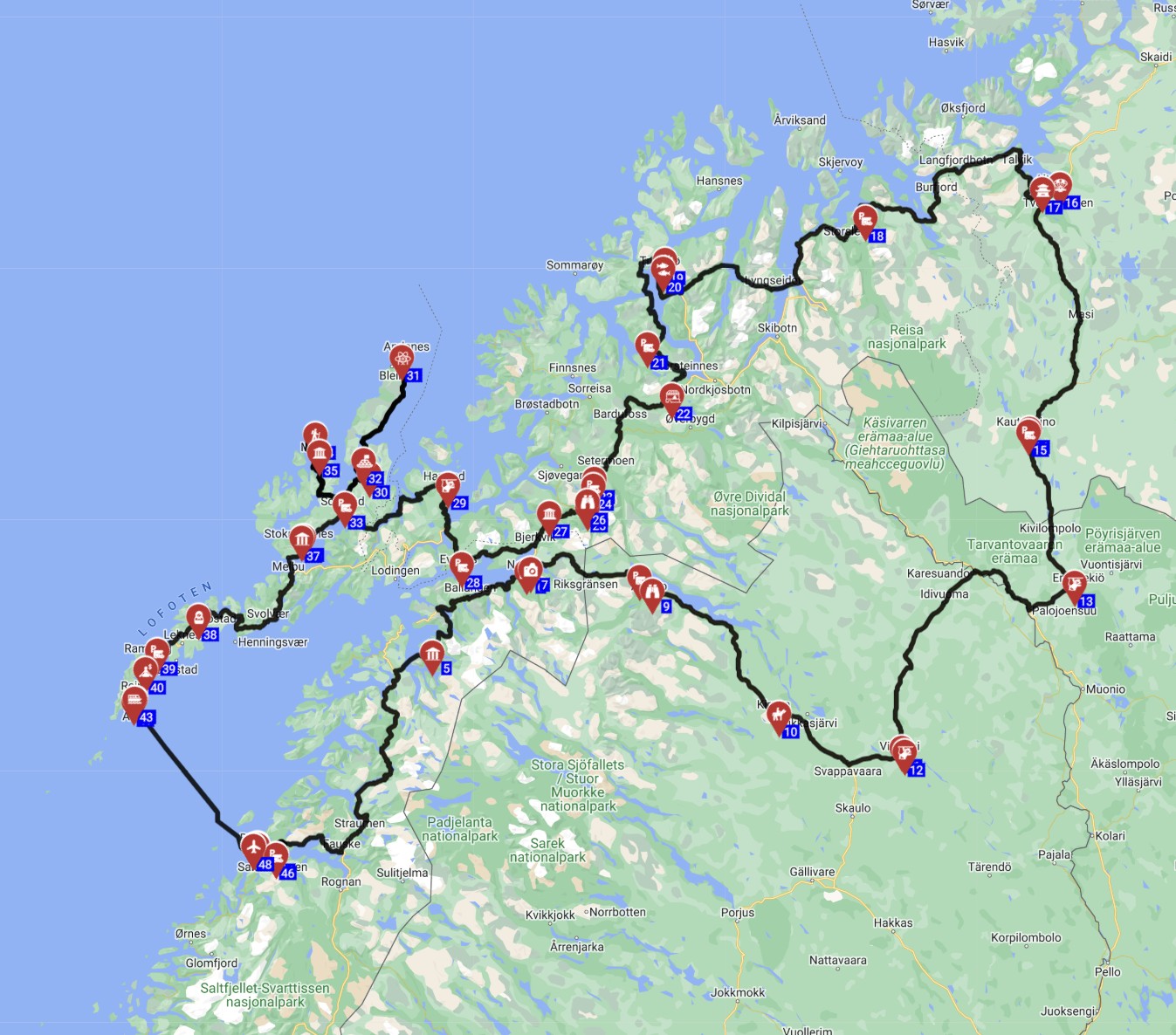
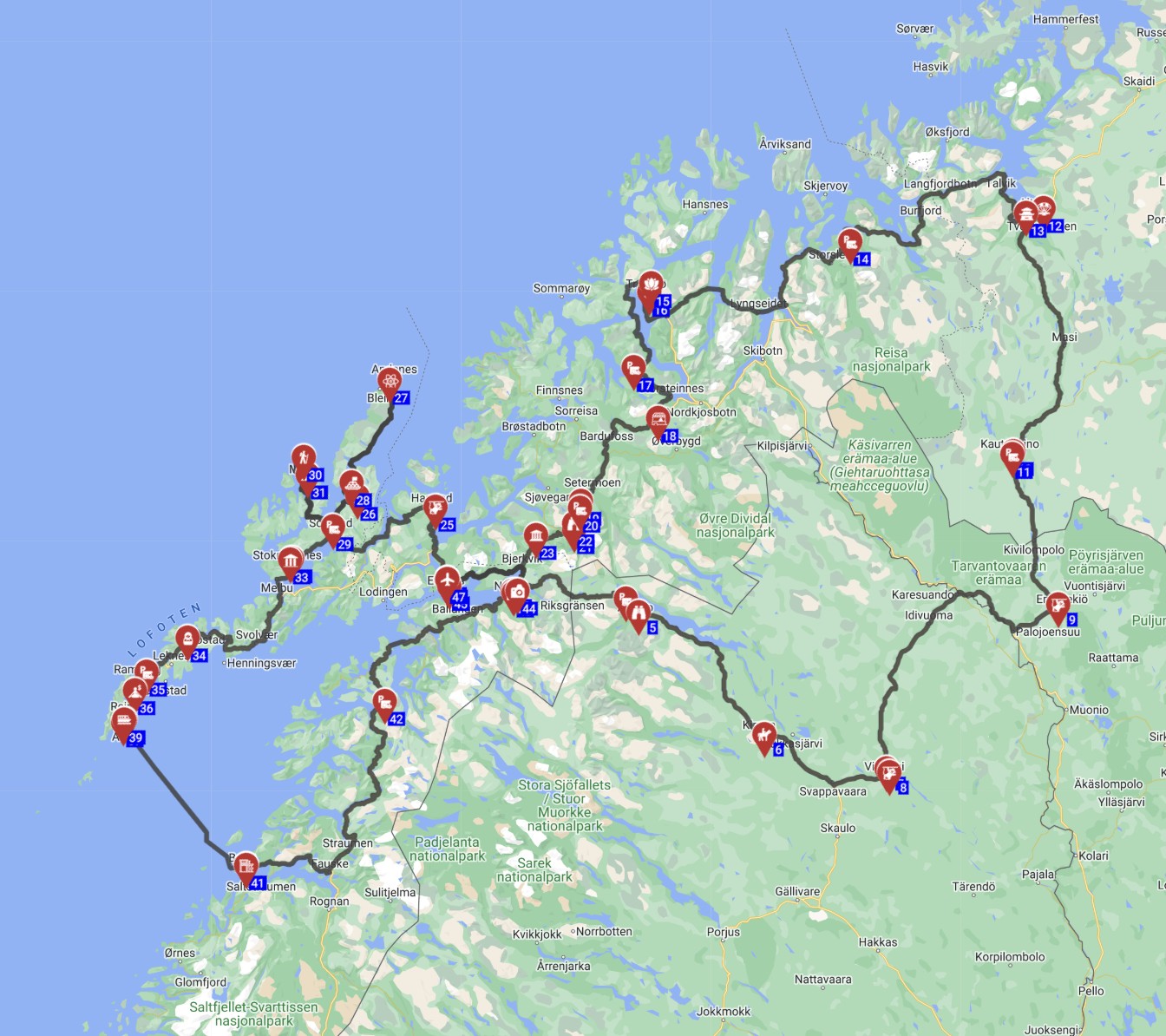
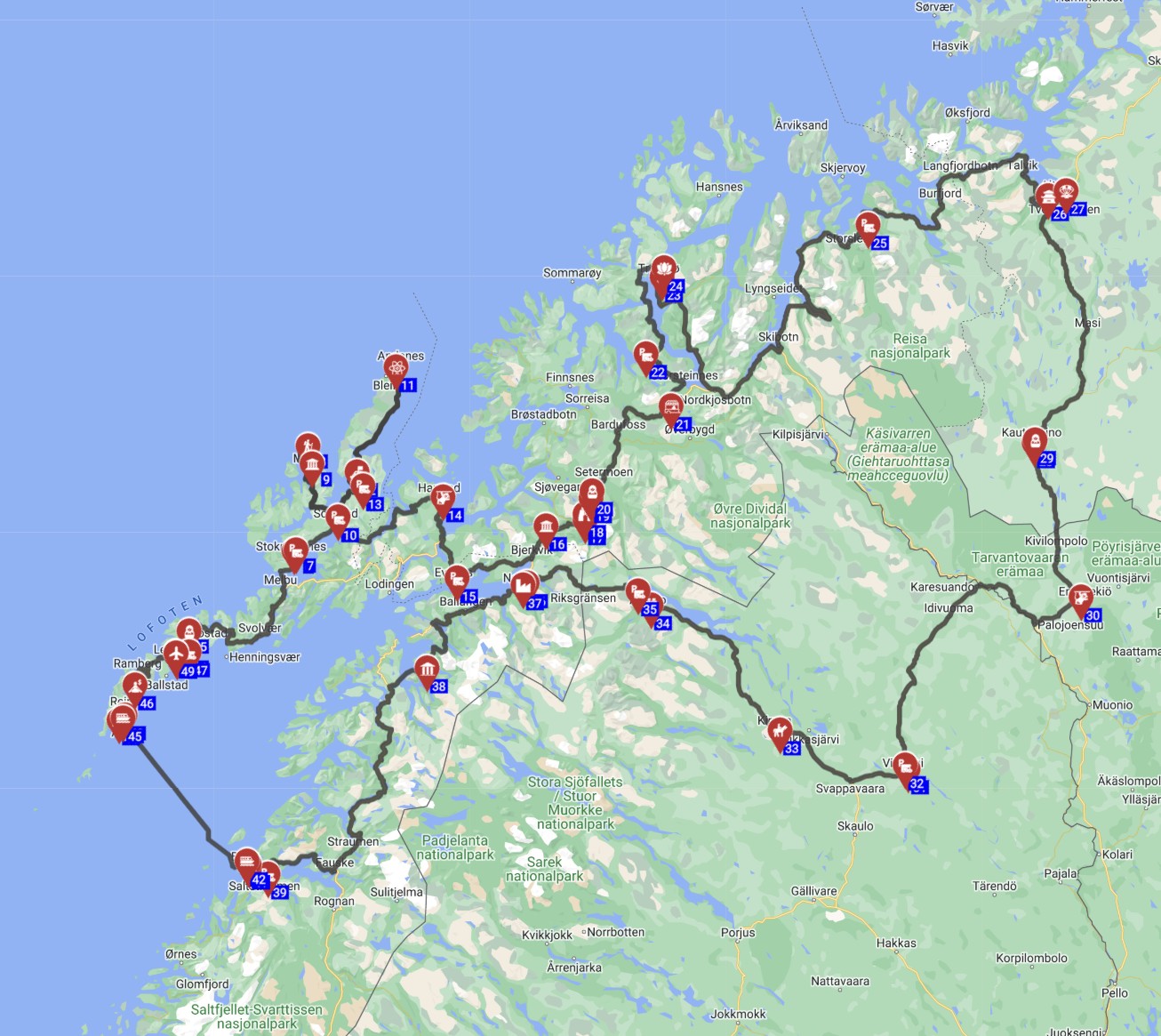
Norway is exceptionally good for RVing, offering unparalleled natural beauty, well-maintained infrastructure, and the flexibility to explore its iconic fjords, majestic mountains, and scenic coastal routes at your family's own pace. The country's extensive network of campgrounds and the unique *Allemannsretten* (right to roam) provide diverse options for overnight stays, from full-service sites to serene wild camping spots. RVing allows families to fully immerse themselves in Norway's breathtaking landscapes, discover charming local communities, and create a truly memorable adventure, supported by generally excellent road conditions and services tailored for travelers. With a rented motorhome, you have a mobile headquarters to venture out to national parks and charming villages. Consider a route like Tromsø Round Trip - Arctic Wonders: Northern Norway Family Road Trip, a 15-day itinerary covering 2402.5 km, which includes 4 museums, 3 wildlife watches, and 2 hiking areas, showcasing the diverse experiences Norway offers for RVers.
How much does it cost to rent an RV in Norway?
The cost to rent a family RV in Norway varies significantly based on vehicle class, rental duration, and season, generally encompassing the base rental fee, fuel, tolls, and campground fees. A detailed budget breakdown for a family RV trip in Norway should account for daily RV rental fees, which can range from €100-€300+ for a Class C motorhome during peak season, depending on the supplier and availability. Fuel consumption for Bandana's Class C and SI RVs typically consumes 10-12 Liters/100 km, so fuel costs can be significant given Norway's fuel prices, often around €2.00 per liter. Campground fees usually run €30-€60 per night for a powered site, while tolls and ferries are a major expense, potentially adding €50-€150+ per day depending on your route and the number of ferry crossings.
Cost-saving strategies include cooking most meals in your RV to save on expensive restaurant dining, utilizing supermarket deals from chains like REMA 1000, and traveling during off-peak seasons for lower rental and campground rates. Additionally, researching multi-pass options for ferries and tolls (e.g., AutoPASS discounts for frequent users) can significantly reduce overall travel expenses. Remember that rental prices are dynamic, changing daily, so booking in advance or being flexible with your dates can help secure better deals. With Bandana, you get full price transparency; no hidden fees or surprises.
What is the best time to RV in Norway?
The best time to RV in Norway depends on your family's desired experience, with summer (June-August) offering long daylight hours, pleasant temperatures ranging from 15-25°C, and full accessibility to most roads and attractions. During summer, popular national parks and attractions are fully open, and many campgrounds are bustling with activities, though you should expect more crowds and higher prices. For families seeking reduced crowds and unique natural beauty, the shoulder seasons are highly recommended: late spring (May-early June) showcases blossoming landscapes and fewer tourists, with daily RV rental rates potentially 15-20% lower than peak season. Early autumn (September-early October) boasts stunning fall foliage and crisp air, ideal for hiking and photography, and similarly offers better value.
While challenging, winter RVing (November-April) is possible for adventurous families equipped for snow and ice, offering opportunities for northern lights viewing and winter sports. However, many mountain roads and campsites, particularly in the interior and high altitudes, will be closed or require specialized winter tires and chains. Always check road conditions and campground availability before venturing out during winter. If you're considering a more extensive Nordic adventure, the Stockholm Round trip - Sweden, Denmark and Norway Family Adventure is a 22-day, 3673.5999999999985 km itinerary that showcases how to connect diverse experiences across seasons and countries, with 6 museums and 3 natural features on the route.
Is it safe to wild camp in Norway?
Wild camping in Norway is generally safe and legally permitted for RVs under *Allemannsretten*, the 'right to roam,' provided ethical guidelines and specific regulations are followed to ensure respect for nature and private property. Under *Allemannsretten*, you can typically park a rented RV or campervan for up to two nights in uncultivated land, at least 150 meters from the nearest inhabited house or cabin. It is crucial to always leave no trace, taking all rubbish with you and properly disposing of grey and black water at designated dump stations. Responsible RVing practices are paramount: minimize environmental impact by staying on established tracks, avoid disturbing wildlife like Norway's abundant sheep, and respect local communities by being discreet and quiet, especially in sensitive areas or near agricultural land. Always exercise common sense regarding your surroundings and do not park in areas with "No Camping" signs.
What do I need to drive an RV in Norway?
To drive a rented RV in Norway, visitors typically need a valid driver's license from their home country, which must be accompanied by an International Driving Permit (IDP) if the license is not in English or a Scandinavian language. A standard car driver's license is sufficient for all motorhome classes (Class A, Class B, and Class C) in Norway; no special license or additional permits are required. Driving in Norway requires familiarity with its unique road conditions, including narrow mountain passes, numerous tunnels (some with roundabouts inside), and specific rules for ferries and the AutoPASS toll system. Foreign RVs are automatically registered for tolls via camera recognition, but it's wise to ensure your rental provider has registered the vehicle, or acquire an AutoPASS tag for potential discounts, as this system handles charges for motorways, bridges, and many of the 180+ ferry crossings. Be prepared for frequent ferry crossings, which are often paid on board or via pre-registered AutoPASS accounts, especially in the fjord regions. Drive slowly and carefully, and you can drive almost anywhere without issues. No need to stress - just use common sense and pay attention.
Can I bring my dog to Norway in an RV?
Bringing your dog to Norway in a rented RV is possible, but requires strict adherence to specific regulations regarding pet passports, up-to-date vaccinations (including rabies, administered at least 21 days prior to entry), microchipping, and potentially tapeworm treatments (Echinococcus multilocularis) administered by a veterinarian 24-120 hours before arrival. Prior to travel, ensure your pet's European Pet Passport is current and that all required health checks and treatments have been administered by a veterinarian within the specified timeframes. While many campsites in Norway are pet-friendly, it's always wise to check in advance. Always keep your dog on a leash in public areas, national parks, and wildlife zones, and be aware of areas where pets might be restricted. Research emergency vet services along your planned RV routes for added peace of mind, and bring proof of all required documentation to avoid any issues upon entry or during your trip.
Can you drink tap water in Norway?
Yes, tap water throughout Norway is safe to drink and of excellent quality, making it a convenient and cost-effective option for RV travelers to refill their tanks and bottles. Norway is renowned for its clean and pure water sources, ensuring that families can rely on tap water for drinking, cooking, and personal hygiene without concern. Utilizing tap water helps reduce plastic waste and avoids the need to purchase bottled water, contributing to a more sustainable and budget-friendly RV adventure. This is particularly valuable given the higher cost of living in Norway, allowing you to save on daily expenses. Many campgrounds offer potable water hookups, and even in many public restrooms, the tap water is safe to drink.
Local Cultural Immersion for RVers in Norway
Beyond scenic drives, families RVing in Norway can enrich their trip through local cultural immersion, engaging with Norwegian traditions, cuisine, and community life. Seek out opportunities to sample specific local dishes like *raspeballer* (potato dumplings) or *fårikål* (lamb and cabbage stew), and visit local markets or farm stands to find fresh, seasonal produce for your RV kitchen. Participating in small village festivals, visiting local museums, or simply engaging with Norwegians in cafes or shops can offer a deeper understanding of the country's rich heritage and unique way of life. Remember to travel slowly, averaging a maximum of 100-150 km per day on average, to truly take time to feel the place, connect to the culture, the food, and the scenery. Don't rush; let the local rhythm guide your adventure.
Top Cities for RV Rental in Norway
Norway offers several excellent starting points for your RV adventure, with rental hubs strategically located to access different regions of the country. Bergen is a popular choice, providing easy access to the stunning Western Fjords. Other notable cities for picking up your family RV rental include Alesund, a beautiful Art Nouveau town; Bodo, a gateway to the Arctic Circle and Lofoten Islands; and Hylkje, offering flexibility for exploring southern and central Norway. For those arriving by air, conveniently located depots can be found near Bergen - Airport and Harstad/Narvik Airport (Evenes), simplifying your pickup process. Additionally, cities like Bjerkvik, Evenes, Grimstad, and Haugesund provide further options for commencing or concluding your Norwegian road trip, making it easy to plan one-way RV rental in Norway if desired.
What You Shouldn't Miss
- **Fjord Cruises:** Take a scenic ferry ride through the Geirangerfjord or Nærøyfjord, UNESCO World Heritage sites, to witness towering cliffs and cascading waterfalls up close.
- **Lofoten Islands Adventure:** Drive through this archipelago in Northern Norway, exploring picturesque fishing villages like Reine and Henningsvær, and hiking the iconic peaks.
- **The Atlantic Ocean Road:** Experience this stunning 8.3-kilometer road that zigzags across low bridges, connecting islands and islets from Bud to Kårvåg, perfect for a slow, scenic drive.
- **Viking Heritage:** Visit the Viking Ship Museum in Oslo or the Viking House in Stavanger to delve into Norway's rich history, bringing sagas to life for the whole family.
- **Northern Lights Hunting (seasonal):** Head above the Arctic Circle during autumn or winter to witness the spectacular Aurora Borealis dancing across the sky from the comfort of your rented motorhome.
- **Explore Stave Churches:** Discover the unique medieval wooden stave churches, such as Urnes or Borgund, often nestled in incredibly scenic, tranquil locations ideal for a peaceful visit.
Looking for expert insights from Avi Bandana? Top 5 Adventures - recommendations from Avi Bandana.
Final Thoughts
A family RV camping trip in Norway is more than just a vacation; it's an immersive experience that brings you closer to nature and each other. Imagine waking up to the gentle sounds of a fjord, enjoying a freshly prepared breakfast in your rented motorhome, and setting off to discover hidden gems at your own pace. With Bandana Caravan, you have a partner dedicated to making your journey smooth, transparent, and utterly unforgettable. We're here to help you compare final prices across 50+ suppliers so you don't have to, ensuring you find the perfect family RV rental in Norway.
So, gather your family, choose your ideal campervan, and prepare for an adventure through Norway's breathtaking landscapes. Remember to travel slowly, embrace local culture, and let every winding road lead to new discoveries. The fjords and mountains are calling, and your family's next great story is waiting to be written.
Plan a trip itinerary in advance with minimal effort and maximum enjoyment. Get inspired for your next family RV camping trip in Norway!