In This Guide
- Where to Camp in France - Top Options
- Campground Types in France (National, Private, Wild)
- Featured RV Park or Campground in France
- Hookups & Amenities - What to Expect
- Booking Windows & Reservations in France
- Nearby Supermarkets & Resupply Points
- Best RV Class for Camping in France
- How to Save on Campgrounds in France
- What do I need to rent an RV in France
- How much does it cost to rent an RV in France
- Is RVing popular in France
- Can you just park an RV anywhere in France
- Do you need an International Driving Permit for France
- Can you sleep in your car in France
- What is the best month to RV in France
- How do I choose the right RV for my family in France
- What are the best RV routes in France for families
- Are pets allowed in French RV rentals and campsites
- What are common road rules for RVs in France
- What apps are useful for RV travel in France
- How to handle emergencies or breakdowns with an RV in France
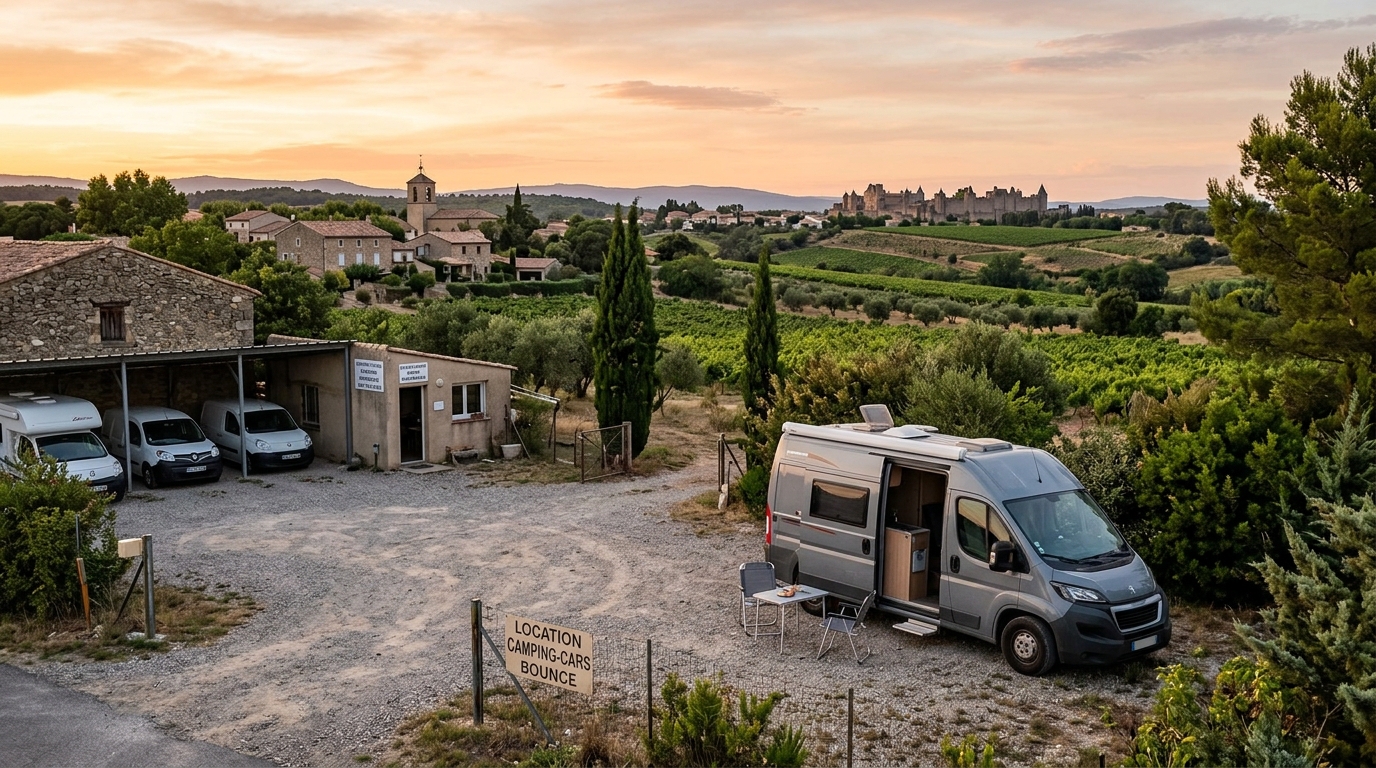
Imagine your family waking up to the aroma of freshly baked croissants, surrounded by rolling vineyards or the sound of waves on a French coast. A family RV rental in France offers an unparalleled way to explore this diverse and enchanting country at your own pace. With a rented motorhome or campervan, you have the flexibility to chase the sunshine, delve into charming villages, and create unforgettable memories, all while enjoying the comforts of your home on wheels.
For live availability and current prices, start with our RV Rental France - Complete Guide 2026 guide. This comprehensive resource is built by true RV specialists who understand the nuances of international RV travel, ensuring you have full transparency with no hidden fees or surprises.
🎬 Video coming soon
Where to Camp in France - Top Options
France offers diverse camping experiences for families, ranging from coastal sites in Brittany to mountain retreats in the Alps and serene vineyards in Bordeaux. Regions such as Provence and the Loire Valley boast numerous family-friendly campgrounds, often equipped with amenities like swimming pools and playgrounds that are perfect for kids. When planning your route, consider the unique regional nuances; for example, navigating narrow roads in Provençal villages might require a more compact RV, while expansive coastal areas offer generous sites suitable for larger motorhomes. Look for various types of sites: 'Campings' are general campgrounds, 'Aires de Service Camping-Car' are dedicated RV service areas, and 'Fermes Auberges' offer unique farm stays with RV parking.
Booking with Bandana RV means you have the advantage of comparing final prices across over 50 leading RV suppliers worldwide, including popular names like El Monte, Cruise America, Apollo, and Britz. We handle the details so you can focus on living the journey, confident that your family RV rental in France is secured with transparent pricing.
Campground Types in France (National, Private, Wild)
In France, camping options range significantly from highly serviced private campgrounds to municipal sites and specific 'aires de service' for RVs, with wild camping generally restricted. Private campgrounds ('Camping Privé') offer extensive amenities like pools, restaurants, and organized entertainment, making them ideal for families seeking a full-service experience. Municipal campgrounds ('Camping Municipal'), often run by local councils, are typically more basic and affordable, providing essential services in convenient locations. While wild camping ('camping sauvage') is broadly prohibited in France, especially in popular tourist areas, coastal zones, and national parks, 'bivouac' (sleeping overnight without a permanent setup) is tolerated in some remote areas under strict leave-no-trace rules. However, to minimize environmental impact and ensure legality, always consult local regulations and prioritize designated RV parking or campsites. This nuanced approach to camping is a key part of RVing in France.
Featured RV Park or Campground in France
When selecting an RV park in France, families should prioritize establishments that cater specifically to their needs, offering amenities such as playgrounds, swimming pools, and organized activities to keep everyone entertained. Many top-rated campgrounds in regions like the Côte d'Azur or Dordogne provide spacious pitches, often with electric hookups, fresh water, and convenient greywater/blackwater disposal points. It's smart to prioritize locations near cultural attractions, local markets, or natural parks to enhance your family's immersive experience beyond just the campsite. If you're traveling with pets, always check for pet-friendly policies when booking, as many French campsites welcome well-behaved animals, though specific restrictions might apply.
Hookups & Amenities - What to Expect
In France, RV campgrounds typically provide essential hookups, including 220-240V electricity (requiring a standard European two-pin plug adapter for North American vehicles), fresh water connections, and convenient greywater/blackwater dump stations. Many private and municipal campsites enhance the family RV camping in France experience with additional amenities such as Wi-Fi (often for a fee or limited to common areas), laundry facilities, hot showers, and sometimes on-site shops or restaurants for a quick grab. When preparing for your trip, it's wise to bring appropriate adapters and surge protectors for European electrical systems. For enhanced connectivity on the road, consider purchasing local SIM cards for mobile data or using portable Wi-Fi hotspots, as campground Wi-Fi can sometimes be unreliable. On the routes offered through RV PLANET routes, you can itemize and track every expense along the way for easy budgeting.
Booking Windows & Reservations in France
For a family RV rental in France, booking campsites well in advance is highly recommended, especially for popular regions like Provence and the Côte d'Azur during peak season (July-August) to secure your preferred spots. Pre-planners often book 3-6 months ahead, sometimes even earlier for prime locations. However, spontaneous travelers can often find available pitches, particularly in shoulder seasons (May-June, September-October) or at smaller municipal sites. It's always wise to call ahead before driving a long distance to confirm availability. Many national and regional park campgrounds and highly sought-after private resorts release only a percentage (e.g., 25-30%) of their spots for advance reservations, leaving the remainder for first-come, first-served arrivals. While popular sites fill quickly, France has an extensive network of campgrounds, meaning you will almost certainly find a place- if not at your first choice, then at a nearby alternative. Just remember to call ahead!
Nearby Supermarkets & Resupply Points
Resupplying your rented RV in France is exceptionally convenient, with major supermarket chains like Carrefour, Leclerc, Auchan, and Intermarché widely available across the country, typically offering large parking areas suitable for motorhomes. Beyond these large supermarkets, exploring local markets ('marchés') offers an authentic cultural experience where your family can purchase fresh, regional produce, exquisite cheeses, and delicious charcuterie directly from local vendors. Planning your routes to include stops in towns with these facilities for regular provisioning ensures your family has access to fresh ingredients for preparing delightful meals on board your campervan. Many towns also feature smaller 'épiceries' (convenience stores) for last-minute essentials, though selection and prices may vary. When planning your budget, remember that all these ancillary costs- from groceries to fuel and tolls- can be itemized and tracked using RV PLANET routes for easy budgeting.
When it comes to cooking inside your rental, France's incredible produce means endless possibilities for RV-friendly recipes playlist, making meal times a highlight of your trip.
Best RV Class for Camping in France
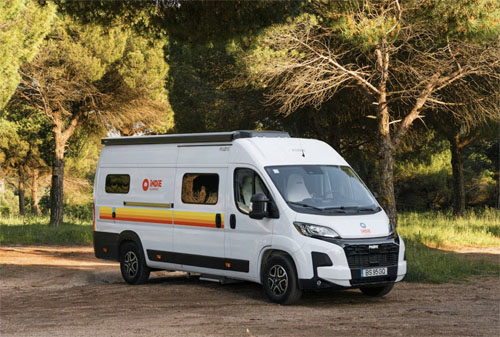
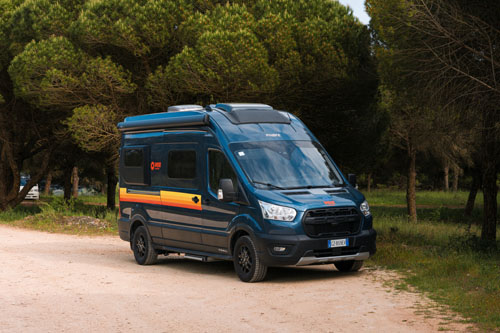
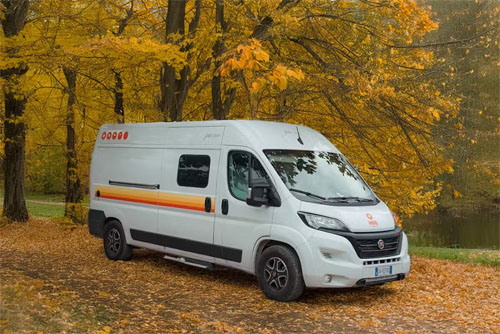
For family RV camping in France, Class C - Alcove and Class SI - Semi-integrated models from Bandana's global fleet are often the most suitable choices due to their excellent balance of space, comfort, and maneuverability. Bandana's Class C - Alcove RVs typically offer an average of 5.8 sleeping places and comfortably accommodate around 4.4 adults, with an average length of 7.5 meters, making them ideal for larger families and those needing ample living space. These models feature spacious interiors and overhead sleeping areas. Class SI - Semi-integrated models, with an average of 3.8 sleeping places and 3.4 adults, and an average length of 6.9 meters, provide a more compact option. This smaller size can be particularly advantageous for navigating the narrower roads often found in charming Provençal villages or historical town centers. Fuel consumption for a Class C motorhome is typically 10-12 Liters/100 km, while Class SI models average 10-11 Liters/100 km, which is an important consideration for your trip budget. Our RV Rental in France for Couples - Pricing 2026 guide offers more details on smaller options if your family is smaller.
How to Save on Campgrounds in France
To save on campground costs for your family RV rental in France, leveraging discount cards such as the ACSI Camping Card or CampingKey Europe can offer significant reductions, especially during shoulder seasons. These cards typically provide discounts of 15-30% on daily rates at participating campgrounds. Booking your trip during the shoulder seasons (spring and autumn) instead of the peak summer months of July and August will also result in significantly lower rates and fewer crowds, enhancing your overall experience. Opt for municipal or regional campgrounds over private resorts, as they usually offer more budget-friendly rates with essential amenities. Many campgrounds provide weekly rates that are more economical than nightly stays, so planning extended trips of 3+ nights at one location can lead to substantial savings. For more ways to economize, check out our Cheap RV Rental in France - Budget Guide 2026.
What do I need to rent an RV in France
To rent an RV in France, you typically need a valid national driver's license (a standard car driver's license is sufficient for all motorhome classes), a major credit card for the security deposit, and you must meet the minimum age requirement, which is usually 21 years old (not 25) for Bandana's partners. For non-EU citizens, an International Driving Permit (IDP) is highly recommended in addition to your national license, though it is not strictly mandatory in all cases, it significantly aids communication and compliance with French authorities. Comprehensive RV insurance is crucial and often required by rental agencies, so ensure your policy covers international travel, roadside assistance, and potential incidents like breakdowns or accidents. Familiarize yourself with French road signs and regulations, and consider reviewing common roadside assistance procedures along with essential French phrases for emergencies as part of your comprehensive pre-trip planning and logistics.
How much does it cost to rent an RV in France
The cost to rent an RV in France varies widely based on the vehicle class, rental duration, season, and pick-up location, but typically ranges from €70 to €200 per day for a family-suitable motorhome or campervan in 2026. For instance, a comfortable Class C Alcove motorhome like the "MH-C" which sleeps up to 6, might start around €120-€180 per day in shoulder season. Peak season (July-August) commands the highest prices, while shoulder seasons (May-June, September-October) offer more economical rates and fewer crowds. Additional costs beyond the base rental include fuel (Class C Alcove models from Bandana's fleet average 10-12 Liters/100 km), tolls, campground fees (ranging from €15-€50 per night), insurance, and potential add-ons like kitchen kits or linen packages. It’s always wise to budget for unforeseen expenses. You can explore more pricing details in our RV Rental in France - Prices and Best Deals 2026 guide.
Is RVing popular in France
Yes, RVing, known as 'camping-car' in French, is extremely popular in France, making it an excellent destination for family road trips. France boasts one of Europe's largest networks of RV-friendly infrastructure, which includes abundant campsites and over 4,000 dedicated 'aires de service' for motorhomes. This widespread popularity is driven by France's diverse landscapes, from the sun-drenched Mediterranean coast to the rugged Alps, its rich cultural heritage, an excellent food scene, and a strong national tradition of outdoor leisure and family holidays. This welcoming environment translates into generally positive attitudes towards motorhome travelers. To maintain this, travelers should embrace responsible travel practices to minimize environmental impact and support local economies ethically, particularly given the high volume of RV tourism in regions like the Loire Valley and Brittany. Our RV Rental Europe - Complete Guide 2026 further highlights France's standing as a top RV destination.
Can you just park an RV anywhere in France
No, you generally cannot just park a rented RV anywhere in France for overnight stays; while daytime parking is often permitted where legal for cars, wild camping or 'camping sauvage' is largely restricted or prohibited, especially in popular tourist areas, coastal zones, and national parks. Designated 'aires de service camping-car' offer legal and convenient spots for RVs to park, often with essential services like fresh water and waste disposal. Some aires are free, while others charge a small fee. Local municipalities frequently have specific bylaws regarding overnight parking for RVs, so it is essential to check local signage and regulations. This is particularly true in charming Provençal villages and historical town centers with narrow roads where larger vehicles like a Class C motorhome may face explicit restrictions. Always prioritize legal parking and proper waste disposal practices to respect local communities and minimize environmental impact.
When driving your family RV, remember to drive slowly and carefully, and you can drive almost anywhere without issues. No need to stress - just use common sense and pay attention.
Do you need an International Driving Permit for France
Yes, non-EU citizens typically need an International Driving Permit (IDP) to drive an RV in France, in addition to their valid national driver's license. While a standard car driver's license is sufficient for all motorhome classes in France, the IDP translates your national license into multiple languages, which is recognized by French authorities and can ensure smoother interactions in case of a traffic stop or accident. It is considered a mandatory requirement by many rental companies and for compliance with French law, so obtaining one before your trip is a crucial part of comprehensive pre-trip planning and logistics. Ensure your IDP is issued in your home country before you depart, as it cannot be obtained once you are in France.
Can you sleep in your car in France
While sleeping overnight in a car in France is generally tolerated in designated parking areas for a quick rest, it is distinct from organized RV camping and is subject to local municipal regulations, with wild camping in a car often facing the same restrictions as RVs. It's usually permissible to take a nap or rest in your car in a safe, legal parking spot, especially at rest stops or large supermarket parking lots. However, setting up a more permanent camp, such as deploying awnings, setting out chairs, or cooking outside, is typically prohibited outside of official campgrounds. Always check local signage; some areas explicitly forbid overnight vehicle stays to preserve natural sites and local amenities. For sustained overnight stays, particularly with a family, a rented motorhome or campervan provides significantly more comfort, legality, and access to essential facilities compared to a car.
What is the best month to RV in France
The best months to RV in France for families are typically May, June, and September, which offer a delightful combination of pleasant weather, fewer crowds, and more affordable rates compared to the peak summer season (July-August). These shoulder months allow for comfortable exploration of France's varied regions, from coastal drives in Brittany and Normandy to mountainous routes in the Alps and the sun-drenched lavender fields of Provence, all without the intense heat or tourist congestion. Visiting in May or June often coincides with vibrant local festivals and blooming landscapes, enhancing the cultural and immersive experience. September provides warm lingering days, ideal for exploring vineyards and enjoying regional culinary specialties, making it perfect for a gastronomic journey by RV. For those considering cooler travel, our Winter RV Rental in France - Pricing Guide 2026 offers specific advice.
How do I choose the right RV for my family in France
Choosing the right rented RV for your family in France involves balancing the number of travelers, your desired comfort level, and the types of roads you plan to navigate, prioritizing models that offer adequate sleeping spaces and amenities. For a typical family of 4-6, a Class C - Alcove motorhome (averaging 5.8 sleeping places and 7.5 meters in length) or a Class SI - Semi-integrated campervan (averaging 3.8 sleeping places and 6.9 meters in length) from Bandana's fleet are often ideal, providing sufficient room without being excessively large for French roads. Consider the RV's length in relation to your planned itinerary; smaller vehicles are generally better suited for narrow village streets and mountain passes, particularly in regions like Provence or the Dordogne. Look for features important to families, such as adequate storage for luggage and sports equipment, child seat compatibility (ensuring you understand French child seat laws), and a functional kitchen for preparing family meals. For couples, our RV Rental in France for Couples - Pricing 2026 provides more tailored advice.
What are the best RV routes in France for families
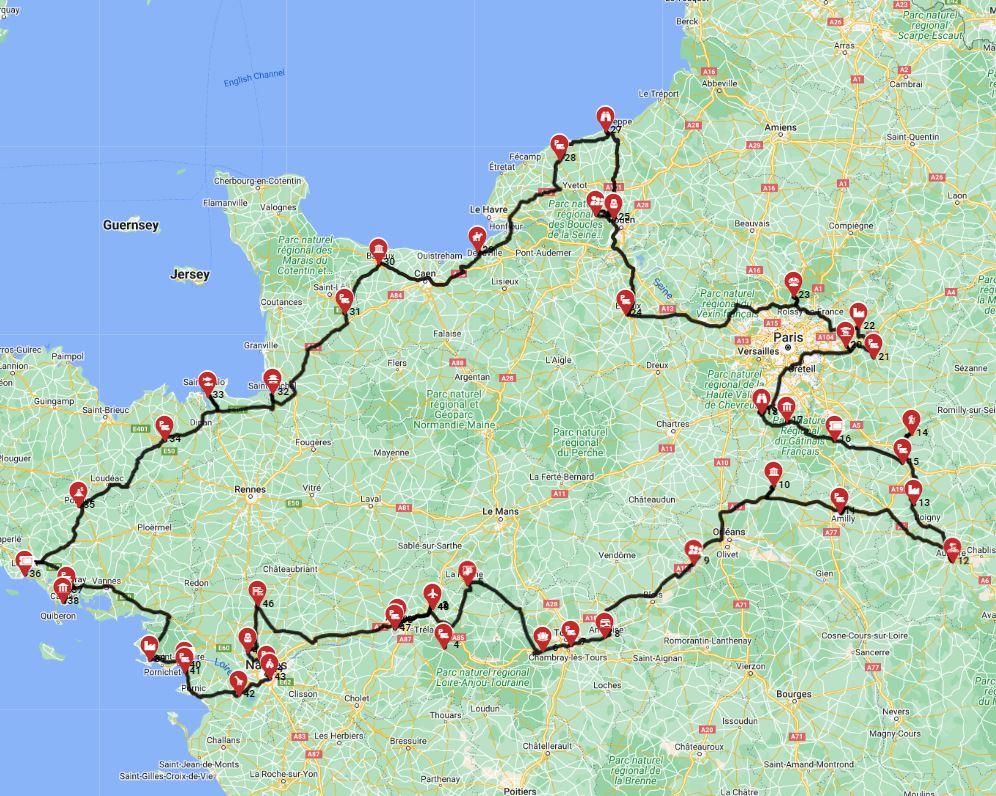
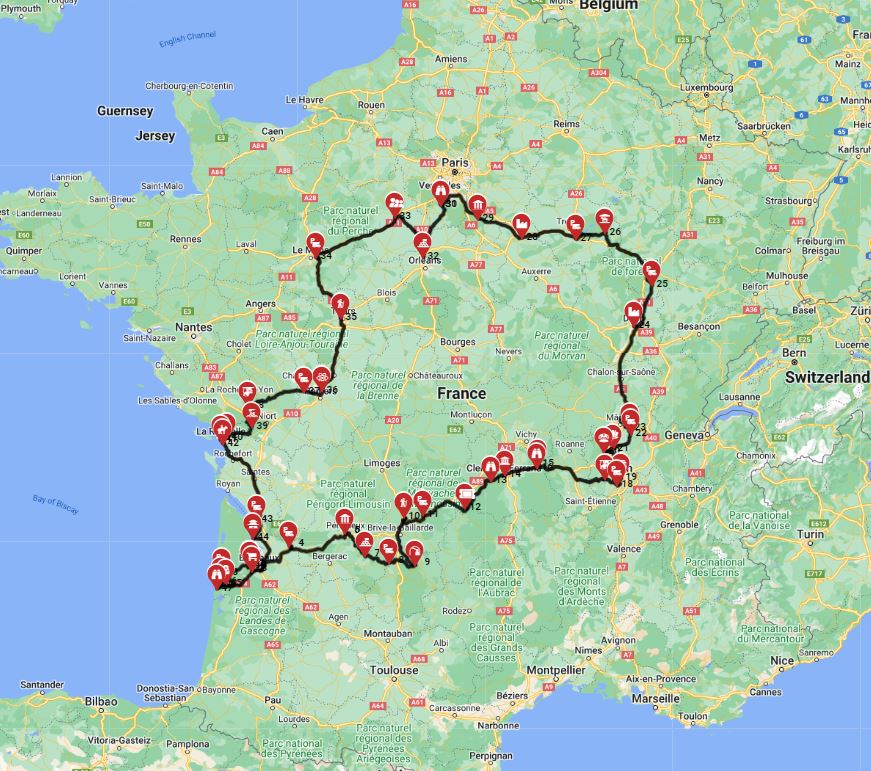
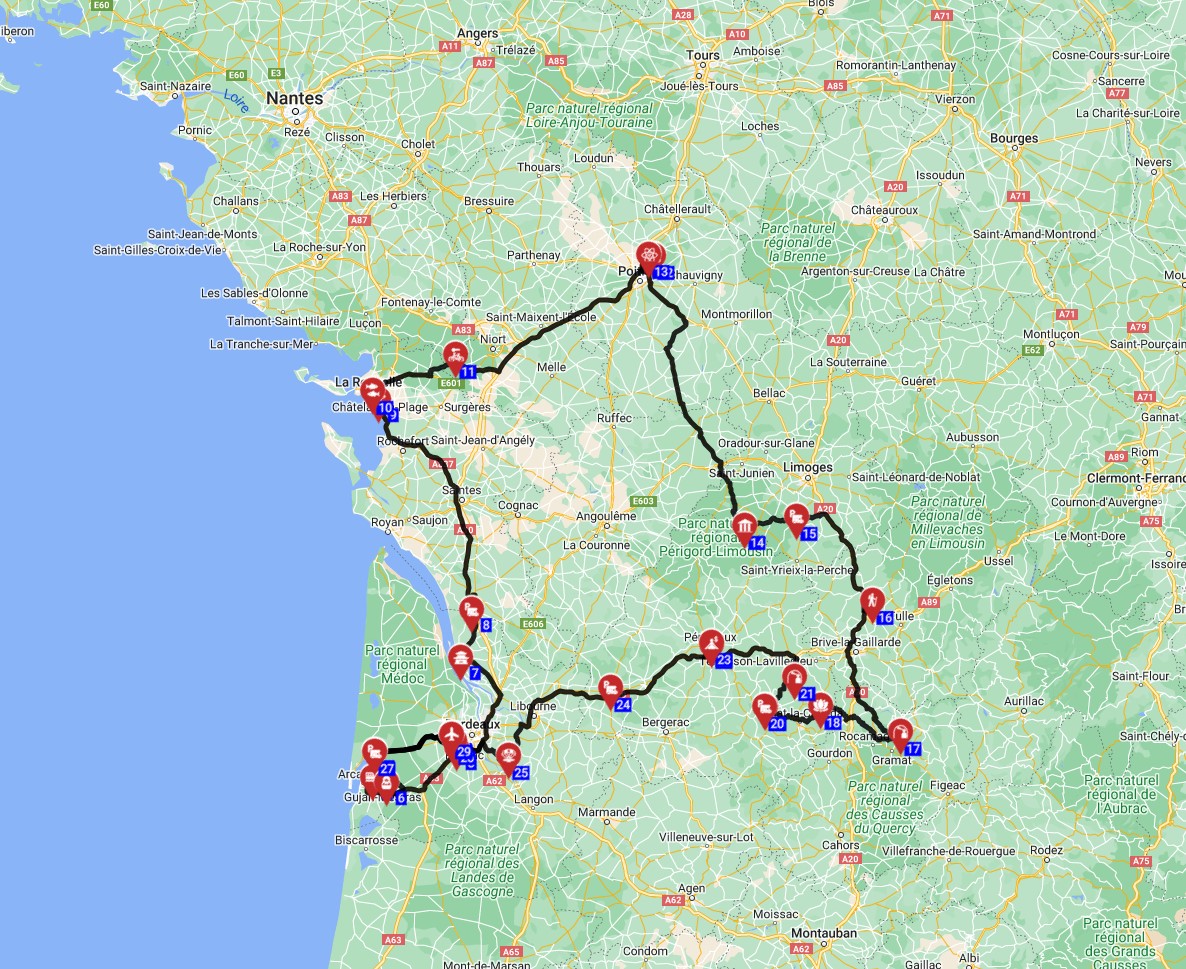
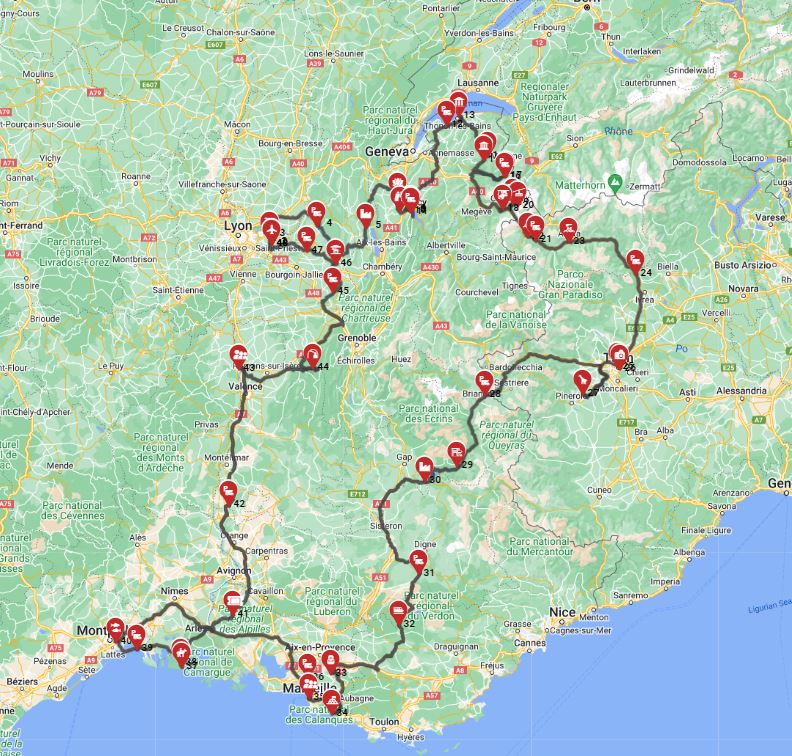
France offers numerous family-friendly RV routes, including the enchanting Loire Valley with its fairytale châteaux, the scenic coasts of Brittany and Normandy with their historical sites and D-Day beaches, and the sun-drenched region of Provence with its vibrant lavender fields and ancient Roman ruins. For a blend of culture and outdoor relaxation, consider a route through the Dordogne, exploring prehistoric caves and medieval villages. Alternatively, embark on a culinary journey through Burgundy's wine regions, balancing tastings for adults with family-friendly activities like cycling along canals. Off-the-beaten-path options include the dramatic gorges of the Ardèche for adventurous outdoor activities like canoeing, or the less-traveled Black Mountains (Montagne Noire) in Occitanie for hiking and nature exploration. Each region presents unique charms and driving challenges, so plan routes that accommodate your RV size and provide opportunities for immersive experiences like visiting local markets or attending regional festivals.
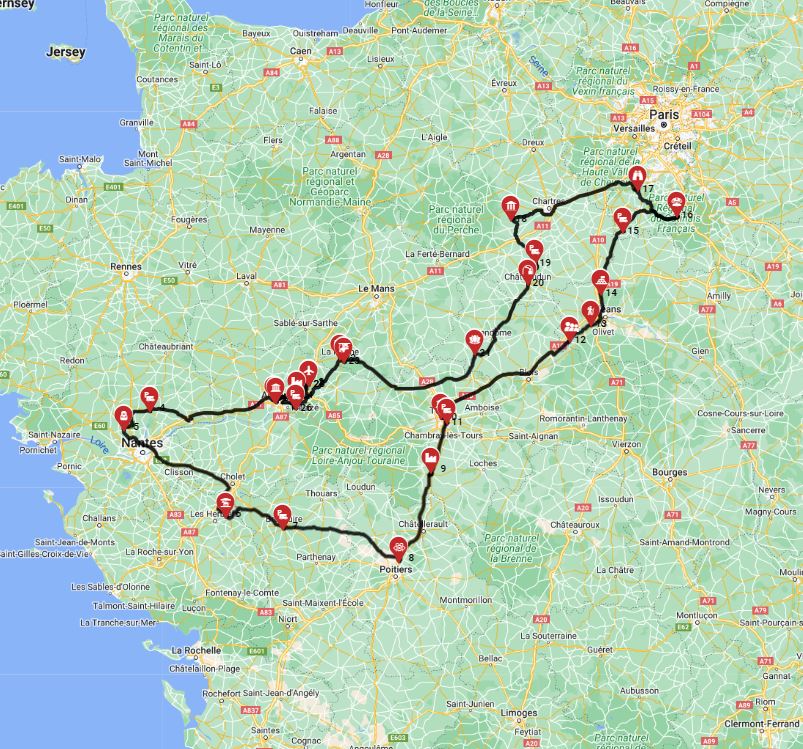
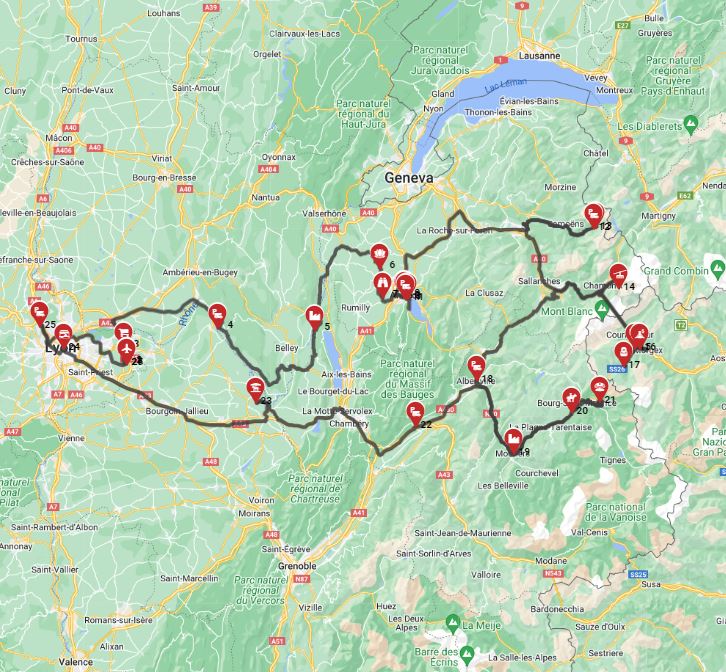
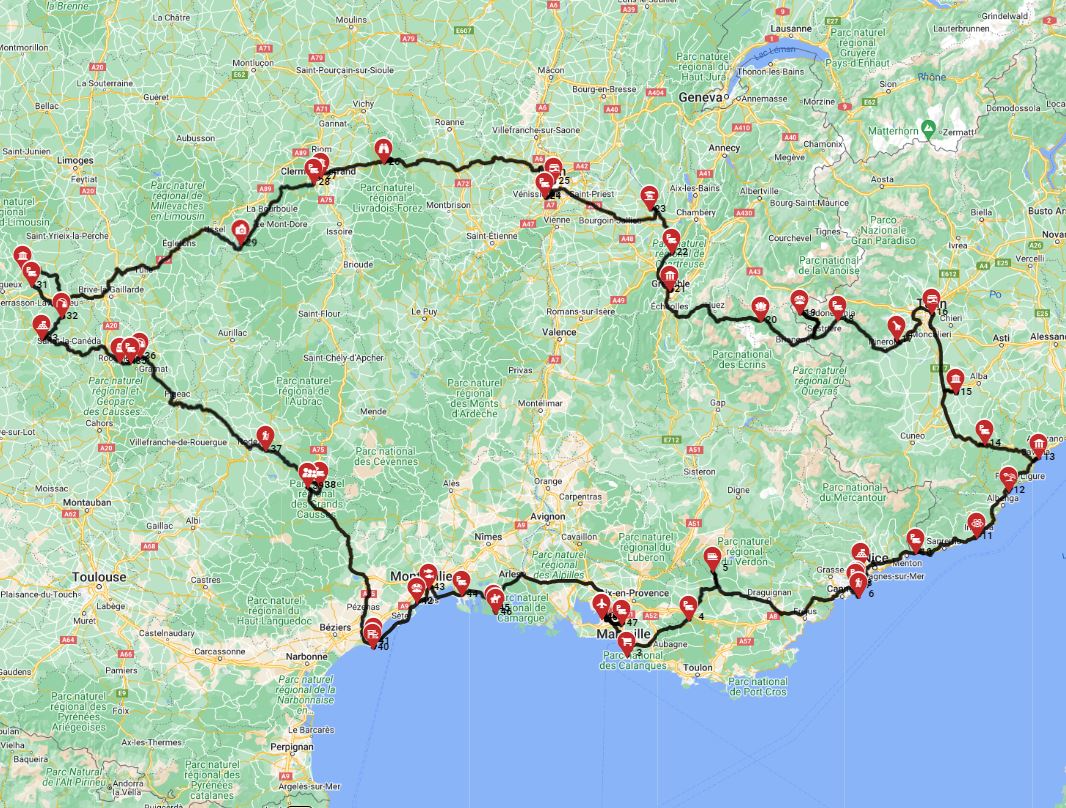
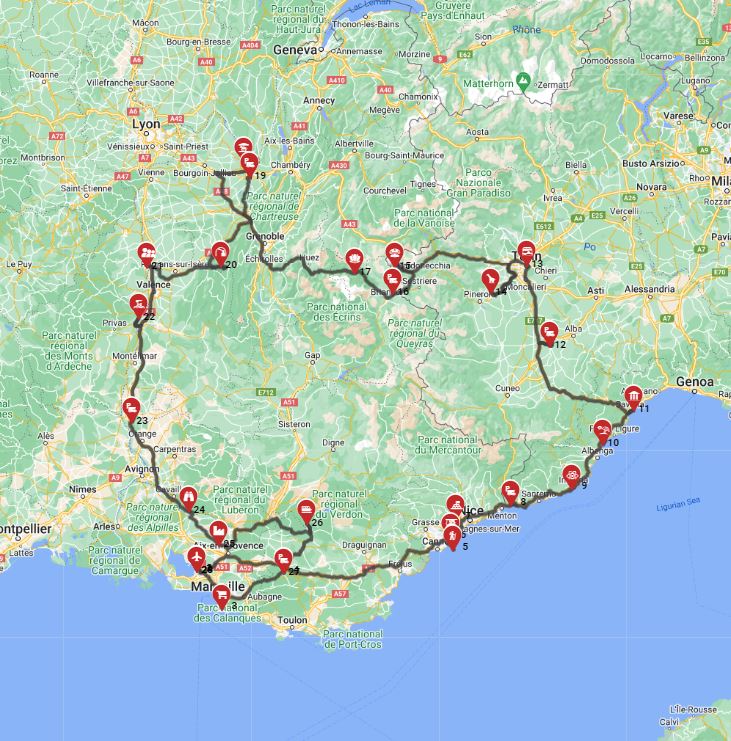
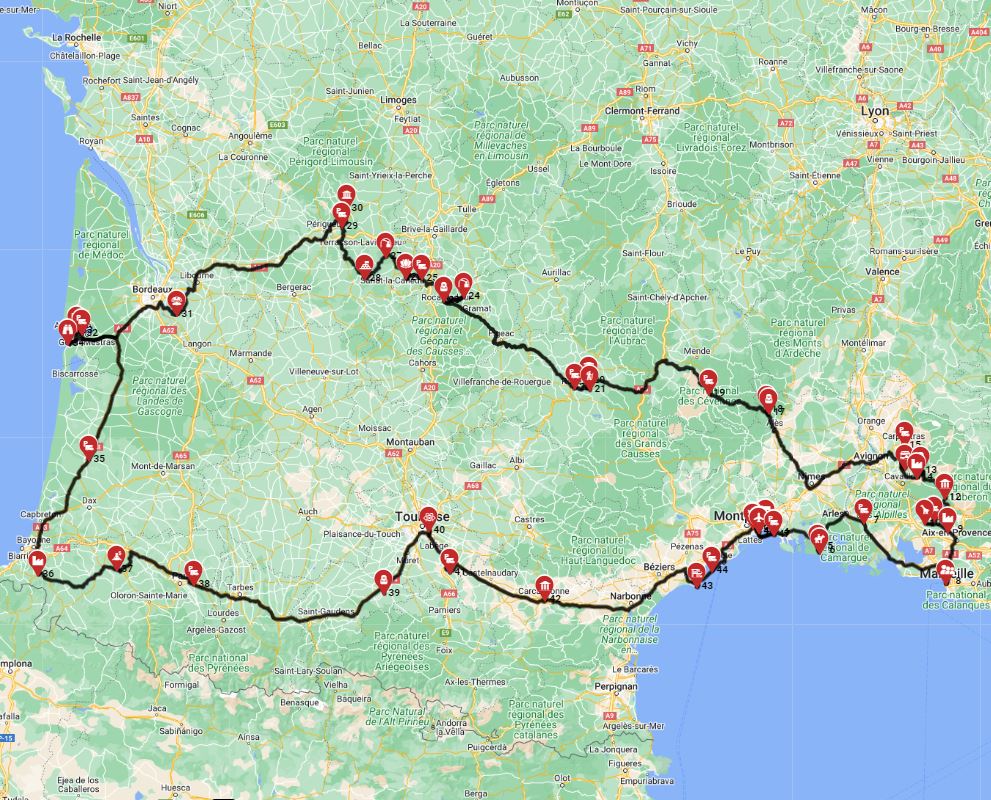
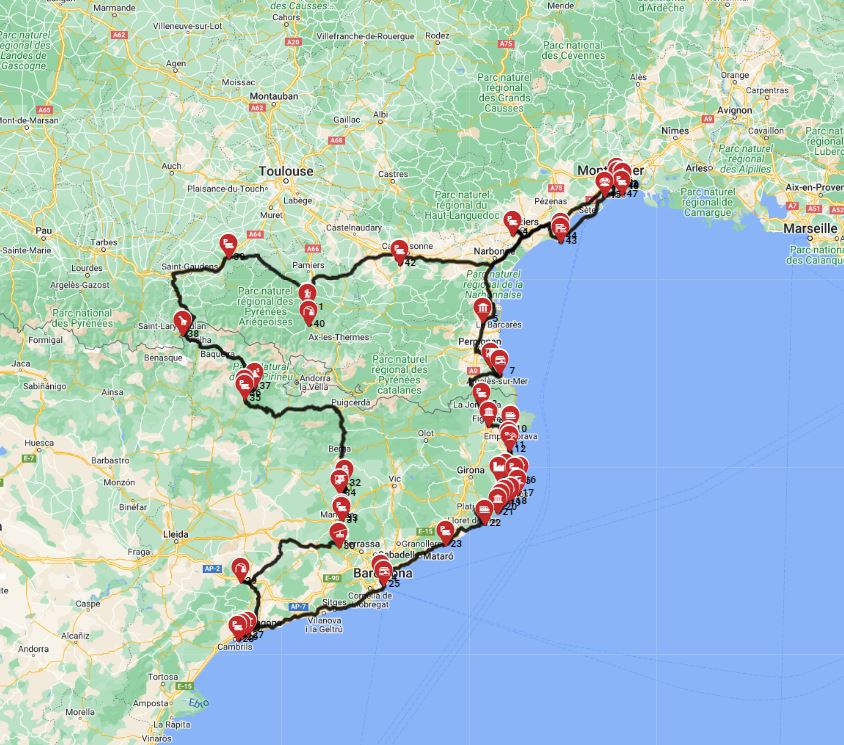
We recommend traveling slowly, averaging a maximum of 100-150 km per day. Take time to feel the place, connect to the culture, the food, and the scenery. RV PLANET (rvplan.net) offers over 1,300 pre-planned routes across 5 continents, including detailed itineraries for France that help you make the most of your family adventure.
Are pets allowed in French RV rentals and campsites
Many RV rental companies and campsites in France are pet-friendly, but policies vary, so it is essential for families to confirm specific requirements and any associated fees when booking your rental and your campsites. If you are traveling with a pet, ensure you have an up-to-date pet passport, all required vaccinations (including rabies), and a microchip, as these are mandated by EU regulations for animal travel. Some campsites may have restrictions on pet size, breed, or require pets to be on a leash at all times within the park, so always check individual campground rules in advance. Planning for pet-friendly attractions, parks, and ensuring your rented RV has adequate space and ventilation for your furry companion are key aspects of family and pet-specific advice for an enjoyable trip. For detailed information on this topic, consult our Pet-Friendly RV Rental in France - Pricing 2026 guide.
What are common road rules for RVs in France
Common road rules for RVs in France include adhering strictly to speed limits, which can vary for vehicles over 3.5 tonnes or those towing trailers. Familiarize yourself with priority rules at intersections ('priorité à droite'), and ensure you carry and know how to properly use reflective vests and warning triangles, which are mandatory in all vehicles. Be particularly aware of specific signage for motorhomes, especially in urban areas and charming Provençal villages, which may indicate restricted access or parking for larger vehicles. The maximum authorized mass (MMA) of your rented RV will determine certain speed limits and road access, so always confirm your vehicle's specifications before setting off. Always be prepared for narrow roads, especially in older towns and rural areas, and plan your routes using GPS features specifically designed for RVs to avoid unsuitable paths. Drive slowly and carefully, and you can drive almost anywhere without issues. No need to stress-just use common sense and pay attention.
What apps are useful for RV travel in France
Several apps can significantly enhance your family RV travel in France, offering invaluable assistance with navigation, campsite finding, and access to local information, thereby improving your technology and connectivity on the road. Apps like Park4night and Campercontact are highly recommended for locating 'aires de service camping-car,' wild camping spots (where tolerated), and traditional campgrounds, often featuring user reviews and photos that can be very helpful. For navigation, while Google Maps or Waze are generally useful, dedicated RV GPS apps (e.g., Sygic Truck & RV Navigation) are recommended because they can provide routing that considers your vehicle's dimensions and weight, helping you avoid narrow or restricted roads. Also consider downloading apps for language translation (e.g., Google Translate), reliable weather forecasts, and local tourism board apps to discover festivals, regional culinary specialties, and unique artisan encounters along your route.
How to handle emergencies or breakdowns with an RV in France
In case of an emergency or breakdown with your rented RV in France, immediately prioritize safety by pulling over to the safest possible location, activating your hazard lights, and placing your warning triangle behind the vehicle as mandated by law. Your first point of contact should be your RV rental company's roadside assistance number, which will be provided in your rental agreement; they will typically have established procedures in place and can dispatch appropriate help. For medical emergencies, dial 112, the European emergency number, which connects you directly to police, ambulance, or fire services; clearly state your precise location and the nature of the emergency. Having basic French phrases for emergencies (e.g., 'Panne,' for breakdown; 'Aide,' for help) can be crucial for overcoming language barriers in stressful situations. Additionally, ensure your personal travel insurance policy covers emergency medical care and potential repatriation.
What You Shouldn't Miss
- Explore the Châteaux of the Loire Valley: Drive your motorhome through this UNESCO World Heritage site, stopping to visit iconic castles like Château de Chambord and Château de Chenonceau, with many campgrounds nearby.
- Experience the Lavender Fields of Provence: Visit during June or early July to witness the breathtaking purple landscapes of Valensole and Sault, combining scenic drives with charming village visits.
- Discover the Historic D-Day Beaches in Normandy: Immerse your family in history by visiting Omaha Beach, Utah Beach, and the American Cemetery, easily accessible with your rented campervan.
- Indulge in Culinary Delights at Local Markets: Dedicate time to wander through vibrant 'marchés' in towns like Uzès or Saint-Rémy-de-Provence, sampling local cheeses, olives, and fresh produce.
- Drive a Section of the Route des Grands Crus in Burgundy: Even if not wine-tasting, the picturesque villages and rolling vineyards offer stunning scenery, perfect for slow travel.
- Looking for expert insights from Avi Bandana? Top 5 Adventures - recommendations from Avi Bandana.
Final Thoughts
A family RV camping trip in France offers an unparalleled sense of freedom, allowing you to immerse yourselves in breathtaking landscapes and rich cultural experiences. From the sun-drenched beaches of the Mediterranean to the historic châteaux of the Loire Valley, a rented motorhome or campervan is your ticket to an unforgettable adventure. With Bandana Caravan, you're not just renting a vehicle; you're gaining a partner dedicated to making your journey smooth, transparent, and absolutely incredible. We're true RV specialists, passionate about helping families like yours discover the magic of the open road.
So, gather your loved ones, choose your ideal family RV in France, and prepare to create cherished memories that will last a lifetime. The vineyards, coastal roads, and charming villages of France are calling, and your perfect RV adventure awaits. Get inspired for your next trip and plan a trip itinerary in advance with minimal effort and maximum enjoyment!
Ready to embark on your French family adventure? Find family RV Rentals in France today!