In This Guide
- Can You Drive an RV in Miami? License & Age Rules
- Road Conditions & Terrain in Miami
- RV Size Limits, Bridges & Restricted Zones
- Fuel: Diesel vs. Petrol & Cost per 100 km
- Tolls, Vignettes & Border Rules
- Driving Tips for rv rental Travelers
- Recommended RV Class for Miami Roads
- Should I Choose a Compact Van Instead of a Large RV in Miami?
- Can I Park Anywhere? Free & Wild Camping Rules in Miami
- Can I Drive an RV Into the City Center? Heights, Tunnels & Local Signage
- What requirements do you need to drive an RV?
- What is the new RV law in Florida?
- What is the 3-3-3 rule for RVs?
- Where in Miami can I sleep in my car?
- Do you need a license to get an RV?
- How much is insurance on a $200,000 RV?
Can You Drive an RV in Miami? License & Age Rules
In Florida, most recreational vehicles (RVs) under 26,001 pounds Gross Vehicle Weight Rating (GVWR) can be driven with a standard Class E driver's license. This means that for most rented RVs, including all Class B campervans and many Class C motorhomes, your regular car license is sufficient. For RVs exceeding 26,001 lbs GVWR, a non-commercial Class B license is required in Florida, though these are typically not the sizes offered for rent. Drivers generally must be at least 21 years old to rent an RV in Miami, although some rental companies may have a higher age requirement, often 25 years old, particularly for larger Class A motorhomes. Out-of-state drivers can typically use their valid home state driver's license, provided it's appropriate for the RV's weight class in their home state. An International Driving Permit (IDP) is recommended for foreign drivers whose home country's license is not in English, but it's not legally required if the license itself is already in English or your home country has a reciprocity agreement with the US.
Road Conditions & Terrain in Miami
Miami's road conditions are generally flat and well-maintained, characterized by extensive urban and suburban sprawl with numerous highways. The terrain is almost entirely flat, making for easy RV driving without steep climbs or descents, which is a significant plus for any RV rental traveler. However, drivers must be prepared for heavy traffic, especially during peak hours on major arteries like I-95, the Florida Turnpike, and the Palmetto Expressway. Urban driving in an RV requires vigilance due to the numerous lanes, merging traffic, and the necessity of maintaining ample braking distance. A slower, more deliberate driving pace is advisable for RVs to navigate Miami's dense environment comfortably and safely. Stick to main roads and major arteries, and you’ll find navigating Miami in your rented RV is quite manageable. Drive slowly and carefully, and you can drive almost anywhere without issues. No need to stress — just use common sense and pay attention.
RV Size Limits, Bridges & Restricted Zones
While there are no widespread, blanket RV size limits that restrict general travel on Miami's major roads, drivers must always be mindful of standard bridge clearances, tunnels, and localized parking restrictions. Most major roads and highways in Miami can accommodate even large RVs, with standard bridge clearances typically around 14 feet (4.3 meters), a common height for overpasses nationwide. Drivers should always pay close attention to posted signs for specific height and weight restrictions, particularly when entering older areas or parking garages, although these are less common on main thoroughfares. Miami does not have specific "environmental zones" that restrict RV access based on emissions. However, be aware of residential street parking regulations, which often prohibit oversized vehicles, including RVs, from parking overnight on public streets.
Fuel: Diesel vs. Petrol & Cost per 100 km
In Miami, both diesel and petrol (gasoline) are readily available at numerous gas stations, with the fuel type depending on your specific RV model. Based on Bandana's fleet data, a typical Class C Alcove RV consumes between 23-35 Liters per 100 km (equivalent to about 7-10 miles per gallon). Fuel prices fluctuate daily; it's advisable to use apps like GasBuddy to find the best local prices for either fuel type, which can vary significantly by station. Many Class C and Class A RVs run on petrol, while some larger diesel-pusher Class A units use diesel. Inquire with your rental company about potential fuel discount cards or programs they might offer, as these can help offset costs during your trip.
Tolls, Vignettes & Border Rules
Miami and the surrounding South Florida area utilize an extensive system of electronic tolls, primarily managed through SunPass. This system is almost entirely cashless, meaning drivers must plan for electronic payment to avoid fines. Miami's expressways, such as the Florida Turnpike and I-95 express lanes, are predominantly cashless toll roads. The most common and recommended payment method is SunPass, which is available via a transponder or a portable device. Many RV rental companies offer options to pre-purchase a toll pass for your rental period or to enroll in a toll-by-plate program, which can help avoid higher administrative fees and potential fines. There are no "vignette" systems or international border rules relevant to driving within Miami or Florida, simplifying your journey. On the routes offered through RV PLANET routes, you can itemize and track every expense along the way for easy budgeting.
Driving Tips for rv rental Travelers
Navigating Miami in an RV requires specific considerations, including effectively managing urban traffic, planning your routes carefully, and prioritizing safety. Utilize RV-specific GPS navigation systems to avoid low bridges, restricted roads, and tight turns, especially in urban Miami. Aim to drive during off-peak hours (avoiding 7-9 AM and 4-6 PM weekdays) to reduce stress and travel time due to Miami's intense traffic. Remember that RVs require longer braking distances and wider turns; always maintain a safe following distance and be keenly aware of your vehicle's swing radius. Utilizing a SunPass or a rental company's toll program is crucial for ensuring smooth travel through Miami's cashless toll system and avoiding fines. Before driving, secure all cabinets, latches, and loose items inside the RV to prevent shifting during transit. In urban areas, always lock your rented RV, keep valuables out of sight, and choose well-lit, reputable RV parks for overnight stays.
Recommended RV Class for Miami Roads
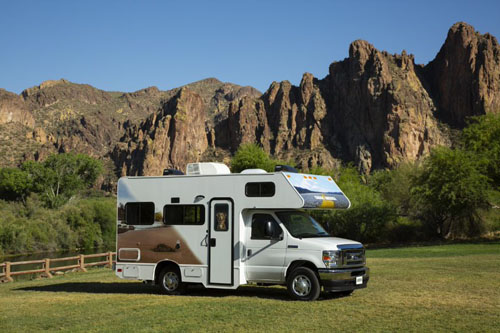
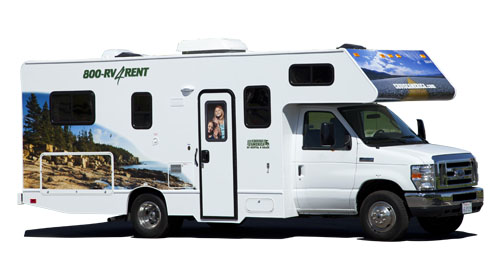
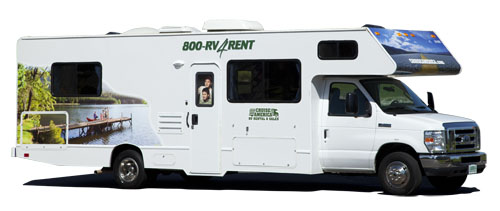
For navigating Miami and its surrounding areas, Class B Camper Vans and Class C Alcove RVs are highly recommended due to their excellent balance of maneuverability and comfortable living space. Class B Camper Vans, typically averaging around 6.1 meters (20 feet) in length, offer superior maneuverability, making them ideal for urban driving and easier parking. Class C Alcove RVs, averaging about 8 meters (26 feet) in length, provide more interior space and amenities while remaining manageable on Miami's roads, suitable for families, with Bandana's Class C models typically offering sleeping places for 4-5 adults. While larger Class A Integrated RVs (averaging around 8.9 meters or 29 feet) can certainly be driven in Miami, their size can make urban parking and navigating denser areas more challenging. The flat terrain of Miami means ground clearance is rarely an issue for any RV class; the primary consideration for Miami is the length and width of the vehicle when it comes to parking and navigating traffic.
Should I Choose a Compact Van Instead of a Large RV in Miami?
While a compact van, such as a Class B Camper Van, offers superior maneuverability in tight urban settings and potentially easier parking, a larger RV generally provides significantly more comfort and indoor space for an RV trip in Miami, with most major roads accommodating larger vehicles without issue. Compact van advantages include easier parking, potentially better fuel economy, and less intimidating driving in dense city traffic. However, larger RVs offer dedicated sleeping areas, full bathrooms, larger kitchens, and more storage, all of which enhance comfort, especially for longer trips or larger groups. Miami's road infrastructure is generally wide enough for most large RVs; the main challenge you'll likely face is finding suitable parking at popular attractions or within denser residential neighborhoods. For families or extended stays, the added comfort and amenities of a Class C or Class A motorhome often outweigh the slight inconvenience of maneuvering a larger vehicle. Ultimately, the choice depends on your priorities: maximum agility with a compact van, or enhanced living space and amenities with a larger RV.
Can I Park Anywhere? Free & Wild Camping Rules in Miami
In Miami, "free camping" or "wild camping" is generally prohibited, and overnight RV parking is strictly restricted to designated campgrounds, RV parks, or specific private properties with explicit permission. Miami-Dade County has ordinances against the overnight parking of RVs on public streets, in residential areas, or on unauthorized lots, prioritizing public safety and order. Attempting to "boondock" or free camp in urban Miami can lead to fines, towing, or safety issues. The legal and safe options for overnight stays include established RV parks and campgrounds within or near Miami, such as Miami Everglades RV Resort or Larry and Penny Thompson Park. Some private businesses, like certain big-box retail stores, might permit overnight parking for self-contained RVs, but policies vary significantly by location; always seek permission from store management first. Rules vary by region, so it's always best to check local regulations and adhere to local laws before parking overnight, as Miami-Dade County actively enforces these rules.
Can I Drive an RV Into the City Center? Heights, Tunnels & Local Signage
Yes, you can generally drive an RV into Miami's city center, but drivers must pay close attention to local signage regarding height restrictions, low tunnels, and any specific environmental zones or residents-only streets. Major roads and arteries leading into and through downtown Miami, Brickell, and Miami Beach are typically navigable by RVs of most sizes, as these are primary thoroughfares. The biggest concern for RVs in city centers is often parking, not the roads themselves, as dedicated RV parking is scarce. Be vigilant for signs indicating low bridge clearances or tunnel height restrictions, though major routes are usually RV-friendly. Always observe local signage for any environmental zones (though not common in Miami), weight limits, and residents-only streets to avoid citations. For sightseeing in congested areas, it's often advisable to park your rented RV at a designated lot or RV park outside the immediate core and then utilize public transport or ride-sharing services.
What requirements do you need to drive an RV?
To drive an RV, the primary requirement is a valid driver's license appropriate for the vehicle's Gross Vehicle Weight Rating (GVWR) in your home state or country. For the vast majority of recreational vehicles, including all Class B camper vans, Class C motorhomes, and many Class A models under 26,001 pounds GVWR, a standard driver's license (e.g., Class E in Florida) is typically sufficient across the U.S. Only very large RVs, typically those with a GVWR exceeding 26,000 pounds, require a special non-commercial Class B or Class A license, which involves additional testing. For renting an RV, you must present a valid driver's license at the time of pickup, and most rental companies require drivers to be at least 21 years old, often 25 or older, with some imposing additional fees for younger drivers. Licensing requirements focus on the safe operation of the vehicle's weight and size.
What is the new RV law in Florida?
As of the current year, there isn't one single, overarching "new RV law" in Florida that drastically alters general RV driving license requirements or broad operational rules. However, local ordinances and regulations are continuously updated, particularly concerning RV parking and residency. Florida Statute Chapter 320 governs motor vehicles, including RVs, but major overhauls specific to RVs are uncommon and usually focus on titling, registration, or minor operational aspects. Recent legislative discussions or updates often center on local zoning, restrictions on RV parking in residential areas, or rules regarding full-time RV living within specific counties like Miami-Dade. Travelers should primarily be aware of county and municipal ordinances that might affect where they can park or stay overnight, as these are more prone to local updates. Always check the official Florida Department of Highway Safety and Motor Vehicles (FLHSMV) website for the most current state laws and consult specific Miami-Dade County regulations for local rules.
What is the 3-3-3 rule for RVs?
The 3-3-3 rule for RVs is an informal guideline suggesting that RVers drive no more than 300 miles a day, arrive at their destination by 3 PM, and stay for at least 3 nights. This promotes a more relaxed and enjoyable travel experience. Driving no more than 300 miles helps prevent driver fatigue, allows for spontaneous stops, and reduces the stress of long travel days, especially when navigating unfamiliar areas like Miami. Arriving by 3 PM provides ample daylight to set up camp, explore the campground, and settle in before dark, which is particularly useful when arriving at a new RV park. Staying for at least 3 nights encourages travelers to fully experience each destination, offering time to relax and explore local Miami attractions without feeling rushed. Adhering to the 3-3-3 rule can significantly enhance safety and fulfillment for RV renters, promoting a less hurried and more rewarding journey.
Where in Miami can I sleep in my car?
In Miami, sleeping overnight in your car or RV on public streets, beaches, or most public parking lots is generally prohibited by local ordinances and can result in fines or towing. Miami-Dade County regulations typically restrict overnight parking or "camping" in vehicles outside of designated facilities due to public safety and nuisance concerns. Attempting to sleep in your car in unauthorized areas poses security risks and can lead to legal penalties. The legal and safe options for overnight stays include established RV parks and campgrounds within or near Miami, such as Miami Everglades RV Resort, Larry and Penny Thompson Park, or Oleta River State Park. Some private businesses, like certain big-box retail stores, may permit overnight parking for self-contained RVs, but policies vary by specific location; always seek permission from store management first.
Do you need a license to get an RV?
Yes, you need a valid driver's license to operate an RV, with the specific class of license required depending on the RV's Gross Vehicle Weight Rating (GVWR) and your state's or country's regulations. For the vast majority of recreational vehicles available for rent, including all Class B camper vans, Class C motorhomes, and many Class A models under 26,001 pounds GVWR, a standard driver's license is sufficient across the U.S. Only very large RVs, typically those with a GVWR exceeding 26,000 pounds, require a special non-commercial Class B or Class A license, which involves additional testing. To rent an RV, you must present a valid driver's license at the time of pickup, and most rental companies require drivers to be at least 21 years old, often 25 or older. The licensing requirements focus on the safe operation of the vehicle's weight and size.
How much is insurance on a $200,000 RV?
For a $200,000 RV, annual insurance costs for ownership can vary significantly, ranging from approximately $1,000 to over $4,000, influenced by factors like driver record, RV type, location (e.g., Miami), usage (full-time vs. recreational), coverage limits, and deductible choices. When renting an RV in Miami, basic liability insurance is typically included in the rental price, covering damages to third parties. Renters are often advised to purchase supplemental coverage options, such as collision damage waivers or personal property coverage, offered by the rental company or through personal auto insurance/credit card benefits, to protect against damage to the rental RV itself. The exact cost of supplemental rental insurance varies but can add a significant amount per day or per rental period, typically ranging from $15-$50 per day. Always review your rental agreement and personal insurance policies to understand your full coverage for an RV rental.
What You Shouldn't Miss
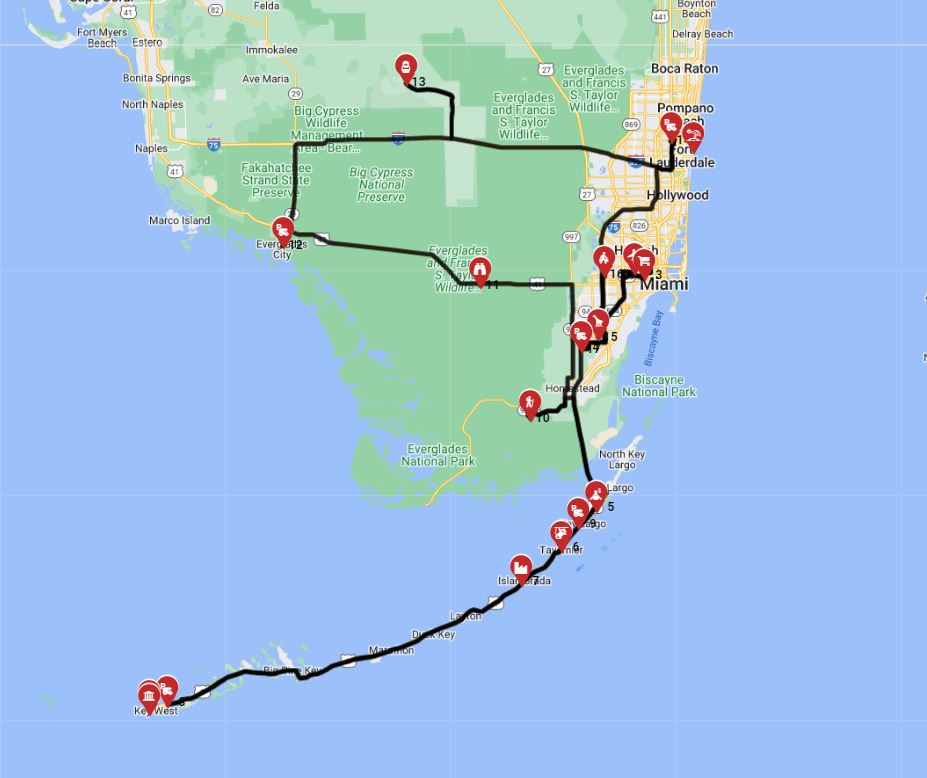
- Everglades National Park Exploration: Take your rented RV west of Miami to explore the unique ecosystem of the Everglades. Look for opportunities to take an airboat tour or visit the Ernest F. Coe Visitor Center for insights into the park's biodiversity.
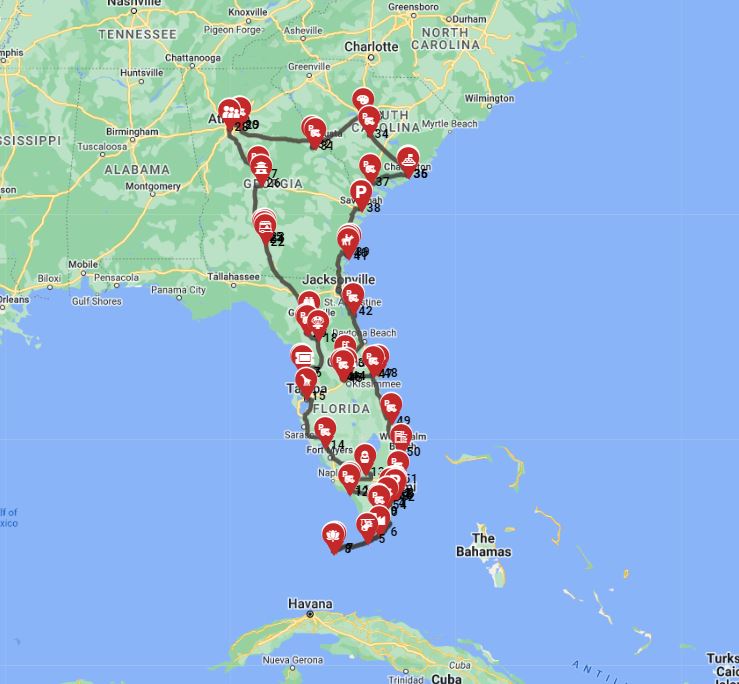
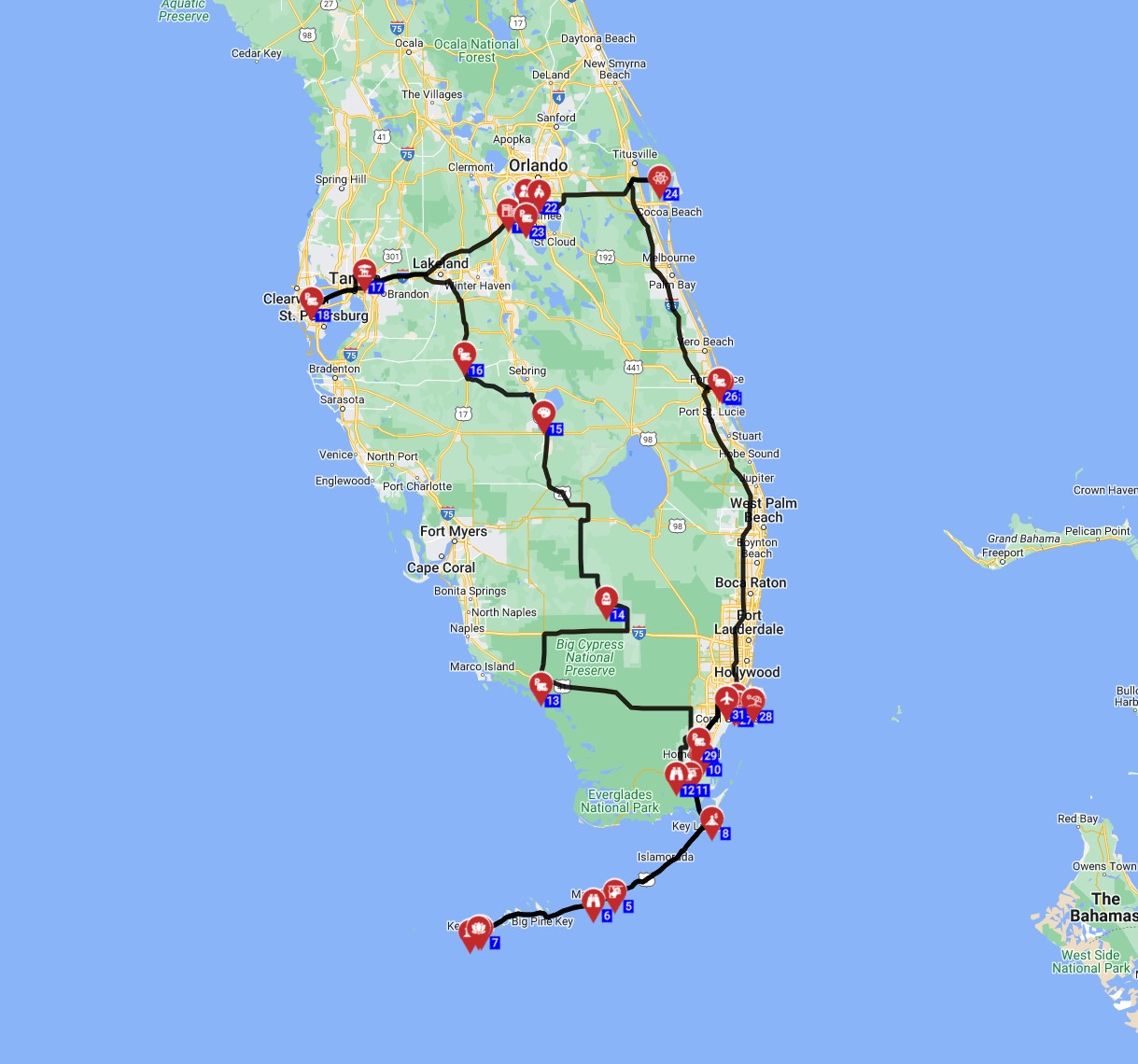
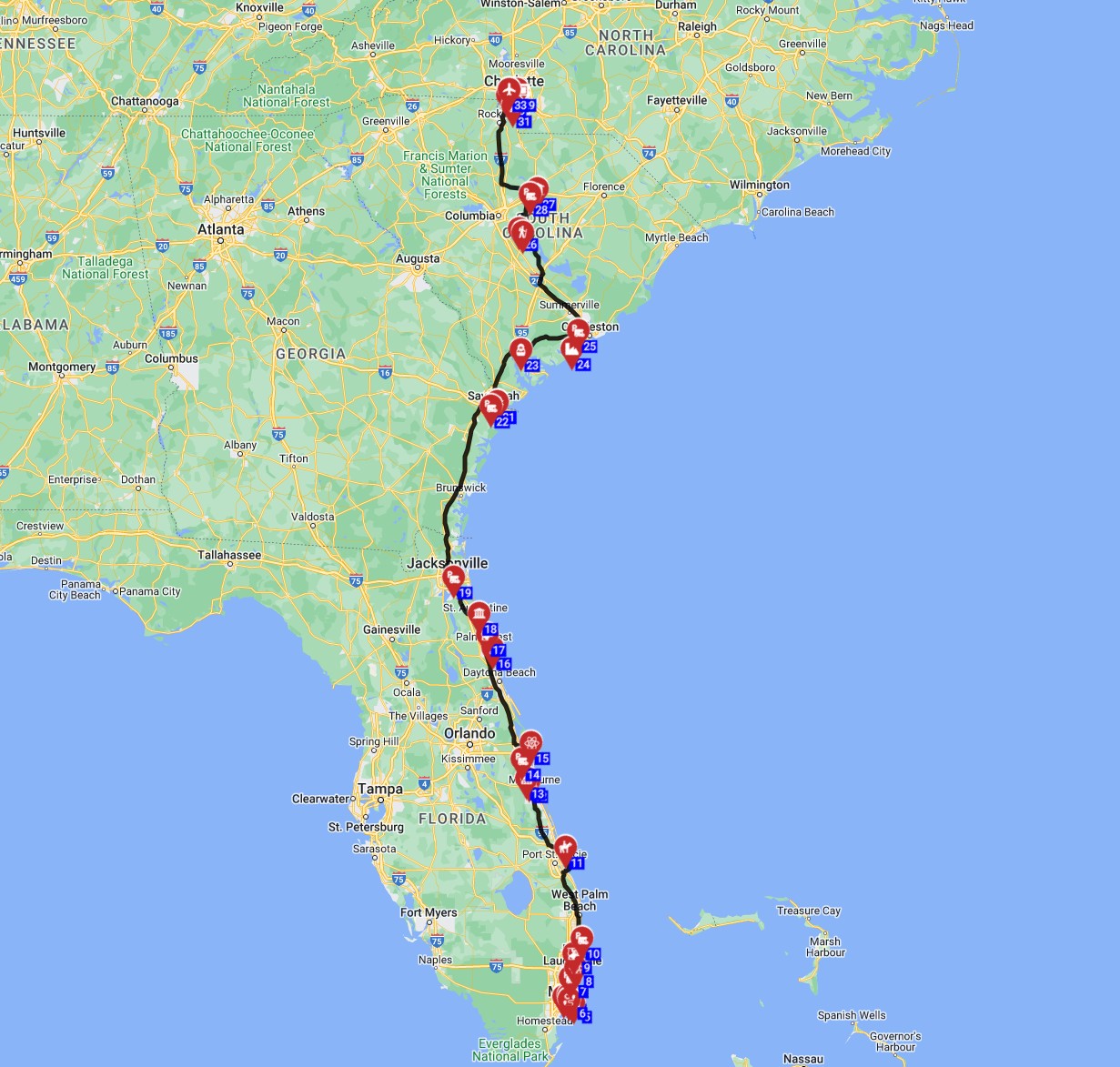
- Key West Road Trip: Embark on the scenic drive down the Overseas Highway (US-1) to Key West. This 7-day trip, covering 1043.2 km, offers stunning ocean views and a taste of island life, with attractions like beaches and natural features.
- Biscayne National Park Adventure: Explore the marine ecosystems of Biscayne National Park, located just southeast of Miami. This area is ideal for RVers interested in natural features and offers opportunities for kayaking or simply enjoying the coastal scenery.
- Miami's Art Deco District Drive-By: While challenging for larger RVs, a careful drive-through of Miami Beach's Art Deco Historic District offers a glimpse into iconic architecture. Consider parking at a designated spot and exploring on foot or by bicycle.
- Everglades and Crocodiles: Drive west of Miami into Everglades National Park, and you'll enter the only place on Earth where alligators and crocodiles naturally coexist in the wild. This is a remarkable opportunity for RV travelers to witness unique wildlife.
Final Thoughts
Renting an RV in Miami offers an unparalleled way to experience the vibrant energy of the city and the natural beauty of South Florida. From the bustling urban landscape to the tranquil Everglades, your rented motorhome provides the freedom and flexibility to explore at your own pace.
Remember to plan ahead, especially regarding campsites and popular routes, and always prioritize safe driving practices. With Bandana Caravan, you can compare prices and book with confidence, knowing you're getting the best value with full transparency.
Find Motorhome Rentals in Miami