In This Guide
- Can You Drive an RV in Germany? License & Age Rules
- Road Conditions & Terrain in Germany
- RV Size Limits, Bridges & Restricted Zones
- Fuel: Diesel vs. Petrol & Cost per 100 km
- Tolls, Vignettes & Border Rules
- Driving Tips for RV Rental Travelers
- Recommended RV Class for Germany Roads
- Should I Choose a Compact Van Instead of a Large RV in Germany?
- Can I Park Anywhere? Free & Wild Camping Rules in Germany
- Can I Drive an RV Into the City Center? Heights, Tunnels & Local Signage
- How much does it cost to rent an RV in Germany?
- What is the best way to travel Germany by RV?
- What is the cheapest month to rent an RV in Germany?
- How many days do you need to RV in Germany?
- How much is an RV pitch in Germany?
Embarking on a motorhome adventure in Germany offers an unparalleled way to explore a country rich in history, diverse landscapes, and vibrant culture. From the fairytale castles of Bavaria to the bustling streets of Berlin and the scenic Rhine Valley, a rented RV gives you the freedom to craft your own journey at your own pace. With over two decades of experience helping tens of thousands of travelers explore the world by RV, Bandana RV is your trusted partner. For live availability and current prices, start with our RV Rental Germany - Complete Guide 2026 guide.
Can You Drive an RV in Germany? License & Age Rules
Most standard RVs in Germany, especially those with a Maximum Permissible Mass (MPM) up to 3,500 kg (approximately 7,700 lbs), can be driven with a standard B-category European driving license or its international equivalent. For non-EU citizens, an International Driving Permit (IDP) is highly recommended to accompany your national license, serving as a certified translation for legal driving in Germany. Bandana RV's minimum driver age for all motorhome classes, including larger Class A models, is 21 years, and we have no young driver surcharges or vehicle class restrictions based on age. This means your week-long trip can begin smoothly without unexpected hurdles.
For those considering a larger Class A motorhome for their Germany adventure, like an "Elite Traveller" or "Comfort Luxury," remember that a standard car license is sufficient for all our rental motorhomes. While some other countries or private rentals might have different regulations, with Bandana's partner suppliers such as El Monte, Cruise America, Apollo, and Britz, you're covered with your regular license. Our extensive network covers over 50 countries, and our local expertise ensures you always have the most accurate and up-to-date information for your RV rental in Germany.
🎬 Video coming soon
Road Conditions & Terrain in Germany
Germany boasts an excellent network of well-maintained roads, including the famous Autobahns and picturesque country routes, all suitable for RV travel. While Autobahns offer high-speed connections between major cities and regions, rural roads provide access to charming villages, natural parks, and hidden gems, often encouraging a slower, more immersive driving style. Remember, we always recommend slow travel, averaging a maximum of 100-150 km per day, to truly feel the place, connect to the culture, the food, and the scenery of Germany.
Terrain varies significantly across Germany, from the flat northern plains perfect for smooth sailing in a "Class SI - Semi-integrated" motorhome, to the rolling hills in central Germany. The mountainous regions in the south, such as the Bavarian Alps and the Black Forest, present more winding passes and elevation changes. These areas require careful navigation, especially in larger motorhomes, but are completely manageable. Gravel or unpaved roads are rare on primary routes but can be encountered when accessing remote campsites or specific natural attractions; most rental RVs handle these without issues. You'll find that Germany's infrastructure is generally very RV-friendly, making exploration a joy.
RV Size Limits, Bridges & Restricted Zones
While Germany generally accommodates RVs of various sizes, drivers must be vigilant for specific height, weight, and environmental restrictions, particularly in urban areas and older towns. It is crucial to pay close attention to road signs indicating height limits, especially for underpasses, tunnels, and historic city gates, as low bridges can be found even on secondary routes. Environmental zones (Umweltzonen) are prevalent in many German cities, requiring RVs to display a green 'Umweltplakette' (environmental badge) to enter; this badge can be obtained online or at TÜV stations before your trip. Without it, you risk fines ranging from €80 to €100.
For larger, heavier RVs (over 3.5 tonnes), commercial vehicle regulations may apply, distinct from standard passenger car rules. This includes specific speed limits, often 80 km/h (approx. 50 mph) on Autobahns, and potential tolls (LKW-Maut) on most motorways and some federal roads. These are important considerations for travelers planning an extended road trip across Germany with a larger rented motorhome, such as a "Category Large 6 AT" model. On the routes offered through RV PLANET routes, you can itemize and track every expense along the way for easy budgeting.
Fuel: Diesel vs. Petrol & Cost per 100 km
The vast majority of rental RVs in Germany operate on diesel fuel, which is readily available at petrol stations throughout the country. While prices fluctuate daily like airline tickets, understanding typical consumption helps budget your journey. For instance, a Class B Camper Van like the "V2L" typically consumes 8-10 Liter/100 Km, a Class SI Semi-integrated RV such as the "K125" uses 10–11 Liter/100 km, and a Class C Alcove RV such as the "MHC28" averages 10–12 Liter/100 km. Based on current 2026 fuel prices, the estimated cost per 100 km for an RV in Germany generally ranges from €18 to €25, varying with vehicle size and driving style.
It is advisable to factor these dynamic fuel costs into your overall trip budget, as they represent a significant portion of overall travel expenses. When exploring RV PLANET routes, you can itemize and track every expense along the way for easy budgeting, ensuring no surprises. Our commitment to full transparency means you'll always have a clear picture of your costs, from rental fees to fuel, before, during, and after your booking process. For more detailed budgeting insights, consider our "Cheap RV Rental in Germany - Budget Guide 2026" or "RV Rental in Germany - Prices and Best Deals 2026" articles.
Tolls, Vignettes & Border Rules
Germany's Autobahns are generally toll-free for rented RVs under 3.5 tonnes, a welcome relief for many travelers. However, an electronic toll system (LKW-Maut) applies to motorhomes and other vehicles over 3.5 tonnes on most motorways and some federal roads. It's important to clarify your vehicle's weight class with your rental supplier.
There is no general vignette requirement for passenger vehicles or RVs under 3.5 tonnes in Germany, unlike neighboring countries such as Austria or Switzerland. If your adventure extends beyond Germany's borders to countries like the Netherlands or Belgium, be aware of their specific road rules, environmental zones, or potential toll requirements for various vehicle types. Some Bandana partner suppliers may offer options for pre-purchasing toll passes or providing guidance for neighboring country vignettes, which can help avoid fines and streamline border crossings, reflecting our supportive approach to your journey planning.
Driving Tips for RV Rental Travelers
Familiarize yourself with German road signs, especially those indicating speed limits, environmental zones, and parking restrictions, to ensure a smooth and enjoyable RV trip in Germany. Maintain appropriate speeds on Autobahns, keeping to the right lane except when overtaking, and be aware of stricter speed limits for RVs over 3.5 tonnes (typically 80-100 km/h). Utilize navigation systems that allow input for vehicle dimensions to avoid low bridges and narrow streets, especially when navigating through historic towns. Drive slowly and carefully, and you can drive almost anywhere without issues. No need to stress - just use common sense and pay attention.
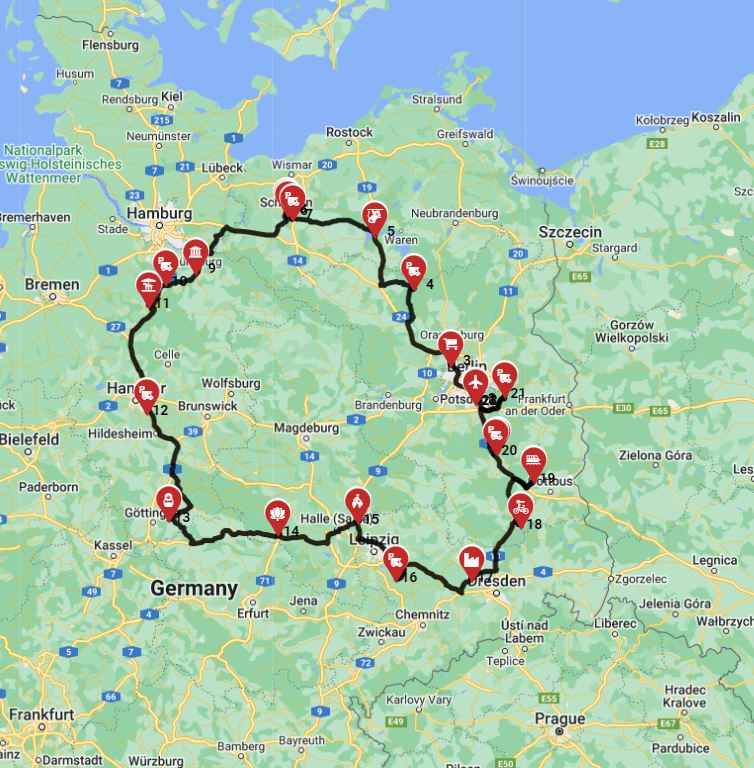
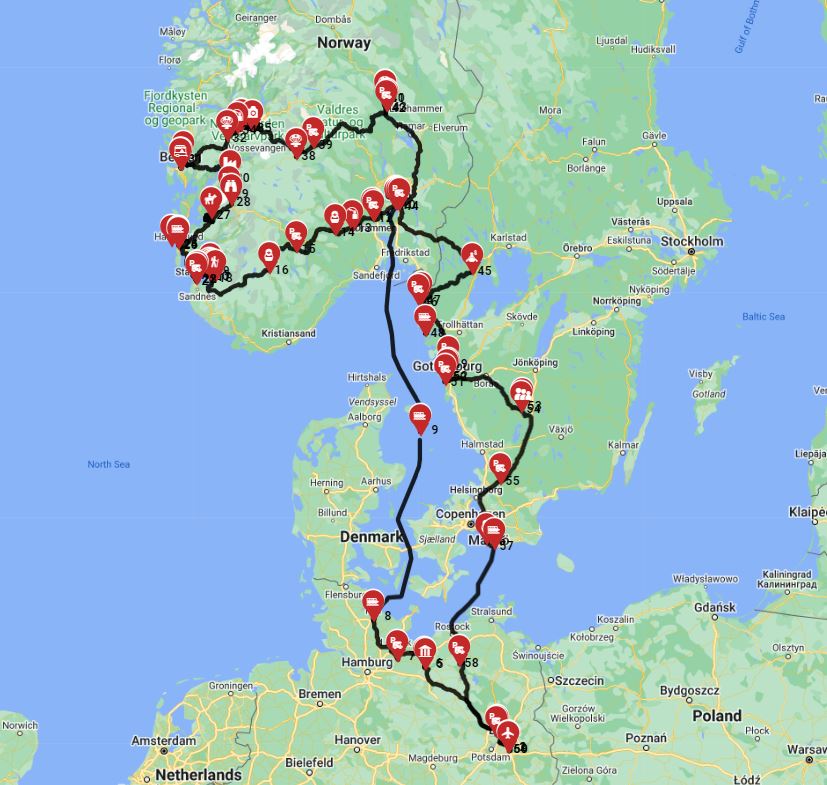
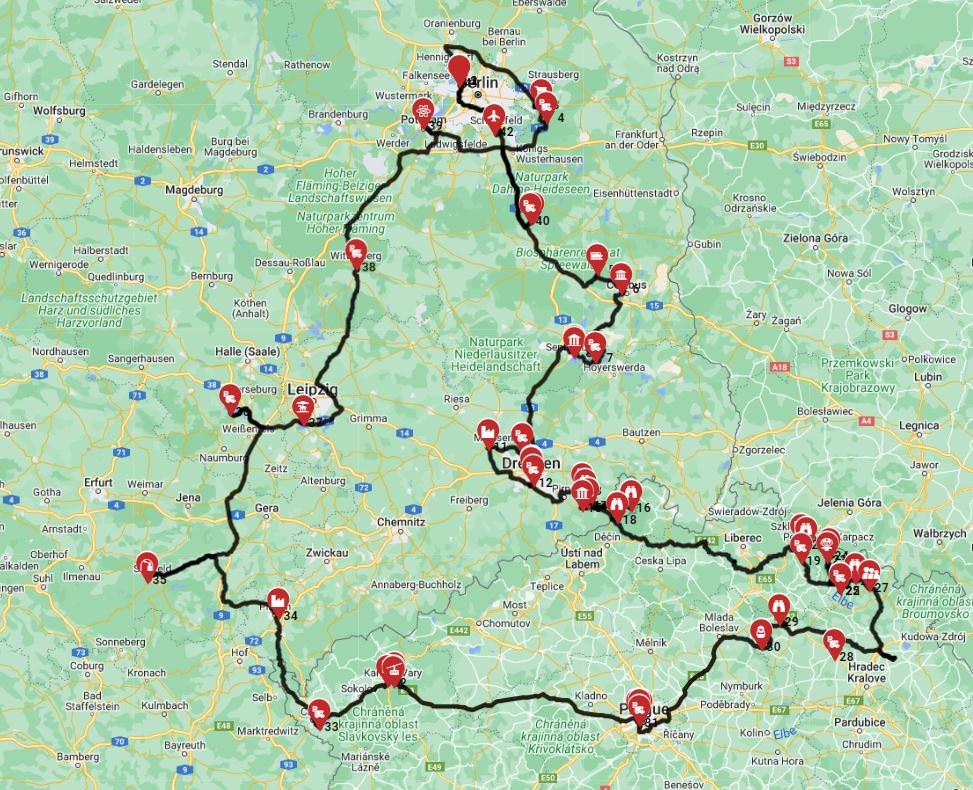
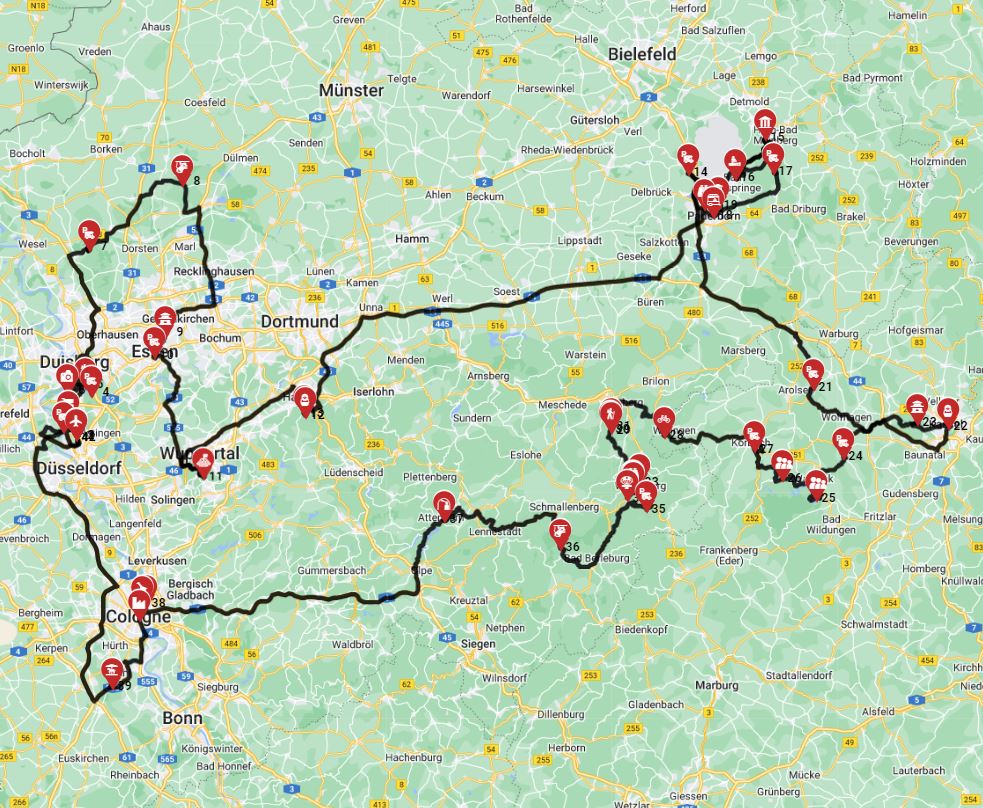
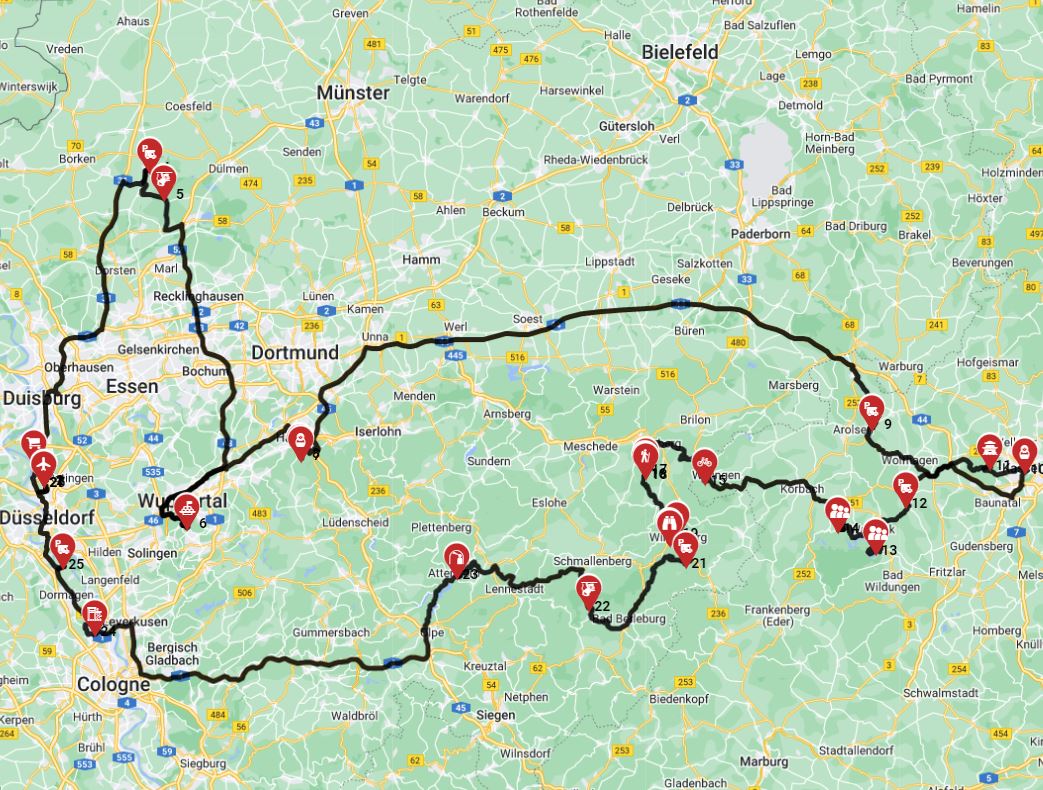
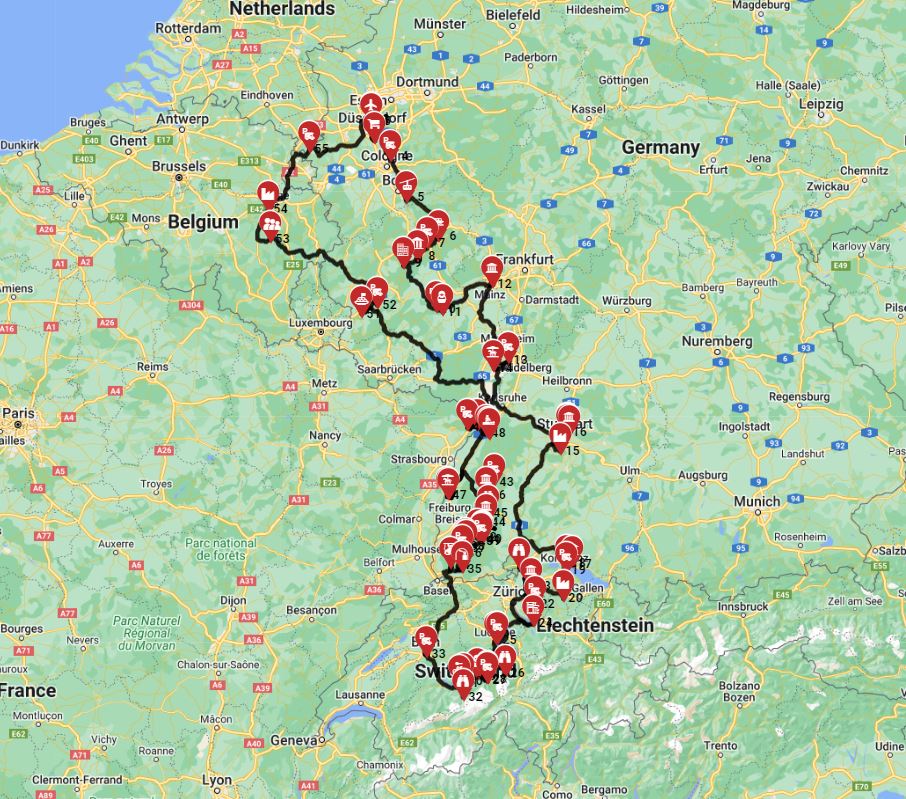
Planning your route with frequent stops is crucial, particularly if traveling with family, to prevent driver fatigue and allow for exploration of scenic points and local eateries. Consider adding a few of your own delicious meals from our RV-friendly recipes playlist to your itinerary. Embrace local etiquette by parking considerately, adhering to quiet hours at Stellplätze and campgrounds, and being prepared with cash for small local purchases or parking fees. Our Rent&Plan service can also provide pre-planned routes by professionals, helping you optimize your stops and discoveries. Here's an example of a popular route plan you might consider:
Recommended RV Class for Germany Roads
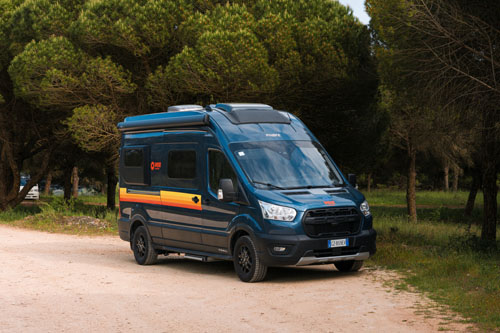
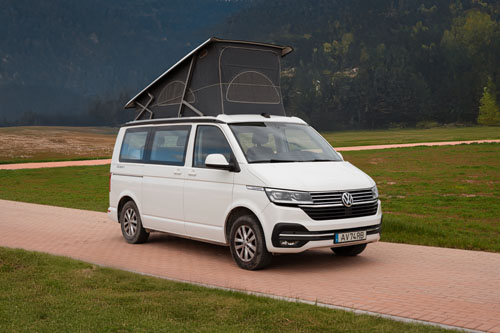
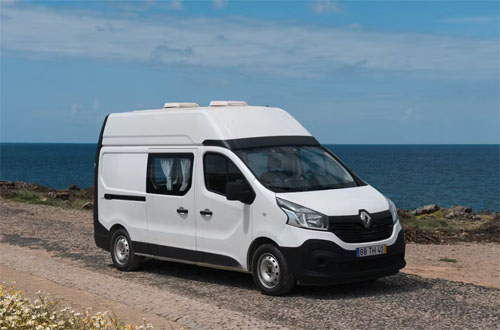
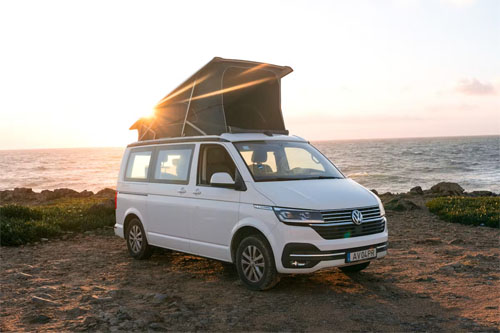
For diverse travel across Germany's roads, including charming small towns and the Autobahn, Class SI (Semi-integrated) and Class B (Camper Van) RVs are generally recommended for their balance of comfort and maneuverability. Class B Camper Vans, like the "Active Pop Top" with an average length of 5.99 meters and sleeping places for up to 4, are ideal for couples or small families seeking easy navigation through narrow city streets and a more agile driving experience. These compact models offer essential amenities like a refrigerator and stove, perfect for quick meals on the go. Many of our suppliers, like El Monte and Apollo, offer a great selection of these smaller, nimble units.
Class SI Semi-integrated motorhomes, such as the "Euro Quest" or "B 4 - Classic - A696G", averaging 6.9 meters in length and accommodating 3-5 sleeping places, offer more interior space and amenities while still being manageable on most German roads. These vehicles often feature more extensive kitchen facilities, separate sleeping areas, and spacious dining. While larger classes like Class C Alcove (e.g., "MHC28", average 7.3m length) or Class A Integrated (e.g., "Class A - Thor ACE 30", average 9.37m length) provide extensive living space, they might require a bit more careful planning for parking and navigating very tight historical centers. No matter your choice, Bandana RV, as true RV specialists, provides a comprehensive comparison of vehicle classes to help you select the perfect motorhome rental for your Germany adventure.
Should I Choose a Compact Van Instead of a Large RV in Germany?
While a compact van offers superior maneuverability for tight historic centers and narrow mountain passes, most larger RVs can generally be driven without significant issues on Germany's well-developed road network. A compact van, such as a Class B Camper Van like the "Juliette 2-3" with an average length of 5.8m, excels in urban navigation and parking, making it a strong choice if your itinerary heavily features city exploration. These vehicles are easy to park and blend into urban traffic more seamlessly.
For extended trips or those prioritizing indoor space, comfort, and amenities like a full bathroom or separate sleeping areas, a larger RV, such as a Class SI Semi-integrated like the "K3E" (average length of 6.9m) or a Class C Alcove like the "Glamys 265" (average length of 7.0m), often provides a better trade-off. You'll enjoy more room to relax, a larger kitchen, and often more storage space. The decision ultimately hinges on your travel style: a compact van for agile, minimalist travel, or a larger RV for a more comfortable and spacious home-on-wheels experience, with only minor logistical adjustments needed for the latter. Remember, drive slowly and carefully, and you can drive almost anywhere without issues. No need to stress - just use common sense and pay attention.
Can I Park Anywhere? Free & Wild Camping Rules in Germany
Wild camping (overnight parking outside designated campsites or Stellplätze) is generally illegal in Germany and can result in fines, though exceptions exist for a single night's rest to restore driving fitness in unmarked parking bays. Germany offers an extensive and organized network of 'Stellplätze' (motorhome parking areas), which provide a legal and often inexpensive alternative for overnight stays. These vary from basic parking spots with minimal services to those offering electricity, water, and waste disposal for a small fee, making them a practical choice for a rented motorhome. Many national and state parks reserve only 25-30% of their spots, with the rest available first-come-first-serve, so you'll always find a spot. If not at the first campground, then the next one; just call ahead before driving.
Always respect private property and environmental protection zones; parking an RV overnight in nature reserves, national parks, or on private land without explicit permission is strictly prohibited. Rules vary by region, so always check local regulations and follow local law before parking overnight, utilizing apps and guides for official Stellplatz locations to ensure a hassle-free trip. For finding campsites and campgrounds during your trip, we recommend using RV PLANET (rvplan.net) - a great resource for locating available spots along your route. This is part of our comprehensive support, making your RV rental in Germany seamless.
Can I Drive an RV Into the City Center? Heights, Tunnels & Local Signage
Yes, in most German cities, you can generally drive an RV into the city center, but it requires careful attention to local signage, height restrictions, and environmental zone requirements. Before entering urban areas, check for 'Umweltzonen' (environmental zones) and ensure your RV has the required green 'Umweltplakette' (environmental badge) to avoid fines. These badges are mandatory in numerous German cities, from Aachen to Augsburg.
Be vigilant for road signs indicating height limits for tunnels, underpasses, and historic city entrances, as well as signs restricting vehicle access by weight or size. Many German cities have designated RV parking outside the immediate historic core, often with good public transport connections, which can be a more practical option than navigating extremely narrow streets. Remember our advice: drive slowly and carefully, and you can drive almost anywhere without issues. No need to stress - just use common sense and pay attention. Our 24/7 support means real people are behind you to help navigate any pre-booking questions.
How much does it cost to rent an RV in Germany?
The cost to rent an RV in Germany typically ranges from €80 to €250 per night, depending heavily on the RV class, rental season, duration of the trip, and specific amenities. For instance, a compact campervan like a "Category Van" or "Combi Van" might start at €80-€120 per night, while a larger, well-appointed Class C motorhome like a "Category Family 5" could be €150-€250+. Prices are dynamic, similar to flight tickets, and change daily based on availability and supplier marketing decisions, with the final price set at the actual booking time. For a clearer picture, check out our "RV Rental in Germany - Prices and Best Deals 2026" guide.
Budgeting should encompass not only rental fees but also comprehensive insurance coverage (you can upgrade to a top-level deductible for extra peace of mind), fuel costs (estimated at €18-€25 per 100 km for most RVs), and daily expenses for campsites or Stellplätze (typically €5-€45 per night). Additional costs may include one-way rental fees (e.g., picking up in Frankfurt and dropping off in Munich), cleaning fees, bedding kits, kitchen equipment, and environmental badges for city access. To help manage these, utilizing RV PLANET routes allows travelers to itemize and track every expense along the way for easy budgeting. For cost-saving, consider renting during the shoulder seasons (April-June or September-October) rather than peak summer, booking longer trips for potential daily rate reductions, and utilizing free Stellplätze or cooking more meals in your RV kitchen.
For a family of four embarking on a two-week adventure, a mid-sized Class SI motorhome might cost €1,400-€2,800 for the rental alone. Add roughly €400-€700 for fuel (assuming 1,500 km at €22/100km), and €350-€630 for 14 nights at campgrounds. Factoring in groceries, activities, and tolls, a realistic total trip cost could be €3,000-€5,000. For couples, a campervan for a week-long trip might be closer to €1,500-€2,500 total. Our full transparency means no hidden fees, no surprises, ensuring you know what to expect.
What is the best way to travel Germany by RV?
The best way to travel Germany by RV involves a combination of planning flexible routes that blend iconic attractions with lesser-known regional gems, leveraging the country's excellent infrastructure. Prioritize balancing scenic driving on country roads, like the famous Romantic Road or the German Wine Route, with efficient travel on the Autobahn to cover longer distances. Our Rent&Plan service offers 1,300+ pre-planned routes across 5 continents, including many for Germany, designed by professionals to give you the perfect balance.
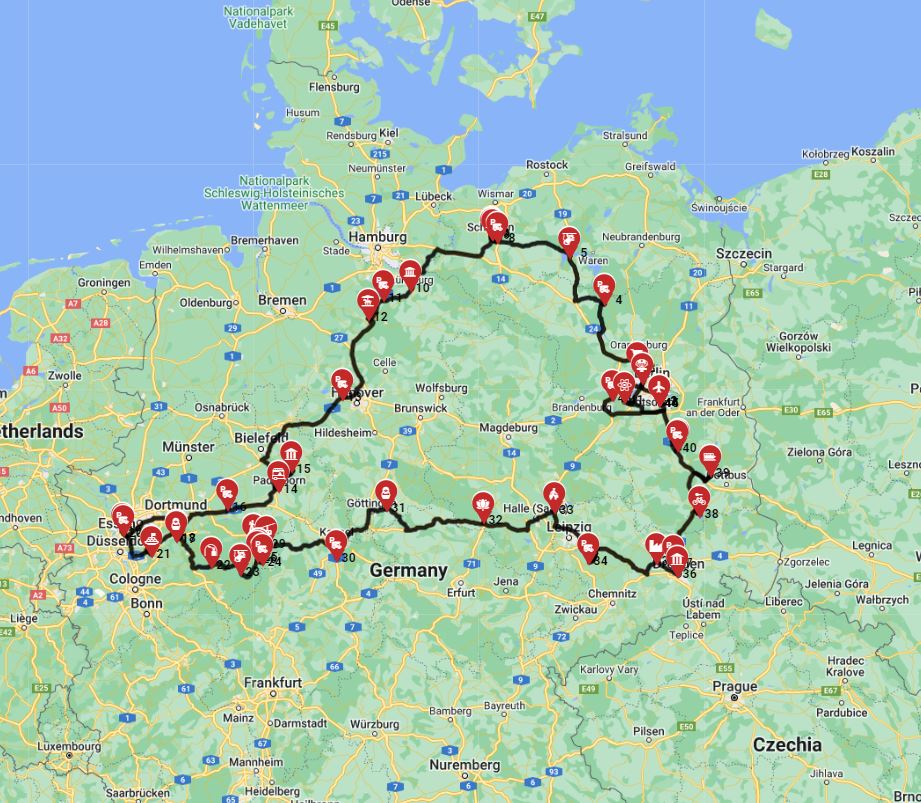
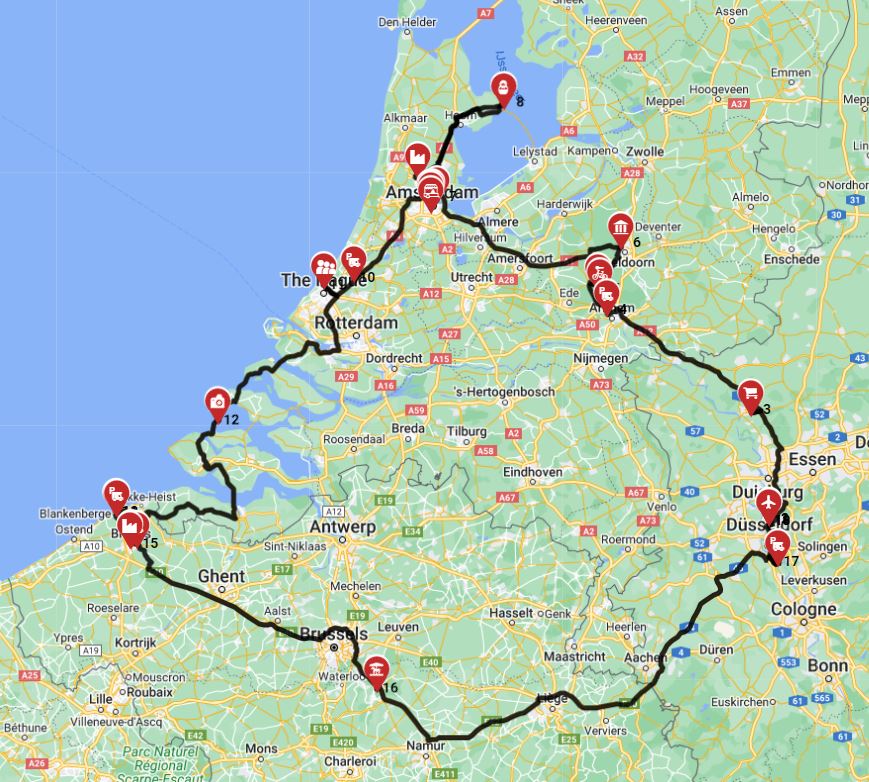
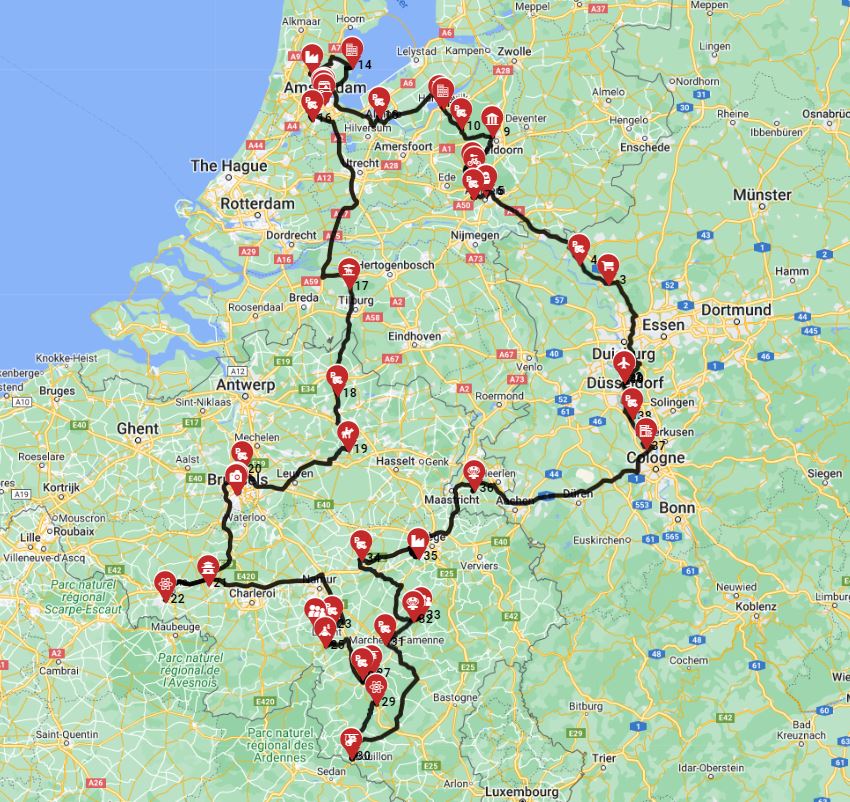
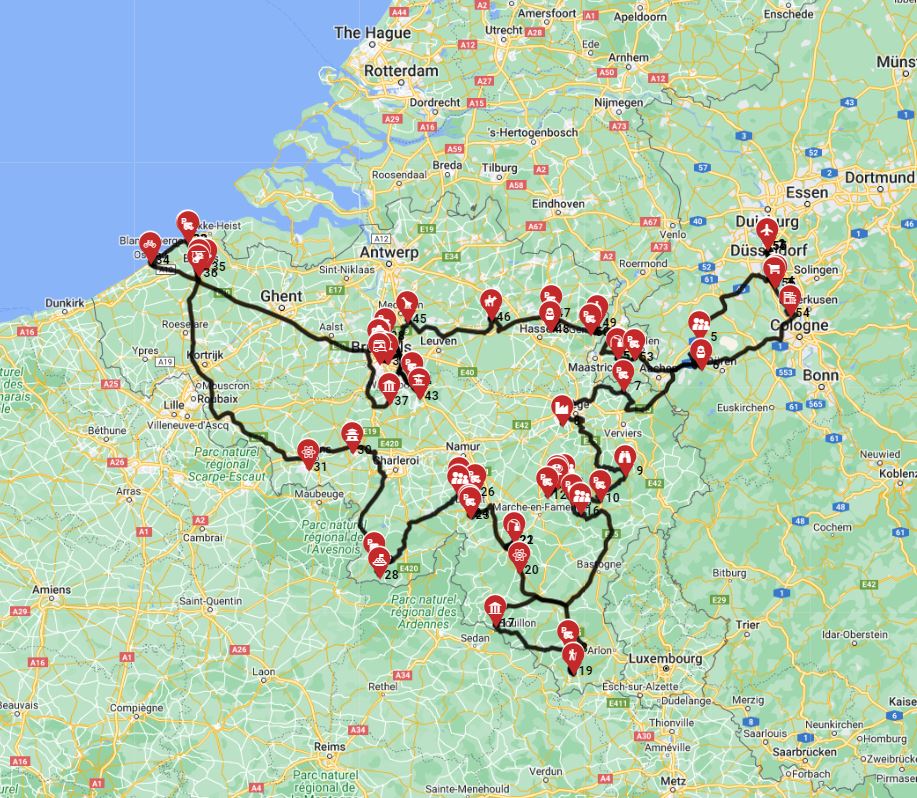
Utilize the extensive network of 'Stellplätze' and full-service campsites for comfortable overnight stays, and incorporate stops at local markets to experience regional culinary specialties. Imagine yourself driving through the Bavarian Forest, pulling into a Stellplatz by a tranquil lake, and preparing a fresh, local dinner in your rented motorhome. Consider themed routes beyond the popular ones, such as the German Fairy Tale Route or the Castle Road with unique detours, to discover local festivals, hidden natural parks, and connect with local culture. Traveling slowly, max 100-150 km per day on average, allows you to take time to feel the place, connect to the culture, the food, and the scenery, making your RV rental in Germany an unforgettable adventure. Here’s another expertly crafted route plan for extended exploration:
What is the cheapest month to rent an RV in Germany?
The cheapest months to rent an RV in Germany are typically during the low season, specifically November to March, excluding the Christmas and New Year holiday periods. During these months, demand is significantly lower, leading to reduced rental rates compared to the peak summer season (July-August) and shoulder seasons (April-June, September-October). For example, a Class B campervan rental might see daily rates drop by 20-30% from peak summer prices.
While winter travel presents challenges like colder weather and potential snow, it offers opportunities for unique experiences such as exploring festive Christmas markets or engaging in winter sports, all at significantly lower overall costs for both rental and campsites. The shoulder seasons offer a good balance of moderate pricing, pleasant weather, and fewer crowds, making them a popular choice for budget-conscious travelers seeking comfortable conditions. Our "Winter RV Rental in Germany - Pricing Guide 2026" offers more details if you're considering off-season travel. Always check our platform for dynamic pricing, as deals can appear year-round, especially if you're flexible with your travel dates.
How many days do you need to RV in Germany?
To experience a comprehensive RV trip in Germany, a duration of 10 to 14 days is generally recommended, allowing sufficient time to explore multiple regions without feeling rushed. A week-long trip of 5-7 days can be ideal for focusing on a single region, such as Bavaria with its majestic castles or the enchanting Black Forest, or for a specific thematic route like the Romantic Road, which is about 400 km long. This shorter duration is perfect for those who want a taste of German RVing without committing to an extended adventure.
For those wishing to delve deeper, exploring several diverse regions like the northern coast, central highlands, and southern Alps, or combining Germany with neighboring countries as suggested in our "RV Rental Europe - Complete Guide 2026", a 3-week itinerary or longer would provide a more relaxed pace and in-depth cultural immersion. Ultimately, the ideal duration depends on your itinerary's scope, the number of destinations you plan to visit, and your preferred pace of travel; a more flexible schedule allows for spontaneous discoveries. Remember to travel slowly, averaging no more than 100-150 km per day, to truly savor each location.
How much is an RV pitch in Germany?
The cost of an RV pitch in Germany varies widely, with basic 'Stellplätze' (motorhome parking areas) typically ranging from €5 to €20 per night, while full-service campsites can cost between €20 and €45 per night. Stellplätze often offer basic amenities like water, waste disposal, and sometimes electricity for an additional small fee, with some even being free, especially in smaller towns or at vineyards. Germany boasts over 5,000 Stellplätze nationwide, ensuring plenty of options for every budget. In contrast, full-service campsites provide extensive facilities including showers, toilets, laundry, restaurants, and recreational activities, with prices fluctuating based on location, season, and the level of amenities offered.
For detailed budgeting, consider that additional charges might apply for electricity, showers, or tourist taxes, and prices can be significantly higher in popular tourist regions like the Bavarian Alps or along the Rhine River during peak season. Booking in advance, especially for popular areas or during summer, is always a good idea, though many spots operate on a first-come, first-served basis. You'll find a spot; if not at the first campground, then the next one. Just call ahead before driving. Our network of 50+ leading RV suppliers worldwide, including Apollo and Britz, offers diverse options to suit your budget and preferences for your RV rental in Germany.
What You Shouldn't Miss
- The Romantic Road (Romantische Straße): Drive this iconic 400-kilometer route from Würzburg to Füssen, experiencing medieval towns like Rothenburg ob der Tauber and the breathtaking Neuschwanstein Castle.
- Black Forest High Road (Schwarzwaldhochstraße - B500): Experience some of Germany's most beautiful landscapes on this approximately 60-kilometer scenic drive, winding through dense forests, charming villages like Gengenbach, and offering stunning vistas.
- Rhine Valley Castles & Vineyards: Explore the UNESCO World Heritage Upper Middle Rhine Valley, with a scenic drive between Koblenz and Mainz, where you can admire over 40 castles, historic towns, and vast vineyards.
- Berlin's Historic Heart: Navigate to dedicated RV parking outside Berlin's core, then use excellent public transport to explore landmarks like the Brandenburg Gate, Reichstag Building, and the Berlin Wall Memorial, immersing yourself in rich history and vibrant urban culture.
- Bavarian Alps & Zugspitze: Head south to the Bavarian Alps for majestic mountain scenery. Visit charming towns like Garmisch-Partenkirchen and take a cable car up Germany's highest peak, Zugspitze (2,962 meters), for panoramic views.
- Saxon Switzerland National Park: Discover the unique sandstone formations and lush valleys of this stunning national park near Dresden. It offers incredible hiking and photography opportunities, accessible via a short detour from the main Autobahns.
Final Thoughts
Exploring Germany by a rented motorhome or campervan is an adventure waiting to unfold, offering incredible flexibility to discover historic cities, dramatic landscapes, and charming rural corners. From understanding local driving regulations and environmental zones to finding the perfect Stellplatz for the night, Germany is incredibly well-equipped for RV travel.
Whether you're planning a week-long immersion into the Black Forest or a month-long grand tour of Europe, remember to embrace slow travel. Take your time, savor the moments, and let the journey itself be a significant part of your German experience. With Bandana RV as your dedicated partner, offering full transparency, extensive support, and a wide selection of vehicles, your dream RV trip in Germany is just a few clicks away. We're here to make sure every detail is handled, so you can focus on making unforgettable memories.
Get inspired for your next trip and discover top destinations, planning tips, all in one place. Plan a trip itinerary in advance with minimal effort and maximum enjoyment. Now is the time to find your ideal RV rental in Germany and hit the open road!