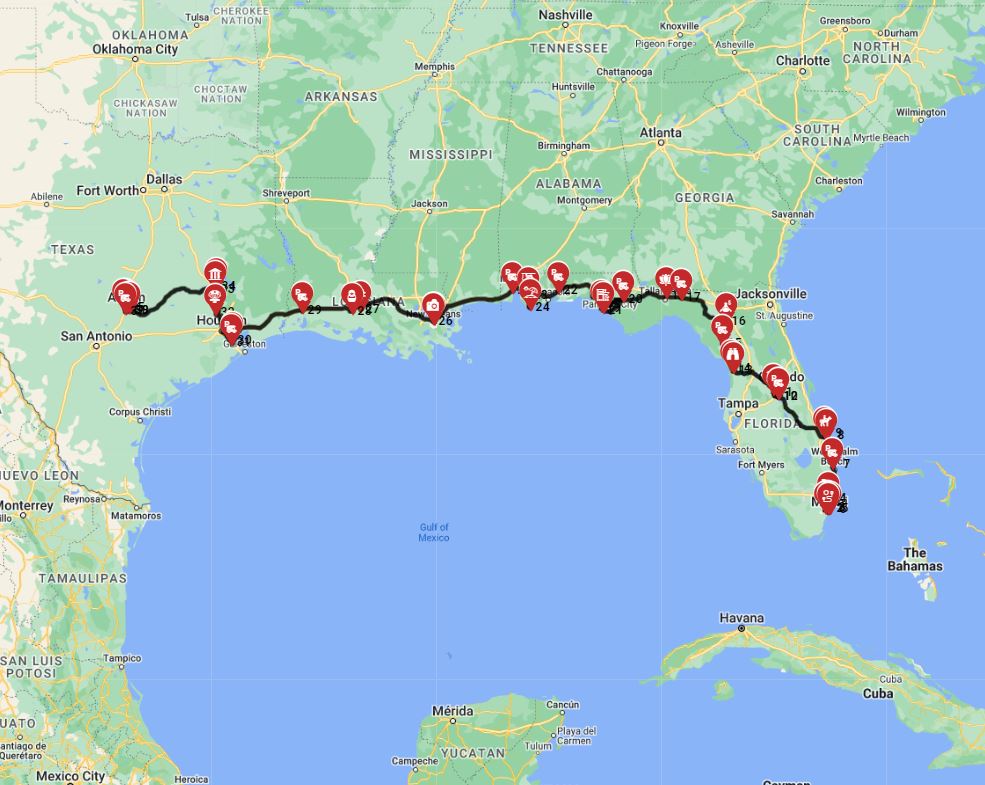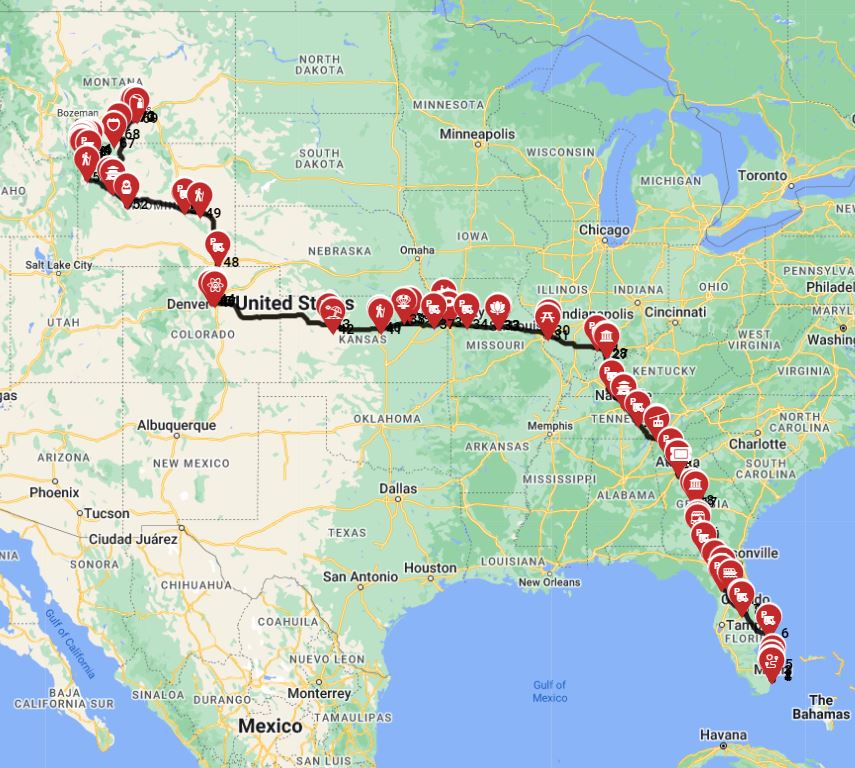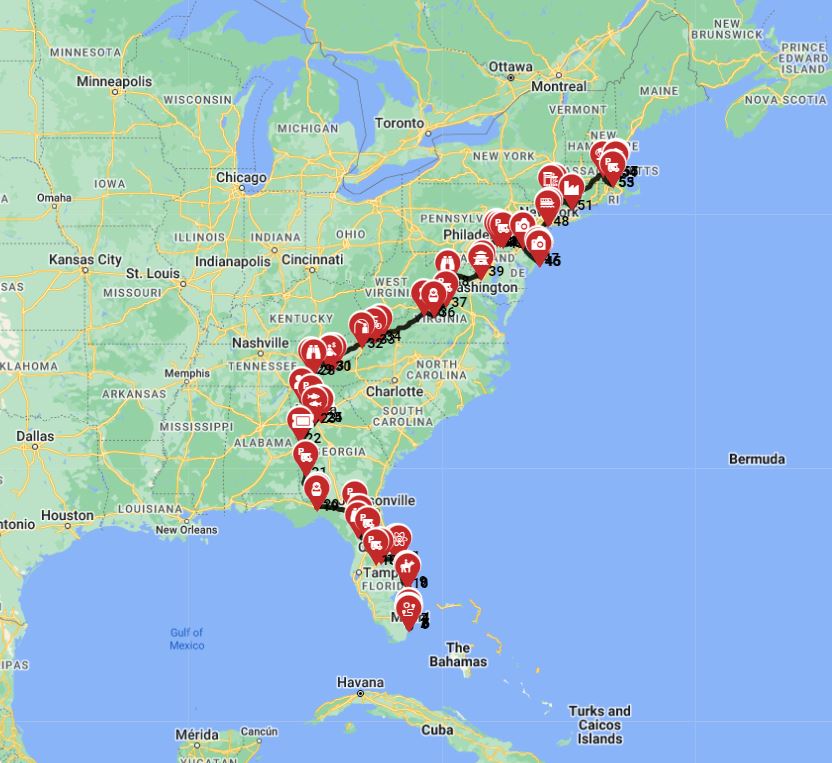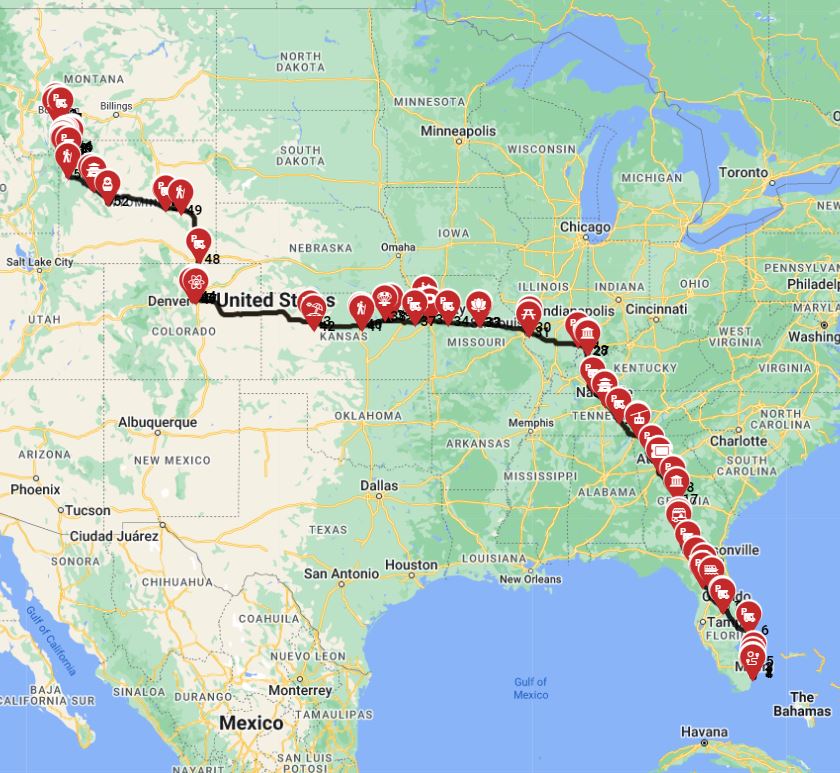
For live availability and current prices, start with our RV Rental Miami - Complete Guide 2026 guide.
In This Guide
- Can You Drive an RV in Miami? License & Age Rules
- Road Conditions & Terrain in Miami
- RV Size Limits, Bridges & Restricted Zones
- Fuel: Diesel vs. Petrol & Cost per 100 km
- Tolls, Vignettes & Border Rules
- Driving Tips for weekend rv rental Travelers
- Recommended RV Class for Miami Roads
- Should I Choose a Compact Van Instead of a Large RV in Miami?
- Can I Park Anywhere? Free & Wild Camping Rules in Miami
- Can I Drive an RV Into the City Center? Heights, Tunnels & Local Signage
- What is the 3-3-3 rule for RVing?
- What is the new RV law in Florida?
- What is the 4 4 4 rule for RVing?
- What is the 2 2 2 rule for camping?
- Can you get temporary RV insurance?
- How much is insurance on a $200,000 RV?
Embarking on a weekend rv rental adventure from Miami offers a unique blend of urban excitement and natural beauty, providing unparalleled freedom to explore South Florida and beyond. With Bandana Caravan, you’re not just renting a motorhome; you’re unlocking a mobile sanctuary for unforgettable journeys. For live availability and current prices, start with our RV Rental Miami - Complete Guide 2024 guide, which offers comprehensive resources to plan your perfect trip.
Can You Drive an RV in Miami? License & Age Rules
Yes, most rental motorhomes in Miami can be driven with a standard Florida Class E driver's license, as they typically have a Gross Vehicle Weight Rating (GVWR) under 26,001 pounds. You won't need a Commercial Driver's License (CDL) for standard rental RVs in Florida, making it accessible for nearly everyone with a valid license. Bandana Caravan partners with 50+ leading RV suppliers worldwide, ensuring a wide selection of vehicles that fit these requirements. The minimum age for renting a motorhome in Miami is 21 years old, and importantly, there are no young driver surcharges or vehicle class restrictions based on age with our suppliers. For international visitors, your home country license is usually valid for up to one year, though an International Driving Permit (IDP) is highly recommended for licenses not issued in English, providing extra clarity for local authorities.
Road Conditions & Terrain in Miami
Miami's terrain is predominantly flat, which means RV travelers will encounter no challenging mountainous roads or steep inclines. The region's roads are generally well-maintained, offering smooth travel, but the dense urban environment, particularly on major arteries like I-95, US-1, and Florida's Turnpike, requires careful driving due to heavy traffic. Navigating local streets and picturesque causeways, such as those leading to Miami Beach or Key Biscayne, might involve narrower lanes and frequent stops, necessitating slower speeds and heightened attention. We always recommend driving slowly and carefully in urban areas; you can drive almost anywhere without issues, just use common sense and pay attention. Take your time to appreciate the unique urban and coastal landscapes that define Miami while prioritizing safety on every turn. Consider incorporating a route from our RV PLANET routes to ensure a smooth journey and itemize every expense along the way for easy budgeting. On the routes offered through RV PLANET routes, you can itemize and track every expense along the way for easy budgeting.
RV Size Limits, Bridges & Restricted Zones
Florida state law permits RVs up to 13 feet 6 inches (4.11 meters) in height and 45 feet (13.7 meters) in length without requiring special permits, accommodating most rental motorhomes. Low bridges are rare on Miami's major highways and arterial roads, but it is always prudent to heed posted height clearance signs, especially when exploring older or local streets. There are no specific environmental zones in Miami-Dade County that restrict RVs based on emissions, although individual parks or private properties may have specific vehicle access rules. Ferry travel is not a primary consideration within Miami-Dade County, as the key areas are well-connected by numerous bridges and causeways. Always use RV-specific GPS navigation to ensure you are directed along appropriate routes and pay close attention to local 'no RV parking' or 'commercial vehicle restriction' signs in dense urban districts like South Beach or Wynwood.
🎬 Video coming soon
Fuel: Diesel vs. Petrol & Cost per 100 km
Most rental motorhomes in Miami operate on petrol (gasoline), with smaller Class B Camper Vans like the "rv rental denver example Category Van" or "Active Standard" typically consuming less, while larger Class A models might use diesel. Both fuel types are widely available at numerous service stations across Miami and throughout Florida. Based on Bandana Caravan’s local fleet data, Class C Alcove RVs, such as the "cruise america rv rental example Explorer" (Fuel Tank: 75 Liter, Fuel Consumption: 11 Liter / 100 Km), typically consume between 23-35 Liters per 100 km (or 7-10 Miles per Gallon). The precise cost per 100 km will fluctuate with current fuel prices, so budgeting for fuel is an essential part of planning your weekend rv rental trip from Miami, especially for longer excursions to destinations like Everglades National Park or the Florida Keys. Many Bandana rental RVs offer convenient fuel discount cards, which can help you save on expenses over your rental period.
Tolls, Vignettes & Border Rules
Miami and South Florida extensively use electronic tolls, predominantly via Florida's SunPass system, with cash payment rarely accepted. No vignettes, or pre-paid road stickers, are required for driving a rented RV anywhere in Florida. To avoid significantly higher 'Toll-By-Plate' fees, it is highly advisable to either use a SunPass transponder or confirm that your rental motorhome is equipped with one, usually available as an add-on or included with a usage fee. Our commitment to full transparency means no hidden fees, and options for toll passes are clearly communicated. Within Miami's typical weekend RV travel range, no international border rules apply, as you will be exploring the southernmost tip of the continental United States. For routes extending north through Florida, you'll find the same toll system in place, easily managed with your SunPass.
Driving Tips for weekend rv rental Travelers
To navigate Miami's often-heavy traffic effectively, especially during peak hours, using a GPS with real-time traffic updates is highly recommended. Plan your parking strategically by researching RV-friendly lots at specific attractions, beaches, or designated campgrounds, as street parking in dense areas like South Beach or Downtown Miami is challenging and often restricted for larger vehicles. Pre-planning for Miami's electronic tolls is crucial; ensure your motorhome rental from Bandana includes a SunPass transponder to avoid unexpected charges and streamline your journey. Given Miami's warm climate, stay hydrated and well-rested, utilizing your RV's air conditioning and taking frequent breaks. When exploring natural areas like Biscayne Bay or Everglades National Park, practice environmental stewardship by disposing of all waste properly and opting for reef-safe sunscreen to protect delicate ecosystems. Enhance your personal and vehicle safety by always locking all doors and windows and securing valuables, whether you're parked in bustling urban centers or tranquil natural settings.
Recommended RV Class for Miami Roads
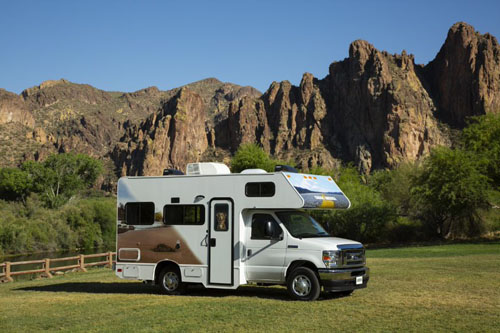
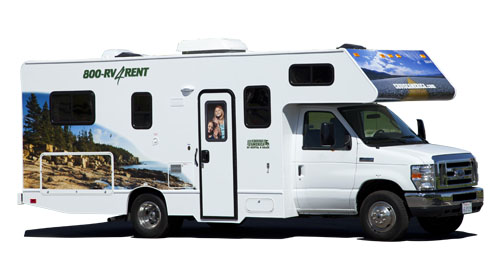
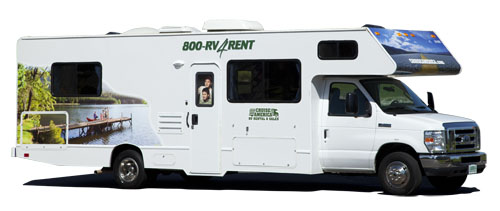
Class B Camper Vans, averaging around 6.1 meters (20 feet) in length, are highly recommended for exploring Miami due to their exceptional maneuverability, ease of parking, and superior fuel efficiency. These compact motorhomes, like a "V3" or "Active Pop Top", are ideal for navigating tighter city streets and finding parking spots that larger RVs might struggle with, making them perfect for urban exploration. Class TC Truck Campers, such as the "rv rental usa example T17 Truck Camper", averaging 4.75 meters (15.5 feet), offer the most compact option, providing significant flexibility for navigating very tight streets and comfortable sleeping for up to 3 people. For families or groups seeking more space without sacrificing too much agility, Class C Alcove RVs (like a "24 Class C Motorhome" at 7.46 meters) offer a good balance of amenities and manageable driving for Miami's major roads, comfortably accommodating an average of 4-6 adults. All these recommended classes provide suitable ground clearance for paved roads and typical campgrounds found in the Miami area and surrounding natural parks.
Should I Choose a Compact Van Instead of a Large RV in Miami?
Choosing a compact van, like a Class B Camper Van, offers superior maneuverability and significantly easier parking in Miami's dense urban areas, often fitting into standard parking spots. However, larger motorhomes, such as Class C Alcoves or even smaller Class A models like "Class A - Thor ACE 30", generally pose no significant driving issues on Miami's main roads and highways, which are wide and designed to handle substantial traffic. The primary trade-off for a compact van's agility is typically reduced interior space, fewer amenities, and less storage compared to larger RVs. Opt for a compact van if your primary goal is intense urban exploration of areas like South Beach, Wynwood, or Little Havana. If your itinerary involves more time at campgrounds, relaxing by the water, or exploring with a larger family, choosing a larger RV will provide enhanced comfort, amenities, and living space. Regardless of your choice, Bandana Caravan offers full transparency with no hidden fees, so you can compare final prices across suppliers with confidence.
Can I Park Anywhere? Free & Wild Camping Rules in Miami
Free or "wild camping" is generally prohibited on public lands, including beaches, city streets, and undeveloped areas, throughout Miami-Dade County and most of Florida. Miami-Dade County ordinances strictly regulate overnight RV parking on residential streets and commercial lots, often limiting stays to brief periods, typically 24-72 hours. Your safest and only legal options for overnight RV stays are designated RV parks and campgrounds, such as private resorts in Homestead or state park campgrounds like those found near Everglades National Park. It is crucial to always confirm local regulations and obtain explicit permission before attempting to park overnight anywhere other than a recognized campground. Rules can vary significantly by municipality, so always check local regulations and follow local laws to avoid fines or other issues. For finding campsites and campgrounds during your trip, we recommend using RV PLANET (rvplan.net) - a great resource for locating available spots along your route, with over 1,300 pre-planned routes across 5 continents.
Can I Drive an RV Into the City Center? Heights, Tunnels & Local Signage
Yes, motorhomes can generally be driven into Miami's city center and other urban districts like Brickell or Coconut Grove, but it requires careful attention to local signage and a strategic approach to parking. Miami's downtown and Brickell areas feature wide avenues that are typically navigable for most RVs, though finding suitable and affordable parking for a larger vehicle can be very limited and expensive. Most tunnels and underpasses in Miami, including those leading to Miami Beach, accommodate standard RV heights, but always observe and obey any posted clearance signs. Be vigilant for specific local signage prohibiting large vehicles, specifying weight or height restrictions, or designating 'residents-only' parking in particularly dense or historic areas like South Beach or the Art Deco District. A practical tip is to consider parking your RV outside the most congested urban cores at an RV-friendly lot or campground and then utilizing Miami's extensive public transport system (Metromover, Metrorail, buses) or ride-sharing services to explore specific dense districts like Little Havana or Wynwood.
What is the 3-3-3 rule for RVing?
The 3-3-3 rule for RVing is a guideline that promotes a more relaxed travel pace, especially beneficial for new RVers or families. It recommends driving no more than 300 miles (approximately 480 km) in a single day to prevent driver fatigue and ensure a comfortable journey. This rule also advises arriving at your chosen campground by 3 PM, allowing ample daylight for setting up camp, getting acquainted with the facilities, and relaxing before dark. Finally, it suggests staying for a minimum of 3 nights at each location to truly immerse yourself in the destination, experience local culture and food, and avoid a rushed, superficial trip.
What is the new RV law in Florida?
There isn't one singular "new" statewide RV law that has dramatically changed regulations in Florida; instead, RV-related laws continuously evolve through various legislative efforts. Recent focus has been on aspects like homestead exemptions for RVs on owned land. Florida's RV laws primarily govern vehicle registration, titling, and safe operation. However, local county and municipal ordinances, particularly in densely populated areas like Miami-Dade County, often impose the strictest rules regarding RV parking on residential streets, driveways, or commercial lots for extended periods. For example, Miami-Dade County zoning codes generally prohibit using RVs as permanent residences or parking them on streets for more than limited durations (e.g., 24-72 hours) without moving. Always consult the most current Florida Statutes and specific Miami-Dade County and municipal codes for the latest and most localized RV regulations to ensure compliance.
What is the 4 4 4 rule for RVing?
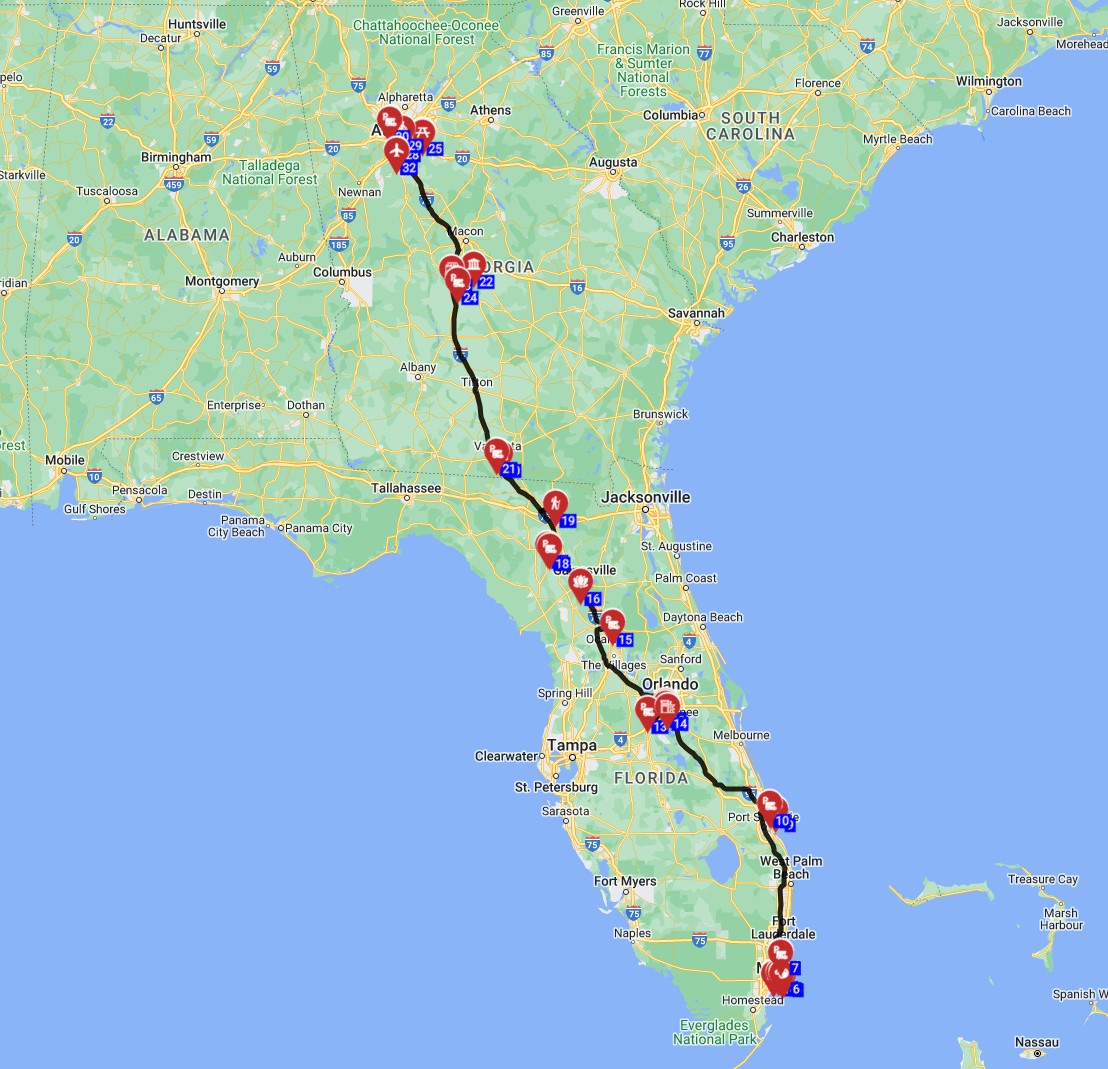
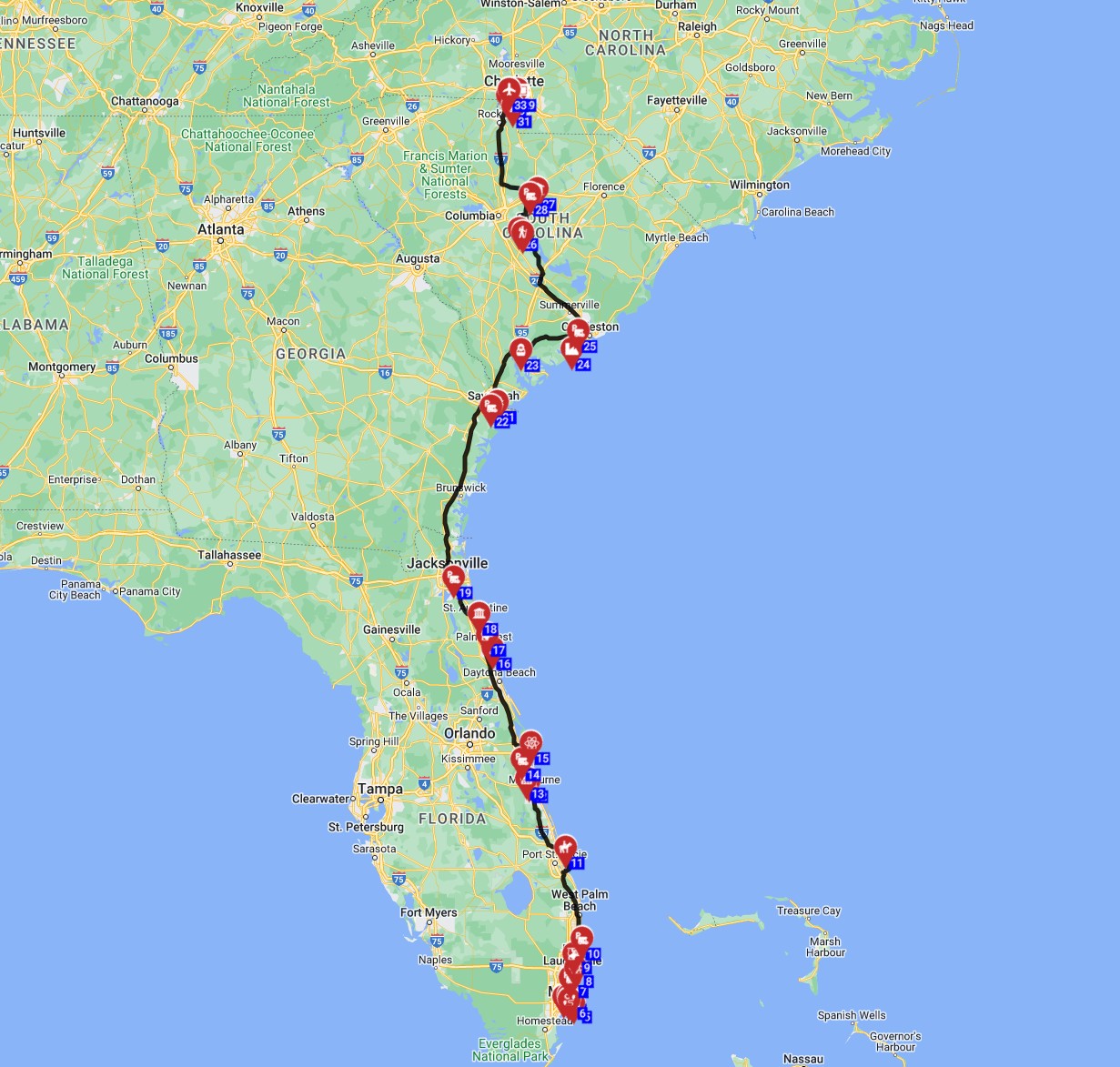
The 4-4-4 rule for RVing is another popular guideline that allows for a slightly more extensive travel pace than the 3-3-3 rule, suitable for experienced RVers. It suggests driving no more than 400 miles (approximately 640 km) daily, facilitating longer distances between stops. This rule also recommends arriving at your RV park by 4 PM, providing sufficient daylight for setting up camp and preparing dinner on board in your kitchen. Finally, it advises staying for at least 4 nights at each location, ensuring a deeper exploration of attractions and adequate relaxation without feeling rushed. This approach can be ideal for a two-week adventure from Miami to explore further afield, such as the Florida Panhandle or even up the East Coast. For ideas you can prep on the road, watch our RV-friendly recipes playlist on YouTube.
What is the 2 2 2 rule for camping?
The 2-2-2 rule for camping is a very relaxed guideline, perfect for a leisurely week-long trip, particularly well-suited for weekend rv rental adventures from Miami. It recommends arriving at your campground by 2 PM, ensuring maximum daylight for setting up your motorhome, enjoying the campground amenities, and exploring the immediate surroundings. This rule suggests staying for at least 2 nights at each stop, allowing for at least one full day of leisure and enjoyment at your chosen destination. Furthermore, it advises limiting your daily drive to no more than 200 miles (approximately 320 km) between stops, promoting a very relaxed and unhurried travel pace that allows you to truly feel the place, connect to the culture, the food, and the scenery of South Florida. This approach aligns perfectly with our recommendation to travel slowly, averaging a maximum of 100-150 km per day.
Can you get temporary RV insurance?
Yes, temporary RV insurance is generally available and is often an ideal solution for weekend RV rentals in Miami. Most reputable motorhome rental companies, including Bandana Caravan partners like El Monte, Cruise America, Apollo, and Britz, require proof of insurance. They typically offer their own rental insurance policies as optional add-ons, or you may be able to obtain a 'binder' from your personal auto insurance provider that extends coverage to your rental. It is wise to confirm the specifics of your personal auto insurance, including liability and collision limits, to ensure adequate protection. Additionally, independent insurance providers offer standalone temporary RV policies for specific durations, covering liability, collision, and comprehensive needs. Always thoroughly review your rental agreement's insurance clauses and compare available options to ensure you have complete peace of mind for your trip. You can also upgrade to a top-level deductible for extra peace of mind, an optional upgrade the renter can purchase.
How much is insurance on a $200,000 RV?
Annual insurance premiums for a personally owned $200,000 motorhome typically range from $1,000 to $3,000, heavily influenced by factors such as the RV class, the driver's record, and the chosen coverage options. However, for a weekend RV rental in Miami, you will not directly pay these annual premiums. Instead, insurance costs are usually integrated into the overall rental fee or offered as an optional daily add-on. Bandana Caravan often includes basic liability coverage in its rental rates, with options to purchase additional collision and comprehensive protection for enhanced peace of mind. Your personal auto insurance policy may extend some coverage to a rental RV; always verify the limits and deductibles with your provider before your trip. The total cost for insuring a rental for a weekend will be a fraction of an annual policy, reflected as a daily charge or part of a package price, making it an affordable safety net for your adventure.
What You Shouldn't Miss
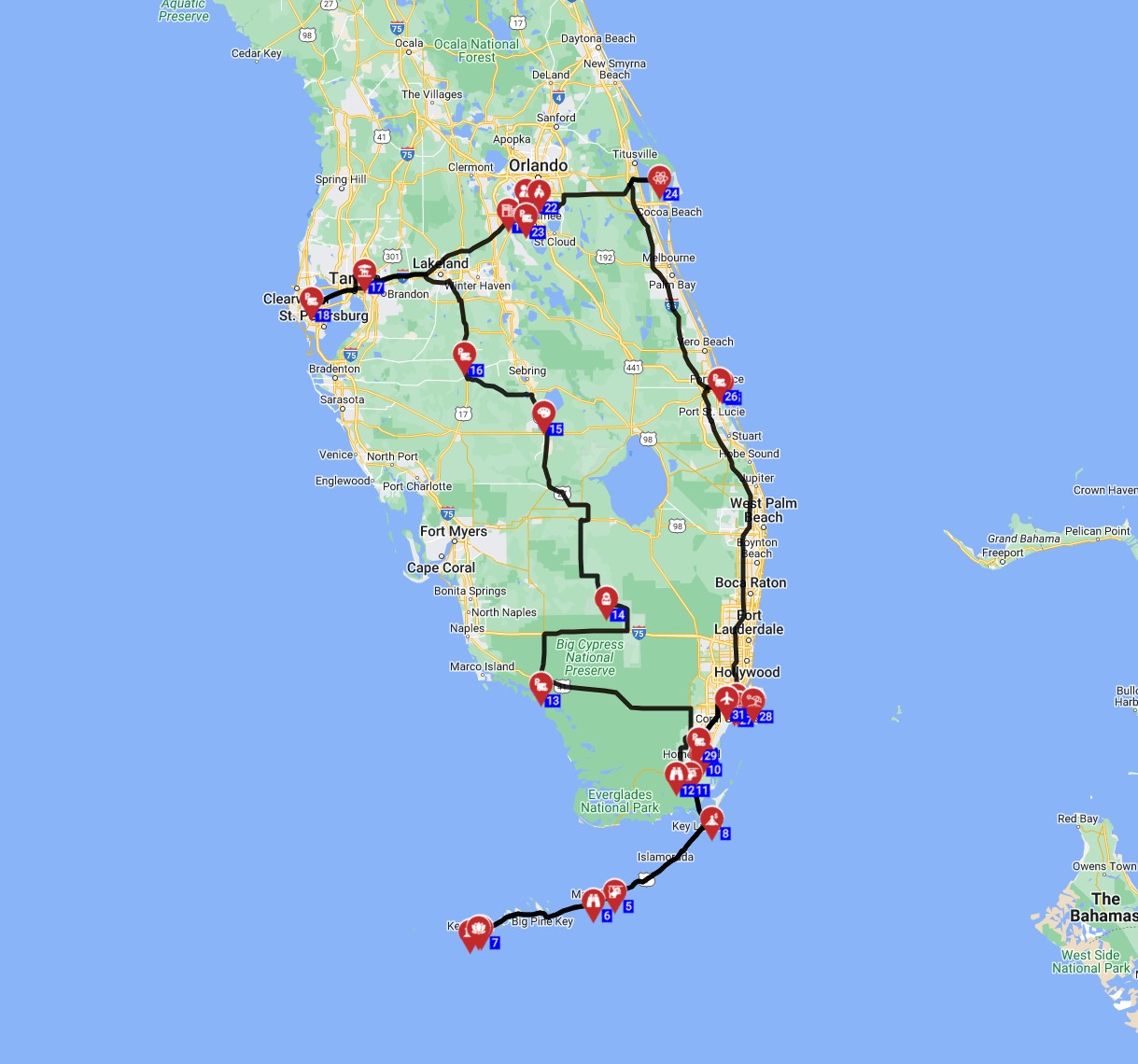
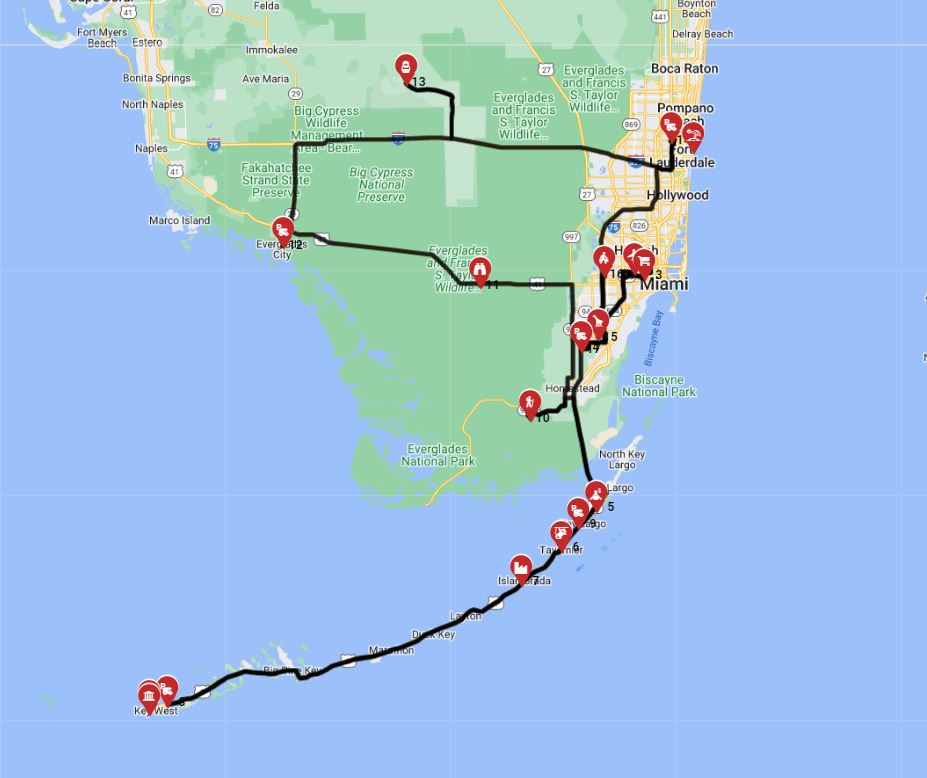
- Explore Everglades National Park: Just a short drive west of Miami, take an airboat tour to spot alligators and incredible birdlife.
- Drive to Key West: Embark on the iconic 113-mile Overseas Highway (US-1) for breathtaking ocean views and stop at various Keys along the way, ending at the southernmost point of the continental U.S.
- Visit the Art Deco Historic District in South Beach: Park your motorhome strategically outside the main core and walk or bike through colorful Ocean Drive, appreciating the unique architecture.
- Discover Little Havana: Immerse yourself in Cuban culture on Calle Ocho, enjoy authentic Cuban coffee, listen to live music, and watch cigars being hand-rolled. Be mindful of parking for your rented camper.
- Relax at Bahia Honda State Park: South of Marathon in the Florida Keys, this park offers beautiful beaches and excellent snorkeling opportunities, with RV-friendly campsites available.
- Looking for expert insights from Avi Bandana? Top 5 Adventures - recommendations from Avi Bandana
🎬 Video coming soon
Final Thoughts
A motorhome adventure from Miami is an invitation to experience the Sunshine State in an entirely new way, from vibrant cityscapes to the serene wilderness of the Everglades and the stunning coastline of the Keys. With the flexibility of your rented camper, you can set your own pace, creating memories that last a lifetime. Remember, slow travel is the key – plan to spend a minimum of 2-3 nights at each spot to truly soak in the unique vibe of each location, connecting with the culture, the incredible food, and the breathtaking scenery that Miami and its surroundings offer.
Bandana Caravan is here to support you before, during, and after your booking, offering full transparency and expert knowledge to ensure your trip is seamless. Whether you're looking for a "Luxury RV Rental in Miami - Premium Prices 2024" or checking "RV Rental Deals in Miami - Latest Offers 2024", we compare final prices across a vast network of suppliers, so you don't have to. Get inspired for your next trip and discover top destinations and planning tips all in one place. Your Miami motorhome journey awaits!
Find Motorhome Rentals in Miami