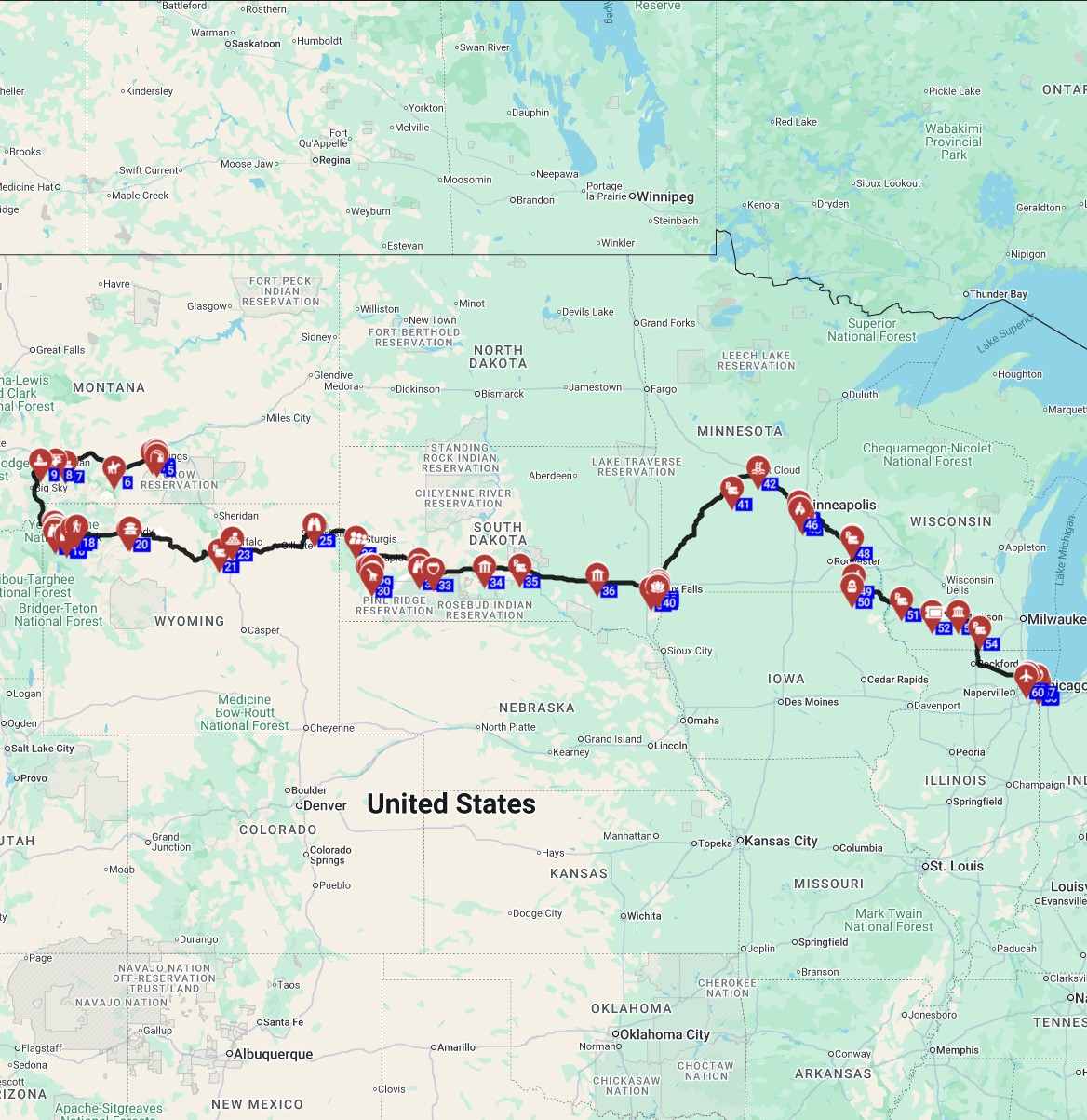
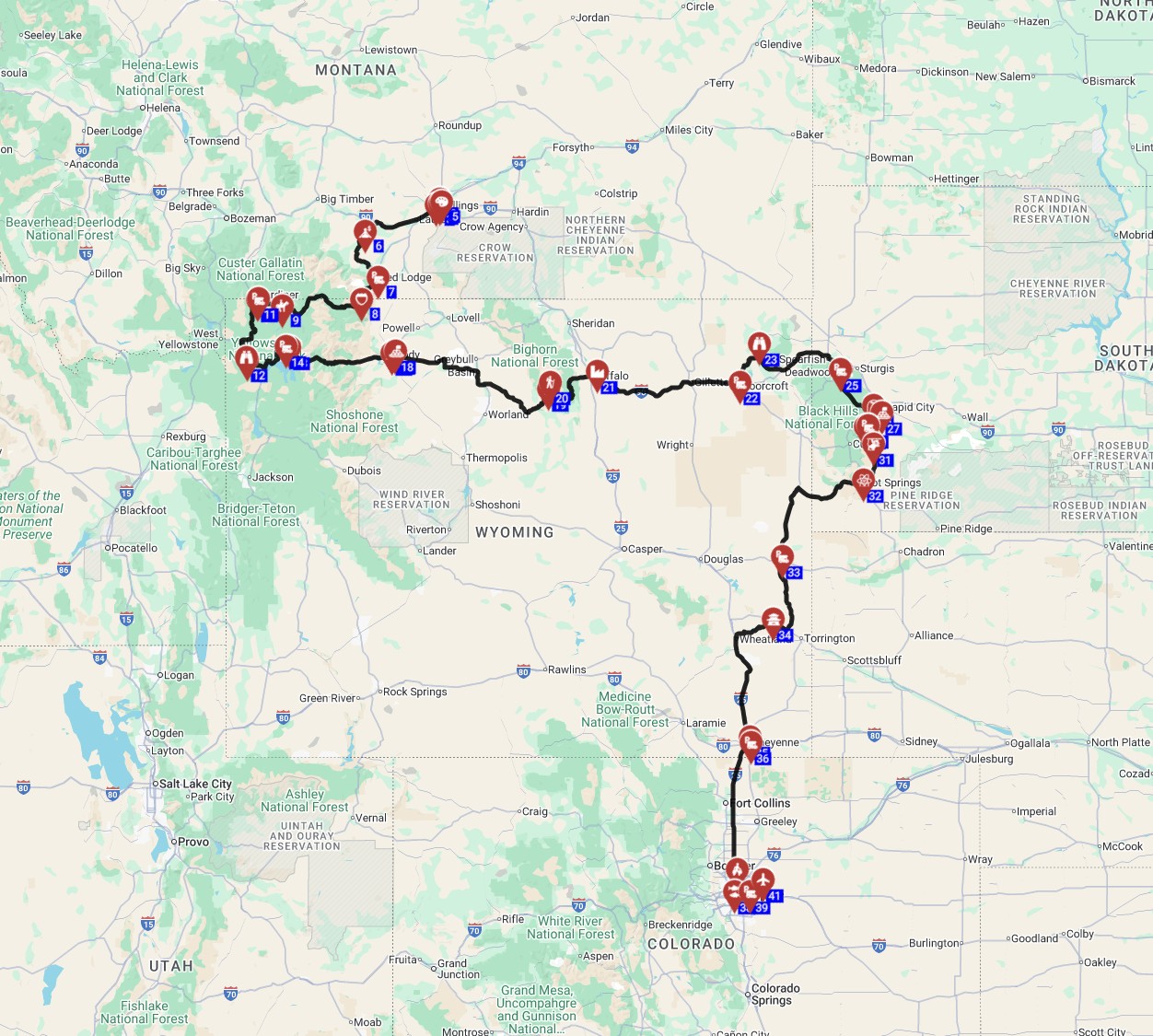
🎯 Fun Facts About Central North US
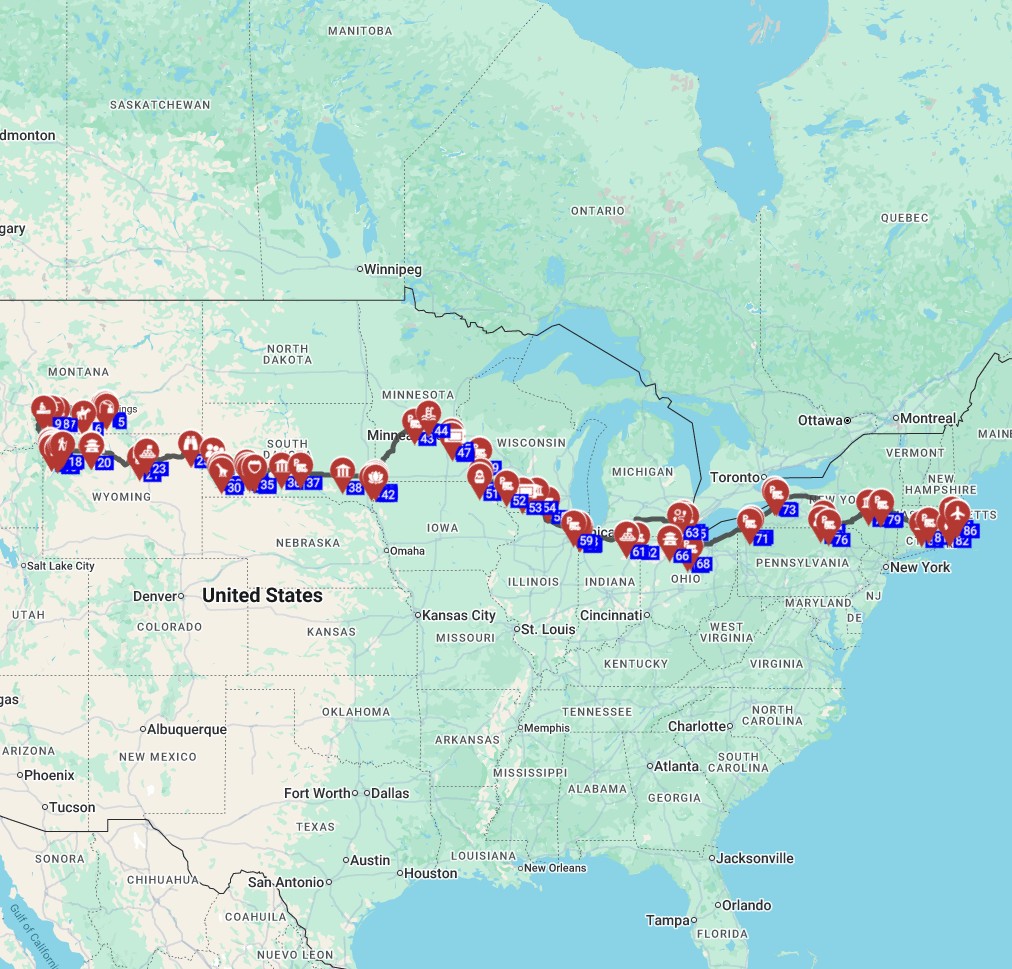
The Great River Road: One of America's longest and oldest scenic byways, the Great River Road spans 10 states, including many in the Central North (MN, WI, IA, IL, MO). RVers can follow the Mississippi River for over 3,000 miles, experiencing diverse landscapes and small towns.Badlands Dispersed Camping: Badlands National Park in South Dakota uniquely allows free dispersed camping along a designated 1-mile section of Sage Creek Rim Road. RVers can park anywhere along this gravel road and wake up to breathtaking, unobstructed views of the Badlands formations, a rare find in a National Park.Largest Freshwater Lake for RVers: Lake Superior, shared by Minnesota, Wisconsin, and Michigan, is the largest freshwater lake in the world by surface area. Its North Shore Scenic Drive (Minnesota's Hwy 61) offers stunning cliffside views, numerous state parks with RV camping, and the opportunity to spot massive cargo ships on the 'Third Coast' of America.Unexpected Dinosaurs in the Midwest: The small town of Dickinson, North Dakota, is home to the 'World's Largest TRex' named Sue at the Dakota Dinosaur Museum, showcasing impressive fossil collections relevant to the region's prehistoric past. It's a surprising and educational stop for RV families driving through the plains.Corn Palace in South Dakota: In Mitchell, South Dakota, RVers can visit the only Corn Palace in the world. This elaborate building is redecorated annually with murals and designs made entirely from corn, grains, and grasses, celebrating the state's agricultural heritage in a truly quirky and unforgettable way.
RV Size Limits, Bridges & Restricted Zones
When driving your rented RV through the Central North US, it's crucial to be aware of potential size limitations, particularly concerning bridge clearances and restricted zones. Federal and state regulations in the US generally cap RV height at 13 feet 6 inches (4.1 meters), but it's always essential to remain vigilant for lower bridge clearances, which can be found on older roads or within city centers. While the concept of strict 'environmental zones' common in European cities doesn't typically apply to RVs in the Central North US, some private roads, historic districts, or very small towns might have specific local restrictions on vehicle size or type. Ferry travel is not a major concern for RVs in this largely landlocked region; however, if you plan to use any routes on the Great Lakes that involve ferries, be sure to check with the operator in advance, as they often have specific length and weight restrictions. Always pay close attention to road signage, as it will clearly indicate any local height, weight, or length restrictions well before you encounter them, ensuring a smooth and safe journey.
Fuel: Diesel vs. Petrol & Cost per 100 km
Understanding fuel types and consumption is key to budgeting your Central North US RV road trip. Most rental RVs operate on either petrol (gasoline) or diesel fuel, both of which are readily available at gas stations throughout the region. Bandana's fleet offers a range of RVs with varying fuel consumption rates. For instance, our Class B camper vans typically average between 8-10 Liters/100 km, while semi-integrated RVs (Class SI) and alcove RVs (Class C) are in the 10-11 Liters/100 km and 10-12 Liters/100 km range, respectively. Larger Class A integrated motorhomes and truck campers (Class TC) will naturally consume more, generally falling between 8-12 Liters/100 km and 12-17 Liters/100 km. The actual cost per 100 km will fluctuate based on current fuel prices and your specific RV model's efficiency, but these average consumption rates provide a realistic estimate for your planning. Some rental providers may offer fuel discount cards or programs, which can help mitigate these costs during your travels across the Central North US. On the routes offered through RV PLANET routes , you can itemize and track every expense along the way for easy budgeting.
Tolls, Vignettes & Border Rules
Navigating the Central North US by RV means being aware of toll systems. Unlike the vignette systems found in some European countries, the primary method for toll collection in the Central North US states is through electronic tolling. Systems like I-PASS in Illinois and E-ZPass, which covers many eastern states including the Ohio Turnpike, are prevalent on major highways. Many of these tolls are cashless, meaning you'll need an electronic transponder linked to your rental account or be prepared to pay online afterward to avoid fines. There are no specific 'vignettes' required for RV travel within the Central North US itself, but be prepared for tolls, especially in states like Illinois, Indiana, and Ohio, which have extensive toll road networks. If your journey takes you across the border into Canada, remember that standard international travel rules apply, and all occupants will need valid passports or enhanced IDs. To streamline your travel through tolling areas, many airport RV rental companies offer options to pre-purchase toll passes or provide transponders, which are highly recommended for avoiding potential fines and ensuring a seamless experience.
Driving Tips for airport rv rental Travelers
Embarking on your first RV trip in the Central North US is an exciting prospect, and a few key driving tips can make your experience smoother and more enjoyable. Firstly, Plan Your Route Carefully . Utilize RV-specific navigation apps that are designed to avoid low bridges, sharp turns, or unpaved roads, especially crucial if you're traveling with family or a larger luxury RV. Secondly, Budget for Stops ; families traveling with a rented RV should plan for frequent breaks, aiming to stop every 2-3 hours to prevent driver fatigue and allow passengers to stretch and explore. It's also vital to Understand Your RV's Dimensions . Always know your rental RV's exact height, length, and width to safely navigate underpasses, through tunnels, and into gas stations or campgrounds. Before hitting the open road, take some time to Practice Maneuvering in a large, empty parking lot to get a feel for the RV's turning radius, braking, and reversing, particularly if you're accustomed to driving smaller vehicles. Finally, remember to Pre-Book Campgrounds , especially during peak season or near popular attractions; securing your campsites in advance ensures you'll have a place to stay and avoids last-minute stress, allowing you to focus on the adventure.
Recommended RV Class for Central North US Roads
When selecting the ideal RV for your Central North US road trip, consider the balance of comfort, amenities, and maneuverability needed for the region's diverse roads. For a truly versatile travel experience, Class C (Alcove) and Class SI (Semi-integrated) RVs are highly recommended. Our Class C Alcove RVs, averaging around 7.5 meters in length and comfortably sleeping 4-5 adults, offer ample living space and are perfect for families exploring national parks or enjoying scenic drives. If you prefer a slightly more compact option that's easier to navigate on varied roads while still providing significant comfort, our Class SI Semi-integrated RVs, averaging 6.9 meters in length, are an excellent choice. Both of these classes typically offer sufficient ground clearance for the majority of paved and well-maintained gravel roads you'll encounter throughout the Central North US, making them incredibly versatile choices for a wide array of destinations.
Should I Choose a Compact Van Instead of a Large RV in Central North US?
The decision between a compact van and a larger RV for your Central North US travels primarily hinges on your personal preferences for comfort versus maneuverability. Generally, there's no inherent issue driving any size RV on the main roads and highways of the Central North US; most are designed for accessibility. A compact van, such as our Class B camper vans averaging 5.8 meters in length, offers superior maneuverability, easier parking in towns and smaller campsites, and often better fuel economy, making it ideal for solo travelers or couples who prioritize flexibility and accessing tighter spots. On the other hand, larger RVs, like our Class C or Class A motorhomes, provide significantly more indoor space, enhanced amenities, and overall comfort, which is often a better trade-off for families or longer trips where ample living space and onboard facilities are paramount. While a compact van genuinely helps in very tight historic city centers or on narrow, unpaved backroads in more remote areas, the vast majority of attractions and routes in the Central North US are well-equipped to handle larger RVs, so the choice truly comes down to your travel style.
Can I Park Anywhere? Free & Wild Camping Rules in Central North US
Finding a place to park your RV overnight in the Central North US is generally straightforward, though regulations for free or 'wild' camping are more limited here compared to western US regions. While dispersed camping is often permissible on designated public lands managed by the Bureau of Land Management (BLM) and within National Forests, these opportunities are less common in the Central North US. Where available, dispersed camping regulations vary by specific forest or district, so it’s always best to check with local ranger stations for rules regarding stay limits, fire restrictions, and proper waste disposal before parking. Many businesses, such as Walmart, Cabela's, and Cracker Barrel, frequently allow overnight RV parking in their lots as a courtesy. However, it is crucial to always ask permission from the store manager first, as policies can differ by location and local ordinances. When parking overnight, remember to practice good 'boondocking' etiquette: park discreetly, avoid setting up slides or outdoor furniture, keep noise to a minimum, and always leave the area cleaner than you found it. For the most reliable overnight parking with amenities like hookups and dump stations, established state parks, private campgrounds, and RV resorts are your best bet throughout the Central North US. Always research local regulations and follow local laws before parking overnight.
Can I Drive an RV Into the City Center? Heights, Tunnels & Local Signage
Yes, you can almost always drive an RV into city centers across the Central North US, but it requires a keen eye for local signage, especially regarding height and parking restrictions. Be particularly vigilant for low bridges, tunnels, and parking garages with height limits, which are common in older urban areas. Always ensure you know your RV's exact height and look for clearance signs posted well in advance. While specific 'environmental zones' akin to those in Europe don't typically exist here, some residential streets in city centers might have weight limits or 'residents-only' parking restrictions that would apply to RVs. Parking is often the biggest challenge for RVs in city centers; you might need to find designated oversized vehicle parking areas, utilize commercial lots, or opt for parking on the outskirts and then using public transit to explore the urban core.
What is the 3-3-3 rule for RV driving?
The 3-3-3 rule is a popular guideline among RV travelers, suggesting a relaxed pace for your journeys. It recommends driving no more than 300 miles a day, arriving at your destination by 3 PM, and staying for at least 3 nights at each location. This approach is designed to promote a safer and more immersive RV experience by preventing driver fatigue and allowing ample time to set up camp without rushing. Adhering to the 3-3-3 rule helps ensure you avoid driving in the dark, which can be more challenging and hazardous in an RV, especially on unfamiliar roads. Furthermore, staying for at least three nights provides a more enjoyable travel experience, giving you sufficient time to explore the local area and fully appreciate the campground amenities before moving on.
What is the biggest RV you can drive with a class C license?
In the United States, a standard driver's license, often referred to as a Class C or Class D license, generally allows you to drive most recreational vehicles (RVs) as long as their Gross Vehicle Weight Rating (GVWR) is under 26,001 pounds (approximately 11,794 kg). This weight threshold covers the vast majority of rental RVs available, including large Class C motorhomes (often around 7.5 meters in length), Class B camper vans (around 5.8 meters), semi-integrated RVs (around 6.9 meters), and many Class A integrated motorhomes (typically around 7.5 meters). The key factor for needing a special license is usually the GVWR exceeding this 26,000-pound limit, or if the vehicle is designed to transport 16 or more passengers, neither of which typically applies to standard rental RVs. It's important to distinguish this from a commercial Class C license, which is designated for commercial vehicles and not personal RV use.
Which states require RVs to stop at weigh stations?
Generally, non-commercial recreational vehicles (RVs) are not required to stop at weigh stations in any US state, including those in the Central North US. These stations are primarily intended for commercial vehicles to ensure compliance with weight and safety regulations. Therefore, unless specific signage indicates otherwise (e.g., "All Vehicles Over X Weight Must Enter") or law enforcement directs you to stop, non-commercial RVs can typically bypass these weigh stations. This typically holds true for Central North US states such as Illinois, Indiana, Ohio, Michigan, Wisconsin, Minnesota, Iowa, Missouri, Nebraska, Kansas, North Dakota, and South Dakota. However, it's always prudent to pay attention to roadside signage, as compliance is mandatory if an RV is specifically directed to stop.
What size RV can you drive without a special license?
In most US states, you can operate any recreational vehicle (RV) with a Gross Vehicle Weight Rating (GVWR) under 26,001 pounds (approximately 11,794 kg) using your standard, non-commercial driver's license. This weight limit means that most Class A, B, and C motorhomes, as well as semi-integrated RVs, which typically fall within these limits (Bandana's fleet averages between 5.5m and 7.5m in length), are drivable without needing a special endorsement. While this 26,000-pound GVWR rule is widely adopted, a few states might require a non-commercial Class A or B license for RVs exceeding this weight or those over a certain length (e.g., 40-45 feet), even for personal use. It's always advisable to verify the specific licensing requirements with the Department of Motor Vehicles (DMV) for the state where your RV is registered and any states you plan to travel through, especially if your RV approaches these higher weight or length thresholds.
Can I park my RV overnight in a Walmart parking lot?
Many Walmart stores, along with other large retailers like Cracker Barrel and Cabela's, frequently permit RVs to park overnight in their parking lots as a convenience. However, this practice is not guaranteed and always depends on the individual store manager's discretion and adherence to local ordinances. It is crucial to go inside the store and politely ask a manager for permission before settling in for the night to avoid any issues. Some Walmart locations, particularly in urban or high-traffic areas, may display 'no overnight parking' signs due to local bylaws or specific store policies. When parking overnight, remember to practice good etiquette: choose a discreet spot away from entrances, avoid setting up slides or outdoor furniture, keep noise to a minimum, and always leave the area cleaner than you found it.
What is the longest RV you can take into a national park?
There isn't a universal maximum length for RVs allowed into all national parks; the acceptable length varies significantly by individual park and even by specific campgrounds or loops within a single park. Many national parks, including those in the Central North US like Badlands National Park or Theodore Roosevelt National Park, have campgrounds with site limitations, often accommodating RVs up to 25-30 feet, with fewer sites available for longer rigs. Some parks or specific campgrounds within them can accommodate RVs up to 40-45 feet in length, but these larger sites are typically limited and fill up very quickly, requiring advance reservations. It is essential to check the official National Park Service website for the specific park you plan to visit (e.g., Indiana Dunes National Park, Isle Royale National Park) to determine their current RV length restrictions and make reservations accordingly.
What state is most RV friendly?
Defining the "most RV-friendly" state is subjective, as it depends on individual priorities, but for the Central North US, states like Michigan, Wisconsin, Minnesota, and South Dakota often stand out. These states typically score well due to a combination of excellent natural attractions, abundant and accessible campgrounds (including state parks and private resorts), well-maintained roads suitable for RVs, and overall scenic beauty. Michigan's Upper Peninsula and its extensive coastline along the Great Lakes offer countless camping opportunities and stunning drives. Similarly, Wisconsin and Minnesota boast numerous lakes, forests, and well-equipped state parks perfect for RV exploration. South Dakota is particularly RV-friendly with iconic destinations like Mount Rushmore, Custer State Park, and Badlands National Park, all offering ample RV accommodations and easy access to natural wonders.
Can I still fly if I don't have an enhanced ID?
As of May 7, 2026, all travelers aged 18 and older need a REAL ID-compliant driver's license or another acceptable form of identification, such as a valid passport or military ID, to fly domestically within the United States. An 'enhanced ID' (EID) is a specific type of state-issued license or ID card, primarily issued by states bordering Canada and Mexico, that facilitates land and sea travel to those countries. However, merely not having an 'enhanced ID' does not prevent domestic air travel, as long as you possess a standard REAL ID-compliant driver's license or another approved TSA identification. If you lack a REAL ID-compliant state ID, a valid US passport is the most universally accepted form of identification for domestic flights.
What states require a special RV license?
Most US states do not require a special driver's license endorsement for operating non-commercial recreational vehicles (RVs) as long as their Gross Vehicle Weight Rating (GVWR) remains under 26,001 pounds. However, a handful of states, including California, Nevada, New York, Pennsylvania, Maryland, and Texas, do require a non-commercial Class A or Class B license for RVs that exceed certain weight thresholds (typically 26,000 lbs GVWR) or specific length limits (e.g., over 40-45 feet), even for personal use. For the Central North US states, a standard driver's license is generally sufficient for operating typical rental RVs, which usually fall well within these weight and length limits. Always research the specific Department of Motor Vehicles (DMV) regulations for the state where your RV is registered and any states you plan to travel through if you intend to operate a particularly large or heavy RV.
What is the largest RV you can drive without a special license?
In the majority of US states, the largest RV you can drive without needing a special license is one with a Gross Vehicle Weight Rating (GVWR) of up to 26,000 pounds (approximately 11,794 kg). This GVWR threshold means that most Class A motorhomes, as well as all Class B camper vans, Class C motorhomes, and semi-integrated RVs, can generally be operated with a standard driver's license (often referred to as a Class D or basic operator's license). Some states may also impose length restrictions (e.g., over 40 or 45 feet); if an RV exceeds both the weight and length limits, a non-commercial Class A or B license might be required. Fortunately, rental RVs from providers like Bandana are almost universally designed to fall within these standard license requirements, making them accessible to most drivers with a valid state driver's license.
What You Shouldn't Miss
Drive the historic Great River Road through charming Midwestern towns, following the Mississippi River for stunning scenery and cultural insights.
Explore the unique geological formations of Badlands National Park in South Dakota and take advantage of the rare free dispersed camping opportunities.
Experience the vastness of Lake Superior by driving Minnesota's North Shore Scenic Drive , stopping at state parks and enjoying dramatic lake views.
Visit the quirky Corn Palace in Mitchell, South Dakota, to witness its annual redecoration made entirely of corn and grains, a testament to the state's agricultural heritage.
Discover prehistoric wonders at the Dakota Dinosaur Museum in Dickinson, North Dakota, featuring impressive fossil collections from the region.
Cross the iconic Mackinac Bridge in Michigan, connecting the Upper and Lower Peninsulas, offering breathtaking views of the Great Lakes.
Why Book with Bandana Caravan
Full Transparency
No hidden fees, no surprises. You'll know the exact cost upfront, allowing you to budget with confidence.
24/7 Support
Real people are always ready to assist you, offering peace of mind throughout your journey.
Rent&Plan Routes
Access over 1,300 pre-planned routes to inspire and guide your travels, thanks to our sister company RV PLANET (rvplan.net).
Founded in 2001, Bandana Caravan has spent over two decades helping tens of thousands of travelers explore the world by RV. We have direct partnerships with over 50 leading RV suppliers worldwide, including names like El Monte, Cruise America, Apollo, and Britz, ensuring a wide selection and competitive pricing. Our extensive network spans over 50 countries, and through our sister company, RV PLANET (rvplan.net), we offer more than 1,300 pre-planned routes across 5 continents. We pride ourselves on providing bookings in over 30 currencies with complete price transparency – no hidden fees, no conversion commissions. Our commitment is to handle the details so you can live the journey, offering personal service from your initial inquiry until your booking is confirmed.
"We sell the way we'd like to buy – with honesty. No hidden fees, no surprises, no tricks or gimmicks. What you see is what you get."
— Avi Bandana, Founder of Bandana Caravan
"Life is now!"
About the Author
Avi Bandana is the founder and CEO of Bandana Caravan , one of the world's leading RV rental comparison platforms. With over 25 years of hands-on experience in the motorhome travel industry, Avi has personally visited hundreds of destinations and tested countless RV models across 5 continents. His mission: make RV travel accessible, transparent, and joyful for everyone.
Final Thoughts
Renting an RV and exploring the Central North US offers an unparalleled sense of freedom and connection with the landscape. From the vast plains to the Great Lakes shores, this region provides a diverse backdrop for your adventure. Remember to plan ahead, be mindful of your RV's dimensions, and embrace the slow travel ethos by taking your time to truly savor each destination.
With Bandana Caravan, you benefit from our expertise as true RV specialists, not just a side department of a larger travel agency. We’re dedicated to making your RV rental experience as seamless and enjoyable as possible. Ready to start planning your Central North US road trip? Compare RV rental prices and find the perfect vehicle for your journey!
Get inspired for your next trip! Discover top destinations, planning tips, and all in one place. Plan a trip itinerary in advance with minimal effort and maximum enjoyment!
All the information is based on public information on the web.
All imagery sourced under Creative Commons licenses with attribution provided.
Always check trail conditions and opening hours before travel.