In This Guide
- Can You Drive an RV in Australia? License & Age Rules
- Road Conditions & Terrain in Australia
- RV Size Limits, Bridges & Restricted Zones
- Fuel: Diesel vs. Petrol & Cost per 100 km
- Tolls, Vignettes & Border Rules
- Driving Tips for rv rental Travelers
- Recommended RV Class for Australia Roads
- Should I Choose a Compact Van Instead of a Large RV in Australia?
- Can I Park Anywhere? Free & Wild Camping Rules in Australia
- Can I Drive an RV Into the City Center? Heights, Tunnels & Local Signage
- Can you sleep in a motorhome while driving in Australia?
- Can you legally drive in Australia with a US license?
- Do you need a special license to drive an RV in Australia?
- Can you stop anywhere in a motorhome in Australia?
- Are RVs allowed in Australia?
- How much does it cost to travel around Australia in a motorhome?
- What is the average cost of insuring a motorhome in Australia?
Embarking on a motorhome adventure in Australia, especially picking up an RV from one of Australia's vibrant airports, offers unparalleled freedom to explore its vast and diverse landscapes. Imagine stepping off your flight, picking up your comfortable mobile home, and setting off on an epic journey across breathtaking coastlines, through ancient Outback, and into bustling cities. For live availability and current prices, start with our RV Rental Australia - Complete Guide 2026 guide. We're here to help you navigate every detail, ensuring your trip is as seamless and enjoyable as possible, from the moment you consider booking until you're back home, filled with incredible memories.
Can You Drive an RV in Australia? License & Age Rules
Most standard motorhomes (up to 4.5 tonnes Gross Vehicle Mass, or GVM) can be driven in Australia with a regular car license from your home country, provided it's valid and accompanied by an International Driving Permit (IDP) if not in English. This means that the majority of our rental motorhomes, including versatile Class SI (Semi-integrated) and spacious Class C (Alcove) models, are accessible to anyone with a standard driver's license. Drivers must generally be at least 21 years old to rent an RV in Australia, a welcoming age policy that allows a broad range of travelers to embark on their adventure without additional young driver surcharges or vehicle class restrictions based on age. We pride ourselves on full transparency, ensuring there are no hidden fees or surprises when it comes to licensing and age requirements.
For international visitors, while an International Driving Permit (IDP) is recommended as an official translation of your license, it is not mandatory in all cases, but it's always a good idea to carry one for peace of mind and easier communication with authorities. Checking specific state regulations before you travel is a simple step that ensures a smooth start to your journey. We are true RV specialists, ready to assist you with these details before, during, and after your booking, providing authoritative guidance every step of the way.
Road Conditions & Terrain in Australia
Australian road conditions vary significantly, from well-maintained sealed highways linking major cities to unsealed gravel roads in remote and rural areas, making diverse driving experiences possible for RV travelers. Major routes like the Hume Highway (connecting Sydney and Melbourne), the Pacific Highway (
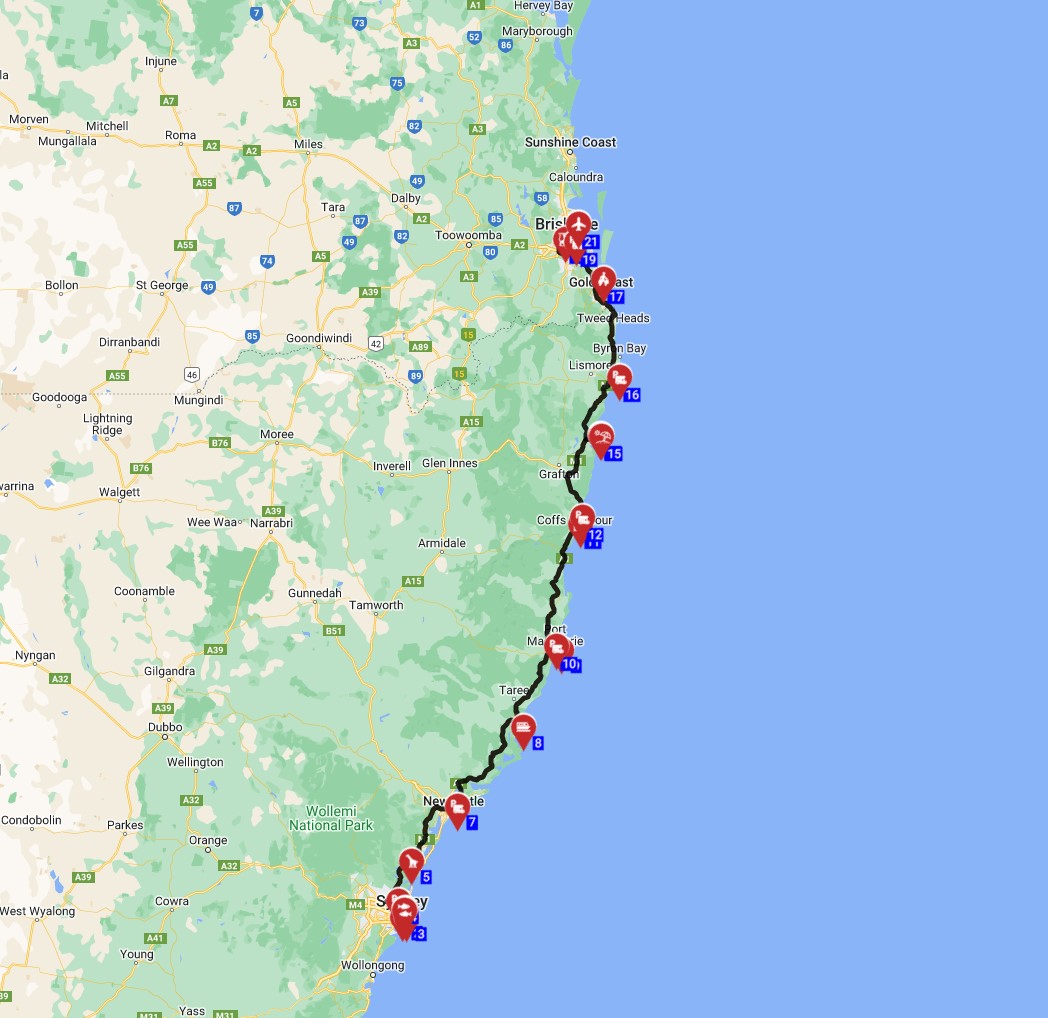
The terrain types you'll encounter are as varied as the continent itself, from scenic coastal roads perfect for a leisurely drive to mountain passes in the Great Dividing Range and the vast, flat desert plains of the Outback. Driving a rented RV requires extra caution on winding roads and during adverse weather conditions, emphasizing a slower, more deliberate pace to fully enjoy the scenery and safely react to changing conditions, including abundant wildlife. We always recommend slow travel, averaging a maximum of 100-150 km per day, allowing you ample time to truly feel the place, connect to the culture, the food, and the scenery without rushing.
RV Size Limits, Bridges & Restricted Zones
While Australia typically accommodates large vehicles, RV travelers should be mindful of size limits, especially concerning bridge clearances, tunnel heights, and certain restricted zones in urban or environmentally sensitive areas. Most standard Class C and Class SI motorhomes will fit under bridges and through tunnels on major roads without issue. However, it's always critical to observe posted signage, particularly in older city areas or on regional routes where clearances might be lower. Environmental protection zones, many national parks, and some ferry services (like those to Kangaroo Island or Tasmania) may have specific restrictions on vehicle length, weight, or type (e.g., prohibiting 2WD vehicles on certain unsealed tracks), requiring prior research and often advanced booking.
Always confirm any such restrictions with park authorities or ferry operators well in advance of your travel dates. This proactive planning helps avoid unexpected detours or disappointments. Remember, we handle the details, you live the journey, offering peace of mind from day one until your booking is confirmed, but local park access remains your responsibility to check.
Fuel: Diesel vs. Petrol & Cost per 100 km
Most modern rental RVs in Australia run on diesel, which is generally more fuel-efficient than petrol, though both fuel types are widely available across the country, with prices fluctuating by region. Understanding your vehicle's fuel type and consumption is key to budgeting your adventure. For example, a typical Class B Camper Van from our fleet might average around 8-10 Liter/100 km, while a Class SI (Semi-integrated) motorhome like the "2 Berth Rover" generally consumes 10-11 Liter/100 km. Larger Class C (Alcove) models, such as the "Euro Deluxe," may range from 10-12 Liter/100 km. It's important to note that while diesel is available at most service stations, its availability can be sparse in very remote Outback regions, necessitating careful planning for fuel stops. On the routes offered through RV PLANET routes, you can itemize and track every expense along the way for easy budgeting.
Fuel costs are a significant component of an RV trip budget in Australia; average costs per 100 km can range from AUD $15-25 depending on current fuel prices, vehicle efficiency, and driving conditions. Some rental companies may offer fuel discount cards, so inquire about these options at pickup. To help manage your trip expenses, remember that RV PLANET routes allow travelers to itemize and track every expense along the way for easy budgeting, offering full transparency on your total trip costs. This detailed planning helps you avoid any hidden fees or financial surprises during your incredible Australian journey.
Tolls, Vignettes & Border Rules
Australia has electronic tolls primarily on urban motorways and tunnels in major cities like Sydney, Melbourne, and Brisbane, with no physical toll booths to pay cash, meaning travelers must arrange for electronic payment. Many RV rental companies offer convenient toll pass solutions, such as an e-tag or a pre-paid account, which bill directly to your rental agreement. This is advisable to prevent fines for unpaid tolls and associated administrative charges. There are no national vignettes or border crossing tolls between Australian states or territories, allowing for seamless inter-state travel with your rented motorhome.
However, RV travelers should be aware that each state and territory has its own specific road rules, and occasionally local permit requirements for accessing particular areas, such as Aboriginal lands. Additionally, you will encounter roadside checkpoints, especially when driving into states like South Australia and Western Australia, where you are required to dispose of fresh fruit, vegetables, and certain other plant products to prevent the spread of agricultural pests. Familiarizing yourself with these local nuances before embarking on your journey is a key step in planning your perfect Australian motorhome adventure.
Driving Tips for rv rental Travelers
Planning your route carefully is paramount, as Australia's vast distances require realistic daily driving limits and often necessitate pre-booked campsites, especially during peak seasons or for remote Outback travel. We recommend embracing slow travel, covering a maximum of 100-150 km per day on average. This pace allows you to take time to feel the place, connect to the culture, the food, and the stunning scenery without feeling rushed. Always observe speed limits and be vigilant for wildlife warnings; kangaroos, emus, and other animals are common, particularly at dawn and dusk, so reduce speed and stay alert outside urban areas.
Crucially, Australia drives on the left-hand side of the road; international drivers should take extra care to remember this rule, especially when pulling out of rest stops, entering roundabouts, or navigating intersections. For remote trips, pack for self-sufficiency by ensuring adequate water, food, fuel, and communication tools (like a satellite phone or UHF radio), as services can be hundreds of kilometers apart. Finally, before departing, thoroughly familiarize yourself with your rented RV's dimensions, handling, and features, especially the reversing camera and waste disposal systems, to drive confidently and safely.
🎬 Video coming soon
Recommended RV Class for Australia Roads
For diverse Australian road conditions, including sealed highways and accessible regional routes, Class SI (Semi-integrated) and Class C (Alcove) motorhomes are highly recommended due to their excellent balance of comfort, spaciousness, and manageable size. Our Class SI (Semi-integrated) RVs, often averaging around 6.9 meters in length, are ideal for 2-4 adults and offer a comfortable driving experience with ample amenities for couples or small families. Models like the "2 Berth Rover" with an automatic transmission and roof air conditioning provide a superb home-away-from-home.
For larger families or groups of 4-6 people, Class C (Alcove) motorhomes, such as the "Euro Deluxe," averaging 7.5 meters, provide generous living and sleeping space, making them perfect for extended journeys. These vehicles offer good ground clearance for most sealed roads and well-maintained gravel tracks, while their dimensions remain reasonable for navigating most Australian roads and national park access points. While 4WD options are available from some suppliers for serious off-road adventures, they are generally not necessary for exploring Australia's most popular RV destinations, including major cities and national parks.
Should I Choose a Compact Van Instead of a Large RV in Australia?
Choosing between a compact campervan and a larger RV in Australia depends primarily on your travel style, group size, and desired comfort level, as larger RVs are generally well-suited for most Australian roads. A compact campervan, like Bandana's Class B Camper Van (averaging 5.8 meters), offers easier maneuverability, better fuel economy (typically 8-10 Liter/100 km), and is excellent for solo travelers or couples. These smaller units, such as a "Category Van" or "rv rental denver example Category Van", often include features like front air conditioning, a small kitchen area, and sometimes a shower and toilet, balancing convenience with a cozy footprint.
However, for longer distances, especially with more than two people or for extended trips, the superior comfort and living space of a larger motorhome (Class SI or C) often outweigh the minor maneuverability benefits of a compact van. Australian main roads are generally wide enough to comfortably accommodate larger vehicles, allowing for separate sleeping areas, more spacious kitchens (perfect for trying out new RV-friendly recipes playlist), and enhanced storage. While a compact van is great for quick city stops, a larger motorhome provides a more luxurious and practical base for exploring the vastness of Australia, minimizing the need to compromise on comfort during your adventure.
Can I Park Anywhere? Free & Wild Camping Rules in Australia
No, you cannot legally park and camp anywhere in a motorhome in Australia; strict regulations govern free and wild camping, with rules varying significantly across states, territories, and even local council areas. Designated free camping sites are available, often in national parks, state forests, or specific rest areas, but these typically have time limits (e.g., 24-72 hours) and may offer only basic facilities or no facilities at all. Wild camping, or parking overnight outside these designated areas, is generally prohibited, especially in urban or residential zones, and can result in significant fines.
Always look for 'No Camping' or 'No Overnight Parking' signs to avoid penalties. Mobile apps like Wikicamps Australia are invaluable resources for finding legal and suitable overnight parking spots, including free camps, low-cost caravan parks, and dump points. It is crucial to respect local regulations and communities; if you're unsure, it's always best to call ahead or opt for a licensed caravan park which provides comprehensive facilities, including powered sites and ablutions, ensuring a comfortable and legal stay. Planning ahead is vital for your RV Rental Australia - Complete Guide 2026 adventure.
Can I Drive an RV Into the City Center? Heights, Tunnels & Local Signage
Yes, you can almost always drive an RV into city centers in Australia, but it requires careful attention to local signage, particularly regarding height limits, tunnel restrictions, and parking availability. Drive slowly and carefully, and you can drive almost anywhere without issues. No need to stress - just use common sense and pay attention. Major cities like Sydney, Melbourne, and Brisbane have numerous height-restricted car parks (often 2.0-2.2 meters) and tunnels that may exclude taller RVs, so always check your rented vehicle's height against posted limits. You’ll find most main city roads are accessible, but some older or narrower streets, especially in historic precincts, may be challenging for larger motorhomes to navigate.
Pay close attention to local signage for height restrictions on bridges and tunnels, any environmental zones (less common for RVs but can exist), and residents-only parking restrictions to avoid fines. For city visits, a common and recommended strategy is to park your RV on the outskirts at a caravan park or a large shopping center car park with adequate clearance, and then utilize Australia's efficient public transport systems to explore the city center. This approach provides flexibility and convenience, allowing you to enjoy the urban attractions without the stress of navigating a larger vehicle in dense traffic.
Can you sleep in a motorhome while driving in Australia?
No, it is illegal and extremely dangerous to sleep in a motorhome while it is actively being driven in Australia, as all passengers must be seated and restrained with seatbelts, akin to a regular car. Australian road safety laws mandate that all occupants wear a seatbelt whenever the vehicle is in motion, regardless of its size or whether it has sleeping berths. Sleeping berths are designed to be used only when the RV is stationary and legally parked, providing a comfortable and safe resting environment.
The driver must remain alert and focused on the road, and passengers should not distract them or move around in a way that impairs safe operation. Violation of seatbelt and passenger restraint laws can result in significant fines and demerit points for the driver, and more importantly, poses a severe safety risk to everyone in the vehicle in the event of an accident. Safety is paramount, and these rules are in place to protect all road users on your RV travel adventure in Australia.
Can you legally drive in Australia with a US license?
Yes, a US citizen can legally drive in Australia with a valid US driver's license, provided it is current and accompanied by an International Driving Permit (IDP) or an official English translation. Your US license permits you to drive the same class of vehicle you are licensed for in the US, up to 4.5 tonnes GVM for most rental RVs, for a temporary period, typically up to three months from your arrival in Australia. An International Driving Permit (IDP) acts as an official translation of your US license and is highly recommended by Australian authorities, and often required by rental companies and for insurance purposes, offering extra peace of mind.
If your stay and driving activities extend beyond three months (though this can vary slightly by state, for example, in Queensland, it's six months), you may be required to obtain an Australian driver's license to continue driving legally. We encourage you to check the specific regulations for the states and territories you plan to visit to ensure complete compliance. This focus on the small details is what makes a big difference in ensuring a worry-free motorhome rental experience.
Do you need a special license to drive an RV in Australia?
No, you typically do not need a special license to drive most rental RVs in Australia; a standard car license (Class C in Australia or its equivalent from your home country) is sufficient for vehicles up to 4.5 tonnes Gross Vehicle Mass (GVM). The vast majority of rental motorhomes, including popular large Class C Alcove and Class SI Semi-integrated models, fall comfortably within this 4.5-tonne GVM limit. This means your regular driver's license is perfectly adequate for exploring Australia with a rented campervan or motorhome.
A heavy vehicle license (such as a Light Rigid or Medium Rigid license) would only be required for RVs exceeding 4.5 tonnes GVM. These are generally very large, specialized motorhomes or converted buses, not typically found in standard rental fleets. Always confirm the specific GVM of your chosen rental RV with your provider, but rest assured, it's rare for a standard rental to exceed the car license limit. We are true RV specialists, dedicated to making your booking and travel preparations straightforward and transparent.
Can you stop anywhere in a motorhome in Australia?
No, you cannot simply stop and stay overnight anywhere in a motorhome in Australia, as regulations for parking and overnight stays are quite strict and vary by state, territory, and local council. While you can typically stop for breaks during the day in designated rest areas or appropriate parking bays, overnight parking and camping are generally restricted to licensed caravan parks, designated free camps, or specific rest stops. Signs indicating 'No Camping,' 'No Overnight Stays,' or 'No Parking 10 pm - 6 am' are common in many areas, and ignoring them can lead to fines ranging from AUD $50 to several hundreds of dollars.
For short daytime stops, always ensure you are not blocking traffic, private driveways, or restricting access, and adhere to local parking regulations, paying attention to time limits and permit requirements. Planning your overnight stops in advance, using resources like RV PLANET (rvplan.net) or local camping apps, is crucial to avoid penalties and ensure a safe, enjoyable trip. We encourage responsible RV travel to preserve Australia's beautiful natural environments for everyone to enjoy.
Are RVs allowed in Australia?
Yes, RVs (Recreational Vehicles), including motorhomes and campervans, are not only allowed but are a highly popular and well-supported mode of travel throughout Australia, with extensive infrastructure catering to them. Australia boasts a thriving RV culture, supported by a vast network of thousands of caravan parks, campgrounds, and designated rest areas specifically designed for motorhome travelers. This robust infrastructure ensures that no matter where your adventure takes you, you'll find convenient and well-equipped places to stop.
The country's diverse landscapes, from stunning coastal roads like the Great Ocean Road to rugged Outback adventures, are ideally suited for RV exploration, with routes designed to accommodate various vehicle sizes. Both locally manufactured and imported RVs are common in rental fleets, offering a wide range of models suitable for different budgets and trip types. Whether you prefer a compact "Active Classic" campervan for two or a spacious 6-berth "Euro Deluxe" motorhome for a family, RV travel provides an intimate way to discover Australia's iconic natural beauty and vibrant culture.
How much does it cost to travel around Australia in a motorhome?
The cost of traveling around Australia in a motorhome can vary significantly, ranging from approximately AUD $100 to $400+ per day, depending on the RV type, rental duration, season, fuel consumption, campsites, food, and activities. RV rental costs typically average AUD $70-$200 per day for a standard campervan or mid-size motorhome, but can double during peak season (December-February holidays or major events) or for luxury Class A models. Prices are dynamic, similar to flight tickets, changing daily based on availability, seasonality, and supplier marketing decisions, with the final price set at actual booking time.
Fuel expenses are substantial given Australia's vast distances; with Bandana's fleet averaging 8-12 Liters/100 km, budgeting AUD $150-$300 per week for fuel is a reasonable starting point, based on your travel distances and current fuel prices. Campsite fees range from free at basic rest stops to AUD $30-$60 per night for powered sites with amenities at commercial caravan parks. Food costs are similar to home cooking, but prices for fresh produce can be higher in remote areas. Additional costs include national park passes (such as the Queensland Parks and Wildlife Service's multi-park pass), attraction entry fees, any chosen insurance excess reduction, and a contingency fund for unexpected maintenance or emergencies, particularly for remote area travel. For comprehensive trip cost estimation and easy budgeting, consider planning your journey using RV PLANET routes, where you can itemize and track every anticipated expense.
What is the average cost of insuring a motorhome in Australia?
When renting an RV in Australia, basic insurance coverage is typically included in the rental price, but this often comes with a very high excess (deductible) ranging from AUD $5,000 to $7,500, which can be significantly reduced by purchasing additional coverage. This high deductible means that in the event of an accident or damage, you would be liable for this amount before the insurance policy covers the rest. Optional excess reduction packages are offered by rental companies, allowing you to lower your liability, sometimes to AUD $0-$500 per incident.
These packages cost approximately AUD $30-$70 per day, depending on the level of cover and the vehicle class. It's an optional upgrade you can purchase for extra peace of mind, not included by default. Some travel insurance policies or credit card travel benefits may offer secondary coverage for rental vehicle excess, so it's advisable to check your existing policies before purchasing additional insurance directly from the rental supplier. Understanding these options upfront, with full transparency, ensures no surprises during your Australian RV rental journey.
What You Shouldn't Miss
Australia is a land of endless wonders, and traveling by rented motorhome allows you to truly immerse yourself in its magic. Here are a few must-do experiences:
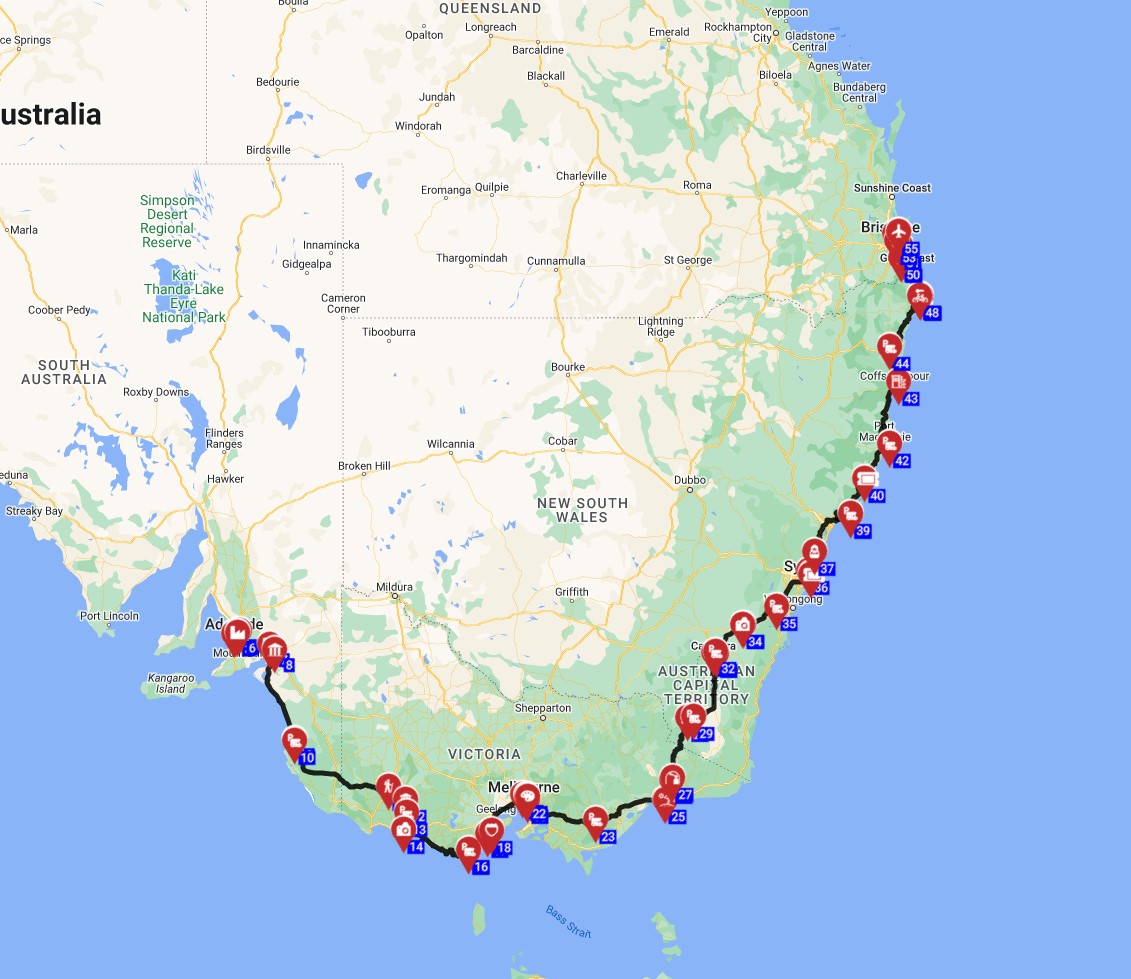
- Drive the Great Ocean Road (Victoria): Experience one of the world's most scenic coastal routes, stretching over 240 km. Marvel at the Twelve Apostles and keep an eye out for Southern Right Whales from May to September.
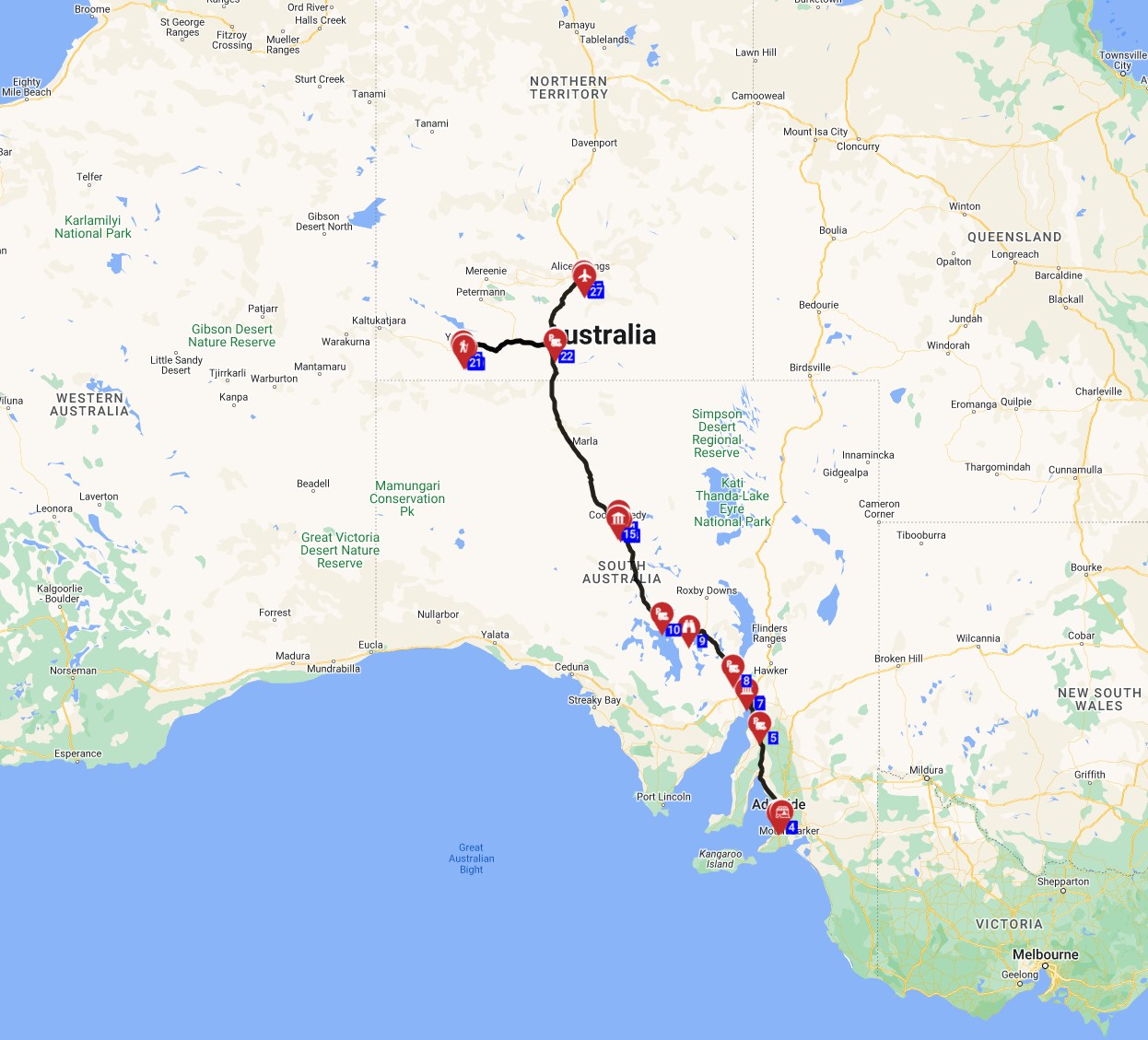
- Explore the Red Centre (Northern Territory): Journey to Uluru-Kata Tjuta National Park, where you can witness stunning sunrises and sunsets over Uluru. Consider the 21-day "Perth to Alice Springs - The Dreamtime Highway" route, covering 5447.3 km, which includes 4 natural features and 3 tourist attractions in this iconic region.
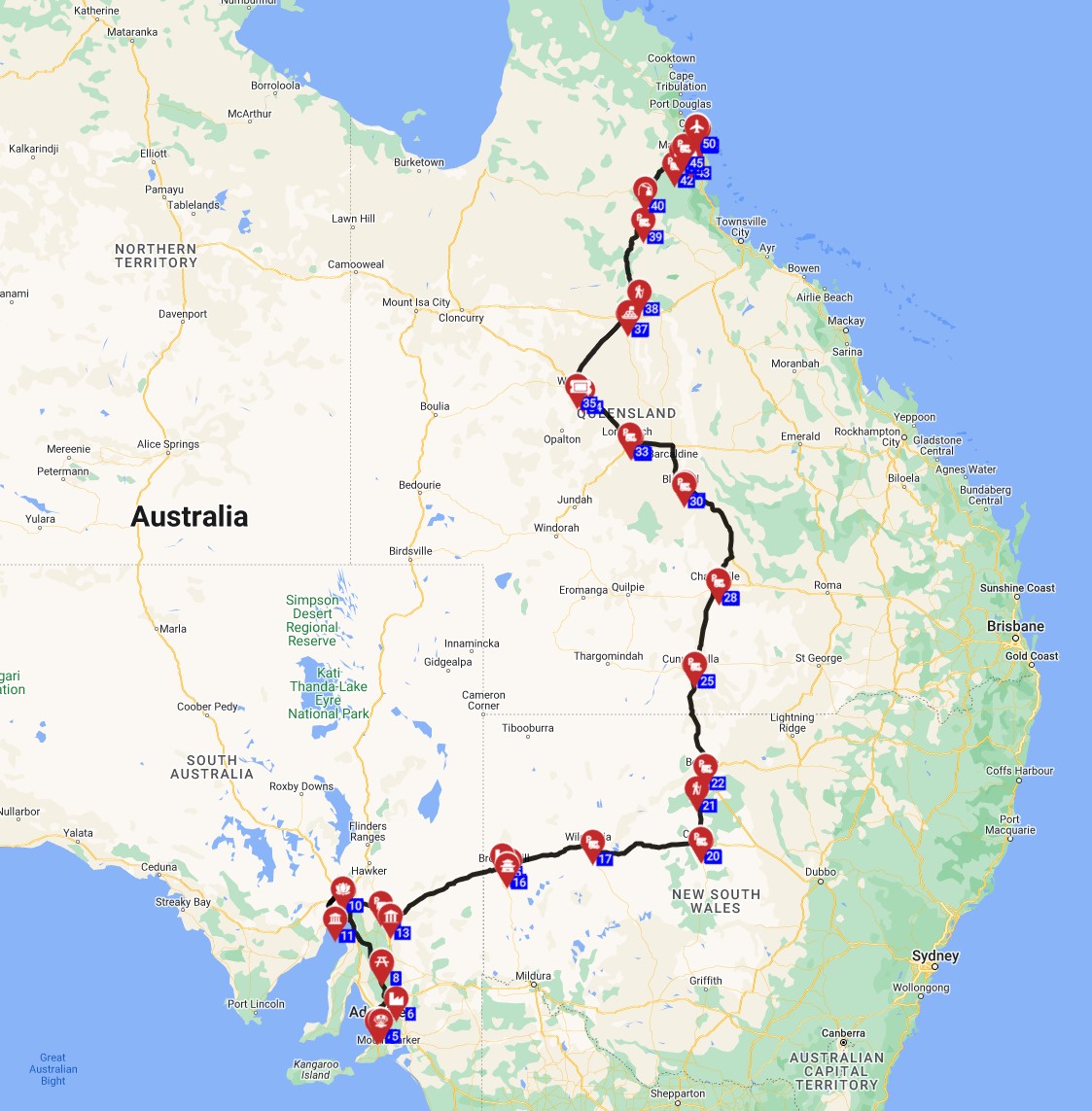
- Discover Tropical North Queensland (Queensland): From Cairns, explore the Daintree Rainforest and the Great Barrier Reef. The "Cairns to Alice Springs - Northern Horizons" 17-day route, spanning 4003.6 km, offers 3 hiking areas and 2 swimming spots for an incredible adventure.
- Visit Kangaroo Island (South Australia): A haven for wildlife, this island offers incredible encounters with kangaroos, koalas, and seals. Remember to book your ferry for your RV in advance.
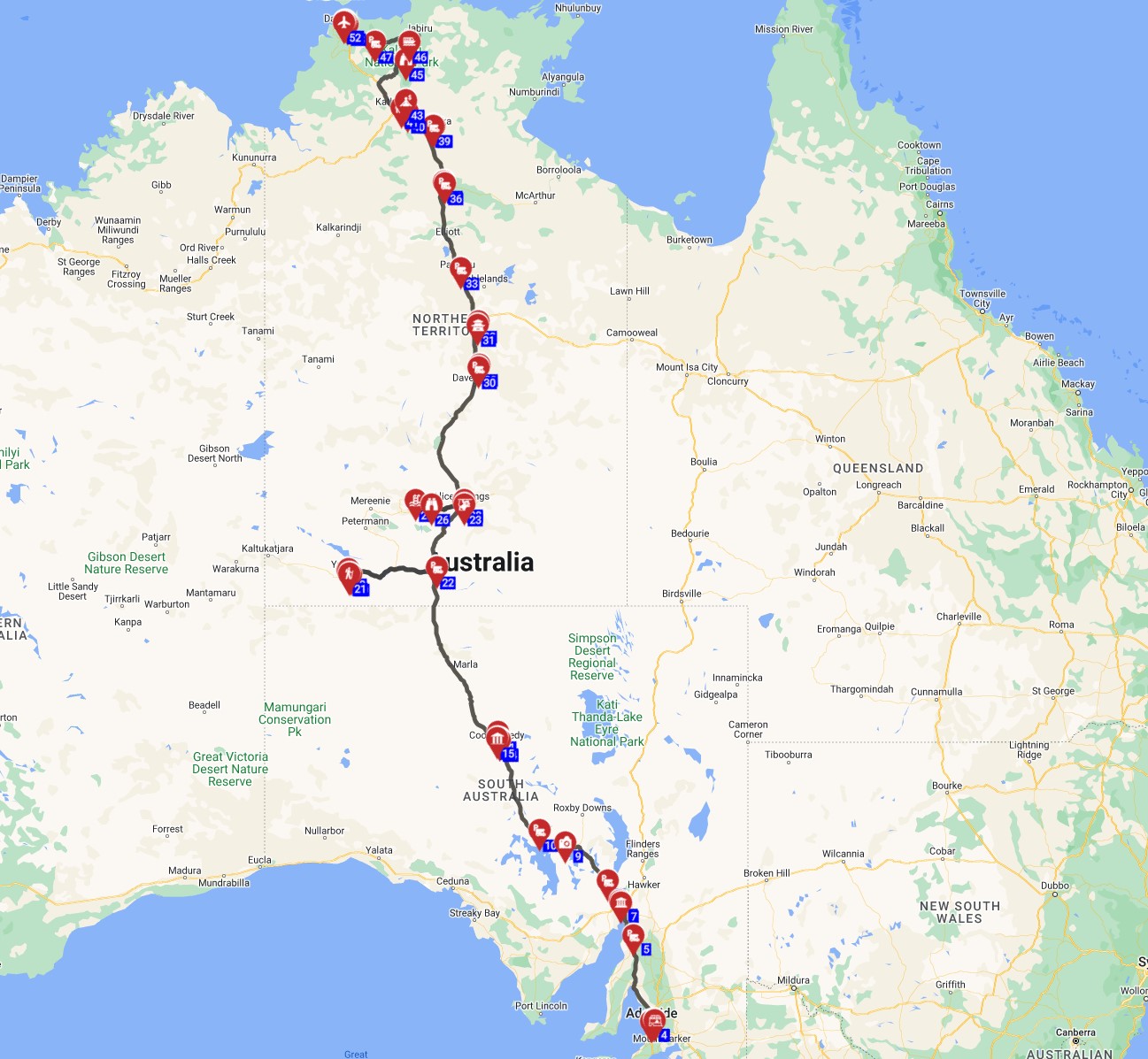
- Journey from Melbourne to Darwin: Consider the epic "Melbourne to Darwin - Australia’s Heartline Road Trip," a 26-day, 5622.8 km journey that includes 5 hiking areas, 5 points of interest, and 3 museums, showcasing diverse landscapes from city to desert to tropics.
Looking for expert insights from Avi Bandana? Top 5 Adventures - recommendations from Avi Bandana
When it comes to experiencing Australia, nothing beats the freedom of a rented motorhome. I've personally driven many of these routes, and each offers a unique glimpse into this incredible country. From the coastal beauty of Victoria to the rugged heart of the Outback, having your own RV means you're always ready for the next discovery.
For an iconic journey across diverse landscapes, I highly recommend exploring the route from Melbourne to Darwin. It's a true cross-country experience, revealing the sheer scale and beauty of Australia. Another fantastic option is the journey from Perth to Alice Springs, which delves deep into the Dreamtime Highway, allowing you to connect with ancient landscapes and vibrant indigenous culture.
For those starting in the tropical north and heading into the desert, the Cairns to Alice Springs route is an unforgettable adventure. It showcases dramatic changes in scenery and climate, from lush rainforests to the arid Red Centre. Each of these RV PLANET routes is meticulously pre-planned by professionals, ensuring you have all the information you need to make the most of your travel. This Rent&Plan approach means less stress and more discovery.
And remember, by utilizing rvplan.net for your planning, you can also enjoy a 25% planning discount, a little reward for choosing smart travel!
Final Thoughts
Exploring Australia with a rented RV from an airport pickup point is an adventure like no other, offering you the freedom to discover this magnificent country at your own pace. With Bandana Caravan, you're not just booking a vehicle; you're gaining a partner who values full transparency, provides exceptional support, and genuinely understands RV travel. From understanding local road rules and managing costs to finding the perfect route, we're here to make every step of your journey clear and enjoyable.
So, whether you dream of coastal drives, Outback explorations, or city breaks, imagine yourself on the route, cooking up RV-friendly recipes playlist under a canopy of stars. With the right preparation and our dedicated support, your Australian RV adventure is sure to be filled with unforgettable moments and incredible discoveries. Life is now - so why not make it an RV trip to Australia?
Get inspired for your next trip and plan a journey that perfectly suits your style. Compare RV Rental Prices for Australia now and begin your unforgettable journey!