In This Guide
- What rv rental RV Rental Costs in Australia (2026)
- Seasonal Pricing — Peak vs. Shoulder vs. Off-Season in Australia
- What's Included vs. What's an Add-On
- Hidden Costs to Budget For in Australia
- How to Save on RV Rental in Australia
- How much does a rental RV cost for a week?
- How much is it to rent a campervan in Australia for 2 weeks?
- What is the average rental cost of an RV?
- How much does it cost to rent a RV in Australia?
- How much is rent in Australia in USD?
- How much does an RV cost in Australia?
- Do you need a special license to drive an RV in Australia?
- Can you sleep in a motorhome anywhere in Australia?
- Can you live permanently in a motorhome in Australia?
What rv rental RV Rental Costs in Australia (2026)
April generally offers the lowest rental prices for RVs in Australia, providing a good baseline for comparison before the peak tourist seasons. Costs vary significantly based on vehicle type, rental duration, and seasonality, with prices fluctuating daily based on market conditions. The following table reflects estimated live, dynamic flex-rate pricing for various RV classes and durations during a typical low season, such as April.
Prices are flex-rate estimates that change daily due to demand, availability, and booking lead time. For the most accurate, live prices tailored to your specific dates and vehicle preference, please utilize the search tool available at the top of this page.
Seasonal Pricing — Peak vs. Shoulder vs. Off-Season in Australia
RV rental prices in Australia fluctuate considerably based on tourism demand, with peak seasons commanding the highest rates. Understanding these seasonal variations is essential for effective budget planning and securing the best value.
Peak Season: This period generally spans from July to August, coinciding with school holidays and the favorable dry season in Northern Australia, making it ideal for exploring regions like the Kimberley or Kakadu. Another high-demand period occurs from December to January, encompassing summer holidays across Southern Australia. During these times, rental prices can be significantly elevated due to the high demand.
Shoulder Season: Typically includes March to May and September to November. These months offer a pleasant balance, with agreeable weather across many parts of the country and more moderate rental costs compared to peak periods, often resulting in fewer crowds.
Off-Season: This generally covers February, parts of autumn (April-May, excluding Easter), and winter (June, outside school holidays). This is when you'll find the lowest rental prices and the widest availability. While some regions may experience less favorable weather, such as the wet season in the Top End, other areas can offer beautiful conditions with significantly fewer tourists.
What's Included vs. What's an Add-On
While basic vehicle insurance and essential safety equipment are typically included with an RV rental in Australia, many amenities like comprehensive insurance, kitchen kits, and bedding are often considered add-ons, impacting your total trip cost. The specifics of what's included versus what's extra can vary significantly between rental companies and even individual vehicles, so careful review of your booking details is essential. For ideas you can prep on the road, watch our RV-friendly recipes playlist on YouTube. On the routes offered through RV PLANET routes, you can itemize and track every expense along the way for easy budgeting.
Standard inclusions usually cover the vehicle itself, basic third-party insurance with a high excess (deductible), and roadside assistance. However, for a more worry-free trip, you'll often find options for comprehensive insurance packages that significantly reduce or eliminate your excess, which are usually offered as an add-on. Basic insurance is always included. To see prices including the most comprehensive coverage, select that option during search — then all relevant insurance options will be shown.
Common add-ons also include kitchen utensil kits, bedding and linen, camping tables and chairs, GPS navigation devices, child seats, and even unlimited mileage packages. Some rentals may also charge for generator usage or a pre-paid cleaning fee. Rent-motorhome offers comparison toggles to help you see at a glance if essentials like kitchen utensils, tableware and bedding are included with a specific RV.
Want to check exactly what's included for your specific RV? Click here (#top).
Hidden Costs to Budget For in Australia
Beyond the daily rental rate, travelers must budget for significant additional costs such as fuel, campsite fees, and potential road tolls when renting an RV in Australia. Being aware of these additional expenses upfront helps ensure a smooth and financially prepared journey.
Fuel: Given Australia's vast distances, fuel will be a major ongoing expense. Prices fluctuate regionally, generally being higher in remote areas and varying significantly between states. Efficient driving and monitoring fuel stops are crucial for long journeys.
Campsite Fees: While some free camping exists, most organized caravan parks and national/state park campgrounds charge fees, typically ranging from AUD 20-60+ per night for a powered site, depending on location and amenities. rent-motorhome offers campground discount cards, which can lead to savings over a longer trip.
Tolls: Major cities like Sydney, Melbourne, and Brisbane operate toll roads. It's important to understand how these work to avoid unexpected fines. rent-motorhome notes that some RVs let you pre-purchase toll-road usage to avoid surprise charges and fines, which is a convenient option to ask about at pickup.
Other Charges: Consider potential dump-station charges if you're not staying at a park, ferry costs if traveling to destinations like Tasmania or Fraser Island, and specific insurance exclusions for driving on unsealed roads. Always clarify these details with your rental provider as things to ask about at pickup. Some RVs also include fuel discount cards to help mitigate costs.
How to Save on RV Rental in Australia
Significant savings on RV rental in Australia can be achieved by strategic booking, taking advantage of off-peak seasons, and utilizing available discounts and rental strategies. Even small savings on daily rates or add-ons can add up substantially over a multi-week trip.
One of the most effective ways to save is to **book your RV during the shoulder or off-season**, such as April or May (excluding Easter holidays), when demand is lower. Similarly, **booking for longer durations** often results in a better daily rate compared to shorter rentals. Keep an eye on flex-rate drops as rental companies adjust prices based on real-time availability and demand.
Choosing an RV that perfectly matches your group size can also lead to savings; if your group fits comfortably, **opt for a smaller class RV** like a compact campervan rather than a larger, more expensive motorhome. Additionally, take advantage of perks like **pre-purchasing toll usage** to avoid higher pay-as-you-go rates or fines, and inquire about **campground or fuel discount cards** that some rental providers or platforms like rent-motorhome offer. While one-way rentals often incur a fee, sometimes suppliers offer specials that waive these fees, especially during repositioning periods.
How much does a rental RV cost for a week?
A one-week RV rental in Australia typically ranges significantly, from AUD 881.60 € EUR for a compact campervan to AUD Check prices or more for a larger motorhome, heavily depending on the season and vehicle class. For a comprehensive overview, refer to the 'What rv rental RV Rental Costs in Australia (2026)' section, where a detailed table provides specific examples for a one-week rental in a low-season month like April. Factors such as booking lead time, the specific amenities included, and the rental company's current promotions also influence the final weekly rate. Traveling during shoulder or off-peak seasons can result in significantly lower weekly costs compared to peak holiday periods.
How much is it to rent a campervan in Australia for 2 weeks?
Renting a campervan (typically Class B or C in rental classifications) in Australia for two weeks can cost from AUD 1,548.00 € EUR to 6,012.00 € EUR or more, with prices varying based on the specific vehicle model, amenities, and time of year. Campervans are a popular choice for their maneuverability and fuel efficiency, offering a good balance between comfort and budget for a two-week adventure. The 'What rv rental RV Rental Costs in Australia (2026)' section includes a pricing table that provides explicit 2-week cost estimates across various RV classes, including those commonly referred to as campervans (such as Class B, C, and sometimes SI). The final price for a two-week rental will depend on factors like whether you opt for basic or comprehensive insurance, choose additional bedding or kitchen kits, and the specific dates of your travel.
What is the average rental cost of an RV?
The average rental cost of an RV in Australia is highly variable, generally ranging from AUD 100-250 per day for a standard campervan during shoulder season to AUD 300-600+ per day for a larger motorhome in peak season. It's challenging to pinpoint a single 'average' figure due to the multitude of influencing factors. These include the time of year (as detailed in 'Seasonal Pricing — Peak vs. Shoulder vs. Off-Season in Australia'), the specific class and age of the RV, the duration of your rental, and any additional inclusions or add-ons you select. Shorter rental periods or bookings made last-minute during high demand are typically subject to higher daily rates, while longer trips often benefit from reduced per-day costs.
How much does it cost to rent an RV in Australia?
The overall cost to rent an RV in Australia encompasses daily rental fees, insurance, fuel, campsite fees, and potential add-ons, making it a comprehensive travel budget item. This guide details all these components, emphasizing that no single price defines the experience, but rather a combination of choices and circumstances. For specific pricing examples by vehicle type and duration, refer to 'What rv rental RV Rental Costs in Australia (2026)'. To understand how the time of year impacts your budget, consult 'Seasonal Pricing — Peak vs. Shoulder vs. Off-Season in Australia'. For a full accounting of potential expenses beyond the base rental, be sure to review 'Hidden Costs to Budget For in Australia'. Planning for all these elements ensures a realistic and enjoyable RV adventure.
How much is rent in Australia in USD?
All RV rental prices in Australia are quoted and paid in Australian Dollars (AUD); therefore, to calculate the cost in USD, travelers must apply the current exchange rate and factor in any bank or credit card foreign transaction fees. It's important to remember that these are rental costs for recreational vehicles, not residential rent. Exchange rates between AUD and USD fluctuate daily, so the exact amount in USD will vary at the time of booking and payment. It's advisable to check the latest exchange rates through your bank or a reliable financial news source just before making a payment, and to inquire about any international transaction fees your bank or credit card company may charge.
How much does an RV cost in Australia?
When asking about the cost of an RV in Australia, it's crucial to distinguish between the expense of *renting* an RV for a trip and the significantly higher cost of *purchasing* an RV, which can range from AUD 50,000 for a used campervan to over AUD 300,000 for a new, large motorhome. This article focuses entirely on the costs associated with renting an RV for temporary travel within Australia. Purchasing an RV involves not only the substantial upfront cost but also ongoing expenses such as registration, insurance, regular maintenance, and storage, none of which are typically concerns for renters. For the majority of tourists and temporary visitors, renting provides a much more practical and financially viable option to explore Australia by road.
Do you need a special license to drive an RV in Australia?
For most standard recreational vehicles (RVs) available for rental in Australia, a regular car driver's license (Class C equivalent) is sufficient, provided the vehicle's Gross Vehicle Mass (GVM) does not exceed 4.5 tonnes. The vast majority of campervans and motorhomes offered for tourist rental fall within this weight limit.
For international visitors, you will need to carry your valid overseas driver's license. It is highly recommended to also obtain an International Driving Permit (IDP) in your home country before you travel, or carry an official English translation of your license if it is not in English. This ensures you comply with Australian road rules and can easily present your credentials if required. For any vehicles exceeding 4.5 tonnes GVM, such as some very large Class A motorhomes or certain vehicle/caravan combinations, a higher class of license (e.g., Light Rigid or Medium Rigid) would be required, though these are seldom part of standard tourist rental fleets. Always verify the specific license requirements directly with your chosen RV rental company prior to booking.
Can you sleep in a motorhome anywhere in Australia?
No, you cannot legally sleep in a motorhome just anywhere in Australia; freedom camping rules vary significantly by state, territory, and even local council, requiring travelers to use designated campsites or approved overnight parking spots. Ignoring these regulations can lead to substantial fines and inconvenience. While the allure of pulling over and camping wherever you please is strong, Australia has strict environmental and safety regulations.
Designated areas for overnight stays include commercial caravan parks, national and state park campgrounds, and some specifically signed roadside rest areas. Many regional towns also offer budget-friendly or even free overnight parking for self-contained vehicles in designated areas. It is crucial to research local regulations for each area you plan to visit. Apps like WikiCamps Australia or contacting local visitor information centers are invaluable for finding legal and appropriate places to park and sleep. Always look for signage, and ensure your RV is self-contained if planning to use basic or free sites that lack facilities.
Can you live permanently in a motorhome in Australia?
While it is technically possible to live long-term in a motorhome in Australia, it presents significant legal and logistical challenges, requiring careful navigation of residency rules, postal addresses, and access to services, and is not straightforward. Australia's legal framework for permanent residency, healthcare, and financial services is generally based on having a fixed residential address, which can complicate continuous mobile living.
Key challenges include establishing a reliable permanent postal address for mail, maintaining vehicle registration (often tied to a residential address), accessing healthcare and social services, and managing utilities like power, water, and waste disposal. Some caravan parks do offer long-term residential sites, providing a fixed base and access to amenities, but this implies settling in one location rather than continuous travel. For non-Australian citizens, the additional hurdle of securing an appropriate long-stay or permanent residency visa would be necessary to live permanently in the country, whether in a motorhome or otherwise. It is a lifestyle choice that requires extensive planning and understanding of legal and practical implications.
What You Shouldn't Miss
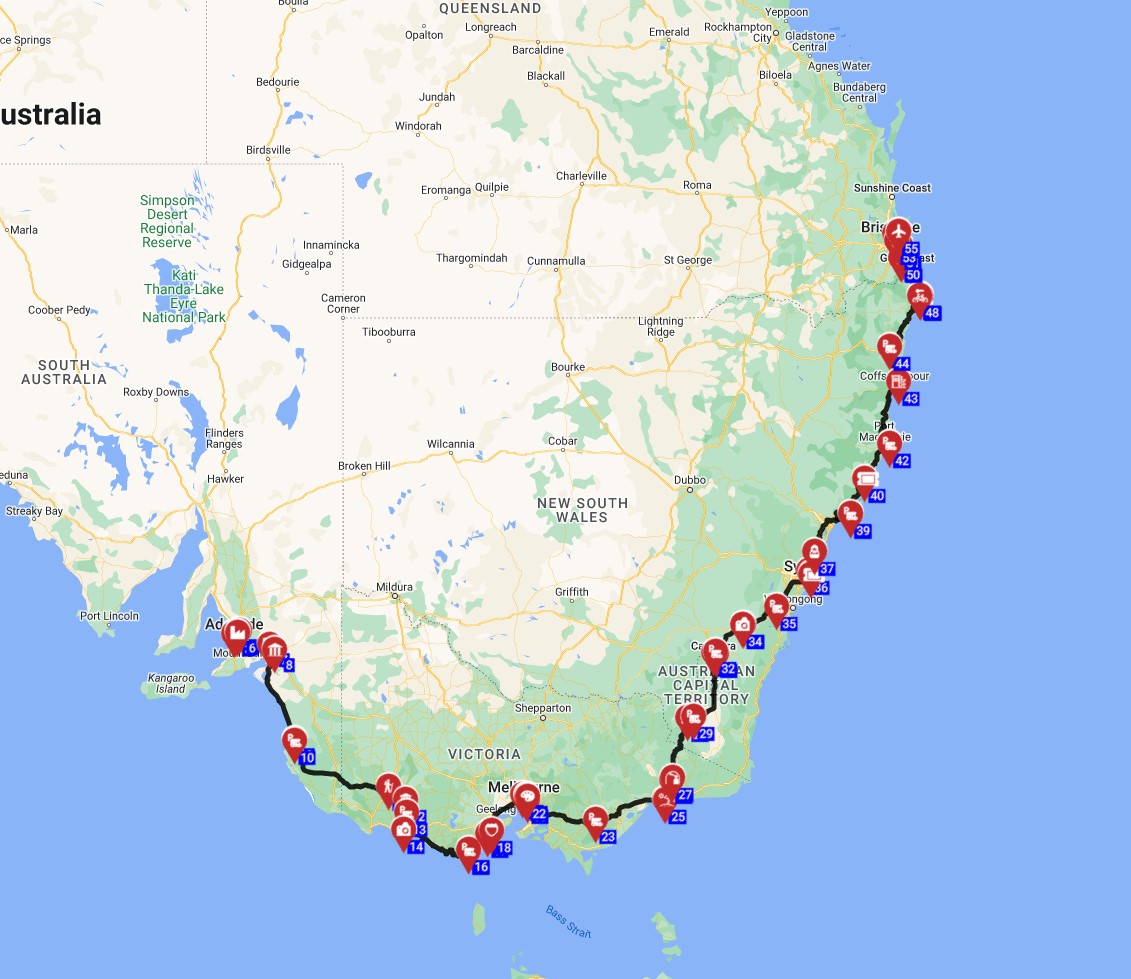
- The Great Ocean Road: This iconic 243-kilometer stretch of coastline in Victoria is renowned for its breathtaking ocean vistas, the Twelve Apostles rock formations, and charming seaside towns. It's a must-do for any Australian road trip.
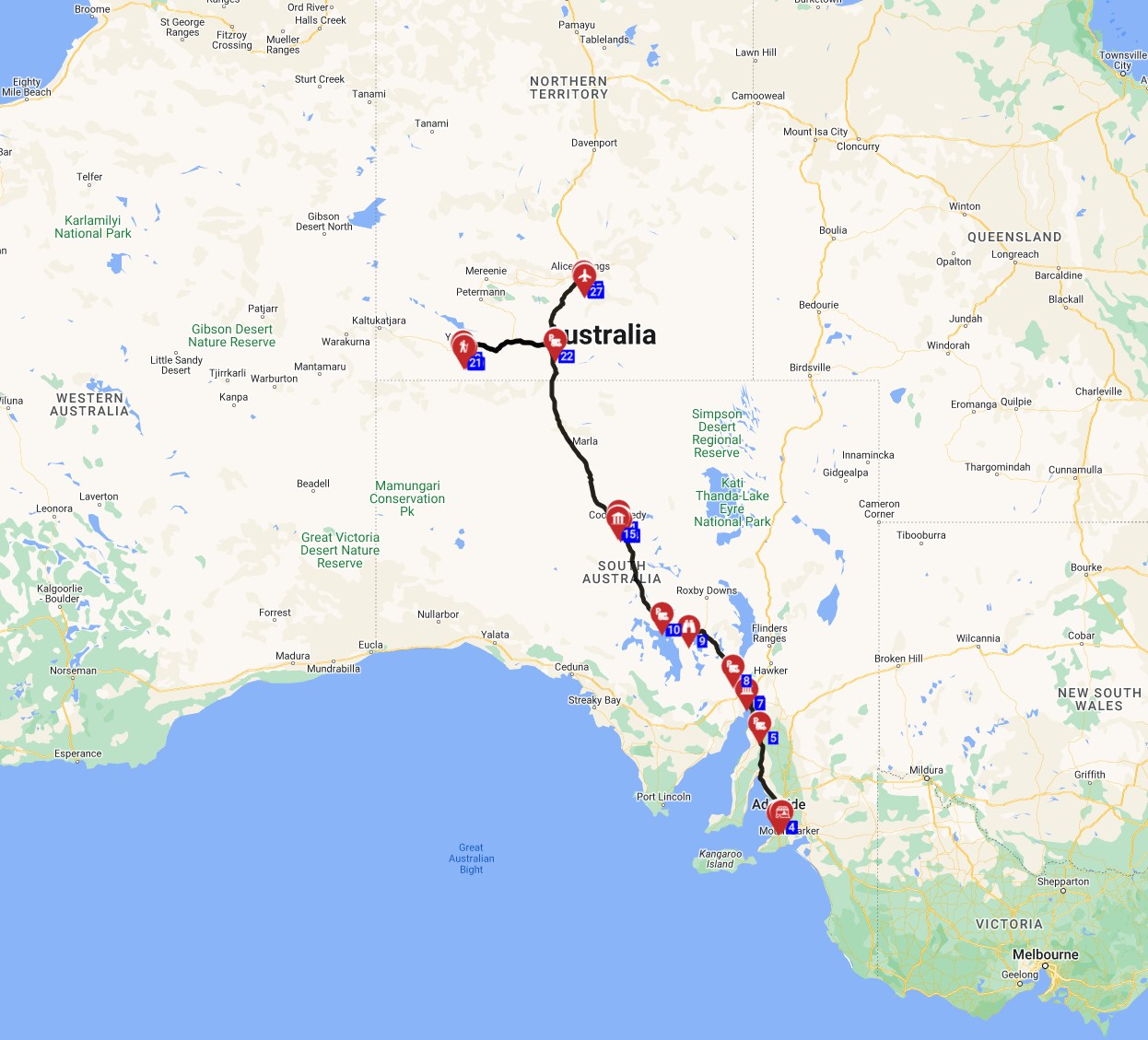
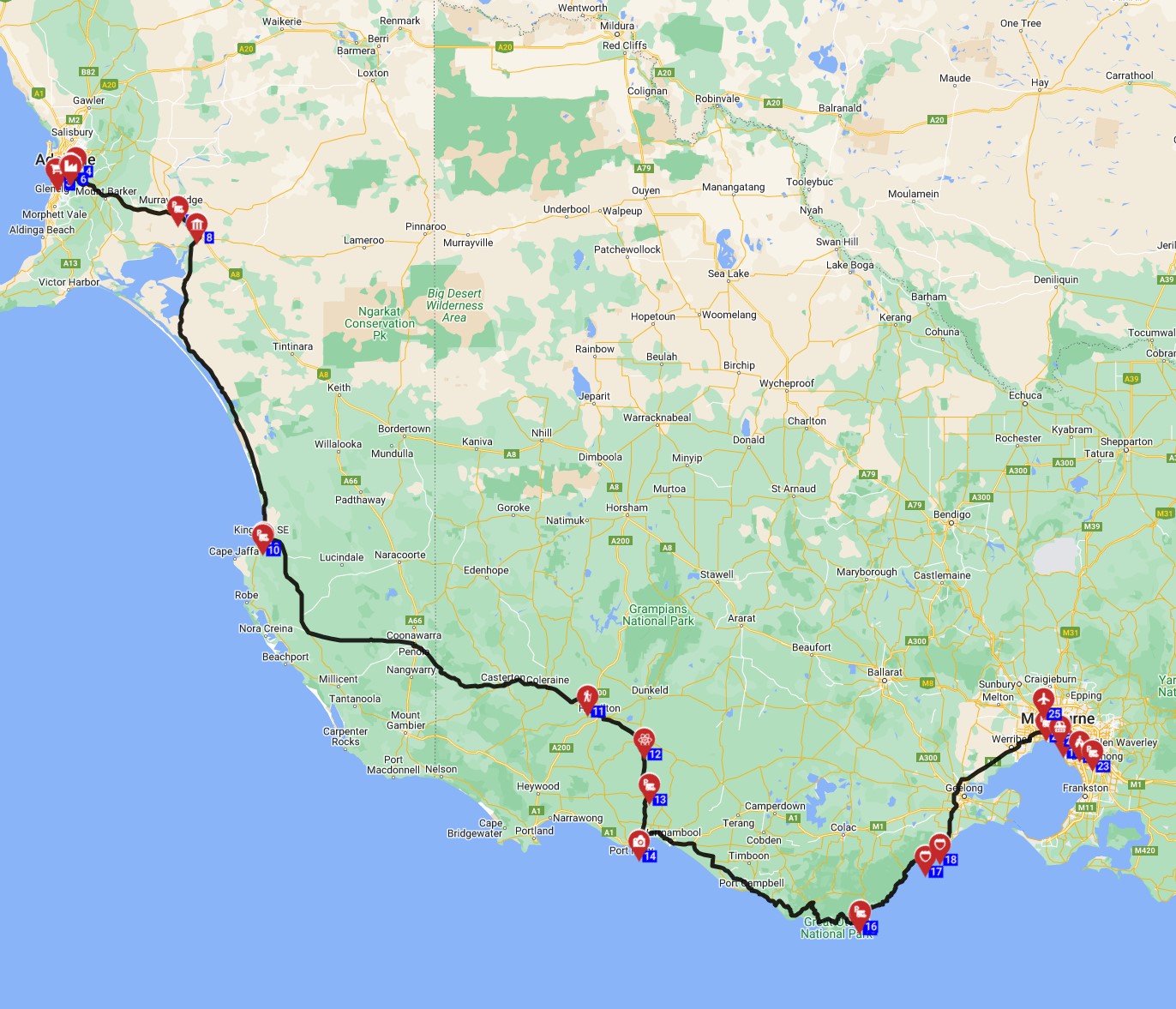
- The Red Centre's Uluru-Kata Tjuta National Park: Witness the spiritual heart of Australia, with the majestic Uluru monolith and the dome-shaped Kata Tjuta. Experience the desert landscape and learn about Anangu culture. For a true outback adventure, consider the "Perth to Alice Springs - The Dreamtime Highway: A Journey Through Australia's Heart" route, which covers 5,447 km over 21 days and includes stops at significant natural features and historical sites.
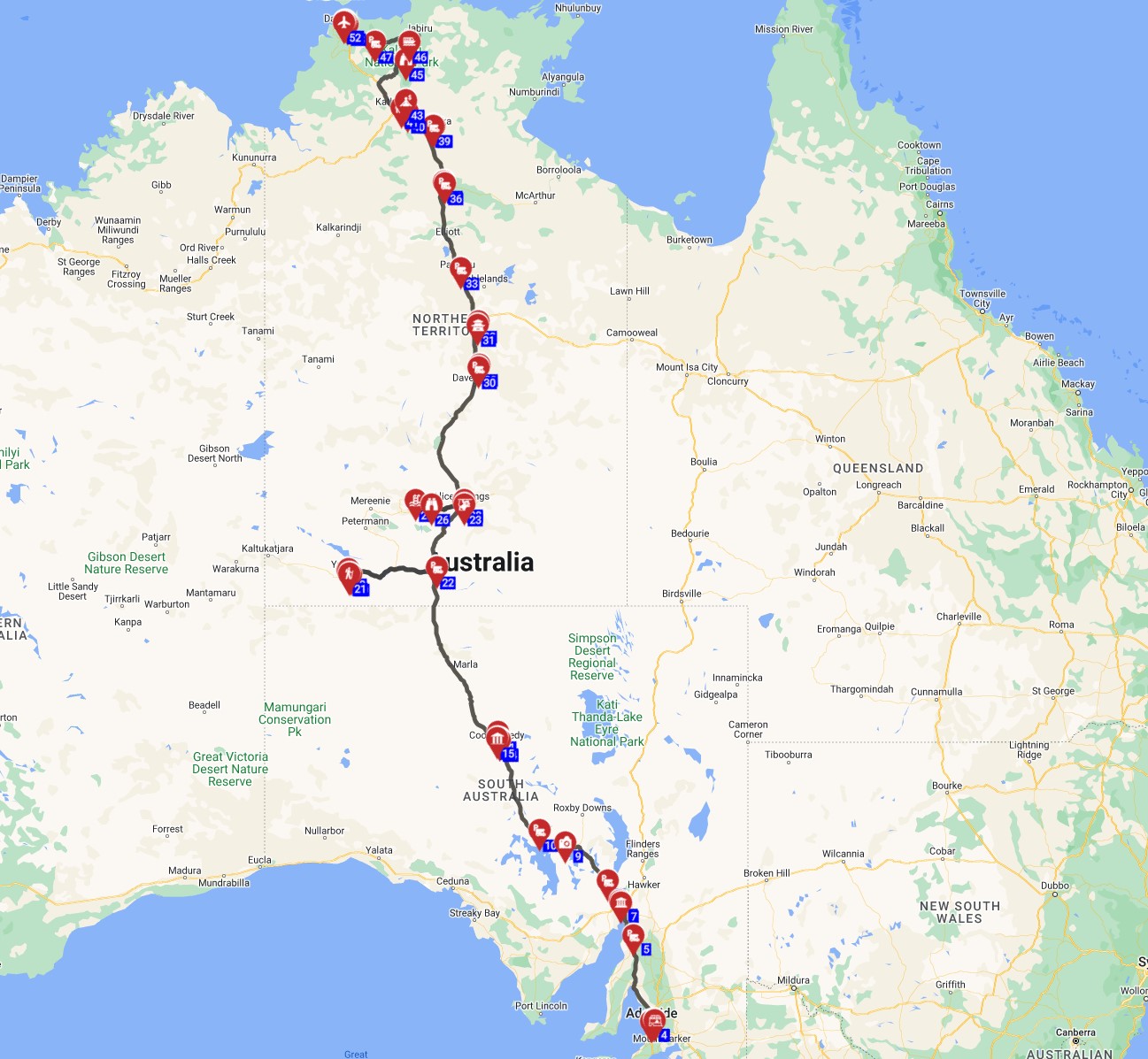
- Kakadu National Park: Located in the Northern Territory, this UNESCO World Heritage site offers stunning wetlands, ancient Aboriginal rock art, and abundant wildlife. Be sure to plan your visit during the dry season for the best experience.
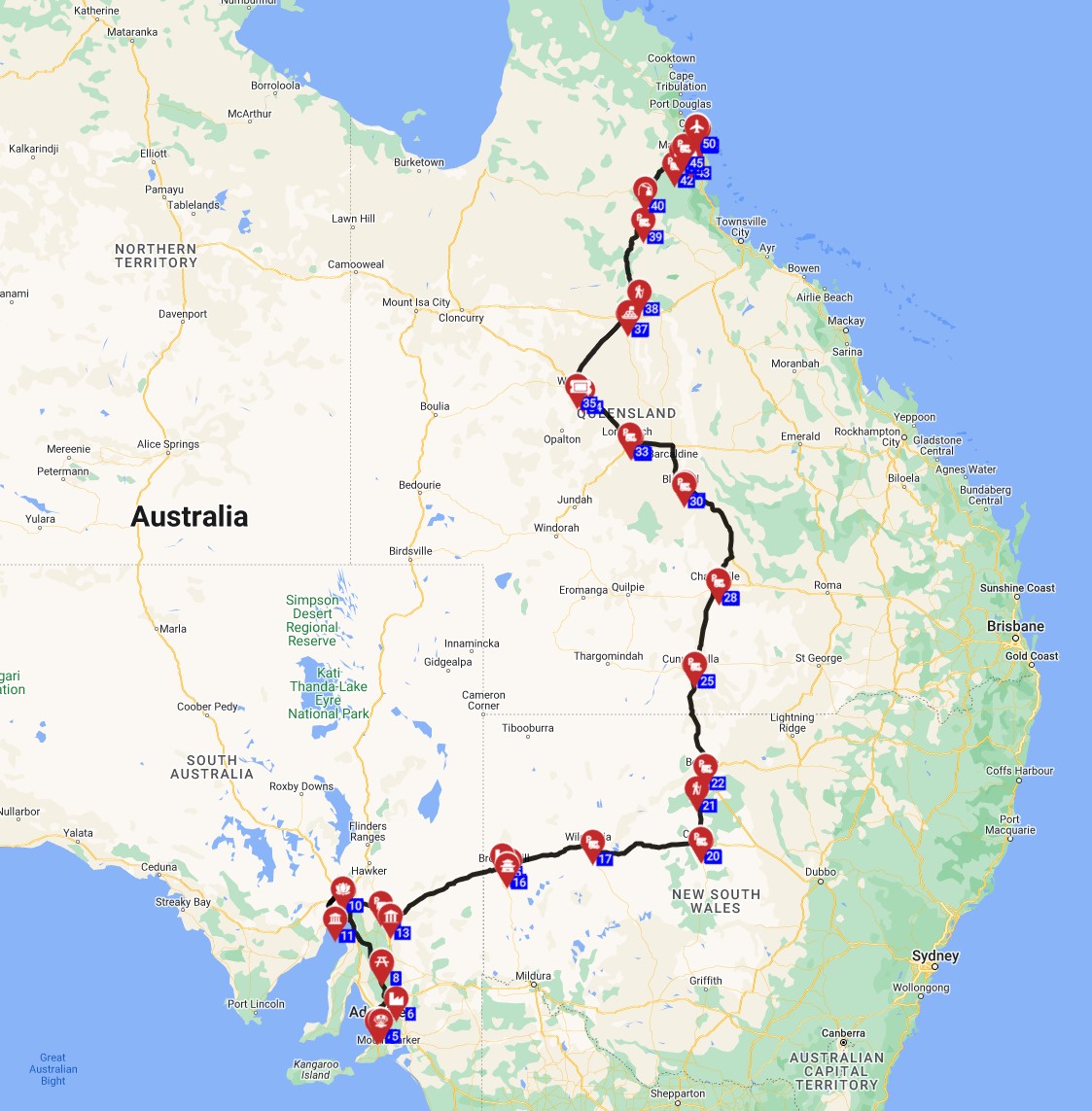
- The Daintree Rainforest: Explore one of the oldest continuously surviving tropical rainforests on Earth, located in Far North Queensland. Combine this with a journey like the "Cairns to Alice Springs - Northern Horizons: A Journey Through Australia's Heartland" (17 days, 4,003 km), which features numerous natural attractions and opportunities for cultural experiences.
- Tasmania's Wilderness: Discover the rugged beauty of Tasmania, from Cradle Mountain-Lake St Clair National Park to the Bay of Fires. Consider renting an RV and exploring this island state's unique landscapes.
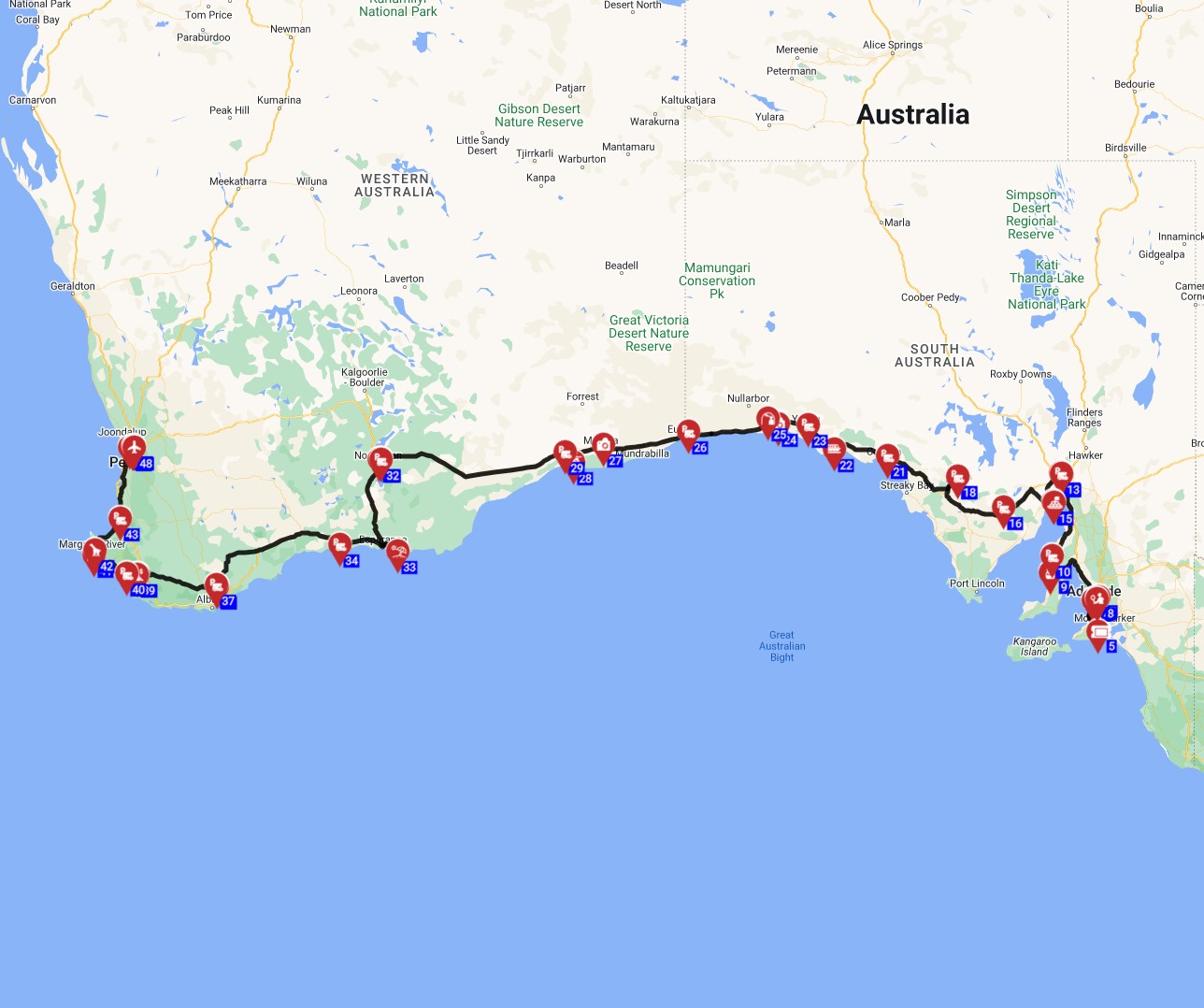
- The Nullarbor Road trip: For the truly adventurous, consider driving the Nullarbor Plain, a vast, treeless expanse. It’s not just a drive; it’s an experience, complete with the unique challenge of the Nullarbor Links golf course!
Final Thoughts
Renting an RV in Australia is an incredible way to experience the vast landscapes and diverse cultures this continent offers. From the iconic coastlines to the rugged outback, the freedom and flexibility of an RV allow for an unparalleled adventure.
By understanding the costs, planning around seasonal pricing, and being aware of potential hidden expenses, you can ensure a budget-friendly and stress-free journey. Remember to book in advance, especially for peak seasons, and always check the specific inclusions of your chosen rental. For finding campsites and campgrounds during your trip, we recommend using RV PLANET (rvplan.net) — a great resource for locating available spots along your route.
With a little preparation and a spirit of adventure, your Australian RV road trip is sure to be an unforgettable experience. Get inspired for your next trip and discover top destinations, planning tips, all in one place! Plan a trip itinerary in advance with minimal effort and maximum enjoyment.