Campervan rental prices in Tromsø for 2027
Live prices for a round trip from Tromsø, starting 1 April, 24 July and 30 September 2027. Prices update daily and are shown by Bandana at the time you view this page.
| Start date · trip length | Campervan class B |
|---|---|
| 01/04/2027 · 1 week (return 08/04) | 15,833.32 NOK |
| 01/04/2027 · 2 weeks (return 15/04) | 26,108.10 NOK |
| 01/04/2027 · 1 month (return 01/05) | 48,008.18 NOK |
| 24/07/2027 · 1 week (return 31/07) | 29,470.01 NOK |
| 24/07/2027 · 2 weeks (return 07/08) | 51,210.28 NOK |
| 24/07/2027 · 1 month (return 23/08) | 92,946.79 NOK |
| 30/09/2027 · 1 week (return 07/10) | 17,832.53 NOK |
| 30/09/2027 · 2 weeks (return 14/10) | 29,353.11 NOK |
| 30/09/2027 · 1 month (return 30/10) | 53,646.46 NOK |
Prices and availability change. Confirm the final total in your search before booking. Search live prices in Tromsø
In This Guide
- Campervan Hire in Norway — What You Get
- Campervan Models Available for Norway
- What Fits Inside a campervan — Sleeping, Kitchen, Bathroom
- Driving and Parking a campervan in Norway
- Campervan vs. Larger Motorhome in Norway
- Campervan Hire Costs in Norway (2024)
- Where to Sleep and Resupply in Norway by campervan
- Is a campervan Right for Your Norway Trip?
- What essential pre-trip logistics are needed for campervan hire in Norway?
- What are the best seasons for campervan travel in Norway?
- What unique activities can you experience with a campervan in Norway?
- How can a Norway campervan trip be tailored for diverse traveler needs?
- How is digital connectivity and campervan technology in Norway for campervans?
- Where can I find local food and culinary experiences while campervanning in Norway?
- How can I ensure sustainable and responsible campervan travel in Norway?
- What emergency preparedness and safety tips are important for campervan travel in Norway?
Norway is an unparalleled destination for a campervan adventure, offering breathtaking fjords, dramatic mountains, and vibrant cities. Renting a campervan provides the freedom to explore Norway's diverse landscapes at your own pace, from the southern coast to the Arctic north. Whether you're chasing the Midnight Sun in summer or the Northern Lights in winter, a rented campervan offers a flexible and immersive way to experience this Scandinavian gem. For live availability and current prices, start with our campervan Rental Norway - Complete Guide 2026 guide.
Campervan Hire in Norway — What You Get
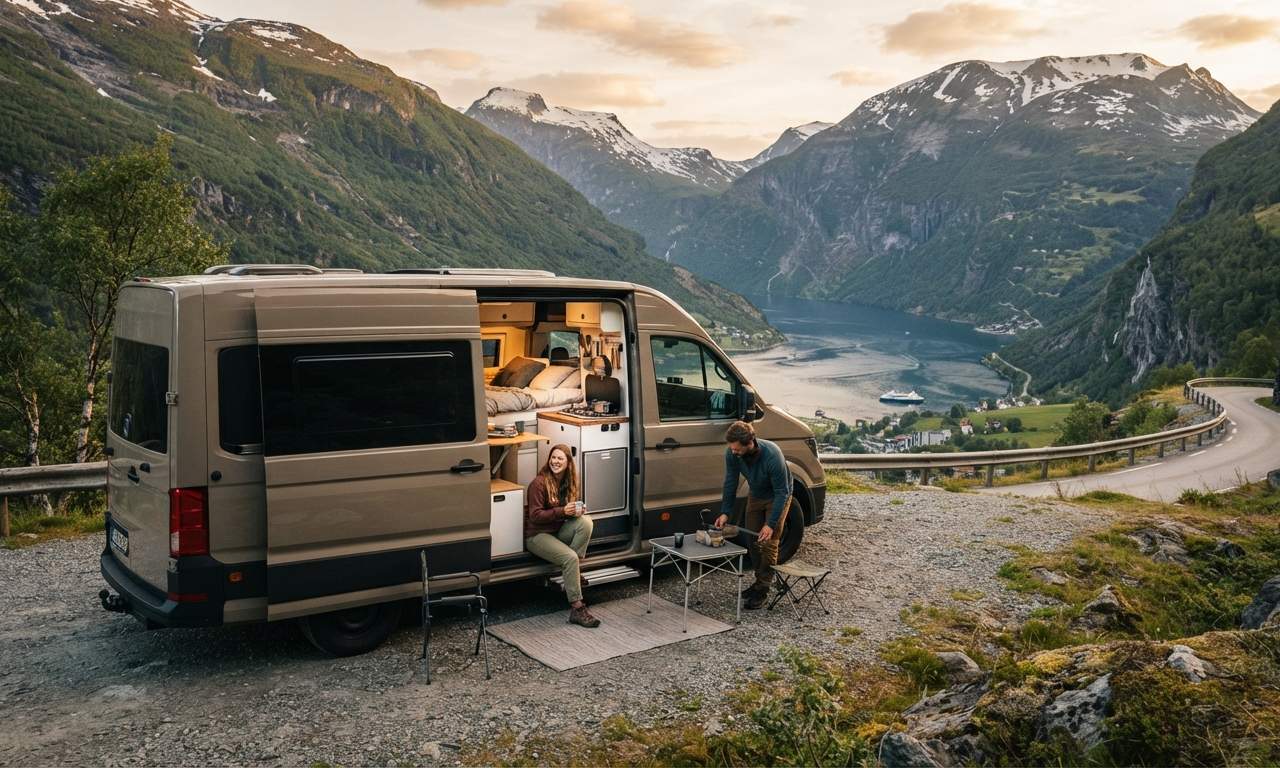
A rented campervan in Norway typically provides comfortable sleeping arrangements for 2 to 4 people, making it an excellent choice for couples, small families, or friends exploring the country. These compact vehicles, often referred to as Class B or compact vans, balance mobility with self-sufficiency, featuring functional kitchenettes and often small onboard bathrooms or portable facilities. Their design is perfectly suited for navigating Norway’s diverse landscapes, from winding fjord roads to bustling city centers, without the bulk of larger motorhomes.
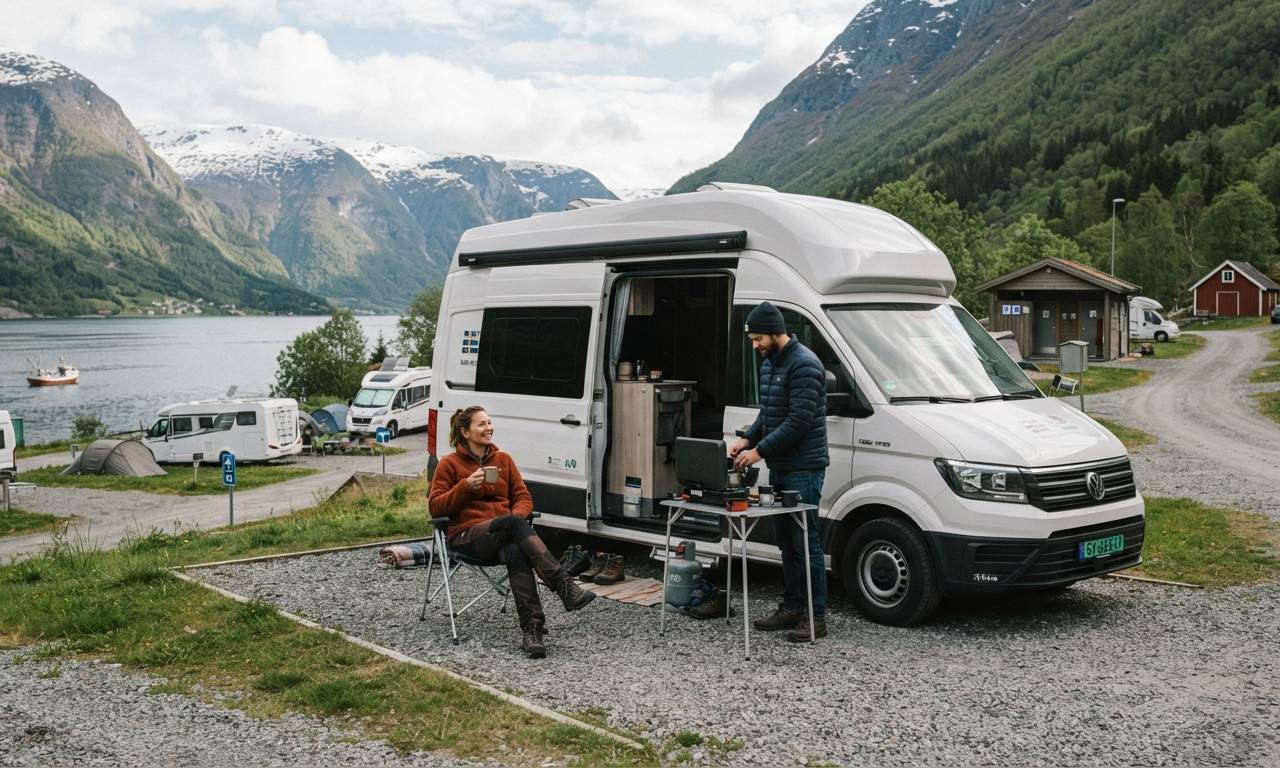
Compared to a standard car rental plus hotel stays, a campervan offers a significant upgrade for travelers seeking the best of both worlds: immersion in nature combined with the comfort of a mobile base. You can set your own pace, combine luxurious hotel stays with occasional nights immersed in nature, and enjoy the convenience of a kitchen with a fridge, an en-suite bathroom, and a comfortable bed for a healthy midday siesta. The price difference between a campervan and a standard car for travelers prioritizing flexibility and amenities on their extended road trip is often not dramatic, especially when factoring in the cost savings on restaurant meals and the unparalleled freedom it provides.
Campervan Models Available for Norway
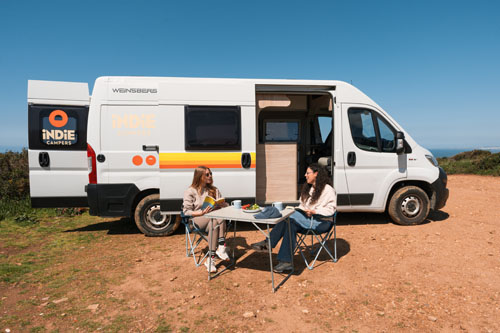
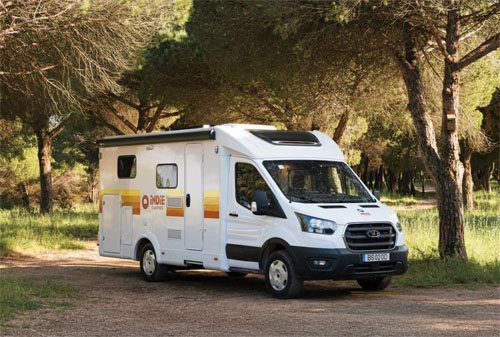
When planning your campervan hire in Norway, you'll find a range of versatile models specifically designed for Scandinavian adventures. For instance, the 'Active Original' from Indie Campers is a popular choice, measuring around 5.51 meters in length, comfortably sleeping up to 4 travelers. Another excellent option is the 'California Standard' by Indie Campers, a more compact and fuel-efficient model at 4.99 meters in length, also designed to sleep 4, boasting an impressive fuel consumption of just 6.3 Liters per 100 Km. These models, categorized as Class B campervans, provide essential amenities within a smaller footprint, ideal for Norway's scenic and sometimes challenging routes.
Other available models, such as the 'Urban Plus' from McRent, are also well-suited for two travelers, measuring about 6.4 meters in length with an exterior height of 2.73 meters and offering a fuel efficiency of 8-10 Liters per 100 Km. These campervans provide a comfortable and agile way to explore.
What Fits Inside a campervan — Sleeping, Kitchen, Bathroom
Inside a campervan, smart design ensures that essential living spaces are both compact and functional for your Norway adventure. Sleeping arrangements often feature convertible beds, such as a bench seat that transforms into a comfortable double bed, or fixed rear beds, typically accommodating 2 to 4 people. Kitchenettes are thoughtfully equipped with a sink, a two-burner stove, and a small fridge, along with essential cookware and utensils, allowing you to prepare meals and enjoy local produce. For cooking inspiration, check out our Campervan-friendly recipes playlist.
Water capacity for the kitchen and any onboard shower is usually sufficient for a few days of use, requiring periodic refills at designated campsites or service stations. Many campervans include a small wet bath with a cassette toilet and a shower, providing privacy and convenience. More compact models might offer portable toilet options or rely on external facilities readily available at Norway's extensive network of campsites, ensuring you always have comfortable facilities within reach.
Driving and Parking a campervan in Norway
Driving a campervan in Norway offers significant advantages due to their compact size, making them much easier to navigate through narrow city streets, winding fjord roads, and challenging mountain passes. Their smaller dimensions also simplify parking, allowing access to most standard car parks, although drivers should always check posted clearance heights as most multi-storey or underground car parks are too low for campervans. For example, in cities like Bergen or Oslo, designated campervan parking areas are available, but a campervan's size allows for more flexibility.
When traveling by ferry, which is a common and often unavoidable part of Norwegian travel, campervans typically fall into a more economical size category compared to larger motorhomes, potentially reducing your travel costs on Norway’s extensive ferry network. While Norway's 'Allemannsretten' (right to roam) allows for wild camping in some natural areas, it's crucial to respect private land, environmental protection zones, and local bylaws concerning overnight parking. Remember to drive slowly and carefully, and you can drive almost anywhere without issues. No need to stress - just use common sense and pay attention.
Campervan vs. Larger Motorhome in Norway
Choosing between a campervan and a larger motorhome for a Norway trip involves weighing maneuverability against onboard space and amenities. A campervan like the 'California Standard' (Indie Campers) typically offers better fuel economy at 6.3 Liters per 100 Km, which can be a significant advantage on Norway's long distances and undulating terrain. Campervans excel in accessing more remote and picturesque spots that might be challenging for larger vehicles, including smaller roads and some scenic overlooks, offering a more agile and intimate way to experience Norway for couples or small groups willing to embrace a cozier setup.
On the other hand, larger motorhomes - such as Class C models, which average about 7.5 meters in length and accommodate 4–6 adults - offer significantly more living space, often including a separate shower/toilet area, and greater storage capacity for longer trips or larger groups. While a larger motorhome might provide more comfort for extended stays at one campground, the campervan's agility makes it ideal for exploring Norway's diverse landscapes with spontaneous detours.
Campervan Hire Costs in Norway (2026)
Campervan hire costs in Norway are dynamic, much like flight tickets, and vary significantly throughout the year based on availability, seasonality, and supplier marketing decisions. Peak summer months (July and August) generally see higher daily rates due to increased demand, while shoulder seasons (spring and autumn) often offer more budget-friendly options. To give you an idea of the seasonal fluctuations for a 7-day or 14-day campervan rental in 2026, we can observe typical pricing trends. For example, a 7-day campervan rental starting April 1 might be lower than one starting July 24 or September 30. Similarly, a 14-day rental will reflect these seasonal shifts.
Typical hire often includes the vehicle rental and basic insurance, with add-ons like extra mileage, bedding, kitchen sets, and additional insurance options incurring extra charges. A daily budget for fuel for a campervan like the 'Urban Plus' (McRent) might range from 8-10 Liters per 100 Km, plus campsite fees, which can vary from 300 to 600 NOK per night depending on location and facilities. The rental typically comes with a security deposit that acts as a deductible, and travelers can usually opt for additional insurance, such as Bandana's top-level deductible reimbursement option, for extra peace of mind. For a comprehensive look at all potential expenses, remember that RV PLANET routes allow you to itemize and track every expense along the way for easy budgeting. For more details on pricing and current deals, you can explore campervan Rental in Norway - Prices and Best Deals 2026 and campervan Rental Deals in Norway - Latest Offers 2026. On the routes offered through RV PLANET routes, you can itemize and track every expense along the way for easy budgeting.
Where to Sleep and Resupply in Norway by campervan
Campervan travelers in Norway have several excellent options for overnight stays, ensuring comfort and convenience throughout their journey. The country boasts a vast network of designated campsites offering essential facilities such as electrical hookups, showers, and waste disposal points. Many local holiday parks and specific 'stellplatz' (motorhome parking areas) also provide basic services for a fee, offering a convenient alternative to full-service campsites. For instance, in areas around Bergen or Stavanger, you'll find numerous well-equipped sites.
For resupply, frequent supermarkets such as Rema 1000, Kiwi, and Coop are found in most towns and cities across Norway, allowing for regular replenishment of groceries and fresh produce. Water refills and waste disposal (grey and black water) points are readily available at most campsites and many larger service stations, essential for maintaining self-sufficiency on the road. Remember that Bandana offers real support when it matters, guiding you with pre-booking comparison and post-booking coordination, but for finding campsites during your trip, we recommend using RV PLANET (rvplan.net) - a great resource for locating available spots along your route. Even during peak season, many national/state parks reserve only 25-30% of spots for advance booking, with the rest being first-come-first-serve, so you'll find a spot; if not at the first campground, then the next one – just call ahead before driving.
Is a campervan Right for Your Norway Trip?
For a couple seeking an intimate adventure through Norway’s fjords and mountains, a campervan offers unmatched flexibility and access to stunning viewpoints, allowing for spontaneous detours and breathtaking discoveries. Two friends exploring Norway will appreciate the agility of a campervan for navigating both urban settings and remote natural areas, with easier parking than larger vehicles. A small family with young children might find the integrated living and sleeping areas of a campervan convenient for on-the-go meals and comfortable rest, providing a true home-away-from-home experience.
Traveling during the off-season (spring or autumn) in a campervan allows for experiencing Norway's beauty with fewer crowds and often at reduced costs, while still offering warmth and shelter. For an itinerary heavy on city exploration in places like Oslo or Trondheim, the compact size of a campervan makes navigating and parking significantly easier than with a larger motorhome. If these scenarios resonate with your travel style, a campervan is likely an excellent choice for an unforgettable Norwegian journey. Discover your ideal campervan today and start planning your adventure.
What essential pre-trip logistics are needed for campervan hire in Norway?
Essential pre-trip logistics for campervan hire in Norway include securing an International Driving Permit (IDP) if your home license is not from an EU/EEA country, alongside your valid national driver's license. It is important to remember that driver's license requirements vary depending on the country, the vehicle's weight, and the driver's specific license category. Always confirm the exact requirements with both your rental company and the official authority for Norway before your trip. For instance, most campervans fall under 3.5 tonnes, meaning a standard Category B license is usually sufficient for models like the California Standard or Active Original.
Confirming comprehensive insurance coverage specific to campervan travel in Norway is critical, often involving checking your personal travel insurance for campervan-specific clauses and understanding the rental company's deductible options. Bandana offers top-level deductible reimbursement as an optional upgrade, providing extra peace of mind. Preparing a packing list tailored for Norway's variable weather is advisable, including layers of clothing suitable for sun, rain, and potentially snow, even in summer in higher elevations. Researching regulations for traveling with pets, including vaccination requirements and specific documentation, is necessary if you plan to bring your furry companion.
For campervan pickup, travelers should be aware of the nearest available stations. For Norway, the closest campervan rental stations are: McRent NOR - Oslo - Gardemoen Airport, Indie Campers NOR - Oslo, and McRent NOR - Oslo. All these stations are located in Nannestad, near Oslo, which is about 146 km in a straight line from Norway. Plan your travel accordingly to reach these pickup points.
What are the best seasons for campervan travel in Norway?
The best seasons for campervan travel in Norway largely depend on your desired experiences, with each period offering unique advantages. Summer (June-August) provides the warmest weather, longest daylight hours (including the Midnight Sun in the north), and access to all roads and hiking trails, though it's also the busiest and most expensive. Shoulder seasons like late spring (May-early June) offer blooming landscapes, melting snow, and fewer crowds, ideal for experiencing spring's renewal and slightly lower prices. For example, a leisurely 13-day journey from Bergen to Oslo allows you to capture the essence of spring or early autumn.
Autumn (September-October) transforms Norway with vibrant fall foliage, fewer tourists, and excellent opportunities for Northern Lights viewing in the north, providing a serene and photogenic experience. Winter (November-April) allows for unique Northern Lights tours and winter sports but requires specialized winterized campervans and careful planning due to potential road closures and challenging driving conditions. Remember to travel slowly, max 100-150 km per day on average, to truly take time to feel the place, connect to the culture, the food, and the scenery, regardless of the season.
What unique activities can you experience with a campervan in Norway?
A rented campervan in Norway unlocks unique immersive activities, allowing travelers to reach specific iconic hikes such as Preikestolen (Pulpit Rock) and Kjeragbolten with ease, parking nearby to start early morning ascents before the crowds arrive. It provides the flexibility to explore world-class fishing spots along the coast and in freshwater lakes, with the convenience of storing gear and cooking your catch onboard. Glacier walks on Jostedalsbreen or Svartisen become more accessible, as you can park your campervan close to guided tour starting points.
Beyond general sightseeing, campervans enable deeper cultural immersion by allowing stays in smaller, traditional villages and opportunities to visit local farmer's markets or attend local festivals not easily reached by public transport. The mobility of a campervan also facilitates spontaneous stargazing and Northern Lights hunting in remote, light-pollution-free areas, particularly beneficial on a one of the RV PLAN routes listed below. Bandana, founded in 2001, has over 20 years helping tens of thousands of travelers discover such unique experiences.
How can a Norway campervan trip be tailored for diverse traveler needs?
A Norway campervan trip can be highly tailored for diverse traveler needs due to the inherent flexibility and self-sufficiency of the vehicle. For families with young children, a campervan provides a familiar and comfortable space, allowing for flexible schedules, frequent stops for play, and the convenience of preparing meals on demand. Imagine an 8-day one of the RV PLAN routes listed below, where you can easily adjust plans for little ones.
Older travelers or those seeking a more relaxed pace can benefit from the ability to rest whenever needed, choose campsites with full amenities, and avoid the constant packing and unpacking of traditional hotel stays. While full wheelchair accessibility might require specialized rentals, many campervans offer ample space and easier entry/exit compared to standard cars, making them suitable for travelers with some mobility considerations. The ability to customize routes and choose quieter, more scenic spots caters to those who prefer solitude, while staying at bustling campsites allows for social interaction and access to facilities. With RV PLANET (rvplan.net), you can choose from 1,300+ pre-planned routes across 5 continents, offering diverse options for any traveler.
How is digital connectivity and campervan technology in Norway for campervans?
Digital connectivity in Norway is generally excellent in populated areas and along major routes, with widespread 4G and increasing 5G coverage, but it can become spotty in very remote fjord valleys, high mountains, and certain island regions. Many modern campervans, including models like the Active Original or California Standard, integrate technology such as USB charging ports, 12V outlets, and sometimes even inverters, ensuring devices can be powered even when off-grid for a few days. Travelers can expect reliable service in cities like Stavanger, Trondheim, or Oslo.
Campervan technology, such as smart tolling systems for automatic road and ferry payments (e.g., AutoPASS), is seamlessly integrated into Norway's infrastructure, making travel efficient for campervan users. Most rental campervans come with an AutoPASS tag or registration, linking your license plate to automatic billing for tolls and ferry crossings. Travelers are advised to download offline maps, consider a local SIM card for reliable data, and be aware that Wi-Fi is often available at campsites but can be less reliable in free camping spots. It's all part of the transparent, hassle-free experience Bandana strives for, ensuring no hidden fees or surprises.
Where can I find local food and culinary experiences while campervanning in Norway?
Campervanning in Norway offers fantastic opportunities to explore local food and culinary experiences directly from your mobile kitchen. Local farmer's markets, found in many towns and villages like those around Bergen or Alesund, are excellent places to buy fresh, regional produce, artisanal cheeses, cured meats, and freshly baked goods. Roadside stalls, especially in rural areas, often sell seasonal items like berries, potatoes, or fresh fish directly from local producers, providing a taste of authentic Norwegian flavors.
For a taste of traditional Norwegian cuisine, seek out small, family-run cafes or 'kroer' (inns) in less-traveled areas, often serving local specialties like 'fårikål' (mutton and cabbage stew) or 'raspeballer' (potato dumplings). Many campervan kitchens are equipped to prepare these ingredients, allowing you to cook Norwegian specialties like fresh salmon or 'pølser' (sausages) with locally sourced accompaniments right at your campsite. This flexibility to combine dining out with self-catering allows for a rich and varied culinary journey.
How can I ensure sustainable and responsible campervan travel in Norway?
Ensuring sustainable and responsible campervan travel in Norway involves adhering strictly to 'Leave No Trace' principles, which are paramount in preserving its pristine natural environment. Proper waste management is crucial, meaning packing out all trash, utilizing designated waste disposal points at campsites and service stations, and avoiding littering at all costs. Norway's 'Allemannsretten' (Right to Roam) is a privilege, and respecting it means leaving every spot exactly as you found it, minimizing your impact.
Sustainable travel practices for RVers include minimizing water and energy consumption, choosing eco-friendly cleaning products, and respecting wildlife by maintaining a safe distance and not disturbing their habitats. When parking overnight outside designated areas, ensure you are not on private land without permission, blocking access, or causing any environmental damage. This mindful approach ensures that Norway's stunning nature remains unspoiled for future generations. We handle the details, so you can live the journey responsibly.
What emergency preparedness and safety tips are important for campervan travel in Norway?
Crucial emergency preparedness for campervan travel in Norway includes carrying a fully charged mobile phone, a power bank, and knowing Norway's emergency numbers: 112 for police, 113 for ambulance, and 110 for fire. Dealing with wildlife requires awareness; never feed animals, drive cautiously, especially at dawn and dusk when moose and deer are active, and be mindful of sheep that roam freely on many roads. This is particularly important in rural areas surrounding Bodo or Tromsø.
In case of a breakdown in remote areas, ensure your rental provider offers comprehensive roadside assistance, keep a basic emergency kit (first-aid, reflective vest, warning triangle), and be prepared for potential delays in assistance. Bandana support is available during business hours, and outside business hours, help is limited to serious emergencies such as injury accidents or illness. For technical breakdowns, only the local rental supplier's support team has the technical knowledge and authority to tell the renter what to do. Always inform someone of your route, especially if venturing into very remote regions like the Lofoten islands, and be aware of weather changes which can occur rapidly in mountainous areas, potentially leading to road closures.
What You Shouldn't Miss
- Fjord Cruises: Experience the majestic UNESCO-listed Nærøyfjord or Geirangerfjord up close from a ferry, showcasing towering cliffs and cascading waterfalls.
- Trollstigen Road: Drive one of Norway's most iconic and thrilling mountain roads, featuring 11 hairpin bends and breathtaking views of the Isterdalen valley.
- Northern Lights Hunt: Head north to destinations like Tromsø or Evenes during autumn or winter for the best chances to witness the magical Aurora Borealis.
- Pulpit Rock (Preikestolen): Embark on the popular hike to this incredible natural rock formation offering panoramic views over Lysefjord, a rewarding challenge for active travelers.
- Arctic Wildlife Safari: Take a boat trip from Tromsø to spot whales, puffins, and other Arctic marine life in their natural habitats.
Looking for expert insights from Avi Bandana? Top 5 Adventures - recommendations from Avi Bandana.
Suggested RV PLAN Routes
Ready-made itineraries from our sister site RV PLANET, each with daily stops, campgrounds and attractions along the way.

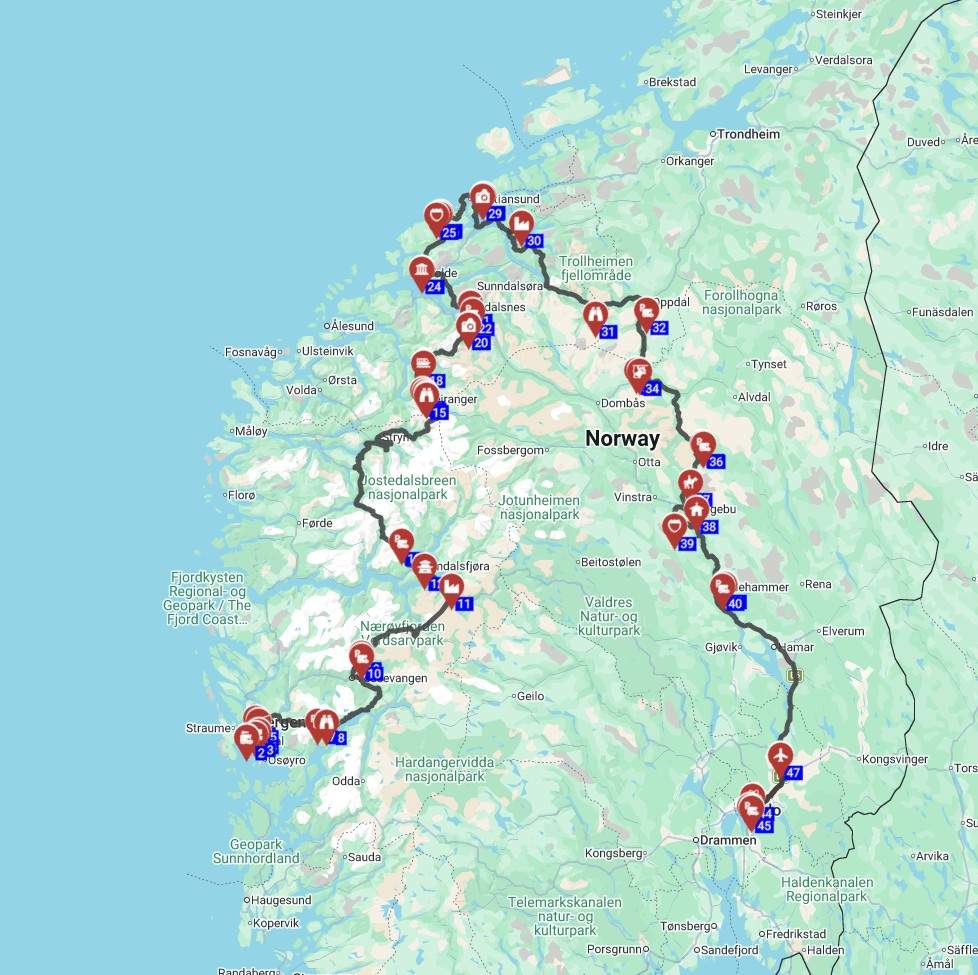
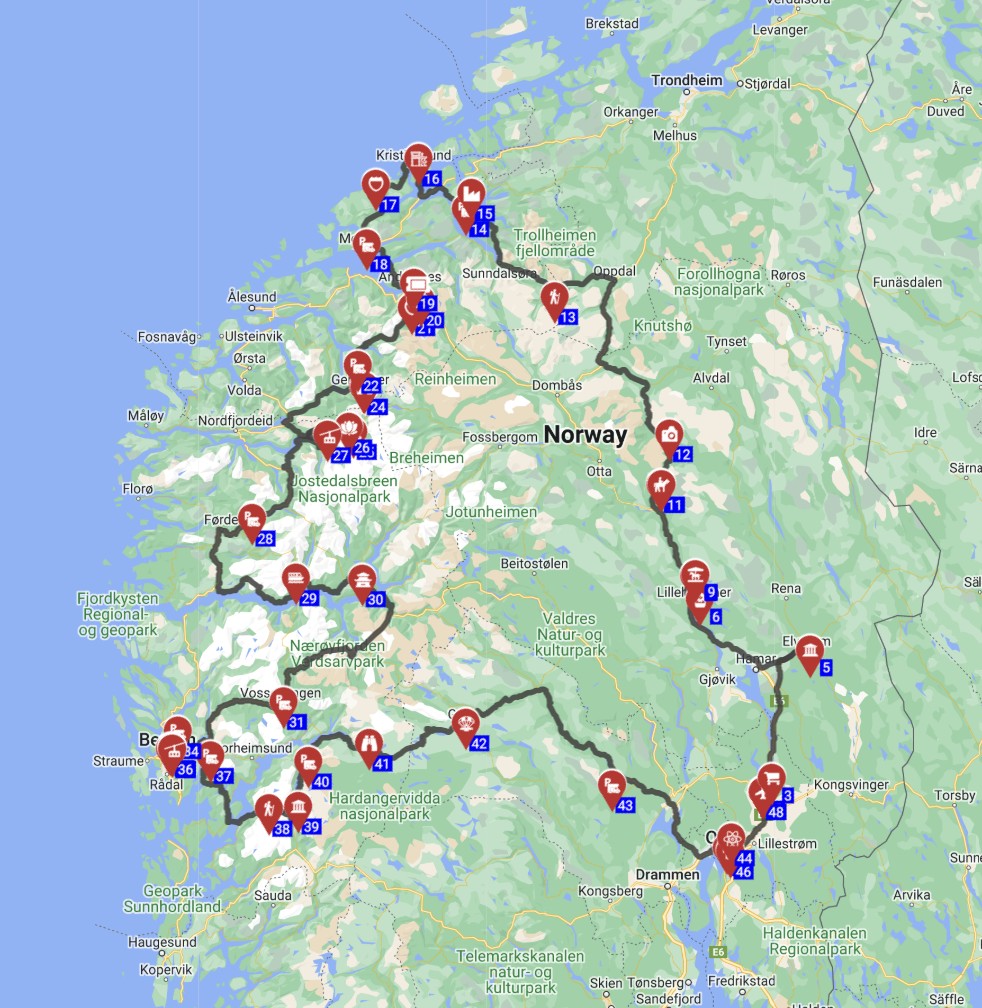
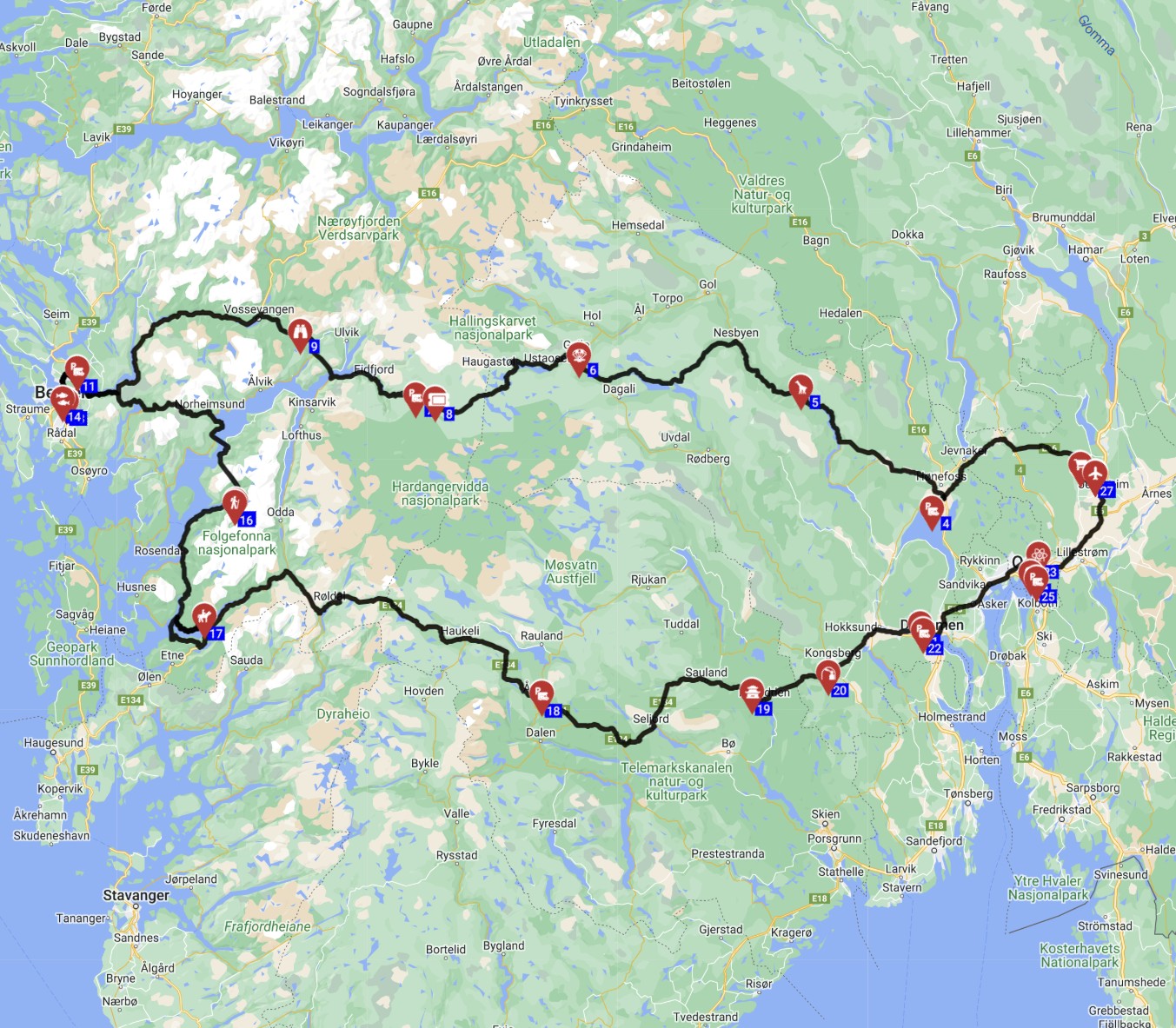
Bergen Round trip - Through Norway's Stunning Fjordland
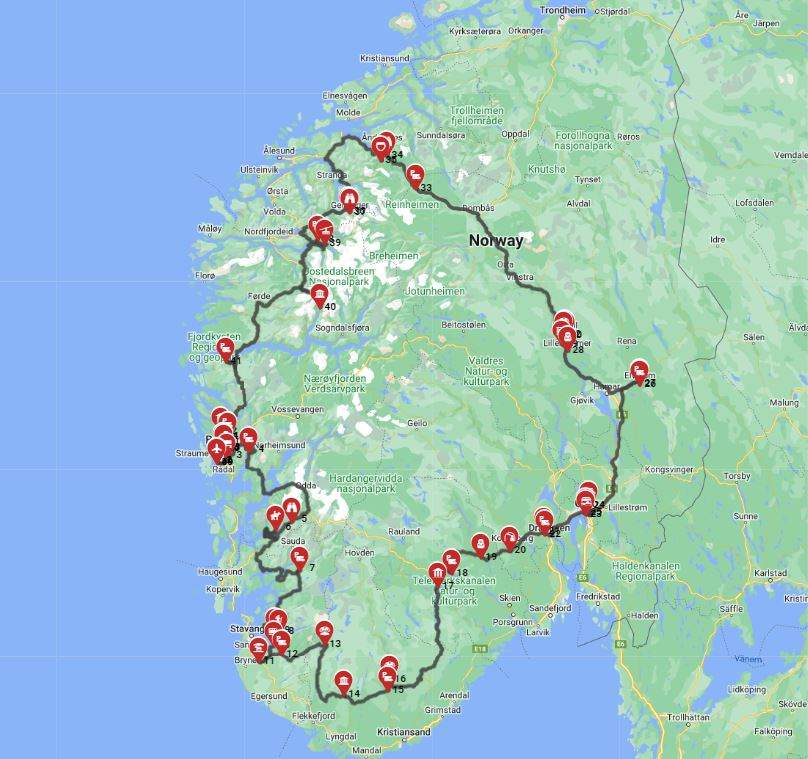
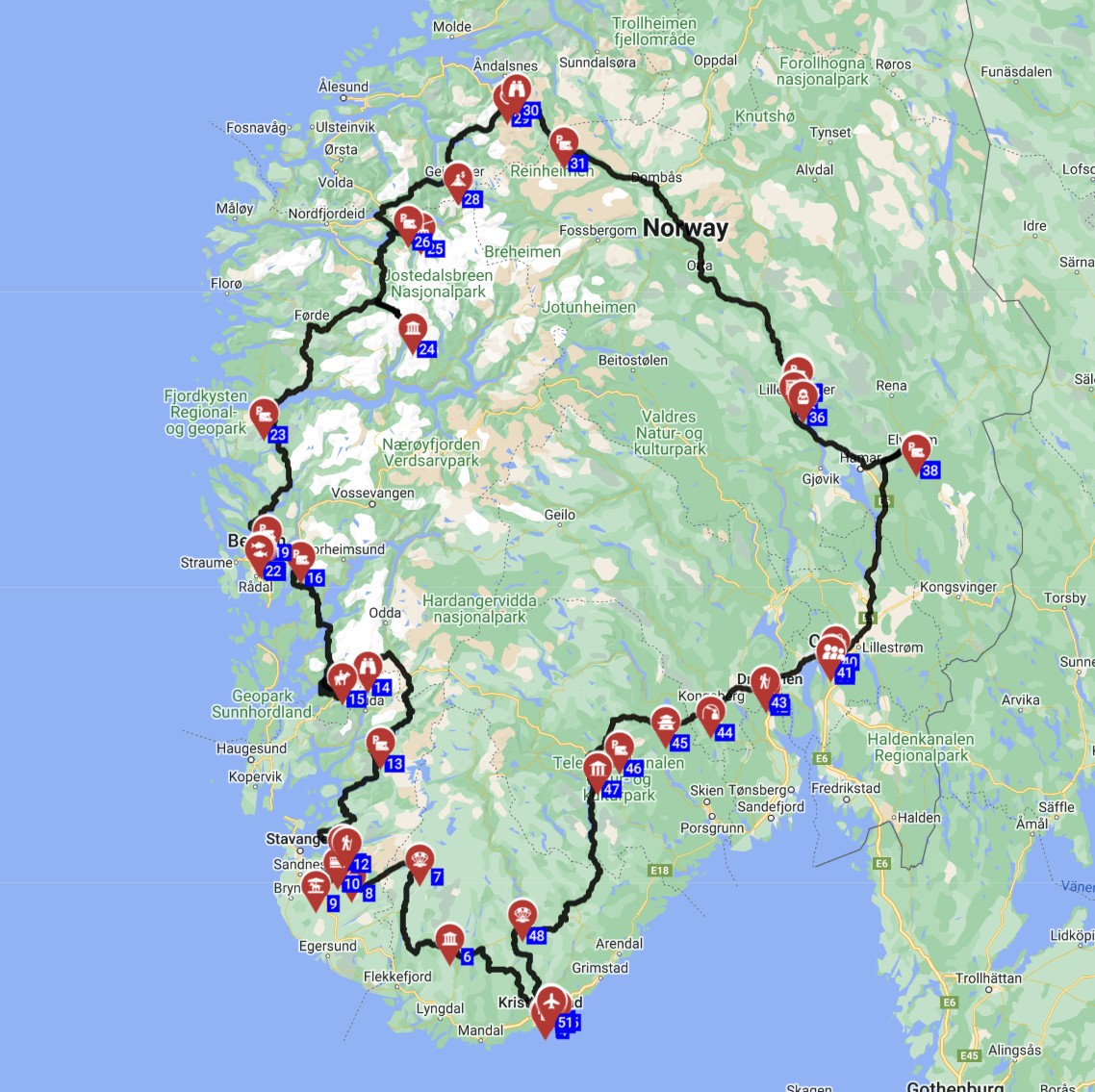
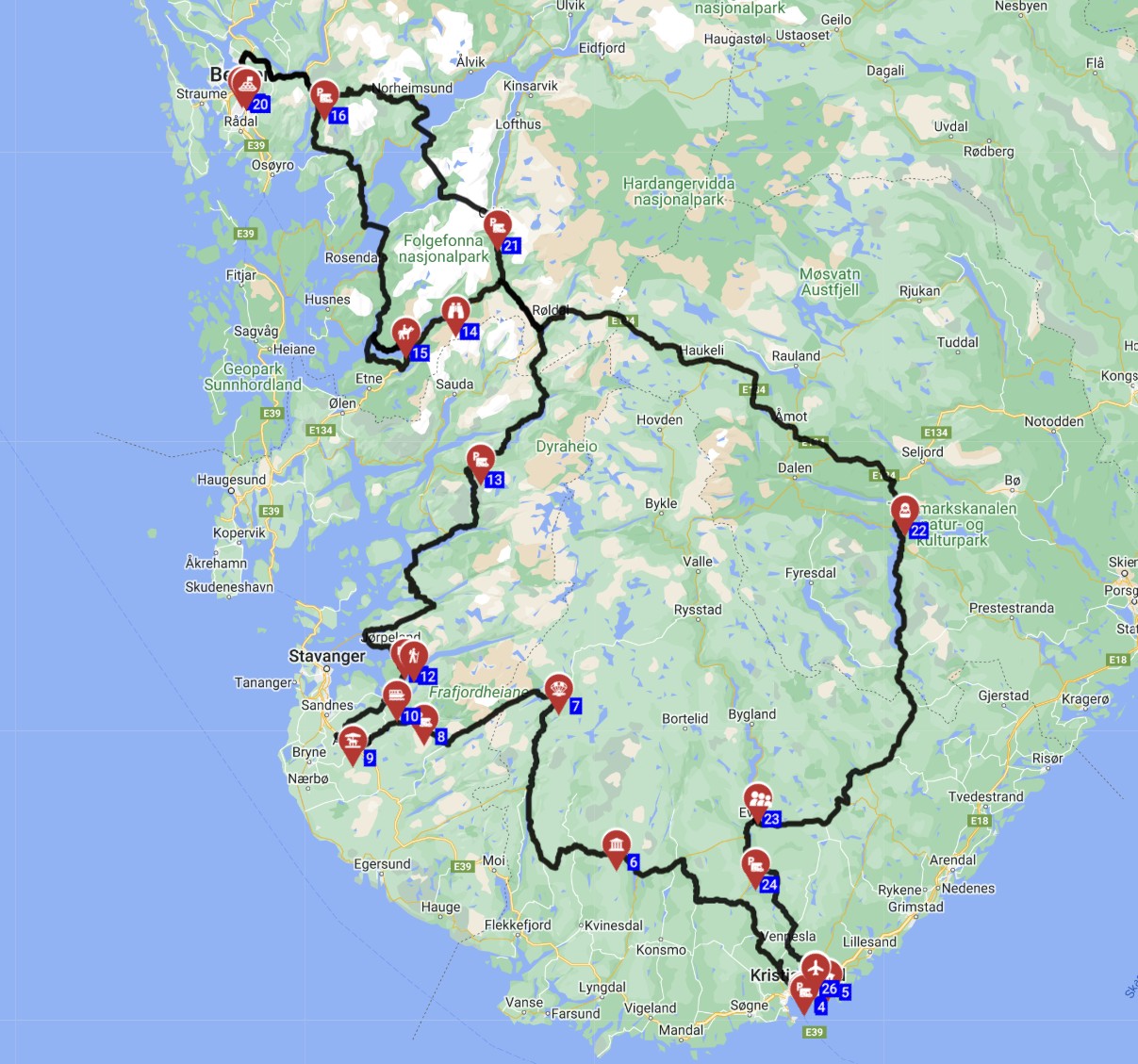
Kristiansand Round trip - Norway’s Wonders on Wheels: Fjords and More
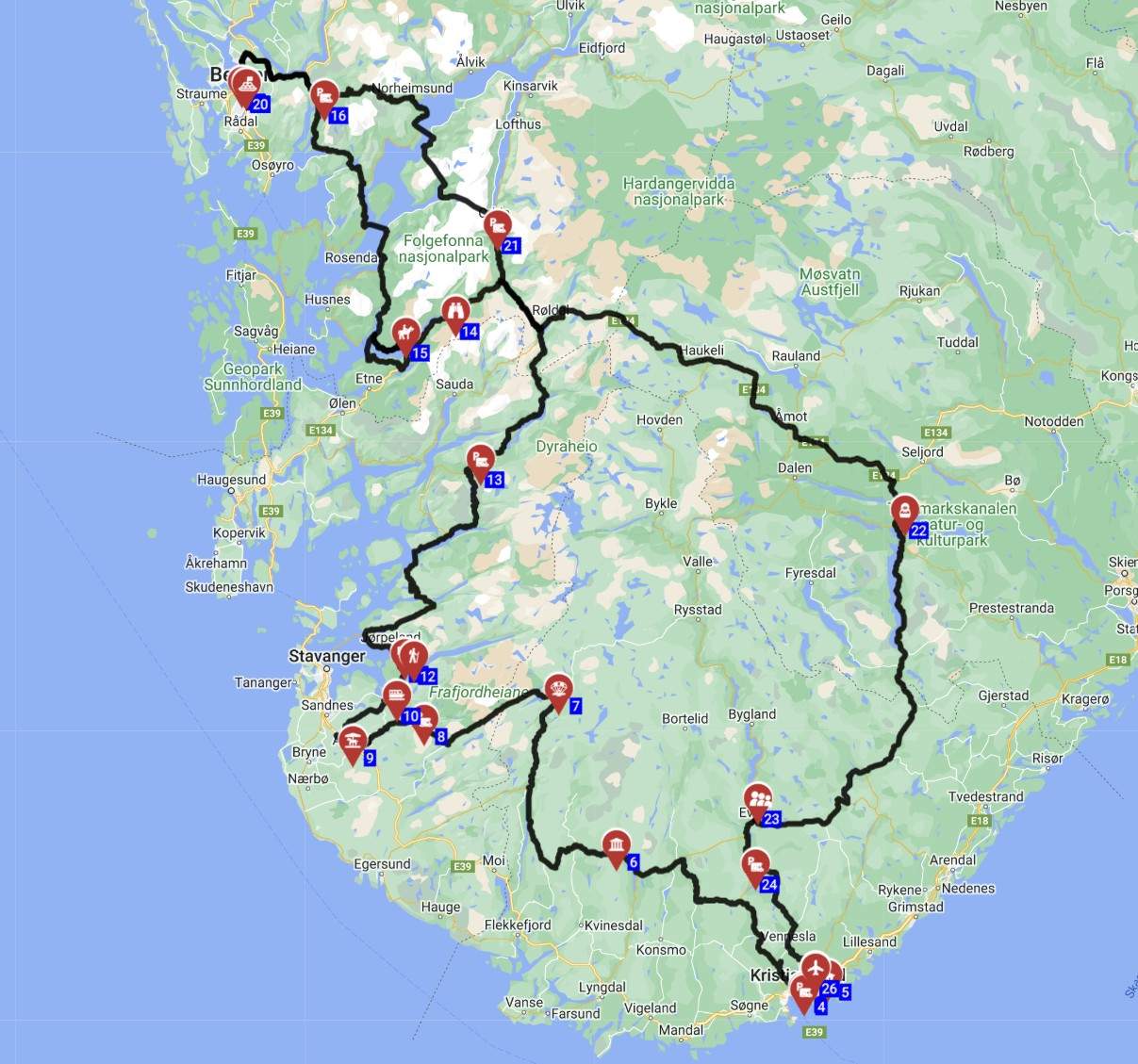
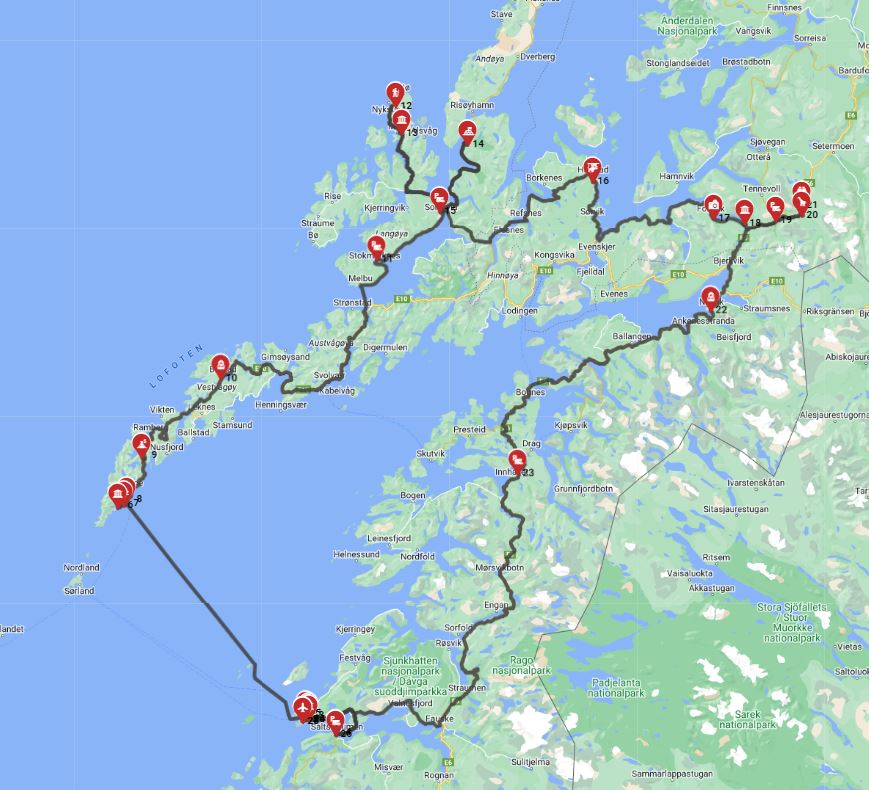
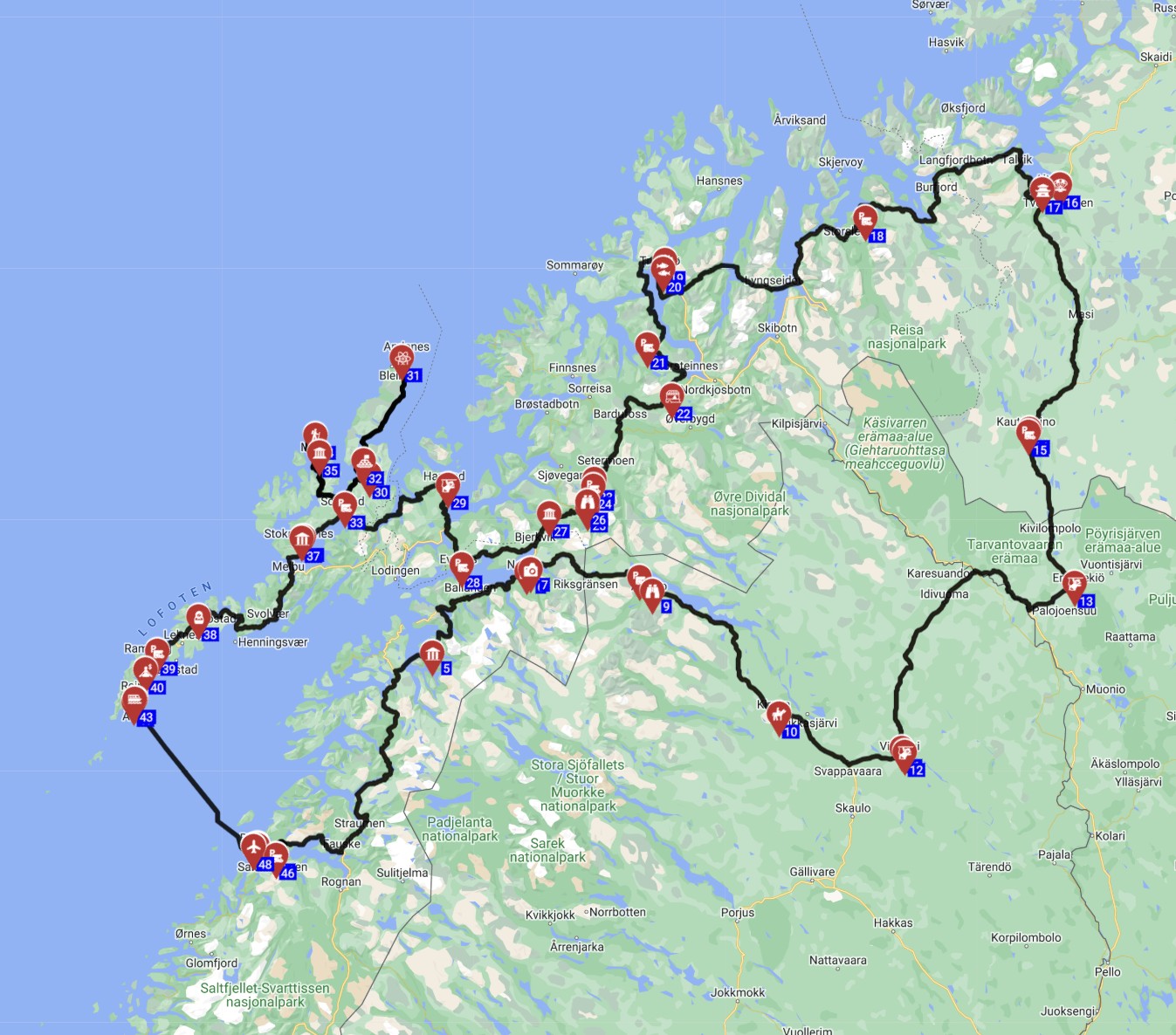
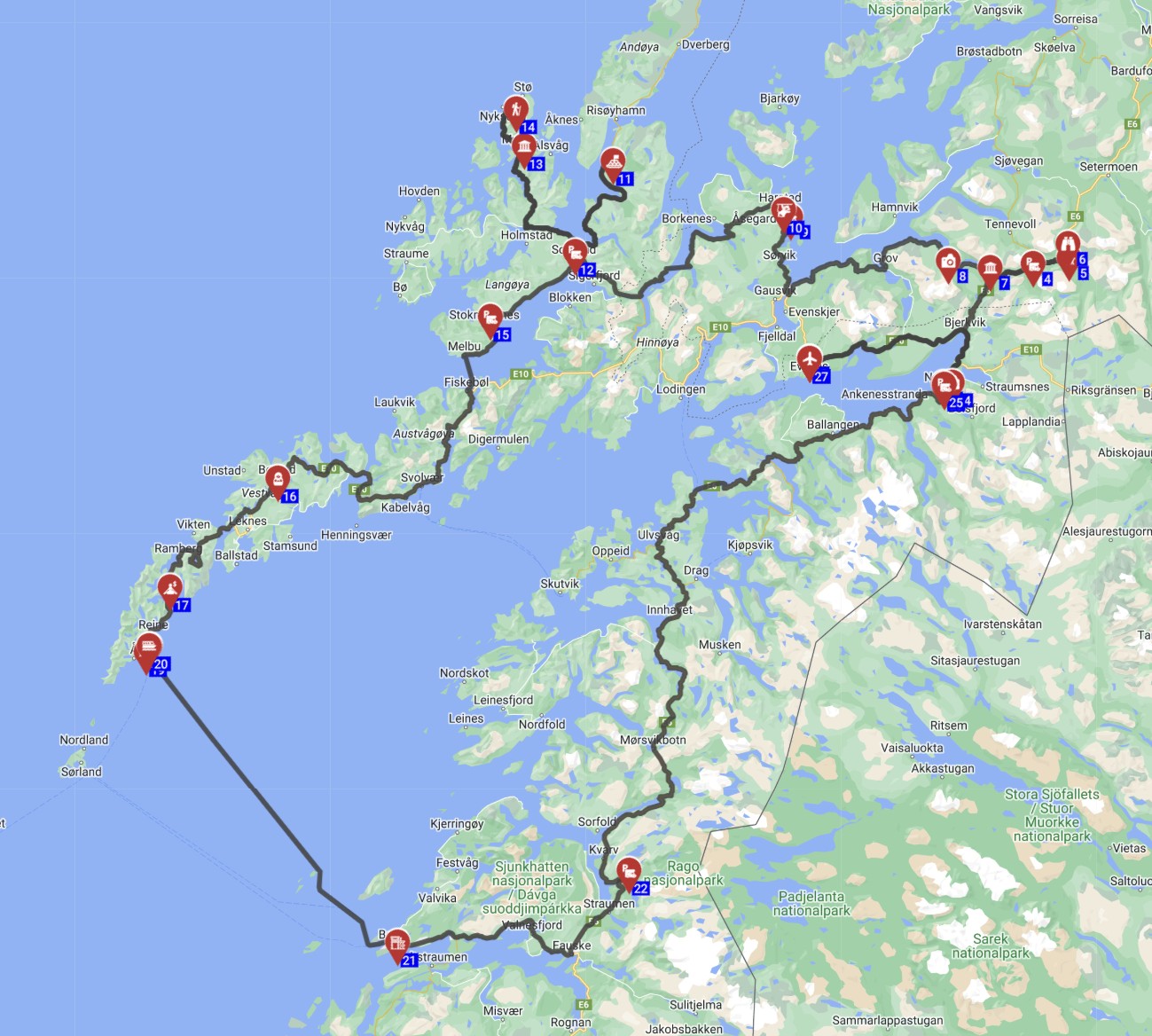
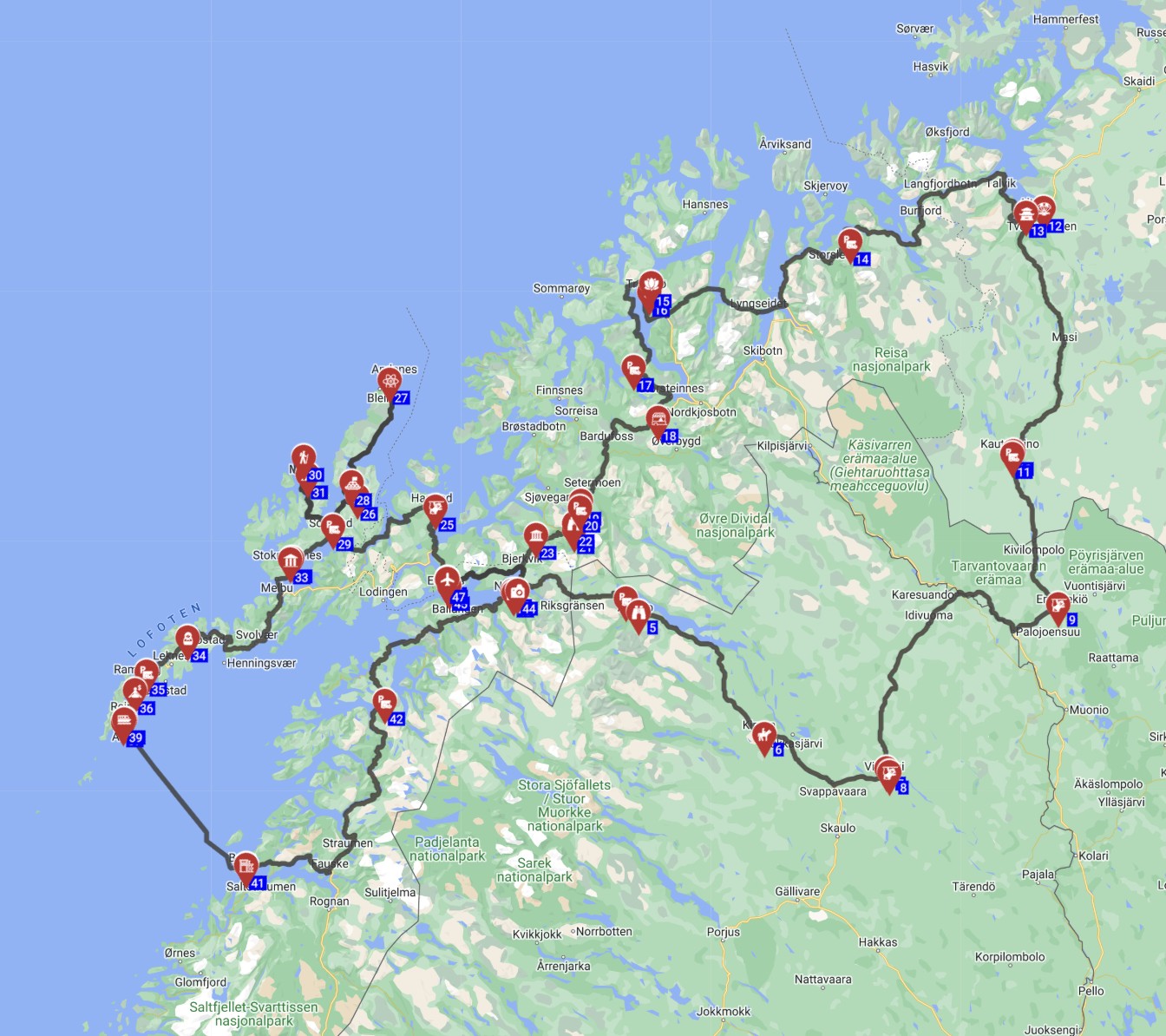
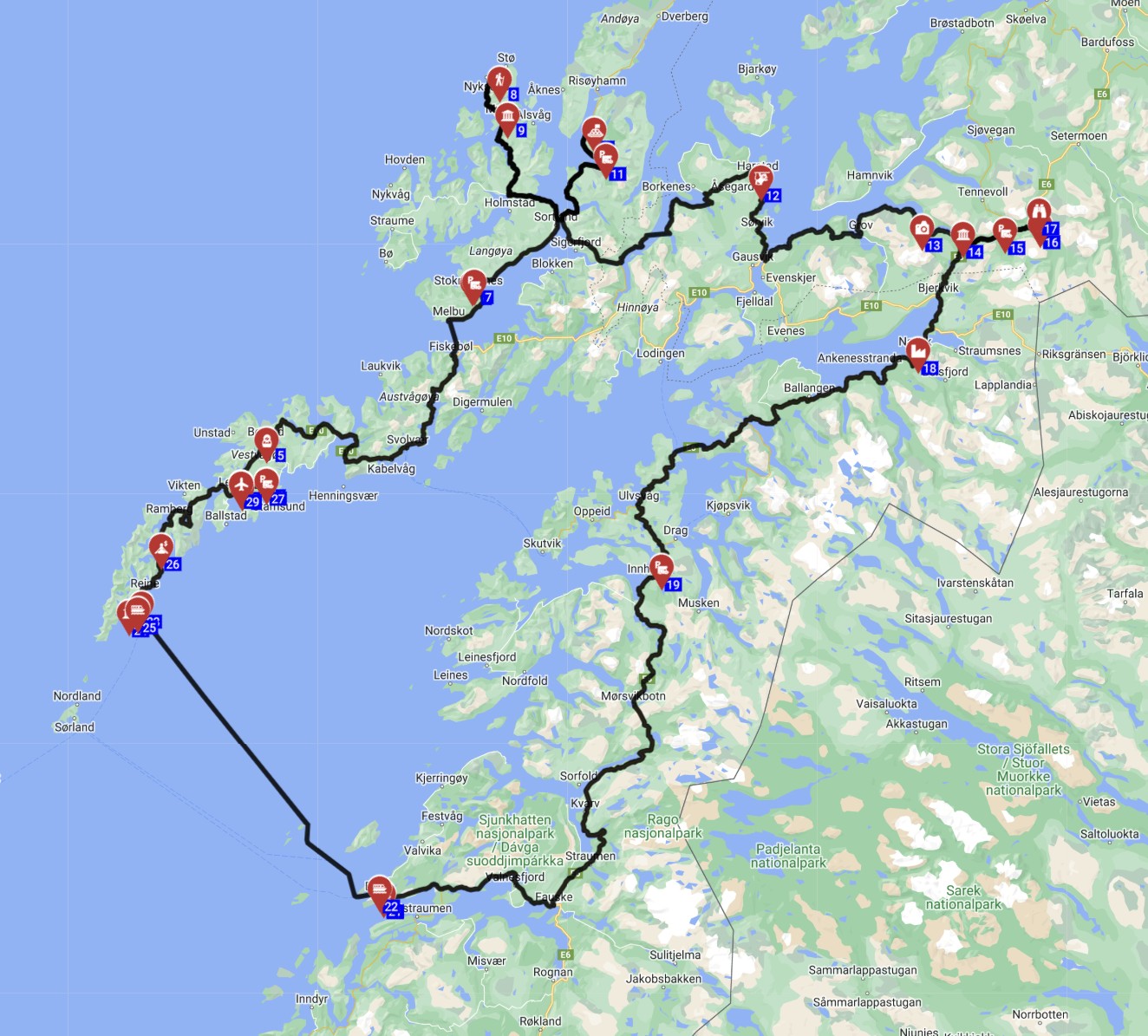
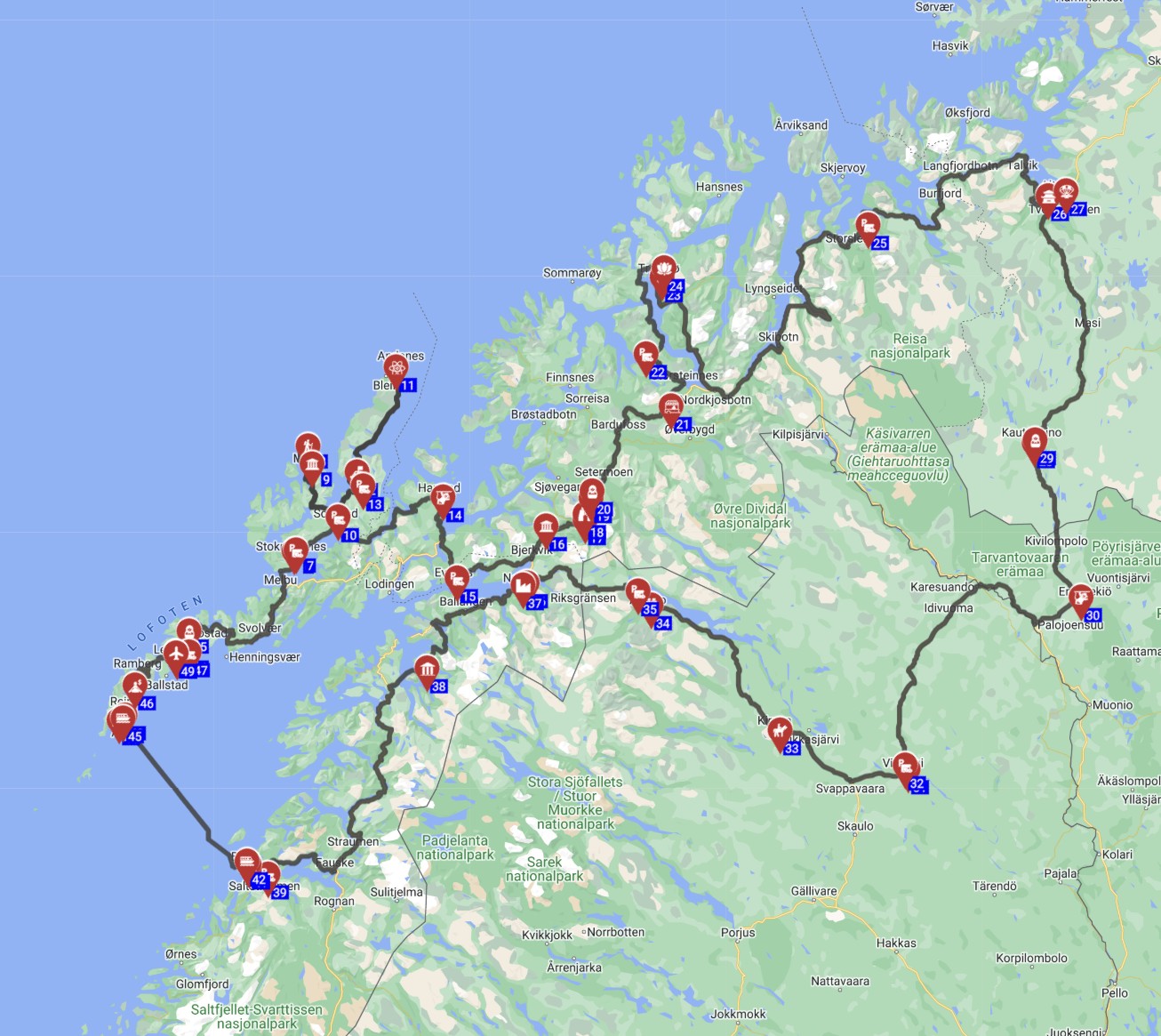
Tromsø Round Trip - Arctic Wonders: Northern Norway Family Road Trip
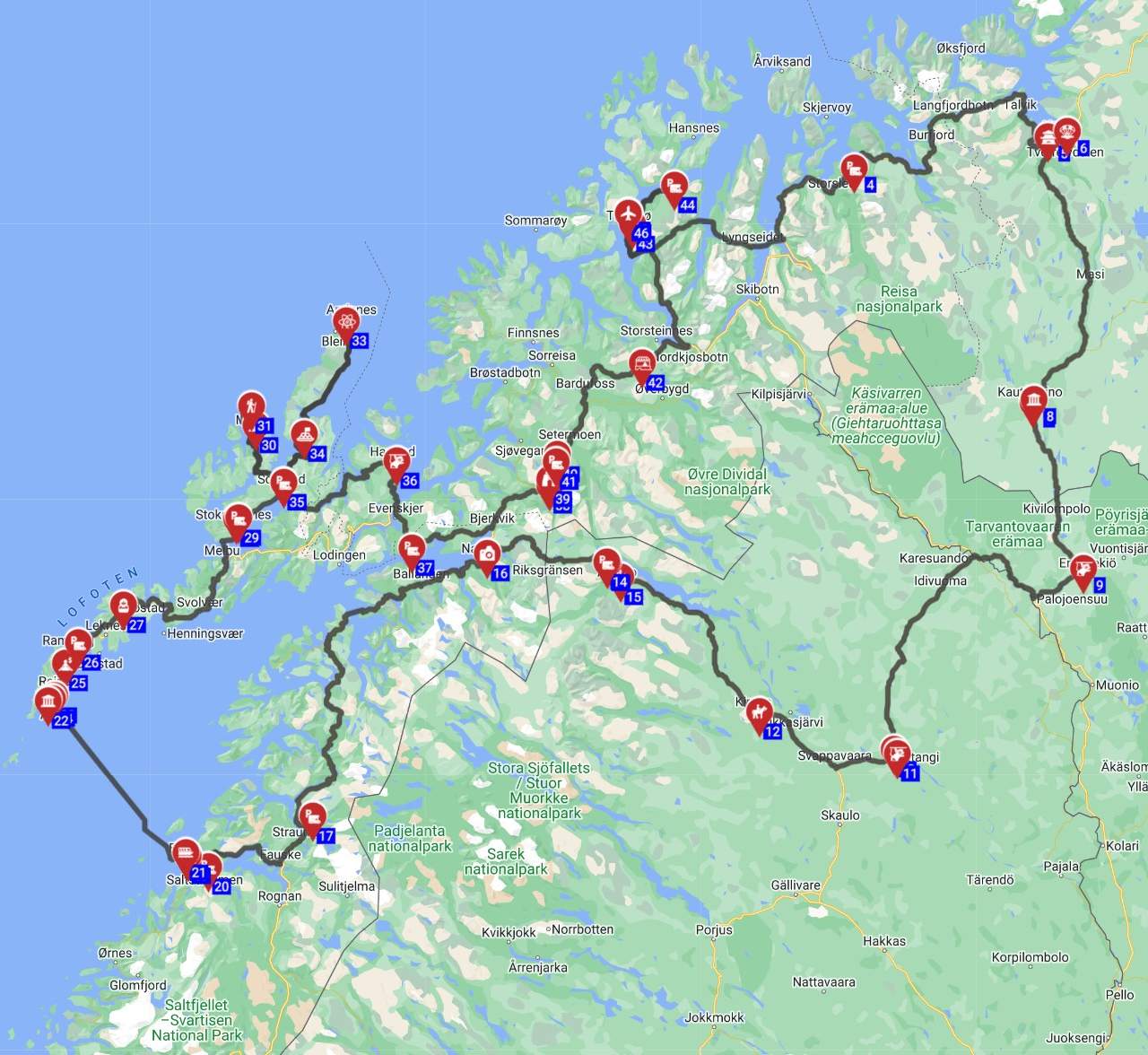
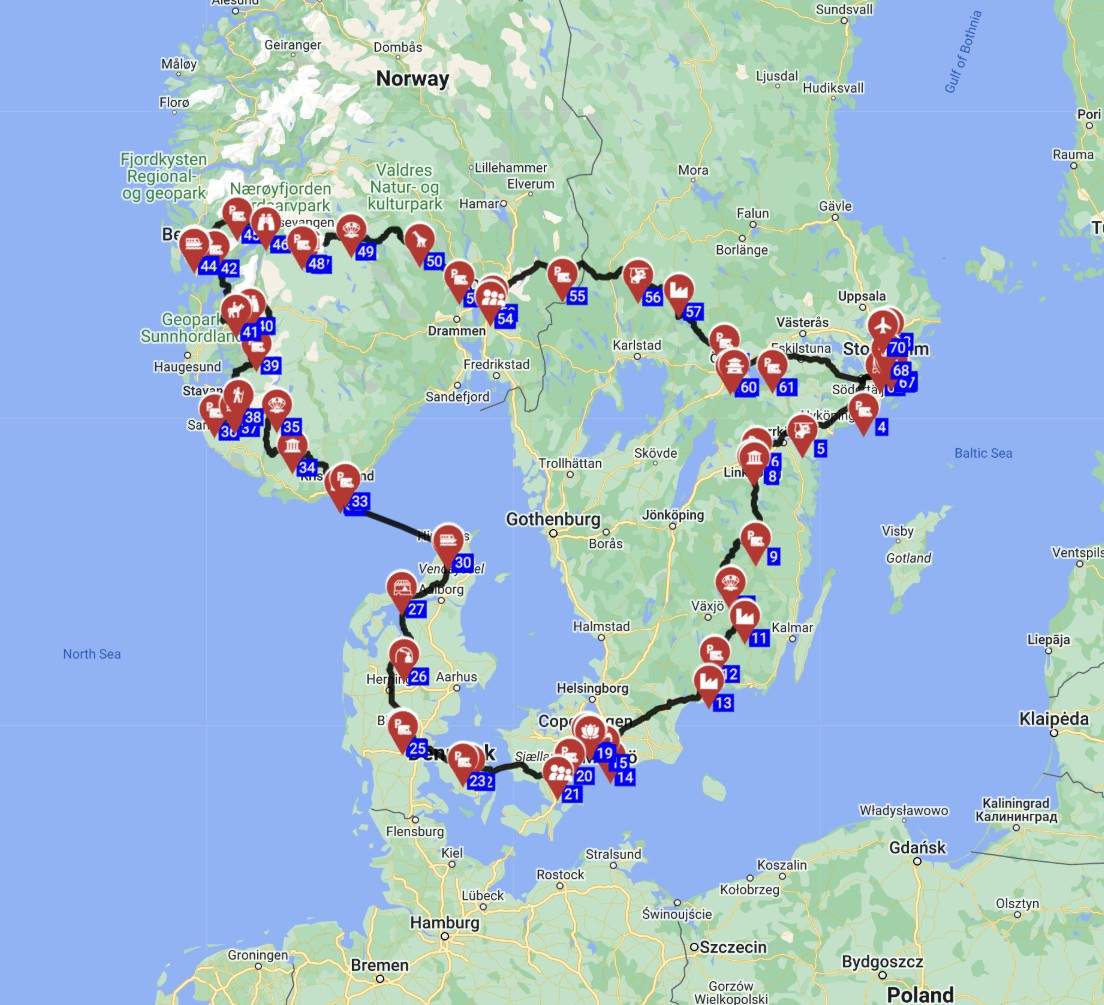
Oslo Round trip - Norway Sweden and Denmark Family Adventure
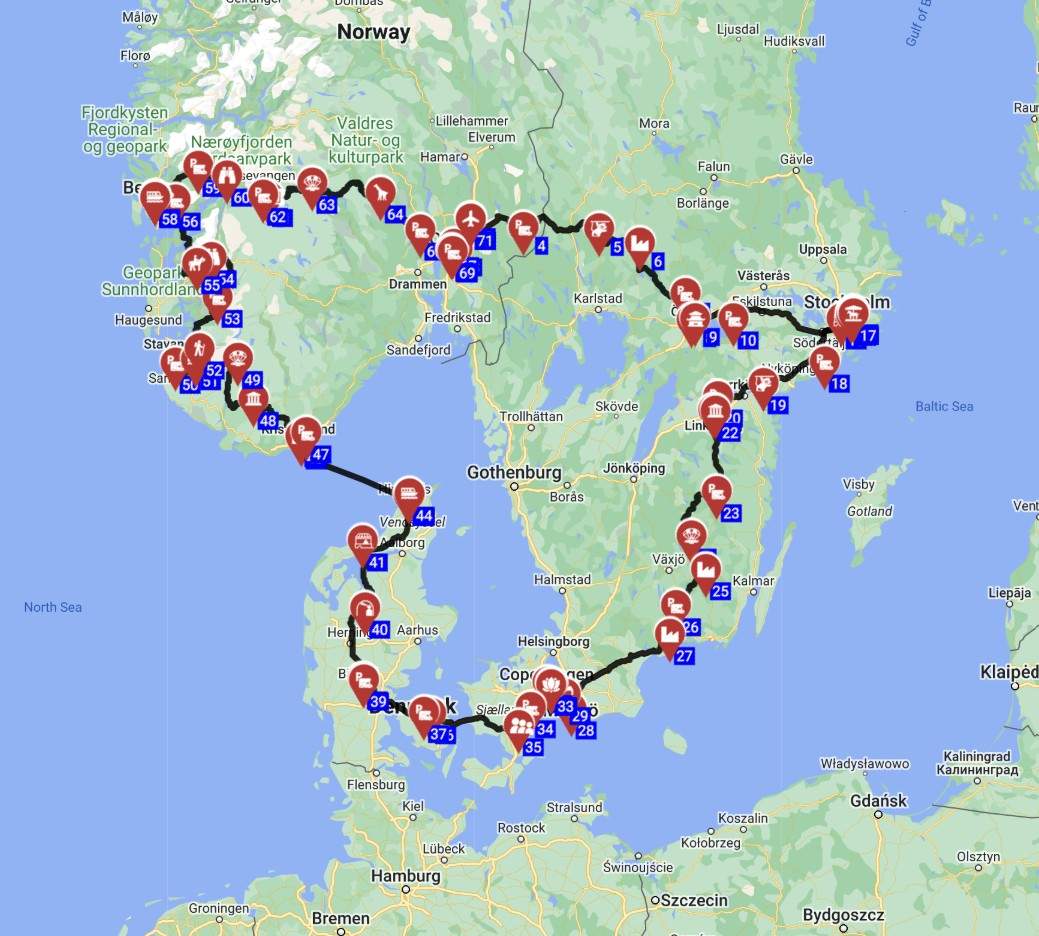
Stockholm Round trip - Sweden, Denmark and Norway Family Adventure
Why Book with Bandana Caravan
Full Transparency, No Hidden Fees
At Bandana, we believe in honest pricing. What you see is what you pay, with no surprise fees at pickup. We compare final prices across suppliers so you can book with confidence.
Real Support When It Matters
Our team offers dedicated support during business hours for all your pre-booking and booking inquiries. For serious emergencies outside these hours, we're there to help, ensuring peace of mind throughout your journey.
True campervan Specialists
We are not a side department of a general travel agency; we are true campervan specialists. Founded in 2001, we bring over 20 years of exclusive focus on campervan travel, leveraging direct partnerships with 50+ leading global suppliers like El Monte, Apollo, and Britz.
Top-Level Deductible Reimbursement
Travel with extra peace of mind by opting for our top-level deductible reimbursement upgrade. This optional addition can significantly reduce your financial liability in case of an incident, letting you focus on the adventure.
With over 20 years helping tens of thousands of travelers explore the world by campervan, direct partnerships with 50+ leading campervan suppliers worldwide, 1,300+ pre-planned routes across 5 continents via RV PLANET (rvplan.net), and bookings available in 30+ currencies with full price transparency – no hidden fees, no conversion commissions – Bandana provides unmatched expertise and support for your campervan rental in Norway.
Final Thoughts
Exploring Norway by campervan offers an extraordinary blend of freedom, comfort, and immersion in one of the world's most stunning natural environments. From the dramatic fjords to the vibrant cultural hubs, a rented campervan serves as your mobile sanctuary, allowing you to chase the northern lights, hike iconic trails, or simply unwind by a tranquil lake. Bandana is here to simplify your planning process, offering transparent pricing and expert advice, ensuring your Norwegian adventure begins smoothly and joyfully.
Embrace the call of the open road and discover the magic of Norway at your own pace. With the agility of a campervan, you're not just traveling; you're living the journey, creating unforgettable memories around every bend. We invite you to explore the possibilities, compare the best deals, and embark on a trip that truly reflects your adventurous spirit. Life is now – let’s make it an incredible Norwegian campervan experience!
Renting a campervan can be a meaningful upgrade over combining a standard car rental with hotel stays. It lets you set your own pace and balance stays at luxurious hotels with occasional nights spent immersed in nature. Even from day to day, choosing a campervan instead of a standard car gives you a kitchen with a fridge, an en-suite bathroom, and a comfortable bed for a healthy midday siesta. Overall, the price difference between renting a campervan and a standard car is not dramatic for travelers who want the best of both worlds, combining the pleasures of nature with stays at luxurious hotels.