Campervan rental prices in Darwin for 2027
Live prices for a round trip from Darwin, starting 1 April, 24 July and 30 September 2027. Prices update daily and are shown by Bandana at the time you view this page.
| Start date · trip length | Campervan class B |
|---|---|
| 01/04/2027 · 1 week (return 08/04) | 1,131.69 $ AU |
| 01/04/2027 · 2 weeks (return 15/04) | 2,092.91 $ AU |
| 01/04/2027 · 1 month (return 01/05) | 3,577.61 $ AU |
| 24/07/2027 · 1 week (return 31/07) | 953.19 $ AU |
| 24/07/2027 · 2 weeks (return 07/08) | 1,765.37 $ AU |
| 24/07/2027 · 1 month (return 23/08) | 3,249.36 $ AU |
| 30/09/2027 · 1 week (return 07/10) | 1,228.08 $ AU |
| 30/09/2027 · 2 weeks (return 14/10) | 2,310.68 $ AU |
| 30/09/2027 · 1 month (return 30/10) | 4,512.24 $ AU |
Prices and availability change. Confirm the final total in your search before booking. Search live prices in Darwin
In This Guide
- Campervan Hire in Australia — What You Get
- Campervan Models Available for Australia
- What Fits Inside a campervan — Sleeping, Kitchen, Bathroom
- Driving and Parking a campervan in Australia
- Campervan vs. Larger Motorhome in Australia
- Campervan Hire Costs in Australia (2026)
- Where to Sleep and Resupply in Australia by campervan
- Is a campervan Right for Your Australia Trip?
- How can I ensure safety from wildlife and emergencies in a campervan in Australia?
- Where can you legally freedom camp in Australia with a campervan?
- What are the unexpected costs of campervan hire in Australia?
- How can I choose a sustainable campervan hire in Australia and practice responsible tourism?
Embarking on a campervan adventure in Australia offers unparalleled freedom, allowing you to explore vast landscapes, pristine coastlines, and vibrant cities at your own pace. With a rented campervan, you unlock the ability to wake up to stunning new vistas each day, chase the sun, and truly immerse yourself in the unique Australian spirit. For live availability and current prices, start with our campervan Rental Australia - Complete Guide 2026 guide.
When planning your Australian campervan journey, it's helpful to know that while Bandana provides comprehensive comparison services for various pickup locations across the continent, our nearest physical rental stations for specific supplier partners are located in Alice Springs. For instance, you can pick up a campervan from Apollo, Britz, or Maui in Alice Springs, which is about 179 km in a straight line from Australia. This allows for excellent access to the Red Centre's iconic routes. Remember, we're true campervan specialists, dedicated to helping you find the perfect campervan for your adventure without any hidden fees or surprises.
Campervan Hire in Australia — What You Get
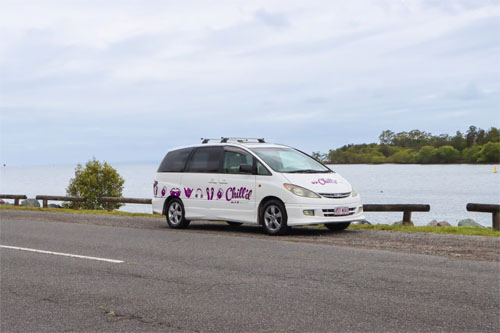
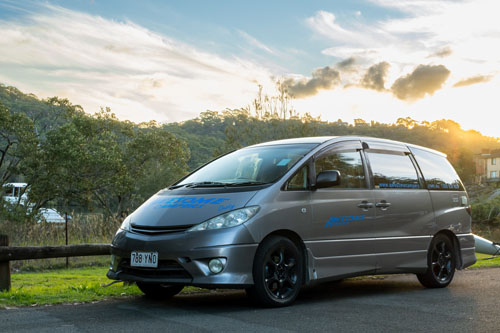
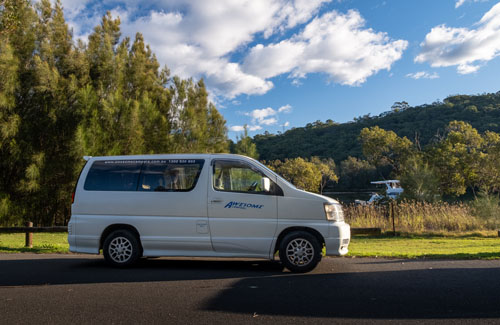
Campervans, often referred to as Class B vehicles, are compact, self-contained units making them an excellent choice for couples, friends, or small families exploring Australia. These agile vehicles offer a balanced blend of comfort and maneuverability, allowing for easier navigation through bustling city streets and along winding coastal roads alike. They provide the essential amenities needed for an unforgettable road trip without the bulk of larger motorhomes, ensuring a flexible and immersive travel experience.
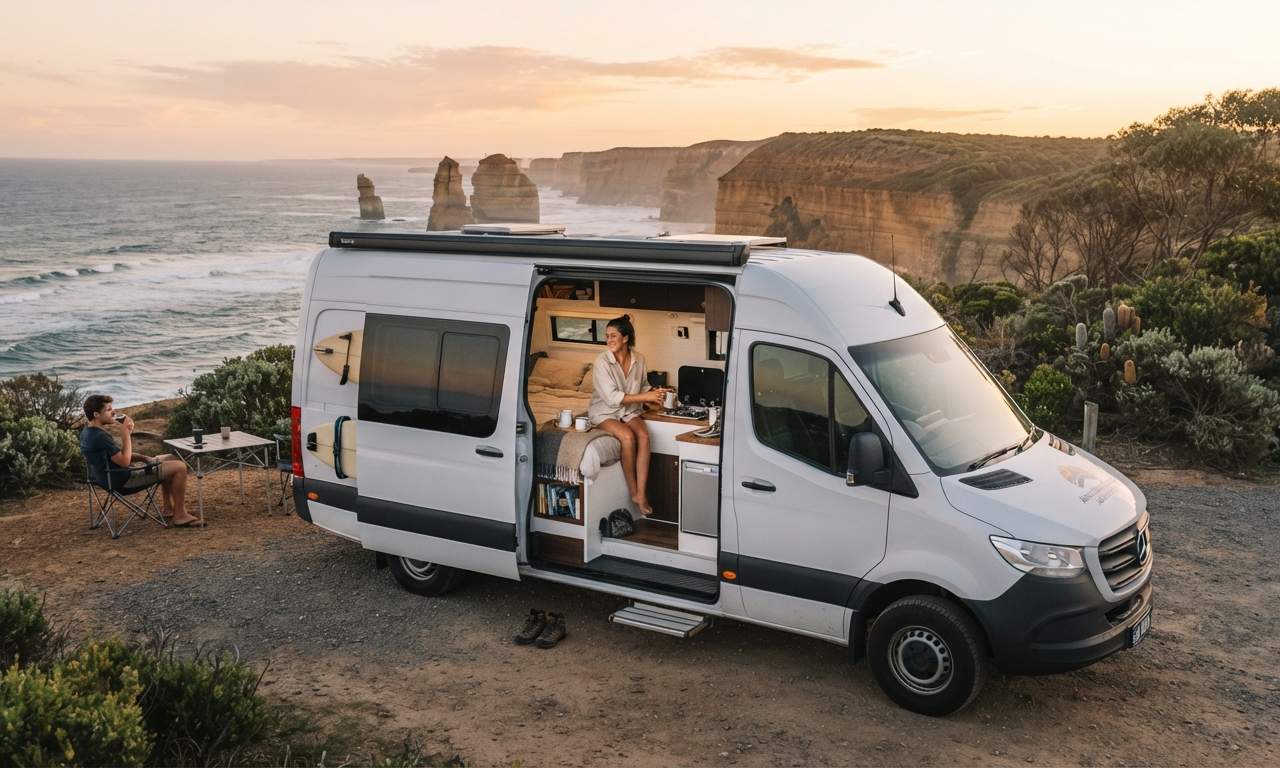
Choosing a campervan can be a significant upgrade over a standard car rental combined with hotel stays, offering a unique blend of flexibility and comfort. Travelers can set their own pace, combining luxurious hotel stays with occasional nights immersed in nature, while enjoying the convenience of a compact kitchen with a fridge, an en-suite bathroom, and a comfortable bed perfect for a healthy midday siesta. The price difference between renting a campervan and a standard car plus hotels is often not dramatic for those seeking the best of both worlds: the beauty of nature intertwined with the comforts of accommodation.
Campervan Models Available for Australia
Australia's campervan rental market offers a diverse range of models, each designed to suit different travel needs and preferences. For instance, the Hitop models are popular choices for couples, providing comfortable sleeping arrangements and essential amenities within a compact footprint. Families or small groups might consider options like the 4 Berth Hi Top, which offer more space and sleeping capacity, often with flexible bed configurations to maximize comfort.
Specific models like the Juliette 2-3 from certain suppliers offer a comfortable setup for two or three travelers, balancing space with easy handling. For those prioritizing fuel efficiency, a compact model such as a 2 Berth Hi Top might consume less fuel, making longer journeys more economical. Always check the exact specifications like length, exterior height, and berths for models like the Trailblazer to ensure it meets your group's size and travel style for your Australian adventure.
What Fits Inside a campervan — Sleeping, Kitchen, Bathroom
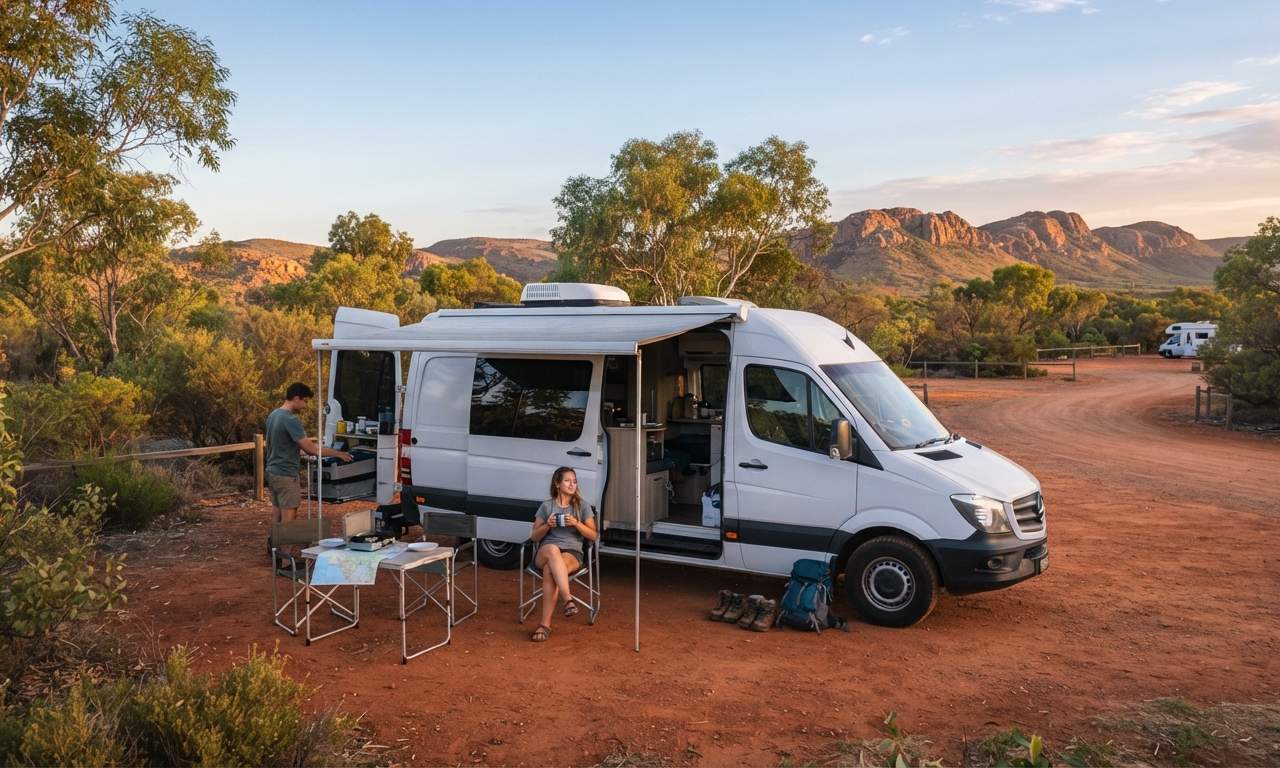
Campervans are ingeniously designed to maximize living space, typically featuring flexible sleeping arrangements that often convert a dinette area into a comfortable double bed, or offering fixed beds for up to four people. This adaptability ensures a cozy night's rest after a day of exploring Australia's diverse landscapes. For cooking on the go, a compact kitchenette is standard, usually equipped with a fridge to keep your groceries fresh, a sink for easy cleanup, and a gas hob for preparing delicious meals, from quick breakfasts to evening dinners. Check out our Campervan-friendly recipes playlist for meal ideas on your trip. On the routes offered through RV PLANET routes, you can itemize and track every expense along the way for easy budgeting.
While many campervans, include a small combined toilet and shower, some models and travelers prefer to rely on the excellent external facilities found at campsites and holiday parks. Onboard water tanks are generally designed to provide sufficient capacity for a few days, allowing for a good degree of self-sufficiency. This thoughtful design ensures that despite their compact size, campervans provide a comfortable and convenient base for your Australian road trip, offering all the essentials without feeling cramped.
Driving and Parking a campervan in Australia
Campervans offer significant advantages for driving in Australia due to their relatively smaller dimensions, making them considerably easier to navigate through city streets in places like Sydney or Melbourne and park in many standard spaces. While you should always drive slowly and carefully, and you can drive almost anywhere without issues, no need to stress – just use common sense and pay attention. Drivers must always check posted height clearances for multi-storey car parks and other overhead barriers; while some compact campervans might fit, larger models generally will not.
Overnight parking rules for campervans vary significantly by state and local council in Australia; designated holiday parks and campsites, which are abundant across the country from Perth to Brisbane, are always reliable options. Responsible wild camping is permissible in some areas, particularly in states like South Australia, provided regulations are strictly followed to protect the environment and respect local communities. Navigating winding coastal roads or even ferries to islands is typically straightforward with a campervan's agile size, offering excellent flexibility for your route.
Driving Licence Requirements for Campervan Hire in Australia
Regarding driving licenses, the requirements depend on the country where your license was issued, the vehicle's gross vehicle mass (GVM), and the specific rental company's policies. Generally, a standard car license from your home country, provided it's in English or accompanied by an official English translation or International Driving Permit (IDP), is sufficient for most campervans in Australia. It's always crucial to confirm the specific requirements with your rental company and check with the official authority for Australia to ensure you comply with all local regulations before you travel.
Campervan vs. Larger Motorhome in Australia
Choosing between a campervan and a larger motorhome for your Australian adventure depends largely on your travel priorities and group size. Campervans, such as the Voyager, generally offer superior fuel efficiency and easier maneuverability compared to larger motorhomes, making them perfectly suited for exploring both urban centers like Adelaide or Cairns and more remote, less accessible locations. For example, a compact campervan generally consumes less fuel than a larger motorhome, impacting your overall budget for fuel, which you can track with RV PLANET routes.
On the other hand, larger motorhomes - such as Class C models, which average about 7.5 meters in length and accommodate 4–6 adults - offer significantly more living space, extensive amenities, and greater storage capacity. This makes them ideal for families or those planning extended trips that require more onboard comfort and facilities. The decision ultimately boils down to balancing the desire for spaciousness and comprehensive onboard features against the ease of driving, parking, and the lower fuel consumption that a campervan provides. Consider your priorities for space versus agility to make the best choice for your journey across Australia.
Campervan Hire Costs in Australia (2026)
Campervan hire costs in Australia are dynamic, much like flight tickets, varying significantly based on factors such as season, duration of rental, demand, and supplier marketing decisions. Daily rates are generally higher during peak travel periods, including school holidays and the Australian summer (December-February), especially in popular hubs like Melbourne, Sydney, and Perth. The final price is always set at the actual booking time, reflecting current availability.
To give you an idea of potential costs, here's a seasonal comparison for 7- and 14-day campervan rentals starting from major Australian cities in 2026:
- April 1, 2026: Rental rates vary; see the live price table in this article for current prices.
- July 24, 2026: Rental rates vary; see the live price table in this article for current prices.
- September 30, 2026: Rental rates vary; see the live price table in this article for current prices.
These rates typically include basic insurance, roadside assistance, and standard mileage. However, it's essential to budget for optional add-ons like additional drivers, higher insurance coverage, or amenity kits, which will incur extra fees. You can upgrade to a top-level deductible for extra peace of mind, significantly reducing your liability in case of an accident. Furthermore, supplementary expenses such as fuel (which varies by vehicle model, e.g., a Hitop might be more economical than a larger model), national park passes, and campsite fees (ranging from free wild camping to premium holiday park rates) must also be factored in. For easy budgeting, RV PLANET routes allow you to itemize and track every expense along the way.
Where to Sleep and Resupply in Australia by campervan
Campervan travelers in Australia are spoiled for choice when it comes to overnight options, ranging from fully equipped holiday parks offering amenities like showers, power hook-ups, and laundromats, to designated campsites within breathtaking national parks. Additionally, many regions, particularly throughout South Australia and Western Australia, provide legal free camping spots, allowing you to immerse yourself deeply in nature. Utilizing apps like WikiCamps Australia or CamperMate is highly recommended for locating these diverse sleeping options, complete with user reviews and facility details.
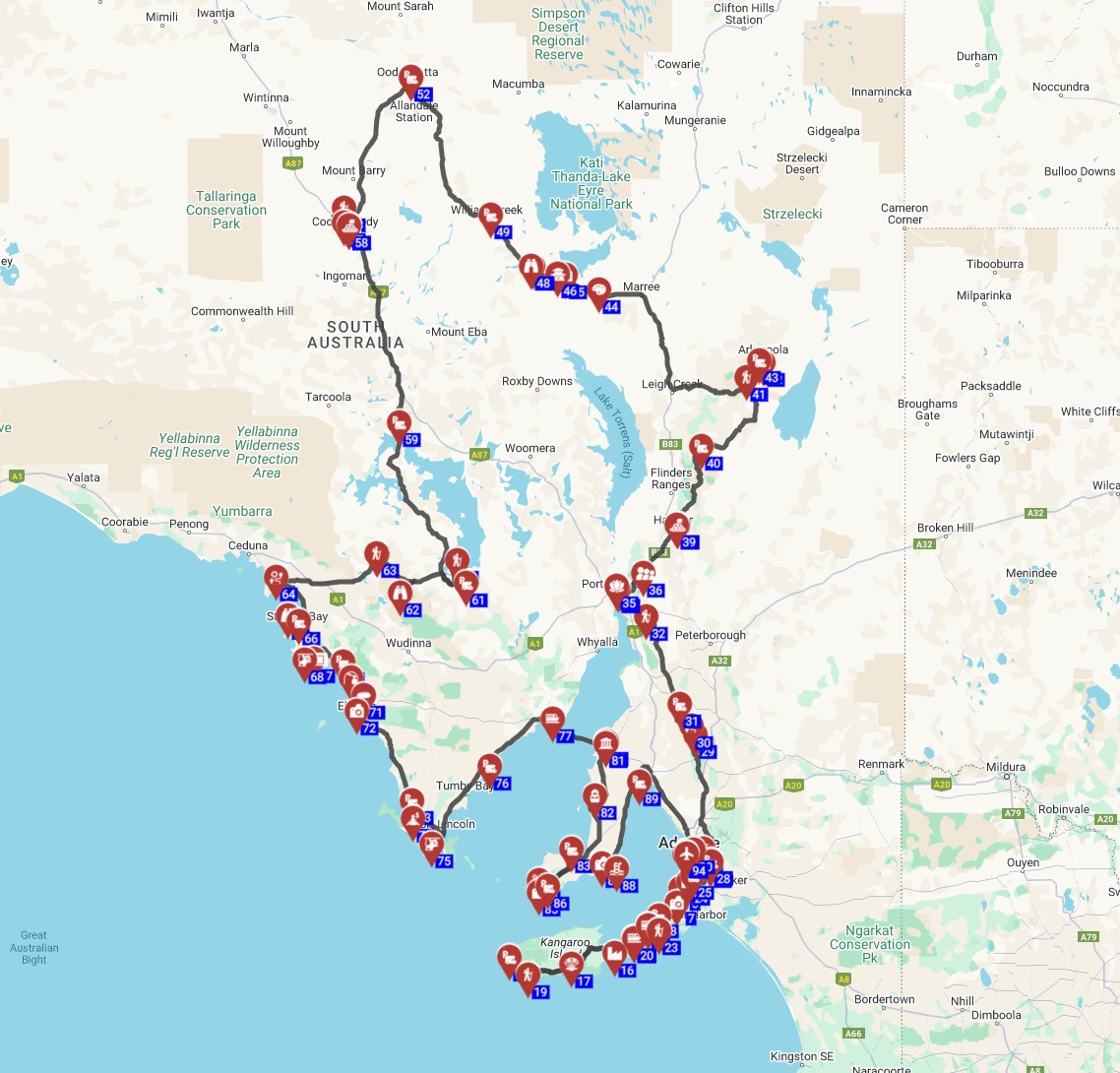
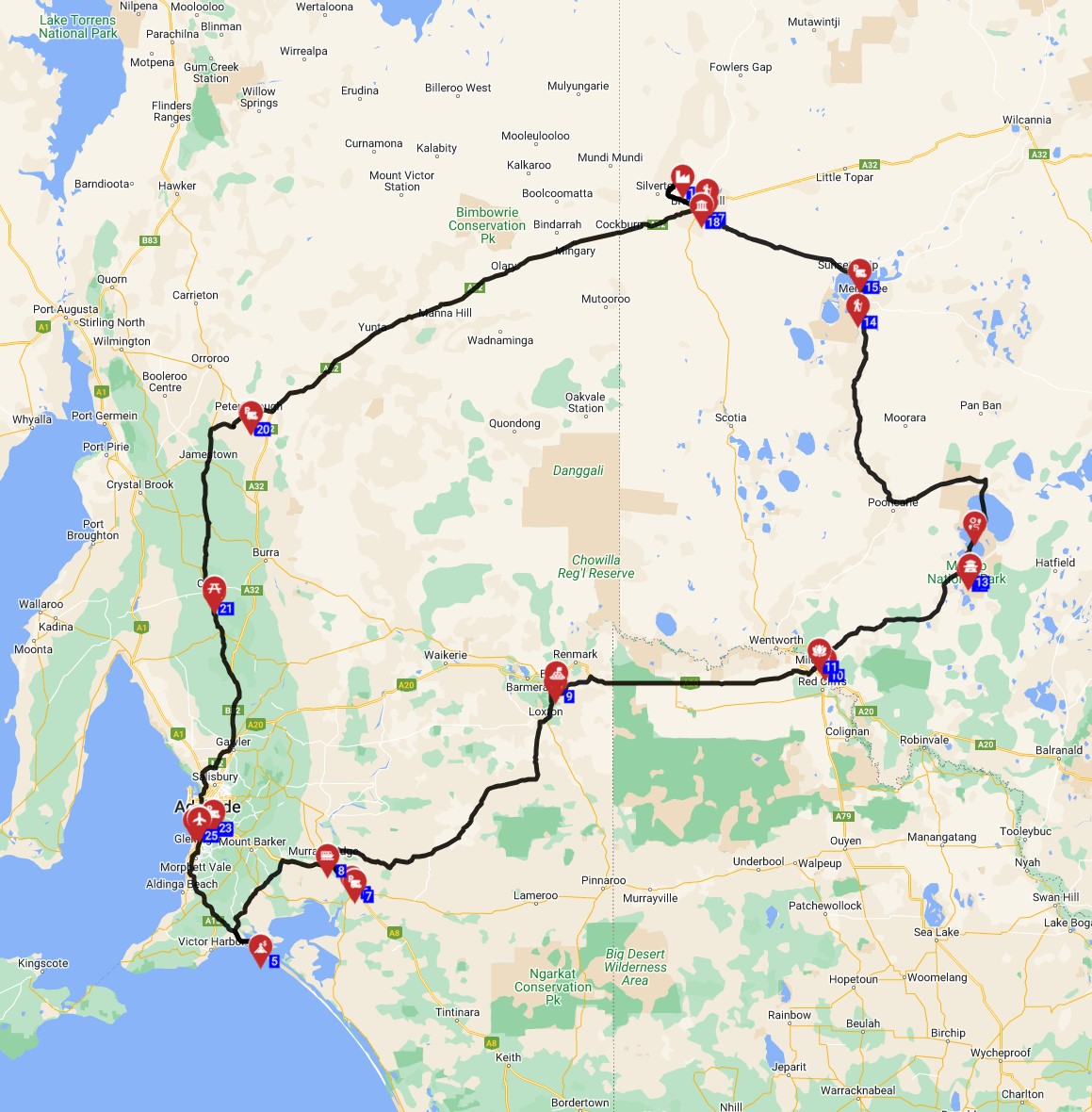
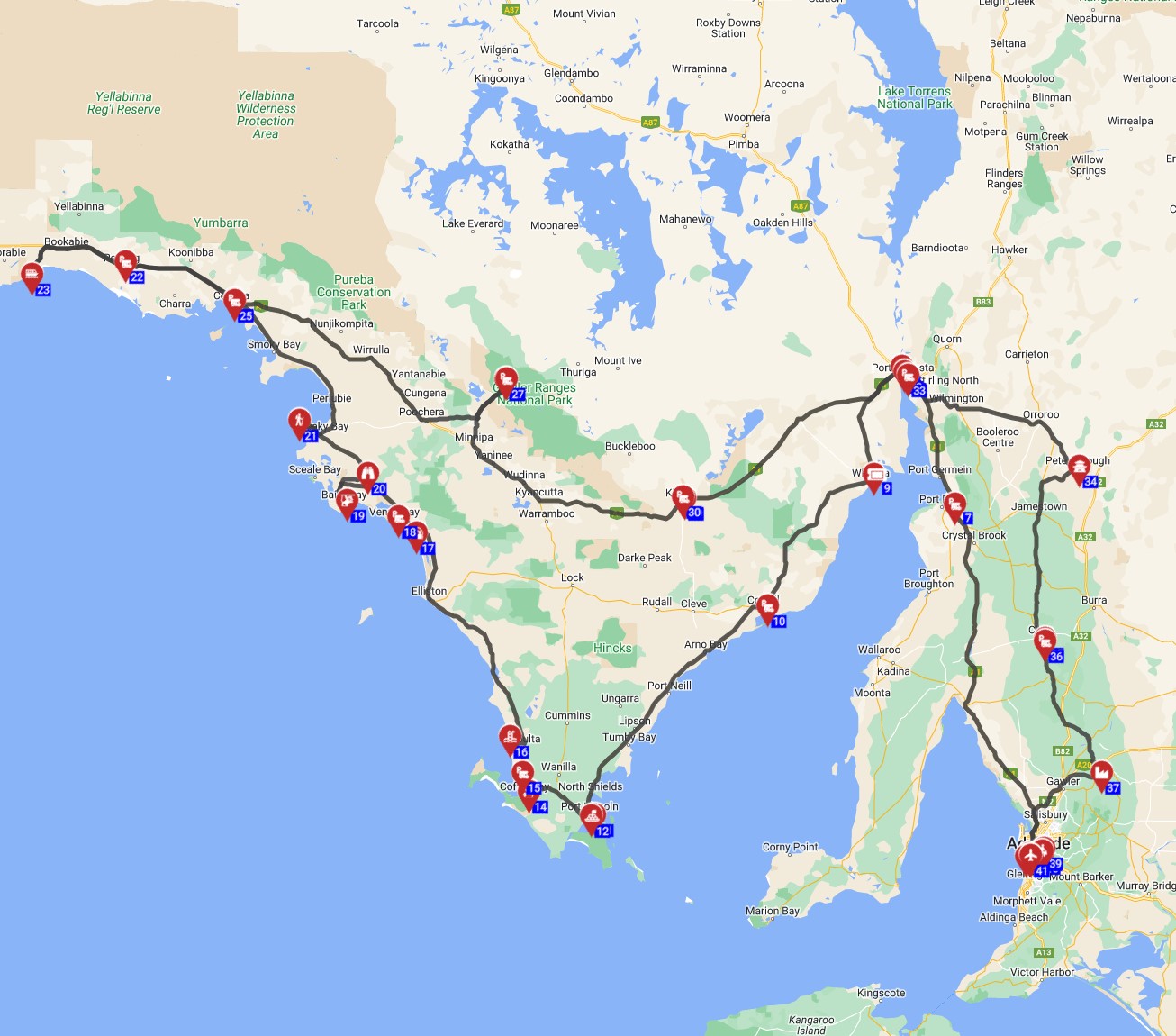
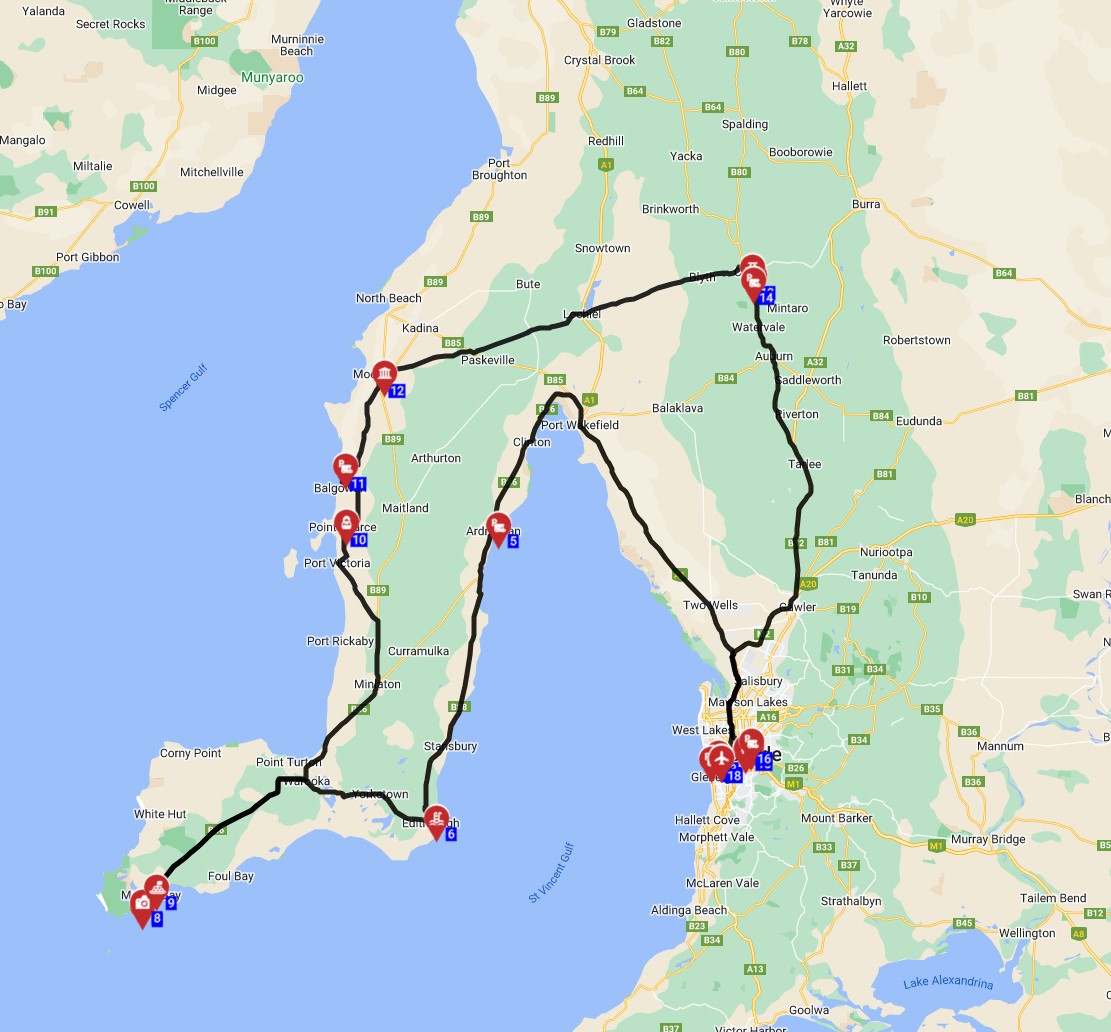
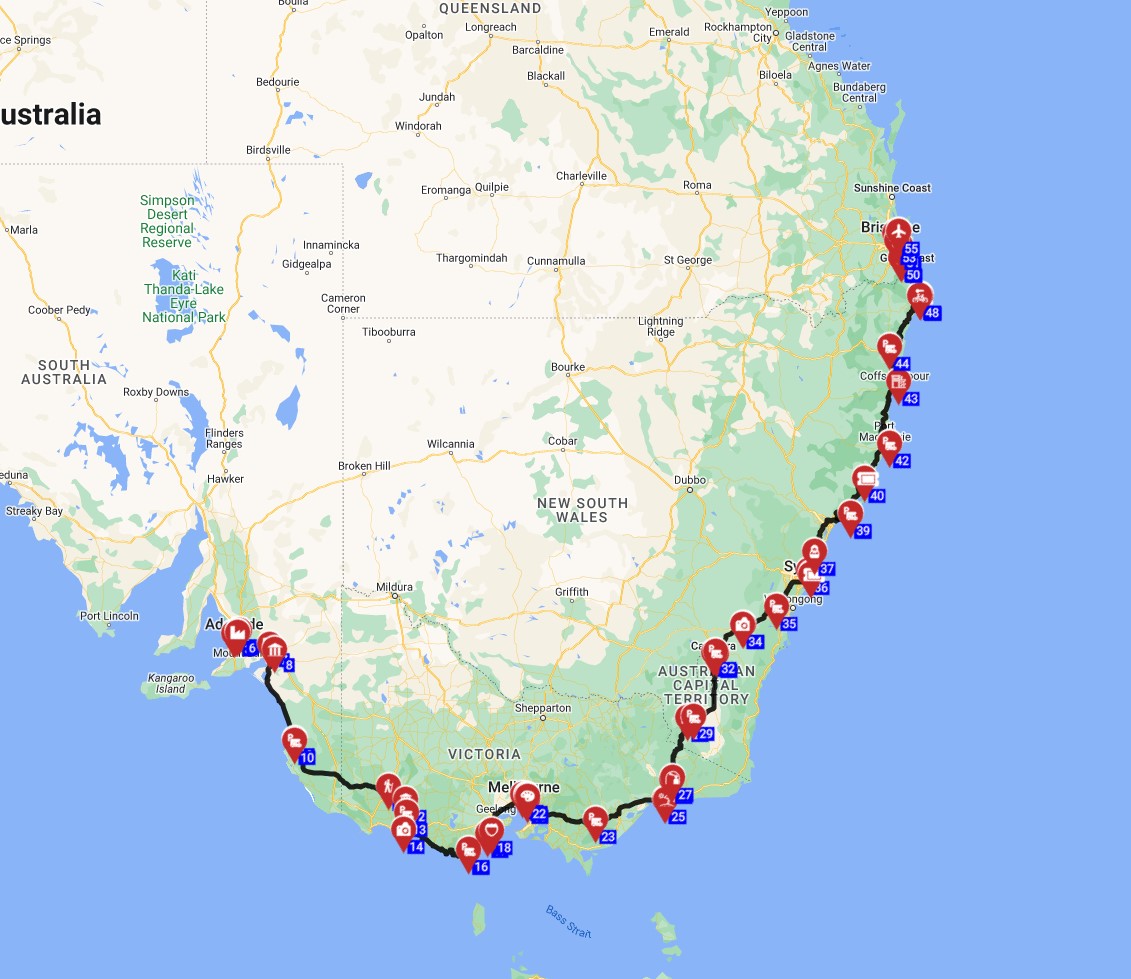
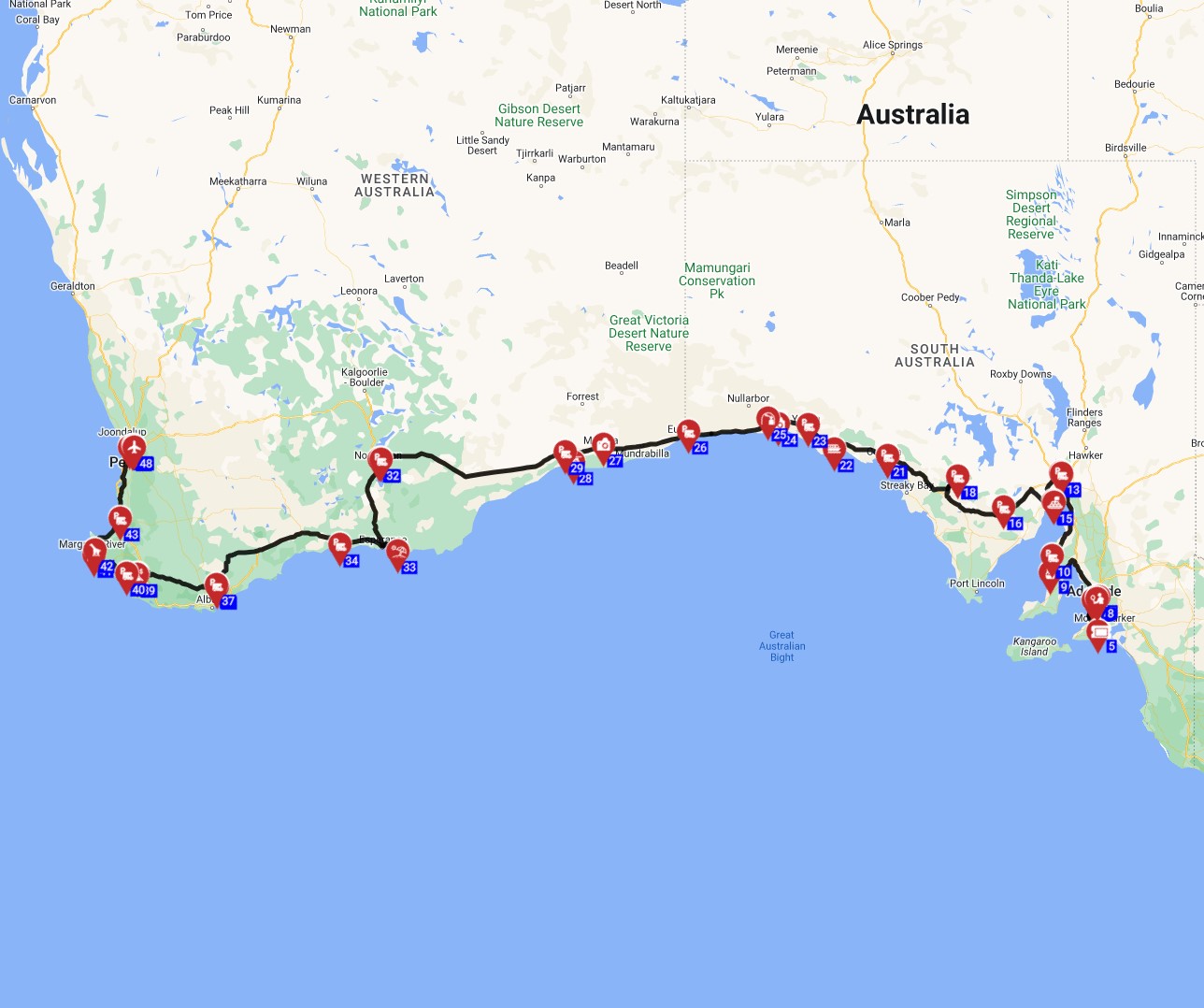
Resupply rhythms typically involve visiting major supermarkets in larger towns and cities like Adelaide, Perth, or Sydney for comprehensive grocery hauls, while smaller regional stores can cover immediate needs for fresh produce or staples. Water refills and waste disposal facilities (dump points) are readily available at most caravan parks, some public rest areas, and specific service stations, ensuring travelers can manage their onboard water and waste efficiently. For a comprehensive journey, consider exploring one of the RV PLAN routes listed below, which covers nearly 5,000 km and includes numerous natural features and points of interest across various states, providing ample opportunities for resupply and diverse camping experiences.
Is a campervan Right for Your Australia Trip?
A campervan is an outstanding choice for a couple or two friends seeking the ultimate freedom and agility to explore Australia's diverse landscapes, from vibrant cityscapes to remote national parks, without the bulk of a larger vehicle. Its compact size, exemplified by models like the Voyager, makes parking and navigating smaller roads far easier, opening up possibilities that might be challenging with a full-sized motorhome. This flexibility allows for spontaneous detours and a genuine connection to local culture, food, and scenery.
For a small family, a campervan sleeping four, such as the Maxie 4 Deluxe (if configured as a campervan), offers a practical and adventurous base, provided they are comfortable with compact living and utilizing external facilities when needed. Travelers planning a city-heavy itinerary, like exploring the arts scene in Melbourne or the beaches of the Gold Coast, or those seeking to discover off-the-beaten-path locations, will particularly appreciate the campervan's easier parking and navigation on smaller roads. It's also an ideal option for off-season travel, offering warmth and shelter while remaining economical on fuel, providing access to quieter natural attractions across the country.
How can I ensure safety from wildlife and emergencies in a campervan in Australia?
Ensuring safety while campervanning in Australia requires proactive preparation, especially regarding wildlife encounters and remote area emergencies, which is critical given the country's vast and wild spaces. Travelers should be acutely aware of native wildlife; kangaroos, particularly active at dawn and dusk, pose a significant road hazard, while snakes, spiders, and crocodiles (in specific northern regions like Darwin and Cairns) require respectful observation from a distance. Always be informed about local wildlife before venturing into new areas.
For remote area travel, carrying a satellite phone or an EPIRB (Emergency Position Indicating Radio Beacon) is crucial for communication beyond mobile signal range, as vast regions of the Australian outback have limited to no network coverage. Bushfire safety protocols, including monitoring fire danger ratings and having an evacuation plan, are essential during warmer months across many states, alongside strict adherence to sun protection and hydration advice to prevent heat-related illnesses. For an immersive experience through Australia's heartland, consider one of the RV PLAN routes listed below, a 17-day, 4,000 km adventure that traverses diverse landscapes and offers opportunities for wildlife spotting and traditional visits.
Where can you legally freedom camp in Australia with a campervan?
Legally freedom camping in Australia with a campervan involves understanding and adhering to state-by-state regulations, as rules for overnight stays outside designated campgrounds vary significantly across the continent. While some areas strictly prohibit it, other regions, particularly in states like South Australia, Queensland, and Western Australia, offer numerous legal free camping options. These can range from roadside rest areas to designated bush camps, often managed by local councils or national park services.
Travelers can easily find legal free sites through dedicated apps like WikiCamps Australia or CamperMate, which often include user reviews, detailed amenities information, and specific rules for locations. Practicing eco-friendly camping, including strict 'Leave No Trace' principles, is vital to minimize environmental impact, ensuring all waste is removed and natural habitats are undisturbed for future generations. Responsible waste management, including correct disposal of grey water and rubbish at designated dump points, is paramount to maintaining the pristine conditions of Australia's natural landscapes. For deeper insights into planning your journey, you might find value in checking out the campervan Travel Guide to Australia - Tips and Top Spots 2026.
What are the unexpected costs of campervan hire in Australia?
Beyond the primary campervan rental fee and fuel, unexpected costs for a trip in Australia can include a variety of ancillary expenses that can significantly impact your overall budget. National park passes are a common additional expense, as many of Australia's most stunning natural attractions, from the World Heritage-listed Daintree Rainforest in Queensland to the dramatic coastline of Tasmania, require an entry fee or a multi-day pass, which are typically not included in your rental cost. These fees support the maintenance and conservation of these incredible areas.
Ferry costs, especially for island excursions or specific coastal routes (like reaching Fraser Island or Kangaroo Island), can be substantial and are often not factored into initial budgets. Specific attraction entry fees, tolls in certain city areas, and even extra fees for roadside assistance beyond what's included in your basic rental package can also add up. To mitigate these, travelers can implement budget hacks such as preparing meals in their campervan (making full use of the onboard kitchen facilities) to save on restaurant costs, utilizing legal free campsites where available, and researching free or low-cost activities and attractions. Our RV PLANET routes are designed to help you itemize and track every expense, ensuring full transparency in your trip budgeting.
How can I choose a sustainable campervan hire in Australia and practice responsible tourism?
Choosing a sustainable campervan hire in Australia involves selecting operators committed to environmental stewardship, often indicated by eco-certifications or transparent sustainability practices. Look for companies that prioritize fuel-efficient vehicles, use renewable energy sources at their depots, and have clear policies on waste reduction and water conservation. Supporting such businesses contributes directly to preserving Australia's unique natural environment for future generations of travelers.
Travelers can significantly minimize their environmental impact by actively conserving water and electricity within their campervan, proper waste disposal at designated points, and rigorously adhering to 'Leave No Trace' principles throughout their journey. This includes taking all rubbish with you, staying on marked trails, and respecting wildlife habitats. Supporting local communities is another key aspect of responsible tourism; this can be achieved by purchasing goods from small businesses, dining at local eateries in towns like Broome or Darwin, and engaging with authentic cultural experiences, such as visiting Aboriginal art centers or taking guided indigenous tours. Ethical wildlife viewing practices ensure animals are observed respectfully from a distance, without feeding or disturbing their natural behaviors, contributing to their well-being and the health of the ecosystem.
What You Shouldn't Miss
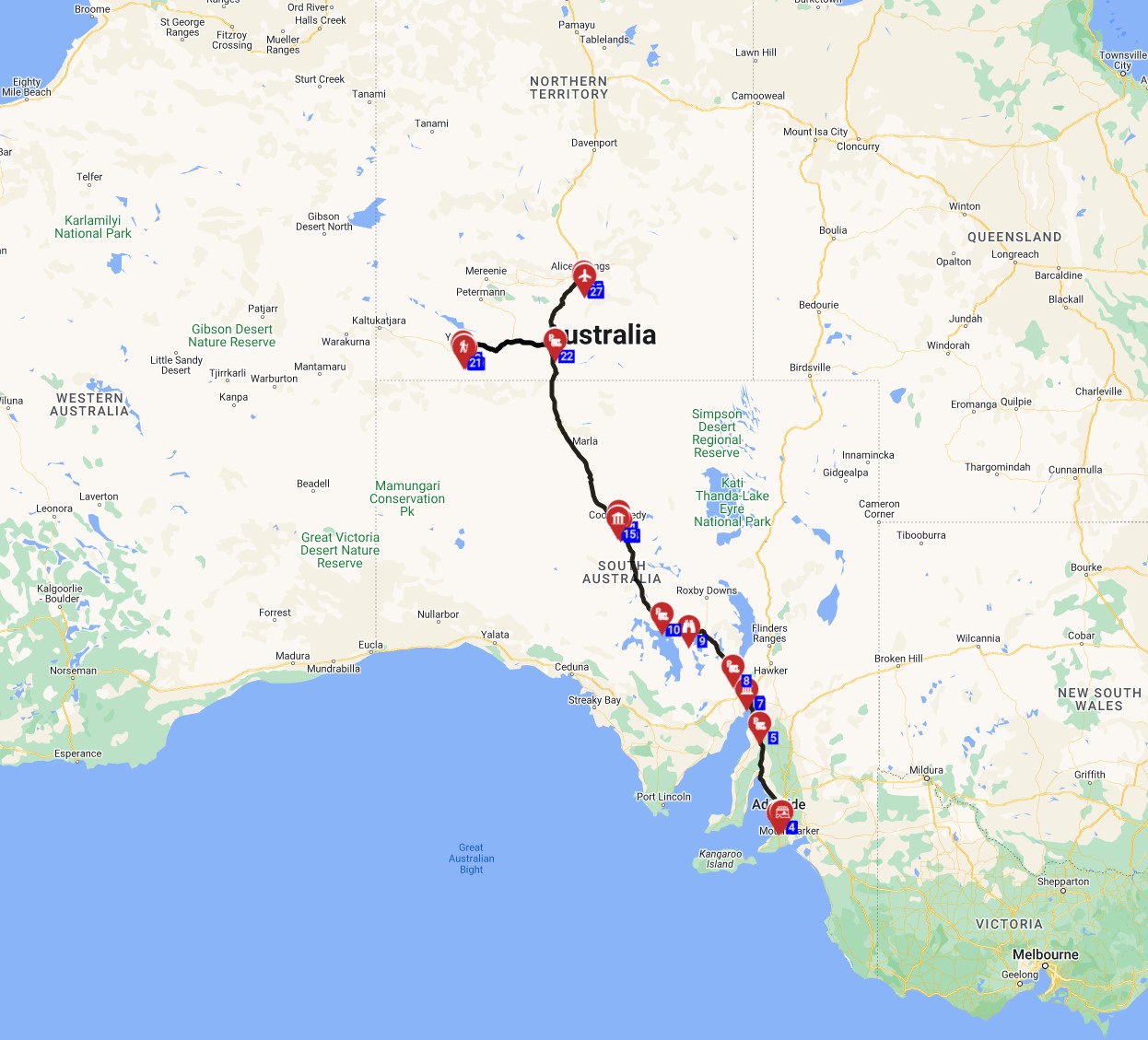
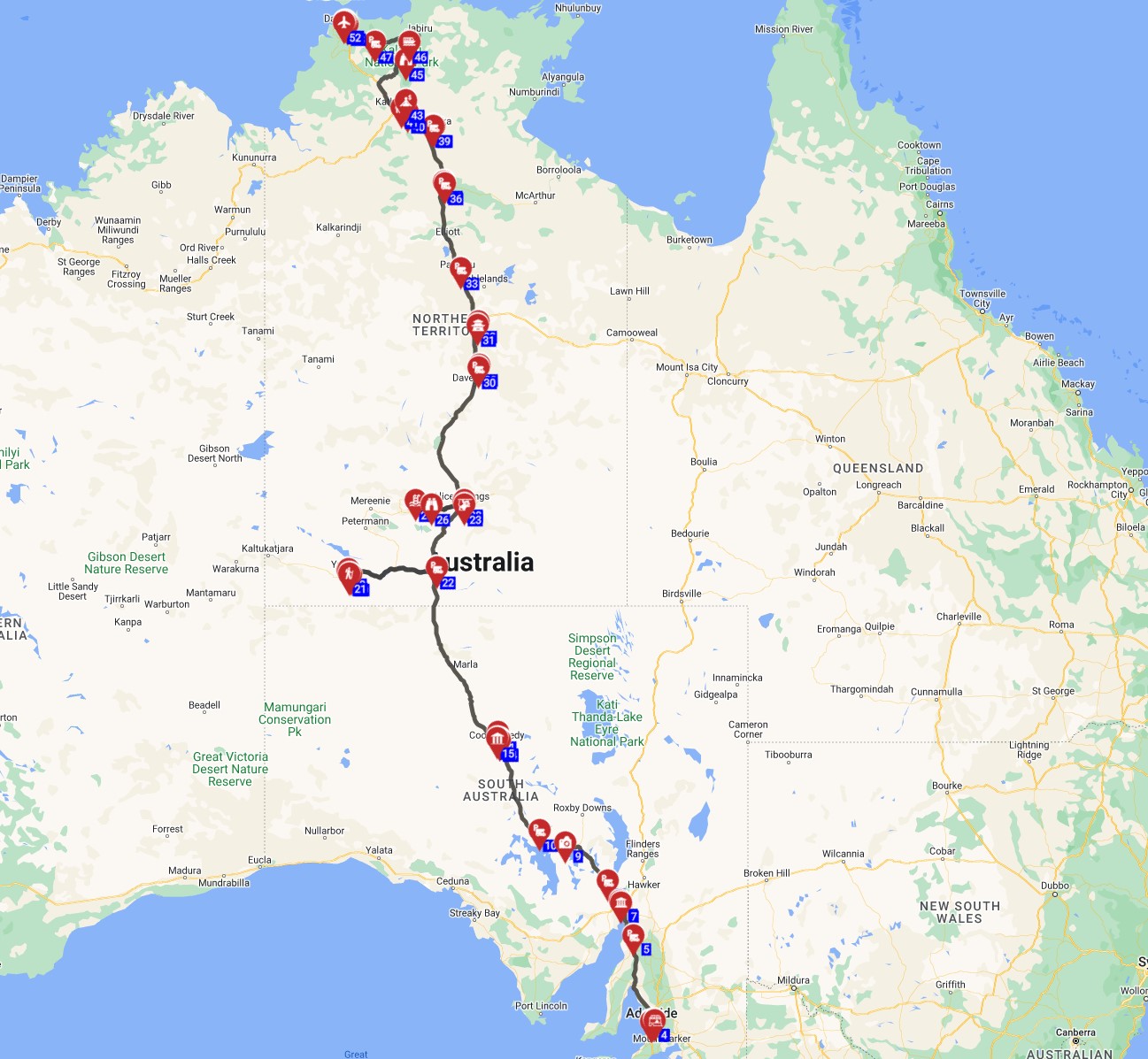
- Explore the Red Centre: Drive the iconic route around Alice Springs, taking in Uluru, Kata Tjuta, and Kings Canyon. An RV PLANET route like one of the RV PLAN routes listed below," covering 4,575 km in 19 days, offers an immersive experience with numerous hiking areas, natural features, and traditional visits.
- Coastal Wonders on the drive between Sydney and Brisbane: Discover the stunning beaches and national parks along Australia's east coast, stopping at towns like the Gold Coast and Byron Bay.
- Western Australia's Wild Beauty: Experience the rugged coastline and unique landscapes from Perth, venturing north towards Broome or south to Margaret River's wine region.
- Tropical North Queensland: Begin your journey from Cairns to explore the Daintree Rainforest, the Great Barrier Reef, and the vibrant culture of the tropics.
- Tasmanian Wilderness: Pick up a campervan in Hobart and embark on a loop around Tasmania, discovering ancient rainforests, stunning national parks, and unique wildlife.
- Melbourne's Cultural Richness: Explore the laneways, art, and food scene of Melbourne, then head out to the Great Ocean Road for breathtaking coastal drives. Our guide for Family campervan Rental in Australia - Pricing Guide 2026 provides great tips for multi-generational travel here.
Looking for expert insights from Avi Bandana? Top 5 Adventures — recommendations from Avi Bandana.
Suggested RV PLAN Routes
Ready-made itineraries from our sister site RV PLANET, each with daily stops, campgrounds and attractions along the way.

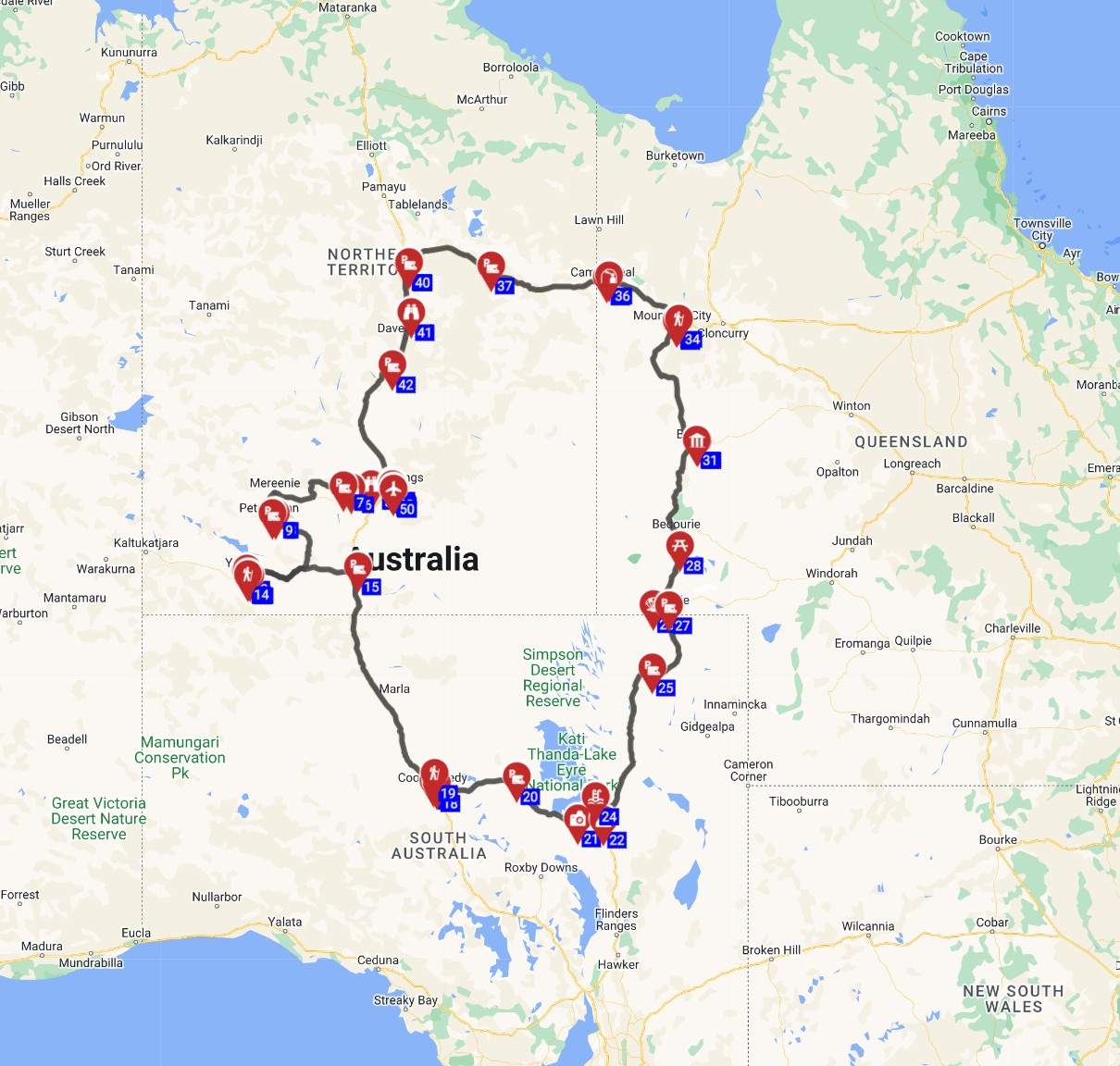
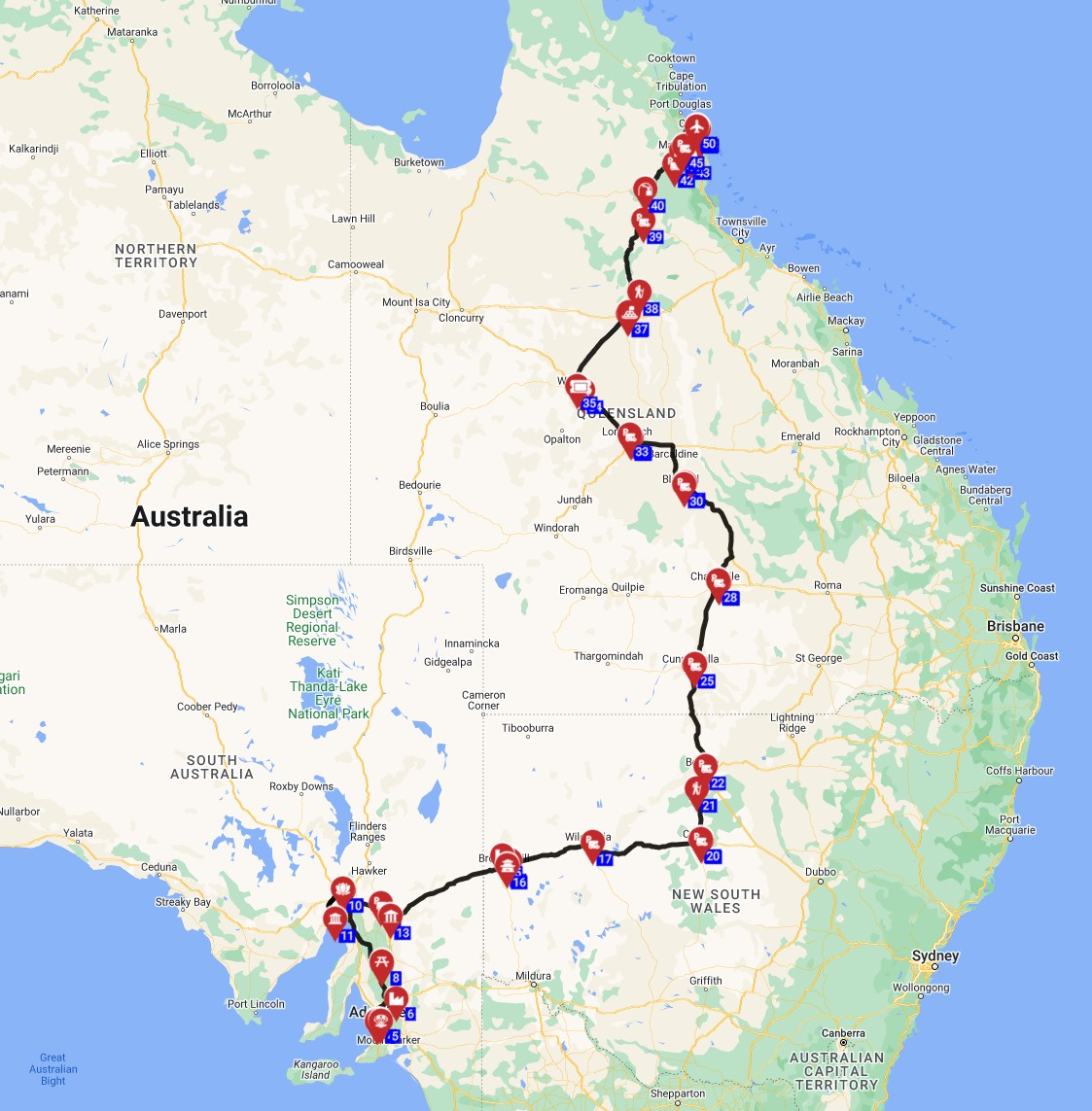
Cairns to Alice Springs - Northern Horizons: A Journey Through Australia's Heartland
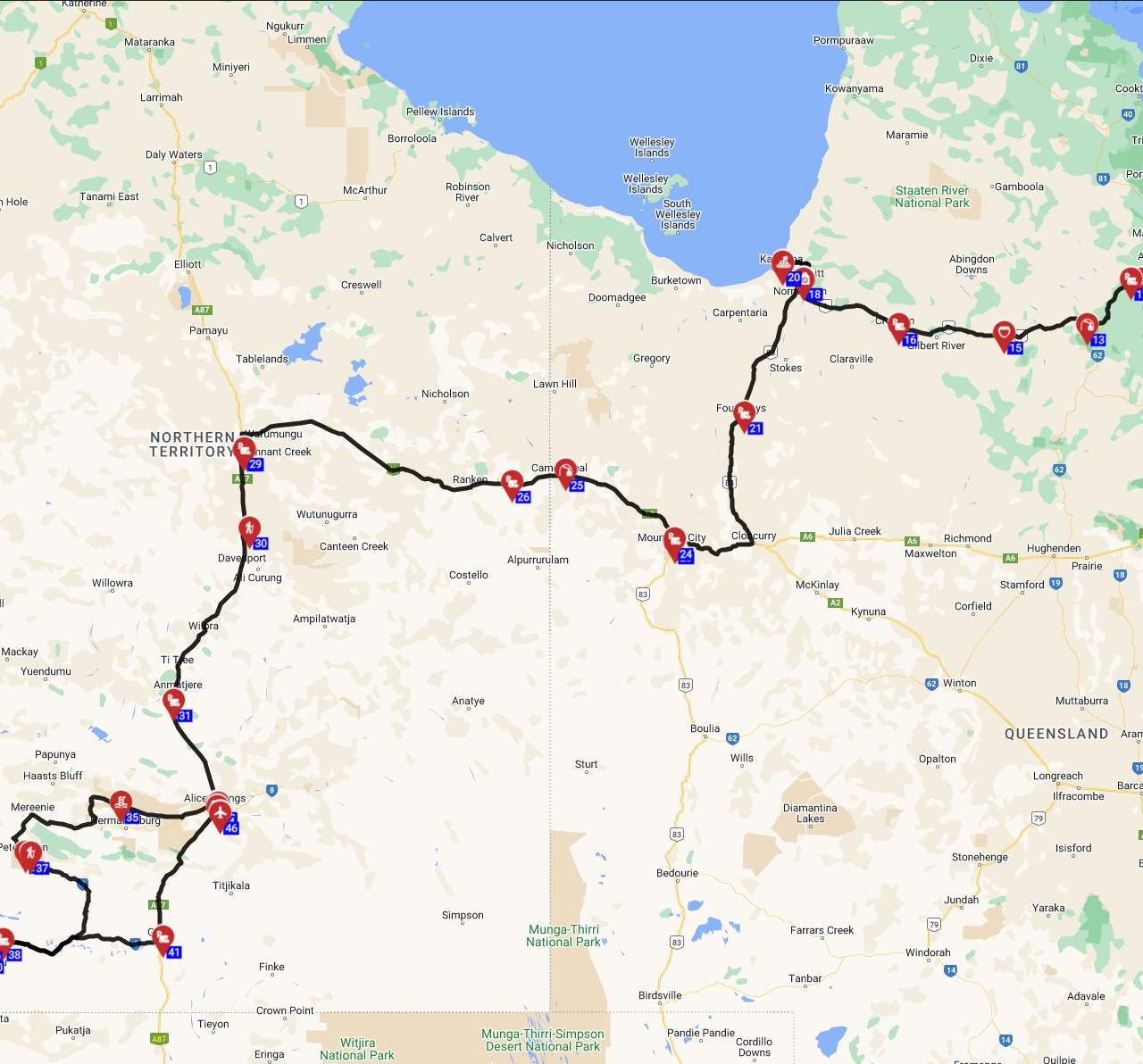
Melbourne to Darwin - Australia’s Heartline Road Trip
Melbourne to Alice Springs - Journey Through Australia's Wonders
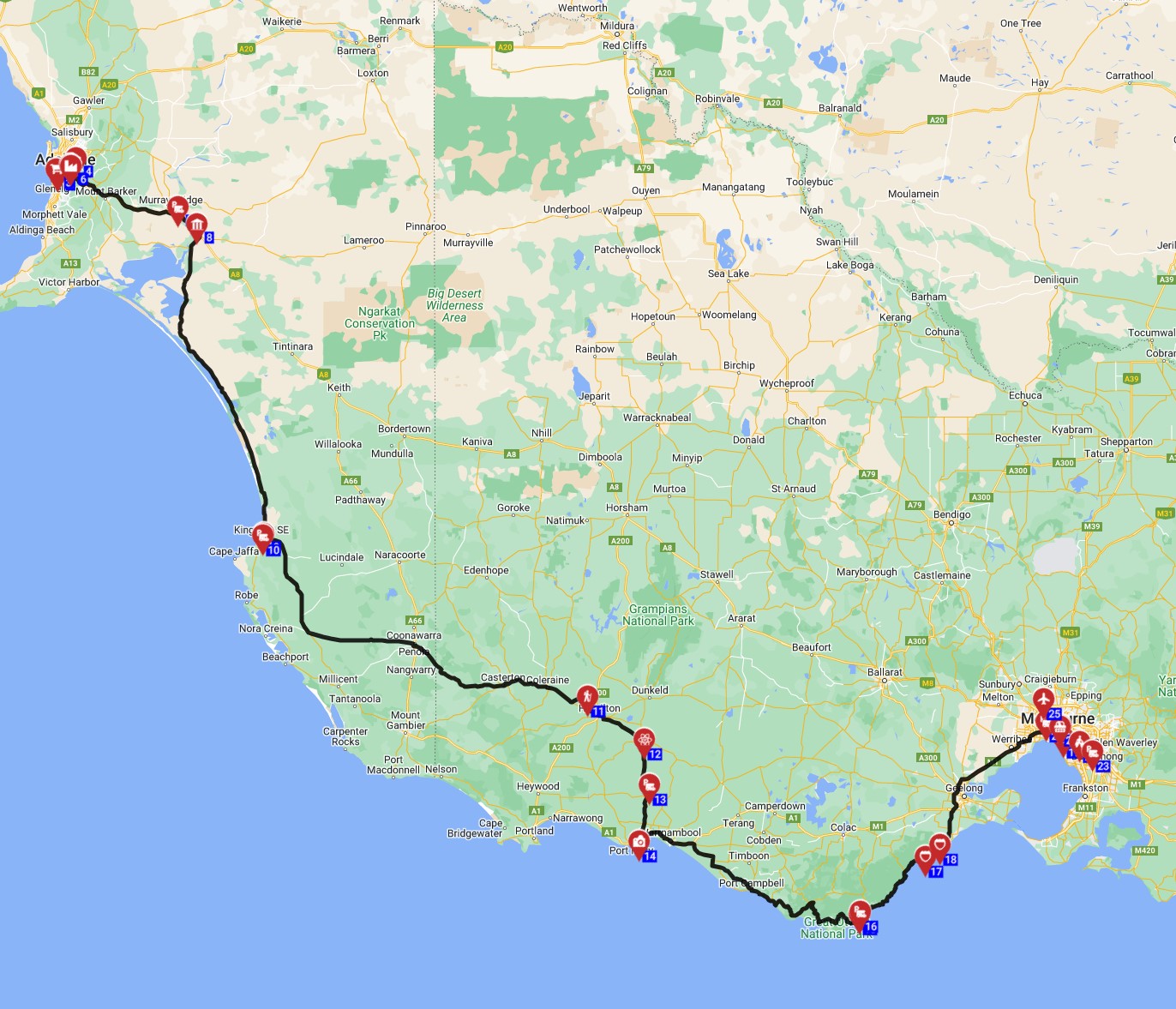
Perth to Melbourne - Roads Less Traveled: Exploring Australia in a Campervan
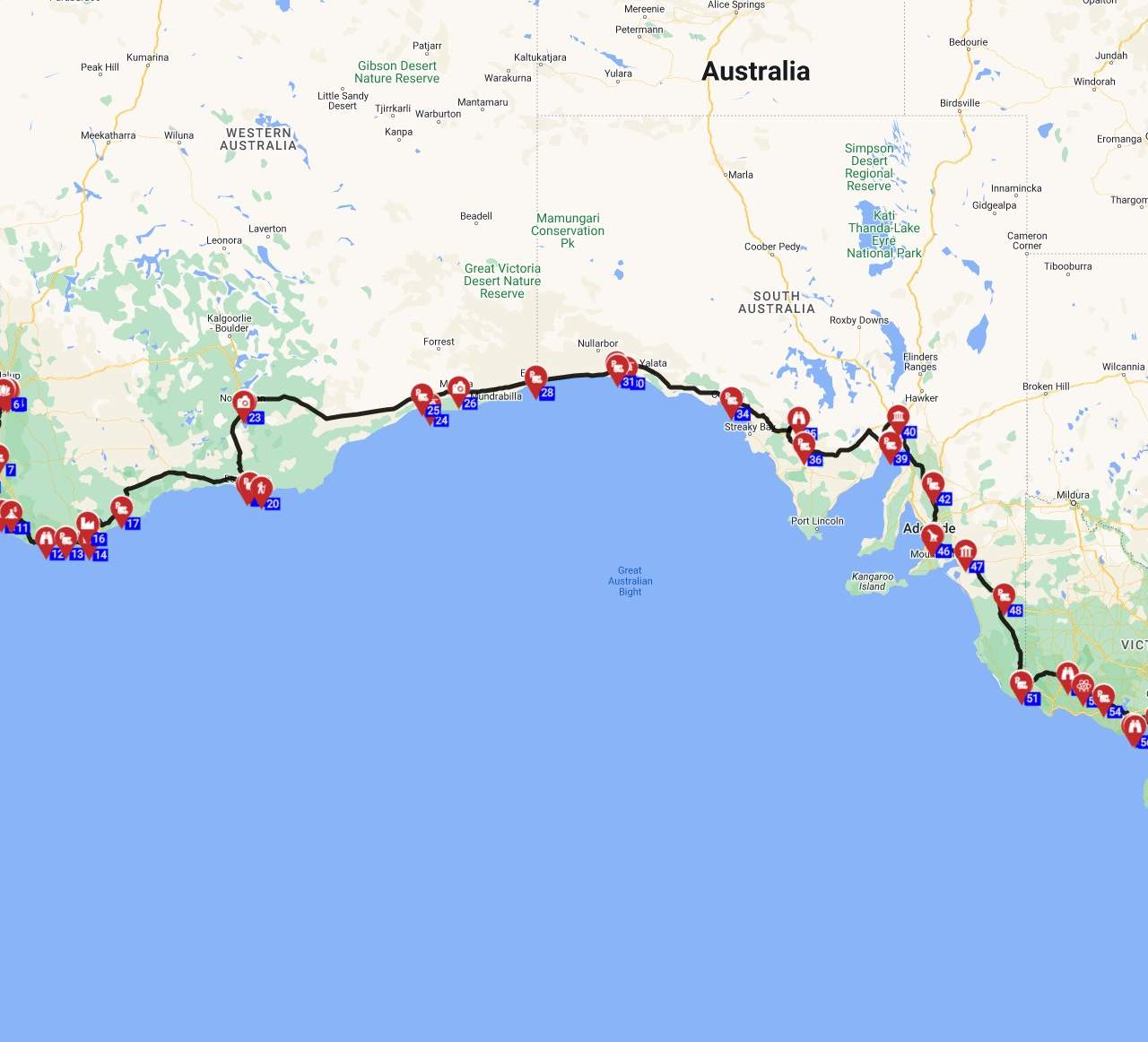
Broome to Alice Springs - A Journey through Australia’s Heartland
Why Book with Bandana Caravan
Full Transparency, No Surprises
We believe in honest pricing. With Bandana, the price you see is the price you pay, including all taxes and fees, so you can plan your budget with complete confidence. We are committed to full transparency, ensuring your booking experience is straightforward and clear.
Real Support When It Matters
Our dedicated support team is available during business hours to assist you from comparison to confirmation. For serious emergencies outside these hours, we provide help for critical situations like injury accidents or illness. For technical breakdowns, the local rental supplier's support team is your best resource with their expert knowledge.
Top-Level Deductible Reimbursement
Travel with extra peace of mind by optionally upgrading to a top-level deductible. This means you can significantly reduce your financial liability in case of an incident, making your adventure worry-free. It's an optional upgrade designed to enhance your security on the road.
True campervan Specialists Since 2026
Founded in 2001, Bandana has over 20 years of experience helping tens of thousands of travelers explore the world by campervan. We're not a travel agency side department; we're true campervan specialists with direct partnerships with 50+ leading campervan suppliers worldwide, offering bookings in 30+ currencies with full price transparency and coverage across 50+ countries.
Final Thoughts
A campervan adventure in Australia is more than just a trip; it's an invitation to experience unparalleled freedom and discover the country's breathtaking natural beauty and vibrant culture on your own terms. From the sun-drenched beaches of Queensland to the rugged outback of the Northern Territory, a rented campervan provides the perfect mobile headquarters for an unforgettable journey. Remember to travel slowly, averaging 100-150 km per day, allowing yourself time to truly connect with each place, its people, and its stunning scenery.
At Bandana, we handle the details, so you can live the journey. We're here to offer personal service from day one until your booking is confirmed, ensuring your campervan rental in Australia is as seamless and enjoyable as possible. With our full transparency, real support, and expert knowledge, you're set for an epic road trip. Get inspired for your next trip and discover top destinations, planning tips, all in one place!
So, why wait? Start comparing campervan rental options for Australia today and prepare to create memories that will last a lifetime. Life is now – embrace the open road!
Renting a campervan can be a meaningful upgrade over combining a standard car rental with hotel stays. It lets you set your own pace and balance stays at luxurious hotels with occasional nights spent immersed in nature. Even from day to day, choosing a campervan instead of a standard car gives you a kitchen with a fridge, an en-suite bathroom, and a comfortable bed for a healthy midday siesta. Overall, the price difference between renting a campervan and a standard car is not dramatic for travelers who want the best of both worlds, combining the pleasures of nature with stays at luxurious hotels.