In This Guide
- Best New Zealand RV Itinerary for rv rental — Overview
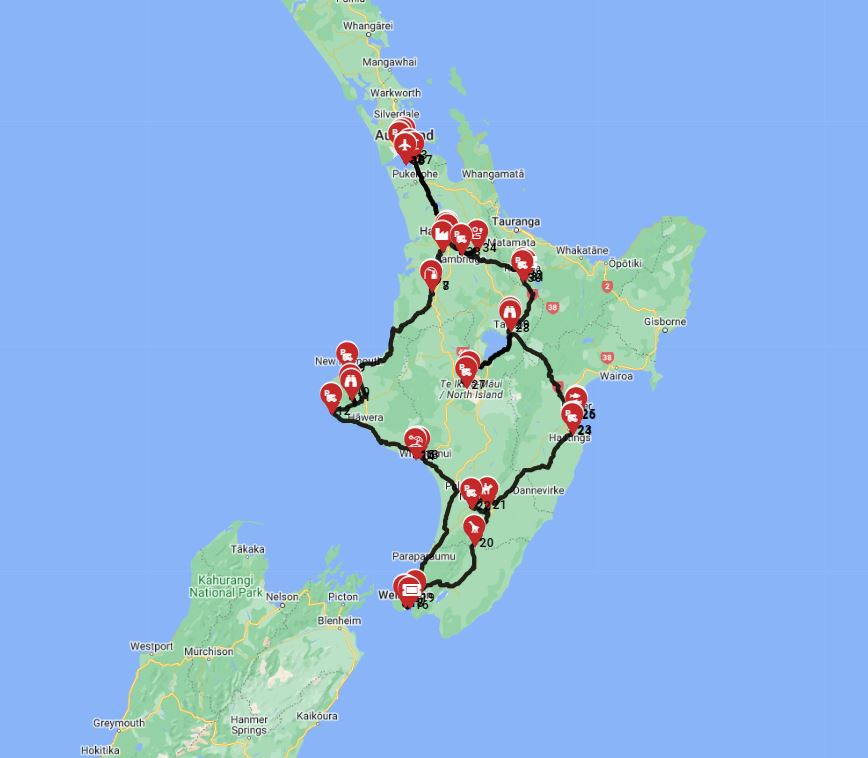
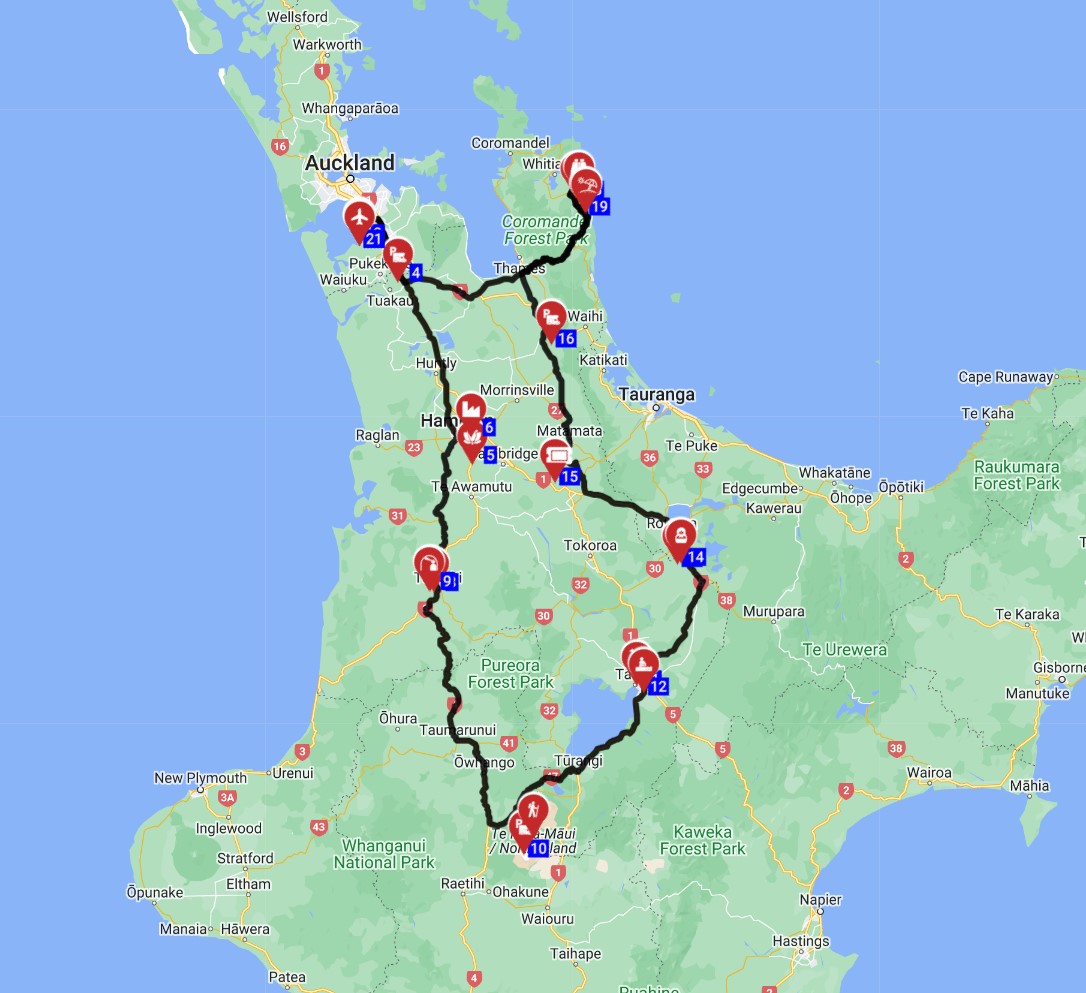
- 7-Day Classic Route in New Zealand
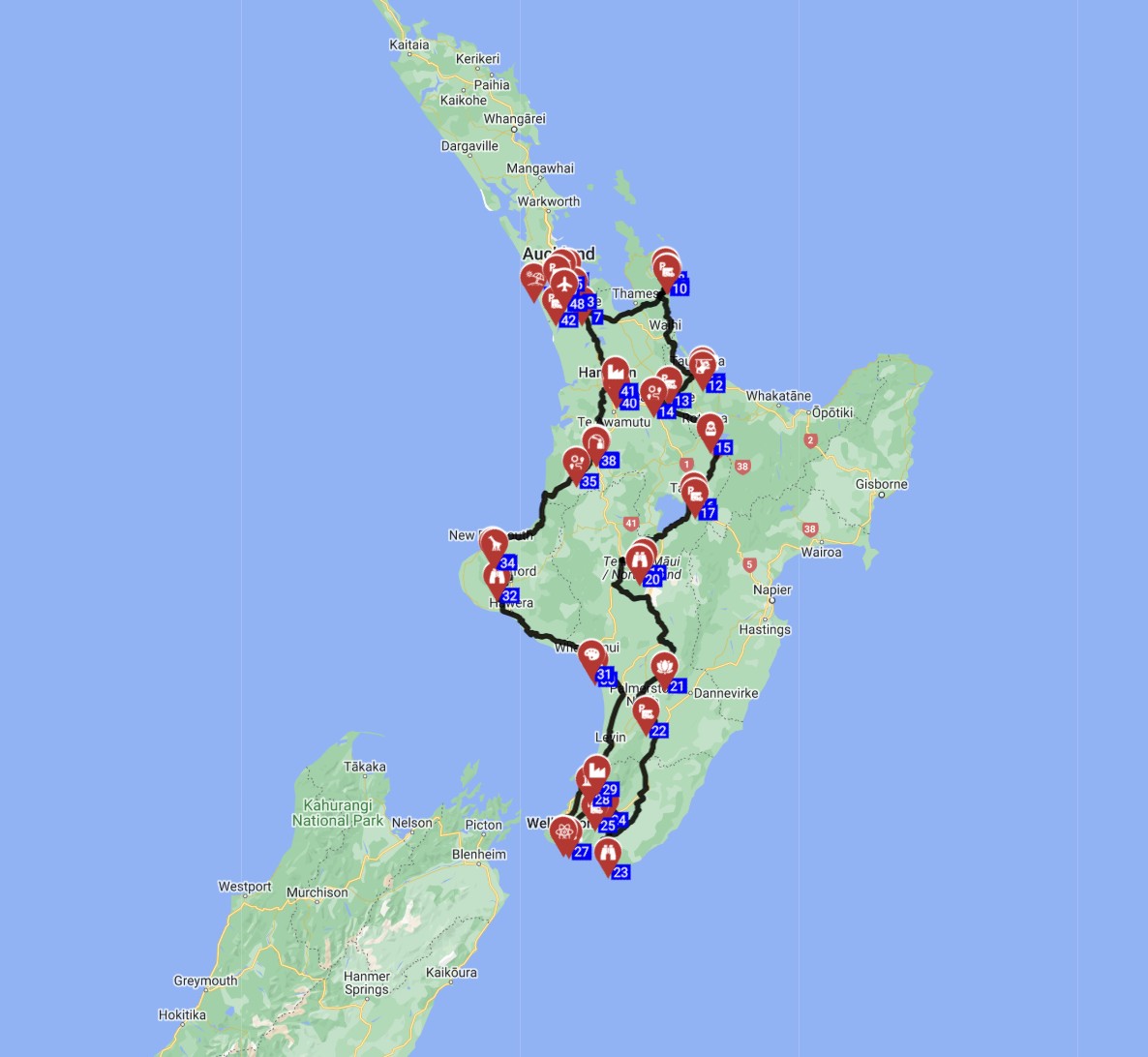
- 14-Day Extended Journey in New Zealand
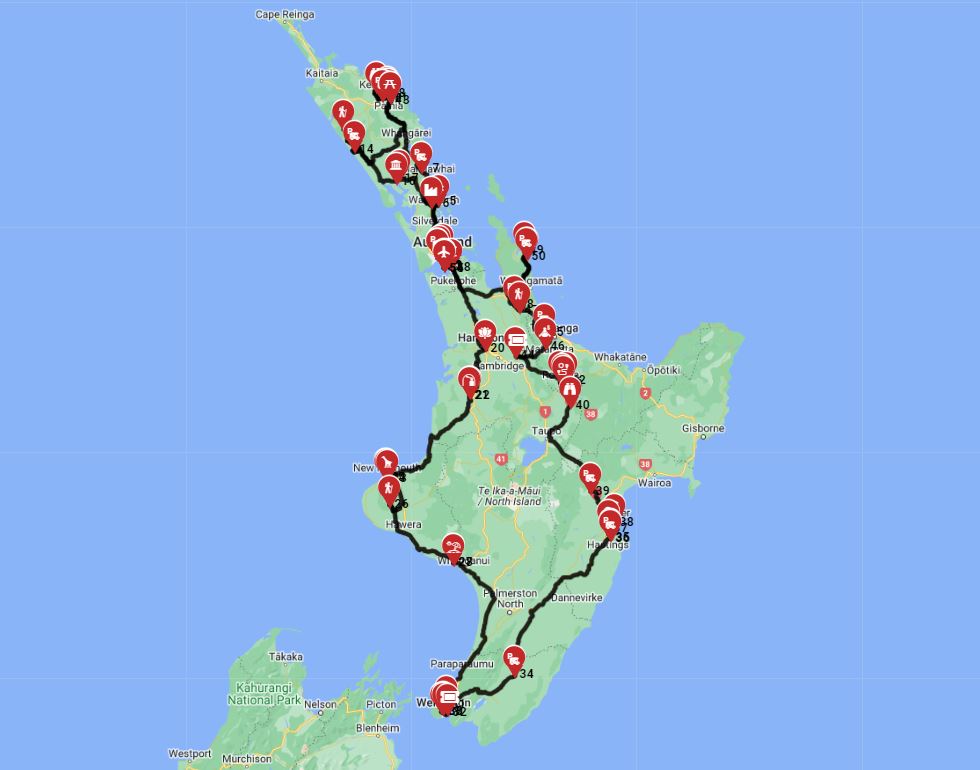
- Recommended RVPlan Trip for New Zealand
- Must-See Stops Along the Way (Avi Bandana Picks)
- Daily Driving Distances & Drive Times in New Zealand
- Best RV Class for This Itinerary — Couple & Family Picks
- Is New Zealand RV friendly?
- Is it easy to drive a motorhome in New Zealand?
- Can I park my motorhome anywhere in New Zealand?
- Is it worth getting a campervan in New Zealand?
- What is the 333 rule for campervan?
- What month is the best month to go to New Zealand?
- Can you sleep anywhere in a campervan in New Zealand?
- Is a campervan a good way to see New Zealand?
- What should I not miss in New Zealand?
- What's the best month to visit New Zealand?
Best New Zealand RV Itinerary for rv rental — Overview
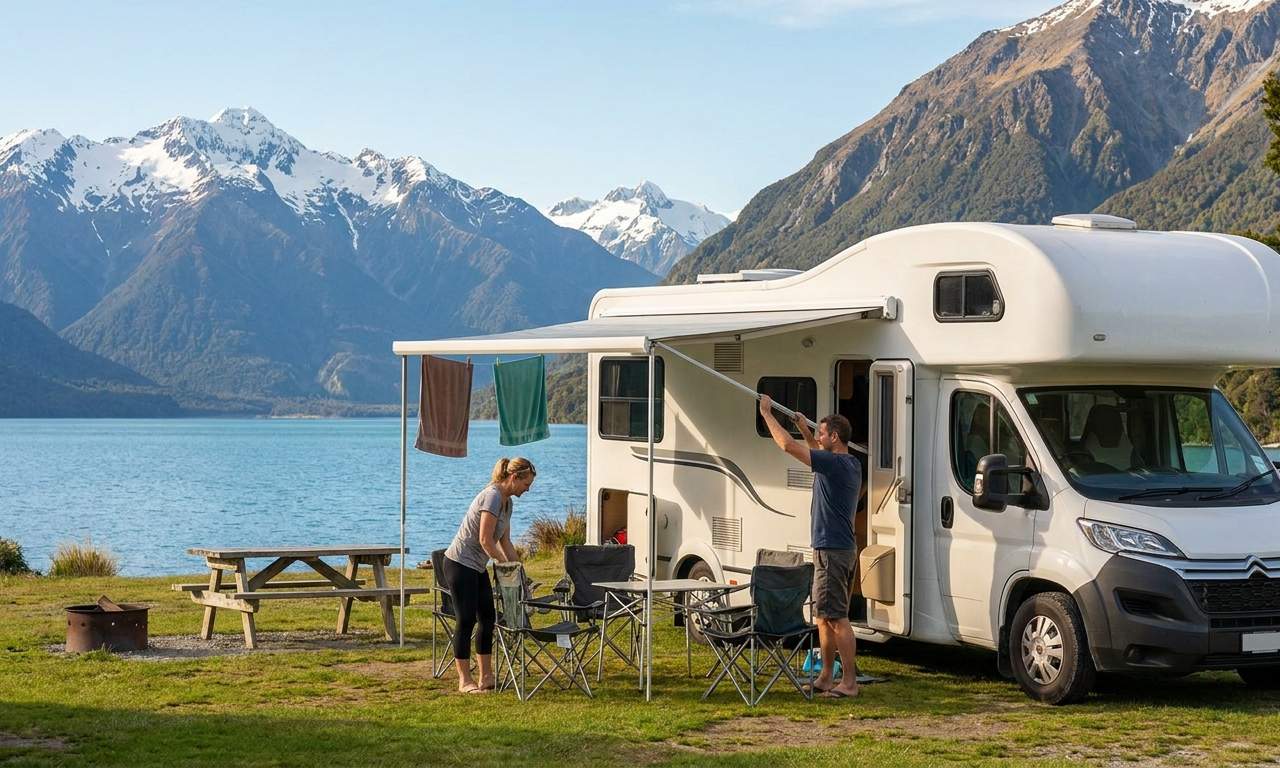
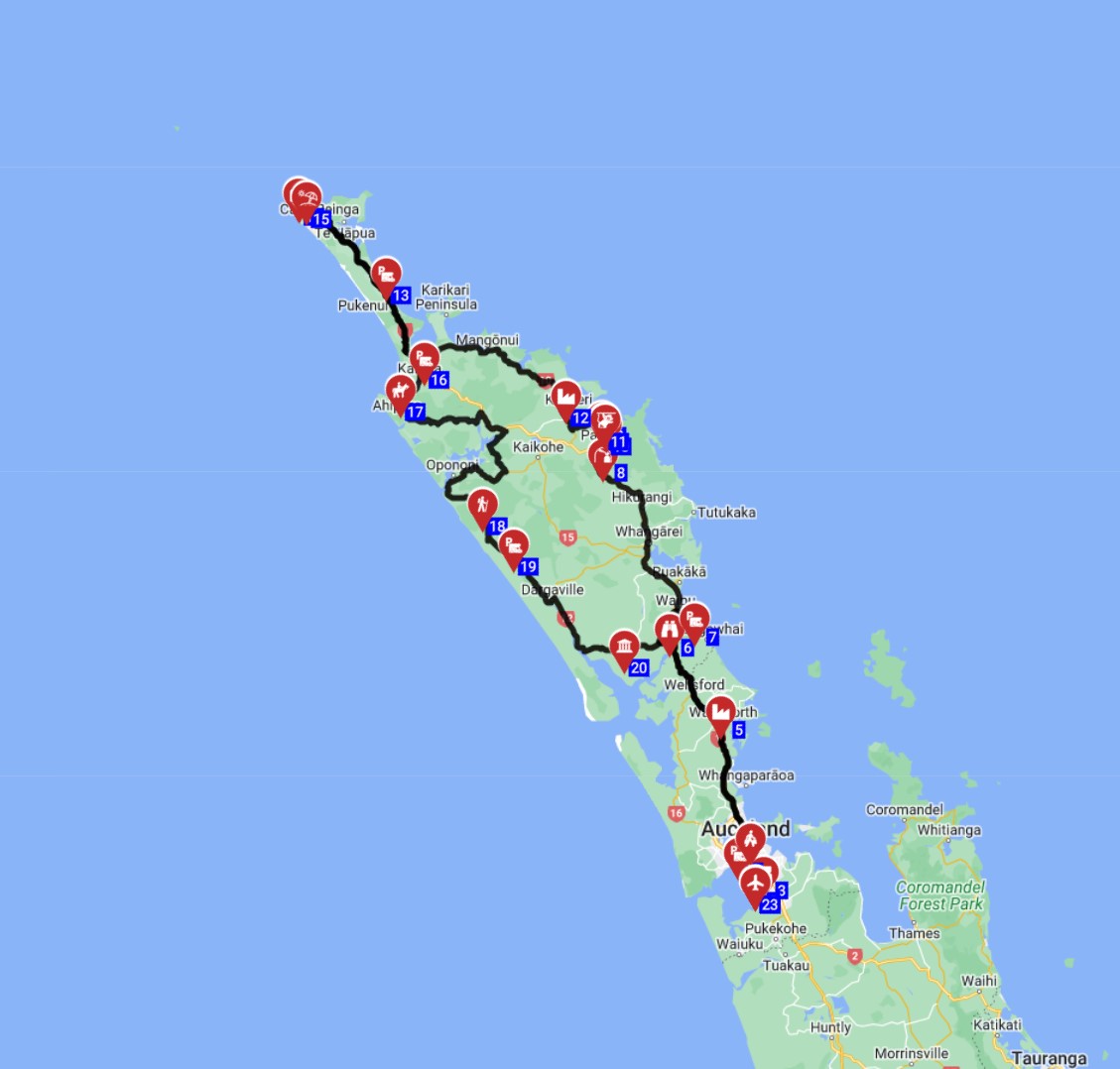
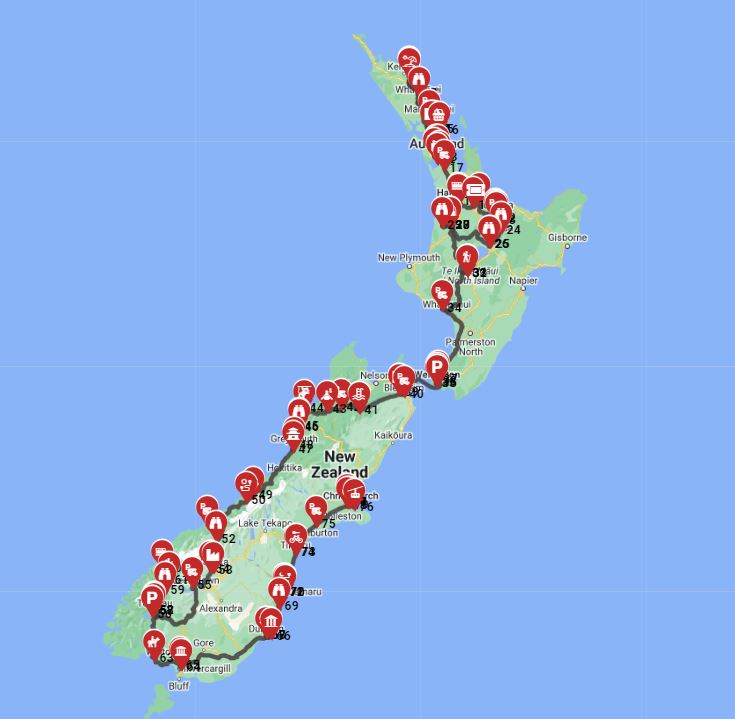
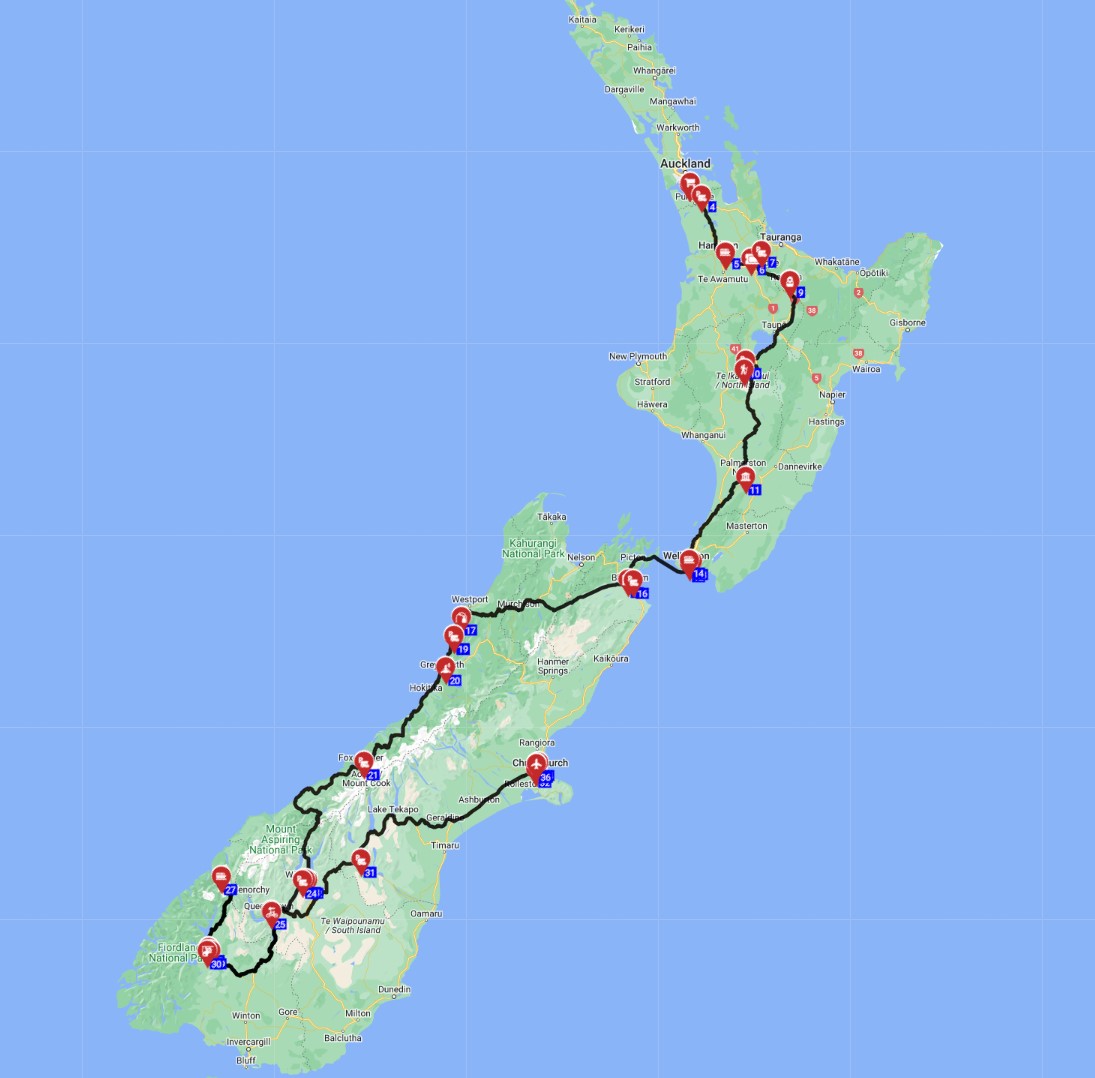
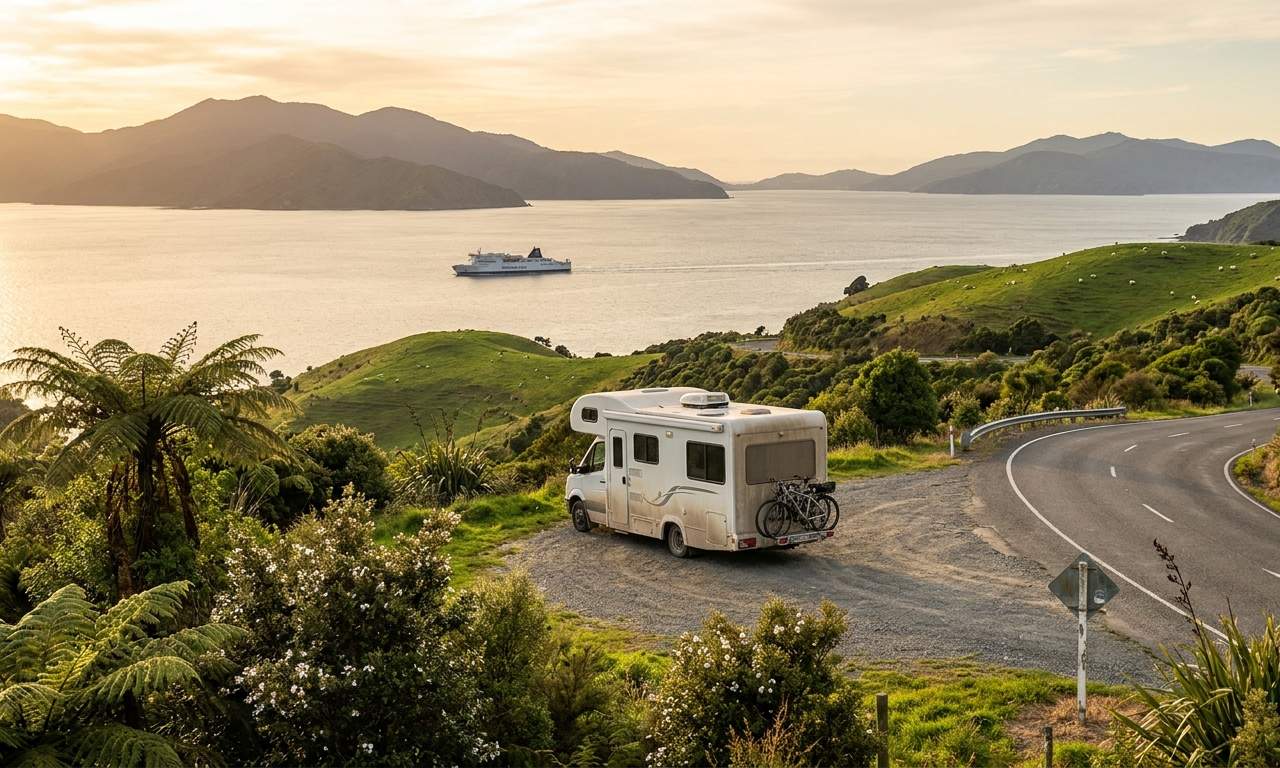
This 2026 New Zealand RV itinerary provides a comprehensive journey across both the North and South Islands, covering approximately 4060 km (2523 miles) over a recommended minimum of 25 days for the full experience, though shorter 7 or 14-day options are also outlined. For those seeking a more structured adventure, consider exploring the expertly crafted itineraries available through RV PLANET (rvplan.net), which can streamline your planning process significantly.
The best season for an RV trip in New Zealand is generally the shoulder seasons (Spring: Sep-Nov; Autumn: Mar-May), which offer pleasant weather, vibrant landscapes, and fewer crowds than the peak summer months. During these periods, you'll find a better balance of good weather for exploring and availability for popular campsites and activities. For instance, booking your rental and key campsites during these shoulder seasons often presents more opportunities for savings compared to the bustling summer months.
The full trip showcases diverse landscapes from Auckland's urban buzz and Northland's pristine beaches to Rotorua's geothermal wonders, Wellington's vibrant culture, the South Island's Marlborough vineyards, West Coast glaciers, and Fiordland's majestic sounds, culminating in Christchurch. This extensive route is designed to immerse you in the very best of what New Zealand has to offer, from its natural beauty to its unique cultural experiences.
7-Day Classic Route in New Zealand
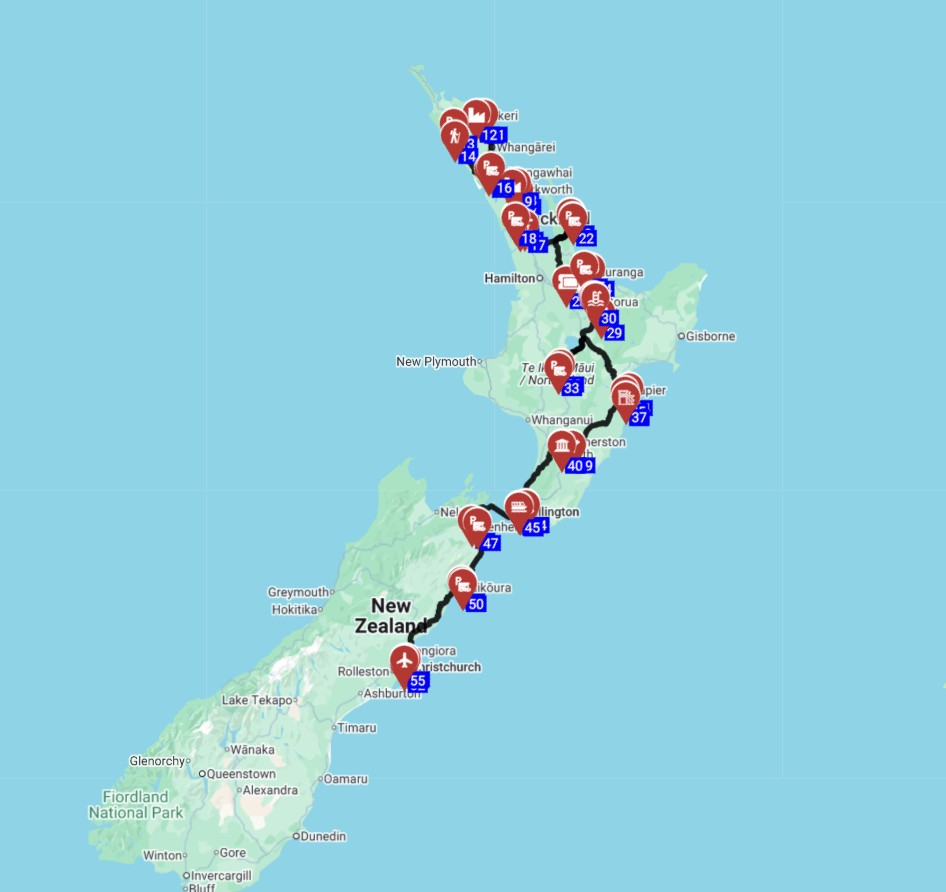
This express 7-day North Island RV route focuses on key highlights, designed to keep daily driving under the recommended 150 km average where possible, maximizing exploration time. This itinerary is perfect for those with limited time who want to experience the essence of the North Island.
Day 1: Auckland → Rotorua (approx. 230 km). Begin your journey by driving south from Auckland to Rotorua. Here, you can explore fascinating geothermal parks like Te Puia or Wai-O-Tapu, and immerse yourself in Māori culture. A great place to stay overnight is the Rotorua TOP 10 Holiday Park.
Day 2: Rotorua → Taupo (approx. 80 km). A short drive today takes you to Taupo. Visit the powerful Huka Falls, which are truly spectacular, and the intriguing Craters of the Moon geothermal area. Consider staying at Taupo DeBretts Spa Resort for a relaxing evening.
Day 3: Taupo → Tongariro National Park (approx. 100 km). Today’s destination is the dramatic landscape of Tongariro National Park. Weather permitting, you can embark on part of the famous Tongariro Alpine Crossing or enjoy shorter walking trails with stunning volcanic scenery. Whakapapa Holiday Park is a good camping option here.
Day 4: Tongariro → Napier (approx. 200 km). Journey through captivating countryside to Napier, a city renowned for its unique Art Deco architecture. Kennedy Park Resort Napier offers excellent facilities for an overnight stay.
Day 5: Napier → Wellington (approx. 320 km). This is a longer driving day as you head to New Zealand's vibrant capital, Wellington. Upon arrival, make sure to visit Te Papa, the national museum, for a dose of culture and history. The Wellington TOP 10 Holiday Park is located conveniently outside the city center and is accessible via public transport.
Day 6: Wellington. Dedicate a full day to exploring Wellington's dynamic arts, culture, and culinary scene. Utilizing the city's excellent public transport is the most efficient way to navigate its charming streets and attractions.
Day 7: Wellington → Picton (Interislander Ferry, 92 km ferry journey). Conclude your North Island adventure by taking the scenic Interislander ferry across the Cook Strait to the South Island. Enjoy breathtaking views of the Marlborough Sounds during the approximately 3.5-hour crossing. Once in Picton, head to the Picton TOP 10 Holiday Park for your final overnight stay on this itinerary.
14-Day Extended Journey in New Zealand
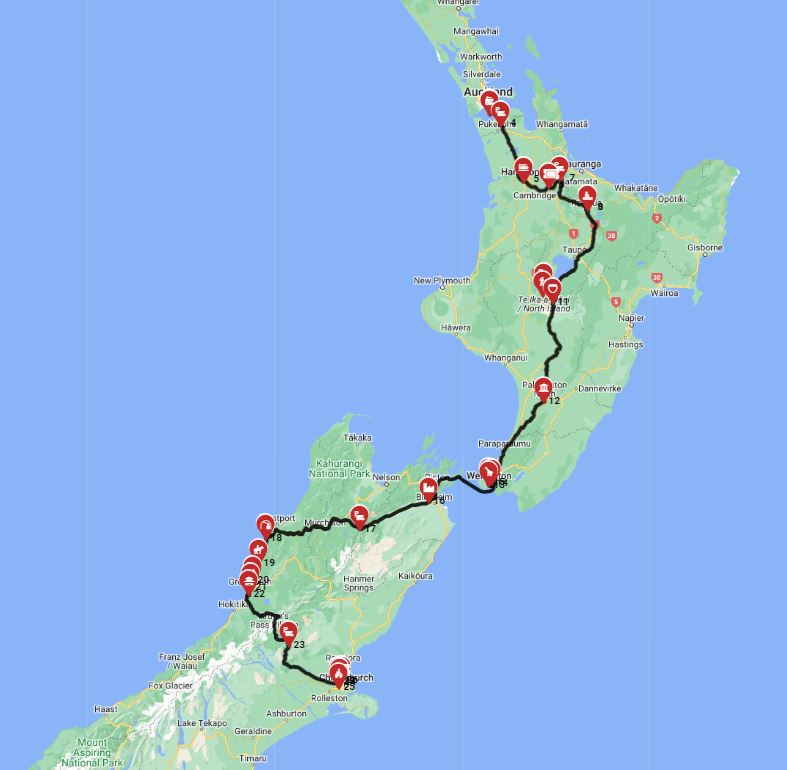
This 14-day itinerary offers a deeper dive into both the North and South Islands, keeping daily driving distances manageable to allow for comprehensive regional exploration and spontaneous discoveries.
North Island (Days 1-7):
- Day 1-2: Auckland & Surrounds. Explore Auckland’s city highlights, perhaps taking a day trip to Waiheke Island for wine tasting. Stay at an Auckland holiday park.
- Day 3: Auckland → Waitomo (approx. 195 km). Discover the magical Waitomo Glowworm Caves, a truly enchanting experience. Waitomo Top 10 Holiday Park is a recommended stop.
- Day 4: Waitomo → Rotorua (approx. 140 km). Immerse yourself in Rotorua's geothermal activity and vibrant Māori cultural experiences. Rotorua TOP 10 Holiday Park is a convenient option.
- Day 5: Rotorua → Taupo (approx. 80 km). Enjoy Huka Falls, Lake Taupo activities, and the striking volcanic landscapes. Taupo DeBretts Spa Resort is a great place to rest.
- Day 6: Taupo → Tongariro National Park (approx. 100 km). Experience the dramatic alpine scenery and hiking trails of Tongariro National Park. Whakapapa Holiday Park is a good base.
- Day 7: Tongariro → Wellington (approx. 330 km). Drive to the capital for cultural exploration before crossing to the South Island. Wellington TOP 10 Holiday Park offers good facilities.
South Island (Days 8-14):
- Day 8: Wellington → Picton (Ferry) → Kaikoura (approx. 160 km from Picton). Take the scenic ferry to Picton and then drive to Kaikoura, renowned for whale watching opportunities. Kaikoura TOP 10 Holiday Park is a good overnight spot.
- Day 9: Kaikoura → Christchurch (approx. 180 km). Explore the 'Garden City,' Christchurch, with its innovative architecture and beautiful botanical gardens. Christchurch TOP 10 Holiday Park is a comfortable choice.
- Day 10: Christchurch → Lake Tekapo (approx. 230 km). Visit the iconic Church of the Good Shepherd and experience unparalleled stargazing in the Aoraki Mackenzie International Dark Sky Reserve. Lake Tekapo Holiday Park is an excellent place to stay.
- Day 11: Lake Tekapo → Queenstown (approx. 260 km). Arrive in Queenstown, the adventure capital of the world, surrounded by breathtaking mountain and lake scenery. Queenstown Lakeview Holiday Park offers stunning views.
- Day 12: Queenstown. Dedicate your day to thrilling adventure activities like bungee jumping, jet boating, or taking the Skyline Gondola for panoramic views.
- Day 13: Queenstown → Te Anau (approx. 170 km). Drive to Te Anau, the gateway to Fiordland National Park, a region of immense natural beauty. Te Anau TOP 10 Holiday Park is a convenient option.
- Day 14: Te Anau → Milford Sound (Day Trip) → Te Anau (approx. 240 km return). Experience a breathtaking cruise through Milford Sound, one of New Zealand's most majestic fjords, before returning to Te Anau for the night.
Recommended RVPlan Trip for New Zealand
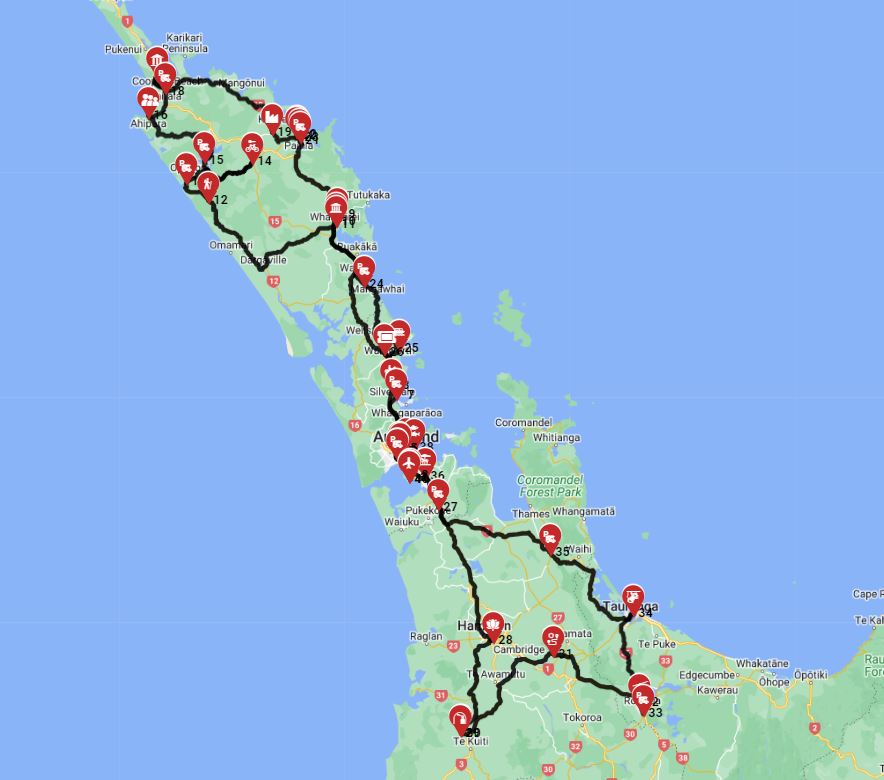
For an immersive and expertly curated New Zealand RV experience, consider the comprehensive '
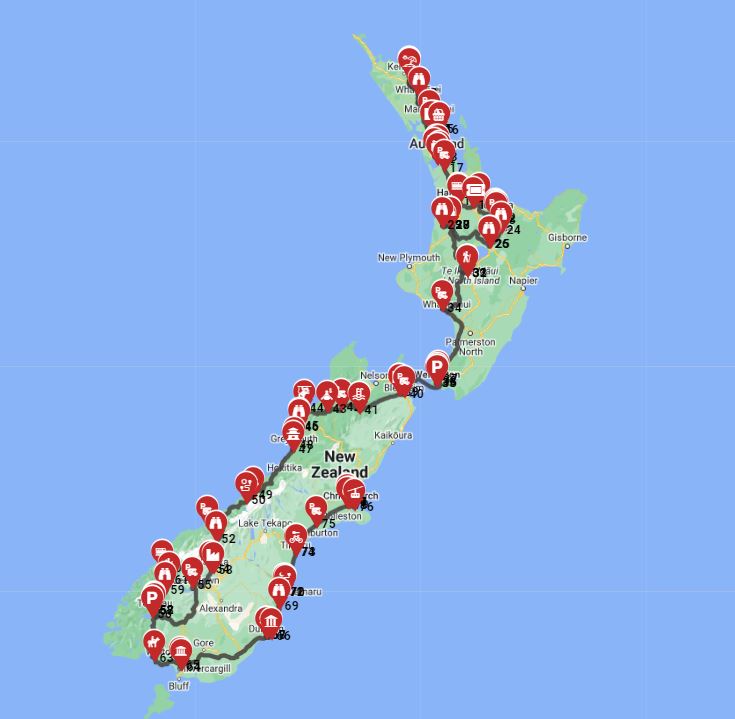
This extensive itinerary spans 25 days, covering a total distance of 4060.2 km, starting in Auckland and concluding in Christchurch, offering a deep exploration of both major islands. It incorporates a variety of activities and stops, ensuring a rich and varied travel experience.
Choosing a pre-planned RVplan trip simplifies logistics, from ferry bookings to campsite selections, allowing you to focus purely on enjoying the stunning landscapes and cultural experiences New Zealand has to offer. You can find more detailed itineraries and booking options at rvplan.net.
Must-See Stops Along the Way (Avi Bandana Picks)
Avi Bandana's personal picks for experiencing the authentic essence of New Zealand during your RV journey focus on engaging with local culture, industry, and natural beauty. These recommendations offer a deeper connection to the heart of Aotearoa.
- Traditional Visits: Delve into New Zealand's rich heritage at the Waitangi Treaty Grounds, the birthplace of the nation, offering deep historical and cultural insights. Also, consider the living Māori culture experiences in Rotorua, such as Te Puia or a traditional Hāngī dinner, for an authentic taste of indigenous traditions.
- Local Industry: Explore the world-renowned wine regions of Marlborough or Hawke's Bay with cellar door visits and tastings. Engaging with local artisans or producers, perhaps sampling Manuka honey or unique local crafts, provides a genuine connection to the country's produce and creativity.
- Farmers' Markets: Immerse yourself in local life at farmers' markets, like the Matakana Village Farmers' Market north of Auckland, or various regional markets in Otago. These are perfect for stocking up on fresh, seasonal produce and regional delicacies for your RV kitchen, allowing you to cook delicious meals on the go.
- Culinary Scene: Indulge in New Zealand's diverse culinary scene, from incredibly fresh seafood in coastal towns like Kaikoura to farm-to-table experiences in agricultural regions. Seek out establishments offering indigenous ingredients or unique Kiwi fusion dishes for a truly memorable dining experience.
Daily Driving Distances & Drive Times in New Zealand
Avi Bandana recommends a maximum of 100 miles or 150 km per day on average for RV travel in New Zealand to ensure a relaxed pace and ample time for exploration. This approach allows for a more immersive experience, enabling you to truly savor each location.
Traveling slowly allows for spontaneous stops at scenic viewpoints, charming local cafes, and hidden gems, significantly enhancing the overall road trip experience and preventing driver fatigue. This mindful approach to travel is central to the Bandana RV philosophy of enjoying the journey as much as the destination.
New Zealand's roads, especially in mountainous regions like the Southern Alps or coastal areas, can be narrower, winding, and feature steeper gradients than drivers might be accustomed to. It's important to drive defensively and be prepared for these conditions, particularly when navigating less-traveled routes.
Example Drive-Time Estimates (excluding stops):
- Auckland to Rotorua (approx. 230 km): Expect 3.5 – 4 hours of driving.
- Queenstown to Milford Sound (approx. 290 km): Plan for 4.5 – 5.5 hours one-way, acknowledging the need for multiple scenic stops.
- Christchurch to Lake Tekapo (approx. 230 km): This journey typically takes 3 – 3.5 hours, offering stunning views of the Canterbury Plains and Southern Alps.
Always allow extra time for your journeys, pull over at designated bays to let faster traffic pass, and be aware of rapidly changing weather conditions, particularly in alpine regions.
Best RV Class for This Itinerary — Couple & Family Picks
Selecting the appropriate RV class for your New Zealand adventure is crucial for comfort and suitability on local roads. Bandana RV offers a diverse fleet to cater to various needs, ensuring you find the perfect mobile home for your journey.
For Couples: A Class B - Camper Van is an ideal choice, offering superior maneuverability on New Zealand's winding roads and excellent fuel efficiency for two travelers. Bandana's fleet typically includes Class B camper vans with an average length of 5.8 meters, offering sleeping places for 3.2 and comfortably accommodating a couple. Their common fuel consumption averages an economical 8-10 Liters/100 km, making them a cost-effective option for extensive touring. For example, our "Campervan for 2 - Automatic" model is a popular choice, featuring a compact design perfect for navigating cities and scenic routes alike.
For Families: The Class C - Alcove motorhome provides ample space and comprehensive facilities, making it perfect for families. Bandana's Class C alcove vehicles average 7.5 meters in length and feature 5.8 sleeping places, easily accommodating a family of four with comfortable living and sleeping arrangements. Despite being larger, their common fuel consumption is typically 10-12 Liters/100 km, offering a good balance of space and operational costs. Consider models like our "Family Standard Automatic" for a comfortable and well-equipped family adventure.
To simplify your trip planning, Bandana offers a 'Rent & Plan' service. This combines your chosen RV rental with a ready-made itinerary, designed by travel experts with full access to specialized trip-planning software, removing the headache of detailed planning and ensuring a seamless experience.
Is New Zealand RV friendly?
Yes, New Zealand is exceptionally RV friendly, boasting world-class infrastructure and a welcoming attitude towards motorhome tourism, making it an ideal destination for road trips. The country has embraced RV travel, with many facilities and services catering specifically to this mode of exploration.
The country offers an extensive network of scenic roads, although some can be challenging for larger vehicles, alongside numerous dedicated RV-friendly facilities. These include well-maintained roads and a good supply of campsites and service points specifically designed for motorhomes.
There are abundant holiday parks, Department of Conservation (DOC) campsites, and designated freedom camping sites equipped with necessary amenities like power hook-ups, fresh water, and waste disposal points (dump stations). These options provide flexibility in where you stay, from fully serviced campgrounds to more basic, scenic spots.
New Zealand's Tiaki Promise encourages visitors to care for its unique environment, which aligns well with the responsible travel ethos of RVing. This commitment to preserving the natural beauty makes RV travel here particularly rewarding and environmentally conscious.
Is it easy to drive a motorhome in New Zealand?
Driving a motorhome in New Zealand is generally easy, particularly for those comfortable driving on the left-hand side of the road, though it requires adapting to specific local road conditions. Many travelers find the experience manageable and enjoyable with a little preparation.
New Zealand's main roads are well-maintained, but many, especially in scenic or mountainous areas, can be narrower, winding, and feature steeper gradients than drivers might be accustomed to. It's advisable to take your time, especially on the South Island's more dramatic routes.
Safety Tips: Always allow extra time for journeys, pull over at designated bays to let faster traffic pass, and be aware of rapidly changing weather conditions, particularly in alpine regions. Gravel roads are also common in more remote, picturesque areas, so drive with caution.
Practical Logistics: Fuel stations are widely available in towns, but distances between them can be significant in remote regions, necessitating regular refueling. Always check your mobile connectivity, as coverage can be sparse in isolated areas, and consider downloading offline maps.
Can I park my motorhome anywhere in New Zealand?
No, you cannot park your motorhome anywhere in New Zealand; strict regulations govern where RVs can be parked overnight to protect the environment and manage waste. This ensures the preservation of New Zealand's pristine landscapes for everyone to enjoy.
Overnight parking is legally restricted to designated campgrounds, commercial holiday parks, Department of Conservation (DOC) sites, or specifically signposted 'freedom camping' areas. Always look for signage indicating where overnight stays are permitted.
Self-Containment (SCV) Certification: To legally freedom camp in most areas, your RV must be certified as a Self-Contained Vehicle (SCV), indicating it has an onboard toilet, wastewater tank, fresh water supply, and rubbish bin sufficient for three days for the number of people it's certified for. This certification is a key requirement for responsible RVing in New Zealand.
It is crucial to always check local council bylaws and signage, as freedom camping rules vary considerably by region and specific locations. Fines for illegal parking or non-compliant freedom camping can be substantial, so adherence to regulations is key.
Is it worth getting a campervan in New Zealand?
Yes, getting a campervan in New Zealand is widely considered an excellent investment for an unparalleled travel experience, offering freedom, flexibility, and unique access to the country's stunning landscapes. It provides an intimate way to connect with nature and discover the diverse beauty of Aotearoa.
Cost Breakdown & Budgeting: While initial rental costs exist, a campervan can offer significant savings on accommodation and dining, especially if utilizing self-catering facilities. Budget for fuel (Bandana's fleet averages around 10-12 Liters/100 km for a Class C), campsite fees (NZD 20-60/night), and the inter-island ferry (NZD 200-500+ depending on vehicle size and season). For detailed expense tracking, explore the options available through RV PLANET routes.
Flexibility: A campervan allows for spontaneous changes to your itinerary, the ability to linger in favorite spots, and waking up to a different breathtaking view each morning. This freedom is unparalleled in traditional travel.
Access to Nature: It provides access to numerous remote and pristine locations where traditional accommodation is unavailable, fostering a deeper connection with New Zealand's natural beauty. Imagine waking up to the sounds of nature right outside your door!
The overall experience of a self-driven exploration often outweighs the costs for many travelers, making a campervan a highly recommended way to see New Zealand.
What is the 333 rule for campervan?
The '333 rule' for campervans in New Zealand is an unofficial but widely encouraged best practice for responsible freedom camping, promoting sustainable tourism and ensuring the enjoyment of these pristine locations for all visitors.
It advises RVers to:
- Stay a maximum of 3 nights in any one freedom camping spot to minimize environmental impact and ensure fair access for other travelers.
- Travel at least 3 km (approximately 2 miles) from your previous spot before setting up camp again, encouraging wider exploration and preventing over-tourism in specific locations.
- Leave no trace – take 3 pieces of rubbish that aren't yours when you depart, actively contributing to keeping New Zealand's pristine environment clean and respecting local communities.
While not a legal requirement, adhering to the 333 rule is a courteous way to travel and aligns with the Tiaki Promise, demonstrating care for Aotearoa (New Zealand) and ensuring its natural beauty is preserved for future generations.
What month is the best month to go to New Zealand?
The best month to go to New Zealand for an RV trip largely depends on your travel preferences, but the shoulder seasons of Autumn (March-May) and Spring (September-November) are generally considered ideal for a balance of good weather, fewer crowds, and availability.
Summer (December-February) is peak season, offering warm weather perfect for beaches and water activities, but popular areas are very busy, and RV rentals, campsites, and ferry crossings require booking far in advance at higher prices.
Autumn (March-May) typically brings settled, comfortable weather for hiking and exploring, with pleasant temperatures and stunning fall foliage, especially in regions like Central Otago.
Winter (June-August) is ideal for skiing and snowboarding in the Southern Alps, but some roads may close due to snow, and specific outdoor activities might be limited.
Spring (September-November) sees landscapes in full bloom, powerful waterfalls due to snowmelt, and generally mild temperatures, though mountain passes can still be cool or experience late snow. This is a fantastic time for experiencing New Zealand's vibrant flora.
Consider your primary activities: if skiing is your priority, July-August is best. For dedicated beach holidays, December-February. For general touring, hiking, and diverse experiences, the shoulder seasons excel.
Can you sleep anywhere in a campervan in New Zealand?
No, you cannot legally sleep anywhere in a campervan in New Zealand; unauthorized overnight parking is prohibited and strictly enforced with fines. Responsible camping practices are essential to protect the environment and ensure access for all.
Legal options for overnight stays include:
- Holiday Parks: Commercial campgrounds offering comprehensive facilities like power, hot showers, communal kitchens, and laundry services for a fee.
- Department of Conservation (DOC) Campsites: These range from basic (no facilities) to serviced (toilets, water, sometimes cold showers), often located in stunning natural settings, with varying fees.
- Designated Freedom Camping Sites: Specific areas where self-contained vehicles can park overnight for free or a minimal fee, usually requiring a valid Self-Containment Vehicle (SCV) certificate.
Practical Logistics: Always utilize apps like CamperMate or Rankers for up-to-date information on legal overnight spots and locate the nearest waste disposal points (dump stations) and fresh water refill stations, available at most holiday parks and many public facilities.
Is a campervan a good way to see New Zealand?
Absolutely, a campervan is widely considered one of the best ways to experience New Zealand, offering an unmatched level of freedom and flexibility to explore its breathtaking and diverse landscapes at your own pace. It allows for a truly intimate connection with the stunning scenery.
Unrivaled Flexibility: Having your accommodation on wheels allows for spontaneous itinerary changes, the ability to chase good weather, or linger longer in particularly captivating locations. This adaptability is a key advantage of RV travel.
Proximity to Nature: Campervans facilitate stays in stunning, often remote, natural settings, from lakeside shores to national park boundaries, providing unique morning views that hotels cannot match. Imagine waking up to a vista of snow-capped mountains or a tranquil lake!
Cost Efficiency: For longer trips or group travel, self-catering in a campervan can often be more economical than relying solely on hotels and restaurants, especially when utilizing freedom camping or basic DOC sites. This makes it an attractive option for budget-conscious travelers.
Complete Immersion: It fosters a deeper connection with the journey itself, encouraging exploration of off-the-beaten-path destinations and greater engagement with local communities and the natural environment. The Bandana RV ethos is all about embracing this immersive travel style.
What should I not miss in New Zealand?
To truly capture the essence of New Zealand, Avi Bandana suggests focusing on a blend of its iconic natural wonders, rich Māori culture, and unique adventure opportunities, which are easily accessible by RV. These experiences form the cornerstone of an unforgettable Kiwi adventure.
North Island Highlights:
- Rotorua: Immerse yourself in the geothermal marvels and vibrant Māori culture at sites like Te Puia or Wai-O-Tapu.
- Hobbiton Movie Set: A magical visit for Lord of the Rings fans in Matamata, offering a glimpse into the Shire.
- Tongariro National Park: Hike parts of the famous Tongariro Alpine Crossing or explore its dramatic volcanic landscapes.
- Wellington: Discover New Zealand's dynamic capital, home to the national Te Papa Museum, a vibrant arts scene, and exquisite dining.
South Island Highlights:
- Milford Sound / Fiordland National Park: Take a cruise through this majestic fjord, often hailed as the 'eighth wonder of the world,' surrounded by towering peaks and waterfalls.
- Queenstown: The adventure capital, offering adrenaline-pumping activities like bungee jumping and jet boating, alongside stunning lake and mountain views.
- Franz Josef or Fox Glacier: Experience the unique accessible glaciers on the West Coast, potentially with a heli-hike for an unforgettable perspective.
- Lake Tekapo / Aoraki Mackenzie International Dark Sky Reserve: Witness unparalleled stargazing opportunities in one of the world's largest dark sky reserves.
- Marlborough Wine Region: Indulge in tasting tours of world-renowned Sauvignon Blanc vineyards, a treat for any wine enthusiast.
What's the best month to visit New Zealand?
While individual preferences vary, the months of March, April, October, and November are frequently cited as the best times to visit New Zealand, especially for an RV trip, due to optimal weather and fewer tourist crowds. These shoulder seasons offer a fantastic balance of enjoyable conditions and manageable visitor numbers.
March & April (Autumn): Offers settled, warm weather, ideal for extensive hiking and exploring without the intense heat or crowds of summer. The South Island provides stunning autumn foliage, particularly in Central Otago.
October & November (Spring): Showcases New Zealand's landscapes in full bloom, with lush greenery and vibrant flowers. Waterfalls are often at their most spectacular due to recent snowmelt. Temperatures are pleasant for outdoor activities, and wildlife, such as seal pups, are abundant along the coast.
These shoulder months typically offer better availability for RV rentals and campsites compared to the summer high season, and rental prices may be more competitive, making them an excellent choice for budget-conscious travelers.
Consider your primary activities: if skiing is your priority, July-August is best. For dedicated beach holidays, December-February. For general touring, hiking, and diverse experiences, the shoulder seasons excel.
Final Thoughts
Embarking on an RV adventure in New Zealand is an incredible way to explore its diverse landscapes and vibrant culture at your own pace. Whether you opt for a swift 7-day North Island loop or a more leisurely 14-day or 25-day journey covering both islands, the freedom and flexibility of an RV rental will undoubtedly enhance your experience.
Remember to plan ahead, especially if traveling during peak season, but also be open to spontaneous discoveries that make RV travel so unique. With the right preparation and a spirit of adventure, your New Zealand road trip promises to be an unforgettable experience.
Ready to start planning your dream New Zealand RV adventure? Compare options and find the perfect vehicle for your journey today!
For ideas you can prep on the road, watch our RV-friendly recipes playlist on YouTube.