In This Guide
- Best Central North US RV Itinerary for cheap rv rental — Overview
- 7-Day Classic Route in Central North US
- 14-Day Extended Journey in Central North US
- Recommended RVPlan Trip for Central North US
- Must-See Stops Along the Way (Avi Bandana Picks)
- Daily Driving Distances & Drive Times in Central North US
- Best RV Class for This Itinerary — Couple & Family Picks
- What is the 3-3-3 rule for RVing?
- What is the 4 4 4 rule for RV?
- What state is most RV friendly?
- Can Google Maps do RV routes?
- What is the 2 2 2 rule for RV travel?
- What is the 3-3-3 rule for RVs?
- What is the 4-4-4 rule for RV travel?
- What is the best free RV trip planner?
- What is the 2 2 2 rule for camping?
- What is the most scenic road trip in the US?
Best Central North US RV Itinerary for cheap rv rental — Overview
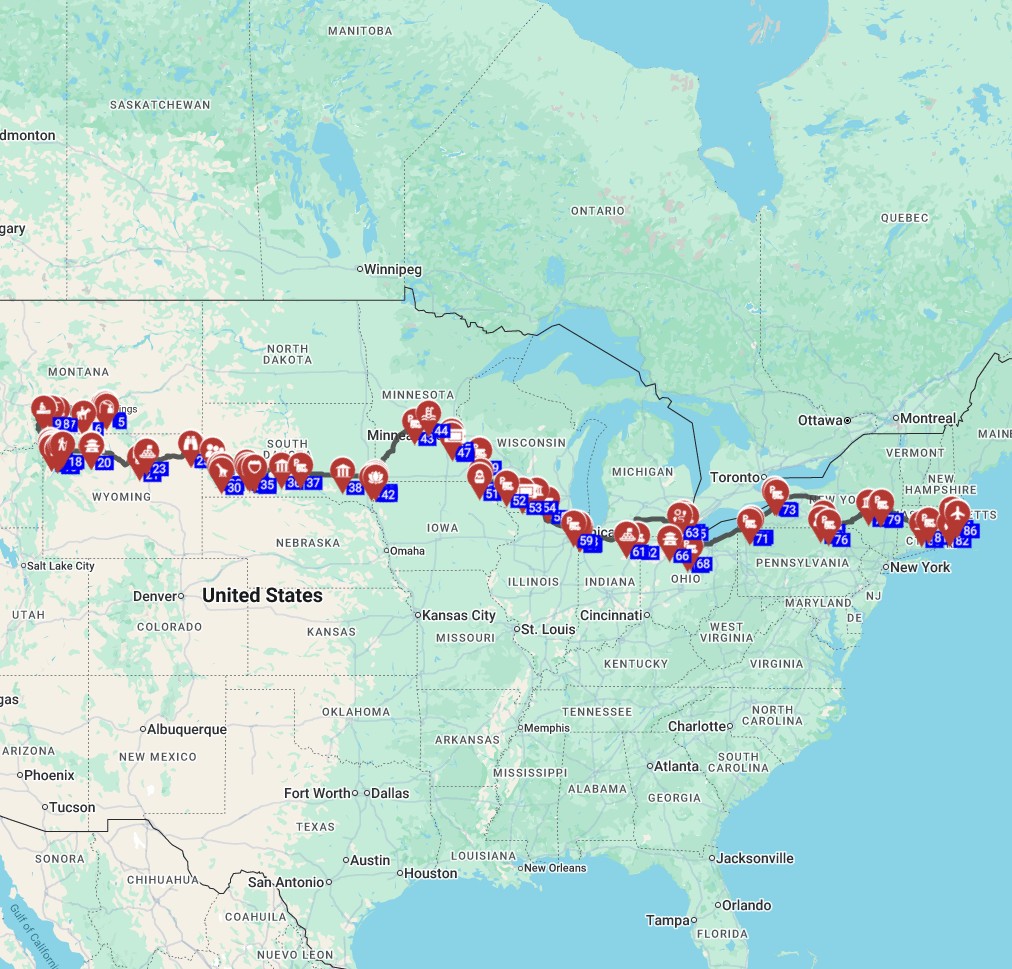
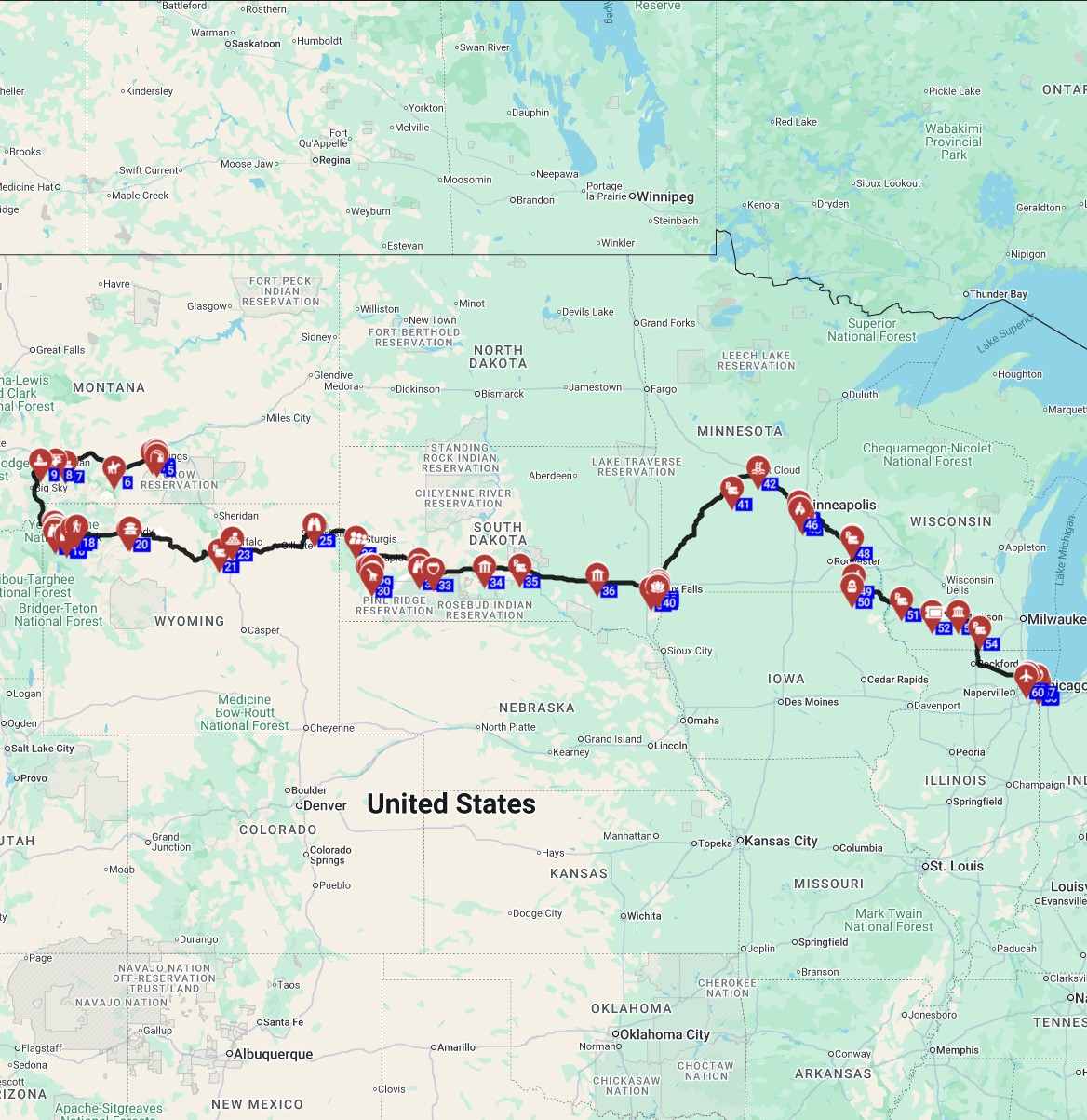
Central North US offers a captivating tapestry of landscapes and experiences, making it an ideal destination for a budget-friendly RV adventure. This region, encompassing states like Minnesota, Wisconsin, Michigan, North Dakota, South Dakota, Iowa, and Nebraska, boasts everything from pristine lakes and vast prairies to rolling hills and the mighty Mississippi River. For a truly immersive journey, a recommended minimum trip duration is 7 days, though a more comprehensive 14-day exploration is highly advised to truly appreciate the diversity. Expect to cover approximately 1500-2000 km (900-1200 miles) for a 7-day trip and 3000-4000 km (1800-2500 miles) for a 14-day adventure. The best seasons for travel are late Spring (May-June) or Fall (September-October) to enjoy pleasant weather, vibrant scenery, and fewer crowds, while avoiding the peak summer heat and potential winter road closures or spring thaw conditions that can affect the upper Midwest. Remember to check the RV PLANET routes for detailed segment planning and to track all your expenses along the way.
7-Day Classic Route in Central North US
Embark on a captivating 7-day RV journey through the heart of the Central North US, focusing on natural beauty and charming towns. This itinerary kicks off in Minneapolis, MN, heading towards St. Cloud, MN (approx. 70 miles/110 km). Highlights include exploring the renowned Minnehaha Park and the scenic Lake Minnetonka, with a recommended sleep at St. Cloud COE Campground. Day 2 takes you from St. Cloud to Duluth, MN (approx. 150 miles/240 km), offering stunning views of Lake Superior, the historic Canal Park, and the iconic Split Rock Lighthouse. Overnight at Indian Point Campground. Day 3 involves a short drive to Bayfield, WI (approx. 70 miles/110 km), a gateway to the Apostle Islands National Lakeshore, with options for a ferry to Madeline Island and exploring local orchards. Stay at Dalrymple Lake Campground. On Day 4, meander through the Chequamegon-Nicolet National Forest from Bayfield to Eau Claire, WI (approx. 140 miles/225 km), perhaps sampling local craft breweries, and settling in at Lake Wissota State Park. Day 5 continues to La Crosse, WI (approx. 100 miles/160 km), known for its dramatic Mississippi River bluffs and vibrant historic downtown, with a stay at Pettibone Park Campground. Day 6 offers a scenic drive to Rochester, MN (approx. 70 miles/110 km), with a potential stop at the National Eagle Center in Wabasha and enjoying more river views, parking at Chester Woods Park Campground. Finally, Day 7 completes the loop from Rochester back to Minneapolis (approx. 90 miles/145 km), allowing time to experience the Mayo Clinic area before returning your rental RV. This route provides a fantastic taste of the region's diverse offerings.
14-Day Extended Journey in Central North US
For a more in-depth exploration, consider this 14-day itinerary through the Central North US, blending natural wonders with cultural experiences. Days 1-3 focus on Minnesota's Lakes & Northwoods, starting from Minneapolis and traveling through Brainerd to Itasca State Park (approx. 250 miles total). Immerse yourself in the Brainerd Lakes Area, visit Paul Bunyan Land, and stand at the Headwaters of the Mississippi in Itasca State Park, camping at various state park campgrounds. Days 4-6 venture into South Dakota's dramatic landscapes (approx. 600 miles), from Itasca, MN, to Sioux Falls, then onward to the Badlands National Park and the Black Hills region (Custer State Park/Mt. Rushmore). Must-see stops include Wall Drug, the unique Badlands formations, Mt. Rushmore, the Crazy Horse Memorial, and wildlife viewing in Custer State Park. Camp at KOA or private campgrounds near the parks. Days 7-9 explore Nebraska and Iowa's Cowboy Country & Prairies (approx. 400 miles), traveling from Custer, SD, to Valentine, NE, and then to Omaha. Enjoy tubing on the Niobrara National Scenic River, driving the Cowboy Trail, and visiting the renowned Henry Doorly Zoo. Stay at state or private campgrounds. Days 10-11 delve into Iowa's Farmlands & Mississippi River (approx. 350 miles), from Omaha, NE, to Des Moines and then Dubuque. Explore the Iowa State Capitol, the National Mississippi River Museum, and enjoy scenic drives, camping at state or private facilities. Finally, Days 12-14 cover Wisconsin Dells and the return to Minneapolis (approx. 300 miles), experiencing the 'Waterpark Capital of the World,' Mirror Lake State Park, and enjoying a relaxed final leg before returning your RV. This extended journey allows for a richer understanding of the region's varied appeal.
Recommended RVPlan Trip for Central North US
While there isn't a specific pre-matched RVPlan trip available for the Central North US at this moment, Rent-Motorhome highly recommends exploring our extensive range of ready-made itineraries. These professionally curated trips are designed to optimize your journey, ensuring you experience the best of your chosen region without the hassle of planning. You can find diverse options perfectly suited for RV travel across various durations and interests by visiting our RVPlan section. Leveraging these pre-planned routes can significantly simplify your trip preparation, allowing you to focus on the adventure itself. For instance, if you're drawn to the natural beauty of Minnesota's North Shore, a pre-planned itinerary can highlight the best scenic drives and must-visit viewpoints.
Must-See Stops Along the Way (Avi Bandana Picks)
Avi Bandana's personal picks for a memorable Central North US RV adventure focus on authentic local experiences. Look for traditional diners serving regional specialties like Wisconsin cheese curds, Minnesota hotdish, or South Dakota chislic to savor local flavors. Seek out local markets, especially farmer's markets in charming small towns, for fresh produce, artisan goods, and a glimpse into community life. Consider visiting a local brewery, winery, or distillery for a taste of the region's burgeoning craft scene. Explore a historic site related to pioneering, logging, Native American culture, or the rich agricultural history to truly connect with the area's heritage and understand region-specific challenges like navigating older rural infrastructure.
Daily Driving Distances & Drive Times in Central North US
Avi Bandana recommends a maximum of 100 miles or 150 km per day on average for an RV trip, especially when exploring the Central North US. This slower pace allows for spontaneous stops, unhurried exploration of charming towns, and fully experiencing the natural beauty without feeling rushed. For example, driving from Minneapolis, MN, to Duluth, MN, is approximately 150 miles (240 km), taking about 2.5-3 hours of driving. A longer stretch, like Sioux Falls, SD, to Badlands National Park, SD, is around 180 miles (290 km), requiring 3-3.5 hours of driving. Shorter, more manageable drives like Milwaukee, WI, to Madison, WI, are about 80 miles (130 km) and take just 1.5 hours. While major interstates are generally smooth, be prepared for narrower rural roads and always check bridge clearances in older, smaller towns when venturing off the main routes—a key region-specific RV challenge to keep in mind for a safe journey.
Best RV Class for This Itinerary — Couple & Family Picks
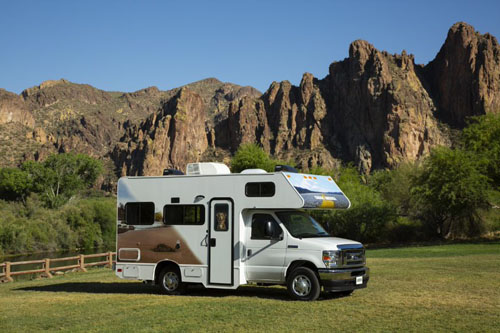
For couples seeking flexibility and ease of navigation on Central North US roads, the **Class B - Camper Van** is an ideal choice. These nimble vehicles, averaging 5.8 meters in length, are easy to drive and park, making them perfect for exploring both city attractions and remote natural areas. With an average sleeping capacity for 3.2 people and 2.7 adults from Bandana's global fleet, it offers comfortable living quarters for two without the bulk of larger RVs. Bandana's fleet typically sees a common fuel consumption of around 8-10 Liters/100 km, making it a cost-effective option for longer journeys through varied terrains. For families embarking on a Central North US adventure, the **Class C - Alcove** RV will be a fantastic fit. Offering more space and amenities, these models average 7.5 meters in length and comfortably sleep an average of 5.8 people, with capacity for 4.4 adults. This class provides distinct sleeping areas, a larger kitchen, and more storage, crucial for family comfort. With a typical fuel consumption of 10-12 Liters/100 km from Bandana's global fleet, it balances space with reasonable running costs. The additional living space is invaluable for longer trips with children, especially during unexpected weather changes common in the region. For ideas you can prep on the road, watch our RV-friendly recipes playlist on YouTube.
No matter your choice, Rent-Motorhome’s 'Rent & Plan' service is designed to remove the planning headache. This service provides not only your chosen RV rental but also a ready-made itinerary crafted by travel experts, complete with full access to our trip-planning software, ensuring a seamless and enjoyable Central North US adventure, particularly valuable for first-time RVers addressing common anxieties and practicalities. You can compare various motorhome options by looking at RV PLANET routes to find the perfect fit for your family's needs.
What is the 3-3-3 rule for RVing?
The 3-3-3 rule for RVing is a popular guideline suggesting travelers drive no more than 300 miles, arrive at their destination by 3 PM, and stay for a minimum of 3 nights. Driving no more than 300 miles helps prevent driver fatigue and allows for enjoyment of the journey rather than just covering ground. Arriving at your campground by 3 PM provides ample daylight for campsite setup, exploration, and addressing any unexpected issues. Staying for at least 3 nights reduces the feeling of constantly moving, saves on fuel costs from frequent relocations, and allows for deeper immersion in a particular location or its unique local attractions. On the routes offered through RV PLANET routes, you can itemize and track every expense along the way for easy budgeting.
What is the 4 4 4 rule for RV?
The 4-4-4 rule for RV travel is a variation of pacing guidelines, recommending driving no more than 4 hours, no more than 400 miles, and arriving by 4 PM. Limiting daily driving to 4 hours prioritizes reducing time behind the wheel for driver comfort. Covering no more than 400 miles is a slightly more aggressive daily mileage compared to the 3-3-3 rule, suitable for travelers needing to cover more ground efficiently. Arriving by 4 PM still provides sufficient time for campsite setup and settling in before nightfall, offering a balance between travel and relaxation.
What state is most RV friendly?
While 'most RV friendly' can be subjective, states known for abundant public lands, numerous campgrounds, and welcoming RV communities, such as Arizona, Florida, and California, are often cited. However, for Central North US, states like **South Dakota** stand out for their accessibility to major attractions and numerous camping options, including boondocking opportunities. South Dakota, within the Central North US, is particularly RV-friendly due to its iconic destinations like Badlands National Park, Custer State Park, and Mt. Rushmore, all surrounded by extensive camping options, including significant access to dispersed camping on public lands. Key factors contributing to RV friendliness include the availability of diverse campgrounds (public, private, and boondocking sites), accessible dump stations, clear local regulations for overnight parking, sufficient fuel station access, and a variety of scenic drives. In the Central North US, be mindful that RV friendliness can be impacted by seasonal weather (e.g., winter road closures) and varying cell service availability in more remote areas, crucial considerations for digital nomads.
Can Google Maps do RV routes?
While Google Maps does not currently offer a dedicated 'RV routing' feature that considers vehicle dimensions, weight, or propane restrictions, it can be used for general navigation, with users needing to manually verify routes for RV-specific constraints. Google Maps does not account for critical RV limitations such as low bridge clearances, weight limits, propane tunnel restrictions, or dangerously steep grades. RVers must manually check for these specific restrictions, especially when venturing onto secondary roads or into older urban areas in the Central North US. Dedicated RV navigation apps like RV LIFE Trip Wizard, CoPilot RV, or Gaia GPS (for off-road/dispersed camping) are highly recommended as they integrate RV-specific data, helping first-time RVers avoid common navigation pitfalls. Downloading offline maps in any navigation app is essential for travel in more remote parts of the Central North US where cell service availability can be spotty.
What is the 2 2 2 rule for RV travel?
The 2-2-2 rule for RV travel is a conservative guideline recommending driving no more than 200 miles each day, arriving at your campsite by 2 PM, and staying for a minimum of 2 nights. This rule promotes a leisurely pace, minimizing driving fatigue and maximizing opportunities for spontaneous stops and local exploration. An early arrival by 2 PM provides ample time for campsite setup, relaxation, and potential afternoon activities before sunset. Extended stays of at least 2 nights allow for deeper immersion in a location, reducing the constant packing and unpacking cycle, and are particularly ideal for first-time RVers or families with young children seeking a slower travel style.
What is the 3-3-3 rule for RVs?
The 3-3-3 rule for RVs is a common travel strategy advising RVers to drive a maximum of 300 miles per day, aim to arrive at their destination by 3 PM, and plan to stay at least 3 nights in each location. Limiting daily driving to around 300 miles is a balanced approach that prevents driver fatigue while still allowing significant ground to be covered. Targeting an early afternoon arrival by 3 PM provides sufficient time for campsite hook-ups, settling in, and exploring the immediate area before dark. Encouraging longer stays of at least 3 nights helps travelers fully experience destinations, reduces fuel consumption from frequent moves, and fosters a more relaxed and enjoyable pace for the entire RV journey.
What is the 4-4-4 rule for RV travel?
The 4-4-4 rule for RV travel suggests limiting daily driving to 4 hours, covering no more than 400 miles, and arriving at your campground by 4 PM. Focusing on a maximum of 4 hours of driving per day is a key aspect, prioritizing the driver's comfort and alertness over covering maximum distance. The guideline of covering no more than 400 miles allows for efficient travel, appealing to those who wish to reach destinations more quickly while still maintaining a schedule. Arriving by 4 PM ensures enough daylight remains for campsite setup, connecting utilities, and settling into the new environment without rush, which is particularly helpful in locations with varying daylight hours.
What is the best free RV trip planner?
The best free RV trip planner often depends on individual needs, but for basic mapping and POI discovery, Google Maps can be supplemented. More specialized, community-driven free resources like AllStays (basic features) and Campendium offer robust campground and service information without a subscription. Community-driven apps such as Campendium and iOverlander are excellent free resources for finding diverse campgrounds (including boondocking sites), dump stations, and water points, with valuable user reviews and photos, particularly useful for exploring Central North US's dispersed camping opportunities. Ensure any chosen app or method allows for offline map downloads, which is crucial for navigating remote areas in the Central North US where cell service availability and connectivity challenges are common. For a truly free and highly customizable planning approach, a simple spreadsheet combined with official state park websites and Google Earth can be very effective, allowing for detailed budget breakdowns and cost-saving tips tailored to local fuel costs and specific campground prices in the Central North US.
What is the 2 2 2 rule for camping?
The 2-2-2 rule for camping is a straightforward guideline for RVers, suggesting that you drive no more than 200 miles each day, arrive at your campsite by 2 PM, and stay for a minimum of 2 nights. This rule promotes a leisurely pace, minimizing stress and maximizing the enjoyment of each stop and the journey itself. An early arrival by 2 PM provides ample time for campsite setup, exploring the immediate area, and relaxing before dinner, preventing rushed evenings. Extended stays of at least 2 nights allow for deeper immersion in a location, reducing the feeling of constantly packing and unpacking, and are particularly beneficial for first-time RVers and families seeking a relaxed experience.
What is the most scenic road trip in the US?
While the 'most scenic' road trip in the US is highly subjective and depends on personal preference, iconic routes like California's Pacific Coast Highway (Highway 1), Montana's Going-to-the-Sun Road, or parts of the Blue Ridge Parkway are frequently cited. Yet, for the Central North US, the **North Shore Scenic Drive** along Lake Superior in Minnesota and Wisconsin offers unparalleled beauty. The North Shore Scenic Drive (Highway 61 in MN) provides stunning views of Lake Superior, majestic waterfalls (such as Gooseberry Falls), historic lighthouses (Split Rock Lighthouse), charming lakeside towns, and access to the Apostle Islands National Lakeshore, highlighting unique local attractions. Other notable scenic drives in the Central North US include portions of the Great River Road along the Mississippi River and routes through the Black Hills of South Dakota, offering diverse natural beauty from river bluffs to pine-covered mountains. When planning, consider seasonal impacts: Fall foliage in Wisconsin and Michigan's Upper Peninsula provides breathtaking views, but always be mindful of spring thaw conditions or early winter weather in the upper Midwest that can affect road accessibility and seasonal amenities.
What You Shouldn't Miss
- Explore the Boundary Waters Canoe Area Wilderness periphery (Minnesota): Use your RV as a basecamp near Ely or Grand Marais to access trails and lakes on the edge of this vast wilderness.
- Drive the North Shore Scenic Drive (Minnesota/Wisconsin): Experience stunning Lake Superior views, waterfalls, and lighthouses, with plenty of RV-friendly pull-offs.
- Discover the Badlands National Park (South Dakota): Marvel at the surreal geological formations and enjoy scenic drives through this otherworldly landscape.
- Visit Custer State Park and the Black Hills (South Dakota): Navigate the iconic Needles Highway and Iron Mountain Road (with caution for RVs), and see Mount Rushmore.
- Drive portions of the Great River Road (Mississippi River): Enjoy scenic routes through charming towns in Wisconsin and Iowa, with numerous RV parks along the way.
- Experience the quirky Corn Palace (South Dakota): Make a unique roadside stop to see the ever-changing, corn-adorned exterior of this South Dakota landmark.
Final Thoughts
Renting an RV and exploring the Central North US is an incredible way to experience the heartland of America at your own pace. From the vast prairies of the Dakotas to the Great Lakes shores of Minnesota and Wisconsin, this region offers a wealth of scenic beauty and cultural richness. Remember to travel slowly, savoring the journey and connecting with the local culture, food, and scenery. Planning is key, but the freedom and flexibility that come with an RV rental make it all worthwhile.
We encourage you to embrace the spirit of adventure and discover the unique charm of the Central North US in a rented RV. With Bandana Caravan, finding the perfect vehicle and planning your route is straightforward, allowing you to focus on creating unforgettable memories. Get inspired for your next trip and discover top destinations, planning tips, all in one place! Plan a trip itinerary in advance with minimal effort and maximum enjoyment.
Ready to hit the road? Use our platform to compare RV rental prices and book your Central North US adventure. You'll find a spot. If not at the first campground, then the next one. Call ahead before driving to confirm availability and any specific site requirements.