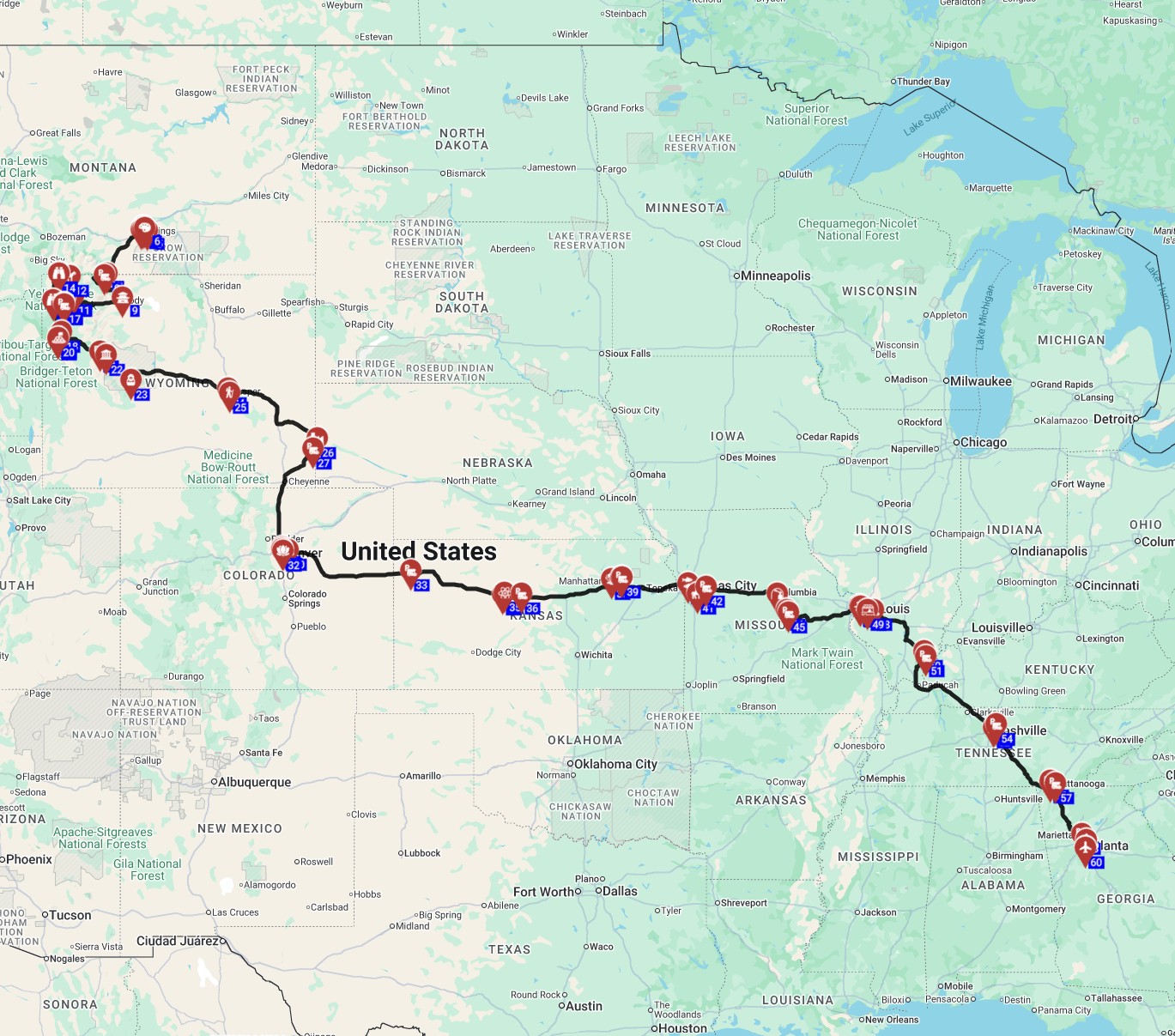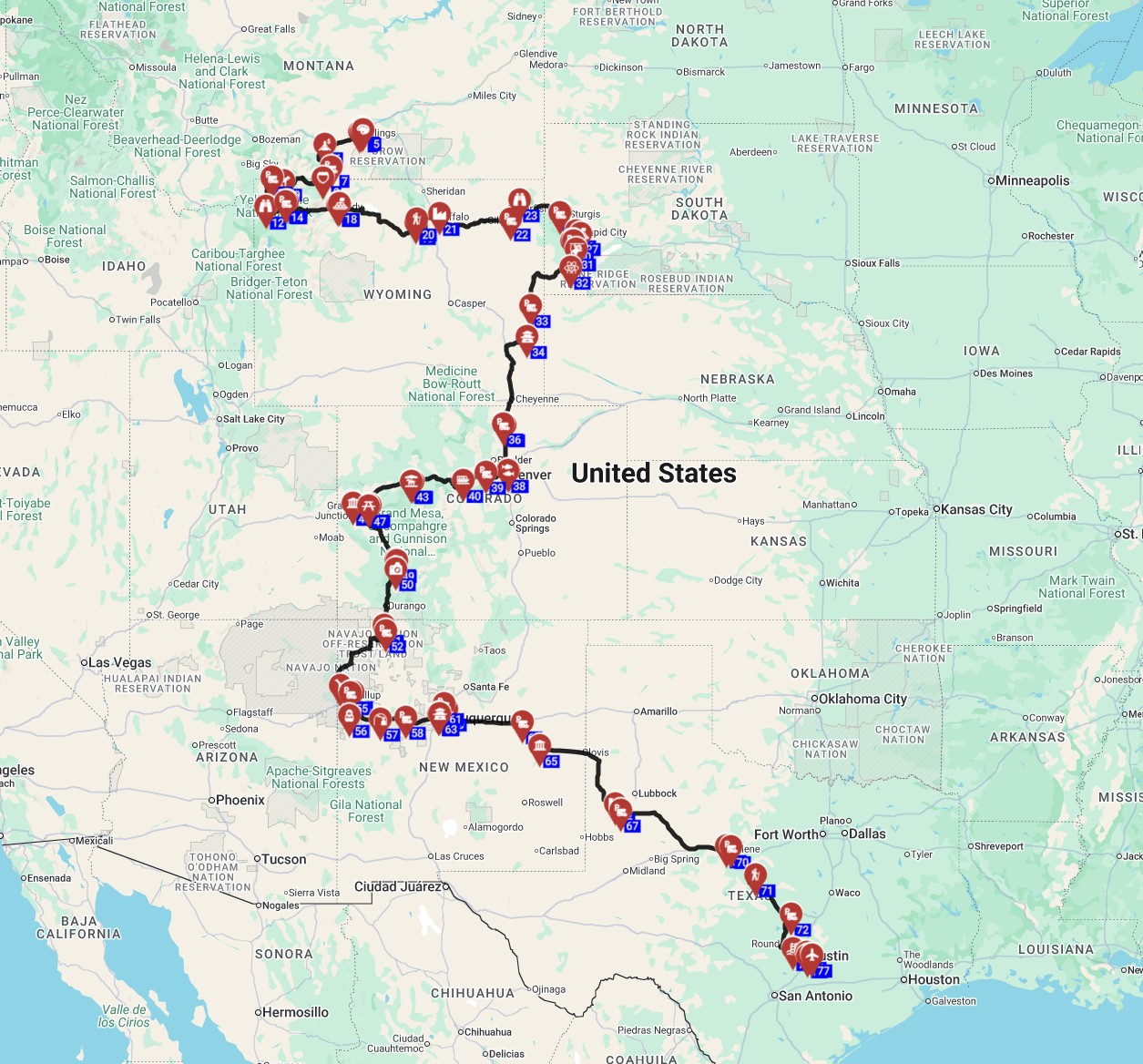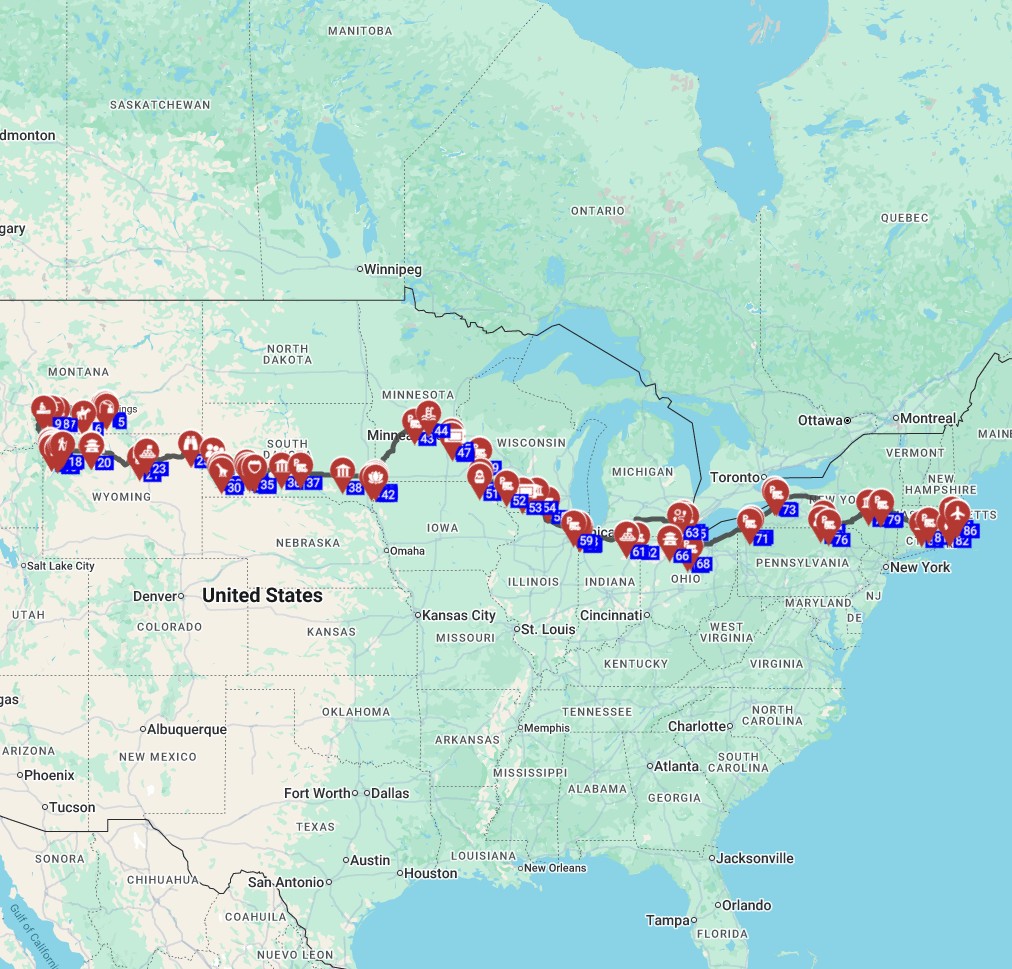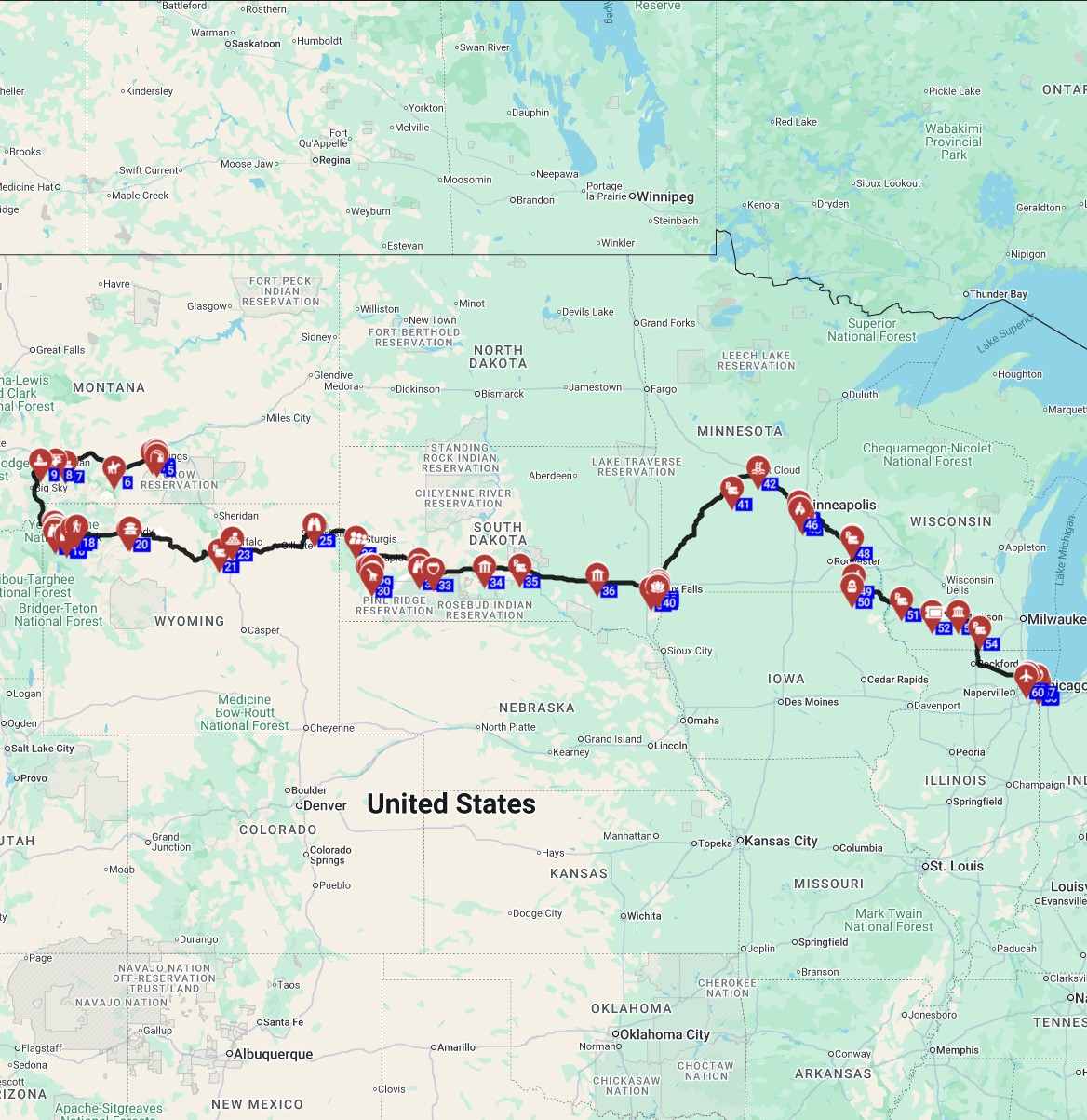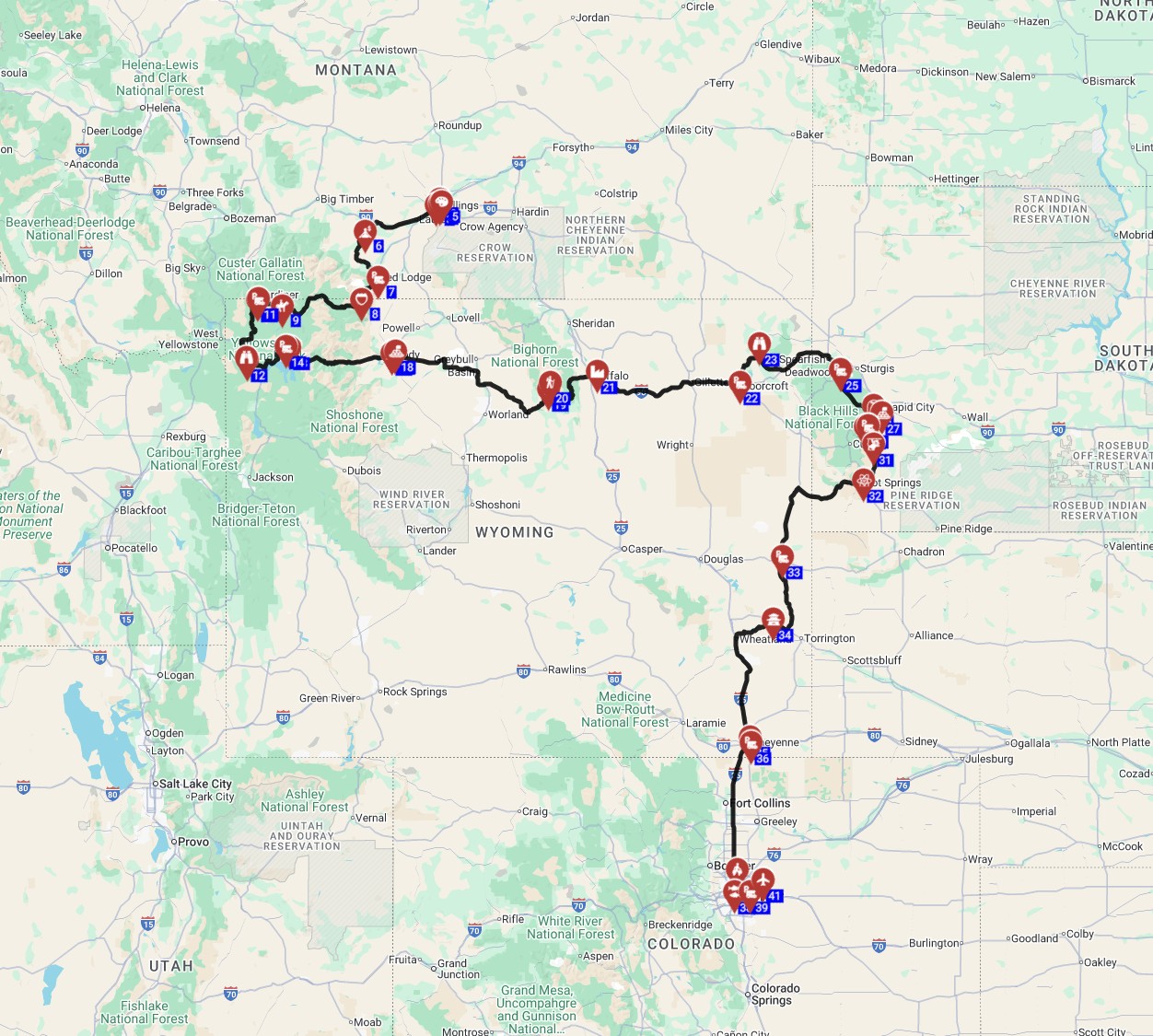
For live availability and current prices, start with our RV Rental Central North US - Complete Guide 2026 guide.
In This Guide
- Can You Drive an RV in Central North US? License & Age Rules
- Road Conditions & Terrain in Central North US
- RV Size Limits, Bridges & Restricted Zones
- Fuel: Diesel vs. Petrol & Cost per 100 km
- Tolls, Vignettes & Border Rules
- Driving Tips for Cheap RV Rental Travelers
- Recommended RV Class for Central North US Roads
- Should I Choose a Compact Van Instead of a Large RV in Central North US?
- Can I Park Anywhere? Free & Wild Camping Rules in Central North US
- Can I Drive an RV Into the City Center? Heights, Tunnels & Local Signage
- What is the 3-3-3 rule for RV driving?
- What size RV can you drive without a special license?
- What is the 4-4-4 rule for RV travel?
- What is the 3-3-3 rule for RV?
- Which state is the most RV friendly?
- Can I sleep in my RV at Walmart?
- What is the cheapest state to register an RV in?
- What's the biggest RV you can drive without a special license?
- Who has the least expensive RV insurance?
- How do I lower my RV insurance cost?
- What You Shouldn't Miss
- Why Book with Bandana Caravan
- Final Thoughts
- Frequently Asked Questions
Dreaming of wide-open spaces, iconic roadside attractions, and the freedom of the open road? A cheap RV rental in Central North US is your ticket to an unforgettable adventure across America's heartland. From the rolling plains of Kansas to the towering Black Hills of South Dakota, this region offers a diverse landscape perfectly suited for motorhome exploration.
At Bandana RV, we believe everyone deserves the joy of RV travel without hidden fees or surprises. We're true RV specialists, founded in 2001, with over two decades of dedicated experience helping tens of thousands of travelers explore the world by RV. We partner with over 50 leading RV suppliers worldwide, including trusted names like El Monte and Cruise America, to bring you full price transparency and a wide selection of motorhomes and campervans. For live availability and current prices, start with our RV Rental Central North US - Complete Guide 2024 guide, which covers everything you need to know for planning your journey.
Can You Drive an RV in Central North US? License & Age Rules
Most motorhomes in the U.S., including Class B campervans, Class C alcove models, and many Class A integrated RVs, can be driven with a standard Class D driver's license, provided their Gross Vehicle Weight Rating (GVWR) is under 26,000 pounds (approximately 11,793 kg). A Commercial Driver's License (CDL) is only required for RVs exceeding 26,000 pounds GVWR or those towing exceptionally heavy trailers in some states, which is generally not applicable to rental motorhomes. Foreign drivers will need a valid driver's license from their home country; an International Driving Permit (IDP) is recommended for clarity, especially for non-English licenses, but it is not mandatory in most cases for tourists. The minimum driver age for RV rentals is 21 years old across our platform, with no young driver surcharges or vehicle class restrictions based on age, ensuring accessibility for a wide range of adventurous travelers.
Road Conditions & Terrain in Central North US
Road quality across the Central North US is generally good, featuring a network of well-maintained interstates and state highways that make for smooth RV travel. The terrain primarily consists of vast, flat plains, gentle rolling hills, and some forested areas, with significantly fewer mountainous passes compared to the western states, which often translates to easier driving and better fuel economy for your rented RV. Be prepared for diverse and sometimes unpredictable weather patterns, including heavy snow and ice in winter, severe thunderstorms and potential tornadoes in spring and summer, and notable temperature swings year-round. Rural routes and state parks may feature gravel or unpaved sections, requiring careful driving and reduced speeds for a comfortable journey, especially for those seeking a cheap RV rental in Central North US on a budget. Always check local weather forecasts and road conditions before embarking on a new leg of your journey to ensure a safe and enjoyable trip.
RV Size Limits, Bridges & Restricted Zones
The Central North US, similar to most of the U.S., generally accommodates all sizes of rented RVs on its primary road networks, with federal height limits typically set around 13 feet 6 inches (4.1 meters). While the open roads are vast, drivers should always pay close attention to roadside signage for lower clearance limits, particularly when approaching older bridges, small town underpasses, or specific state and national park entrances. Unlike some parts of Europe, you generally won't encounter 'environmental zones' in the Central North US that restrict RV access based on emissions. For water crossings, any applicable ferry limits for length and weight will be clearly specified, so it's always wise to check in advance if your route includes such passages. Remember, common sense and paying attention to signs will allow you to drive almost anywhere without issues.
Fuel: Diesel vs. Petrol & Cost per 100 km
Most rented RVs in the Central North US operate on either petrol (gasoline) or diesel fuel, both of which are widely available at numerous service stations across the region. Diesel engines, often found in larger Class A motorhomes, generally offer better fuel efficiency, typically averaging 12-17 L/100km (approximately 14-18 miles/gallon for models like the MHC30, which has a 320-liter fuel tank). Smaller rented RVs, such as Class B campervans (like the `Category Van`), usually consume less fuel, often around 8-10 L/100km, while Class SI semi-integrated and Class C alcove models (like the Cruise America Explorer or 24 Class C Motorhome) generally fall in the 10-12 L/100km range. To estimate your fuel cost per 100 km, multiply your RV's average liters per 100 km by the current average fuel price per liter in the Central North US, which can fluctuate daily. Many RV rental providers, including some of Bandana's partners, may offer fuel discount cards or programs, which can significantly help offset travel costs for budget-conscious renters. When planning your budget for ancillary trip costs like fuel, tolls, and campground fees, remember that RV PLANET routes allow travelers to itemize and track every expense for easy budgeting. On the routes offered through RV PLANET routes, you can itemize and track every expense along the way for easy budgeting.
Tolls, Vignettes & Border Rules
The Central North US, like the rest of the United States, operates on a system of toll roads, bridges, and tunnels rather than a European-style vignette system for road usage. Toll roads are less prevalent in this region compared to bustling coastal areas but can still be encountered, particularly around major metropolitan areas like Minneapolis or on specific interstate sections. Many of these tolls are electronic and may not accept cash, requiring a transponder (like E-ZPass) or pre-registration for plate recognition to avoid potential fines. It’s advisable to check your planned route for tolls and understand payment options in advance. When traveling between states within the Central North US or to neighboring U.S. states, there are no internal border rules or customs checks, ensuring seamless travel. Some RV rental suppliers offer the convenience of pre-purchasing toll passes as an add-on, which can streamline your trip and help you stay on budget, aligning with our commitment to full transparency and no hidden fees.
Driving Tips for Cheap RV Rental Travelers
When embarking on a cheap RV rental adventure in Central North US, careful planning is key to a smooth and budget-friendly trip. Firstly, always plan your route using RV-specific GPS or apps to identify roads suitable for your vehicle, locate petrol or diesel stations, and find campgrounds, especially since services can be spread out in the vast, rural areas of the Central North US. Secondly, regularly monitor local weather forecasts; the region experiences diverse and sometimes severe weather, from heavy snow in winter to thunderstorms and potential tornadoes in spring and summer, so being prepared is essential for your safety and comfort. Thirdly, meticulously budget for fuel, as it will be one of your primary ancillary costs for long stretches of driving; consider utilizing any available fuel discount cards to save money. Fourth, adhere to the slow travel philosophy: plan stops every 2-3 hours and aim for a maximum of 100-150 km per day on average, allowing ample time to prevent driver fatigue and connect to the local culture, food, and scenery. Finally, be aware that cell service can be spotty in remote areas of the Central North US; download offline maps and store vital contact information before you lose signal, ensuring you can always find your way or contact support if needed.
Recommended RV Class for Central North US Roads
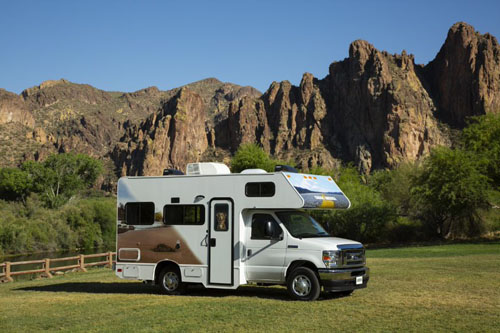
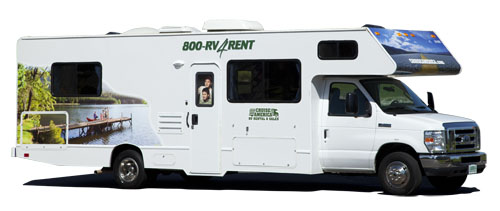
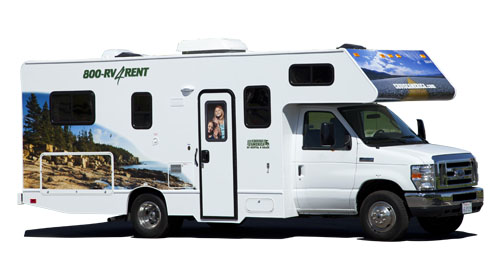
For families or groups seeking a comfortable and amenity-rich experience in Central North US, a Class C Alcove RV is highly recommended for its excellent balance of space and drivability. These motorhomes, like the `24' Class C Motorhome` (averaging 7.46 meters long, sleeping up to 5 people) or a `Category Large 5 AT` (accommodating up to 5 people with double beds), are well-suited for the region's roads, offering comfortable beds, full kitchens (perfect for preparing RV-friendly recipes playlist), and often a shower and toilet. For couples or smaller groups prioritizing maneuverability and better fuel economy, a Class B Camper Van (like the `Hi5 Camper` or `Deuce`, averaging 5.8 to 6.7 meters and sleeping 2-3 people) is an excellent choice, providing a more compact footprint while still offering essential amenities. Both Class C and Class B models from Bandana's diverse fleet are perfectly suited to the varied road conditions, from wide interstates to charming state park roads, providing a practical and budget-friendly option for your cheap RV rental in Central North US. While larger Class A Integrated RVs (like the Class A - Thor ACE 30, averaging 9.37 meters) offer maximum luxury, the more modest Class B and C options provide superb value and ease of handling for exploring the heartland.
Should I Choose a Compact Van Instead of a Large RV in Central North US?
The choice between a compact campervan and a larger motorhome for your Central North US adventure depends largely on your group size and desired amenities, as the region's infrastructure is largely accommodating for all RV sizes. A compact campervan, such as a Class B model (like the `Active Compact` or `Van - Economy`), which averages around 5-6 meters in length, certainly offers advantages in terms of fuel efficiency and easier parking in tighter spots found in smaller towns or some popular campgrounds. However, larger RVs, including Class C or Class A motorhomes (averaging 7-9 meters+), provide significantly more indoor living space, private showers and toilets, and greater amenities, which often outweigh the minor maneuverability benefits of a smaller vehicle, especially for extended road trips or families with kids. Remember, Bandana always advises: "Drive slowly and carefully, and you can drive almost anywhere without issues. No need to stress - just use common sense and pay attention," regardless of RV size. So, consider how much time you plan to spend inside your rented RV versus exploring the vast outdoors when making your decision.
Can I Park Anywhere? Free & Wild Camping Rules in Central North US
In the Central North US, "free camping" or "wild camping" (often referred to as boondocking) is generally restricted on private land and within most state or national parks unless you secure a designated campsite or a specific permit. However, legitimate opportunities for free overnight parking do exist on public lands managed by the Bureau of Land Management (BLM) and within National Forests, typically found in more remote areas. Many large retail stores, such as Walmart, as well as truck stops and some casinos in the region, often permit free overnight RV parking with prior permission from store management; these are intended as temporary, one-night stops, not full-service campgrounds. It is crucial to always ask permission first, as policies vary by individual location and local ordinances. Regardless of where you choose to park your rented RV, always adhere to 'Leave No Trace' principles by packing out all trash and waste and being mindful of local environmental regulations to preserve these beautiful areas for everyone. Before you embark on your trip, searching for campsites via rvplan.net is highly recommended, as it is a great resource for locating available spots along your planned route.
Can I Drive an RV Into the City Center? Heights, Tunnels & Local Signage
Yes, you can almost always drive an RV into city centers within the Central North US, as most urban areas are designed to accommodate standard vehicle sizes. The key to a stress-free experience is to pay close attention to all local signage, particularly those indicating height limits for tunnels, underpasses, and parking garages, which are the primary restrictions for RVs. Be mindful of one-way streets, narrow lanes, and residents-only parking zones in older or more congested city districts, and drive slowly and carefully. While Central North US cities generally do not have European-style environmental zones, some may have specific truck routes or restricted areas for oversized vehicles, so always keep an eye out for local ordinances. Finding parking for a larger RV in a city center can be challenging; a practical approach is to park your rented motorhome on the outskirts of the city and utilize public transport or ride-sharing services to explore the downtown area, or seek out designated RV-friendly parking lots if available.
What is the 3-3-3 rule for RV driving?
The '3-3-3 rule' for RV driving is a popular guideline that promotes a leisurely and enjoyable travel pace for motorhome renters. This rule recommends driving no more than 300 miles (approximately 480 km) in a single day, which helps prevent driver fatigue and allows for spontaneous stops to explore local points of interest. It also advises arriving at your destination by 3 PM, providing ample daylight to set up your campsite and relax before evening. The third '3' suggests staying for a minimum of 3 nights at each location, encouraging a deeper connection to the place, its culture, and its scenery. This approach is particularly beneficial for first-time or budget-conscious RVers, as it reduces the rush and maximizes the vacation experience.
What size RV can you drive without a special license?
In most U.S. states, including those in Central North US, you can drive almost any motorhome with a Gross Vehicle Weight Rating (GVWR) of up to 26,000 pounds (approximately 11,793 kg) using a standard Class D driver's license. This weight threshold encompasses the vast majority of commonly rented RVs, including all Class B campervans, Class C alcove models, and many Class A integrated motorhomes available from our suppliers like Cruise America and El Monte. Only RVs exceeding this specific weight or those towing very heavy trailers typically require a non-commercial Class B or Class A license, or a Commercial Driver's License (CDL) in some limited scenarios. Always verify the exact licensing requirements with your specific state's Department of Motor Vehicles (DMV) for complete peace of mind before renting an RV.
What is the 4-4-4 rule for RV travel?
The '4-4-4 rule' for RV travel is a variation of the more common 3-3-3 rule, designed for those who prefer a slightly quicker pace while still promoting safe and enjoyable motorhome journeys. This guideline suggests limiting daily driving to no more than 400 miles (approximately 640 km), which helps maintain driver alertness and reduces the risk of fatigue on longer stretches. It also advises stopping by 4 PM, allowing sufficient time for arriving at your campground, setting up your rented RV, and enjoying the afternoon and evening at your destination. The final '4' recommends staying a minimum of 4 nights at each location, offering a good balance between covering ground and truly immersing yourself in the sights and sounds of the Central North US. This pacing helps make the most of your adventure.
What is the 3-3-3 rule for RV?
The '3-3-3 rule' for RV travel is a widely adopted guideline promoting a leisurely and safe RV experience, especially beneficial for exploring regions like Central North US. It advises limiting daily driving to approximately 300 miles (about 480 kilometers) to prevent fatigue and allow for spontaneous stops and discoveries along your route. The rule also suggests arriving at your overnight destination, whether a campground or approved overnight parking spot, by 3:00 PM to avoid driving in twilight or darkness, which can be challenging for larger RVs, and to facilitate comfortable campground check-in. Finally, it recommends staying a minimum of 3 nights at each location to fully experience the area, enjoy campground amenities, and reduce the stress of constant packing and unpacking, encouraging you to truly feel the place, connect to the culture, the food, and the scenery.
Which state is the most RV friendly?
While "RV friendly" is subjective and can depend on individual preferences, states like Florida, Texas, and Arizona are frequently lauded for their warm weather and extensive RV park infrastructure. However, for those specifically exploring the Central North US, states such as South Dakota and Minnesota offer unique RV friendliness with expansive national parks like Badlands National Park and Voyageurs National Park, scenic byways, and generally less crowded camping opportunities compared to more established RV destinations. Factors contributing to RV friendliness in this region include the high availability of public campgrounds and services, often favorable weather conditions during summer and fall, and affordable camping options. The Central North US is particularly friendly for nature lovers and those seeking outdoor adventures, often with lower overall costs than some coastal regions, making it a superb choice for a cheap RV rental vacation.
Can I sleep in my RV at Walmart?
Many Walmart stores, particularly in the less urbanized areas common throughout much of the Central North US, do permit overnight RV parking, but it is crucial to always ask for prior permission from store management. Walmart's policy is decentralized, meaning permission is granted at the discretion of individual store managers, and some locations (especially those in city centers or with local ordinances) strictly prohibit it. When permitted, RVers should always park discreetly, away from the store entrance, and avoid deploying awnings or slide-outs to respect other shoppers and local regulations. This option is intended as a temporary, one-night stop for travelers on the move and should not be treated as a full-service campground, with 'Leave No Trace' principles being paramount. For planned camping, remember that rvplan.net is a great resource for locating available campsites along your route.
What is the cheapest state to register an RV in?
The cheapest states to register an RV in are generally recognized as South Dakota, Montana, and North Dakota, all of which are either part of or border the Central North US region. These states are often appealing to RV owners, including those considering long-term or repeat rentals, because they typically have no sales tax on vehicles or offer very low annual registration fees. Factors influencing registration costs include state sales tax, annual renewal fees, and in some cases, personal property taxes on the vehicle. While Bandana specializes in RV rentals, understanding these registration aspects can be helpful context for overall RV economics. Researching specific state requirements and costs is essential, as these can change, and establishing residency may be a prerequisite for registering an RV in a particular state.
What's the biggest RV you can drive without a special license?
The biggest RV you can generally drive in the United States without needing a special license is one with a Gross Vehicle Weight Rating (GVWR) of up to 26,000 pounds (approximately 11,793 kilograms). This weight class comfortably covers the vast majority of motorhomes and recreational vehicles available for rent or purchase, including all Class B campervans, Class C alcove models (like the `29′ Class C Motorhome` with its 208-liter fuel tank), and many Class A models (such as the Class A - Thor ACE 30, which has a 302-liter fuel tank). A standard Class D (operator's) license is usually sufficient for these vehicles, provided you are not operating them for commercial purposes. There's no need to stress about needing a special license for a typical rented motorhome from our fleet; just use common sense and pay attention to road signs, and you can drive almost anywhere without issues.
Who has the least expensive RV insurance?
The least expensive RV insurance varies significantly based on individual factors such as the specific make and model of the rented RV, your personal driving history, your planned travel duration in the Central North US, and the coverage levels you choose. Major insurance providers commonly cited for offering competitive rates and specialized RV policies include companies like Progressive, GEICO, National General, and Good Sam Insurance Agency. At Bandana, while we don't provide insurance directly, we recommend comparison shopping and obtaining quotes from multiple insurers. This approach allows you to directly compare coverage options and pricing to find the best value for your trip, complementing our top-level deductible reimbursement option which you can upgrade to for extra peace of mind. Our full transparency means no hidden fees, ensuring you understand all costs associated with your RV rental.
How do I lower my RV insurance cost?
To significantly lower your optional RV insurance cost for a cheap RV rental in Central North US, several strategies can be employed. Firstly, consider increasing your deductible, as this will generally reduce your premium, though it means you'd pay more out-of-pocket in the event of a claim. Secondly, many providers offer discounts if you bundle your RV insurance with other policies, such as auto or home insurance, from the same company. Maintaining a clean driving record is crucial, as insurers often offer good driver or claims-free discounts that can substantially reduce your rates. Additionally, inquire about discounts for completing RV safety courses or for being a member of RV clubs. Choosing a more modestly priced RV, such as a Class B campervan, can also naturally result in lower premiums compared to insuring a larger, more luxurious Class A motorhome. Exploring options like our optional top-level deductible reimbursement can also enhance your peace of mind without a significant upfront insurance investment.
What You Shouldn't Miss
The Central North US, with its expansive landscapes and charming towns, offers a wealth of experiences perfect for a rented motorhome adventure. Here are some of our top picks:
- Badlands National Park, South Dakota: Explore a surreal landscape of dramatic buttes, pinnacles, and spires. The scenic Badlands Loop State Scenic Byway is perfect for RVs, offering stunning vistas and wildlife viewing, including bison and prairie dogs.
- Mount Rushmore National Memorial, South Dakota: Witness this iconic monument carved into the Black Hills. Nearby Custer State Park (home to the `4 Berth Adventurer` rental route plan) offers scenic drives like the Needles Highway and Iron Mountain Road, ideal for enjoying the view from your motorhome.
- Great Smoky Mountains National Park: While slightly south of the direct "Central North US" region, many travelers often combine it. This park, straddling North Carolina and Tennessee, is the most visited national park in the U.S., famous for its mist-shrouded peaks and diverse wildlife.
- Minneapolis-St. Paul, Minnesota: Explore the vibrant Twin Cities. Drive slowly and carefully, and you can enjoy their urban parks, museums, and food scenes, perhaps parking your rented RV on the outskirts and using public transport for ease.
- The Enchanted Highway, North Dakota: Take a detour off I-94 to experience the world's largest scrap metal sculptures dotting this 32-mile route, a truly unique and memorable roadside attraction.
- Lake Superior Scenic Byway, Wisconsin/Michigan: Drive along the stunning shores of the largest freshwater lake by surface area. Numerous campgrounds offer lakeside spots for your motorhome.
Looking for expert insights from Avi Bandana? Top 5 Adventures - recommendations from Avi Bandana.
Final Thoughts
Embarking on an RV adventure through the Central North US offers unparalleled freedom and the chance to discover America’s heartland at your own pace. Whether you’re seeking the natural beauty of national parks or the charm of small-town America, a rented motorhome provides the perfect mobile base. Remember to embrace the spirit of slow travel, averaging 100-150 km per day, allowing you to truly immerse yourself in each unique destination.
At Bandana RV, we're here to ensure your journey is as seamless and enjoyable as possible. With our transparent pricing, comprehensive supplier comparisons, and commitment to support, you can plan your cheap RV rental in Central North US with confidence. Discover top destinations and planning tips all in one place, or even plan a trip itinerary in advance with minimal effort and maximum enjoyment through RV PLANET.
Ready to hit the road? Compare Motorhome Prices for Central North US now and start planning an unforgettable adventure!