For live availability and current prices, start with our RV Rental New Zealand - Complete Guide 2026 guide.
In This Guide
- The 5 RV Families Compared for New Zealand
- Class A (Integrated) - Best For
- Price Comparison by RV Class in New Zealand
- Live price comparison
- Class SI (Semi-Integrated) - Best For
- Class C (Alcove) - Best For
- Class B (Campervan) - Best For
- Class TC (Truck Camper) - Best For
- Side-by-Side Comparison Table
- Our Recommendation for RV rental Travelers in New Zealand
- How much does an RV cost in New Zealand?
- Is it worth getting a campervan in New Zealand?
- How to get a cheap campervan in New Zealand?
- How much does it cost to rent a campervan in New Zealand for 2 weeks?
- What You Shouldn't Miss
- Why Book with Bandana Caravan
- Final Thoughts
- Frequently Asked Questions
Embarking on a motorhome adventure in New Zealand is an unparalleled way to explore its breathtaking landscapes, from the geothermal wonders of the North Island to the majestic fiords of the South Island. For live availability and current prices, start with our RV Rental New Zealand - Complete Guide 2024 guide. Renting an RV from one of New Zealand's major airports offers ultimate convenience, allowing you to hit the open road shortly after landing. Whether you're planning a week-long journey or an extended road trip, understanding the different vehicle options and rental specifics is key to an unforgettable experience. As true RV specialists, Bandana RV is dedicated to making your New Zealand RV rental process seamless, transparent, and joyful from the moment you start planning.
The 5 RV Families Compared for New Zealand
Choosing the right RV family is crucial for a New Zealand adventure, directly impacting your comfort, access to certain areas, and overall budget. New Zealand's varied terrain, from winding coastal roads to mountainous passes, and diverse climates require careful consideration of vehicle size and capabilities. Matching your rented RV to your group size, trip length, and desired travel style ensures an optimal experience, providing a mobile headquarters for exploring the country's natural beauty. We work with over 50 leading RV suppliers worldwide, including trusted partners like Apollo and Britz, to offer a wide selection of motorhomes and campervans to fit every travel need.
Class A (Integrated) - Best For
Class A integrated motorhomes, typically averaging 7.5 meters in length and sleeping around 4 to 6 people, are best suited for luxury travelers and larger groups seeking maximum comfort and amenities in New Zealand. These spacious vehicles, such as the impressive Class A - Thor ACE 30 with its large fresh water tank capacity of 189 liters, offer extensive living areas and onboard facilities, making them ideal for longer trips where comfort is a priority. Bandana's fleet data indicates fuel consumption around 11-12 liters per 100 km for these units, which is higher than smaller classes. Trade-offs include their larger size, which can be challenging on New Zealand's narrower roads and in some tighter parking spots, and generally higher rental and fuel costs. Drive slowly and carefully, and you can drive almost anywhere without issues. No need to stress - just use common sense and pay attention. On the routes offered through RV PLANET routes, you can itemize and track every expense along the way for easy budgeting.
Price Comparison by RV Class in New Zealand
RV rental pricing in New Zealand is dynamic, influenced by demand, season, and booking lead time, much like flight tickets. The table below provides a snapshot of real example prices from Bandana's live search for various durations and RV classes, offering a foundational estimate for your budgeting. Prices can start from as low as NZD $80 per day during the off-season for smaller campervans and go up to NZD $300 or more per day for larger, more luxurious motorhomes during peak season. Remember that these prices update daily, and for the most current rates, you can use the search box at the top of the page. When planning your budget, remember to factor in ancillary costs like fuel, campground fees, and inter-island ferry tickets; on RV PLANET routes, travelers can itemize and track every expense along the way for easy budgeting.
Check live prices
The above table provides an illustrative overview. For precise, real-time pricing and availability tailored to your travel dates and preferences, we encourage you to use our intuitive comparison platform.
🎬 Video coming soon
Class SI (Semi-Integrated) - Best For
Class SI semi-integrated motorhomes, averaging 6.9 meters in length and comfortably sleeping around 3 to 4 people, offer a superb balance of comfort, maneuverability, and efficiency, making them an excellent choice for many New Zealand travelers. Vehicles like the K4 or L1 typically feature a 140-liter fresh water tank and a 100-liter waste water tank, providing ample capacity for extended trips. Positioned between larger Class A units and smaller campervans, they provide sufficient living space without being overly cumbersome on New Zealand's diverse roads. With typical fuel consumption of 10-11 liters per 100 km from Bandana's fleet data, they are more fuel-efficient than Class A, offering a good compromise for couples or small families. These rented vehicles are ideal for those who desire modern amenities and a comfortable base while still easily navigating scenic routes and parking at various campsites. If you're looking for an excellent option, our RV Rental in New Zealand - Prices and Best Deals 2024 guide provides more insights.
Class C (Alcove) - Best For
Class C alcove motorhomes, characterized by the sleeping area extending over the cab and averaging 7.5 meters in length with sleeping for around 4 to 7 people, are particularly well-suited for families or larger groups traveling in New Zealand. These units, such as the spacious C-30 or 24 Class C Motorhome, offer generous sleeping places and comprehensive amenities, providing extra dedicated sleeping space and making them highly practical for those who value separate sleeping zones and overall passenger capacity. They offer a good balance of amenities and value, with typical fuel consumption from Bandana's fleet averaging 10-12 liters per 100 km. While their height makes them stand out, they remain manageable on most New Zealand roads and are a popular choice for their family-friendly layout and cost-efficiency.
Class B (Campervan) - Best For
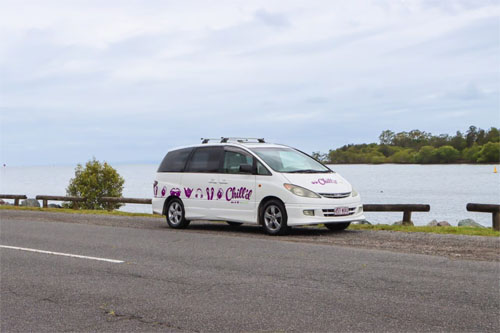
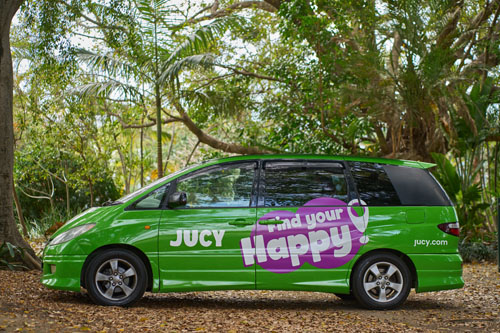
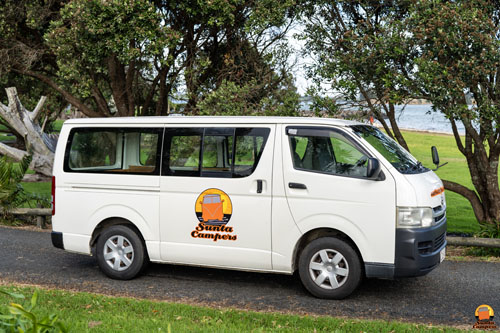
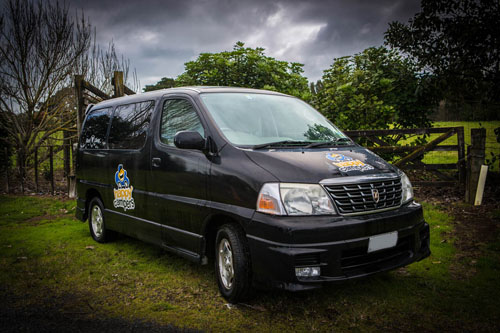
Class B campervans, compact and agile at an average length of 5.8 meters and sleeping around 2 to 4 people, are ideal for solo travelers or couples prioritizing maneuverability, fuel economy, and ease of parking in New Zealand. These smaller, van-based RVs are perfect for navigating city streets, winding scenic routes, and easily fitting into standard parking spots and smaller campsites. For instance, the Condo offers 4 sleeping places and has a 55-liter fresh water tank, making it suitable for compact adventures. Bandana's fleet typically reports fuel consumption around 10 liters per 100 km, making them a more economical option for fuel-conscious travelers. They offer essential amenities in a compact footprint, catering to adventurers who value flexibility and minimal setup, and are well-suited for accessing more remote, off-the-beaten-path locations. For great options, consult our Cheap RV Rental in New Zealand - Budget Guide 2024.
Class TC (Truck Camper) - Best For
For those seeking robust adventure and greater off-grid capabilities in New Zealand, some Bandana partners offer truck campers. These units, typically averaging 5.5 meters in length and sleeping around 2 to 3 people, are often mounted on a 4x4 truck chassis. They provide enhanced off-road potential, allowing access to more rugged terrain and secluded natural spots that larger motorhomes might struggle with. The Truck Camper, for instance, has a 122-liter fresh water tank and 65-liter waste water tank. While truck campers may offer a more compact living space than other classes, they are best for independent travelers or couples who prioritize exploration over spacious interiors. Their typical fuel consumption of 12-17 liters per 100 km can be higher than other classes due to the truck's robust engine and 4WD capabilities.
Side-by-Side Comparison Table
This table offers a quick comparative overview of the key features for each RV family available for rent, helping you quickly discern which type aligns best with your New Zealand travel plans:
| RV Class | Average Length (m) | Typical Sleeping Capacity | Approx. Fuel Consumption (L/100km) | Best For |
|---|---|---|---|---|
| Class A (Integrated) | 7.5 | 4-6 people | 11-12 | Luxury, large groups, long trips |
| Class SI (Semi-Integrated) | 6.9 | 3-4 people | 10-11 | Couples/small families, balance of comfort/maneuverability |
| Class C (Alcove) | 7.5 | 4-7 people | 10-12 | Families, groups, extra sleeping space |
| Class B (Campervan) | 5.8 | 2-4 people | ~10 | Solo/couples, maneuverability, fuel efficiency |
| Class TC (Truck Camper) | 5.5 | 2-3 people | 12-17 | Adventure, off-road, remote access |
Our Recommendation for RV rental Travelers in New Zealand
For most RV rental travelers exploring New Zealand, we primarily recommend a Class SI (Semi-Integrated) motorhome for its optimal balance of comfort, amenities, and maneuverability on diverse roads, suiting couples or small families perfectly. These vehicles offer a comfortable base for your adventures without being overwhelming to drive. As a strong runner-up, especially for larger families or groups up to 7 people, the Class C (Alcove) offers exceptional sleeping capacity and value, providing ample space for everyone without compromising too much on handling. For budget-conscious couples or solo adventurers focused on agility and accessing remote locations, the Class B (Campervan) is an excellent alternative, offering fuel efficiency and easy parking. Remember, a standard car driver's license is sufficient for all these motorhome classes, and there are no young driver surcharges for those aged 21 and above.
How much does an RV cost in New Zealand?
An RV rental in New Zealand typically ranges from NZD $80-$300 per day for the vehicle itself, but the total cost of an RV trip extends beyond just the rental fee to include significant variables like fuel, campground fees, food, activities, and inter-island ferry expenses. Rental prices fluctuate dramatically based on the season, with peak summer (December-February) being the most expensive due to high demand, and booking lead time, with early bookings often securing better rates. For example, booking 90+ days ahead can save an average of 25%. A comprehensive budget should allocate funds for fuel, which is a major cost due to New Zealand's distances and hilly terrain, various types of campgrounds ranging from free Department of Conservation (DOC) sites to premium holiday parks, groceries for cooking your own RV-friendly recipes playlist, and desired paid activities or tours. Factoring in the cost of the Interislander or Bluebridge ferry if traveling between the North and South Islands is also essential, as prices vary for RVs based on length and passengers. For detailed route planning and cost breakdowns, exploring RV PLANET routes allows travelers to itemize and track every expense along the way for easy budgeting.
Is it worth getting a campervan in New Zealand?
Yes, getting a campervan in New Zealand is highly worth it for travelers seeking unparalleled freedom, flexibility, and direct access to stunning landscapes and remote natural attractions often inaccessible by public transport. Imagine waking up to a different breathtaking view each morning, with your kitchen just steps away to prepare breakfast. The ability to set your own itinerary and cook your own meals offers an immersive and often cost-effective travel experience compared to relying on hotels and restaurants. Campervanning provides unique access to Department of Conservation (DOC) campsites and various holiday parks, enhancing the connection with New Zealand's '100% Pure' environment, provided 'self-contained' rules are understood and followed, which is crucial for legal camping outside designated sites. This mode of travel allows for spontaneous detours to hidden gems, adaptability to rapidly changing weather, and responsible exploration adhering to 'Leave No Trace' principles.
How to get a cheap campervan in New Zealand?
To secure a cheap campervan rental in New Zealand, booking well in advance (6-12 months out, especially for peak season, December-February) is a key strategy, as it often unlocks early bird discounts. Traveling during the shoulder or off-season (May-September) also significantly reduces rental costs and crowds. Being flexible with your exact travel dates and considering different pick-up and drop-off locations, including one-way RV rentals, can yield substantial savings. Opting for a smaller Class B campervan, such as the efficient Combi Van, over larger motorhomes will generally result in lower rental costs and better fuel efficiency, which is a major ancillary expense. Additionally, ensure your chosen campervan is 'self-contained' certified to legally access more affordable or free freedom camping sites, thereby reducing accommodation expenses throughout your trip. Bandana offers full price transparency, ensuring no hidden fees or surprises.
How much does it cost to rent a campervan in New Zealand for 2 weeks?
Renting a campervan in New Zealand for a two-week period can cost anywhere from approximately NZD $1,100 to $4,200 for the rental fee alone, depending significantly on the campervan class, time of year, and how far in advance you book. For example, a basic Class B campervan like the Crib during the shoulder season might cost closer to the lower end, whereas a larger, more luxurious Class C or SI, such as the rent campervan example Casa 6, during peak summer could easily reach the higher end. Beyond the rental price, budget an additional NZD $400-$800 for fuel, NZD $200-$500 for campground fees, and NZD $300-$700 for groceries over two weeks. Additional expenses like activities (e.g., NZD $500-$1000), optional insurance excess reduction (highly recommended for peace of mind, as Bandana offers top-level deductible reimbursement upgrades), and inter-island ferry tickets (if applicable, which could range from NZD $200-$400 for a motorhome) will further contribute to your total trip cost. This comprehensive estimate ensures you cover all major expenses for your two-week adventure, helping you plan a memorable trip without financial surprises.
What You Shouldn't Miss
New Zealand offers a mosaic of incredible experiences for RV travelers. Be sure to incorporate these into your itinerary or route plans:
- Milford Sound Cruise: Discover the majestic fiords of Fiordland National Park. A cruise through Milford Sound is a must-do, offering dramatic scenery, waterfalls, and wildlife sightings.
- Franz Josef and Fox Glaciers: Witness the rare sight of glaciers descending into temperate rainforest. Consider a guided hike or a scenic helicopter flight for a truly unique perspective.
- Rotorua's Geothermal Wonders: Immerse yourself in Māori culture and experience the vibrant geothermal activity in Rotorua, with bubbling mud pools, geysers, and hot springs.
- Queenstown Adventure: The "adventure capital of the world" lives up to its name. From bungee jumping and jet boating to serene lake cruises, there's an activity for every adrenaline level.
- Abel Tasman National Park: Enjoy golden sand beaches, turquoise waters, and lush coastal forests. Explore by kayak, water taxi, or walk parts of the Abel Tasman Coast Track.
- Hobbiton Movie Set Tour: For fans of The Lord of the Rings and The Hobbit, a visit to the meticulously preserved Hobbiton Movie Set in Matamata is a magical journey into Middle-earth.
Looking for expert insights from Avi Bandana? Top 5 Adventures - recommendations from Avi Bandana.
Why Book with Bandana Caravan
Full Transparency, No Hidden Fees
At Bandana, we believe in honest pricing. What you see is what you pay, with no surprise fees at pickup. We compare final prices across 50+ suppliers so you don't have to worry about unexpected costs.
True RV Specialists
We aren't a side department of a general travel agency. We are true RV specialists, founded in 2001, bringing over 23 years of dedicated experience to helping tens of thousands of travelers explore the world by RV.
Extensive Support & Peace of Mind
We're with you every step of the way: before, during, and after your booking. Our direct partnerships with 50+ leading RV suppliers worldwide, including popular names like El Monte, Cruise America, Apollo, and Britz, ensure you have real people behind you 24/7 for support. Plus, you can upgrade to a top-level deductible for extra peace of mind on your journey.
Expertly Crafted Routes & Discounts
Unlock an incredible adventure with Rent&Plan: choose from over 1,300 pre-planned routes across 5 continents via our sister company, RV PLANET. Planning your trip with rvplan.net rewards you with a 25% planning discount on your route itinerary.
With bookings available in over 30 currencies and coverage across 50+ countries, Bandana offers local expertise and unwavering support, making us the easiest, safest, and most affordable way to rent an RV.
Final Thoughts
New Zealand is truly a land of epic proportions, and there's no better way to immerse yourself in its magic than with a rented RV or campervan. From the moment you pick up your vehicle at one of New Zealand's bustling airports, you're free to chase the sun, explore hidden coves, and wake up to views that will leave you speechless. Remember to travel slowly, averaging a maximum of 100-150 km per day, allowing yourself ample time to connect with the culture, the incredible food, and the dramatic scenery that defines this unique country. Whether you opt for a compact campervan or a spacious motorhome, the freedom of RV travel in New Zealand is an adventure waiting to happen.
We at Bandana Caravan are passionate about RV travel and are here to support your dream trip. With our commitment to full transparency, 24/7 support (pre and post-booking), and a comprehensive selection of vehicles from trusted suppliers, we ensure your planning is stress-free. So, go ahead, compare your options, imagine the journey, and get ready to experience the wonders of New Zealand from the comfort and flexibility of your own mobile home.
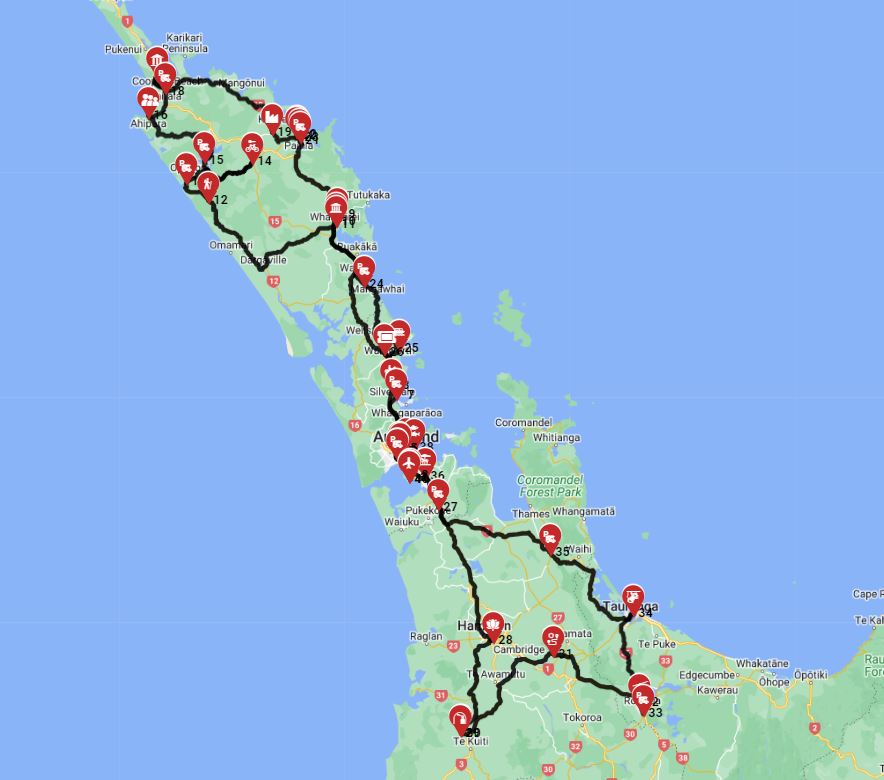
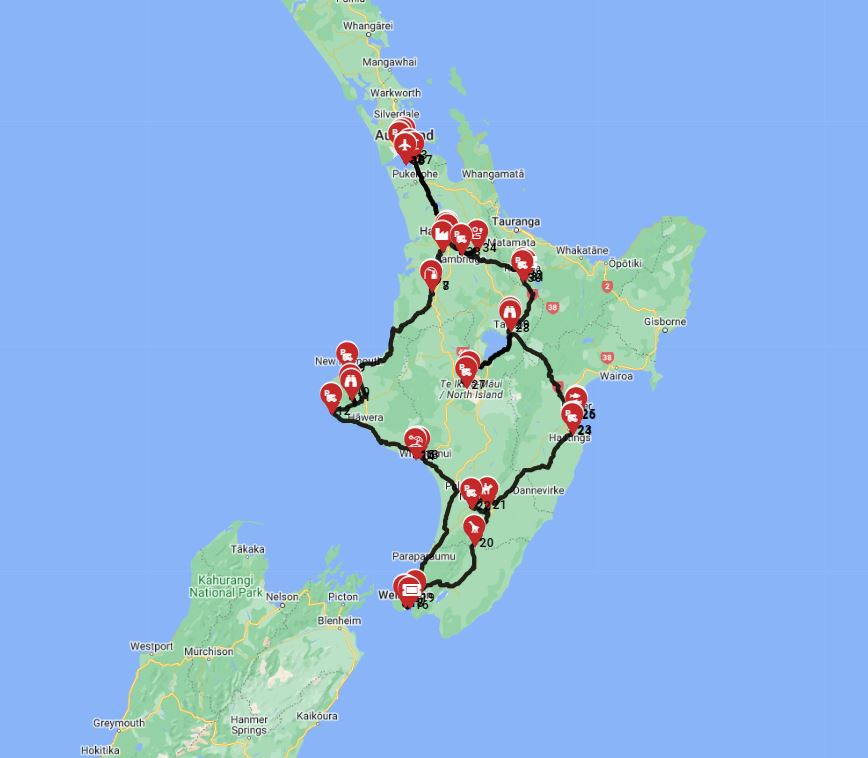
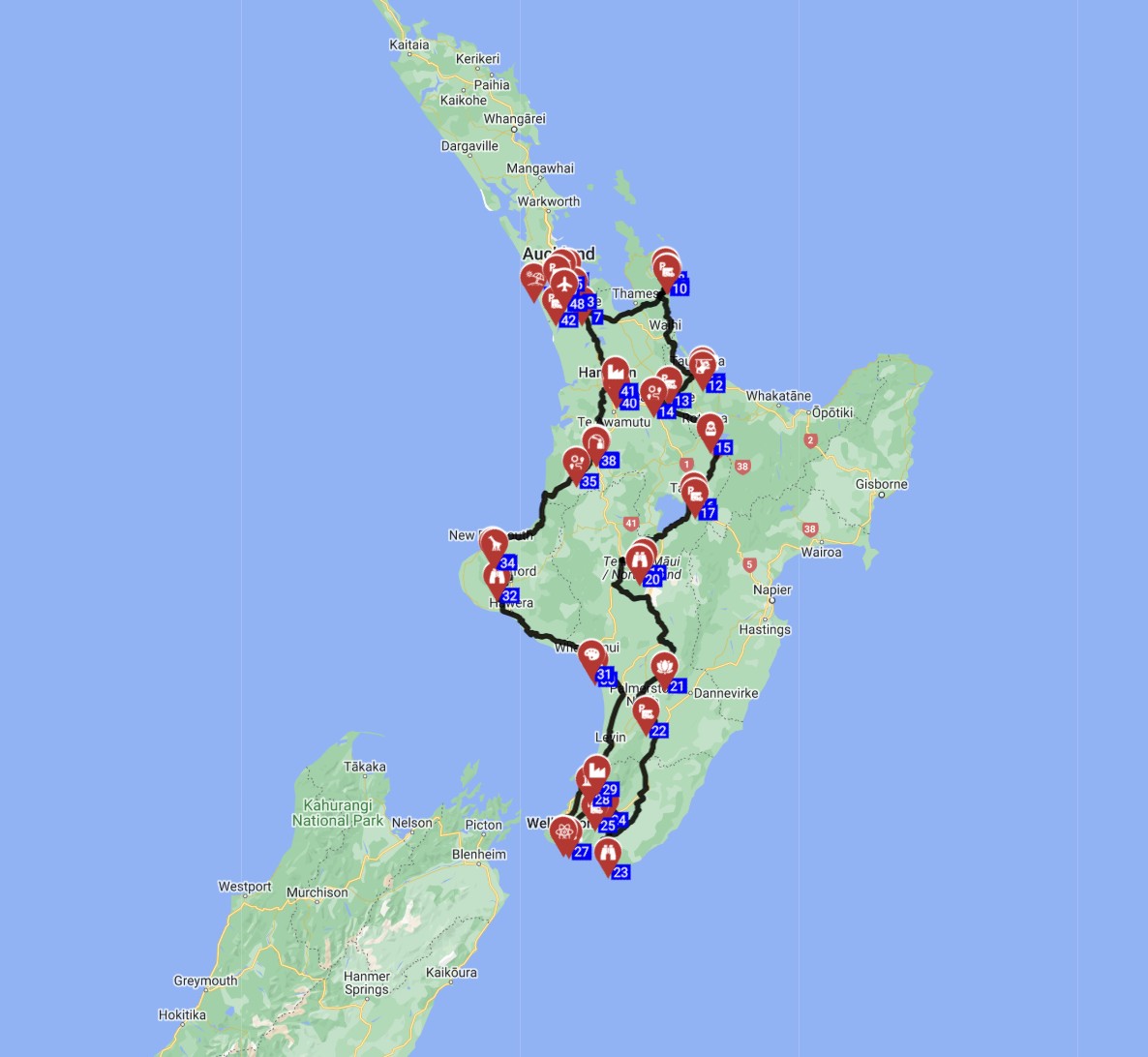
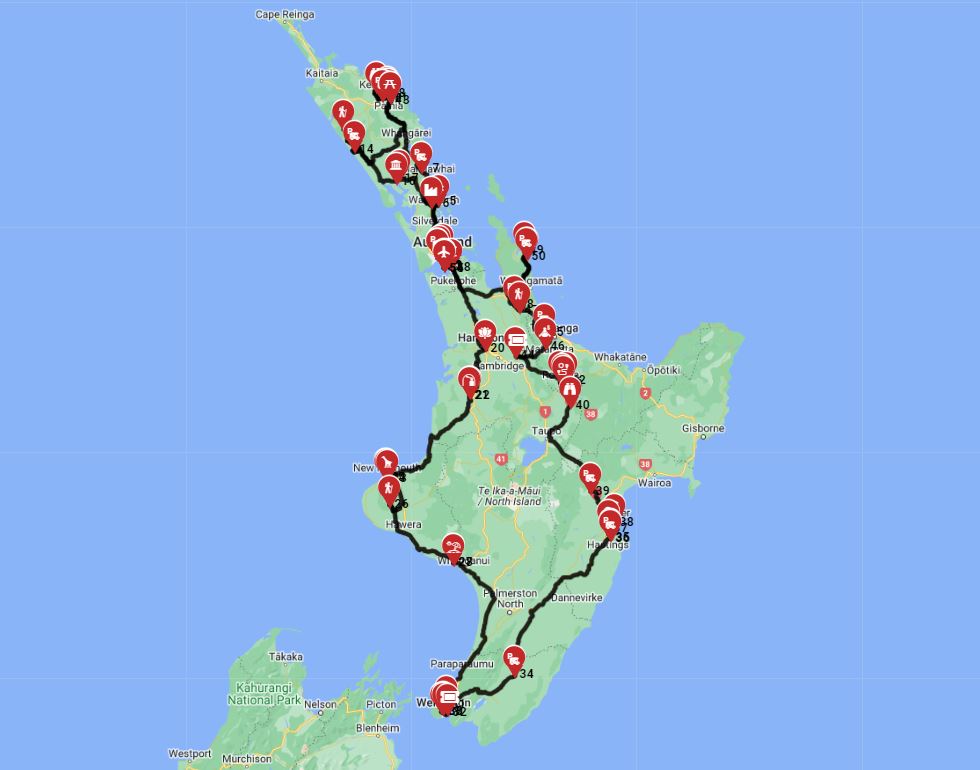
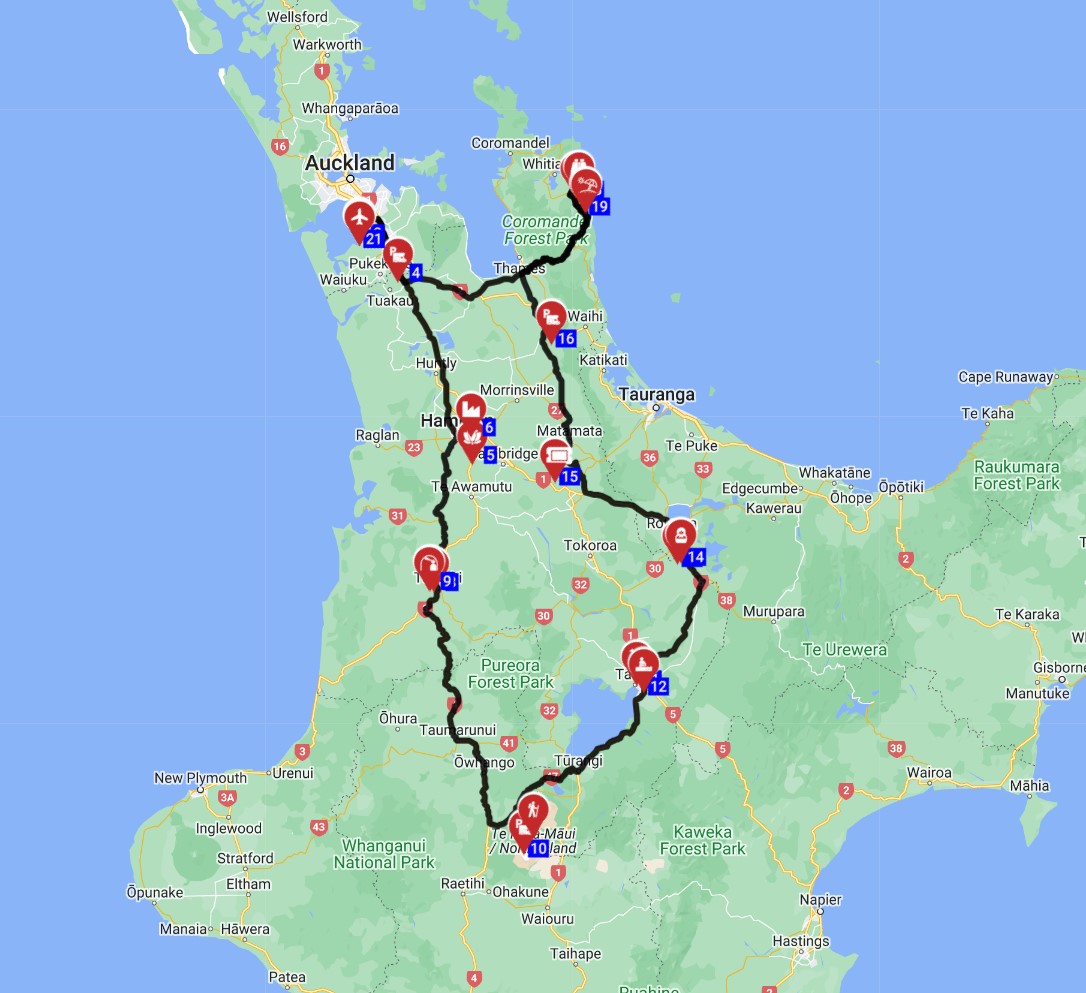
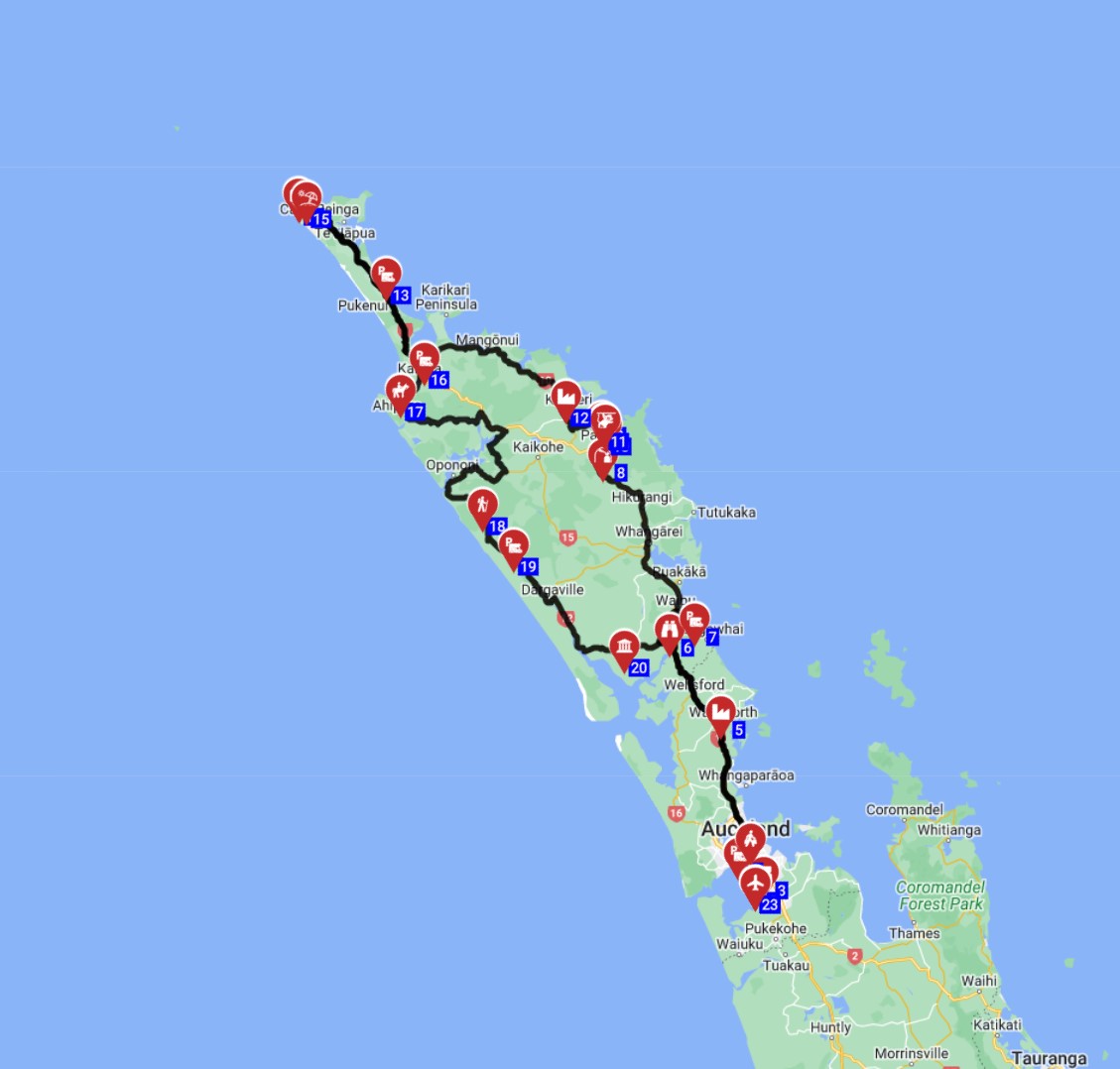
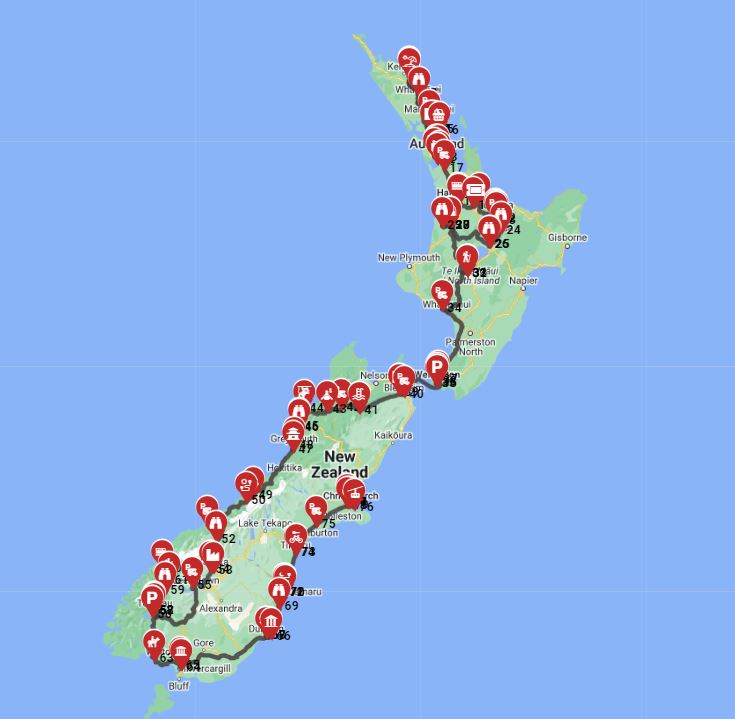
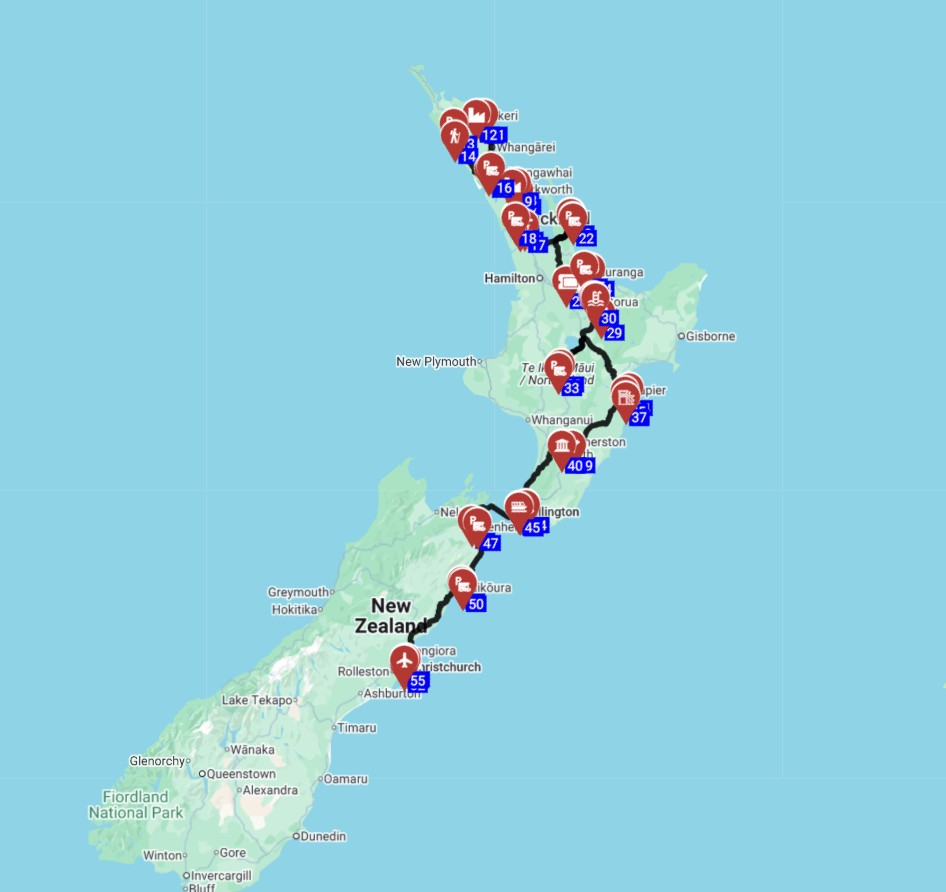
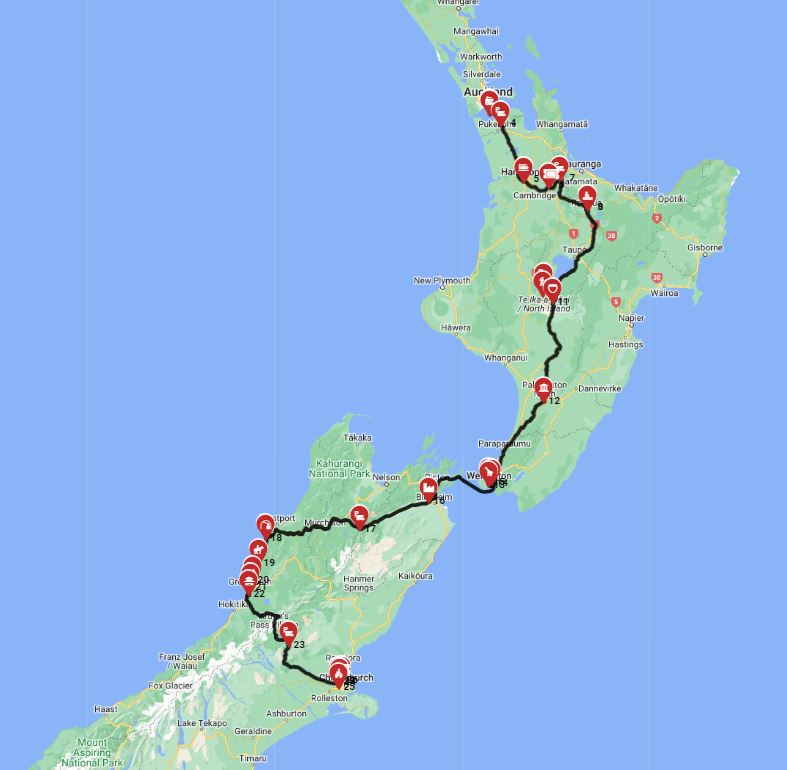
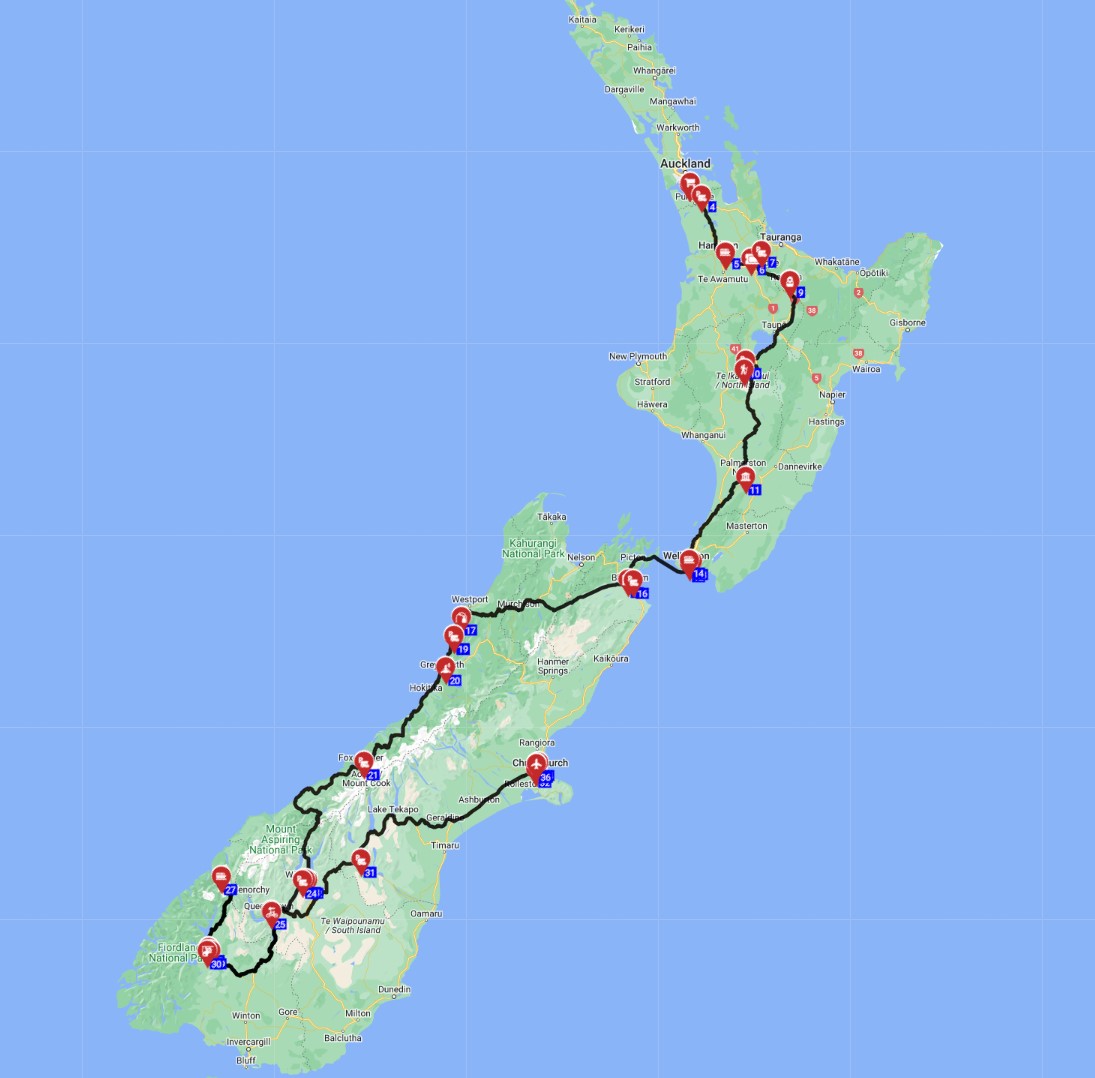
Discover top destinations and planning tips, all in one place! Plan a trip itinerary in advance with minimal effort and maximum enjoyment using RV PLANET to design your ultimate New Zealand road trip.
Find RV Rentals in Auckland, New Zealand