In This Guide
- The 5 RV Families Compared for Canada
- Class A (Integrated) - Best For
- Price Comparison by RV Class in Canada
- Class SI (Semi-Integrated) - Best For
- Class C (Alcove) - Best For
- Class B (Campervan) - Best For
- Class TC (Truck Camper) - Best For
- Side-by-Side Comparison Table
- Our Recommendation for airport rv rental Travelers in Canada
- What is the average cost to rent an RV in Canada
- Where can I pick up an RV in Canada
- Can I rent an RV in Canada for one way trip
- What are the rules for driving an RV in Canada
- How much does it cost to RV across Canada
- What is the best time of year to RV in Canada
- Is it cheaper to rent an RV or stay in hotels in Canada
- Do I need a special license to drive an RV in Canada
- What do you need to know about RVing in Canada
- What are the best RV routes in Canada
- What You Shouldn't Miss
- Why Book with Bandana Caravan
- Final Thoughts
- Frequently Asked Questions
🎬 Video coming soon
The 5 RV Families Compared for Canada
Matching an RV size and type to Canada's diverse terrain and climate is crucial for an optimal airport rental experience, ensuring both comfort and accessibility. When considering an RV for your Canadian adventure, it's essential to think about the trip length, the number of people in your group, and your desired level of comfort and maneuverability. Airport RV rentals require thoughtful planning to ensure the chosen vehicle suits Canadian roads, your travel style, and your budget for a seamless journey across this beautiful country. Whether you dream of navigating urban centers like Vancouver or exploring remote national parks, there's a perfect RV waiting for you.Class A (Integrated) - Best For
Class A (Integrated) motorhomes are best for luxury-seeking travelers or large groups, typically averaging 4.4 sleeping places, who are planning extended trips across Canada and desire spacious living and extensive amenities. These impressive units, often around 7.5 meters long, provide a home-like experience with ample storage, full-sized kitchens (equipped for your RV-friendly recipes playlist), and comfortable sleeping arrangements, making them ideal for long-haul touring from major airports. While they offer superior comfort, trade-offs include higher fuel consumption, averaging around 11-12 Liters/100 km, and less maneuverability in tight spaces or smaller provincial park roads compared to smaller RVs. An example of a well-equipped Class A is the "rent rv example E3" which features a TV and shower.Price Comparison by RV Class in Canada
RV rental prices in Canada vary significantly by RV class, rental duration, and season, as demonstrated by the live flex-rate table below. Since pricing is dynamic and changes daily based on availability and supplier decisions, this table pulls real example prices from Bandana's live search for various durations and RV classes. These prices are estimates and update daily; for the most current availability and pricing for your specific airport RV rental in Canada, check the search box at the top of the page. Booking well in advance, especially for popular summer months, typically secures more favorable rates. Keep in mind that beyond the rental cost, ancillary expenses like fuel, campground fees, and groceries contribute to the total trip cost; for detailed budgeting, explore RV PLANET routes which allow you to itemize and track every expense.Live April Price Comparison — RV Class × Trip Length
| Trip length | Class A | Class B | Class C | Class SI | Class TC |
|---|---|---|---|---|---|
| 1 week 15/04 → 22/04 | [Price_ClassType-A_PickupID-129_DropoffID-129_PickupDate-15/04_DropoffDate-22/04] | [Price_ClassType-B_PickupID-129_DropoffID-129_PickupDate-15/04_DropoffDate-22/04] | [Price_ClassType-C_PickupID-129_DropoffID-129_PickupDate-15/04_DropoffDate-22/04] | [Price_ClassType-SI_PickupID-129_DropoffID-129_PickupDate-15/04_DropoffDate-22/04] | [Price_ClassType-TC_PickupID-129_DropoffID-129_PickupDate-15/04_DropoffDate-22/04] |
| 2 weeks 15/04 → 29/04 | [Price_ClassType-A_PickupID-129_DropoffID-129_PickupDate-15/04_DropoffDate-29/04] | [Price_ClassType-B_PickupID-129_DropoffID-129_PickupDate-15/04_DropoffDate-29/04] | [Price_ClassType-C_PickupID-129_DropoffID-129_PickupDate-15/04_DropoffDate-29/04] | [Price_ClassType-SI_PickupID-129_DropoffID-129_PickupDate-15/04_DropoffDate-29/04] | [Price_ClassType-TC_PickupID-129_DropoffID-129_PickupDate-15/04_DropoffDate-29/04] |
| 1 month 01/04 → 30/04 | [Price_ClassType-A_PickupID-129_DropoffID-129_PickupDate-01/04_DropoffDate-30/04] | [Price_ClassType-B_PickupID-129_DropoffID-129_PickupDate-01/04_DropoffDate-30/04] | [Price_ClassType-C_PickupID-129_DropoffID-129_PickupDate-01/04_DropoffDate-30/04] | [Price_ClassType-SI_PickupID-129_DropoffID-129_PickupDate-01/04_DropoffDate-30/04] | [Price_ClassType-TC_PickupID-129_DropoffID-129_PickupDate-01/04_DropoffDate-30/04] |
Estimates only — flex-rate prices change daily based on availability and season.
Class SI (Semi-Integrated) - Best For
Class SI (Semi-integrated) motorhomes are best for couples or small families, averaging 3.8 sleeping places, seeking a balanced blend of comfort, maneuverability, and efficiency for their Canadian adventure. With an average length of 6.9 meters and fuel consumption around 10-11 Liters/100 km, they offer more living space than campervans while being easier to drive and park than larger Class A or C units. These are a versatile choice for airport RV rental travelers in Canada, providing a comfortable base for exploring both bustling cities and tranquil national parks. Many models, such as the "2 Berth Rover" or "Active Bunk Auto", come with automatic transmission for easier driving on varied Canadian roads.Class C (Alcove) - Best For
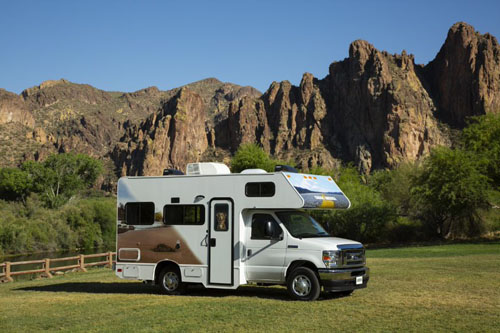
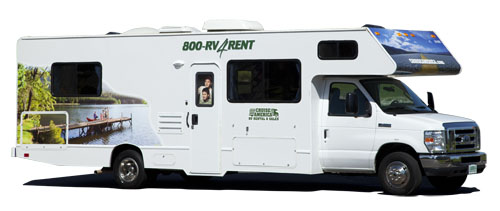
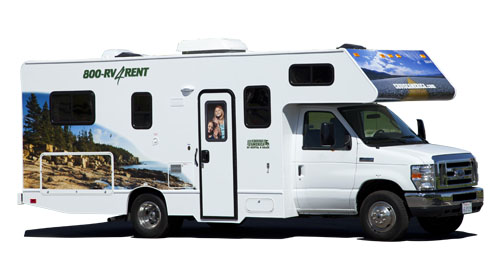
Class C (Alcove) motorhomes are best for families with children or larger groups, typically averaging 5.8 sleeping places, looking for a cost-efficient and comfortable RV rental in Canada, featuring the distinctive sleeping area over the cab. These vehicles, generally around 7.5 meters long, offer ample living and storage space, making them ideal for extended family road trips across Canada's varied landscapes. Their fuel consumption averages 10-12 Liters/100 km, providing a good balance of capacity and running costs, and they are generally easier to handle than Class A models on Canada's roads; drive slowly and carefully, and you can drive almost anywhere without issues. No need to stress - just use common sense and pay attention. The "24' Class C Motorhome" is a popular choice for families due to its spacious design.Class B (Campervan) - Best For
Class B (Campervan) RVs are best for solo travelers, couples, or small groups, averaging 3.2 sleeping places, prioritizing maneuverability, fuel efficiency, and ease of parking when exploring Canada. With an average length of 5.8 meters and excellent fuel economy, typically around 8-10 Liters/100 km, campervans are ideal for navigating urban areas like Vancouver or Montreal, accessing smaller provincial parks, or venturing onto more secluded routes. They offer a compact yet functional living space, making them perfect for those who value agility and a lower environmental footprint on their Canadian journey, perhaps exploring the "
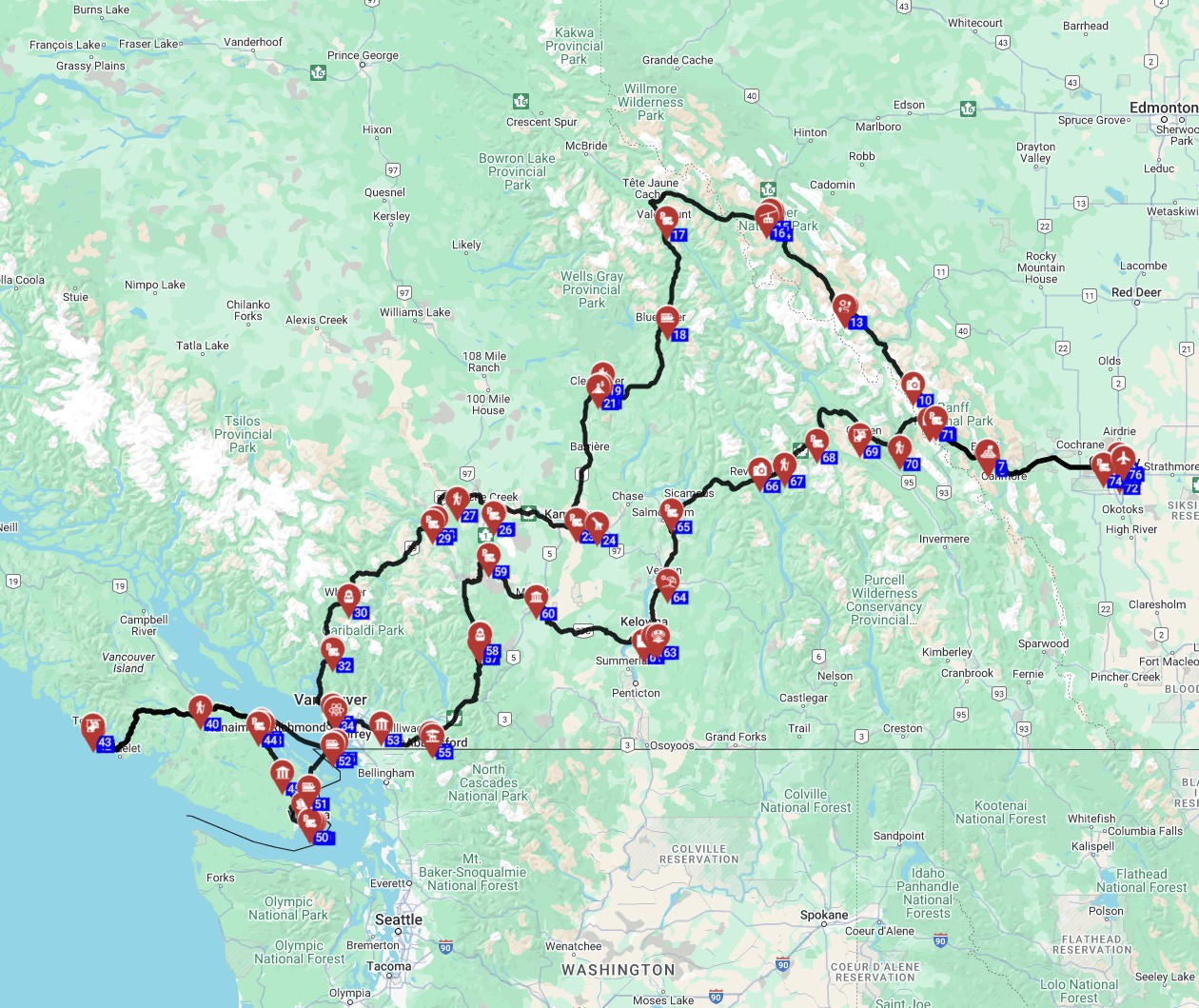
Vancouver Round Trip - West Canada Cycling Adventure
Class TC (Truck Camper) - Best For
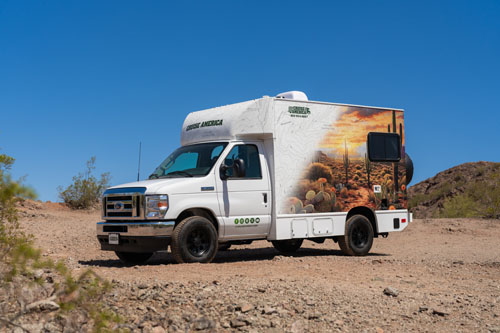
Class TC (Truck Camper) RVs are best for adventurous couples or solo travelers, averaging 2.4 sleeping places, seeking off-grid capabilities and access to remote Canadian areas, providing unparalleled flexibility. With an average length of 5.5 meters and the unique ability to detach from the truck, these campers offer superior off-road capability and the convenience of a separate vehicle once at camp, ideal for accessing rugged Canadian terrain where traditional motorhomes might struggle. While their fuel consumption can be higher (12-17 Liters/100 km) due to the truck base, their robust design suits wilderness exploration and allows for truly unique camping experiences in Canada's vast landscapes, perfect for tackling parts of the Dempster Highway. The "4x4 Scout Adventure Truck Camper Gold" exemplifies this type of rugged rental.Side-by-Side Comparison Table
This table provides a quick reference to compare key characteristics of different RV families commonly available for airport RV rental in Canada, helping you make an informed decision for your adventure.| Family | Avg Length (m) | Sleeps | Fuel Use (L/100km) | Best Use Case in Canada |
|---|---|---|---|---|
| Class A (Integrated) | 7.5 | 4.4 | 11-12 | Luxury, large groups, comfortable touring |
| Class SI (Semi-Integrated) | 6.9 | 3.8 | 10-11 | Couples/small families, balanced comfort and maneuverability |
| Class C (Alcove) | 7.5 | 5.8 | 10-12 | Families with children, cost-efficient, ample sleeping |
| Class B (Campervan) | 5.8 | 3.2 | 8-10 | Solo/couples, maneuverability, fuel efficiency, urban exploration |
| Class TC (Truck Camper) | 5.5 | 2.4 | 12-17 | Off-grid adventure, remote access, flexible travel |
Our Recommendation for airport rv rental Travelers in Canada
For most airport RV rental travelers in Canada, the **Class C (Alcove)** motorhome stands out as the primary recommendation due to its ideal balance of sleeping capacity (averaging 5.8 people) for families, cost-efficiency, and ease of driving on Canada's diverse road networks. Its family-friendly layout and generous storage make it practical for extended trips, ensuring comfort without the intimidation factor of a larger Class A unit. The **Class B (Campervan)** is an excellent runner-up, particularly for solo adventurers or couples prioritizing maneuverability, superior fuel economy (around 8-10 Liters/100 km), and the ability to access smaller provincial park sites or navigate urban centers with greater ease. Ultimately, the best choice depends on your group size, budget, and desired level of adventure; our team of true RV specialists can help you compare options from partners like El Monte, Cruise America, Apollo, and Britz to find your perfect match.What is the average cost to rent an RV in Canada
The average cost to rent an RV in Canada can range from approximately CAD $100-$300 per night for smaller campervans or Class C units, up to CAD $400-$600+ per night for larger, luxurious Class A motorhomes, with prices fluctuating significantly based on season, duration, and RV class. These costs are heavily influenced by the time of year, with peak summer (July-August) being most expensive due to high demand, the length of your rental (longer trips often have lower daily rates), your chosen pick-up location, and additional factors like mileage packages, insurance, and equipment rentals. Early booking, especially for popular summer months, can often secure better rates, with savings of up to 25% often found when booking 90+ days in advance. For flexible travelers, exploring off-peak dates or less popular pickup locations can also lead to significant savings on your Canada RV rental.Where can I pick up an RV in Canada
RV rentals in Canada are typically available for pick-up at major international airports and city hubs across the country, including Vancouver, Calgary, Toronto, Montreal, and Halifax, through dedicated rental depots or local peer-to-peer networks. Major Bandana partners like CanaDream and Fraserway RV operate in these key locations. Many rental companies offer shuttle services to and from airport terminals to their nearby depots, facilitating convenient pick-up for arriving travelers, such as those flying into Vancouver International Airport (YVR) or Toronto Pearson International Airport (YYZ). It's crucial to confirm the exact pick-up location and any shuttle arrangements directly with your chosen rental provider when booking, ensuring full transparency in your travel plans. Additionally, smaller cities like Abbotsford, Bolton, Coquitlam, Dartmouth, Delta, Gibsons, Burlington, and Churchville also offer RV rental options for more localized adventures.Can I rent an RV in Canada for one way trip
Yes, one-way RV rentals are possible in Canada, particularly between major cities like Vancouver and Calgary or Toronto and Montreal, though they often incur a one-way fee to cover the cost of returning the vehicle to its original depot. One-way fees can vary significantly by rental company, route, and time of year, typically ranging from CAD $150 to $800, so it's essential to factor these into your budget. Availability for one-way rentals can be limited and requires advance booking, especially for popular cross-country routes like our "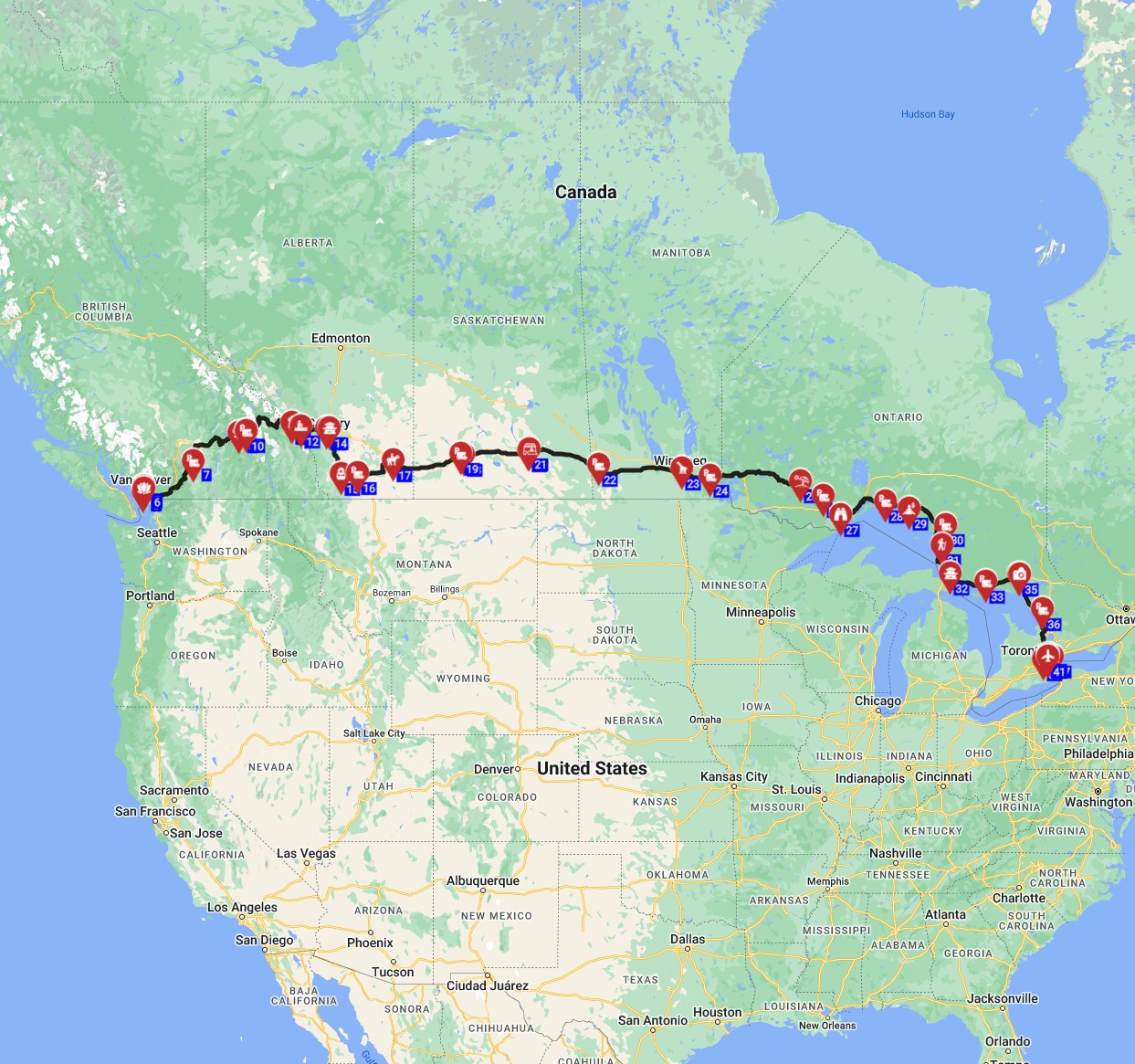
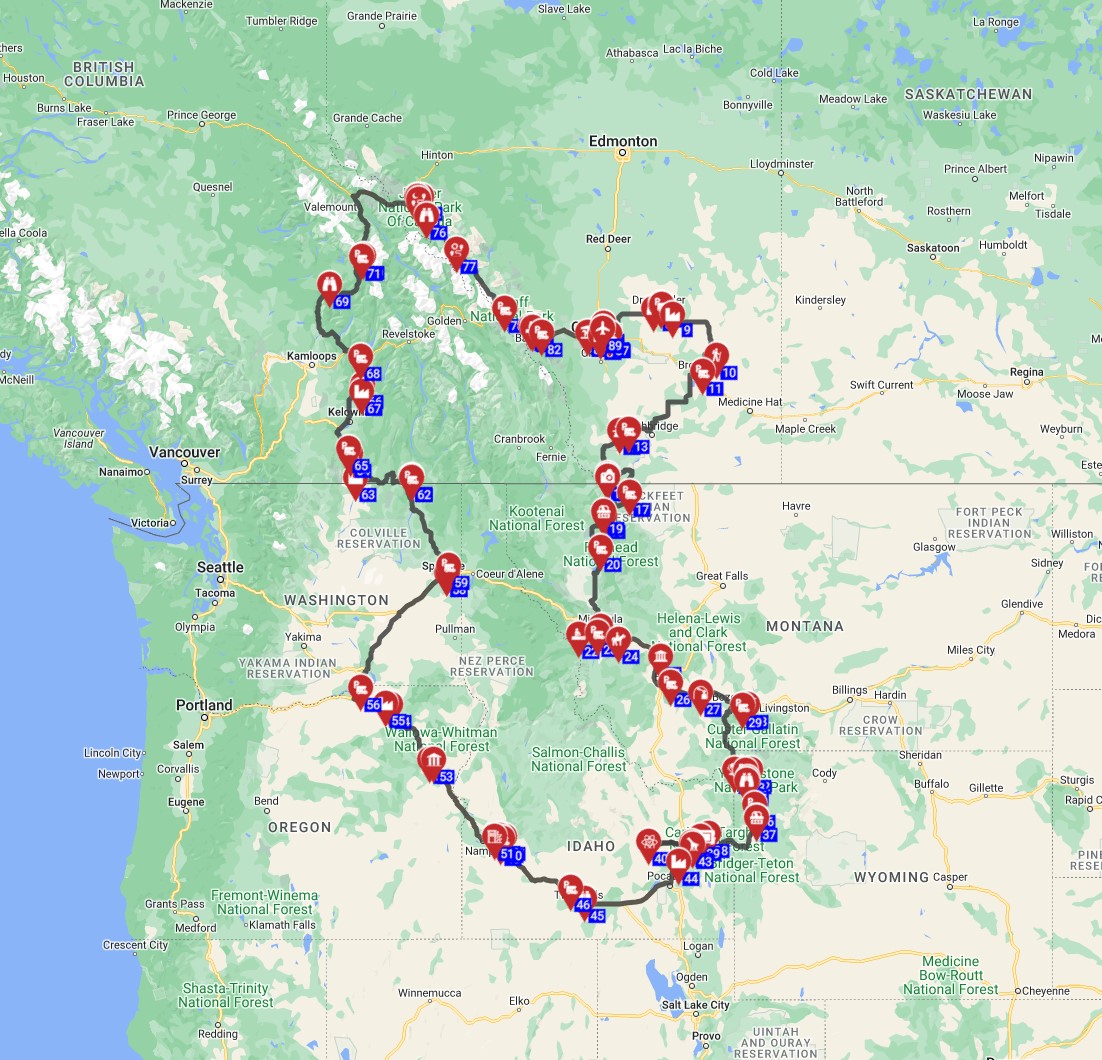
Vancouver to Toronto - Trans Canada West to East
What are the rules for driving an RV in Canada
Driving a rented RV in Canada requires adherence to provincial road rules, which generally align with standard vehicle laws, including specific speed limits (e.g., 90-110 km/h on highways), seatbelt laws, and rules for overweight or oversized vehicles, with provinces like Quebec having some distinct regulations. Most rental RVs can be driven with a standard driver's license, provided the Gross Vehicle Weight Rating (GVWR) is below 11,000 kg (24,250 lbs), but always check your license class and the RV's specifications. Drive slowly and carefully, and you can drive almost anywhere without issues. No need to stress - just use common sense and pay attention. Provincial nuances include specific signage (e.g., bridge clearances, particularly important for taller Class A motorhomes), varying winter tire requirements in certain provinces (like Quebec and parts of British Columbia), and distinct rules regarding boondocking or dispersed camping on public lands, which are often more restrictive near urban centers or national parks. For comprehensive guidance on driving large vehicles, our team of true RV specialists can offer invaluable pre-booking advice.How much does it cost to RV across Canada
RVing across Canada, from coast to coast, can cost anywhere from CAD $5,000 to $15,000+ for a multi-week trip (e.g., a month-long trip or two-month adventure), encompassing rental fees, fuel, campground fees, food, and activities, with significant variations based on RV class, travel style, and duration. Fuel is a major expenditure, given Canada's vast distances and fuel prices (which vary by province, from roughly CAD $1.60-$2.00 per liter), making a fuel-efficient RV like a campervan (8-10 L/100 km) or careful route planning essential. For instance, the "Halifax to Whitehorse - Exploring Canada’s Heartland in a Motorhome" trip covers over 9,000 km, highlighting the importance of budgeting for fuel. Campground fees typically range from CAD $40-80 per night for a powered site, and grocery costs for self-catering can significantly reduce overall food expenses compared to dining out. Factor in national park entry fees (CAD $10-20 per person per day or an annual pass for CAD $145 for a family), and you can build a realistic budget. Remember, prices are dynamic, so comparing options and planning ahead with our Rent&Plan service can save you up to 25% on planning fees at rvplan.net.What is the best time of year to RV in Canada
The best time of year to RV in Canada is generally late spring (May-June) and early fall (September-October) for pleasant weather, fewer crowds, and often lower rental prices. Summer (July-August) offers the warmest temperatures and full accessibility to all attractions and national parks, but comes with higher demand and costs.- **Spring (May-June)** offers fresh landscapes, excellent wildlife viewing opportunities, and shoulder season rental rates that can be 10-20% lower than peak season, though some northern roads or higher elevation passes (like the Icefields Parkway) might still be opening, and mud season can be a factor in less developed areas.
- **Fall (September-October)** is renowned for stunning fall foliage, particularly in Eastern Canada along routes like the Cabot Trail, along with harvest festivals and cooler, comfortable temperatures. While beautiful, some campgrounds and attractions may begin to close towards late October.
- **Summer (July-August)** is peak season, providing the warmest weather and maximum accessibility to all attractions and campgrounds. However, expect higher prices, larger crowds, and the necessity of booking campsites well in advance, as many popular national/state parks reserve only 25-30% of spots, with the rest being first-come-first-served. You'll find a spot. If not at the first campground, then the next one. Call ahead before driving.
Is it cheaper to rent an RV or stay in hotels in Canada
For longer trips, typically more than a week, or for families and groups (4-6 people), renting an RV in Canada is often more cost-effective than staying in hotels, as it combines accommodation and transportation costs while allowing for significant savings on food through self-catering. While the initial RV rental cost and fuel expenses can seem high, the ability to cook all meals in your rented motorhome (using your own RV-friendly recipes playlist) and avoid paying for multiple hotel rooms for families often leads to overall savings of 20-40%. The flexibility to choose budget-friendly campsites over more expensive hotels, coupled with the freedom to explore remote areas without lodging constraints, further enhances an RV's economic appeal, especially when looking at Cheap RV Rental in Canada - Budget Guide 2026 options.Do I need a special license to drive an RV in Canada
No, most RVs available for rental in Canada, including Class B, Class C, and many Class A models, can be driven with a standard provincial or state driver's license (Class 5 in most of Canada, or equivalent for international visitors), as long as the vehicle's Gross Vehicle Weight Rating (GVWR) is below 11,000 kg (24,250 lbs). For international travelers, an International Driving Permit (IDP) is recommended alongside your valid home country's driver's license, especially if your license is not in English or French, but it is NOT mandatory in most cases. You do not need a special license or CDL for any rental motorhome. The minimum rental age is 21 years old, and there are no young driver surcharges or vehicle class restrictions based on age.What do you need to know about RVing in Canada
RVing in Canada requires familiarity with diverse provincial regulations, preparedness for varied climates and wildlife encounters, and understanding connectivity limitations in remote areas, ensuring a safe and enjoyable journey.- **Wildlife Safety:** Always store food securely to avoid attracting animals like bears, moose, and cougars, and maintain a safe distance. Carrying bear spray and knowing how to use it is recommended in wilderness areas, and understand how to react to encounters with moose (they are statistically more dangerous to hit with an RV than bears) or cougars.
- **Pet Travel:** A comprehensive pet travel guide within Canada should include researching pet-friendly campgrounds and trails, understanding local leash laws, knowing the nearest veterinary access points, and being aware of potential wildlife dangers for pets, such as ticks or porcupines.
- **Connectivity Guide:** Cell service can be spotty outside major population centers, making Wi-Fi availability at campgrounds or satellite communication options crucial for truly remote travel. Pre-downloading maps is highly recommended.
- **Indigenous Cultural Experiences:** Seek out opportunities for respectful Indigenous cultural experiences, such as visiting cultural centers or participating in guided tours offered by First Nations communities, and adhere strictly to Leave No Trace principles, especially in environmentally sensitive Canadian ecosystems, to promote responsible tourism.
- **Provincial Nuances:** Be aware that gas prices, alcohol consumption laws (e.g., open liquor in RVs must be stored in a non-accessible area while driving), and road conditions can vary significantly between provinces and territories. For instance, Quebec has distinct road signs and language requirements.
What are the best RV routes in Canada
Canada offers numerous iconic RV routes, with popular choices including the scenic Icefields Parkway in Alberta, the Cabot Trail in Nova Scotia, and the Sea-to-Sky Highway in British Columbia, each providing unique natural beauty and attractions.- **Icefields Parkway (Alberta):** A stunning 232 km drive through Banff and Jasper National Parks, offering glacier views, turquoise lakes like Lake Louise, and abundant wildlife. Opportunities exist to learn about Indigenous history and connections to these lands at various interpretive centers. This route features over 10 designated RV-friendly campgrounds.
- **Cabot Trail (Nova Scotia):** Circling Cape Breton Island, this 298 km route provides dramatic coastal scenery, vibrant Celtic culture, and access to Cape Breton Highlands National Park; look for local Mi'kmaq cultural experiences and artisan shops. The route includes numerous scenic viewpoints and provincial park campgrounds.
- **Sea-to-Sky Highway (British Columbia):** Linking Vancouver to Whistler, this 145 km route boasts coastal rainforests, majestic mountains, and charming towns like Squamish, with Squamish Nation cultural sites along the way. Our "Vancouver Round Trip - West Canada Cycling Adventure" explores this region with its 3 hiking areas and 2 tourist attractions.
- **The Trans-Canada Highway:** For the ultimate cross-country adventure, this highway connects all ten provinces over 7,800 km, offering a diverse array of landscapes and cultural experiences from coast to coast, from the "Vancouver to Toronto - Trans Canada West to East" itinerary with 1 botanical garden and 1 zoo, to the eastern maritime provinces.
What You Shouldn't Miss
Canada is a country of immense beauty and diverse experiences, perfect for exploring with a rented motorhome or campervan. Here are a few recommendations to inspire your trip:- **Explore Banff and Jasper National Parks:** Drive the Icefields Parkway, a 232 km journey through the Canadian Rockies, offering breathtaking views of glaciers, turquoise lakes, and abundant wildlife. Plan for several days to truly appreciate the 4 natural features and 3 hiking areas within these parks.
- **Discover the Cabot Trail in Nova Scotia:** Circle Cape Breton Island on this stunning 298 km coastal route. Immerse yourself in Celtic culture, enjoy dramatic ocean vistas, and hike in Cape Breton Highlands National Park.
- **Experience Indigenous Culture:** Seek out opportunities to learn from and connect with Indigenous communities across Canada. Many parks and cultural centers offer interpretive programs and experiences that provide deep insights into the land and its original peoples.
- **Whale Watching in British Columbia or Quebec:** Take a boat tour from destinations like Victoria, BC, or Tadoussac, Quebec, to witness majestic whales in their natural habitats. The "Vancouver Round Trip - West Canada Cycling Adventure" includes a cruise terminal for such an experience.
- **City Exploration with an RV:** Don't shy away from Canada's vibrant cities. Drive slowly and carefully in urban centers like Vancouver, Toronto, or Montreal. With common sense and attention, you can drive almost anywhere without issues. Enjoy local food, museums, and historical sites, then retreat to a nearby campground.
Final Thoughts
Embarking on an airport RV rental adventure in Canada promises a truly unforgettable experience, offering the flexibility to chase the northern lights, explore vibrant cities, or discover serene national parks at your own pace. With a clear understanding of RV types, rental costs, and local regulations, you're well-equipped to plan a journey that perfectly suits your travel style and budget. Remember, whether you're a meticulous planner or a spontaneous traveler, there are always options available, and our team is here to support you every step of the way. From Vancouver's coastal beauty to the historic charm of Halifax, Canada invites you to hit the open road. Take time to feel the place, connect to the culture, the food, and the scenery. Travel slowly, perhaps averaging 100-150 km per day, allowing yourself to truly soak in the diverse landscapes and unique experiences Canada has to offer. Discover top destinations, planning tips, all in one place! Ready to compare motorhome prices for Canada and begin planning your epic road trip? We’re confident you'll find the perfect vehicle and itinerary with Bandana Caravan, your trusted partner for transparent and stress-free RV rentals.On the routes offered through RV PLANET routes, you can itemize and track every expense along the way for easy budgeting.