In This Guide
- Top 5 Tips for RV Rental in Turkey
- Before You Book - Class, Dates, Insurance
- Pre-Trip Prep - Packing Checklist for Turkey
- On the Road - Driving, Fueling, Navigation
- At the Campground - Setup, Hookups & Etiquette
- RV Rental-Specific Tips for Turkey
- Common Mistakes to Avoid in Turkey
- What is the best time of year to RV in Turkey?
- Do I need an international driving permit for Turkey?
- Is it safe to drive an RV in Turkey?
- What are the rules for driving an RV in Turkey?
- Are there RV parks in Turkey?
- Can I wild camp in Turkey with an RV?
- What are the best places to visit in Turkey by RV?
- How much does it cost to rent an RV in Turkey?
- How do I book an RV rental in Turkey?
Imagine yourself waking up to the gentle lapping of waves on the Aegean coast, or the surreal landscape of Cappadocia's fairy chimneys outside your window. This dream can become your reality with a rented RV in Turkey. Exploring this magnificent country by motorhome offers unparalleled freedom, allowing you to immerse yourself in its rich history, vibrant culture, and breathtaking natural beauty at your own pace. Here at Bandana RV, we're not just a booking platform; we are true RV specialists, genuinely passionate about helping you discover the magic of RV travel, and we're with you before, during, and after your booking. For live availability and current prices, start with our RV Rental Turkey - Complete Guide 2026 guide.
Top 5 Tips for RV Rental in Turkey
Securing your ideal RV rental in Turkey involves thoughtful preparation to ensure a seamless and enjoyable journey. Firstly, booking your RV well in advance, especially for peak seasons like spring (April-May) and autumn (September-October), is essential to secure your preferred vehicle and dates, potentially saving you money on dynamic pricing. Secondly, familiarize yourself with Turkish traffic laws and road conditions; for instance, driving is on the right, and speed limits are enforced, which can differ from those in your home country.
Thirdly, planning your itinerary, including overnight stops at official campgrounds or designated safe areas, is crucial for a smooth journey. Our Rent&Plan service can help you craft pre-planned routes by professionals, and don't forget you receive a 25% planning discount when using rvplan.net for your route planning. Fourthly, ensure you have comprehensive insurance coverage; understand what basic plans include and always explore additional options for peace of mind, remembering that a top-level deductible reimbursement is an optional upgrade you can purchase. Finally, embrace local culture and hospitality by learning a few basic Turkish phrases (like 'Merhaba' for hello) and respecting local customs, particularly when interacting with communities, which will enrich your experience tenfold.
🎬 Video coming soon
Before You Book - Class, Dates, Insurance
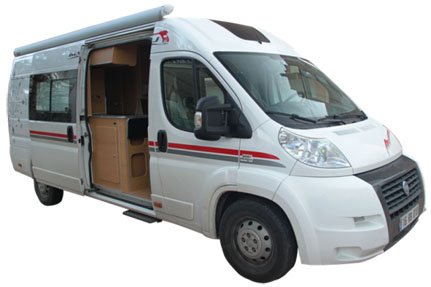
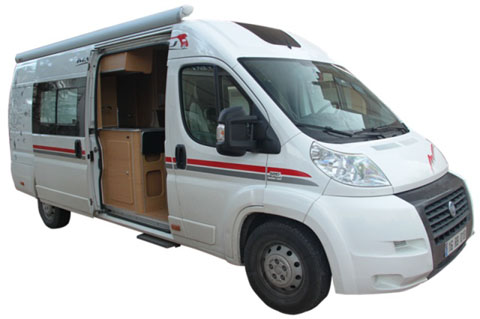
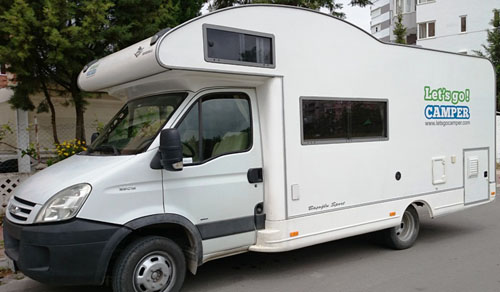
Choosing the right RV class for your Turkey adventure is paramount, considering factors like group size, desired comfort, and road types you'll encounter. For couples or solo travelers, a compact campervan like the "rv rental denver example Category Van" with front air conditioning, a shower, and a toilet, offers flexibility in navigating smaller towns. Families or larger groups might prefer a spacious Class C motorhome such as the "rv rentals example Comfort Class", which typically features three double beds, and ample space for up to 6-7 people.
Locking in your travel dates early, especially for high-demand periods like spring and autumn, can secure better rates and wider vehicle availability. Pricing is dynamic, much like flight tickets, changing daily based on availability and seasonality, so early booking is often advantageous. Regarding insurance, basic coverage is always included in RV rentals; to view prices encompassing the most comprehensive coverage options, select that option during your search to reveal all relevant insurance details. We believe in full transparency, so what you see is what you pay, with no surprise fees at pickup. Always review the specific terms and conditions of your rental agreement regarding deductibles, roadside assistance, and any exclusions before finalizing your booking. You can upgrade to a top-level deductible for extra peace of mind.
Pre-Trip Prep - Packing Checklist for Turkey
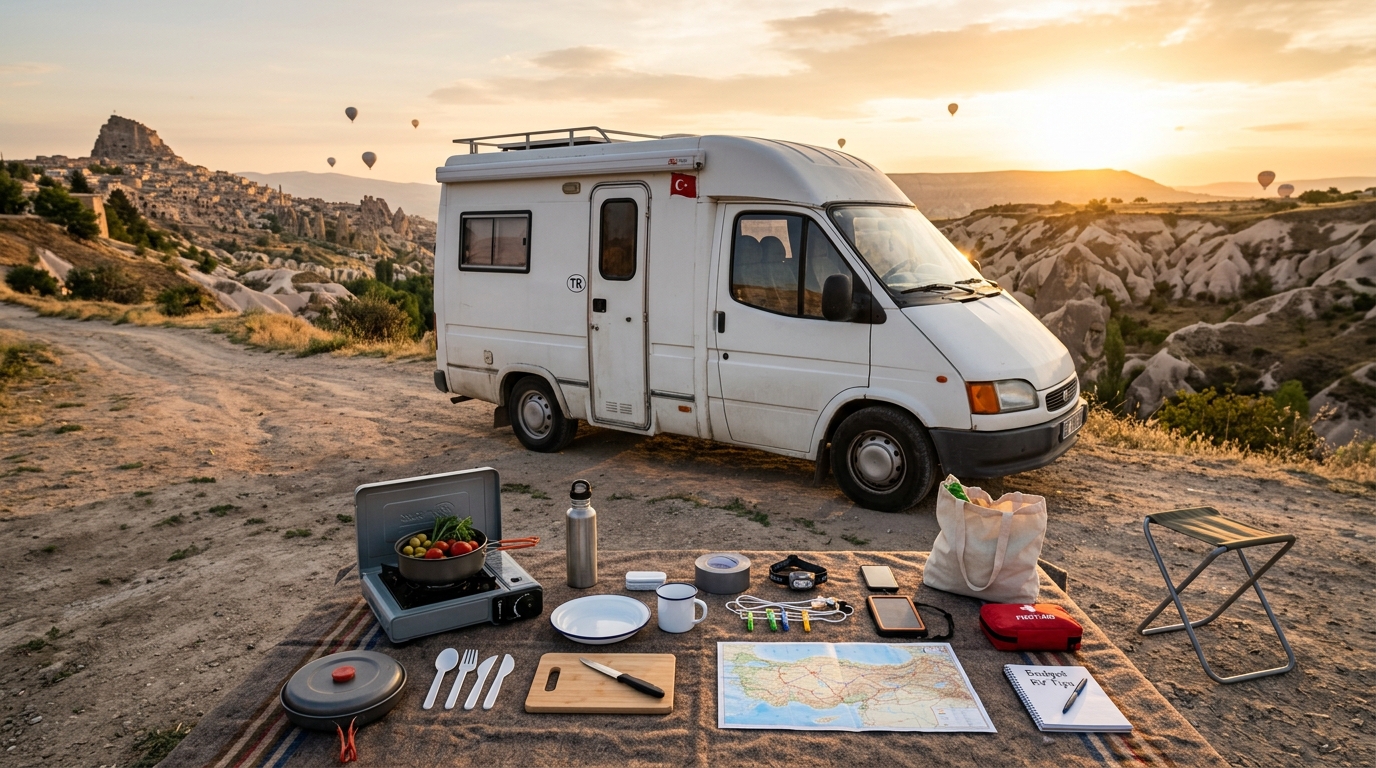
A well-prepared packing list is essential for an enjoyable RV trip through Turkey, considering varying climates and local needs across the country. For clothing, lightweight layers are advisable for diverse weather conditions, along with comfortable walking shoes for exploring, swimwear for coastal areas, a sun hat, sunglasses, and modest attire for visiting religious sites. In the kitchen, basic cooking utensils are typically included with your rental motorhome, but consider bringing reusable water bottles, a small cooler for day trips, and perhaps a Turkish coffee pot (cezve) for a local touch. For RV-friendly recipes, check out our RV-friendly recipes playlist.
Safety essentials should include a comprehensive first-aid kit, insect repellent, a high-visibility vest (mandatory in many European countries for roadside emergencies), a headlamp or flashlight with spare batteries, and a multi-tool for small repairs. Critically, remember your valid driver's license, an International Driving Permit (IDP) if you're from a non-English speaking country, your passport, any required visa, your RV rental agreement, and travel insurance details. Always keep copies of all important documents stored separately from the originals. Thinking of your budget for all these items? RV PLANET routes allow travelers to itemize and track every expense along the way for easy budgeting, helping you manage costs for essentials like these. On the routes offered through RV PLANET routes, you can itemize and track every expense along the way for easy budgeting.
On the Road - Driving, Fueling, Navigation
Navigating Turkey's roads by rented RV involves understanding local driving conditions, fueling procedures, and effective navigation strategies. Road conditions in Turkey vary from well-maintained multi-lane highways to narrow, winding village roads; while larger motorhomes can handle most routes, extra caution is advisable in historic city centers or mountainous regions where streets can be tight. Drive slowly and carefully, and you can drive almost anywhere without issues. No need to stress - just use common sense and pay attention.
Turkish traffic laws mandate right-hand driving, compulsory seatbelt usage for all occupants, and strict adherence to speed limits (e.g., typically 90 km/h for motorhomes on rural roads and 110 km/h on highways, always check local signage). Understanding local driving culture, which can be more assertive with frequent horn use (often as a warning, not anger), is key for safe travel. Fueling is generally straightforward, with petrol (benzin), diesel (motorin), and LPG (LPG or otogaz) widely available at numerous stations. Ensure you know your rented RV's fuel type and plan stops, especially in remote areas where stations might be sparse. For navigation, reliable apps like Google Maps or Here WeGo are highly effective, but downloading offline maps is recommended due to potential connectivity gaps in remote areas. Acquiring a local SIM card (e.g., Turkcell, Vodafone, Türk Telekom) upon arrival provides reliable internet access for connectivity and emergencies, offering peace of mind throughout your journey. Emergency preparedness should include having local roadside assistance contact details and knowing how to reach medical services if needed.
At the Campground - Setup, Hookups & Etiquette
Setting up your RV at a Turkish campground involves a straightforward process for hookups and adherence to local etiquette for a pleasant stay, considering the types of infrastructure available. Upon arrival, first level your motorhome for comfort and proper appliance function, then connect to electricity (usually 220V; ensure you have an adapter if needed), followed by fresh water hookup if available. Waste disposal involves connecting your gray and black water tanks to the designated dump station, always ensuring hygienic practices; the availability of water/dump stations and LPG refills varies by campground, so checking amenities beforehand is wise.
Respecting quiet hours, usually between 10 PM and 8 AM, is crucial for good campground etiquette; also be mindful of your waste, noise levels, and the privacy of fellow campers, reflecting local customs. While dedicated RV parks are increasing across Turkey, many general campgrounds also cater to RVs, particularly along the popular coastal routes and near major tourist attractions. RV-specific repair facilities might be limited outside major cities, so basic troubleshooting knowledge and a small repair kit are advisable for any unexpected minor issues.
RV Rental-Specific Tips for Turkey
Tailoring your rented RV experience in Turkey to your specific traveler profile-whether family, senior, budget-conscious, or luxury-seeking-can significantly enhance your journey. For families, choose an RV rental with ample sleeping capacity, such as a 6-berth Class C motorhome like the "Euro Deluxe", and consider kid-friendly amenities. Plan nap-friendly drive times and incorporate stops at playgrounds or beautiful beaches along the Turquoise Coast. For those looking into a Luxury RV Rental in Turkey - Premium Prices 2026, consider models like the "luxury rv rentals example Carthago Malibu 600", offering enhanced comfort with features like spacious living areas and advanced entertainment systems.
Senior travelers might prefer ergonomic RV classes with easy access and automatic transmissions, prioritizing comfortable beds and accessible bathrooms, while planning shorter daily drives of around 100-150 km to truly savor each location. Budget-conscious renters can save by choosing smaller, fuel-efficient campervans, utilizing free overnight parking spots where permissible and respectful, and cooking meals in the RV rather than dining out. For those interested in a Cheap RV Rental in Turkey - Budget Guide 2026, look for deals during the off-peak season. Luxury travelers can opt for premium motorhomes with enhanced amenities and may consider adding services like pre-stocked groceries or guided tour packages for a more indulgent experience, truly making their RV Rental in Turkey - Prices and Best Deals 2026 worthwhile.
Common Mistakes to Avoid in Turkey
Avoiding common pitfalls can significantly improve your RV adventure in Turkey, ensuring a smoother and more culturally immersive experience. One common mistake is not researching local traffic laws or driving culture beforehand. Instead, familiarize yourself with Turkish road rules, speed limits, and the more assertive local driving style to drive confidently and safely, especially when navigating larger cities. Another oversight is relying solely on credit cards or international ATMs. Instead, carry a sufficient amount of Turkish Lira for smaller purchases, local markets, and remote areas where card payments may not be accepted.
Overlooking local etiquette and language is also a mistake. Instead, learn a few basic Turkish phrases ('Merhaba' for hello, 'Teşekkür ederim' for thank you) and observe local customs, particularly when interacting with locals in markets or when considering wild camping, as a gesture of respect goes a long way. Many first-timers also underestimate travel times or road conditions; instead, factor in extra time for potential delays, variable road quality, and scenic stops, especially when traversing mountainous or rural regions. Lastly, not planning for connectivity or emergencies can cause issues. Instead, purchase a local SIM card for reliable internet, download offline maps, and ensure you have contact information for roadside assistance and emergency services. Remember, our 24/7 support is there to assist you with your booking and pre-trip coordination, but local emergency numbers are your immediate resource on the road.
What is the best time of year to RV in Turkey?
The best time of year to RV in Turkey largely depends on your desired activities and regions, with spring (April-May) and autumn (September-October) generally offering ideal weather for touring. Spring provides mild temperatures averaging 15-25°C, blossoming landscapes, and fewer crowds, making it perfect for exploring historical sites like Ephesus and hiking the Lycian Way. Autumn offers pleasant weather ranging from 18-28°C for coastal drives along the Turquoise Coast and cultural explorations, with still-warm seas for swimming early in the season.
Summer (June-August) is ideal for beach holidays and water sports along the Mediterranean and Aegean coasts, with temperatures often exceeding 30°C, though central Anatolia can be very hot, and popular tourist areas will be crowded. Winter (November-March) is suitable for exploring cities without crowds, visiting specific regions like Cappadocia (often with snow for unique scenery), or enjoying ski resorts, but many coastal campsites may be closed. Consider exploring "Weekend RV Driving in Turkey - Quick Routes 2026" during these shoulder seasons for shorter, focused trips.
Do I need an international driving permit for Turkey?
Yes, an International Driving Permit (IDP) is officially required in Turkey for non-Turkish citizens renting or driving a vehicle, and it must be presented along with your valid national driver's license. The IDP translates your national driver's license into multiple languages, facilitating identification and understanding by Turkish authorities, especially if your national license is not in English. It's a small investment that offers significant peace of mind for international travelers.
For RV tourists entering Turkey with their own vehicle, comprehensive step-by-step guidance on vehicle import and border crossing procedures, especially from Europe, involves ensuring all vehicle documents (registration, insurance green card valid for Turkey) are in order and declaring the vehicle for temporary import at customs. Clear information on visa requirements and maximum stay durations for RV tourists indicates that most nationalities require a visa, obtainable online (e-Visa) or on arrival, with typical tourist visas allowing stays up to 90 days within a 180-day period. Always check the specific requirements for your nationality before travel.
Is it safe to drive an RV in Turkey?
Driving an RV in Turkey is generally considered safe for tourists, provided drivers are attentive to local road conditions, traffic laws, and exercise standard precautions. While major highways and motorways, such as the O-3 connecting Istanbul and Ankara, are well-maintained and offer smooth driving, secondary roads can be narrow and winding, especially in rural or mountainous areas like the Eastern Black Sea region, which requires careful navigation with a larger RV. Drive slowly and carefully, and you can drive almost anywhere without issues. No need to stress - just use common sense and pay attention.
Traffic can be dense and fast-paced in bustling cities like Istanbul and Izmir, but outside urban centers, driving is typically more relaxed, allowing for enjoyable scenic routes. As with any travel, it's advisable to secure your belongings, avoid leaving valuables in plain sight, and choose secure parking spots, particularly overnight at recognized campgrounds or designated safe areas. Banditry on roads is rare, and while general theft can occur in crowded tourist spots, it's easily mitigated with common-sense precautions. Overall, the experience is safe and highly rewarding.
What are the rules for driving an RV in Turkey?
Driving a rented RV in Turkey requires adherence to specific traffic laws, including speed limits, seatbelt regulations, and an understanding of local road etiquette. Speed limits generally are 50 km/h in urban areas, 90 km/h on rural roads, and 110 km/h on highways for cars, with RVs often having slightly lower limits; always check local signage, which usually indicates specific limits for different vehicle types. All occupants must wear seatbelts, and children must be secured in appropriate car seats according to their age and size, strictly enforced for safety.
Driving is on the right-hand side of the road, similar to many European countries, and the legal blood alcohol limit is very low (0.05%), with a zero-tolerance policy for commercial vehicles, so it's best to avoid alcohol entirely if driving. Local driving culture often involves frequent use of horns-not necessarily in anger, but as a warning or to signal intentions-and drivers should be prepared for varying interpretations of lane discipline, especially in heavier traffic. Navigating narrow roads and busy city driving with different RV sizes can be challenging, requiring extra caution and awareness, but with patience, it's entirely manageable. Remember, Bandana RV provides 24/7 support for any pre-booking or coordination questions, ensuring you feel confident before hitting the road.
Are there RV parks in Turkey?
Yes, Turkey has a developing network of RV parks and campsites, ranging from basic facilities to more amenity-rich options, especially along popular tourist routes and coastal areas. Many larger cities and popular tourist destinations, such as Antalya, Bodrum, Dalaman, Istanbul, and Izmir, offer dedicated RV-friendly campgrounds. These facilities typically provide essential hookups like electricity (usually 220V) and fresh water, with many also offering grey and black water dump stations, making them comfortable for extended stays.
While LPG refills are widely available at many petrol stations across the country, it's wise to plan your route to ensure access to these services in more remote regions. The availability of RV-specific repair facilities might be limited outside major cities, so it's always a good idea to have basic troubleshooting knowledge. It's advisable to research and book campgrounds in advance, especially during peak season, to ensure availability and confirm the specific types of RV infrastructure they offer, particularly if you require specific features like a 100-liter fresh water tank or a 140-liter refrigerator.
Can I wild camp in Turkey with an RV?
Wild camping with a rented RV in Turkey is generally tolerated in many remote and rural areas, particularly outside national parks or protected zones, but it's crucial to exercise caution, respect private property, and be aware of local regulations. While not explicitly forbidden nationwide, wild camping often falls into a grey area of local interpretation; it is always best to seek permission from landowners if you plan to camp near private property or farms, often leading to friendly interactions and even local tips.
Practicing 'Leave No Trace' principles is paramount: pack out all trash, avoid disturbing wildlife or the natural environment, and leave your chosen spot cleaner than you found it. For safety, always avoid camping in isolated or unlit areas, and prioritize spots that feel secure and have good visibility. Interacting respectfully with locals, perhaps even asking for permission or recommendations on suitable spots, can not only enhance your safety but also provide a richer cultural immersion experience. While official campsites offer more security and facilities like reliable access to fresh water and dump stations, many scenic spots are available for responsible wild campers looking for solitude.
What are the best places to visit in Turkey by RV?
Turkey offers diverse and breathtaking destinations perfect for RV travel, from the ancient ruins of Ephesus to the stunning Turquoise Coast and the unique landscapes of Cappadocia. The Turquoise Coast (Lycian Way) offers a spectacular multi-day RV route, featuring historical sites like Kaş, Fethiye, and Antalya, with countless opportunities for coastal drives, pristine beaches, and boat trips from charming towns. You can find excellent RV rentals in Antalya and consider routes to Dalaman - Airport and Bodrum - Airport.
Central Anatolia, including Cappadocia's iconic fairy chimneys and ancient cave dwellings around Göreme, presents a unique RV journey with opportunities for unforgettable hot air balloon rides and exploring historical underground cities. The Aegean region boasts ancient Greek and Roman ruins such as Ephesus and Pergamon, alongside charming coastal towns and olive groves, ideal for history and culture enthusiasts. For those looking to explore major urban centers, consider picking up an RV rental in Istanbul or Istanbul - Airport and exploring the vibrant city before heading out, or starting from Izmir - Airport. Even Ankara - Airport offers convenient pick-up for inland adventures. For a broader perspective on RVing in this diverse continent, refer to our "RV Rental Europe - Complete Guide 2026".
Looking for expert insights from Avi Bandana? Top 5 Adventures - recommendations from Avi Bandana
- Drive the D400 Coastal Highway: This legendary route along the Mediterranean is a must-do. Take your time, driving no more than 100-150 km per day, allowing for spontaneous stops at hidden beaches and ancient ruins like Xanthos and Patara. The views are unparalleled.
- Explore Cappadocia's Lunar Landscape: Park your RV at a campground near Göreme and wake up before dawn to watch hundreds of hot air balloons ascend over the fairy chimneys. Spend days exploring cave churches and underground cities.
- Immerse in Ephesus and Pamukkale: Combine history with natural wonder. Drive your motorhome to the magnificent ancient city of Ephesus, then journey inland to Pamukkale's cascading travertine terraces, where you can dip your feet in the warm mineral waters.
- Experience Istanbul's East-Meets-West Charm: Pick up your rental RV near Istanbul, park it at a designated spot outside the city center, and use public transport to explore the Hagia Sophia, Blue Mosque, and Grand Bazaar. It's a fantastic way to blend urban culture with RV convenience.
- Relax at a Thermal Spring Campground: Seek out one of Turkey's many thermal springs. Many offer simple RV camping facilities, providing a unique opportunity to unwind in therapeutic waters after days of driving and exploration. It's a truly authentic and relaxing experience.
How much does it cost to rent an RV in Turkey?
The cost to rent an RV in Turkey varies significantly based on factors such as the vehicle class, rental duration, season, and included amenities, typically ranging from approximately €50 per day for smaller campervans to over €200 per day for luxury motorhomes. Prices are dynamic like flight tickets-they change daily based on availability, seasonality, and supplier marketing decisions, with the final price set at actual booking time. During peak season (spring and autumn) and holidays, prices are highest, while booking during the off-season or being flexible with your travel dates can lead to significant savings, sometimes up to 25% or more.
Smaller campervans, ideal for couples, are generally more affordable, while larger, more amenity-rich Class A or Class C motorhomes with sleeping capacity for 4-7 people, like a "cruise america rv rental example Explorer" with its 82-liter fresh water tank and 75-liter fuel tank, command higher prices. Insurance options beyond the basic coverage will add to the overall cost, so it's important to select your preferred level during the booking process. Additional costs to consider include fuel (diesel or petrol), campsite fees (averaging €15-€40 per night), one-way rental fees (if applicable, typically $150-$500), tolls on major highways (managed via HGS/OGS systems), and any optional add-ons like GPS, bedding, or kitchen kits. For comprehensive details on potential expenses, check out our "RV Rental in Turkey - Prices and Best Deals 2026" and "RV Rental Deals in Turkey - Latest Offers 2026" guides.
How do I book an RV rental in Turkey?
Booking an RV rental in Turkey typically involves selecting a reputable rental company, choosing your desired RV class, specifying dates, and confirming insurance details online or through a comparison platform like Bandana RV. Start by searching online platforms that specialize in RV rentals, filtering by pickup location (e.g., Istanbul, Antalya, Izmir), vehicle size (from a compact "hire campervan example Paradise S/T" for a couple to a large "Euro Deluxe" for a big family), and availability for your travel dates.
Compare different rental companies and their offerings, paying close attention to customer reviews, included amenities, and rental terms. We compare final prices across 50+ suppliers, including major names like El Monte, Cruise America, Apollo, and Britz, so you don't have to, ensuring full price transparency with no hidden fees or surprises. Once you've selected an RV, proceed to provide your personal details, driver's license information (including IDP where recommended), and make a deposit or full payment. Ensure you receive a detailed confirmation of your booking, including pick-up instructions, the full rental agreement, and emergency contact numbers, before your trip. Our 24/7 support is here to assist you throughout this pre-booking and booking coordination process, making finding a Last-Minute RV Rental in Turkey - What to Expect 2026 even smoother.
Final Thoughts
Embarking on an RV adventure in Turkey promises an unforgettable journey filled with historical wonders, stunning landscapes, and warm hospitality. With a rented motorhome, you're not just traveling; you're creating a mobile home base that allows you to truly connect with the culture, the food, and the scenery at your own pace. Remember to travel slowly, averaging 100-150 km per day, allowing plenty of time to savor every moment and discovery.
From the bustling streets of Istanbul to the serene beaches of the Aegean and Mediterranean, Turkey offers a diverse tapestry of experiences waiting to be explored. Bandana RV is here to ensure your RV rental experience is as smooth and transparent as possible, providing you with the confidence and support you need to make your Turkish road trip dreams a reality. Get inspired for your next trip and discover top destinations, planning tips, all in one place!
Ready to hit the road? Compare Motorhome Prices for Turkey and find your perfect mobile home for an incredible adventure!