For live availability and current prices, start with our RV Rental Turkey - Complete Guide 2026 guide.
In This Guide
- Can You Drive an RV in Turkey? License & Age Rules
- Road Conditions & Terrain in Turkey
- RV Size Limits, Bridges & Restricted Zones
- Fuel: Diesel vs. Petrol & Cost per 100 km
- Tolls, Vignettes & Border Rules
- Driving Tips for weekend rv rental Travelers
- Recommended RV Class for Turkey Roads
- Should I Choose a Compact Van Instead of a Large RV in Turkey?
- Can I Park Anywhere? Free & Wild Camping Rules in Turkey
- Can I Drive an RV Into the City Center? Heights, Tunnels & Local Signage
- How Much Does a Weekend RV Rental Cost in Turkey?
- What Are Key Health and Safety Tips for RV Travel in Turkey?
- How to Stay Connected: Internet and Mobile Data for RVers in Turkey?
- Is Wild Camping Allowed in Turkey and What Are the Local Etiquette Rules?
- What is the Local RV Culture in Turkey Like for Travelers?
- What are the Best Weekend RV Itineraries and Destinations in Turkey?
Imagine yourself winding along a breathtaking coastline, the turquoise Aegean Sea glistening to your left, or perhaps traversing ancient landscapes dotted with fairy chimneys, all from the comfort and freedom of your very own rented mobile home. A weekend RV adventure in Turkey isn't just a trip; it's an invitation to explore a land where East meets West, where history whispers from every stone, and natural beauty unfolds around every corner. With a rented campervan or motorhome, you're not just booking a vacation; you're unlocking an unparalleled experience of freedom and discovery.
As true RV specialists with over 25 years of experience helping tens of thousands of travelers, we at Bandana RV understand the nuances of exploring diverse destinations like Turkey. We're here to provide full transparency, ensuring no hidden fees or surprises, and to support you before, during, and after your booking. For live availability and current prices, start with our RV Rental Turkey - Complete Guide 2024 guide, which offers extensive information to help plan your perfect Turkish getaway.
Can You Drive an RV in Turkey? License & Age Rules
Foreign visitors can indeed drive a rented RV in Turkey, typically requiring a valid national driving license and an International Driving Permit (IDP) for licenses not issued in a Latin alphabet. Standard car licenses, often classified as B category, generally cover motorhomes up to 3,500 kg (7,700 lbs) Gross Vehicle Weight (GVW), a classification that most common rental RVs, including many of Bandana's Class B and Class C motorhomes, fall within. The minimum driving age for RV rental in Turkey is 21, with no young driver surcharges and no vehicle class restrictions based on age, making it accessible for a wider range of adventurers. For RVs exceeding 3,500 kg, a higher license category (e.g., C1 or C) is required, though these are less common in the standard rental fleet. An IDP is highly recommended or legally required if your license isn't from a country with a reciprocal agreement or isn't in English or Turkish.Road Conditions & Terrain in Turkey
Turkey offers a diverse range of road conditions, from well-maintained highways to winding mountain passes and rural gravel tracks, making it an excellent destination for a weekend RV adventure. Major intercity roads and highways are generally modern and in good condition, especially motorways (otoyol), allowing for smooth travel between key regions. Coastal roads along the Aegean and Mediterranean are stunningly scenic but can be winding, requiring careful navigation and a slower pace to fully appreciate the views. Eastern Turkey features more mountainous terrain, with roads that can be steeper and more challenging. Rural roads leading to smaller villages or natural sites might be unpaved, narrow, or less maintained; we always encourage slow, scenic driving, averaging a maximum of 100-150 km per day, to truly connect with the culture, food, and scenery. Be prepared for local driving habits, which can be assertive, particularly in urban areas.RV Size Limits, Bridges & Restricted Zones
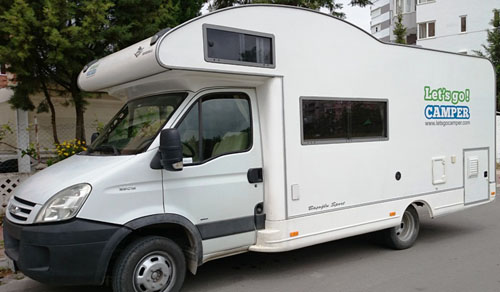
While Turkey's road network is largely accommodating for motorhomes, drivers should be aware of potential height restrictions for tunnels, city underpasses, and some parking areas, especially in older towns. There are no widespread strict 'RV size limits' on main roads, allowing most Class A, B, and C motorhomes to travel freely, but larger vehicles necessitate careful navigation in urban or historic areas. Height clearances for bridges and tunnels are typically clearly marked; drivers of larger Class C or A motorhomes must pay close attention, as Bandana's Class C vehicles average 7.5m in length. Environmental zones are not as prevalent as in some Western European countries, but local municipal restrictions might apply in specific city centers or protected areas. If planning any unique routes like island hopping or specific coastal journeys, it's wise to check with specific ferry companies for their length and weight restrictions and corresponding pricing. Remember, you can drive slowly and carefully, and you can drive almost anywhere without issues. No need to stress - just use common sense and pay attention.Fuel: Diesel vs. Petrol & Cost per 100 km
Diesel is the predominant fuel type for motorhomes in Turkey and is widely available at fuel stations across the country, typically offering better fuel economy than petrol. Most rental RVs, including Bandana's global fleet, are diesel-powered, making diesel the primary fuel concern for your trip. Bandana's Class SI semi-integrated RVs typically consume 10-11 Liters/100 km, while Class C Alcoves average 10-12 Liters/100 km, and Class B Camper Vans use a highly efficient 8-10 Liters/100 km. Fuel prices in Turkey can fluctuate, so it's wise to budget a significant portion of your travel expenses for fuel. To estimate your cost per 100 km, simply multiply your rented RV's average consumption (e.g., 10.5 L/100km for a Class SI) by the current local diesel price. For comprehensive budgeting and expense tracking for all ancillary costs, you'll find that RV PLANET routes allow travelers to itemize and track every expense along the way.Tolls, Vignettes & Border Rules
Turkey primarily utilizes an electronic toll system called HGS (Hızlı Geçiş Sistemi) for its motorways and bridges, which RV drivers must adhere to, as vignettes are not used. HGS transponders or stickers are required for toll roads and can often be obtained through your rental company or from PTT (post office) branches upon arrival. It is critical to ensure your HGS tag is properly loaded with credit, as tolls are collected electronically, and passing a toll booth without an HGS tag or with insufficient balance will result in fines. Some Bandana partner suppliers may offer pre-purchased toll passes or include HGS tags with initial credit to simplify your journey, offering added convenience for shorter trips. For a week-long or extended rental, crossing international borders is less common but requires specific vehicle registration documents, international insurance (Green Card), an IDP, and potential customs checks at border crossings into neighboring countries like Greece or Bulgaria.Driving Tips for weekend rv rental Travelers
For a weekend RV rental in Turkey, prioritizing scenic routes, planning regular stops, managing tolls efficiently, and understanding local driving etiquette will significantly enhance your travel experience. Traveling slowly, a maximum of 100-150 km per day on average, allows you to truly feel the place and connect to the local culture, food, and scenery. For families, plan breaks every 2-3 hours, incorporating playgrounds, picnic spots, or attractions to keep everyone happy and refreshed. Budget-conscious travelers can utilize pre-paid HGS toll passes if available from their rental company and save on food costs by cooking delicious meals in their RV using fresh, affordable produce from local markets, rather than always dining out; check out our RV-friendly recipes playlist for inspiration. For a more luxurious experience, consider an RV with an automatic transmission for easier driving, and plan routes that include higher-end campsites or boutique stays. Always use reliable GPS apps like Google Maps or Yandex Maps for Turkey, but also carry offline maps or a physical map for rural areas where signal might be weak. Finally, be prepared for assertive driving, especially in cities; use your horn cautiously to signal your presence, and always be mindful of local traffic flow and rules.Recommended RV Class for Turkey Roads
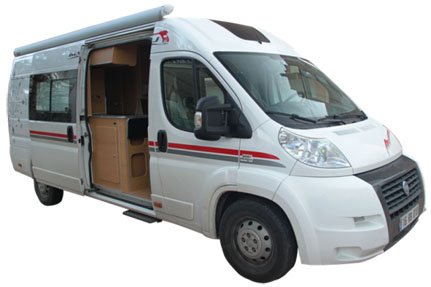
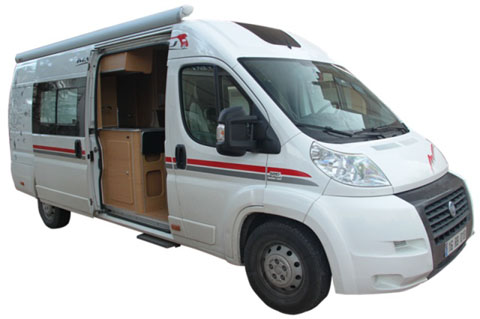
For a weekend motorhome trip in Turkey, Bandana's Class B Camper Vans or Class SI Semi-integrated RVs are highly recommended due to their balanced maneuverability, comfort, and suitability for diverse Turkish road conditions. A Class B Camper Van, ideal for couples or small families, typically averages 3.2 sleeping places and 5.8m in length, offering excellent maneuverability for winding roads and navigating smaller towns. These campervans are also very fuel-efficient, typically consuming 8-10 Liters/100 km, making them a budget-friendly option. For those seeking a bit more interior space and comfort without being overly cumbersome, a Class SI Semi-integrated RV is a great choice. These usually average 3.8 sleeping places and around 6.9m in length, providing more generous living areas and storage. Class SI RVs typically consume 10-11 Liters/100 km, offering a good balance of space and fuel efficiency. Both of these classes offer sufficient ground clearance for most paved and reasonably maintained unpaved roads leading to attractions, ensuring a comfortable and flexible journey.Should I Choose a Compact Van Instead of a Large RV in Turkey?
While compact campervans offer greater maneuverability in tight spaces, the added comfort and living amenities of a larger RV often outweigh the marginal driving challenges in Turkey, especially for longer weekend stays. Compact vans, like Bandana's Class B Camper Van at an average of 5.8m in length, are certainly easier to park and navigate very narrow streets in historic centers, and they are generally more fuel-efficient. However, larger motorhomes, such as a Class SI (6.9m average length) or a Class C (7.5m average length), provide more spacious living areas, dedicated sleeping quarters, larger kitchens, and often full bathrooms, significantly enhancing comfort for a relaxing weekend trip. Most main roads and popular attractions in Turkey are perfectly accessible by larger RVs; the perceived difficulty of driving a large RV is often overstated, with the comfort benefits quickly becoming apparent. Opt for a compact van if your itinerary strictly involves navigating ancient town centers or extremely remote, unpaved tracks, but for most other adventures, a larger motorhome will provide a more comfortable 'home on wheels' experience.Can I Park Anywhere? Free & Wild Camping Rules in Turkey
While specific laws are somewhat ambiguous regarding general parking, wild camping in Turkey is generally tolerated in many rural and non-protected areas, provided you show respect for nature, private property, and local communities. It's important to understand that wild camping is generally prohibited in national parks, archaeological sites, designated protected areas, and within city limits without explicit permission. The best practice is always to seek permission from local landowners or village authorities if you plan to park overnight on private or semi-private land; a friendly approach and a few basic Turkish phrases go a long way. Always practice strict 'Leave No Trace' principles by taking all waste with you and minimizing your environmental impact. Choose well-lit or visible spots if parking overnight, especially if traveling alone, and always trust your instincts regarding safety. Local rules can vary by region, so always check with local regulations and follow local law before parking overnight.Can I Drive an RV Into the City Center? Heights, Tunnels & Local Signage
Yes, you can generally drive a rented RV into city centers in Turkey, but drivers must remain highly vigilant for specific local signage indicating height restrictions, narrow streets, and designated zones. While entering city centers is usually possible, navigating historic districts or finding suitable parking can be challenging for larger RVs due to narrow streets and heavy traffic. Cities like Istanbul, for instance, often have low underpasses, parking garages with height limits, and dense traffic, which can make a large motorhome like a 7.1m long "cruise america rv rental example Explorer" cumbersome. Always pay close attention to red circular signs indicating height limits (e.g., '3.5m') or 'no entry' for vehicles over a certain weight. Be aware of any emerging local environmental or restricted access zones (often for local residents only) in major urban areas, though these are less common than in Western Europe. The best approach is to look for designated RV parking areas or larger out-of-town car parks with good public transport links into the city center, allowing you to explore with ease.How Much Does a Weekend RV Rental Cost in Turkey?
The cost of a weekend RV rental in Turkey typically ranges from €80-€150 per day, depending on the RV class, rental season, and duration, with additional expenses for fuel, tolls, and campsites. Rental prices vary significantly; for example, Class B Camper Vans, like those averaging 5.8m in length, are generally more affordable, while larger Class C motorhomes, with an average length of 7.5m, will be on the higher end. You'll need to budget significantly for fuel, anticipating consumption around 10-12 Liters/100 km for models like Bandana's Class SI, based on current local diesel prices. Factor in HGS toll costs, which can add up on popular motorway routes and bridges, typically a few Euros per passage. Campsite fees can range from free wild camping (where tolerated) to €15-€30 per night for a serviced pitch with amenities. Smart travelers can save on food expenses by cooking in their rented RV, utilizing fresh, affordable produce from local markets rather than dining out at tourist restaurants. Look for early bird deals, off-season rentals, or bundles from rental companies that might include HGS credit or basic insurance to minimize overall costs. To find the cheapest weekend rv rental for your trip, consider being flexible with your dates and comparing options through our platform. For more detailed pricing insights, refer to "RV Rental in Turkey - Prices and Best Deals 2024."What Are Key Health and Safety Tips for RV Travel in Turkey?
Ensuring a safe and enjoyable RV trip in Turkey involves preparing for roadside emergencies, understanding local medical access, and being aware of general travel safety practices. First, confirm your rental RV comes with comprehensive breakdown assistance and always keep the emergency number provided by the rental company readily available. In case of general emergencies, dial 112 for ambulance, police, or fire services; knowing a few basic Turkish phrases for emergencies can be incredibly helpful. Pharmacies (Eczane) are widespread and can offer advice for minor ailments, while both public and private hospitals are available for more serious issues; always ensure your travel insurance covers medical emergencies in Turkey. Verify your rental insurance covers all potential incidents, including theft, damage, and third-party liability, and consider purchasing an optional top-level deductible for extra peace of mind. Exercise extra caution while driving, especially at night, as road lighting can be inconsistent and local driving habits may differ from what you're accustomed to. Practice standard travel precautions: secure your valuables, lock your RV when unattended, and be aware of your surroundings in crowded tourist areas. Finally, drink bottled water and be mindful of food hygiene when trying street food or less reputable establishments.How to Stay Connected: Internet and Mobile Data for RVers in Turkey?
Staying connected while RVing in Turkey is generally reliable with local SIM cards or eSIMs, offering good mobile data coverage across most populated areas and major routes. Upon arrival, you can easily purchase local SIM cards from major providers like Turkcell, Vodafone Turkey, or Türk Telekom, which offer relatively inexpensive prepaid data packages at airports, official stores, and some larger supermarkets. For ultimate convenience, consider international eSIM services (e.g., Airalo, Holafly) which provide immediate data access upon arrival without needing a physical SIM card swap. Mobile data coverage is typically strong in cities, along major highways, and in popular tourist regions, though rural or mountainous areas may have weaker or intermittent signals. Your smartphone's mobile hotspot feature is usually reliable for connecting laptops or other devices, suitable for remote work or streaming during your extended trip. Additionally, many campsites, cafes, and restaurants offer free Wi-Fi, though the quality and speed can vary. For critical connectivity, a portable Wi-Fi device (MiFi) can serve as a robust backup if your work or personal needs require constant, high-bandwidth access.Is Wild Camping Allowed in Turkey and What Are the Local Etiquette Rules?
While generally tolerated in many rural areas, official regulations on wild camping in Turkey are vague, making respectful local engagement and adherence to unwritten etiquette crucial for RVers. There is no specific law broadly permitting or prohibiting wild camping, creating a grey area of local tolerance; however, it is explicitly forbidden in national parks, military zones, and archaeological sites. The unwritten rule is to always ask locals - a village headman, a shop owner, or a farmer - if parking overnight in a specific spot is acceptable; a friendly approach and basic Turkish phrases like "Merhaba" (Hello) and "Teşekkür ederim" (Thank you) go a long way. Always practice strict 'Leave No Trace' principles: pack out everything you pack in, including organic waste, and minimize your environmental impact. Choose discrete parking spots that do not obstruct views or access, and avoid parking directly in front of houses or sensitive areas. Utilize designated bins in towns or campsites for trash and dispose of grey and black water responsibly at official facilities. Be extremely cautious with open fires, especially in dry seasons, and use portable grills or designated fire pits only, or avoid fires altogether to prevent wildfires.What is the Local RV Culture in Turkey Like for Travelers?
The local RV culture in Turkey is growing and generally welcoming, with a strong emphasis on hospitality, making it possible for foreign travelers to connect with local RV enthusiasts and communities. The number of Turkish RV owners and domestic tourism via RVs is steadily increasing, leading to more campsites and services catering specifically to the RV community. Turks are renowned for their hospitality; don't be surprised if friendly locals offer you tea, food, or assistance if you seem in need – reciprocate with kindness and respect, as these interactions often become the most memorable parts of your trip. Look for local RV groups on social media platforms (Facebook often hosts active Turkish RV communities) or forums to connect, share tips, and potentially meet up with fellow travelers. While English is spoken in major tourist areas, learning a few basic Turkish phrases will significantly enhance your interactions, especially in more rural settings, and demonstrate a genuine appreciation for the culture. Many Turkish campsites are family-oriented and social; engaging with fellow campers can lead to shared experiences, invaluable local insights, and perhaps even an invitation for a shared meal around the campfire. Seek out opportunities to visit local markets, attend village festivals (if timed correctly), or support local businesses to integrate beyond typical tourist interactions and truly experience the warmth of Turkish culture.What are the Best Weekend RV Itineraries and Destinations in Turkey?
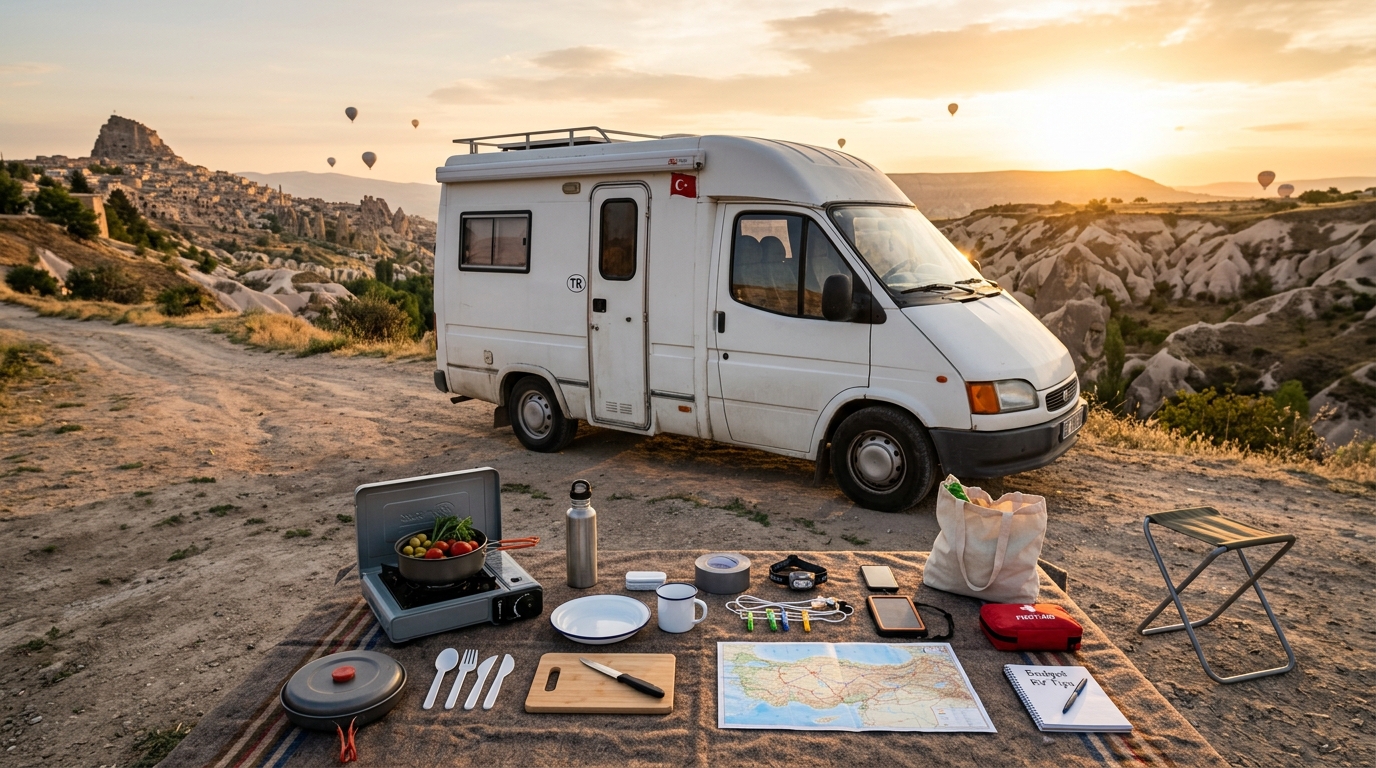
For a week-long RV trip in Turkey, popular choices like Cappadocia or the Aegean coast offer stunning landscapes, but exploring lesser-known gems such as the Seven Lakes (Yedigöller) or the ancient city of Sagalassos can provide unique, off-the-beaten-path experiences. Cappadocia (Central Anatolia) is iconic for its fairy chimneys and hot air balloon rides, with numerous well-equipped campsites, ideal for stunning geological formations and cultural immersion. The Aegean Coast, stretching from Izmir to Fethiye, offers beautiful beaches, significant ancient ruins like Ephesus, charming coastal towns, and scenic drives perfect for a leisurely pace. For nature lovers seeking tranquility, Yedigöller National Park (Bolu) is a stunning natural wonder with seven interconnected lakes, perfect for hiking and peaceful overnight stops, often less crowded than major sites. Sagalassos (Burdur) is an incredibly well-preserved ancient city set in a dramatic mountainous landscape, offering a profound historical experience away from mass tourism. For adventurous RVers, the Kaçkar Mountains (Eastern Black Sea) provide stunning alpine landscapes, traditional villages, and challenging but rewarding drives, best suited for robust Class C or Class SI motorhomes and experienced drivers. For any trip, we recommend focusing on one region for a deeper, more immersive experience rather than attempting to rush between distant popular sites; target destinations within a 3-4 hour drive from your pick-up location. You can explore more pre-planned routes at rvplan.net for diverse options.🎬 Video coming soon
What You Shouldn't Miss
- **Hot Air Balloon Ride in Cappadocia:** Soar above the unique "fairy chimney" rock formations at sunrise for an unforgettable perspective of this geological marvel.
- **Exploring Ancient Ephesus:** Walk through the remarkably preserved ruins of a Roman city, including the Library of Celsus and the Great Theatre, near Izmir.
- **Terraced Pools of Pamukkale:** Witness the ethereal white travertine terraces formed by mineral-rich thermal waters, a UNESCO World Heritage site perfect for a relaxing stop.
- **Coastal Drive along the Turquoise Coast:** Drive your rented motorhome along scenic routes from Antalya to Fethiye, discovering secluded coves and charming fishing villages.
- **Avy Bandana's Top 5 Adventures - recommendations from Avi Bandana**
- **Taste Turkish Delights & Baklava:** Indulge in authentic local sweets from a bustling bazaar, a perfect way to connect with the vibrant food culture.
- **Visit an Ottoman Village:** Explore the well-preserved wooden houses and cobblestone streets of Safranbolu, offering a glimpse into traditional Ottoman life.
Final Thoughts
A weekend RV adventure in Turkey offers an incredible blend of historical discovery, natural beauty, and cultural immersion, all at your own flexible pace. Whether you dream of waking up to a hot air balloon spectacle in Cappadocia or parking your campervan overlooking the azure Mediterranean, Turkey's diverse landscapes are ready to be explored. Remember, with a rented motorhome, you're not just traveling; you're creating a mobile home base for unforgettable memories.
We're here to make your journey seamless, from comparing prices and booking to ensuring you have all the information for a smooth trip. We pride ourselves on being true RV specialists, dedicated to helping you find the easiest, safest, and most affordable way to rent an RV. So, take that leap, plan a trip itinerary in advance with minimal effort and maximum enjoyment, and discover the magic of Turkey on your terms!
Ready to hit the road? Compare weekend rv rental Prices for Turkey now and embark on your next great adventure!
On the routes offered through RV PLANET routes, you can itemize and track every expense along the way for easy budgeting.