In This Guide
- Top 5 Tips for RV Rental in Norway
- Before You Book - Class, Dates, Insurance
- Pre-Trip Prep - Packing Checklist for Norway
- On the Road - Driving, Fueling, Navigation
- At the Campground - Setup, Hookups & Etiquette
- RV Rental-Specific Tips for Norway
- Common Mistakes to Avoid in Norway
- How much does an RV trip in Norway cost including tolls, fuel, and ferries?
- How do you navigate Norway's ferry system with an RV?
- What are the RV licensing requirements for international drivers in Norway?
- What is a realistic RV itinerary for Norway?
- What are the safety tips for RV travel and wild camping in Norway?
- How do you drive an RV on Norway's fjord roads and mountain passes?
- What are sustainable RV travel practices in Norway?
- What are the connectivity and charging options for RVs in Norway?
Top 5 Tips for RV Rental in Norway
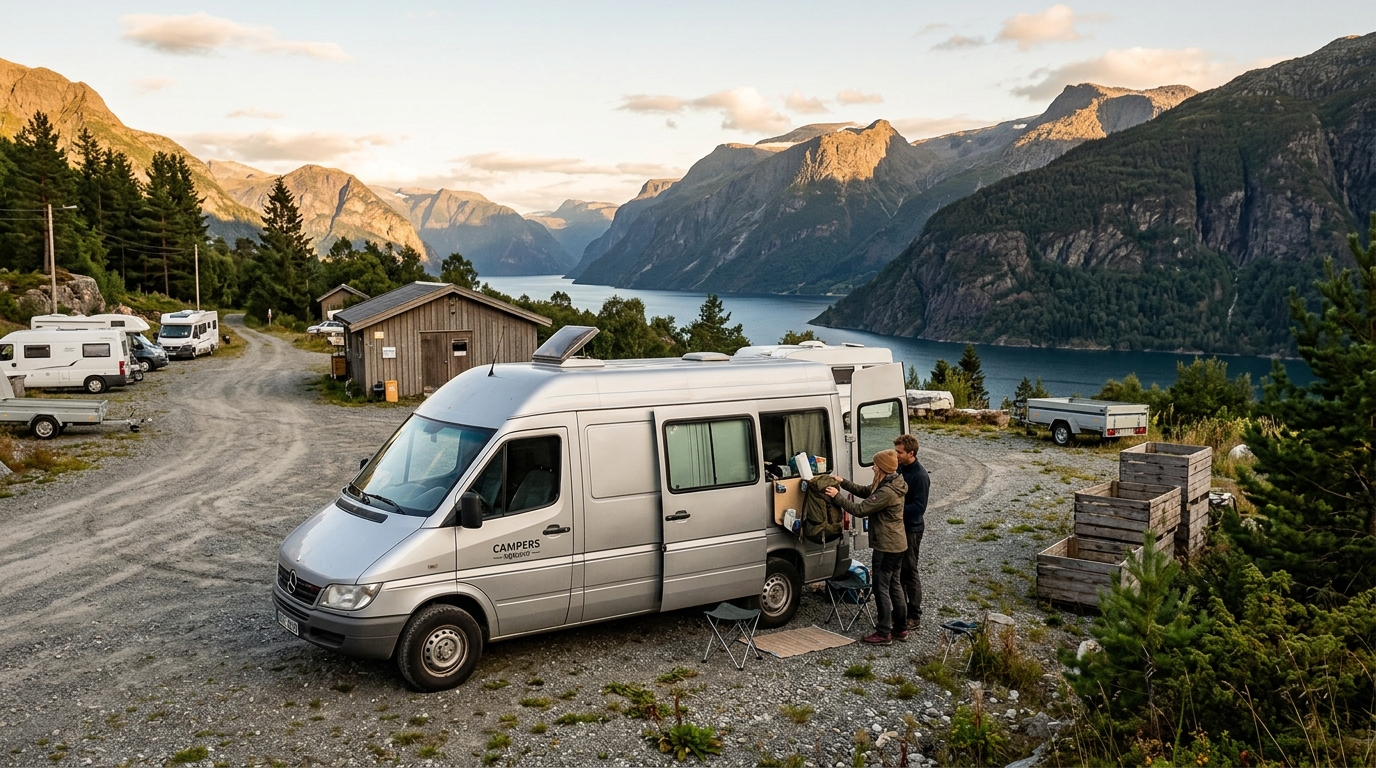
 Booking your motorhome in advance, especially for summer travel between June and August, is crucial to secure your preferred RV model and dates, as demand can be very high. This proactive approach helps ensure you get a comfortable Class C motorhome or a nimble campervan perfect for your family of 4 or a couple, allowing you to travel slowly and enjoy the scenery at your own pace. For instance, a comfortable rv rental denver example Category Van with front air conditioning and a shower is ideal for a couple, allowing you to experience true comfort on the road.
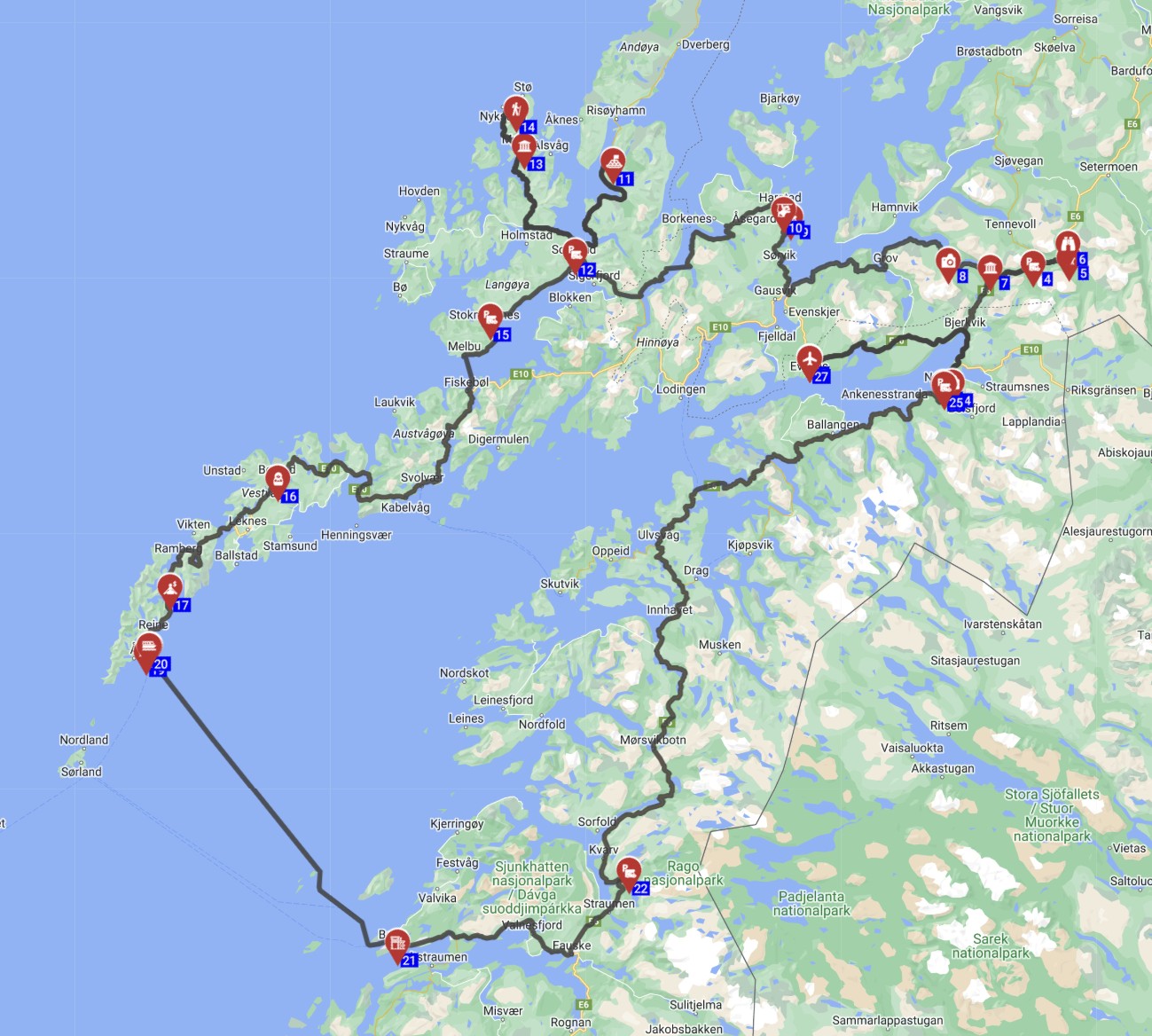
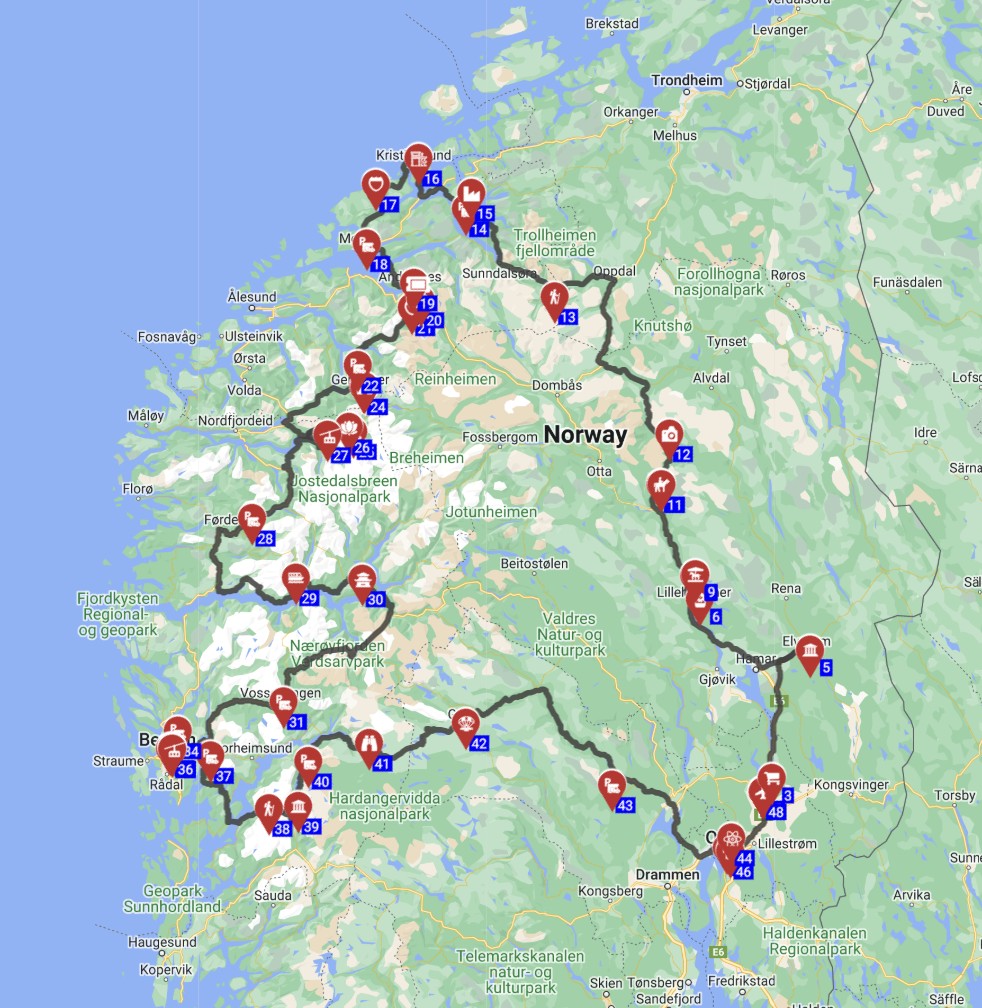
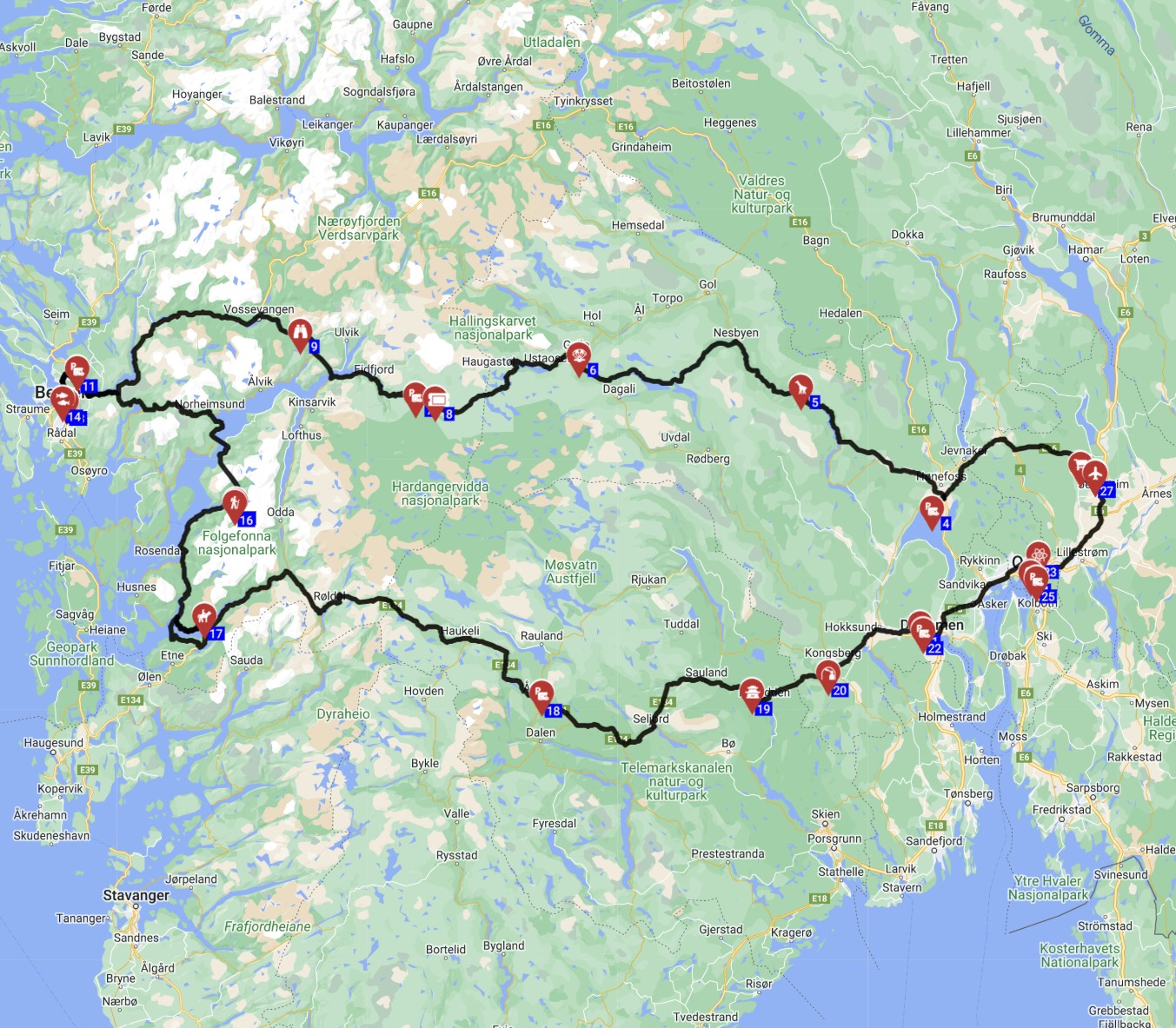
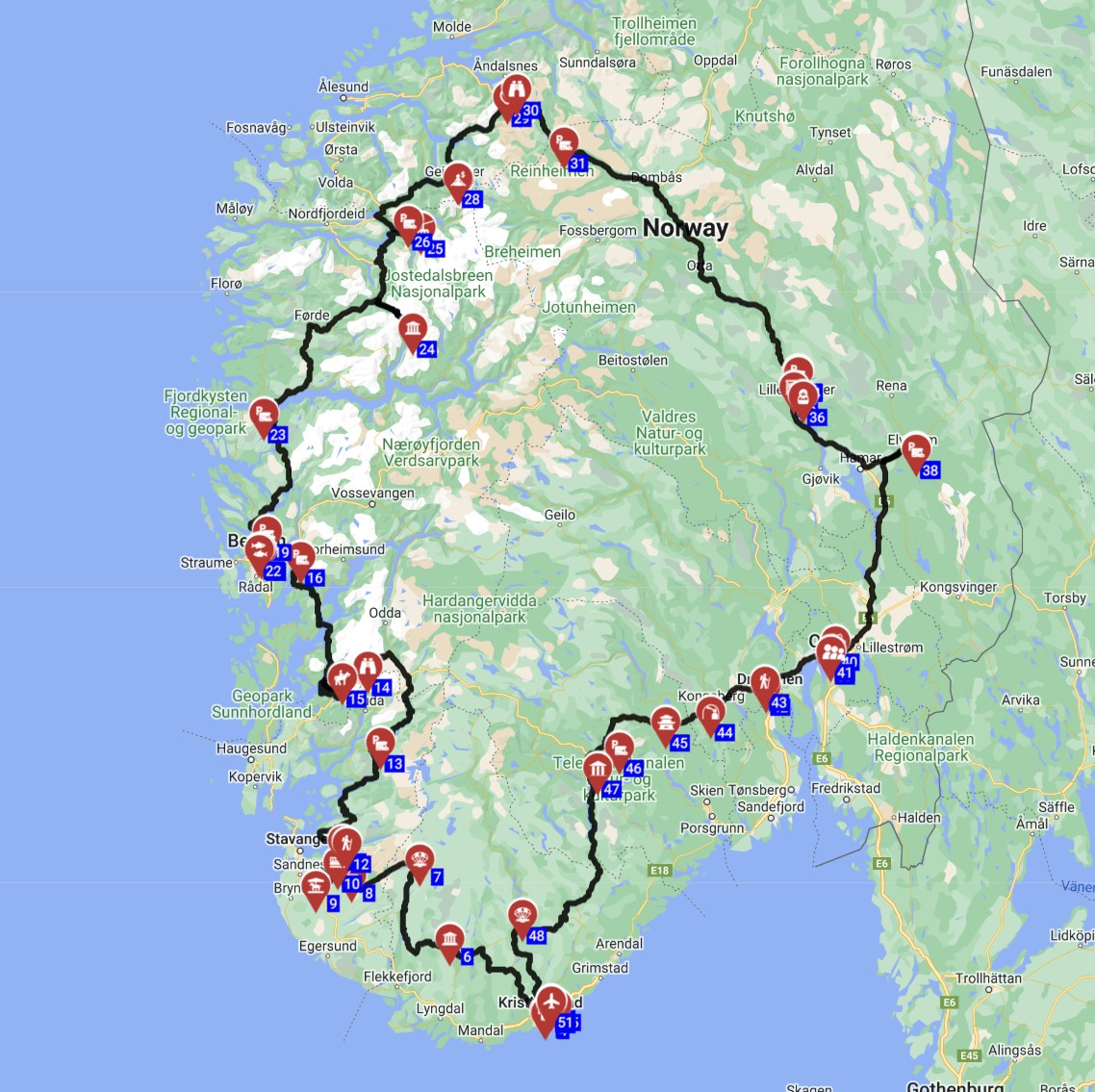
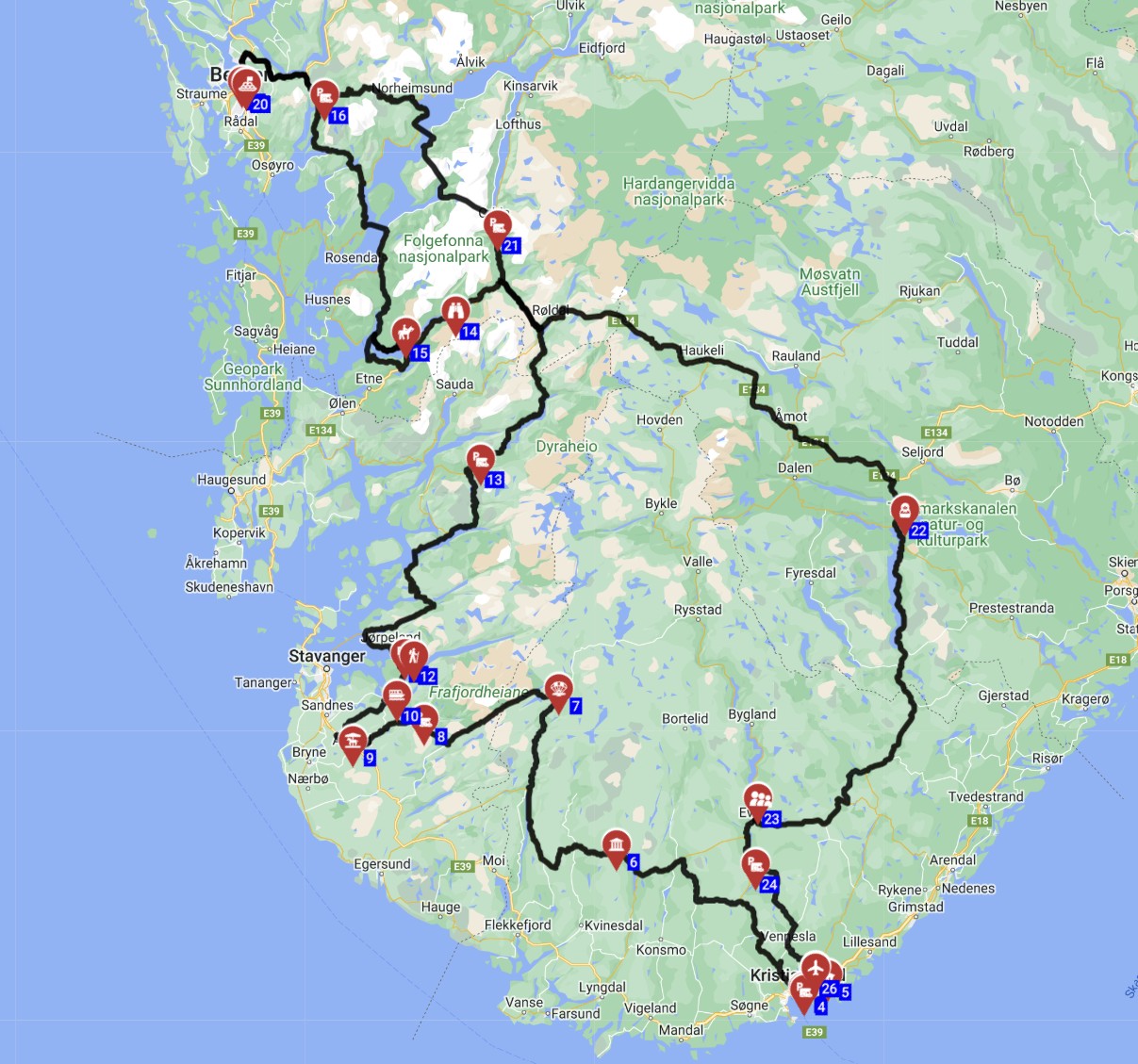
Factoring in all potential costs, including Norway's often-high tolls, frequent ferry crossings, and elevated fuel prices, is essential for accurate budgeting. These ancillary trip costs can significantly impact your overall budget, so account for them early. RV PLANET routes, such as the "Bergen Round trip - Norway’s Coastal Wonders" itinerary, allow travelers to itemize and track every expense along the way for easy budgeting, which includes estimating costs for over 780 km of driving and multiple ferry segments.
Planning flexible itineraries, allowing ample time to explore unexpected sights and adapt to Norway's notoriously changeable weather conditions, enhances your travel experience. While pre-planned routes are excellent starting points, a true RV adventure in Norway benefits from spontaneity. Remember our advice: drive slowly, averaging no more than 100-150 km per day, allowing you to truly feel the place, connect to its culture, its food, and the breathtaking scenery.
Familiarizing yourself with Norway's unique driving conditions, such as narrow fjord roads, steep mountain passes, and occasional single-lane tunnels, is key to a stress-free trip. Drive slowly and carefully, and you can drive almost anywhere without issues; there's no need to stress, just use common sense and pay attention to road signs. Our goal is to empower you with confidence for your rented motorhome journey.
Embracing wild camping responsibly, utilizing designated emptying stations for grey and black water, and respecting local regulations is an integral part of RV travel in Norway. While the 'Right to Roam' (Allemannsretten) offers incredible freedom, it also carries the responsibility to leave no trace and respect private property, ensuring Norway's pristine nature remains beautiful for everyone.
Booking your motorhome in advance, especially for summer travel between June and August, is crucial to secure your preferred RV model and dates, as demand can be very high. This proactive approach helps ensure you get a comfortable Class C motorhome or a nimble campervan perfect for your family of 4 or a couple, allowing you to travel slowly and enjoy the scenery at your own pace. For instance, a comfortable rv rental denver example Category Van with front air conditioning and a shower is ideal for a couple, allowing you to experience true comfort on the road.
Factoring in all potential costs, including Norway's often-high tolls, frequent ferry crossings, and elevated fuel prices, is essential for accurate budgeting. These ancillary trip costs can significantly impact your overall budget, so account for them early. RV PLANET routes, such as the "Bergen Round trip - Norway’s Coastal Wonders" itinerary, allow travelers to itemize and track every expense along the way for easy budgeting, which includes estimating costs for over 780 km of driving and multiple ferry segments.
Planning flexible itineraries, allowing ample time to explore unexpected sights and adapt to Norway's notoriously changeable weather conditions, enhances your travel experience. While pre-planned routes are excellent starting points, a true RV adventure in Norway benefits from spontaneity. Remember our advice: drive slowly, averaging no more than 100-150 km per day, allowing you to truly feel the place, connect to its culture, its food, and the breathtaking scenery.
Familiarizing yourself with Norway's unique driving conditions, such as narrow fjord roads, steep mountain passes, and occasional single-lane tunnels, is key to a stress-free trip. Drive slowly and carefully, and you can drive almost anywhere without issues; there's no need to stress, just use common sense and pay attention to road signs. Our goal is to empower you with confidence for your rented motorhome journey.
Embracing wild camping responsibly, utilizing designated emptying stations for grey and black water, and respecting local regulations is an integral part of RV travel in Norway. While the 'Right to Roam' (Allemannsretten) offers incredible freedom, it also carries the responsibility to leave no trace and respect private property, ensuring Norway's pristine nature remains beautiful for everyone.
Before You Book - Class, Dates, Insurance
Choosing an RV class for your Norway adventure depends heavily on your group size, desired comfort level, and your driving confidence. For couples or small families of 2+2, a compact campervan like the "rv rental denver example Category Van" or a smaller Class C motorhome offers easy maneuverability on narrow roads. Larger families or groups of friends might prefer a spacious Class A or a 6-berth Class C motorhome, like the "Euro Deluxe" model that comfortably sleeps three double beds, ensuring everyone has enough space. Bandana RV specializes in motorhomes and campervans, providing true RV specialists to guide you through the selection process, unlike generic travel agencies.Booking your rental motorhome dates early is crucial, particularly for peak season (June-August), to ensure availability and potentially better rates. While spontaneous travel can be thrilling, securing your vehicle several months in advance, especially for popular summer months, can yield savings of up to 25%. Don't worry if you're a last-minute planner; many national and state parks reserve 70-75% of their spots as first-come, first-serve, so you'll find a spot-just call ahead before driving.
RV rental insurance options typically include basic coverage, with comprehensive choices available for added peace of mind. Bandana RV is committed to full transparency, so you'll know exactly what insurance is included and what optional upgrades, like a top-level deductible reimbursement, are available. This means no hidden fees or surprises when it comes to protecting your rented RV in Norway.
Understanding that the weight of the rented RV affects driving license requirements is important, especially for international drivers. For nearly all of our rental motorhomes, a standard car driver's license (Category B) is sufficient, as they fall under the 3,500 kg limit. You don't need a special license, CDL, or additional permits, though an International Driving Permit (IDP) is recommended for visitors from non-English-speaking countries to translate your existing license. The minimum rental age in Norway is 21, and there are no young driver surcharges or vehicle class restrictions based on age, making RV travel accessible to younger adventurers.
Pre-Trip Prep - Packing Checklist for Norway
Preparing for your Norwegian RV adventure involves a thoughtful packing strategy to ensure comfort across varied temperatures and weather conditions. Layered clothing is essential, as you might experience brisk mornings near the fjords, sunny afternoons on the coast, and chilly evenings in the mountains, even during summer. A waterproof and windproof outer layer is non-negotiable for exploring the dramatic landscapes.Essential kitchen items for self-catering, such as basic cookware, utensils, and a reusable water bottle, will help you manage costs, which can be higher in Norway. Many of our campervans and motorhomes, like the "cruise america example EX-Group A" model with its 2-burner gas stove and 80-liter refrigerator, come equipped with standard kitchen facilities, making it easy to prepare delicious meals on board. Consider exploring our RV-friendly recipes playlist for meal inspiration that saves money and adds to the adventure.
Safety gear, including a first-aid kit, reflective vest, and headlamp, is paramount, especially if you plan on hiking or wild camping in remote areas. A rented RV provides a secure base, but personal safety items are always a good idea. Consider packing sturdy hiking boots, insect repellent, and a portable power bank for electronic devices.
All necessary travel documents, including your valid driver's license and an International Driving Permit (if applicable), should be easily accessible. While a standard license is sufficient for all our motorhome classes, an IDP simplifies communication with local authorities if needed. Also, remember to bring your passport, rental agreement, and any reservation confirmations for campsites or ferries. We believe in full transparency, ensuring you have all the necessary information before you even pick up your rental.
On the Road - Driving, Fueling, Navigation
Adhering to Norway's strict speed limits and maintaining headlights on at all times, even in broad daylight, are important for safe RV driving in Norway. Speed limits are typically 80 km/h (50 mph) on rural roads and 90-100 km/h (56-62 mph) on highways, with lower limits in urban areas. Driving a larger vehicle like a Class C motorhome requires extra attention, but with common sense and careful driving, you'll navigate Norway's roads without issues. There is no need to stress about driving a large RV in Norwegian cities; simply drive slowly and carefully, and you can access almost anywhere.Fuel stations are generally available in towns, but they can be sparse in remote areas, necessitating careful planning for refueling stops. It's always a good idea to top up your tank when you see a station, especially before heading into less populated regions or mountain passes. Diesel is the most common fuel type for motorhomes, and prices are consistently high across the country, so budgeting for fuel is a significant part of your overall trip cost.
Effective navigation often combines reliable GPS with offline maps, especially where mobile signal might be weak in some fjord valleys and mountain areas. Pre-downloading maps for your route will ensure you stay on track, even without internet connectivity. Our Rent&Plan service can provide you with expertly pre-planned routes that integrate seamlessly with navigation apps, taking the guesswork out of your journey.
Familiarizing yourself with the AutoPass system for automatic toll and ferry payment on Norwegian roads and ferries is essential to avoid unexpected charges. Your rental company will typically register your vehicle, and tolls will be charged to them, then passed on to you. This system is efficient and widely used, so understanding how it works ensures a smooth journey. For an example of a well-planned trip, consider the "Bergen Round trip - Norway’s Coastal Wonders" which covers 782.9 km and incorporates multiple ferry crossings.
At the Campground - Setup, Hookups & Etiquette
Upon arrival at a Norwegian campground, ensuring your rented RV is level before connecting utilities is the first step for a comfortable stay. Use leveling blocks if necessary, then typically connect to shore power, followed by fresh water, and finally prepare for waste disposal. Many campsites offer electrical hookups, which are convenient for powering your campervan or motorhome's appliances and keeping devices charged.Properly utilizing hookups involves connecting to available shore power for electricity, refilling your fresh water tank, and emptying grey and black water tanks at designated disposal stations. Most modern motorhomes, like a MH-B with its 167-liter fresh water tank and 148-liter waste water tank, are designed for ease of use in campgrounds, featuring clearly marked connections. You'll find these service points well-maintained across Norway.
Campground etiquette in Norway emphasizes quiet hours, respecting fellow campers' space, and maintaining cleanliness in shared facilities. Norwegians value peace and quiet, especially in natural settings, so be mindful of noise levels. It's a great opportunity to connect with nature and other travelers in a respectful community.
Always use designated facilities for waste disposal to uphold Norway's high environmental standards and local regulations. This includes separating your trash for recycling and properly emptying your grey and black water tanks only at official dump stations. Responsible waste management is a cornerstone of sustainable RV travel in Norway, helping preserve its stunning natural beauty.
RV Rental-Specific Tips for Norway
Before departing, confirming your rented RV's exact dimensions (length, height, weight) is critical for ferry bookings and navigating certain Norwegian roads. Some mountain passes, like Trollstigen, have length restrictions of 13.1 meters, which may affect larger Class A or longer Class C motorhomes. Knowing your vehicle's specs, such as a "cruise america rv rental example Explorer" at 7.1 meters long, will save you potential detours and stress. You can upgrade to a top-level deductible for extra peace of mind, knowing you're covered should any unforeseen bumps occur on Norway's beautiful but sometimes challenging roads.Understanding your RV's water and power capacities is essential for planning stops for refilling fresh water and emptying tanks at designated service points. A campervan or motorhome with a 100-liter fresh water tank and 80-liter waste water tank, like the "cruise america example EX-Group A", will last a few days for a couple, but larger groups will need more frequent stops. rvplan.net is a great resource for locating available service points and campgrounds along your route.
Packing efficiently and utilizing the RV's storage space thoughtfully avoids clutter and ensures easy access to essentials during your adventure in Norway. Built-in cupboards, under-bed storage, and overhead compartments in a typical 4-berth campervan can hold a surprising amount if organized well. Remember to pack lightly, focusing on versatile clothing layers.
Leveraging the RV kitchen to prepare meals significantly reduces food expenses, which can be high in Norway. A fully equipped kitchen with a gas stove, refrigerator, and sink allows you to enjoy fresh, local ingredients from Norwegian markets and prepare them in comfort. This adds a wonderful dimension to your trip, combining culinary exploration with cost savings.
Prepare for diverse parking scenarios, from well-equipped campsites offering full hookups to responsible wild camping spots, understanding the amenities each offers. While designated campgrounds provide convenience, the freedom of wild camping in permitted areas offers unparalleled access to Norway's natural beauty. Always call ahead to private campgrounds, especially during peak season, to confirm availability.
Common Mistakes to Avoid in Norway
A common mistake when RVing in Norway is not booking ferries or popular campsites in advance. Instead, secure key bookings, especially for peak season routes like the Geirangerfjord ferry or popular campgrounds in Lofoten, to avoid delays, disappointment, and full sites. Pre-planning for these critical points ensures a smoother journey, even if the rest of your itinerary remains flexible.Another error is underestimating travel times on scenic routes in Norway, where a short distance on a map can take hours to cover. Instead, allow extra time for narrow roads, winding fjord paths, frequent photo stops, and essential ferry crossings. Remember our recommendation to travel slowly, aiming for a maximum of 100-150 km per day on average, to truly savor the experience.
Ignoring the AutoPass system for tolls is another common oversight. Instead, ensure your rental RV is properly registered or understand how to pay tolls to avoid unexpected fines and administrative fees. Most reputable rental companies, including Bandana's partners like Apollo and Britz, handle the registration, but it's always good to confirm.
Overpacking your rental RV is a mistake that can lead to cramped living conditions and reduced fuel efficiency. Instead, pack light and efficiently, utilizing the RV's compact storage solutions and bringing only essentials. A standard motorhome with a 75-liter fuel tank and 82-liter fresh water tank like the "cruise america rv rental example Explorer" has ample storage for a family of four.
Disregarding waste disposal rules is a serious issue that impacts Norway's pristine environment. Instead, always use designated emptying stations for grey and black water to protect Norway's natural beauty and avoid hefty fines. These facilities are widely available at campgrounds and designated service areas along major routes.
How much does an RV trip in Norway cost including tolls, fuel, and ferries?
A detailed cost breakdown for an RV trip in Norway typically includes significant expenses for tolls, fuel, and ferries, which can vary widely depending on your route, vehicle size, and duration. For a week-long trip, you might expect to pay €80-€180 per day for a mid-sized Class C motorhome like the "Campervan hire example Active Classic" in the low season, but this can increase to €250-€400+ per day during peak summer months. A 2-week trip for a family of four might range from €2,500 to €5,000+ for the RV rental alone.Tolls are managed by the AutoPass system, requiring vehicles to be registered, with bills typically sent to the rental company and then charged to you. Depending on your route and distance, tolls could add an estimated €50-€150 for a week-long trip, particularly if you're traveling south of Trondheim. Fuel costs in Norway are among the highest in Europe, with diesel prices often exceeding 20-25 NOK per liter (approximately €1.75-€2.15 per liter), so budgeting €400-€800 for a 2-week trip covering 1,500-2,000 km is realistic.
Ferry costs are calculated based on vehicle length and often height, making larger RVs more expensive; a 7-meter motorhome can easily cost €20-€60 per short ferry crossing. A route covering multiple fjords could see ferry costs accumulate to €100-€300 over a week. Campsite fees in Norway typically range from 200-500 NOK per night (approximately €17-€45), with some premium sites or those with full amenities costing more. Budgeting should also account for groceries, which can be 20-30% higher than in other European countries, activities, and potential wild camping opportunities where permitted. Using RV PLANET routes can help itemize and track every expense for precise budgeting.
How do you navigate Norway's ferry system with an RV?
Navigating Norway's extensive ferry system with a rented RV often involves a mix of pre-booked and pay-on-board services, depending on the route, popularity, and season. Many major tourist routes, especially during peak summer, benefit greatly from online pre-booking to guarantee your spot, particularly for larger motorhomes or campervans. Ferries are an integral part of Norway's road network, acting as extensions of main highways like E39, effectively bypassing long drives around fjords.For most local and less frequented ferry crossings, payment is typically made on board, often by card. It is advisable to arrive early for these pay-on-board ferries to secure your place in the queue, as capacity can be limited for larger vehicles, especially a Class C motorhome like the "Group E" with its generous dimensions and comfortable sleeping for 6. Costs vary significantly based on the RV's length and sometimes height, with many local ferries offering discounts if you use a 'ferjekort' (ferry card), though these are typically for local residents or long-term renters. For example, a 7-meter motorhome might cost significantly more than a 5-meter campervan on the same route. Ensure you have your vehicle's exact measurements handy when approaching ferry terminals. The "Stockholm Round trip - Sweden, Denmark and Norway Family Adventure" is a fantastic 22-day itinerary spanning 3673.5999999999985 km that provides detailed guidance on navigating inter-country logistics, including ferries.
What are the RV licensing requirements for international drivers in Norway?
International drivers operating rental RVs in Norway generally need a valid driver's license from their home country, often accompanied by an International Driving Permit (IDP). For the vast majority of our campervans and motorhomes up to 3,500 kg, a standard B category driving license is entirely sufficient, mirroring requirements for driving a regular car.Larger RVs exceeding 3,500 kg, such as some Class A motorhomes, may technically require a C1 or C category license, depending on the exact weight, matching the endorsements you might have in your home country. However, Bandana RV primarily offers vehicles that fall within the standard B license category, simplifying the process for most travelers. We recommend confirming the specific weight (Gross Vehicle Weight Rating - GVWR) of your chosen RV model, like a "4 Berth Deluxe" before booking to ensure it aligns with your license.
It is advisable to carry an International Driving Permit (IDP) in addition to your home country's license. The IDP translates your license into multiple languages and is highly recommended by Norwegian authorities, though it is not always legally mandatory for all nationalities, particularly those from EU/EEA countries or countries with English-language licenses. This document can be particularly helpful if you encounter a roadside check or need to interact with local services. The minimum rental age for all our motorhomes in Norway is 21, and there are no young driver surcharges or class restrictions.
What is a realistic RV itinerary for Norway?
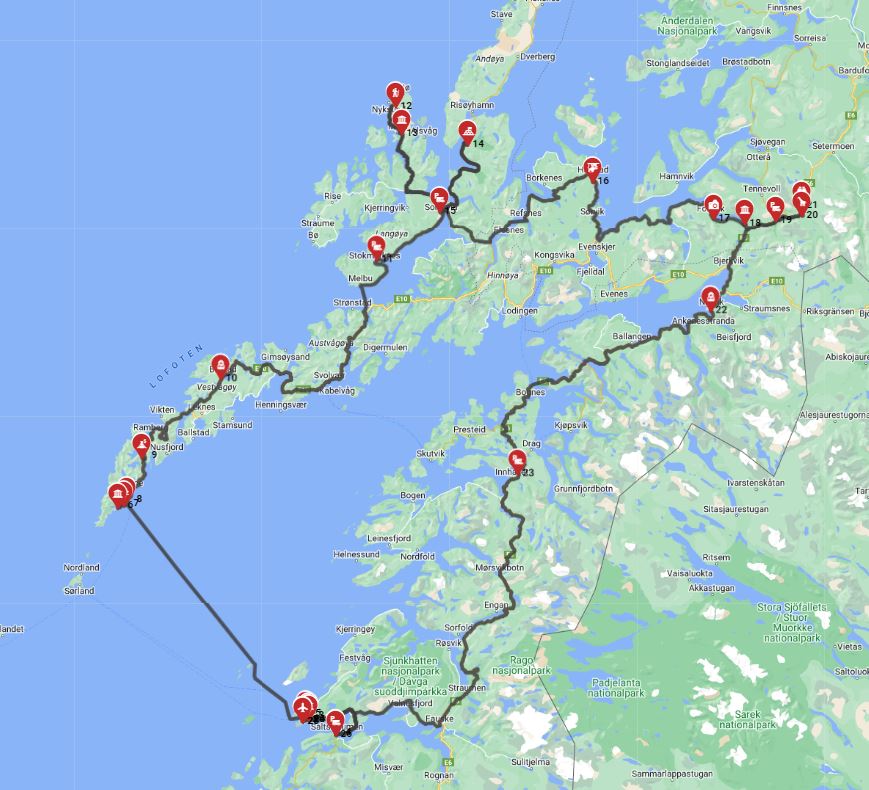
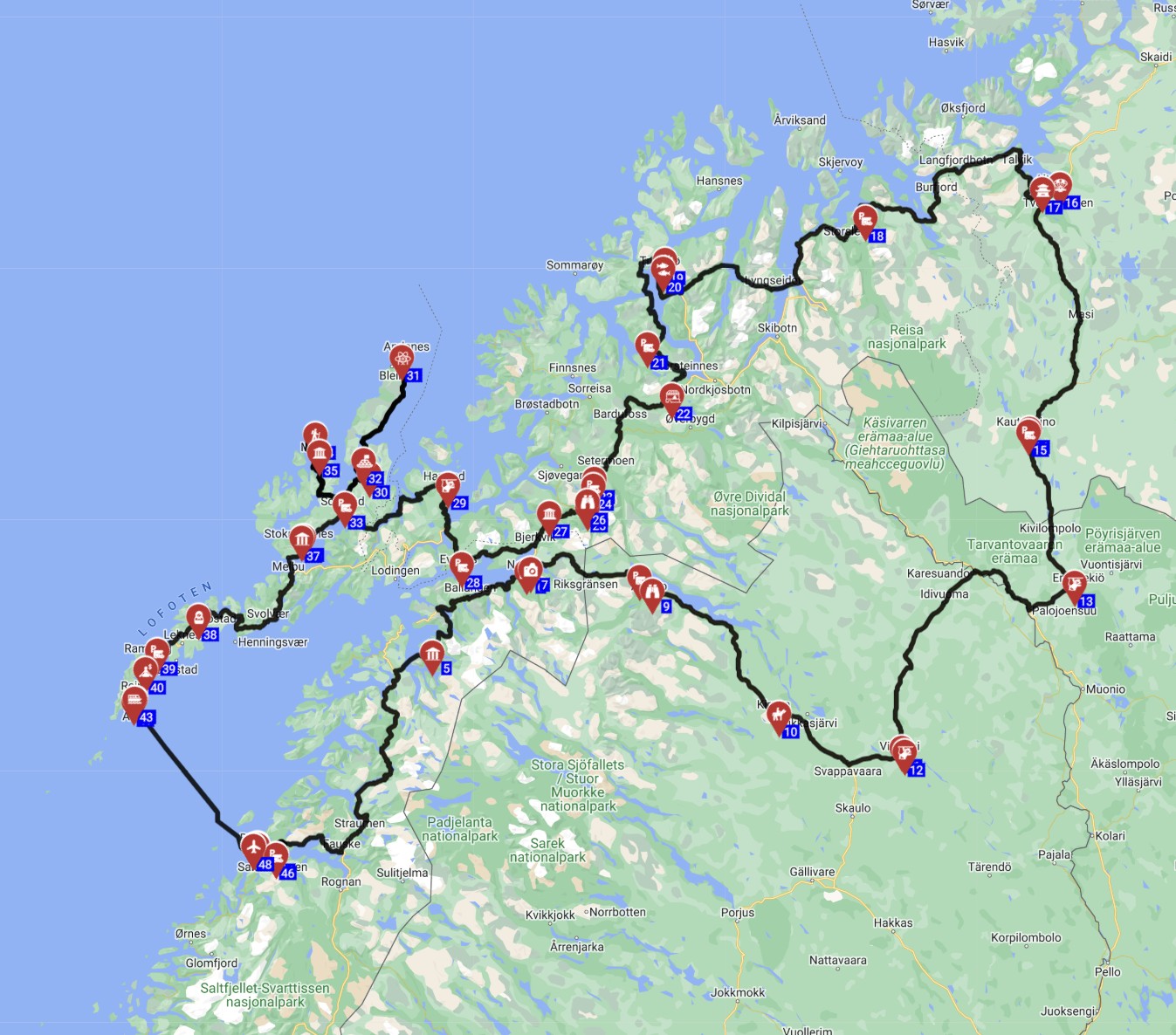
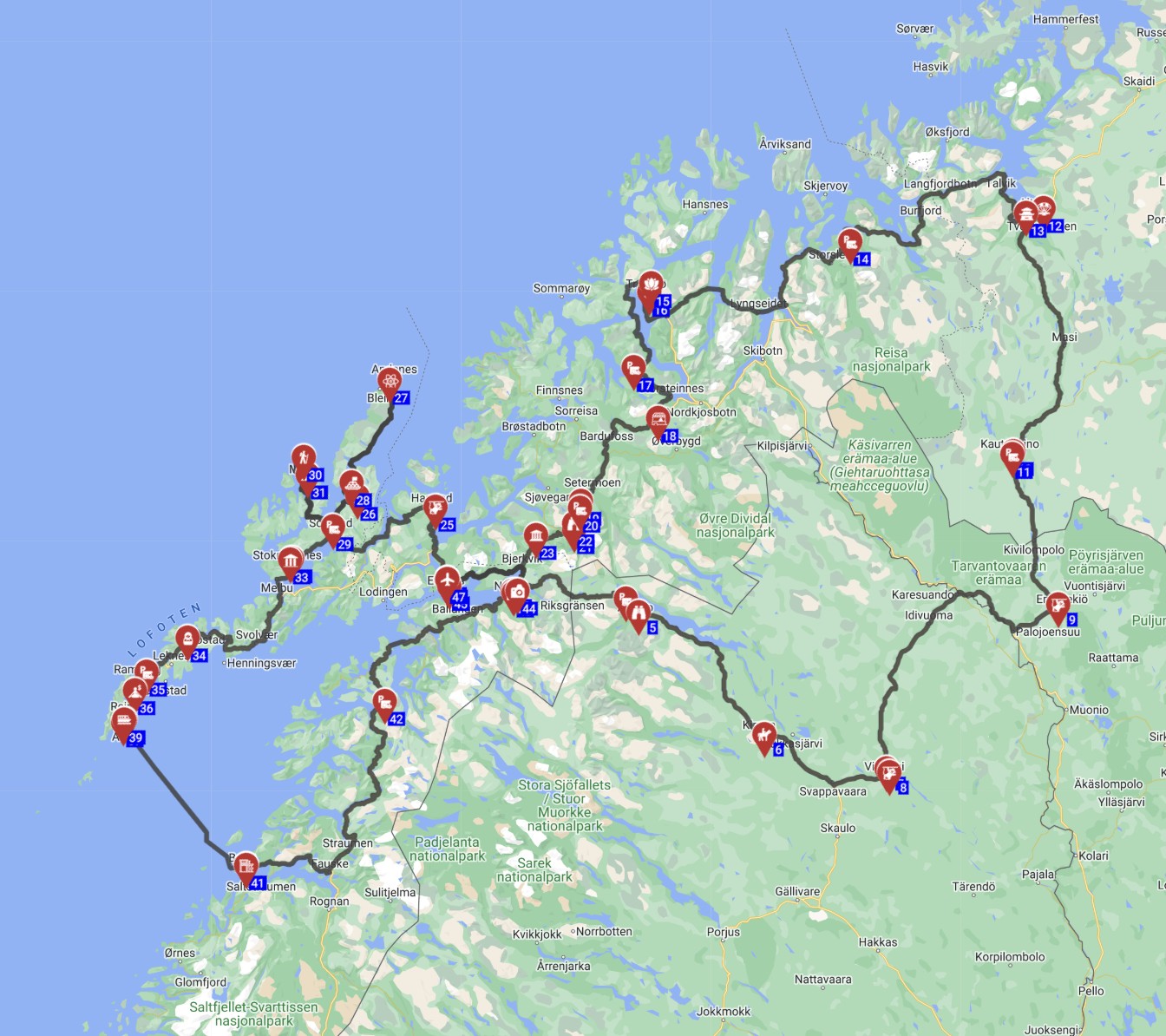
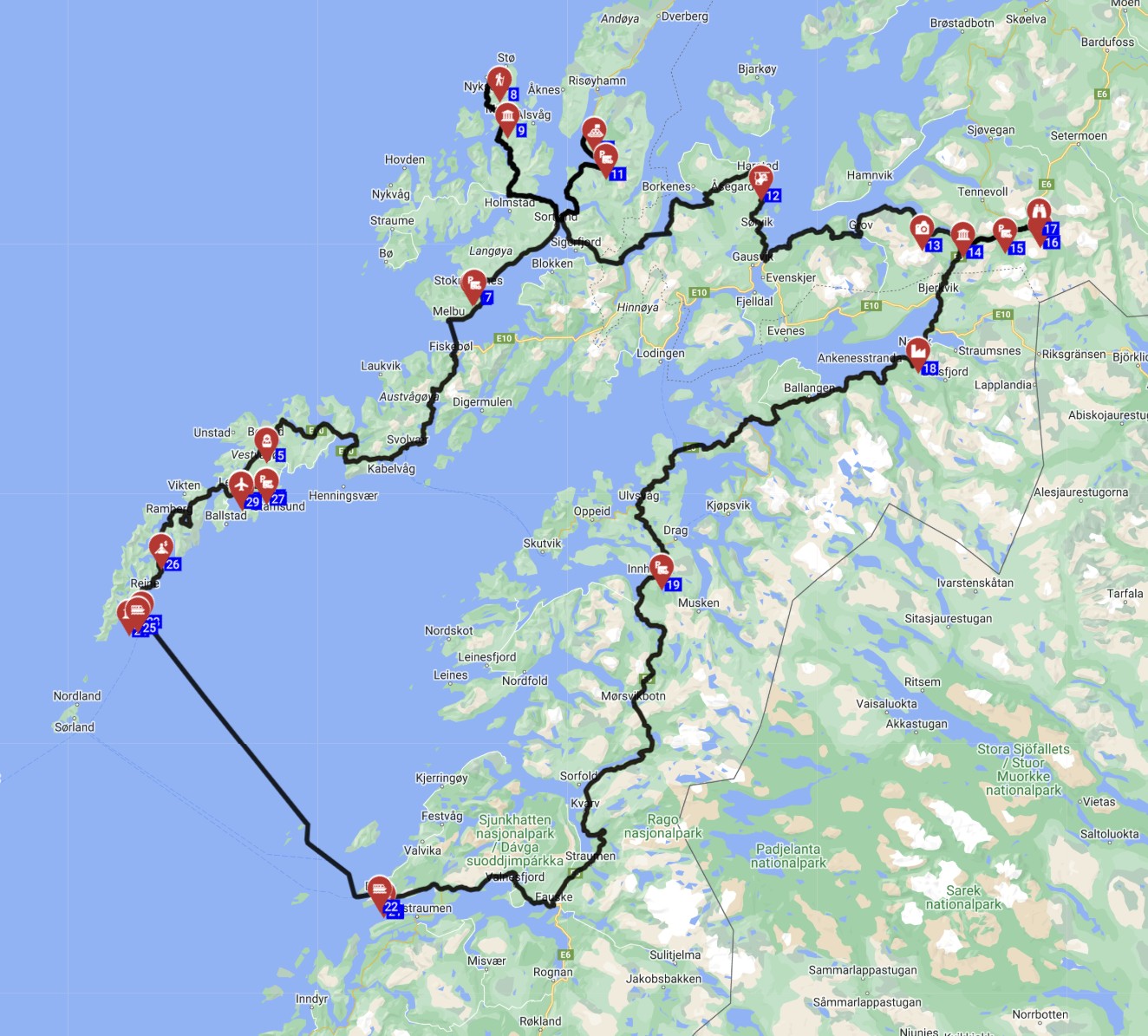
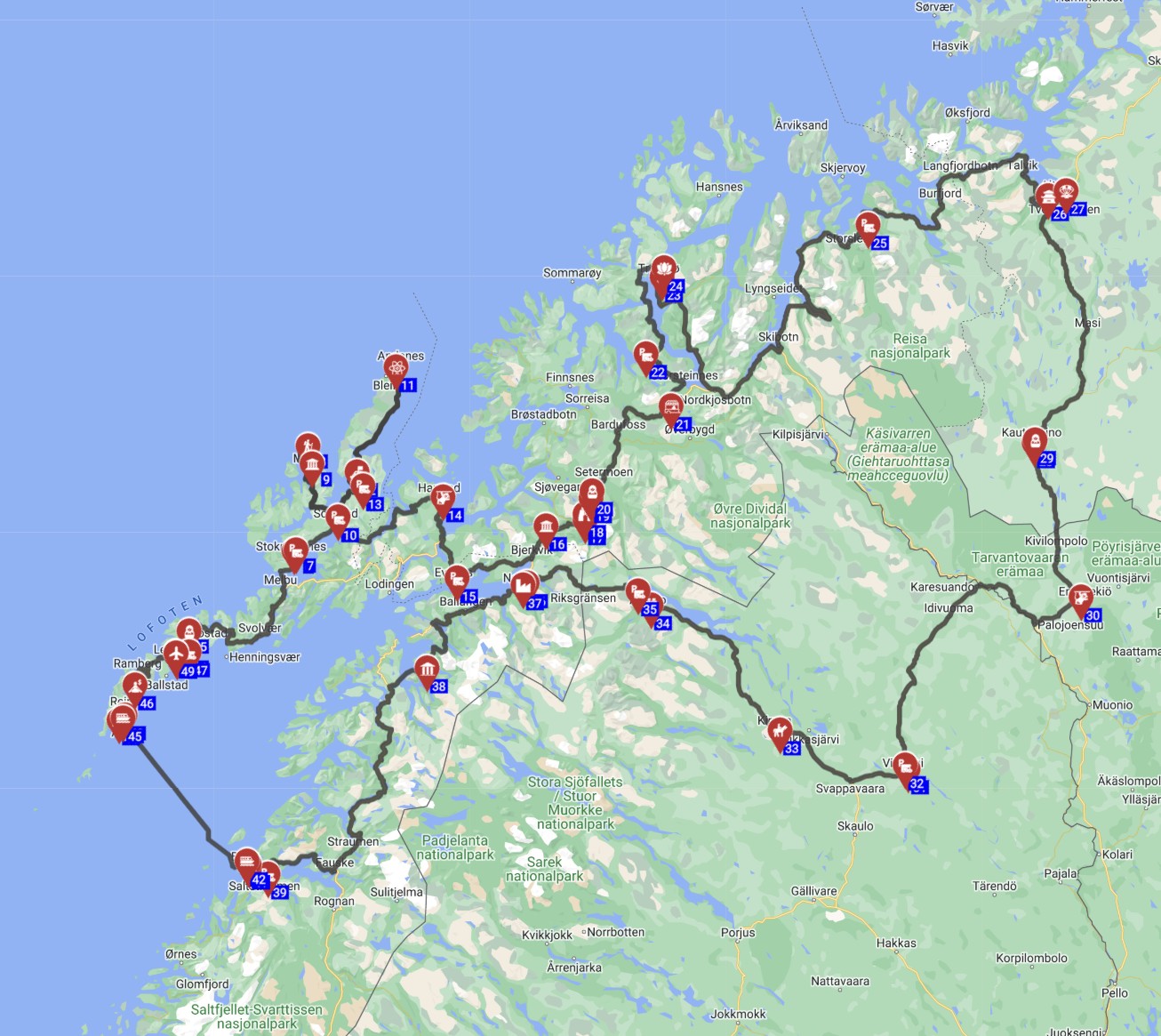
A realistic RV itinerary for Norway emphasizes achievable distances without rushing, allowing ample time for scenic stops and immersive exploration, aligning perfectly with our slow travel philosophy of max 100-150 km per day. For instance, a 1-week trip should realistically focus on a specific region, such as the Southern Fjords, allowing you to explore sites like Preikestolen (Pulpit Rock) and the Hardangerfjord, potentially starting and ending in Bergen. This area offers numerous hiking areas and natural features.A 2-week itinerary can expand to include central fjords like the iconic Geirangerfjord and the dramatic Trollstigen mountain road, possibly starting from Oslo or Bergen. This duration allows for a loop that might include multiple scenic routes, museums, and traditional visits. The "Tromsø Round Trip - Arctic Wonders: Northern Norway Family Road Trip" is a fantastic 15-day route covering 2402.5 km, designed by professionals, and includes 4 museums, 2 natural features, and 2 animals show/wildlife watch opportunities, demonstrating what's achievable with careful planning. Three weeks or more allows for a comprehensive journey, venturing further north to Trondheim, the stunning Atlantic Ocean Road, or even the magical Lofoten Islands, where you can experience the Midnight Sun in summer. RV PLANET offers over 1,300 pre-planned routes across 5 continents, including excellent options for Norway, designed by professionals to maximize your adventure. Remember to budget around 150-250 km of driving per day to comfortably account for mountainous terrain, ferry crossings, and frequent scenic viewpoints. Our Rent&Plan service allows you to access these professionally crafted itineraries, with a 25% planning discount when using rvplan.net for your travel preparation. For more pricing details, check out "RV Rental in Norway - Prices and Best Deals 2026".
What are the safety tips for RV travel and wild camping in Norway?
Safety during RV travel and wild camping in Norway requires awareness of local regulations, potential wildlife encounters, and preparedness for remote conditions. Always drive your rented motorhome or campervan cautiously, especially on winding roads and through tunnels, maintaining safe speeds and distances.While Norway's 'Right to Roam' (Allemannsretten) generally allows wild camping, it comes with specific responsibilities, including being at least 150 meters (approximately 500 feet) from inhabited buildings and leaving absolutely no trace of your stay. For RVs, wild camping is generally more restricted than for tents; you might be expected to use designated rest stops or campgrounds more frequently. Always adhere to local signage and avoid blocking access roads or sensitive natural areas.
Be aware of local wildlife, particularly moose and reindeer, especially during dusk and dawn; drive cautiously and keep a safe distance if you encounter them on or near the road. Secure all food items when camping to prevent attracting animals.
Carry emergency supplies, including a well-stocked first-aid kit, extra water, non-perishable food, and a fully charged mobile phone, especially when venturing into remote areas where services are sparse. Inform someone of your itinerary, especially if planning to wild camp in isolated spots, and know Norway's emergency numbers: 112 for police, 113 for ambulance, and 110 for fire. Bandana is with you before, during, and after your booking, offering support and peace of mind for your Norwegian adventure.
How do you drive an RV on Norway's fjord roads and mountain passes?
Driving a rented RV on Norway's fjord roads and mountain passes demands significant caution and awareness due to steep inclines, narrow sections, and seasonal closures. Fjord roads are often narrow and incredibly winding; always drive slowly, use your mirrors frequently, and be prepared to yield to oncoming traffic by pulling over to designated passing points. No need to stress; just use common sense and pay attention.When ascending or descending steep mountain passes, utilize lower gears and engine braking to maintain control of your motorhome or campervan and prevent brake overheating. Roads like Trollstigen, with its 11 hairpin bends and 10% incline, are exhilarating but require your full attention and adherence to vehicle size restrictions; larger vehicles (over 13.1 meters) are typically prohibited on such routes.
Mountain passes, particularly those in the higher elevations like Sognefjellet, have seasonal closures, typically from October/November to May/June, due to snow and ice. Always check current road conditions via Statens vegvesen (Norwegian Public Roads Administration) before traveling through these areas. For winter RV rental in Norway, specific preparation and route knowledge are essential.
Adapt to Norway's extreme daylight variations; use blackout blinds for the 'Midnight Sun' phenomenon in summer, where the sun remains visible for 24 hours a day north of the Arctic Circle, ensuring you still get proper rest. Conversely, be prepared with good lighting and warm gear for the polar night conditions if traveling in the winter months, when daylight is minimal or non-existent in the far north.
What are sustainable RV travel practices in Norway?
Sustainable RV travel practices in Norway involve minimizing your environmental impact, implementing responsible waste management, and respecting local communities and nature. When traveling in a rented motorhome or campervan, always dispose of all waste properly by utilizing recycling facilities and designated emptying stations for grey and black water. Never discharge anything into nature; Norway's pristine environment is a treasure to protect.Minimize your environmental footprint by driving fuel-efficiently, planning routes to reduce unnecessary travel, and opting for eco-friendly products whenever possible. Keeping your tire pressure optimized and avoiding excessive idling can also contribute to lower emissions. Our platform, Bandana RV, works with suppliers who maintain modern, efficient fleets, including options for automatic transmission, to help reduce fuel consumption.
Support local communities by purchasing from small businesses, artisans, and farmers' markets, connecting to the local culture and food. Be respectful of private property, adhere to noise regulations, especially in wild camping areas, and avoid disturbing wildlife. These actions help ensure that your presence enhances, rather than detracts from, the local environment and economy.
Adhere strictly to 'leave no trace' principles: pack out everything you pack in, do not disturb flora or fauna, and stay on established roads and trails. Norway's 'Allemannsretten' (Everyman's Right) is a privilege that comes with responsibility. By practicing mindful and sustainable RV travel, you contribute to preserving the stunning natural landscapes and vibrant culture of Norway for future generations.
What are the connectivity and charging options for RVs in Norway?
Connectivity and charging options for RVs in Norway vary significantly from generally good mobile data coverage in populated areas to sparse availability in remote regions, alongside a growing electric vehicle (EV) charging infrastructure. Mobile data coverage is usually reliable in towns and along main roads, but expect limited or no signal in certain deep fjord valleys and high mountain areas.For consistent connectivity, consider purchasing an eSIM or a local Norwegian SIM card upon arrival, which can provide a stable internet connection for navigation and communication in most areas. This is particularly useful if you rely on online maps or want to share your incredible journey instantly.
For electric RVs, Norway has an extensive and rapidly expanding charging network, one of the most developed in the world. However, availability can still be more limited in very rural areas or far north of the Arctic Circle. Planning your charging stops using apps like PlugShare or Ladestasjoner (the Norwegian charging station map) is highly recommended. Many modern rental motorhomes and campervans are designed with a 12V system and USB ports, making it easy to charge your devices even without shore power.
Most campsites across Norway offer electrical hookups (shore power) for charging your RV's auxiliary batteries and powering onboard appliances, providing reliable access to electricity. For off-grid camping or when traveling through very remote locations, consider portable power solutions such as solar panels, large power banks, or compact generators, ensuring they comply with local noise regulations at campgrounds or quiet hours. Many of our smaller campervans, such as the "Combi Van," come with robust battery systems ideal for off-grid capabilities for a couple of days.
🎬 Video coming soon
What You Shouldn't Miss
- **Drive the Atlantic Road:** Experience one of the world's most dramatic coastal routes, winding over bridges that appear to skim the ocean's surface. This 8.3-kilometer stretch offers incredible photo opportunities, especially during sunset.
- **Explore the Lofoten Islands:** Venture north of the Arctic Circle to discover a stunning archipelago of jagged peaks, turquoise waters, and picturesque fishing villages. It's a perfect spot for hiking, kayaking, and experiencing the Midnight Sun in summer or the Northern Lights in winter.
- **Hike to Preikestolen (Pulpit Rock):** Embark on a moderate 4-hour hike to this iconic flat-topped cliff overlooking the Lysefjord near Stavanger. The panoramic views are breathtaking and an unforgettable reward.
- **Navigate the Geirangerfjord:** Take a ferry through this UNESCO World Heritage site, marveling at towering cliffs, cascading waterfalls like the Seven Sisters, and lush green valleys. The ferry journey itself is a highlight of any RV trip.
- **Experience Trollstigen (Troll's Path):** For confident drivers, this mountain road with 11 hairpin bends is an exhilarating challenge, offering spectacular views of the Stigfossen waterfall and surrounding mountains. (Check vehicle length restrictions in advance).
- **Visit Bergen's Bryggen Wharf:** Wander through the colorful historic wharf in Bergen, another UNESCO site. Enjoy fresh seafood, explore narrow alleyways, and take the Fløibanen funicular for city views.
Looking for expert insights from Avi Bandana? Top 5 Adventures - recommendations from Avi Bandana.
Final Thoughts
Norway truly offers a majestic landscape for RV exploration, from the serene beauty of its fjords to the dramatic expanse of its Arctic north. With a rented motorhome or campervan, you unlock the freedom to tailor your adventure, lingering where the scenery captivates you most and discovering hidden gems off the beaten path. Remember, the journey itself is part of the destination.Embrace the planning, but also cherish the spontaneity. With Bandana Caravan, you have a partner dedicated to making your RV rental experience in Norway as smooth and enjoyable as possible. We handle the details, you live the journey-every step of the way, with full transparency and dedicated support. Get ready to create memories that will last a lifetime in one of the world's most stunning countries.
Ready to embark on your Nordic adventure?
On the routes offered through RV PLANET routes, you can itemize and track every expense along the way for easy budgeting.