In This Guide
- Top 5 Tips for airport rv rental RV Rental in North West US
- Before You Book - Class, Dates, Insurance
- Pre-Trip Prep - Packing Checklist for North West US
- On the Road - Driving, Fueling, Navigation
- At the Campground - Setup, Hookups & Etiquette
- airport rv rental-Specific Tips for North West US
- Common Mistakes to Avoid in North West US
- What is the 3-3-3 rule for RV travel?
- What is the 444 rule for RV travel?
- What is the 2 2 2 rule for RV riding?
- Which state is the most RV friendly?
- Can I rent an RV in one state and drop it off in another?
- Is it cheaper to rent an RV or stay in a hotel?
- What size RV is good for a beginner?
The Pacific North West US is an incredible destination for a motorhome adventure, offering everything from stunning coastlines and ancient rainforests to towering mountains and vibrant cities. Imagine waking up to the sound of crashing waves on the Oregon Coast, or having a mountain sunrise greet you right outside your rented campervan window in the Cascades. Airport RV pickup in North West US makes this dream a reality, allowing you to fly into a major city, collect your mobile home, and hit the open road with ease. For live availability and current prices, start with our RV Rental North West US - Complete Guide 2026 guide.
Top 5 Tips for airport rv rental RV Rental in North West US
Booking your RV well in advance, especially for peak season travel in North West US, is crucial to ensure availability and secure better rates, potentially saving you 15-20% if booked 3-6 months ahead. Carefully consider the RV class that best suits your travel group size, comfort preferences, and driving experience for North West US terrain, such as a compact Class C motorhome like the 'Explorer' from Cruise America, which offers an 82-liter fresh water tank and is ideal for up to 4 people. Budgeting for fuel costs is significant, particularly in the mountainous regions of the North West where prices can fluctuate, so plan your refueling stops strategically. Research and book campgrounds ahead of time, especially for popular National and State Parks in states like Oregon, Washington, and Idaho, as many sites reserve only 25-30% online, leaving the rest for first-come, first-served arrivals. Finally, develop a flexible itinerary that allows for spontaneous stops, unexpected weather changes, and exploration of hidden gems, embracing the spirit of discovery that makes RV travel so unique. On the routes offered through RV PLANET routes, you can itemize and track every expense along the way for easy budgeting.
Before You Book - Class, Dates, Insurance
Choosing an RV class involves balancing space, maneuverability, and amenities; Class B campervans or smaller Class C motorhomes are often ideal for navigating North West US scenic routes and tighter park roads due to their manageable size, typically under 25 feet in length. You can compare various options, from a cozy 'Category Van' campervan perfect for a couple to a spacious 'MHC30' motorhome with three double beds, designed for larger families or groups up to nine people. Lock in your rental dates as early as possible, particularly for trips between May and September in the North West, to secure your preferred RV and avoid price surges that can increase daily rates by 20-40%. Understanding insurance options is crucial: basic insurance is always included, and you can upgrade to a top-level deductible for extra peace of mind, which we recommend selecting during your search to see all-inclusive pricing. For international travelers, verifying your standard car driver's license requirements is important, and an International Driving Permit (IDP) is recommended for visitors from non-English speaking countries, though not always mandatory in the US; familiarizing yourself with local road signs and driving etiquette will enhance your safety and enjoyment.
Pre-Trip Prep - Packing Checklist for North West US
Packing for a North West US RV trip requires preparation for diverse and often unpredictable weather conditions across its coastal, mountain, and desert climates, from the rain-soaked Hoh Rainforest to the sunny high deserts of Eastern Oregon. Essential clothing includes layers (base, mid, outer), waterproof jackets and pants, sturdy hiking shoes, and both warm and cool weather attire to adapt to temperature swings that can exceed 30 degrees Fahrenheit in a single day. Kitchen essentials should cover basic cooking utensils, plates, cups, cutlery, a cooler for extra storage, and reusable water bottles to minimize waste, making the most of your rented motorhome's kitchen for delicious meals on the road; check out our RV-friendly recipes playlist for inspiration. Safety gear is vital for exploring the North West's natural areas; include a well-stocked first-aid kit, bear spray (where appropriate and legal), headlamps, a multi-tool, and emergency roadside equipment like jumper cables and a tire pressure gauge. Necessary documents include your standard driver's license, RV rental agreement, insurance information, campground reservations, and maps- both physical and downloaded offline digital copies- for areas with limited cell service.
- Layers of clothing (rain jacket, fleece, t-shirts)
- Hiking boots or sturdy walking shoes
- Swimsuit (for lakes/hot springs)
- Sunscreen and insect repellent
- Basic cooking utensils (pots, pans, spatula)
- Plates, bowls, cups, and cutlery
- Reusable water bottles
- Cooler or extra insulated bag
- First-aid kit
- Bear spray (check local regulations)
- Headlamps or flashlights
- Emergency road kit (jumper cables, basic tools)
- Driver's license and passport (if international)
- RV rental agreement and insurance documents
- Campground reservation confirmations
- Physical maps and downloaded offline digital maps
On the Road - Driving, Fueling, Navigation
Driving a rented RV in the North West US requires awareness of mountainous terrain, which means understanding how to use lower gears on descents to prevent brake overheating and how to manage engine temperature on ascents, especially with larger Class C motorhomes. You can drive almost anywhere without issues, including in cities; just drive slowly and carefully, use common sense, and pay attention. No need to stress. Plan your fueling stops in advance, especially when traveling through more remote areas of Idaho, Eastern Oregon, or Washington, where gas stations may be infrequent and distances between towns can be significant, so keep your fuel tank topped up. Utilize reliable navigation apps that allow for RV-specific routing (avoiding low clearances or weight-restricted roads) and ensure you have offline maps downloaded for areas with spotty cell service, which is common in national forests and parks. Stay informed about local road conditions and potential seasonal closures, particularly for mountain passes in winter or during wildfire season in summer, which can impact travel plans; always check state DOT websites before heading out. Exercise caution for wildlife encounters; deer, elk, and even bears are common in many North West regions, especially at dawn and dusk, so remain vigilant and drive defensively. For budgeting fuel and other trip expenses, remember that RV PLANET routes allow you to itemize and track every expense along the way for easy budgeting on your North West US adventure, available at RV PLANET routes.
At the Campground - Setup, Hookups & Etiquette
Upon arrival at your North West US campground, safely position and level your rented RV before extending slides or setting up external amenities, ensuring clear access for other campers. Follow the correct hookup order: connect the sewer hose first, then the fresh water line, and finally the electricity, ensuring all connections are secure and leak-free to maintain hygiene and functionality. Adhere strictly to campground etiquette by observing quiet hours (typically 10 PM to 7 AM), keeping your site tidy, being mindful of your neighbors' privacy and space, and practicing Leave No Trace principles to protect the sensitive ecosystems of the Pacific Northwest, especially in popular spots like the Olympic National Park. Booking strategies for popular parks, like those in Crater Lake or Olympic National Park, often require reservations months in advance, especially for peak seasons; however, many national and state parks reserve 70-75% of their sites for first-come, first-served arrivals daily, so you'll always find a spot, even if it's at the next campground down the road- just call ahead before driving. For those interested in boondocking or dispersed camping, research specific regulations for National Forests and BLM land in North West states regarding fire restrictions, length of stay (often limited to 14 days), and proper waste disposal to avoid legal issues and protect the environment.
airport rv rental-Specific Tips for North West US
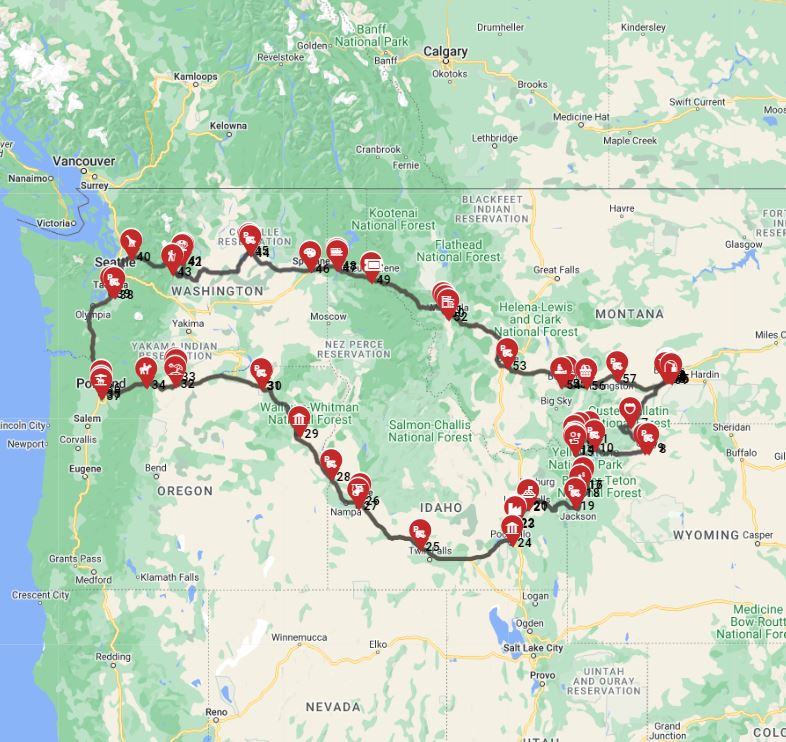
Craft diverse itineraries for the North West US, whether you're seeking "Coastal Wonders" along the 362-mile Oregon Coast, "Mountain Explorer" routes through the Cascades, or an "Urban & Nature Blend" around dynamic cities like Seattle or Portland. For families, choose rented RVs with ample sleeping areas, such as a large Class C motorhome like the 'Adventurer' with bunk beds, and consider destinations with kid-friendly activities like nature centers, accessible trails, or interactive museums. Seniors might prefer an ergonomic Class B campervan or a smaller Class C motorhome for easier driving and less strenuous setup, focusing on destinations with paved paths and accessible facilities, ensuring a comfortable week-long trip. Budget-conscious travelers can find numerous free overnight parking options on BLM land or in National Forests, balancing these with paid campgrounds offering amenities, and for more options, our "Cheap RV Rental in North West US - Budget Guide 2026" offers great insights. Consider premium add-ons like bike racks for exploring North West trails or portable generators for extended boondocking adventures to enhance your luxury RV experience; our "Luxury RV Rental in North West US - Premium Prices 2026" explores these options. With a Bandana RV rental, you're not just getting a vehicle; you're getting full transparency with no hidden fees and 24/7 support from true RV specialists, ensuring peace of mind throughout your planning and booking process.
Common Mistakes to Avoid in North West US
Instead of underestimating driving times, factor in slower speeds for mountainous roads and scenic pull-offs; always add extra time, perhaps 20-30% more than Google Maps suggests, to your North West US travel schedule to truly enjoy the journey, aiming for a slow travel pace of max 100-150 km per day. Avoid the mistake of not booking campgrounds in advance, especially if traveling during summer or to popular national parks like Olympic or Mount Rainier, as many sites fill up months ahead; however, remember that 70-75% of sites are often first-come, first-served. Do not ignore seasonal specific advice; prepare for sudden rain showers (particularly on the coast), potential snow in higher elevations (especially on the North Cascades Highway, which can close until June), or wildfire smoke in late summer, and check forecasts regularly. Rather than overpacking or underpacking, use a layered approach for clothing and prioritize versatile items suited for varied North West climates; a typical Class C motorhome like the 'Cruise America Explorer' offers 82 liters of fresh water storage, but packing efficiently is key. Always research local regulations and nuances for rented RVs in NW states, including overnight parking rules, fire restrictions (especially critical during dry summers), and pet policies in specific parks, to avoid fines or disruptions, ensuring a smooth adventure. Our "RV Travel Guide to North West US - Tips and Top Spots 2026" offers more detailed local tips.
What is the 3-3-3 rule for RV travel?
The 3-3-3 rule for RV travel suggests driving no more than 300 miles (approximately 480 km) a day, arriving at your campsite by 3 PM, and staying at least 3 nights in each location. This guideline, often also called the '3 3 3 rule' or '333 rule for campervan', promotes a relaxed travel pace, allowing ample time to enjoy each destination and avoid rushed setups. Adhering to this rule helps prevent driver fatigue, provides time for unexpected delays, and ensures you have daylight hours for campsite setup and initial exploration, which is especially beneficial when navigating winding roads and dense forests in the North West US. It's particularly ideal for North West US trips, where scenic drives and diverse attractions like the Oregon Dunes National Recreation Area or Olympic National Park warrant longer stays to fully immerse yourself in the experience.
What is the 444 rule for RV travel?
The 444 rule for RV travel is a guideline recommending driving no more than 400 miles (approximately 640 km) in a day, arriving at your campground by 4 PM, and staying a minimum of 4 nights at each stop. This rule offers a slightly faster pace than the 3-3-3 rule, suitable for travelers who wish to cover more ground while still dedicating sufficient time to explore destinations in North West US. Arriving by 4 PM allows ample daylight for campsite setup and relaxation before dinner, preventing stressful late-night arrivals and giving you time to connect your rented motorhome to hookups. Staying for 4 nights provides a substantial period to experience local attractions, undertake day trips to areas like Mount Rainier National Park, and truly unwind without constantly moving your RV.
What is the 2 2 2 rule for RV riding?
The '2-2-2 rule' for RV travel, also sometimes referenced as a '2 2 2 rule for RV riding', advises driving no more than 200 miles (approximately 320 km) a day, arriving at your destination by 2 PM, and staying at least 2 nights. While similar to rules for motorcycles ('riding'), this guideline is often applied to rented RVs for a highly relaxed and leisurely pace, ideal for beginners or those prioritizing deep exploration over covering vast distances in the North West US. This rule is particularly well-suited for North West US trips focused on enjoying specific natural areas, allowing ample time for hiking, photography, and immersing oneself in a single location like the Columbia River Gorge. It minimizes driving fatigue, maximizes daylight for campsite activities like cooking a meal in your campervan's kitchen, and allows for thorough enjoyment of individual parks or attractions.
Which state is the most RV friendly?
The 'most RV friendly' state is subjective and depends on individual preferences for scenery, amenities, and available campgrounds, but factors often include an abundance of campgrounds (state, national, and private), scenic routes, accessible dump stations, and diverse attractions. For RV travel in the North West US, Oregon and Washington are widely considered highly RV friendly due to their extensive network of state parks, national forests, and private campgrounds offering various amenities like electric hookups and potable water. These states boast breathtaking scenic byways like the Pacific Coast Highway, readily available RV services, and diverse landscapes ranging from coastal drives to mountain passes and high deserts. Idaho also offers exceptional RV friendliness with numerous opportunities for boondocking, access to pristine wilderness, and generally less crowded parks, making it a hidden gem for RVers seeking a truly wild experience in their rented motorhome.
Can I rent an RV in one state and drop it off in another in North West US?
Yes, one-way RV rentals are typically an option with major suppliers in the North West US, allowing you to pick up an RV in one state and return it in a different one, though they often involve additional 'one-way fees'. Many major RV rental companies, including Bandana partners like El Monte and Cruise America, facilitate one-way rentals, particularly between popular tourist hubs or major cities within the North West US like Seattle, Portland, or Boise. When planning your North West adventure, it's crucial to specify your desired pick-up and drop-off locations during the search process to view available vehicles and the exact costs involved, as one-way fees can range from $150 to $500 depending on the route and season. This flexibility is ideal for linear trips, such as traveling down the Pacific Coast Highway from Washington through Oregon, without needing to backtrack, and our "One-Way RV Rental in North West US - Price Guide 2026" can help you understand these costs better.
Is it cheaper to rent an RV or stay in a hotel in North West US?
Comparing the cost of an RV rental versus hotels in North West US involves numerous variables, but for families of 4-6 people or groups of friends on a week-long trip, RV travel can often be more economical than booking multiple hotel rooms, especially when factoring in dining expenses. A rented RV combines accommodation and transportation, eliminating separate hotel costs and often reducing dining expenses through onboard cooking facilities, such as the 3-burner gas stove and 170-liter refrigerator found in models like the 'Sunrise Escape'. Key cost considerations for RVs include the rental rate (which is dynamic and changes daily), fuel (significant for larger rigs and mountain driving, with models like the 'MHC30' consuming around 23 liters per 100 km), campground fees (averaging $30-$70 per night), and potential mileage charges, all of which should be weighed against hotel rates, restaurant bills, and car rental costs. For exploring North West national parks and natural areas, an RV offers unparalleled access and convenience, often proving to be a better value by integrating living and travel expenses, making it an excellent choice for a family adventure or a two-week road trip. For insights on pricing, consider our "RV Rental in North West US - Prices and Best Deals 2026".
🎬 Video coming soon
What size RV is good for a beginner in North West US?
For beginner RVers in the North West US, a smaller, more maneuverable vehicle such as a Class B campervan or a compact Class C motorhome is generally recommended for ease of driving and parking, particularly on scenic byways and in bustling cities. Class B campervans, like a 'Category Van' or 'HiTop', are similar in size to large vans, typically 18-22 feet (5.5-6.7 meters) long, making them easy to navigate on narrow roads and through city traffic, offering a comfortable transition for those new to RVing. Smaller Class C motorhomes, typically between 20-25 feet (6-7.6 meters), provide more living space and amenities than a Class B, like a full shower and toilet, while still being relatively straightforward to drive and park in most North West US campgrounds. Prioritizing a rented vehicle that feels comfortable and manageable, such as a 24' Class C Motorhome designed for 5 people with a 166-liter fresh water tank, will significantly enhance a beginner's first RV experience, allowing them to focus on the journey and breathtaking North West destinations rather than driving stress. No special driver's license is required for any of these motorhome classes; a standard car license is sufficient.
What You Shouldn't Miss
- Crater Lake National Park, Oregon: Witness the deepest lake in the US (592 meters) formed in a volcanic caldera, offering stunning blue waters and scenic drives.
- Olympic National Park, Washington: Explore diverse ecosystems, from temperate rainforests (like the Hoh Rainforest) to rugged coastlines and glaciated mountains, all within a single park.
- Columbia River Gorge, Oregon/Washington: Drive through this magnificent canyon, stopping at numerous waterfalls like Multnomah Falls (189 meters tall) and enjoying panoramic viewpoints.
- Seattle, Washington: Experience the vibrant city life, visit the iconic Space Needle, Pike Place Market, and enjoy the local culinary scene.
- Glacier National Park, Montana: Embark on an unforgettable journey along the Going-to-the-Sun Road, surrounded by glaciers, alpine meadows, and pristine lakes.
- Mount Rainier National Park, Washington: Marvel at the majestic, ice-capped stratovolcano and explore its wildflowers, forests, and subalpine meadows.
Looking for expert insights from Avi Bandana? Top 5 Adventures - recommendations from Avi Bandana
Final Thoughts
Embarking on a rented RV adventure through the North West US offers an unmatched sense of freedom and discovery. From the rugged beauty of the Pacific coastline to the majestic peaks of the Cascades and the serene wilderness of its national parks, this region truly beckons for exploration on your own terms. Remember, thoughtful planning, a flexible attitude, and the right vehicle choice will set the stage for an unforgettable two-week adventure or extended road trip.
With Bandana Caravan, you're choosing a partner dedicated to making your RV journey simple, transparent, and supported every step of the way. We're here to help you compare the best motorhome and campervan rental options, understand all the costs upfront, and get you confidently on the road. So, imagine yourself driving through vast landscapes, enjoying home-cooked meals under starry skies, and creating memories that will last a lifetime. Life is now - go and experience it!
Discover top destinations, planning tips, all in one place! Compare Motorhome Prices for North West US today and start planning your perfect escape.