In This Guide
- Top 5 Tips for winter RV Rental in West Canada
- Before You Book - Class, Dates, Insurance
- Pre-Trip Prep - Packing Checklist for West Canada
- On the Road - Driving, Fueling, Navigation
- At the Campground - Setup, Hookups and Etiquette
- Winter RV Rental-Specific Tips for West Canada
- Common Mistakes to Avoid in West Canada
- How do I book campgrounds in popular West Canada national parks during winter?
- What are the hidden costs of a winter RV rental in West Canada?
- What are specific tips for driving an RV in mountainous terrain during winter in West Canada?
- How should I provision my RV for a winter trip in West Canada?
- What are my options for internet and cell service in remote West Canada RV areas?
- Is winter RV travel in West Canada pet-friendly?
- Are there benefits to shoulder-season RV travel in West Canada?
- What You Shouldn't Miss
- Why Book with Bandana Caravan
- Final Thoughts
- Frequently Asked Questions
West Canada offers an unforgettable winter wonderland for those brave enough to explore its majestic landscapes by rented RV. Imagine waking up to snow-covered peaks, enjoying a hot coffee in your cozy motorhome, and embarking on a day of winter adventures from the comfort of your mobile home. Winter RV travel in West Canada is an incredible experience that combines the freedom of the open road with the beauty of a snowy season.
At Bandana RV, we believe in full transparency and honest advice, just like we’d want to receive it ourselves. Our mission, since being founded in 2001, has been to help tens of thousands of travelers discover the joy of RV travel. When planning your winter escapade, start with our RV Rental West Canada - Complete Guide 2026 for live availability and current prices, ensuring you find the perfect campervan or motorhome for your adventure.
Top 5 Tips for winter RV Rental in West Canada
Successfully navigating a winter RV rental in West Canada hinges on careful preparation and understanding the unique aspects of cold-weather travel. First and foremost, selecting a winterized RV equipped for cold temperatures and snow is essential, ensuring it has proper insulation and robust heating systems to keep you comfortable, even when temperatures drop to -20°C (-4°F).
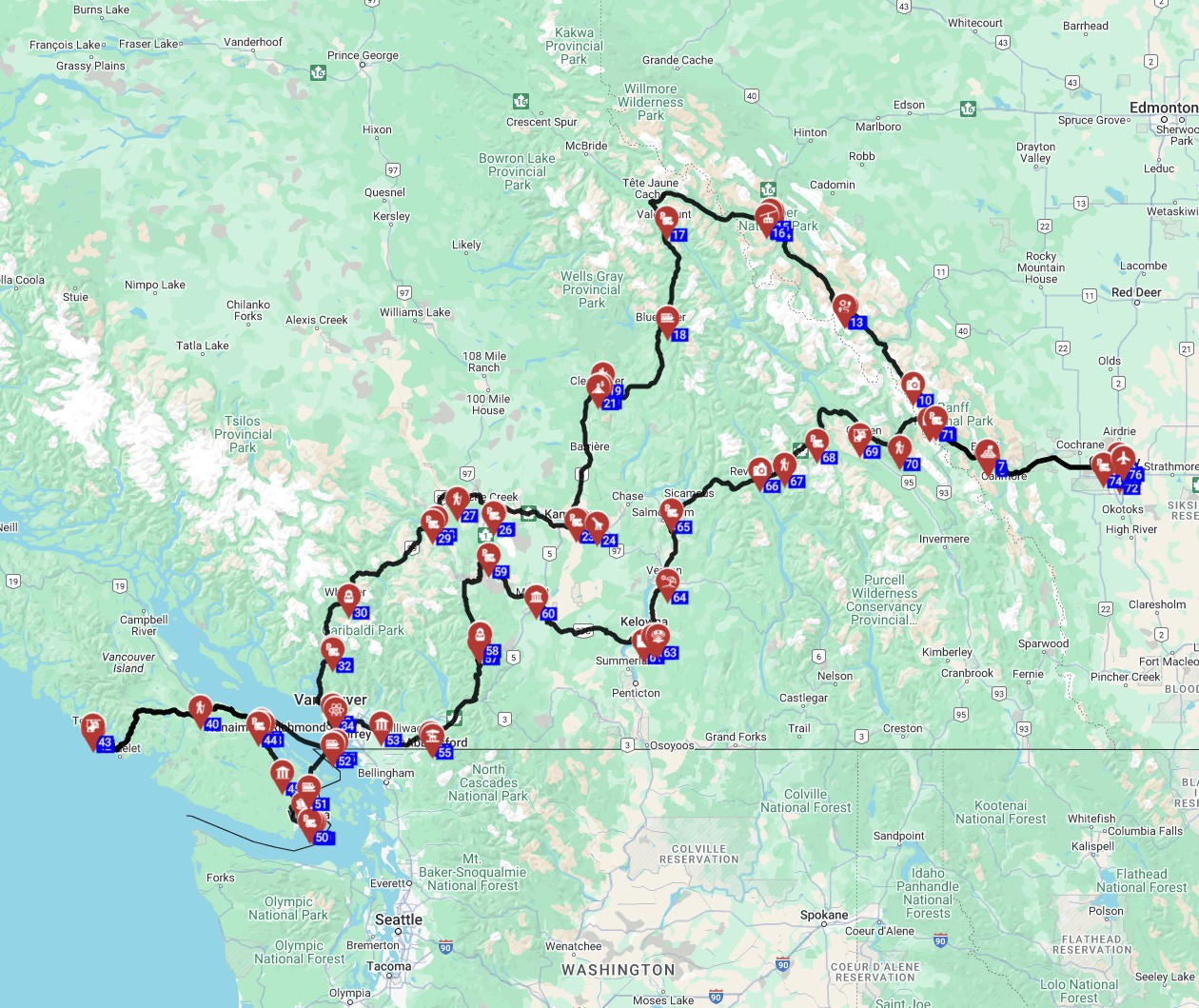
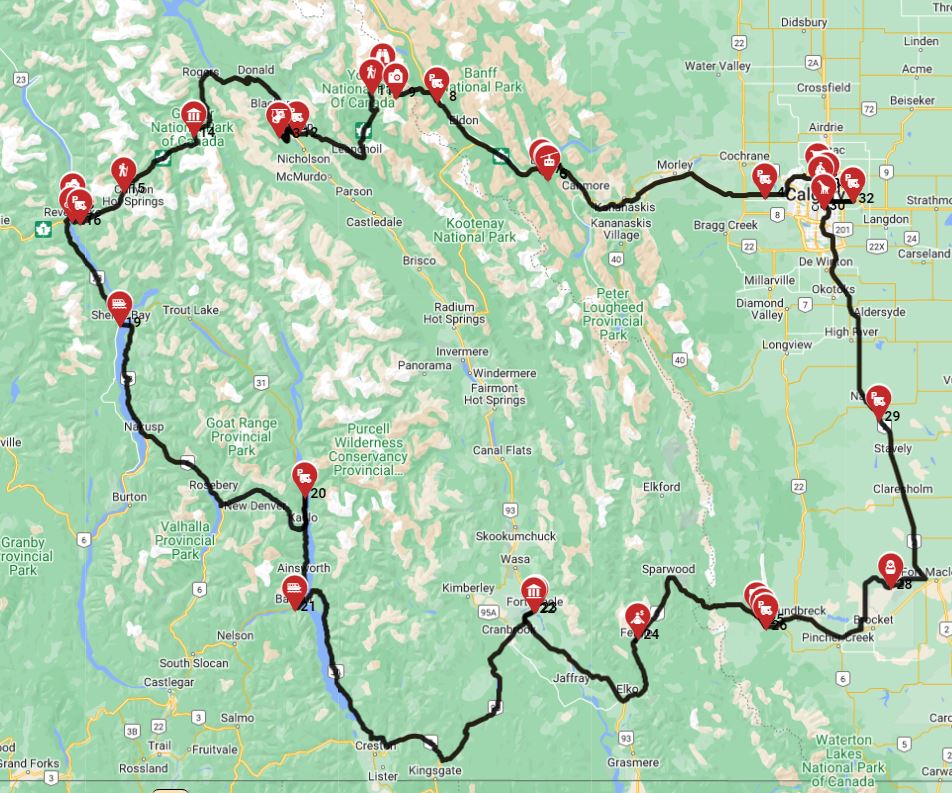
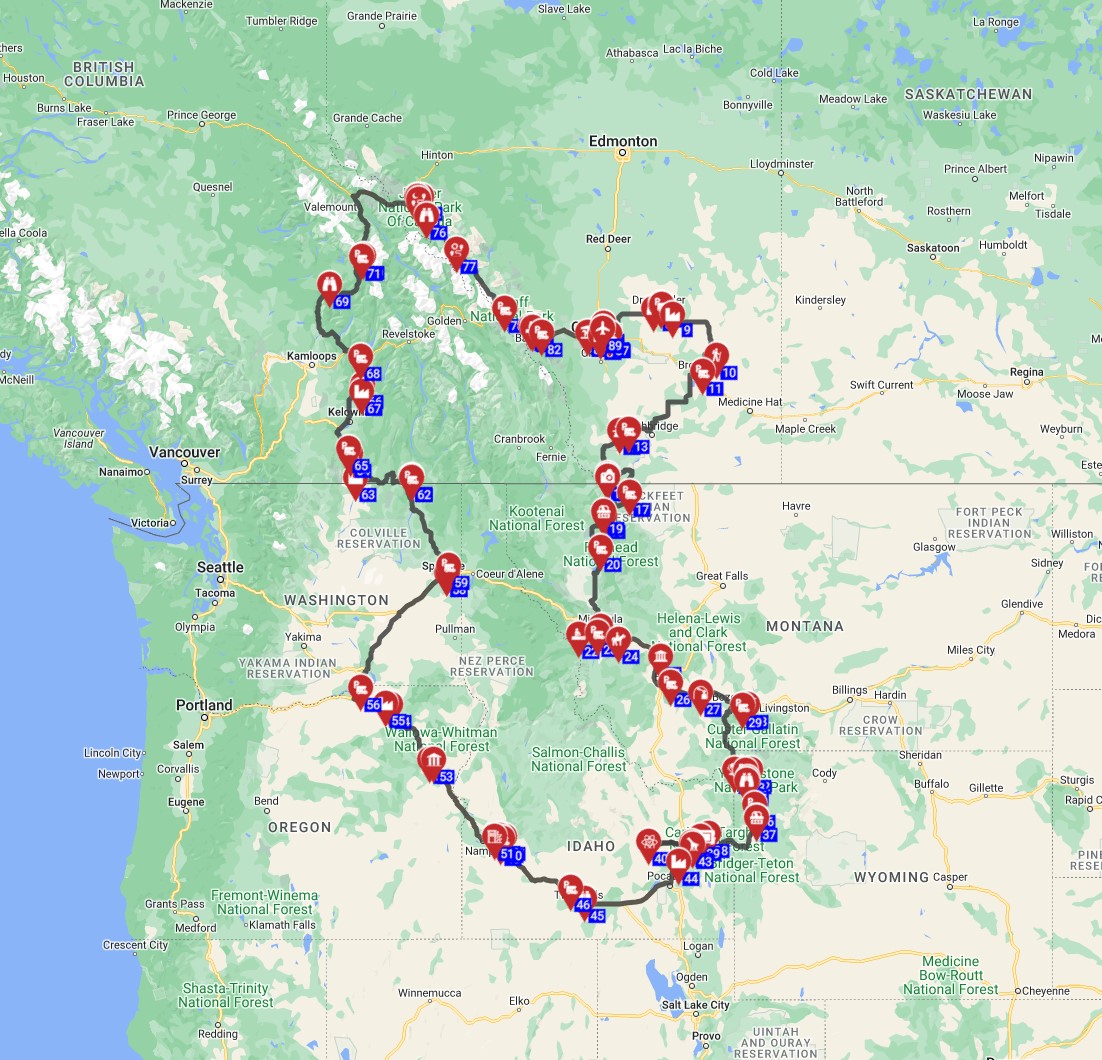
Secondly, plan your route meticulously, prioritizing major highways and frequently checking road conditions, especially for challenging mountain passes like those through the Canadian Rockies, which can be affected by heavy snowfall. Third, booking campgrounds well in advance is crucial, as many popular sites have limited winter availability or specific winter hookup protocols that need to be understood upon arrival. Fourth, pack warm clothing layers, appropriate gear for snow sports, and emergency supplies suitable for remote, cold environments, as cellular service can be spotty. Finally, take the time to truly understand your rented RV's winter systems, including how to manage water tanks, propane heating, and prevent pipes from freezing, which is a key part of hassle-free winter RVing. For tips tailored to your specific trip, remember Bandana RV is built by true RV specialists, not just a side department of a travel agency. On the routes offered through RV PLANET routes, you can itemize and track every expense along the way for easy budgeting.
Before You Book - Class, Dates, Insurance
Choosing the right rented RV class for winter travel in West Canada is crucial for both comfort and maneuverability on snowy roads and can significantly impact your experience. Smaller campervans, such as a Class B model like the "Active Pop Top Select" with its automatic transmission and compact size, offer better fuel economy and easier handling on narrower, potentially snow-covered streets, while larger motorhomes like a Class C "Euro Deluxe" provide more living space and robust winterization features, often including ample storage and more powerful heating for a cozier experience. Lock in your rental dates several months in advance, particularly if targeting popular winter periods like Christmas or spring break, to secure desired RV models and competitive rates, as prices are dynamic and can change daily based on availability and demand. You can compare various options, including "Luxury RV Rental in West Canada - Premium Prices 2026" and "RV Rental in West Canada - Prices and Best Deals 2026", using our comprehensive platform.
Regarding insurance, basic insurance is always included with your rental. To see prices including the most comprehensive coverage, simply select that option during your search; then, all relevant insurance options and their associated costs will be clearly shown. This aligns with our commitment to full transparency, ensuring no hidden fees and no surprises when you pick up your campervan. You can upgrade to a top-level deductible for extra peace of mind, allowing you to travel knowing you are well protected. Our Bandana RV specialists are always ready to assist you in navigating these choices before, during, and after your booking, providing the best support for your next adventure.
Pre-Trip Prep - Packing Checklist for West Canada
Preparing a comprehensive packing list tailored to West Canada's winter climate is essential for a comfortable and safe RV adventure, ensuring you have everything you need for both warmth and convenience. Always include plenty of warm clothing layers, such as base layers, fleece, and waterproof outer shells, as temperatures can fluctuate widely, sometimes dropping to -30°C (-22°F) in the mountains. Insulated winter boots and extra wool socks are crucial for keeping your feet dry and warm, especially when exploring snowy trails.
For your rented motorhome's interior, extra blankets and sleeping bags rated for cold temperatures will enhance comfort, and a small electric heater can be a welcome addition if shore power is available at your campground. Stocking up on non-perishable food items, including easy-to-prepare meals, is a smart strategy for your RV kitchen; you can find fantastic local produce from markets like Calgary Farmers' Market or Edmonton's Old Strathcona Farmers' Market to supplement your provisions. For delicious ideas to cook on board, check out our RV-friendly recipes playlist. Essential safety items include a first-aid kit with extra cold and flu remedies, a roadside emergency kit (jumper cables, shovel, traction aids like sand, a tow strap), headlamps with extra batteries, and a portable power bank for your devices. Don't forget your driver's license and RV rental agreement, campground reservations, park passes (like the Parks Canada Discovery Pass), and physical or offline digital maps, as cell service can be unreliable in remote areas.
- Layers of warm clothing (base layers, fleece, waterproof outer shells)
- Insulated winter boots and extra wool socks
- Warm hats, gloves, and scarves
- Small electric heater (if RV allows and shore power is available)
- Extra blankets and sleeping bags rated for cold temperatures
- Non-perishable food items, including easy-to-prepare meals
- Reusable water bottles and a thermos
- Basic cooking utensils and dishes
- Cooler for overflow or additional cold storage
- Local produce from markets like Calgary Farmers' Market or Edmonton's Old Strathcona Farmers' Market can supplement provisions.
- First-aid kit with extra cold and flu remedies
- Roadside emergency kit (jumper cables, shovel, traction aids, tow strap)
- Headlamps or flashlights with extra batteries
- Portable power bank for devices
- Satellite communicator for remote areas with limited cell service
- Driver's license and RV rental agreement
- Campground reservations and park passes (e.g., Parks Canada Discovery Pass)
- Insurance documents
- Maps (physical and offline digital maps)
On the Road - Driving, Fueling, Navigation
Safe winter RV driving in West Canada's mountainous terrain requires careful planning and execution, especially when navigating steep grades and potential wildlife encounters. When driving in mountainous areas, always use lower gears for both ascents and descents to maintain control and prevent brake overheating; engine braking is highly effective and saves wear on your vehicle's friction brakes. Always maintain a larger following distance than usual on snowy or icy roads, ideally 3-5 times more than on dry pavement, and be prepared for sudden weather changes that can affect visibility and road conditions. Drive slowly and carefully, and you can drive almost anywhere without issues. No need to stress - just use common sense and pay attention.
Fuel budgeting for mountain terrain should account for decreased fuel efficiency, sometimes by 10-20%, due to elevation changes, heavy vehicle weight, and the energy demands of a heated interior; plan stops at larger towns along major routes like the Trans-Canada Highway for reliable fueling points. Regularly check for wildlife, particularly at dawn and dusk, and be aware of common crossing areas indicated by signs, as wildlife collisions are a significant risk. For navigation, while GPS is helpful, always carry physical maps or downloaded offline maps as cell service can be spotty in remote areas like national parks; consider a satellite communicator for emergency communication where cell service is non-existent. For a well-planned route, explore the "

At the Campground - Setup, Hookups and Etiquette
Proper setup and understanding of hookups are crucial for a comfortable winter RV camping experience in West Canada, alongside respecting campground etiquette for a harmonious stay. Upon arrival, selecting a level site is important, if available, and ensure you have enough space to maneuver your rented motorhome; clearing snow around your chosen spot before parking your campervan will make setup much easier. Connect to electrical hookups first to power your RV's heater and other essential systems, using a surge protector for safety against power fluctuations. If water hookups are available, always use a heated water hose and an insulated spigot cover to prevent freezing, or opt to fill your fresh water tank and conserve, using your internal pump system to avoid frozen lines. Connect the sewer hose after water, ensuring a slight downhill slope for proper drainage, and if temperatures are consistently below freezing, only dump tanks when they are full to prevent contents from freezing in the hose.
Respect quiet hours, typically from 10 PM to 7 AM, by keeping noise levels low and generator use to a minimum, ensuring a peaceful environment for all campers. Many campgrounds in West Canada, even in winter, are welcoming and communal spaces. Remember to travel slowly, aiming for a maximum of 100-150 km per day on average, to truly take time to feel the place, connect to the culture, the food, and the scenery, making your camping experience more enjoyable and less rushed.
Winter RV Rental-Specific Tips for West Canada
Tailoring your winter RV rental approach to your specific travel profile can significantly enhance your experience in West Canada's colder months, whether you're a family, a budget-conscious traveler, a senior, or seeking luxury. For families, consider renting a Class C motorhome with distinct sleeping zones, like a model with bunk beds, to allow for varied sleep schedules and ensure ample space for indoor activities during cold weather, as a larger living area is a real bonus. Budget-conscious travelers should prioritize renting winterized RVs with superior insulation to reduce propane consumption for heating, as propane can be a significant ancillary cost; also, explore free overnight parking options or provincial parks with lower winter fees, and keep an eye out for "RV Rental Deals in West Canada - Latest Offers 2026".
Seniors might prefer campervans or smaller Class B motorhomes, such as a "2 Berth Hi Top" with automatic transmission, which are easier to handle and park, featuring easily accessible beds and bathrooms, ergonomic layouts, and features that minimize outdoor setup tasks, like automatic leveling systems. Luxury travelers can enhance their winter trip with premium Class A motorhomes or larger Class C RVs offering heated storage compartments, larger freshwater and holding tanks for extended off-grid comfort, and advanced entertainment systems, ensuring a truly opulent experience even in the wilderness. Regardless of your travel style, understanding that West Canada offers diverse landscapes, from coastal British Columbia to the Rocky Mountains, means there's a perfect rented RV waiting for your winter adventure.
Common Mistakes to Avoid in West Canada
Avoiding common pitfalls can significantly improve your winter RV rental experience in West Canada, turning potential challenges into manageable parts of your adventure. Instead of underestimating winter weather severity, always check multiple forecasts and road conditions daily, using resources like DriveBC or 511 Alberta; be flexible with your itinerary to account for sudden snowstorms or extreme cold, which can close roads for hours or even days. Rather than neglecting to prepare your rented RV's water system for freezing, ensure all pipes are drained or properly heated if you're connected to water hookups, or opt for dry camping to avoid frozen lines and potential damage, which can lead to costly repairs. Overpacking non-essential items is another common mistake; focus on layered clothing and compact, multi-use gear to maximize space, which is precious in a winter RV, and check the "Pre-Trip Prep - Packing Checklist for West Canada" section for guidance.
Rather than relying solely on cellular data for navigation and communication, download offline maps before your trip and consider a satellite communication device for remote areas, such as sections of the Alaska Highway or national parks, where cell service is unreliable or nonexistent. Lastly, instead of ignoring campground reservation policies, understand that many popular national parks, such as Banff and Jasper, require reservations months in advance even for winter, and some operate on a first-come, first-served basis with limited availability; always call ahead before driving to ensure a spot. Bandana RV offers 24/7 support before and after your booking, with real people behind you, ready to help coordinate any pre-trip questions and ensure your RV rental goes smoothly.
How do I book campgrounds in popular West Canada national parks during winter?
Booking campgrounds in popular West Canada national parks during winter requires foresight and knowledge of specific reservation systems, as availability can be limited. For Parks Canada campgrounds in iconic locations like Banff or Jasper, reservations typically open in early 2026 for the entire season; consult the Parks Canada Reservation Service website for exact dates and detailed availability information. While some campgrounds, particularly those less developed or in more remote areas, operate on a first-come, first-served basis, these may have reduced services or seasonal closures during winter months, so always check in advance. You'll find a spot; if not at the first campground, then the next one. Call ahead before driving to confirm availability and conditions.
Alternative camping options near national parks include provincial parks, which often have different booking windows, private RV resorts with more amenities, or Crown land camping (where permitted), often requiring separate research and booking procedures. Always confirm specific winter operating dates, available hookups (electrical only, no water often), and any unique winter policies for your chosen campground before arrival, especially concerning water systems and dump stations. For finding campsites and campgrounds during your trip, we recommend using RV PLANET (rvplan.net) - a great resource for locating available spots along your route, ensuring you're never left without a place to stay.
What are specific tips for driving an RV in mountainous terrain during winter in West Canada?
Driving an RV in mountainous terrain during winter in West Canada demands specific techniques to ensure safety and control, particularly when encountering snow, ice, and steep inclines. When ascending steep grades, engage a lower gear to maintain engine power and prevent strain on your engine, ensuring your rented motorhome or campervan doesn't lose momentum. For descents, utilize engine braking by downshifting to a lower gear; this helps control your speed and significantly reduces reliance on your service brakes, preventing overheating and potential fade on long downhill stretches. Always maintain ample space between your RV and other vehicles, as braking distances are significantly increased on snowy or icy roads, sometimes by a factor of 5-10 compared to dry conditions. Be aware of posted speed limits for larger vehicles, which may be lower than for cars, and adjust your speed further based on current road and weather conditions; a speed of 60-80 km/h (37-50 mph) might be appropriate on a national highway with light snow. Drive slowly and carefully, and you can drive almost anywhere without issues. No need to stress - just use common sense and pay attention.
Watch for wildlife crossing signs and be extra vigilant for animals near the roadside, especially at dawn and dusk, as elk, deer, and bighorn sheep are common hazards in mountainous regions like Banff and Jasper. It's highly recommended to carry emergency traction aids like sand, gravel, or traction mats, and ensure your RV tires are rated for winter conditions (M+S or snowflake symbol) or that you have chains available, as these can be legally mandatory on certain passes. Always check local road conditions via provincial transport websites (e.g., DriveBC.ca) before setting out each day.
How should I provision my RV for a winter trip in West Canada?
Provisioning an RV for a winter trip in West Canada, especially for longer durations or remote areas, requires strategic planning to ensure adequate supplies and proper storage within your rented campervan. Stock up on essentials in larger towns or cities like Vancouver, Calgary, or Edmonton before heading into more remote areas, as grocery options become sparse and more expensive in national parks and smaller communities. Prioritize non-perishable, easy-to-prepare meals that require minimal water or cooking time, such as canned goods, dried pasta, oatmeal, and shelf-stable milk, to reduce reliance on fresh water hookups and tank capacity. Utilize local markets, when available, for fresh produce and specialty items, but plan for limited options during winter months; farmer's markets might be closed or have reduced hours.
Employ effective food storage techniques, including using airtight containers to prevent spoilage and keeping food organized to maximize limited RV space, especially if you're in a smaller Class B motorhome. Consider bringing a separate cooler for drinks or additional items; during freezing temperatures, this could even be stored outside (if protected from animals) to free up fridge space inside. Also, account for increased hot beverage consumption, packing extra coffee, tea, and hot chocolate, along with plenty of snacks for energy during cold outdoor activities. Always overestimate your needs for a week-long trip to avoid being caught short in areas with limited services.
What are my options for internet and cell service in remote West Canada RV areas?
Internet and cell service in remote areas of Western Canada can be limited, necessitating alternative connectivity options for RV travelers to stay connected. Cellular service is generally reliable along major highways and in larger towns, but it often drops off quickly in mountainous regions, national parks like Banff and Jasper, and deep valleys, even along popular scenic routes. Portable Wi-Fi hotspots, often available for rent from cellular providers, can potentially boost a weak cellular signal if one is present, but they are entirely dependent on cellular network availability and won't work in dead zones. For truly remote areas beyond cell coverage, satellite communicators like an InReach or satellite internet systems, such as Starlink, are the most reliable options, providing connectivity for emergencies or basic internet access, though these come with additional costs.
Many national and provincial parks, as well as private campgrounds, may offer public Wi-Fi at administrative buildings or specific zones, though speeds can be variable and limited, especially during peak times. Planning to disconnect for a while can be part of the adventure, but for crucial navigation or emergencies, redundant communication methods are highly recommended. Always download maps and important travel information offline before venturing into areas with known poor coverage.
Is winter RV travel in West Canada pet-friendly?
Winter RV travel in West Canada can be pet-friendly, but requires adherence to specific rules and thorough preparation for cold weather conditions to ensure your furry companions are safe and comfortable. Rules for pets in national and provincial parks generally allow dogs on leash in campgrounds and on designated trails, but often restrict them from backcountry areas and certain wildlife-sensitive zones, particularly to protect species like caribou or grizzly bears. Always check individual park regulations for pet policies before your trip, as some areas may have seasonal restrictions or require pets to be kept inside the rented RV during specific times, such as overnight or during periods of high wildlife activity. Many "Family RV Rental in West Canada - Pricing Guide 2026" options are indeed pet-friendly, but always confirm with your supplier.
Identify pet-friendly trails suitable for winter conditions; many popular summer trails are accessible in winter, but conditions may require booties for dogs to protect paws from ice, snow, and road salt. Research veterinary services in larger towns along your route, such as Golden, Canmore, or Hinton, as options will be scarce in remote areas; keep emergency vet contact information handy. Ensure safe travel practices with animals by providing adequate warmth inside the campervan, ample fresh water, and regular breaks for exercise, considering that cold temperatures can be harder on pets, especially those with short fur or who are older. Never leave pets unattended in a cold RV for extended periods.
Are there benefits to shoulder-season RV travel in West Canada?
Traveling by rented RV in West Canada during the shoulder seasons (late fall from October-November or early spring from April-May) offers distinct benefits, including fewer crowds and potential cost savings, despite some challenges. One major benefit is significantly fewer crowds at popular attractions and national parks, allowing for a more serene and unhurried experience at iconic spots like Lake Louise or the Icefields Parkway, where summer crowds can be overwhelming. Potential savings can often be found on RV rentals, campground fees, and some tourist activities, as demand is lower outside peak summer and winter holiday periods; you might save 15-30% on rental rates compared to peak season.
Challenges include variable weather, which can range from mild, sunny days to sudden snowstorms or heavy rainfall, requiring flexibility with your itinerary and preparation for all conditions. Seasonal closures of certain roads, campgrounds, and attractions are common in the shoulder seasons; for instance, some mountain roads may not open until late May. It's essential to verify operating hours and accessibility in advance for specific attractions. Despite potential closures, shoulder season offers unique opportunities for wildlife viewing, stunning photography with fewer people in the frame, and experiencing the landscape in a quieter, more intimate setting. For a broader perspective on RV travel, consult our "RV Rental USA - Complete Guide 2026" which also covers shoulder season considerations in other North American regions.
What You Shouldn't Miss
- **The Icefields Parkway**: Drive this iconic 232 km (144 mile) scenic route between Banff and Jasper National Parks, marveling at glaciers, turquoise lakes, and towering peaks. It’s a road trip highlight in West Canada.
- **Soak in Hot Springs**: Relax in the mineral-rich waters of Banff Upper Hot Springs, offering stunning mountain views and a perfect way to unwind after a day of winter activities. Miette Hot Springs is also a must-visit.
- **Explore Banff and Lake Louise**: Even under a blanket of snow, these destinations are breathtaking. Enjoy ice skating on Lake Louise, snowshoeing, or simply strolling through the charming town of Banff.
- **Skiing or Snowboarding**: West Canada is home to world-class ski resorts like Lake Louise Ski Resort, Sunshine Village, and Whistler Blackcomb. Park your motorhome nearby and hit the slopes.
- **Visit a Winter Festival**: Look for local winter festivals in cities like Calgary or smaller mountain towns, featuring ice sculptures, winter markets, and cultural events that showcase Canadian spirit.
Looking for expert insights from Avi Bandana? Top 5 Adventures - recommendations from Avi Bandana
Avi Bandana, our founder, always emphasizes immersing yourself in the local experience. For West Canada, he highlights exploring the unique geology and wildlife of the national parks. "Don't just drive through; stop often, take short walks, and let the sheer scale of the Rockies sink in," he advises. He recommends a week-long trip dedicated solely to Banff and Jasper, allowing ample time to enjoy the hot springs, scout for wildlife like elk and bighorn sheep, and try ice walking in Johnston Canyon. "And always have a thermos of hot cocoa ready," he adds with a smile.
Final Thoughts
A winter RV adventure in West Canada truly offers a unique way to experience this breathtaking region, transforming snowy landscapes into your personal playground. With the right preparation, a reliable rented motorhome or campervan, and a spirit of adventure, you'll discover cozy evenings, exhilarating days, and memories to last a lifetime. Don't let the thought of cold deter you; embrace the quiet beauty and spectacular scenery that only winter can provide.
Remember, we're here to support you every step of the way, making sure your booking experience is as clear and straightforward as the crisp winter air. So, why wait? Discover top destinations, planning tips, all in one place and let us help you plan a trip itinerary in advance with minimal effort and maximum enjoyment. Your West Canada winter wonderland adventure is calling!
Ready to plan your unforgettable journey? Compare winter RV Rentals for West Canada now and embark on the ultimate winter road trip.