In This Guide
- Top 5 Tips for winter RV Rental in Tennessee
- Before You Book - Class, Dates, Insurance
- Pre-Trip Prep - Packing Checklist for Tennessee
- On the Road - Driving, Fueling, Navigation
- At the Campground - Setup, Hookups and Etiquette
- winter rv rental-Specific Tips for Tennessee
- Common Mistakes to Avoid in Tennessee
- How much does it cost to rent an RV in Tennessee in winter?
- What type of RV is best for winter driving in Tennessee?
- What is winter RV camping like in Tennessee?
- What are the best winter RV destinations in Tennessee?
- Can you boondock in Tennessee in an RV during winter?
Winter RV travel in Tennessee offers a unique opportunity to experience the state's natural beauty and vibrant culture with fewer crowds and often crisp, clear weather. Imagine cozying up in your rented motorhome with a warm drink after a day of exploring snow-dusted trails or charming small towns. For live availability and current prices, start with our RV Rental Tennessee - Complete Guide 2026 guide.
Top 5 Tips for winter RV Rental in Tennessee
Preparing for a winter RV adventure in Tennessee requires careful planning, focusing on comfort and safety in colder conditions. These five essential tips will help ensure a smooth and enjoyable trip:
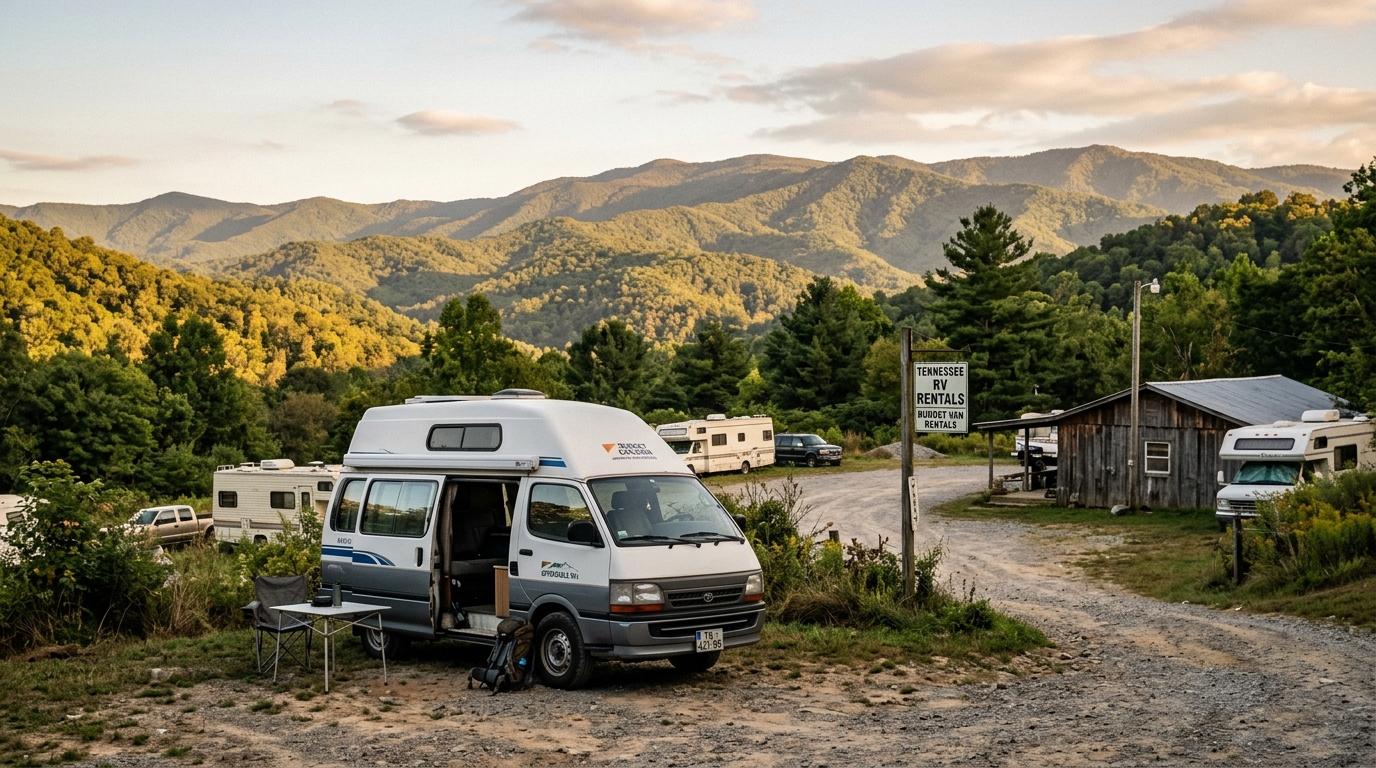
- Choose an RV winterized for cold climates: Opt for a motorhome or campervan that explicitly states it is "winter ready" or "four-season certified." These units, like the "2 Berth Hi Top" or "24' Class C Motorhome," often feature enhanced insulation, heated holding tanks, and dual-pane windows to maintain interior warmth and prevent plumbing from freezing.
- Book campgrounds with full hookups for reliable heat and water: During winter, access to electricity (30-amp or 50-amp shore power) is vital for running your RV's electric heater and avoiding relying solely on propane, and water hookups prevent needing to continuously refill your fresh water tank in cold temperatures. While many national/state parks reserve only 25-30% of spots, the rest are first-come-first-serve, and you'll find a spot if not at the first campground, then the next one; just call ahead before driving. For finding campsites and campgrounds during your trip, we recommend using RV PLANET, a great resource for locating available spots along your route.
- Pack layers of clothing and emergency supplies: Tennessee's winter weather can be unpredictable, with temperatures fluctuating significantly between day and night, especially in mountainous regions. Bring thermal base layers, waterproof outer shells, warm hats, gloves, and sturdy waterproof boots. An emergency kit with extra blankets, food, a first-aid kit, and a portable phone charger is also a smart addition for any extended road trip.
- Monitor weather forecasts closely, especially for mountain passes: Winter driving conditions can change rapidly in areas like the Great Smoky Mountains National Park. Heavy snowfall or ice can temporarily close roads or make them hazardous. Plan flexible itineraries to account for potential weather delays and always check local road conditions before heading out.
- Plan flexible itineraries to account for potential weather delays: While pre-planning is excellent, remaining adaptable is key for a winter RV trip. Be prepared to adjust your route or extend your stay at a comfortable campground if adverse weather makes travel unsafe. Remember, travel slowly, a maximum of 100-150 km per day on average, to truly take time to feel the place, connect to the culture, the food, and the scenery.
Before You Book - Class, Dates, Insurance
Selecting the right RV class for a winter Tennessee trip, locking in optimal dates, and understanding insurance options are crucial steps before finalizing your rental. These choices significantly impact your comfort and overall trip experience.
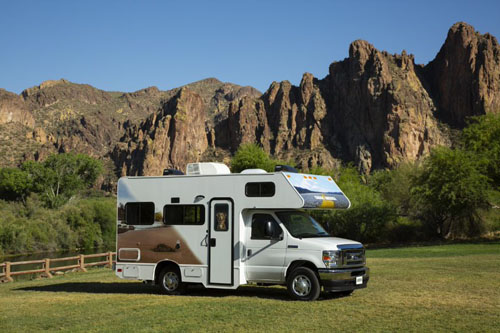
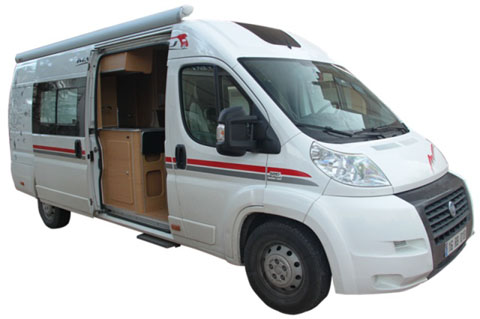
For a winter adventure, consider a Class C motorhome like the "Adak Argonaut 21 - Gold" for its balance of maneuverability on winding roads and good insulation. If you're seeking more spacious living areas and amenities for your family, a larger Class A motorhome like the "Family Sleeper (MA)" might be suitable, provided you're not planning to navigate very tight city spots. Campervans (Class B motorhomes) like the "Active Pop Top Select" are excellent for couples or solo travelers who prioritize agility and fuel efficiency for exploring smaller towns or national forests. Always ensure the rented mobile home is explicitly listed as winterized.
When it comes to dates, mid-week travel in winter often offers lower rates and fewer crowds, which can enhance your experience in popular destinations like Gatlinburg or Nashville. Avoiding major holiday weekends, such as Christmas or New Year's, will generally lead to better RV availability and more competitive pricing. The final price is dynamic like flight tickets, changing daily based on availability, seasonality, and supplier marketing decisions.
Basic insurance is always included with your motorhome rental. For extra peace of mind, you can upgrade to a top-level deductible for more comprehensive coverage. During the search process, you can select options to see prices that include the most comprehensive coverage, ensuring full transparency with no hidden fees or surprises.
Pre-Trip Prep - Packing Checklist for Tennessee
A well-prepared packing checklist is essential for a winter RV adventure in Tennessee, covering everything from warm clothing to crucial safety items for diverse winter conditions. Being organized will ensure you're comfortable and ready for any situation.
Clothing and Comfort:
- Thermal base layers
- Waterproof outer shell (jacket and pants)
- Warm socks (wool or synthetic)
- Insulated hat, gloves, and scarf
- Waterproof boots with good traction
- Extra blankets and sleeping bags for colder nights
Cooking and Food:
- Non-perishable food items for emergencies
- Hot beverage supplies (coffee, tea, hot chocolate)
- Basic cooking utensils, pots, and pans for preparing warm meals on your RV's stove. For inspiration, check out our RV-friendly recipes playlist.
- Reusable water bottles
Safety and Emergency:
- First-aid kit
- Roadside emergency kit (jumper cables, flares, warning triangle)
- Flashlight or headlamp with extra batteries
- Tire chains (check rental policy and local regulations if traveling to higher elevations)
- Shovel and sand/cat litter for tire traction
- Portable phone charger or power bank
Documents and Navigation:
- RV rental agreement and insurance details
- Standard car driver's license (sufficient for all motorhome classes) and International Driving Permit (IDP) if applicable
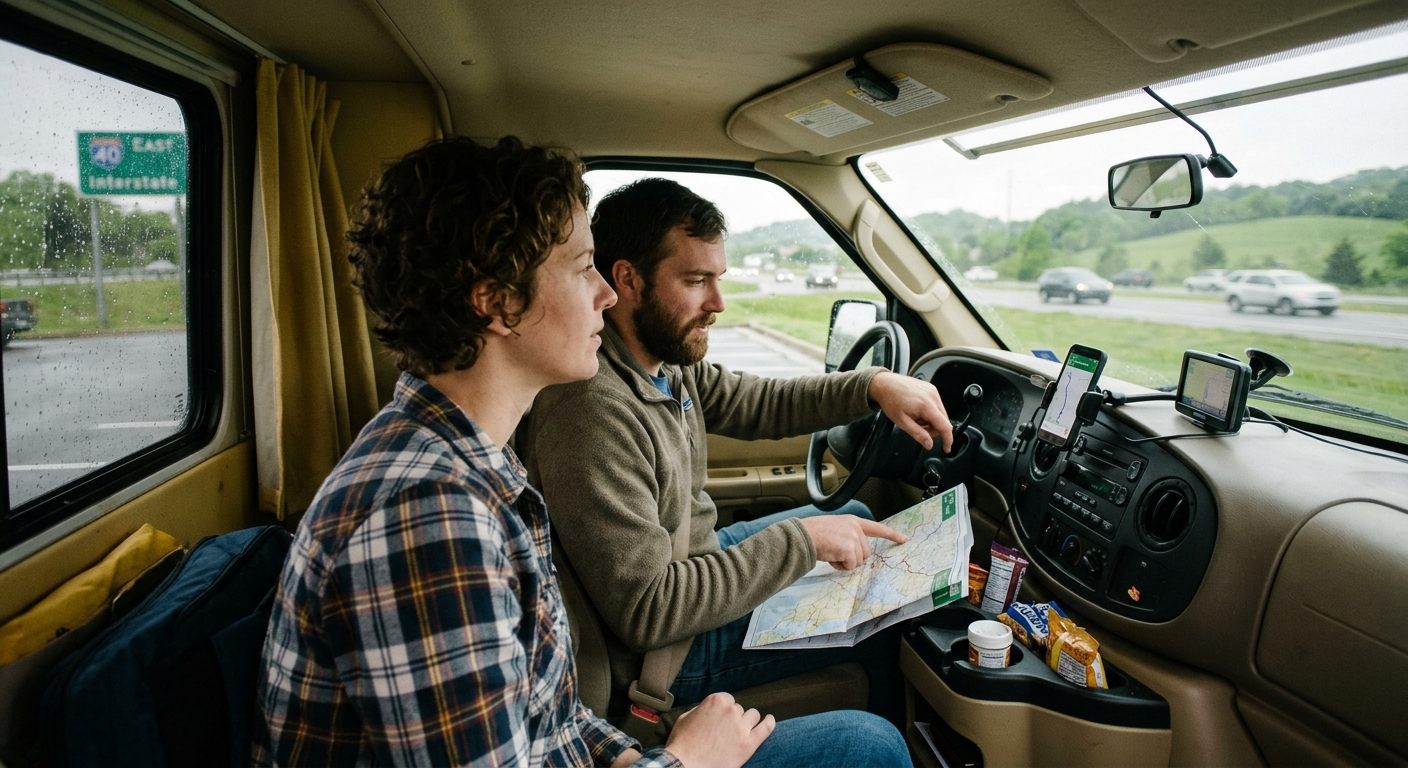
- Physical maps (in case of no signal, especially in rural Tennessee)
- Campground reservation confirmations
At the Campground - Setup, Hookups and Etiquette
A smooth campground experience in Tennessee during winter involves proper RV setup, connecting hookups correctly to prevent freezing, and observing quiet-hour etiquette for a peaceful stay. Many campgrounds are less crowded in winter, offering a tranquil retreat.
Upon arrival, level your rented motorhome or mobile home, extend slides if applicable, and ensure proper stabilization to minimize movement, especially if you're settling in for an extended week-long trip. Then, connect your hookups diligently: attach the sewer hose first, followed by your fresh water line. If temperatures are expected to drop below freezing, use a heated water hose to prevent ice build-up and keep your water flowing. Finally, connect your electrical hookup, ensuring you have enough power for your RV's heating system. Disconnect in reverse order when departing, always draining your tanks thoroughly before lines can freeze.
Regarding campground etiquette, always observe posted quiet hours, which typically run from 10 PM to 7 AM, respecting the peace and privacy of your fellow campers. Keep noise levels down, and maintain a tidy campsite. Remember, many national and state parks only reserve 25-30% of their spots, leaving the rest for first-come-first-serve, so calling ahead for availability is always a good practice.
winter rv rental-Specific Tips for Tennessee
For a successful winter RV rental in Tennessee, several specific tips can enhance comfort and safety, addressing the unique challenges and opportunities of cold-weather travel in the state. Renting a camper in the colder months can be an incredibly rewarding experience with the right preparation.
Before hitting the road, ensure your rental RV is thoroughly winterized. This means the water lines should contain antifreeze, and the furnace should be checked for optimal operation. If your specific rented mobile home isn't fully winterized, learn how to prevent pipes and tanks from freezing, which might include leaving faucets dripping slightly overnight in freezing temperatures. Models like the "2 Berth Rover" are often "Winter Ready," making them ideal for these conditions.
Propane management is crucial, as your RV's furnace will run more frequently to keep you warm. Monitor your propane levels closely and plan for refills, especially when traveling through less populated areas where services might be scarce. You can compare fuel costs on RV PLANET routes to factor this into your budget.
Traction control is another vital consideration. Inquire with your rental supplier about whether tire chains are recommended or provided for your specific motorhome, especially if you plan to venture into higher elevations or during expected snowfall. Pack a small electric heater as a backup if you have reliable shore power, and always ensure your RV's battery is in excellent condition to power the furnace when not hooked up. Finally, manage condensation inside the RV by slightly cracking a window or using a small dehumidifier to maintain a comfortable, dry interior.
Common Mistakes to Avoid in Tennessee
Avoiding common pitfalls can significantly improve your winter RV rental experience in Tennessee, from overlooking weather specifics to underestimating mountainous terrain. By being aware, you ensure a smoother, more enjoyable journey.
- Not monitoring weather: Instead, check forecasts frequently, especially for changes in elevation, and adjust your route or plans accordingly. Tennessee's weather can shift rapidly, particularly in the eastern mountain ranges.
- Ignoring RV weight/height limits: Instead, use an RV-specific GPS and consult maps to avoid roads unsuitable for your rented camper's dimensions, particularly on winding mountain roads or through historic small towns. Even larger Class A motorhomes can navigate most roads carefully.
- Underestimating winterization needs: Instead, ensure your rental is properly winterized or be prepared to take steps like dripping faucets to prevent pipe freezing, which can lead to costly damages and inconvenience.
- Overpacking: Instead, pack versatile layers and only essential items to maximize space and reduce weight. This is especially important for mountain driving and contributes to better fuel efficiency.
- Not booking ahead: Instead, reserve campgrounds in advance, especially those with full hookups, as fewer sites may be open or easily accessible during winter. While many sites are first-come-first-serve, securing a spot provides peace of mind.
- Traveling too fast: Remember to travel slowly, max 100-150 km per day on average, to fully immerse yourself in the scenery and cultural experiences. This allows for safer driving in winter conditions and prevents rushing through beautiful regions.
How much does it cost to rent an RV in Tennessee in winter?
The cost to rent an RV in Tennessee during winter typically ranges from $100 to $250 per night, depending on the RV class, rental duration, and specific winter deals. These prices are dynamic, changing daily based on availability, seasonality, and supplier decisions, similar to flight tickets. This makes winter an attractive time for more budget-conscious travelers.
Smaller campervans (Class B) or compact Class C motorhomes, ideal for couples or small families like the "campervan hire example M1 - Compact Van" (often around $100-$180/night), are generally less expensive than larger Class A motorhomes or spacious Class C units designed for bigger groups (which can be $180-$250+/night). Longer rentals, such as a week-long or two-week adventure, often feature a lower per-night rate, offering better value.
While winter generally sees lower demand than peak summer, holiday weekends can still drive up prices, so flexibility with your dates can save you money. Additional costs for extras like insurance upgrades (you can upgrade to a top-level deductible for extra peace of mind), mileage packages, and specialized winter equipment (e.g., tire chains) will add to the base rate. For travelers flexible with their dates, exploring off-peak winter months or looking for last-minute availability can uncover surprising deals. Bandana RV offers full transparency, so what you see is what you pay, with no surprise fees at pickup.
What type of RV is best for winter driving in Tennessee?
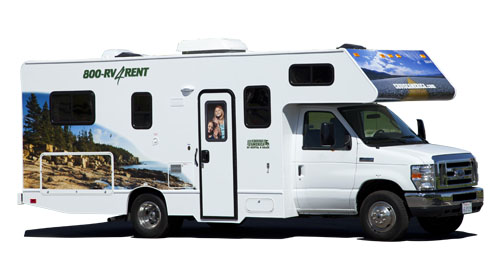
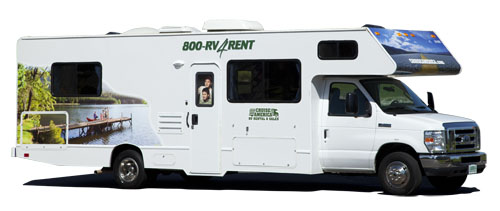
For winter driving in Tennessee, a Class C RV is often considered ideal due to its balanced maneuverability on diverse terrain, relatively compact size for winding roads, and generally good insulation. Many Class C models, such as the "29′ Class C Motorhome," offer a comfortable living space without being overly cumbersome.
Class C motorhomes provide a good balance of amenities, space, and easier handling compared to larger Class A units, making them well-suited for Tennessee's varied landscapes, including mountain passes and smaller towns. Their integrated cab and chassis design also offers a more familiar driving experience for those accustomed to a truck or large SUV. Campervans (Class B) like the "Active Standard Auto" can also be excellent for nimble driving and navigating small towns, though space and water capacity might be more limited for longer winter trips with more than a couple of travelers.
Regardless of class, prioritize RVs explicitly marked as "winterized" or equipped with four-season packages. These features include enhanced insulation, heated holding tanks, and double-pane windows, which are essential for comfort and preventing system freezes when temperatures drop below 0°C (32°F). Ensure the RV has reliable heating, good tires, and inquire about the availability of 4WD/AWD for mountainous regions where snow or ice can occur. A standard car driver's license is sufficient for all motorhome classes in Tennessee.
What is winter RV camping like in Tennessee?
Winter RV camping in Tennessee offers a uniquely serene experience with fewer crowds and crisp air, though it requires preparedness for temperatures that can range from mild to well below freezing, especially in higher elevations. This season unveils a different kind of beauty, with bare trees revealing expansive vistas and occasional snow dusting the landscapes.
Expect daytime temperatures to vary from 0-10°C (30s to 50s°F), with nights dropping colder, sometimes below freezing. Snowfall is possible, particularly in the higher elevations of the Great Smoky Mountains and the Cumberland Plateau. However, lower elevations and cities like Nashville or Chattanooga often experience milder winters. The reward for braving the cold is significantly fewer crowds at popular attractions and campgrounds, providing a more peaceful and intimate experience.
Many private RV parks remain open year-round with full hookups, which are essential for comfortable winter camping. Some state park campgrounds might have reduced services or partial closures in winter, so always call ahead. Opportunities abound for crisp hikes to frozen waterfalls, scenic drives through snow-dusted landscapes, and cozy evenings by a campfire in your rented motorhome, perhaps enjoying some home-cooked meals from our RV-friendly recipes playlist. Winter also often provides better visibility for spotting wildlife as foliage thins out.
What are the best winter RV destinations in Tennessee?
The best winter RV destinations in Tennessee often include state parks, charming small towns, and scenic routes that offer natural beauty and unique experiences away from peak season crowds. Traveling slowly, about 100-150 km per day, allows you to truly savor each destination.
- Great Smoky Mountains National Park (Area): While some park roads close seasonally, the main roads like Newfound Gap Road often remain open, and surrounding towns like Gatlinburg and Pigeon Forge offer festive lights, winter activities, and access to lower elevation trails. Many private RV parks nearby, such as those that partner with Bandana RV, stay open and provide full hookups. For broader US travel, check out "RV Rental USA - Complete Guide 2026".
- Fall Creek Falls State Park: Located on the Cumberland Plateau, this park is known for its majestic waterfalls, which can partially freeze in winter, offering stunning photographic opportunities and fewer visitors on its extensive hiking trails.
- Chattanooga Area: This city combines urban attractions like the Tennessee Aquarium and Rock City with access to outdoor adventures and panoramic views from Lookout Mountain. It often experiences milder winter weather, making it an excellent base for exploring by rented mobile home.
- Natchez Trace Parkway: A 444-mile scenic drive offering historical sites and nature trails. While some services may be limited, the quiet solitude of winter enhances the experience. Always check for potential road closures due to weather before embarking on this route.
- Lesser-Known Gems: Explore towns like Bell Buckle for unique crafts and local charm, visit Cummins Falls State Park (check access during winter), or discover local music scenes beyond Nashville's main strip for authentic cultural experiences. For more specific pricing for families, see "Family RV Rental in Tennessee - Pricing Guide 2026".
- Goodlettsville and Nashville: These cities offer a blend of urban exploration and access to state parks. For detailed information, consider guides like "RV Rental in Tennessee - Prices and Best Deals 2026" or "Weekly RV Rental in Tennessee - Pricing 2026".
Can you boondock in Tennessee in an RV during winter?
Boondocking in Tennessee during winter is possible in certain areas, particularly on national forest lands, though it requires specific preparation for cold weather and adherence to local regulations. Dispersed camping (boondocking) is generally permitted in designated areas within Cherokee National Forest and some state forests, often free of charge. However, it is crucial to check specific forest district regulations for any winter closures or restrictions before you go.
Legality and safety are paramount. Always confirm local ordinances regarding overnight parking; while free, boondocking in winter demands extra self-sufficiency for heat, water, and power, as no hookups are available. Ensure your rented RV or campervan is fully winterized, and you have ample propane, battery power, and a reliable heat source. Access roads to dispersed sites may be unmaintained or impassable in snow, so a "4x4 Camper B - THOR" with its 4-wheel drive capabilities might be advantageous.
Some unique options beyond traditional national forests include private lands or businesses, like Loretta Lynn's Ranch, which sometimes offer primitive overnight stays, providing a different experience than conventional RV parks. Additionally, some larger retailers (e.g., Walmart, Cracker Barrel) *may* allow overnight parking, but this is always at the manager's discretion, and it's crucial to ask permission first. Always remember to practice Leave No Trace principles to preserve these beautiful areas for others.
What You Shouldn't Miss
- Frozen Waterfalls at Fall Creek Falls: Witness the majestic Fall Creek Falls, Cane Creek Falls, and Piney Falls as they partially freeze, creating stunning ice formations against the lush winter backdrop.
- Historic Drive on Natchez Trace Parkway: Experience the serene beauty and historical significance of the Natchez Trace Parkway, enjoying peaceful winter driving through woodlands and past ancient mounds with fewer vehicles.
- Underground Wonders at Ruby Falls: Explore the breathtaking underground waterfall inside Lookout Mountain, Ruby Falls, which remains a constant 60°F (15°C) year-round, offering a comfortable escape from the winter chill near Chattanooga.
- Gatlinburg's Winterfest Lights: Drive through Gatlinburg and Pigeon Forge to marvel at millions of dazzling holiday lights and festive displays, transforming the mountain towns into a winter wonderland.
- Local Music Scene in Nashville's Smaller Venues: Beyond the big names, discover authentic country and bluegrass music at smaller, intimate venues in Nashville, experiencing the heart of Tennessee's musical heritage with your rented motorhome as your cozy base.
Looking for expert insights from Avi Bandana? Top 5 Adventures - recommendations from Avi Bandana.
Final Thoughts
A winter RV rental in Tennessee truly offers a magical escape, blending the warmth and comfort of a mobile home with the serene beauty of the season. From the frosty peaks of the Great Smoky Mountains to the lively musical pulse of Nashville, there’s an adventure waiting around every corner. Embrace the calm, the quiet, and the unique charm that winter brings to the Volunteer State.
Remember, with a little preparation and the right rented caravan, you’re set for an unforgettable journey. We at Bandana Caravan are here to support you in every step of the planning process, providing transparent pricing and expert advice. So, what are you waiting for? Your cozy winter escape to Tennessee is just a booking away!
Discover top destinations, planning tips, all in one place!