In This Guide
- Top 5 Tips for winter rv rental RV Rental in South West US
- Before You Book - Class, Dates, Insurance
- Pre-Trip Prep - Packing Checklist for South West US
- On the Road - Driving, Fueling, Navigation
- At the Campground - Setup, Hookups & Etiquette
- winter rv rental-Specific Tips for South West US
- Common Mistakes to Avoid in South West US
- How much does a winter RV rental trip to the Southwest cost?
- Which Southwest states and parks are best for winter RVing?
- What are the best hidden gems and niche experiences for RVers in the Southwest?
- Where can RV travelers find unique local cuisine in the Southwest?
- What are the logistical challenges for RVs in the Southwest during winter?
- Where can I find boondocking and free camping spots for RVs in the Southwest during winter?
- What are common safety concerns for RVing in the Southwest during winter?
- What Leave No Trace principles are crucial for RVing in the Southwest desert?
- How can I tailor an RV trip in the Southwest for specific travelers?
- Top Cities for RV Rental in South West US
- Practical Information for RV Travel in South West US
- What You Shouldn't Miss
- Why Book with Bandana Caravan
- Final Thoughts
- Frequently Asked Questions
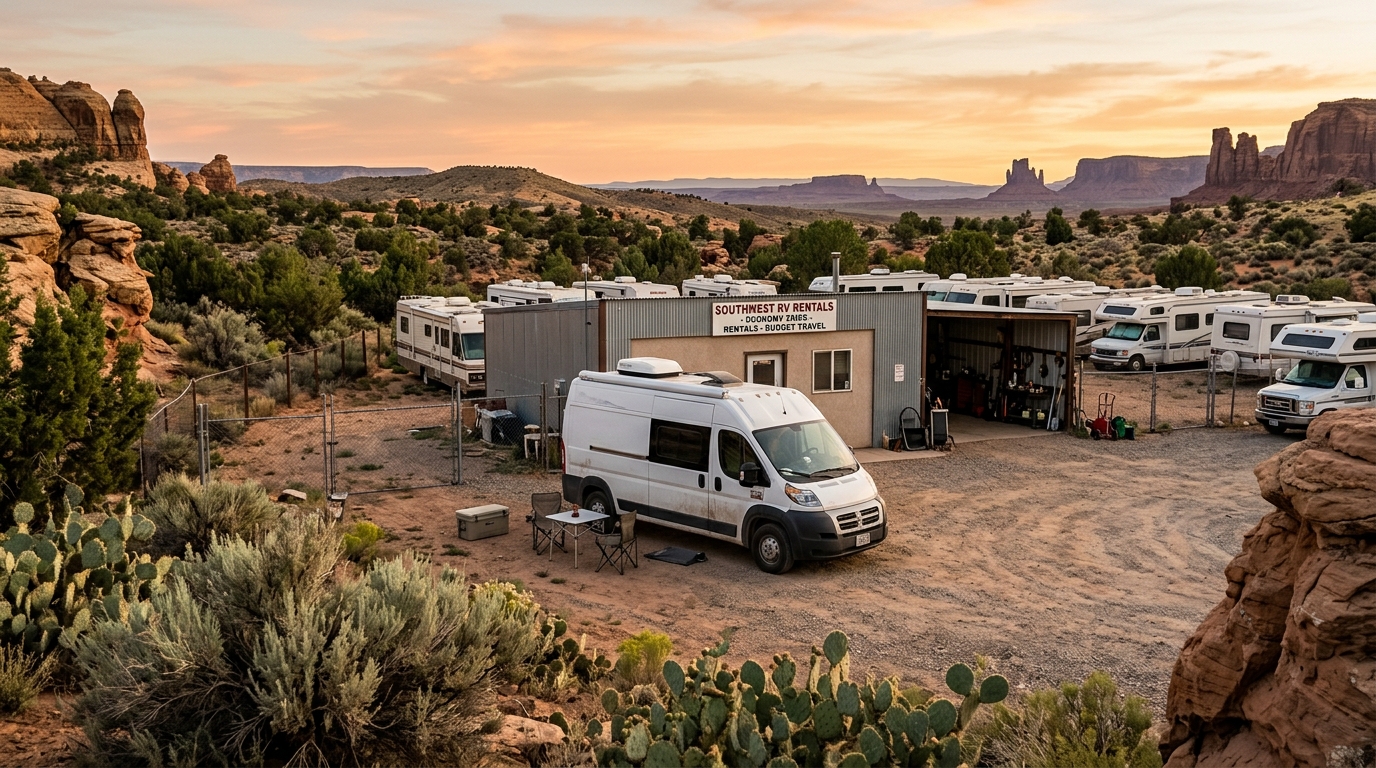
Imagine yourself traversing vast desert landscapes, ancient canyons, and snow-capped peaks from the comfort of your rented motorhome in South West US. Winter in this incredible region offers a unique charm, with crisp air, fewer crowds, and stunning contrasts between red rock, green foliage, and white snow. Our guide to Winter RV Tips for South West US - Cold-Weather Advice 2026 is designed to help you embark on an unforgettable adventure. For live availability and current prices, start with our RV Rental South West US - Complete Guide 2026 guide.
Top 5 Tips for winter rv rental RV Rental in South West US
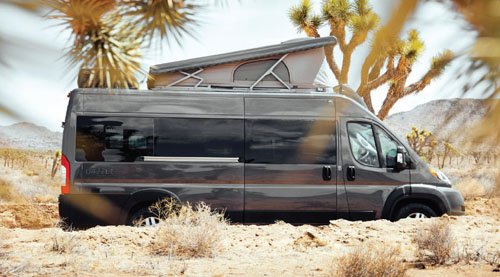
Planning your route carefully is crucial for a winter RV rental in South West US to account for the diverse weather conditions, which can range from mild desert days averaging 60-70°F (15-21°C) to potential mountain snow and freezing temperatures below 32°F (0°C). Prioritize sections of Arizona, Southern Utah, and California's lower deserts for generally milder weather. Choosing an RV equipped for cold weather, often including winterization features and adequate heating systems, ensures comfort. For example, a "Winter Ready" Class C motorhome like the 24' Class C Motorhome from El Monte or a "Winter Ready" Class B campervan such as the 2 Berth Hi Top from Britz will often have enhanced insulation and heating. Booking campgrounds and RV rentals well in advance is highly recommended, especially for popular national parks and holiday periods, where availability can drop by 60% if not secured at least 3-6 months out. Packing layers of clothing suitable for both warm daytime temperatures and cold desert nights, which can drop to 20-30°F (-6 to -1°C), is essential for adapting to fluctuating conditions. Finally, prioritizing safety by checking weather forecasts regularly and understanding potential road closures or advisories, particularly in mountainous regions, helps avoid unexpected delays and ensures a smooth journey. For tips tailored to your specific trip, talk to rent-motorhome, your dedicated RV specialists.
Before You Book - Class, Dates, Insurance
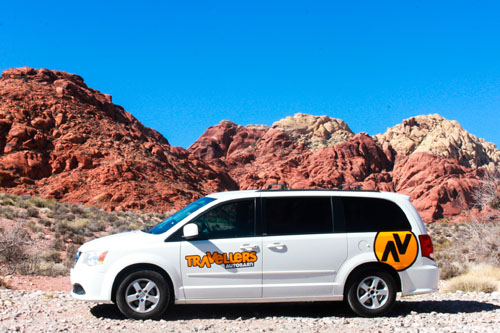
Choosing the right RV class for a winter trip in South West US means balancing comfort, maneuverability, and cold-weather capability, with Class C RVs often offering a good compromise for many travelers while Class A provides more space and insulation. For couples or solo adventurers, a smaller campervan like the "RV rental denver example Category Van" or a Class B motorhome offers ease of driving and better fuel efficiency, averaging 10-15 liters per 100 km. Families or larger groups might prefer a Class C like a "rv rentals utah example Sunrise Escape", featuring sleeping for 5 with a 167-liter fresh water tank, or a spacious Class A such as the "b rent rv example E3" for ample living space. To lock in optimal dates for a winter RV rental in South West US, booking 3-6 months in advance is recommended, particularly for peak season around Thanksgiving, Christmas, New Year's, and Spring Break 2026, when prices can surge by up to 40%. Basic insurance is always included with your rental, and to see prices including the most comprehensive coverage, select that option during your search; this allows you to choose protection suited for varied winter travel conditions, such as top-level deductible reimbursement for extra peace of mind. We are true RV specialists, ready to help you navigate these choices transparently, ensuring no hidden fees or surprises.
Pre-Trip Prep - Packing Checklist for South West US
A tailored packing checklist for a winter RV rental in South West US should include essentials for varying temperatures, safety, and remote area living, ensuring you are prepared for both mild desert days and colder mountain nights. Consider a range of layers, from moisture-wicking base layers to warm fleeces and a waterproof outer shell, as temperatures can fluctuate by 30-40°F (17-22°C) in a single day. Don't forget warm hats, gloves, and thick socks for evenings spent outdoors, along with sturdy hiking boots for exploring trails. Sunscreen and a wide-brimmed hat are still crucial, even in winter, due to the high altitude and clear skies. For on-the-go meals, having a variety of RV-friendly recipes playlist can be a lifesaver, so pack a cooler for extra food storage and meal prep. Basic first-aid kits, jumper cables or a portable jump starter, and a tire pressure gauge are essential for vehicle preparedness. Headlamps or flashlights with extra batteries are vital for dark campgrounds, and offline maps or a dedicated RV-specific GPS are critical since cell service is often unreliable in remote Southwestern areas. Finally, a National Park Pass can save you money if visiting multiple parks, and camp chairs and binoculars enhance your outdoor experience. For finding campsites and campgrounds during your trip, we recommend using RV PLANET (rvplan.net) - a great resource for locating available spots along your route.
- Layers of clothing (base layers, fleeces, waterproof outer shell)
- Warm hat, gloves, and thick socks
- Sturdy hiking boots
- Sunscreen and wide-brimmed hat
- Reusable water bottles
- Cooler for extra food storage
- Basic first-aid kit
- Jumper cables or portable jump starter
- Tire pressure gauge
- Headlamps or flashlights with extra batteries
- Maps and navigation tools (offline options)
- Printed emergency contacts
- National Park Pass (if applicable)
- RV-specific GPS or apps
- Camp chairs and small table
- Binoculars for stargazing and wildlife
On the Road - Driving, Fueling, Navigation
Driving a rented RV in South West US during winter requires careful attention to road conditions, especially at higher elevations like Flagstaff or parts of Utah where snow and ice can occur, while fueling and navigation benefit from planning ahead in remote areas. Always check weather and road conditions via state Department of Transportation (DOT) websites before driving, particularly when crossing mountain passes, which might require chains (though not typically for rental motorhomes, always be aware of local requirements). Drive slowly and carefully, and you can drive almost anywhere without issues. No need to stress - just use common sense and pay attention, even with a larger Class A motorhome like the "MHA30" model which measures 9.15 meters in length. Plan fuel stops in advance, as distances between services can be significant in remote Southwestern areas like parts of Arizona and New Mexico, and consider the lower fuel efficiency of RVs, which can average 15-25 liters per 100 km for larger models. Utilize RV-specific GPS or mapping apps to avoid low clearances, weight restrictions, and unpaved roads unsuitable for large vehicles, especially when exploring national forest or BLM lands. For tips tailored to your specific trip, talk to rent-motorhome.
At the Campground - Setup, Hookups & Etiquette
Proper RV setup and hookup order at a South West US campground ensures a smooth experience, while adhering to quiet hours respects fellow campers, creating a pleasant environment for everyone. Upon arrival, first position your rented motorhome on level ground using leveling blocks if necessary, then connect electrical hookups (typically 30-amp or 50-amp, adapters often available if needed), followed by water, and finally the sewer hose, ensuring a downward slope for proper drainage. In freezing temperatures, which are common in many parts of the Southwest during winter, ensure water hoses are insulated or disconnected to prevent pipes from bursting; consider filling your fresh water tank and relying on your onboard water pump to avoid frozen external lines, a feature available on many "Winter Ready" models like the "2 Berth Rover". Respect campground quiet hours, typically from 10 PM to 7 AM, by minimizing noise from generators, music, and conversation. Remember that amenities like showers and toilets are standard on most rental motorhomes, offering convenience even when park facilities are limited. For finding campsites and campgrounds during your trip, we recommend using RV PLANET (rvplan.net) - a great resource for locating available spots along your route.
winter rv rental-Specific Tips for South West US
Winter RV rental tips for South West US should consider the unique needs of families, seniors, budget travelers, or luxury seekers to ensure a comfortable and enjoyable journey. Families with young kids, perhaps renting a 6-berth "Euro Deluxe" Class C, might prioritize RVs with separate sleeping areas (like bunk beds found in models such as the "Group G" which sleeps 7) and plan shorter driving days, averaging 100-150 km per day, with plenty of stops at playgrounds or child-friendly attractions. Seniors may prefer Class B or smaller Class C motorhomes, like a "Deuce" campervan, for easier driving and maneuvering, seeking campgrounds with paved sites and accessible amenities. Budget-conscious travelers can save significantly by utilizing free dispersed camping (boondocking) on Bureau of Land Management (BLM) or National Forest lands, and by cooking most meals in their rented RV's well-equipped kitchen. Luxury travelers, opting for larger Class A RVs such as the "Class A - Thor ACE 30", might seek RV resorts with full hookups, spa services, and fine dining options, enjoying premium features like slide-outs and ample storage. For tips tailored to your specific trip, talk to rent-motorhome, where we offer personal service from day one until your booking is confirmed.
Common Mistakes to Avoid in South West US
Avoiding common mistakes during a winter RV rental in South West US ensures a safer and more enjoyable trip, emphasizing proactive planning over reactive problem-solving. Instead of underestimating weather variability, consistently check forecasts for both your current location and destination, as desert temperatures can swing dramatically, from a comfortable 65°F (18°C) at midday to a freezing 25°F (-4°C) overnight, or high elevations can get unexpected snow. Rather than neglecting water tank management, regularly monitor fresh and waste water levels, especially when boondocking, and know the locations of dump stations and potable water; a 100-liter fresh water tank like those in many Class C models provides several days of water for a couple. Instead of overlooking RV-specific road challenges, research road widths, clearance limits, and grade steepness for your planned routes, particularly in national parks where larger vehicles might face restrictions. Drive slowly and carefully, and you can drive almost anywhere without issues. No need to stress - just use common sense and pay attention, even in challenging conditions. Rather than relying solely on cell service, download offline maps and carry a physical map, as connectivity is often sparse in remote Southwestern areas. You can also explore our "RV Travel Guide to South West US - Tips and Top Spots 2026" for more detailed advice. On the routes offered through RV PLANET routes, you can itemize and track every expense along the way for easy budgeting.
How much does a winter RV rental trip to the Southwest cost?
The cost of a winter RV rental trip to South West US typically ranges from $100-$300 per night for the RV itself, plus additional expenses for fuel, campground fees, food, and activities, with total trip costs varying widely based on RV class, duration, and travel style. For a week-long trip, a compact Class B campervan like the "Juliette 2-3" might start at $700-$1400 for the rental, while a spacious 6-berth Class C like the "Euro Deluxe" could be $1400-$2100. Fuel efficiency significantly impacts total cost; smaller campervans consume less fuel (e.g., 10-15 L/100 km) than larger Class A motorhomes (e.g., 20-35 L/100 km). Budget for campground fees, which can range from $20-$70 per night for full hookups, or save by utilizing free boondocking sites on public lands. Consider a National Parks Pass ($80 annually) if visiting multiple parks, which can be more cost-effective than individual entry fees (typically $20-$35 per vehicle). Hidden fees can include mileage charges, generator usage ($3-$5 per hour if not included), preparation fees, and dumping fees, so always review your rental agreement carefully to avoid surprises. On RV PLANET routes, travelers can itemize and track every expense along the way for easy budgeting, ensuring full transparency in planning your winter rv rental in South West US. For more insights on costs, explore our "RV Rental in South West US - Prices and Best Deals 2026" guide.
Which Southwest states and parks are best for winter RVing?
Arizona, Southern Utah, and parts of Nevada and California offer some of the best winter RVing experiences in South West US, thanks to their milder climates and stunning natural landscapes like the Grand Canyon, Zion, and Joshua Tree National Parks. Arizona provides excellent winter weather in areas like Phoenix, Tucson, and Yuma, with daytime temperatures often reaching 60-70°F (15-21°C), and access to Saguaro and Organ Pipe Cactus National Monuments. Southern Utah's national parks, including Zion and Arches, are less crowded in winter, though some roads and trails, particularly at higher elevations, may be closed due to snow or ice; Zion's main scenic drive is often open to personal vehicles in winter, a rare treat. For boondocking enthusiasts, Arizona and New Mexico offer extensive BLM lands with dispersed camping opportunities, where you can find free sites with stunning views for up to 14 days at a time. Comparing Zion vs. Grand Canyon in winter: Zion offers more accessible trails and a dramatic landscape (especially the scenic drive), while the Grand Canyon provides unique snowy rim views but fewer accessible roads and trails, with the North Rim entirely closed. For those seeking luxury, "Luxury RV Rental in South West US - Premium Prices 2026" might highlight destinations with exclusive RV resorts.
What are the best hidden gems and niche experiences for RVers in the Southwest?
Beyond the major national parks, South West US offers numerous hidden gems and niche experiences for RVers, including less-traveled state parks, vast BLM lands perfect for stargazing, quirky small towns, and unique cultural sites. For unparalleled stargazing, remote BLM areas in New Mexico (e.g., near Socorro, offering Bortle Scale 2 skies) or Arizona (e.g., near Flagstaff, the world's first International Dark Sky City) offer exceptional dark skies for RVers with minimal light pollution. Consider scenic drives like Arizona's Apache Trail (SR 88), a 64 km partially unpaved route that provides stunning views and access to smaller towns, or New Mexico's Enchanted Circle, a 130 km loop around Wheeler Peak. Explore state parks such as Valley of Fire State Park in Nevada or Dead Horse Point State Park in Utah, offering similar beauty to national parks with fewer crowds and more available campsites, often for $20-$30 per night. Visit quirky towns like Bisbee, Arizona, a historic copper mining town now an arts community, or Madrid, New Mexico, known for unique shops, art galleries, and local history, where you can find unexpected cultural treasures. You can find detailed itineraries for these spots and more by exploring RV PLANET routes, designed by professionals.
Where can RV travelers find unique local cuisine in the Southwest?
RV travelers can discover unique local cuisine throughout South West US by seeking out farmers' markets, roadside stands, and local eateries in towns like Santa Fe, New Mexico, or Bisbee, Arizona, known for their distinct regional flavors. Santa Fe, New Mexico, is renowned for its vibrant New Mexican cuisine, featuring iconic green chile dishes, hearty posole, and fluffy sopaipillas, with many restaurants offering a "Christmas style" option (both red and green chile). Farmers' markets in larger cities like Tucson, Arizona, or Las Vegas, Nevada, offer fresh, seasonal produce and artisanal goods, perfect for stocking your rented motorhome's refrigerator (typically 80-170 liters) and preparing delicious meals in your RV kitchen. Look for local specialties like Sonoran hot dogs in Arizona, famous for their bacon-wrapped frankfurters, Hatch chiles in New Mexico, which are celebrated annually, or Navajo Tacos across the Four Corners region. Many small towns boast family-run diners or food trucks that provide authentic, often overlooked, dining experiences, making slow travel an excellent way to savor the local flavors. Our RV-friendly recipes playlist can also inspire your culinary adventures on the road.
What are the logistical challenges for RVs in the Southwest during winter?
RVing in South West US during winter presents several logistical challenges, including big rig access limitations in some national parks, finding potable water and dump stations in remote areas, managing propane refills, and dealing with vehicle performance at high elevations. Many national park roads and campgrounds, especially at higher elevations like the Grand Canyon's North Rim, may have length restrictions (often limiting RVs to under 22-25 feet) or be closed to RVs in winter due to snow or tight turns. Finding potable water and dump stations can be difficult in remote desert areas, requiring careful planning and potentially carrying extra water in your RV's fresh water tank (which can hold 80-200 liters); apps like iOverlander can help locate these services. Propane consumption for heating can be significant in colder desert nights, especially when temperatures drop below freezing, so research refill stations along your route or consider carrying an extra 9 kg propane tank. Elevation challenges can affect RV engine performance, particularly for older or less powerful models, requiring slower speeds and careful driving on mountain passes, and can also impact generator efficiency. For smooth trips, we offer Rent&Plan, pre-planned routes by professionals that account for such challenges.
Where can I find boondocking and free camping spots for RVs in the Southwest during winter?
Boondocking and free dispersed camping spots for RVs in South West US are abundant on public lands managed by the Bureau of Land Management (BLM) and National Forests, particularly in Arizona, New Mexico, and parts of California and Nevada. Specific locations can be found using apps like iOverlander or websites like Campendium, which provide user-generated reviews and GPS coordinates for thousands of free sites; some popular areas near Quartzsite, Arizona, attract tens of thousands of RVers in winter. Key regulations often include a 14-day stay limit within a 28-day period, packing out all trash, and avoiding sensitive ecological areas like cryptobiotic soil. Essential gear for off-grid camping includes sufficient water storage (aim for at least 150 liters for extended trips), a robust power system (solar panels are highly recommended to supplement generator use), and a reliable waste management system for greywater and blackwater. Always practice Leave No Trace principles, especially in fragile desert environments, by burying human waste properly (in a 6-8 inch cathole, 200 feet from water) and ensuring no trace of your stay remains. Our "Cheap RV Rental in South West US - Budget Guide 2026" offers more tips for affordable adventures.
What are common safety concerns for RVing in the Southwest during winter?
Common safety concerns for winter RVing in South West US include unexpected wildlife encounters, the risk of flash floods in canyons, managing extreme temperature fluctuations, navigating remote areas with cell service gaps, and understanding bear safety protocols where applicable. Wildlife encounters, particularly with snakes, scorpions, and coyotes, are possible even in winter; maintain distance, keep food secured in your rented motorhome, and watch your step, especially in rocky areas. Flash floods can occur even from distant rainfall, so always check weather forecasts, avoid camping in washes, and be aware of escape routes, particularly in narrow canyons like those found in Southern Utah. Extreme heat during the day (up to 70°F or 21°C) and freezing temperatures at night (down to 20°F or -6°C) require appropriate clothing, continuous hydration, and effective RV climate control management, ensuring your heater is in good working order. Cell service gaps are common in remote areas; carry a satellite messenger or inform someone of your itinerary and expected return, and utilize offline maps. While less common in the desert, some forest areas in the Southwest, particularly around higher elevations, may have bear activity; store food in bear-proof containers and keep a clean campsite, just as you would with any RV camping in USA adventure. For comprehensive travel plans, you can rely on our "Family RV Driving in South West US - Safe Routes 2026" guide.
What Leave No Trace principles are crucial for RVing in the Southwest desert?
Crucial Leave No Trace principles for RVing in the fragile South West US desert ecosystem include respecting cryptobiotic soil by staying on established trails, proper human waste disposal in primitive areas, and meticulous waste management to pack out everything you pack in. Always stay on designated roads and trails to avoid damaging cryptobiotic soil, a living crust vital for desert health that takes decades to recover and can be easily destroyed by a single footprint. Proper human waste disposal in primitive areas means digging a cathole 6-8 inches deep and at least 200 feet (approximately 70 adult paces) from water sources, trails, and campsites, then covering it thoroughly. Pack out all trash, including food scraps, toilet paper, and greywater from dishwashing, ensuring nothing is left behind; even biodegradable items can take years to break down in the arid environment. Minimize campfire impacts by using existing fire rings, keeping fires small, and ensuring they are completely out and cold to the touch before leaving, especially during dry winter periods. Adhering to these principles helps preserve the pristine beauty of South West US for all future RV rental travelers.
How can I tailor an RV trip in the Southwest for specific travelers?
An RV trip in South West US can be tailored for specific travelers by adjusting RV selection, itinerary pace, and activity choices to suit demographics like families with young kids, pet owners, solo travelers, or individuals with accessibility needs. For families with young kids, choose an RV with ample sleeping arrangements (e.g., a Class C with bunk beds like the "Glamys 265" which sleeps multiple children) and consider campgrounds with playgrounds or family-friendly amenities, planning shorter travel days averaging 100-150 km. Pet owners should select pet-friendly RVs and campgrounds (many national forest campgrounds allow pets, while national parks often restrict them to paved areas), and always ensure pets are leashed and waste is properly disposed of. Solo travelers may prefer smaller, more maneuverable RVs (Class B campervans or compact Class C motorhomes) for ease of driving and parking, focusing on routes with good cell service or carrying a satellite communicator for safety in remote areas. For accessibility needs, inquire about RVs equipped with ramps or lifts, and research campgrounds and attractions with accessible facilities and paved, level sites; many national parks offer accessible trails and viewpoints. For couples seeking a romantic getaway, our "RV Rental in South West US for Couples - Pricing 2026" guide offers tailored advice for smaller, intimate campervans.
Top Cities for RV Rental in South West US
South West US boasts several fantastic cities that serve as ideal starting points or destinations for a rented RV adventure, each offering unique attractions and convenient access to diverse landscapes. Phoenix, Arizona, is a major hub with numerous RV rental options and offers easy access to desert landscapes, Saguaro National Park, and warmer winter temperatures. Las Vegas, Nevada, provides a vibrant urban experience before heading to nearby Red Rock Canyon, Valley of Fire State Park, or even a trip to Death Valley National Park; for detailed information on campgrounds, explore RV Camping in Las Vegas - Best Campgrounds & Tips 2026. Salt Lake City, Utah, is a gateway to Utah's Mighty 5 national parks, offering breathtaking winter scenery and access to ski resorts for those looking for snowy adventures. Albuquerque, New Mexico, immerses you in rich Hispanic and Native American culture, with easy drives to unique sites and beautiful mountain vistas. Tucson, Arizona, is a haven for saguaro cacti and offers access to various state parks and the vibrant Sonoran Desert Museum. Moab, Utah, renowned for its red rock formations, is perfect for exploring Arches and Canyonlands National Parks, with many RV-friendly campgrounds. Sedona, Arizona, captivates with its stunning red rock scenery and spiritual vortexes, offering picturesque drives and hiking trails suitable for winter exploration. Drive slowly and carefully in all these cities, and you can drive almost anywhere without issues. No need to stress - just use common sense and pay attention.
Practical Information for RV Travel in South West US
Navigating South West US in a rented motorhome is straightforward, with practical information making your journey seamless. In the USA, you drive on the right side of the road, and speed limits generally range from 25 mph (40 km/h) in urban areas to 75-80 mph (120-130 km/h) on interstates, though RVs may have specific lower limits. A standard car driver's license is sufficient for all Class A, Class B, and Class C motorhomes, with an International Driving Permit recommended for non-English speaking visitors. Emergency services can be reached by dialing 911, and having local emergency contacts programmed into your phone is always a good idea. For connectivity, consider purchasing a local SIM card with data from major providers like Verizon or AT&T, which generally offer the best coverage in remote areas, or use your RV's Wi-Fi hotspot if available. Fuel is readily available, primarily gasoline (regular unleaded) and diesel, and you can compare prices with apps like GasBuddy to optimize your budget. While toll roads are less common in the Southwest than other regions, some areas, particularly around larger cities, may have them; check your route in advance. Camping laws vary by state and jurisdiction, with federal lands (BLM, National Forests) offering abundant free camping (boondocking) with 14-day stay limits, while state parks and private campgrounds typically require reservations and fees. Remember to travel slowly, averaging a maximum of 100-150 km per day, to truly immerse yourself in the culture, food, and scenery of the South West US. For those interested in "Luxury RV Driving in South West US - Scenic Routes 2026," planning these practicalities becomes even more important.
What You Shouldn't Miss
- **Grand Canyon South Rim:** Experience breathtaking winter views of this iconic natural wonder, often enhanced by a dusting of snow, making for dramatic photographic opportunities and fewer crowds than in peak season.
- **Zion National Park's Scenic Drive:** In winter, Zion's main scenic drive is often open to private vehicles, allowing you to explore the canyon's floor without relying on the shuttle, offering serene, majestic views.
- **Joshua Tree National Park:** Hike amidst the unique Joshua Trees and striking rock formations, enjoying cooler daytime temperatures perfect for exploration without the intense summer heat.
- **White Sands National Park, New Mexico:** Witness the surreal landscape of gypsum dunes, which in winter can offer even starker contrasts and fewer visitors, allowing for peaceful walks and photography.
- **Sedona's Red Rock Country, Arizona:** Drive the scenic routes like Red Rock Scenic Byway (SR 179) or Airport Mesa Road for stunning vistas, enjoy the mild winter weather for hiking, and explore the unique arts scene.
- **Valley of Fire State Park, Nevada:** Just an hour from Las Vegas, this park boasts vibrant red Aztec sandstone outcrops and ancient petroglyphs, with comfortable winter temperatures for hiking and exploring.
Looking for expert insights from Avi Bandana? Top 5 Adventures - recommendations from Avi Bandana
🎬 Video coming soon
Final Thoughts
Embarking on a winter RV adventure in South West US is an incredible way to experience this diverse and captivating region, offering a blend of serene landscapes and vibrant cultural experiences without the summer crowds. With careful planning for varied weather, smart navigation, and an understanding of local etiquette, your rented motorhome becomes your cozy, mobile sanctuary. Remember to embrace slow travel, allowing yourself time to savor every moment, from stunning desert sunrises to starlit nights.
At Bandana, we're dedicated to supporting you every step of the way, providing full transparency and expert advice as your true RV specialists. We handle the details, you live the journey, ensuring your winter escape is everything you've dreamed of and more. Don't let the thought of winter deter you; instead, let it inspire a unique road trip!
Ready to discover the magic of winter in South West US? Compare winter RV Rentals in South West US now and start planning your unforgettable adventure.