In This Guide
- Top 5 Tips for winter rv rental RV Rental in Queenstown
- Before You Book - Class, Dates, Insurance
- Pre-Trip Prep - Packing Checklist for Queenstown
- On the Road - Driving, Fueling, Navigation
- At the Campground - Setup, Hookups & Etiquette
- winter rv rental-Specific Tips for Queenstown
- Common Mistakes to Avoid in Queenstown
- Is it worth visiting Queenstown in winter?
- Should you rent a camper van in New Zealand?
- Can you drive in Queenstown in winter?
- Is it worth it to rent a campervan in New Zealand?
- How much does it cost to rent an RV in New Zealand?
- Do you need a special license to drive a motorhome in New Zealand?
- Can you park a campervan in Queenstown?
- Do I need a self-contained campervan in New Zealand?
- What You Shouldn't Miss
- Why Book with Bandana Caravan
- Final Thoughts
- Frequently Asked Questions
🎬 Video coming soon
Top 5 Tips for winter rv rental RV Rental in Queenstown
A winter rv rental in Queenstown requires careful planning to ensure a safe and enjoyable journey. Our first tip is to secure your preferred RV class and dates well in advance, especially for popular winter periods like school holidays in July and August. Secondly, preparing your motorhome for cold temperatures is paramount; ensure it has proper heating and consider booking powered sites for consistent warmth, protecting your onboard water systems from freezing. Thirdly, understanding New Zealand's specific winter driving regulations, including mandatory snow chain requirements for alpine passes like the road to Coronet Peak, is crucial for safe navigation. Fourth, choosing the right campervan with good insulation, reliable heating, and adequate space for winter gear will significantly enhance your comfort. Lastly, plan your campsites by pre-booking powered options, as freedom camping can be limited and less comfortable in freezing conditions in the Queenstown Lakes District.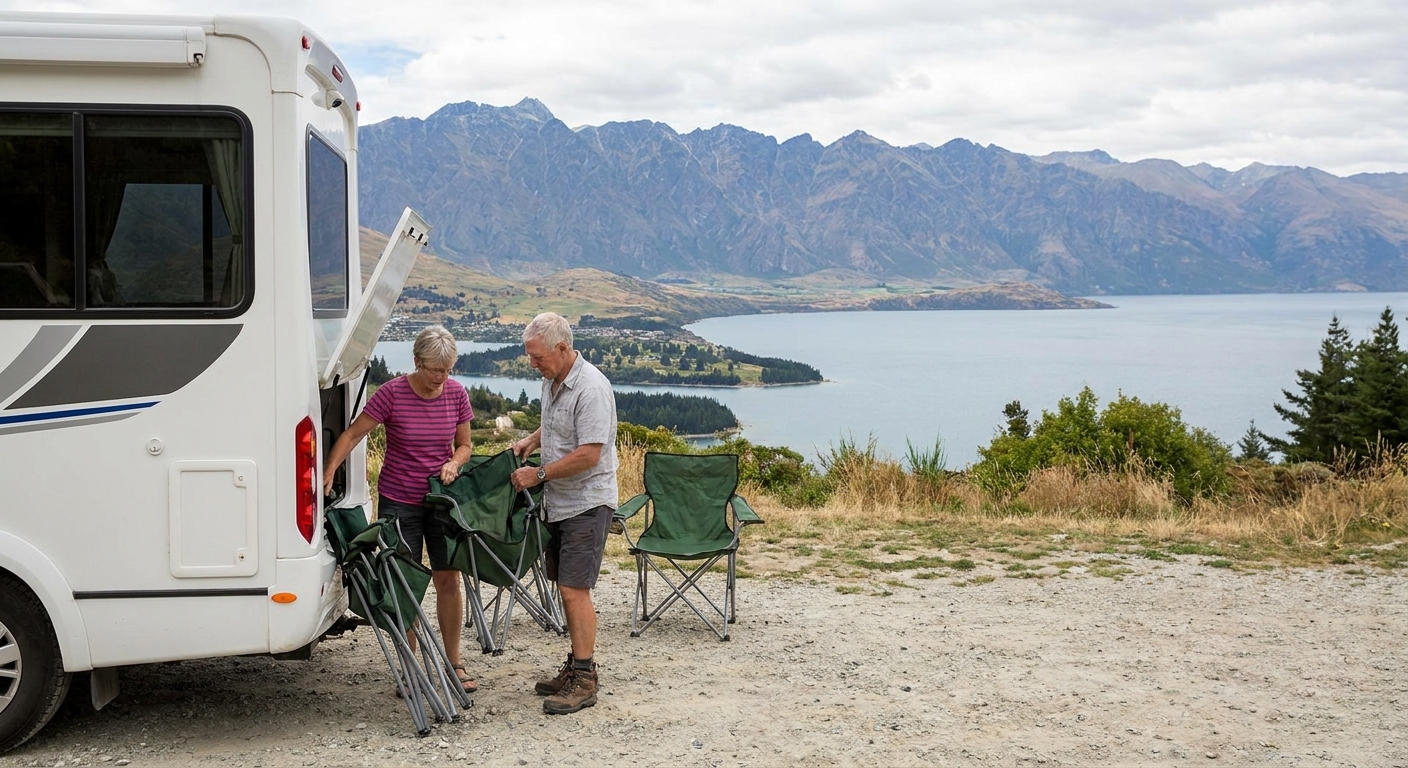
Before You Book - Class, Dates, Insurance
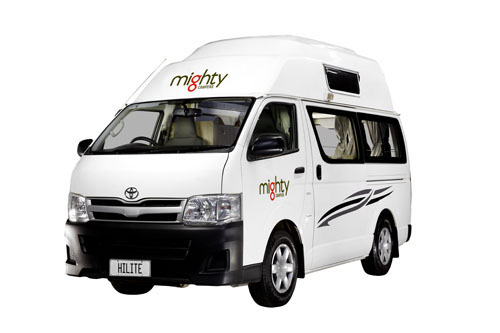
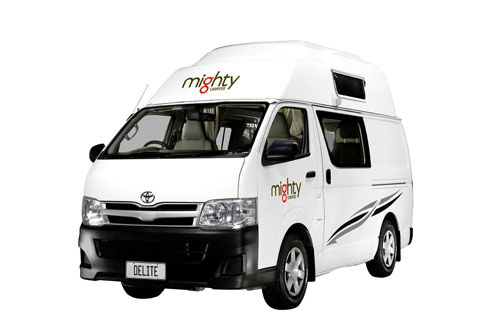
Before finalizing your winter rv rental in Queenstown, carefully consider the RV class, booking dates, and insurance options. For navigating potentially icy or narrow winter roads in Queenstown, smaller, more agile campervans, like a '2 Berth Hi Top' which often features automatic transmission and is "Winter Ready," are frequently easier to manage. These types of rental campers are specifically designed for efficient heating and good insulation, which are essential when temperatures drop. To secure the best availability and pricing for your winter RV adventure, particularly if you plan to travel during peak ski season (July-August) or school holidays, aim to book your motorhome at least 3-6 months in advance. Bandana RV offers full transparency in pricing, comparing final prices across 50+ leading RV suppliers worldwide, including trusted partners like Apollo and Britz, so you know exactly what you're paying with no hidden fees or surprises. While basic insurance is always included, upgrading to a top-level deductible for extra peace of mind is a smart choice to protect against potential winter driving incidents. Also, confirm whether your rental includes essential winter items like snow chains, which are often a mandatory requirement for certain roads around Queenstown, or if they need to be rented separately. This detailed approach ensures your winter trip with a rented RV is both comfortable and secure.Pre-Trip Prep - Packing Checklist for Queenstown
A comprehensive packing checklist is essential for a comfortable winter rv rental trip in Queenstown, New Zealand, ensuring you're prepared for cold weather and scenic adventures.Clothing:
- Layered clothing (thermals, fleece, waterproof outer shells)
- Warm hat, gloves, and scarf
- Waterproof and insulated boots
- Extra socks
- Pajamas for cold nights
Kitchen & Comfort:
- Instant coffee/tea and favorite snacks
- Basic cooking spices and oil
- Portable power bank for devices
- Entertainment (books, downloaded movies, games)
Safety & Practicalities:
- First-aid kit
- Headlamps or flashlights
- Reusable water bottle
- Small shovel (for snow emergencies)
- Essential toiletries and quick-dry towels
Documents & Navigation:
- Valid driver's license and International Driving Permit (if required)
- Rental agreement and insurance details
- Digital and physical maps (offline access recommended)
- Important contact numbers (rental company, emergency services)
At the Campground - Setup, Hookups & Etiquette
Setting up your RV at a winter campground in Queenstown involves specific considerations for comfort and system protection. Use leveling blocks on uneven ground to ensure comfort and the proper functioning of onboard appliances and drainage, especially important when parked on snowy or icy surfaces common at sites like Queenstown TOP 10 Holiday Park. When connecting your utilities, prioritize the hookup order in winter: first, connect your power cable to the campground pedestal, then to your RV to ensure consistent heating. Next, attach your freshwater hose, ensuring it's not exposed to freezing temperatures for extended periods. Finally, position your waste hose for greywater (and black water, if available) disposal. In winter, ensure water hoses are properly insulated or disconnected and drained when not in use to prevent freezing. If temperatures are forecast to drop below freezing, consider partially draining your freshwater tank, insulating exposed pipes, or running a trickle of water overnight to prevent freezing, as a Class C motorhome like the 'MH-A' typically has a 167-liter fresh water tank. Always utilize designated dump stations, such as the one near the Queenstown airport or at larger holiday parks, for emptying grey and black water tanks. Avoid disposing of wastewater anywhere else to comply with strict environmental regulations and avoid heavy fines. Campsite etiquette in Queenstown, much like anywhere, includes respecting quiet hours (typically 10 PM - 7 AM), keeping your site tidy, and being mindful of your neighbors. In winter, be particularly cautious about loud generator use late at night, as the cold air carries sound further. For finding campsites and campgrounds during your trip, we recommend using RV PLANET (rvplan.net) - a great resource for locating available spots along your route.winter rv rental-Specific Tips for Queenstown
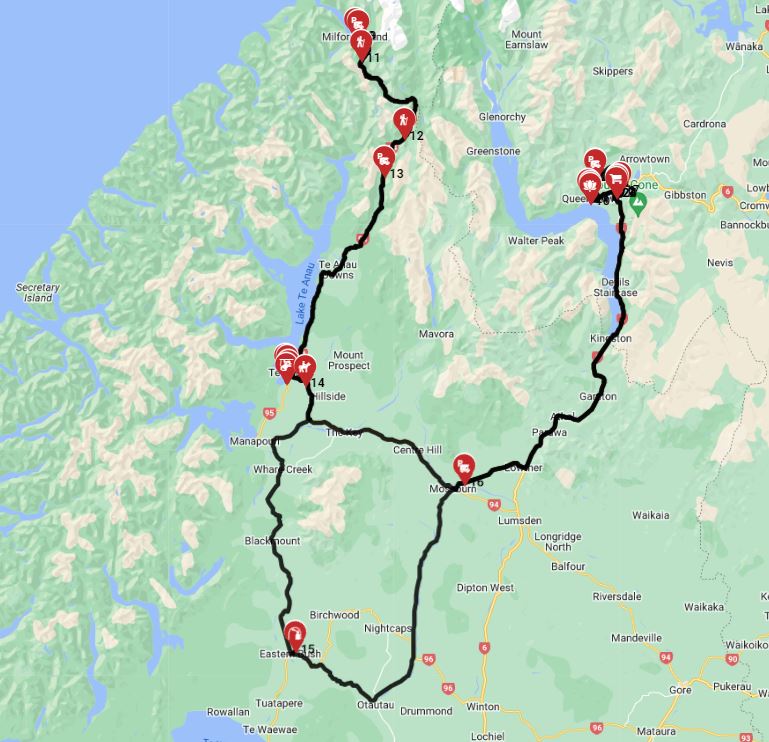
Optimizing your winter rv rental experience in Queenstown involves tailored strategies for heating, water management, and activity planning. Maximize heating efficiency in your rented motorhome by keeping curtains drawn at night and utilizing thermal blinds if available to retain warmth. Ensure all heating vents are clear for optimal airflow from your RV's heating system, which is crucial for comfort in temperatures that can drop below freezing. Effective water management in freezing conditions is essential; conserve water to minimize tank refills, and if temperatures are consistently below zero overnight, discuss anti-freeze solutions for water systems or best practices for draining tanks with your rental company. For popular winter activities like skiing or snowboarding at Coronet Peak or The Remarkables, pre-book lift passes, lessons, and equipment rentals well in advance to avoid disappointment and save time. Consider utilizing shuttle services from Queenstown to the ski fields to avoid driving and parking larger RVs on potentially snowy and restricted access roads, as parking for RVs can be challenging, particularly in central Queenstown. Research winter accessibility for key scenic routes and attractions. While Milford Sound remains stunning in winter, the Homer Tunnel on Milford Road (State Highway 94) often has convoy restrictions or closures due to snow, requiring careful daily planning and checking road conditions via Waka Kotahi NZTA. For inspiration on planning your scenic routes, exploring the "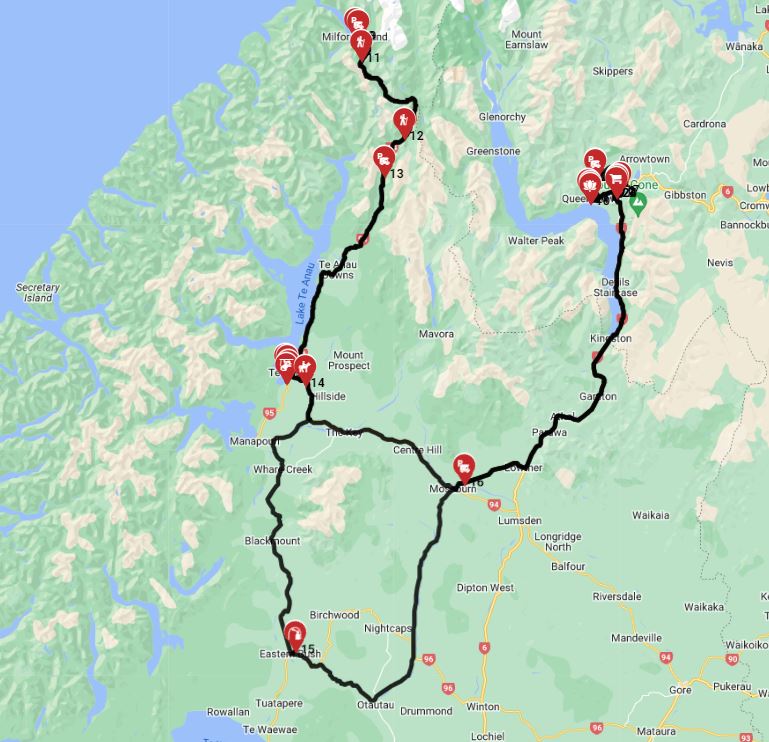
Queenstown Roundtrip
Common Mistakes to Avoid in Queenstown
Avoiding common mistakes when enjoying a winter rv rental in Queenstown ensures a much smoother and more enjoyable experience. A frequent oversight is underestimating the rapidity of winter conditions; instead, always check Waka Kotahi NZTA road conditions and weather forecasts daily for areas like the Crown Range Road or the route to Glenorchy. Be prepared for sudden changes in weather and potential road closures, which can impact your travel plans. Not having snow chains is another major error; ensure your rental includes them, like the '2 Berth Hi Top' campervan often offers, and that you know how to fit them, as they are often legally required for access to ski fields and can be essential for other routes. Ignoring your RV’s water systems in freezing temperatures can lead to costly damage; understand how to protect your rented motorhome’s water tanks and pipes from freezing, potentially draining them if temperatures are consistently below zero overnight. Over-reliance on freedom camping in winter is impractical, as designated spots are fewer, colder, and less suited for RV amenities in freezing conditions. Instead, plan to stay primarily at powered holiday parks such as Queenstown TOP 10 Holiday Park or Arrowtown Holiday Park. Finally, failing to book popular winter activities and transfers in advance can lead to disappointment; secure your ski passes, bungee jumps at Kawarau Bridge, or scenic tours well before arrival, especially during peak season. Remember, traveling slowly, averaging max 100-150 km per day, allows you to truly feel the place, connect to the culture, the food, and the scenery.Is it worth visiting Queenstown in winter?
Queenstown is exceptionally worth visiting in winter for its stunning snow-capped landscapes, world-class skiing, and vibrant après-ski atmosphere, transforming the town into a true winter wonderland. The region offers unique experiences beyond just snow sports, including cozy fireside dining, scenic lake cruises on Lake Wakatipu, and access to breathtaking views from the Skyline Gondola.Ski Fields:
Access to world-renowned ski fields like Coronet Peak and The Remarkables, offering diverse terrain for all skill levels, typically operate from late June to early October.Winter Festivals:
The Queenstown Winter Festival and other local events create a lively and festive atmosphere throughout the colder months, with various activities and entertainment.Scenic Beauty:
Snow-dusted mountains, frosty lakes, and crisp, clear winter skies provide unparalleled photographic opportunities, especially on drives along State Highway 6.Cozy Atmosphere:
After a day of exploration or skiing, enjoy warm pubs, award-winning restaurants, and inviting accommodation in your rented RV, perfect for relaxing by a heater. The 'Patagonia Camper 4x4 double cab' is a small, rugged option for couples that can get you to those scenic spots.Should you rent a camper van in New Zealand?
Renting a campervan or motorhome in New Zealand is a highly recommended way to experience the country's diverse landscapes, offering unparalleled flexibility and immersive access to remote natural beauty. This travel style provides the freedom to explore at your own pace, changing itineraries as desired, and often proves more cost-effective for longer trips compared to combining car rental and hotel stays, especially for a week-long trip or two-week adventure. Bandana RV specializes exclusively in RV travel, offering true RV specialists, not just a travel agency side department, to help you choose the perfect rented motorhome.Freedom & Flexibility:
Travel on your own schedule, stopping whenever a scenic view or interesting town catches your eye, whether it's on the main South Island roads or side routes.Scenic Routes:
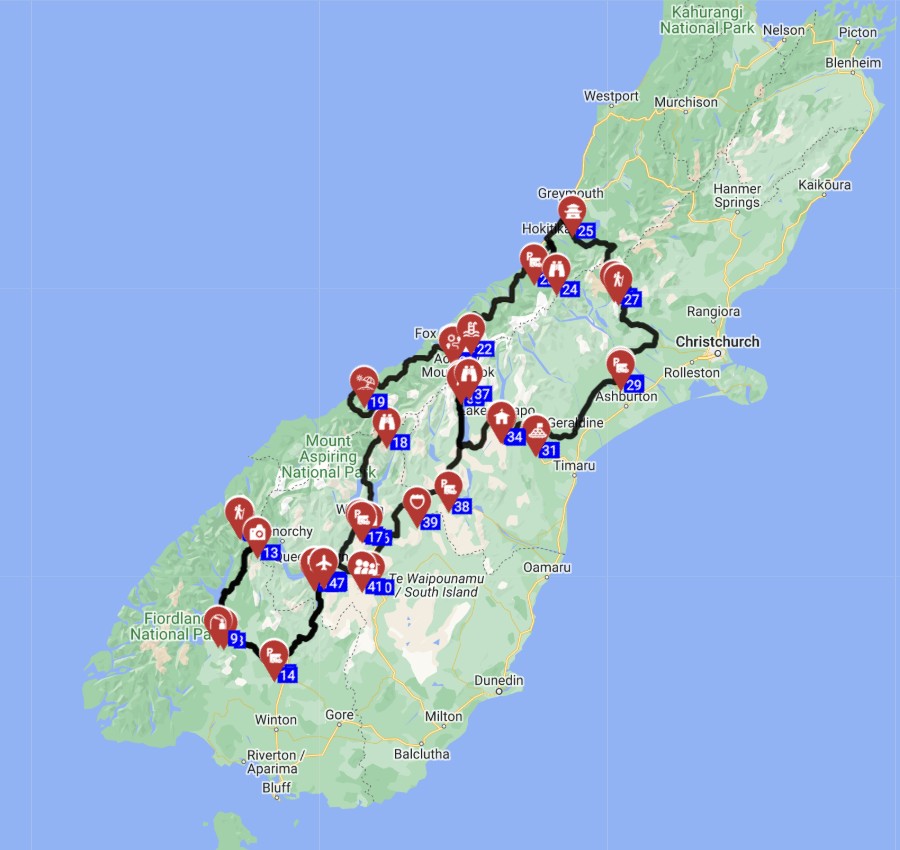
Enjoy some of the world's most breathtaking drives with your accommodation always at hand, like the routes found in our "RV Travel Guide to Queenstown - Tips and Top Spots 2026".Cost-Effectiveness:
Potentially save on accommodation and dining costs by self-catering and utilizing campsites, which can significantly reduce overall trip expenses.Immersive Experience:
Connect more deeply with nature by staying at national parks and lakeside campgrounds, offering unique sunrise and sunset views.Can you drive in Queenstown in winter?
Yes, driving a rented motorhome or campervan in Queenstown in winter is absolutely possible and a fantastic way to explore, but it requires careful preparation and adherence to specific winter driving conditions due to potential snow and ice. Drive slowly and carefully, and you can drive almost anywhere without issues. No need to stress-just use common sense and pay attention. Road conditions can change rapidly, particularly on routes to ski fields and over mountain passes like the Crown Range Road.Snow Chains:
Snow chains are often mandatory for alpine roads (e.g., to ski fields like Coronet Peak and The Remarkables, and the Milford Road via Homer Tunnel). Ensure your rental includes them and you know how to fit them securely.Black Ice:
Be extremely vigilant for black ice, especially in shaded areas, early mornings, and evenings, particularly on stretches of State Highway 6. Drive slowly and smoothly, avoiding sudden braking or acceleration.Road Closures:
Always check the Waka Kotahi NZTA website (journeys.nzta.govt.nz/traffic/) for the latest road conditions and potential closures before setting out from Queenstown.Vehicle Choice:
Consider a motorhome or campervan that is "Winter Ready," a feature often highlighted for models like the '2 Berth Rover', ensuring better performance in colder conditions.Local Etiquette:
Be aware of local driving etiquette, including single-lane bridges where priority is given to the larger vehicle or as marked, and slowing down for potential wildlife or livestock on rural roads near Queenstown.Is it worth it to rent a campervan in New Zealand?
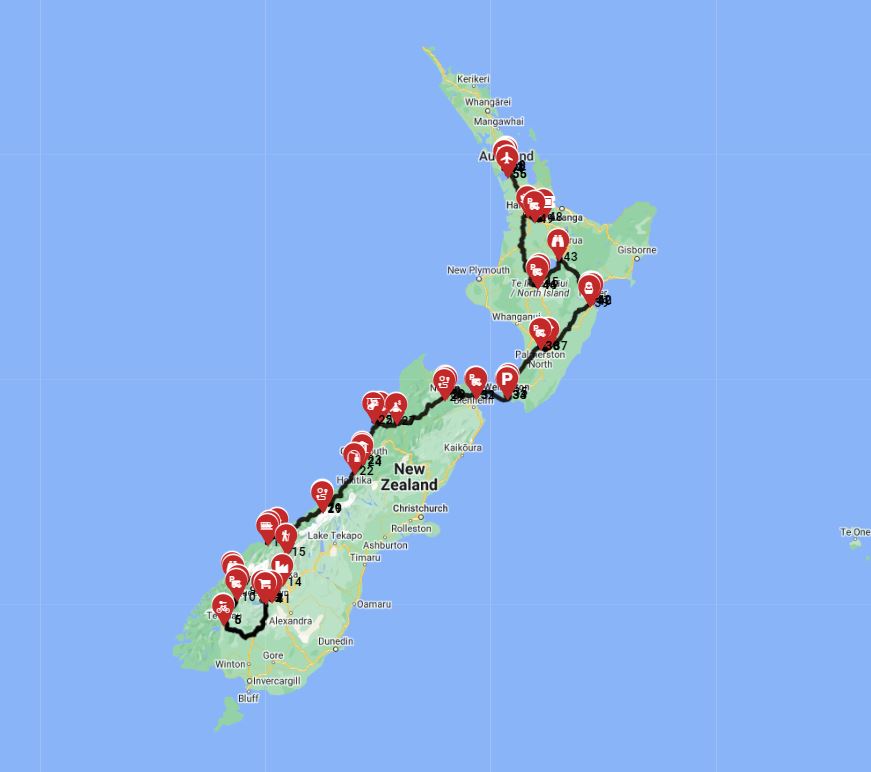
Renting a campervan or motorhome in New Zealand is generally considered exceptionally worthwhile for its unique blend of travel freedom, potential cost savings on accommodation, and immersive access to the country's unparalleled natural wonders. This mode of transport offers a deep connection with the landscape that traditional hotel stays may not provide, allowing you to wake up to breathtaking views like those along the "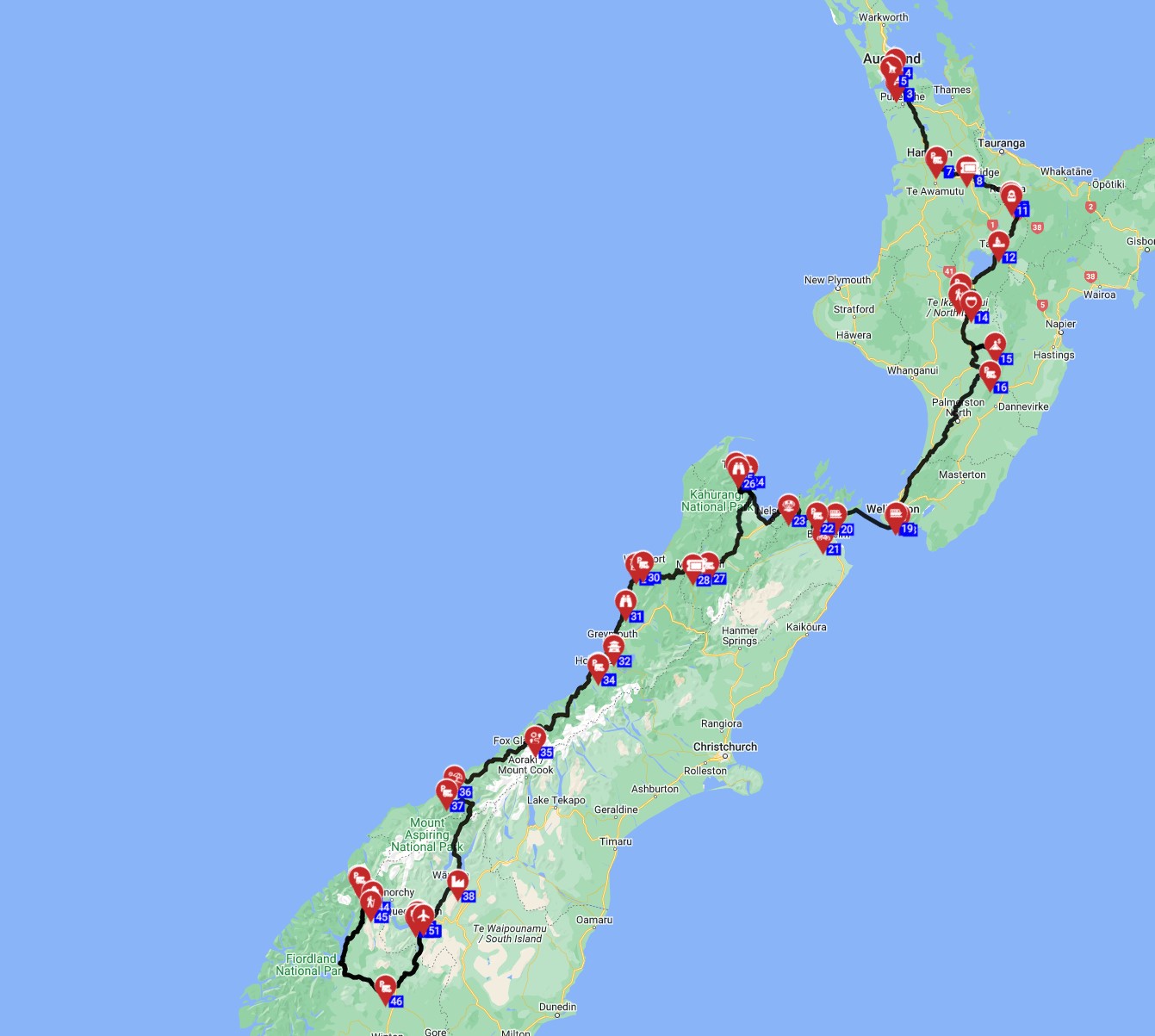
Auckland to Queenstown - The Great Kiwi Road Trip
Travel Freedom:
Unrestricted itinerary planning allows for spontaneous stops at scenic lookouts or extended stays in preferred locations, offering a level of flexibility unmatched by fixed accommodations.Cost Efficiency:
While rental costs exist, savings on hotels and restaurant meals through self-catering can make it an economical option for longer trips or groups, especially for a family RV rental in Queenstown. Our partners like Apollo and Britz offer various Class C motorhomes, ideal for families.Immersive Scenery:
Park your 'home' amidst stunning landscapes, from lakeside vistas on Lake Wakatipu to national park boundaries, providing intimate access to nature.Unique Experience:
An RV trip offers a more adventurous and intimate way to explore New Zealand, often leading you away from typical tourist crowds and into authentic local experiences.Considerations:
Be aware of fuel costs, which can be higher for larger Class C motorhomes with 75-liter fuel tanks. Also, factor in the need to find appropriate campsites, especially for certified self-contained vehicles. Bandana RV offers a 25% planning discount when you plan your trip using rvplan.net, which includes budgeting tools for these ancillary costs.How much does it cost to rent an RV in New Zealand?
The cost to rent an RV in New Zealand, including a winter rv rental in Queenstown, varies significantly, typically ranging from NZD $80 to $300+ per day. This price fluctuation depends on the vehicle size, age, rental season, duration (e.g., a week-long trip versus a month-long adventure), and included amenities. Winter rentals can sometimes be cheaper than peak summer, but specific winterizations, like anti-freeze systems, may add to the cost. For more detailed pricing, consult our RV Rental in Queenstown - Prices and Best Deals 2026 guide.Rental Rates:
Daily rates fluctuate by season (winter generally offers lower rates than peak summer, which runs December-February), vehicle class (small campervan like a '2 Berth Hi Top' vs. large Class C motorhome like an 'Euro Deluxe'), and rental duration (longer rentals often have lower daily rates).Fuel Consumption:
Budget significantly for fuel. Larger RVs, such as a '29′ Class C Motorhome' with a 208-liter fuel tank, can consume 10-15 liters per 100km (or more), with diesel being slightly cheaper than petrol in New Zealand.Campsite Fees:
Department of Conservation (DOC) campsites are budget-friendly (NZD $8-25/night), while commercial holiday parks, such as Queenstown TOP 10 Holiday Park, offer more amenities for NZD $25-60/night for a powered site.Insurance:
Basic liability is included, but comprehensive excess reduction, which is an optional upgrade for top-level deductible reimbursement, can add NZD $30-70/day.Additional Costs:
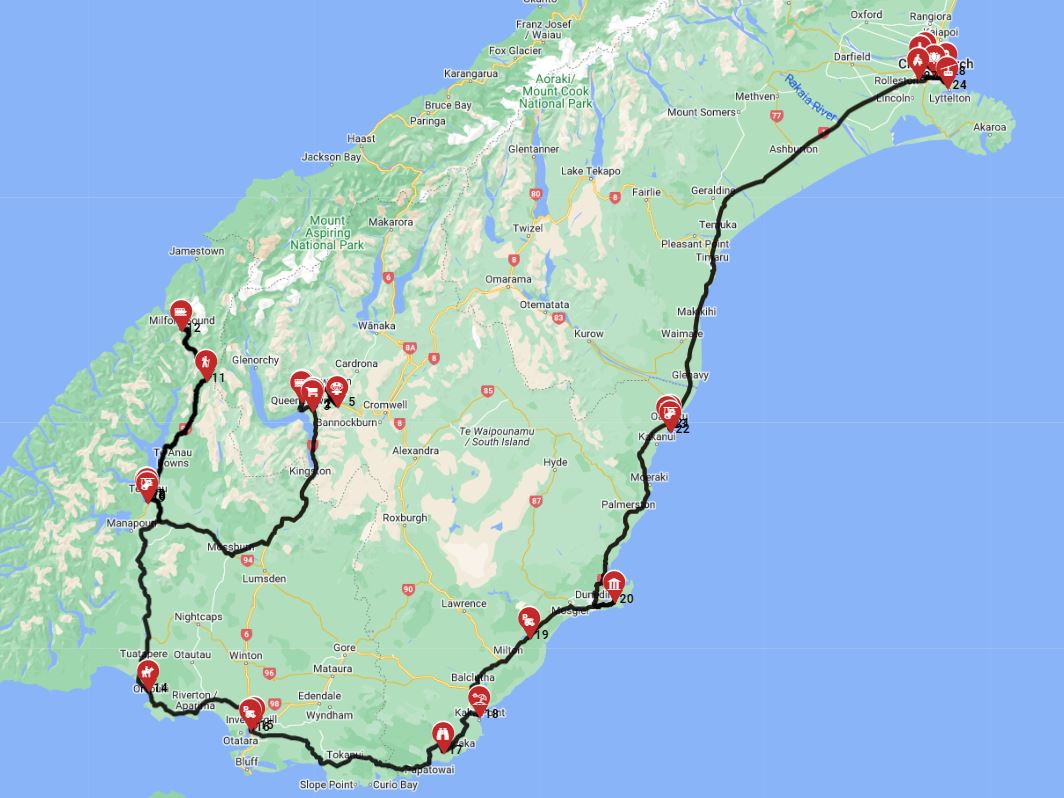
Factor in one-way fees (if applicable for routes like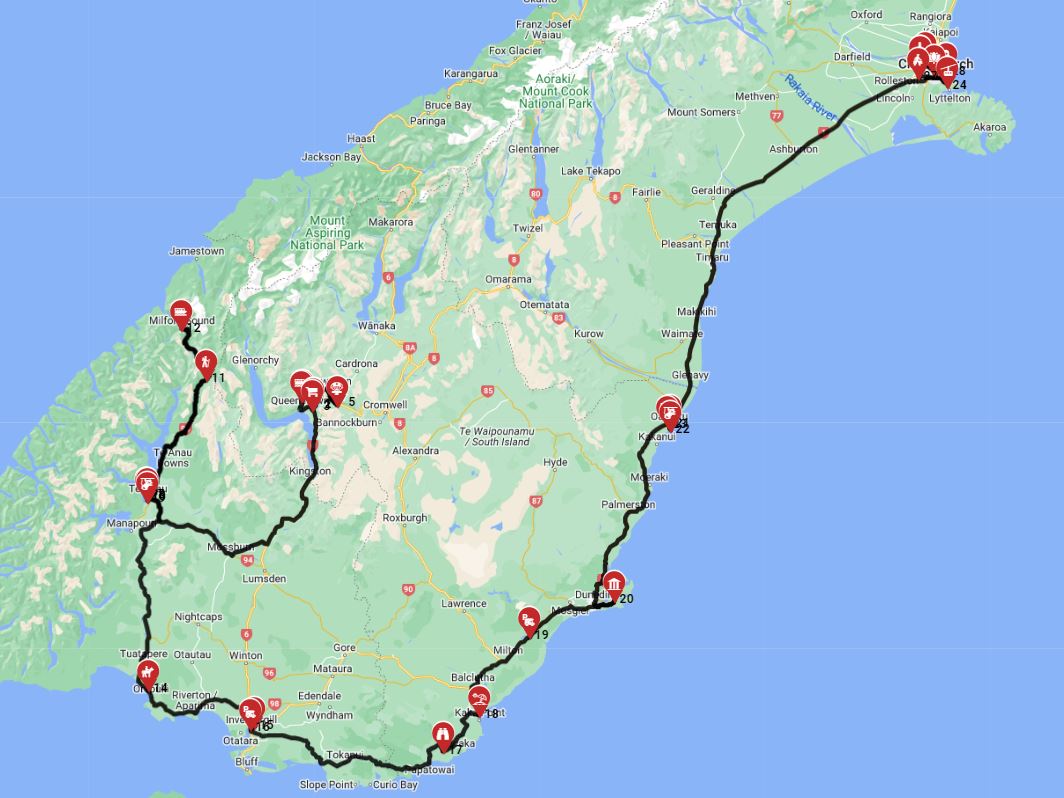
Queenstown to Christchurch
Do you need a special license to drive a motorhome in New Zealand?
No, you do not typically need a special license to drive most standard motorhomes or campervans in New Zealand, including a winter rv rental in Queenstown. A valid full overseas driver's license (or an International Driving Permit for non-English licenses) is generally sufficient for vehicles up to 4,500 kg (gross laden weight). This weight limit covers the vast majority of rental RVs, from compact campervans to larger Class C motorhomes.Standard License:
A full, current driver's license from your home country is usually acceptable for renting any motorhome class (Class A, Class B, and Class C).International Driving Permit (IDP):
If your license is not in English, an IDP (obtained in your home country before travel) is legally required alongside your original license. While not mandatory in all cases for English licenses, it is recommended for all international visitors for ease of identification.Age Restrictions:
Most rental companies in Queenstown require drivers to be at least 21 years old. There are no young driver surcharges and no vehicle class restrictions based on age.Weight Limits:
For vehicles over 4,500 kg, a heavy vehicle license would be required, but these are rarely offered for tourist rentals. All motorhomes and campervans available through Bandana RV can be driven with a standard car license.Can you park a campervan in Queenstown?
Parking a campervan or motorhome in Queenstown can be challenging, particularly in the town center, due to limited space and strict restrictions on oversized vehicles. Finding suitable parking for larger RVs often means parking further from the central business district. Queenstown's strict RV parking bylaws are enforced with significant fines of NZD $200+ for violations, often surprising first-time visitors.Town Centre Restrictions:
Most central Queenstown car parks, including those along Shotover Street and Beach Street, have height and length restrictions, making them unsuitable for larger RVs.Designated Parking:
Look for designated oversized vehicle parking areas on the outskirts of the town center, such as the Queenstown Events Centre car park, which may still require a walk or public transport (like the local bus service from Frankton) to reach attractions.Holiday Parks:
The most reliable and legal parking solution for overnight stays is booking a powered site at a local holiday park (e.g., Queenstown TOP 10 Holiday Park on Shotover Street or Frankton Beach Holiday Park), often offering shuttle services or public transport links to town. These parks also provide essential amenities like dump stations and freshwater refills.Freedom Camping:
Freedom camping within the Queenstown Lakes District has very strict rules and extremely limited designated sites. Unauthorized freedom camping can result in heavy fines. Always consult the official Queenstown Lakes District Council website (qldc.govt.nz/parking-roads-and-transport/freedom-camping) or a local i-SITE for legal freedom camping locations, which are typically outside the main tourist zones.Do I need a self-contained campervan in New Zealand?
Yes, you absolutely need a certified self-contained campervan or motorhome in New Zealand if you plan to freedom camp (camp overnight outside of designated campgrounds), as it's a legal requirement to demonstrate onboard wastewater and toilet facilities. This certification ensures minimal environmental impact during off-grid stays, especially around scenic areas near Queenstown.Legal Requirement:
The Freedom Camping Act 2011 mandates that any vehicle used for freedom camping must be certified self-contained, particularly in popular tourist regions like Queenstown Lakes District.NZS 5465 Certification:
This involves an official certification that the vehicle meets specific standards for a fresh water tank (e.g., 125 liters for a family of four), a grey water tank, a toilet, and a rubbish bin, with capacities adequate for three days per person.Fines for Non-Compliance:
Heavy fines (up to NZD $400 or more) are issued for freedom camping in a non-certified vehicle or in a prohibited area around Queenstown, like many central parking spots or public reserves.Designated Sites:
Self-contained vehicles are permitted to freedom camp only in designated areas, often marked with clear signage. For other areas, you must use commercial campgrounds or Department of Conservation (DOC) sites.Waste Disposal:
Being self-contained means you are responsible for safely disposing of all wastewater and rubbish at designated dump stations and recycling facilities, which are available at most holiday parks and some public facilities around Queenstown.What You Shouldn't Miss
- **Skiing at Coronet Peak or The Remarkables:** Hit the slopes at these world-class ski resorts, both easily accessible from Queenstown. Rent an RV with "Winter Ready" features for comfortable transport.
- **Milford Sound Scenic Drive:** Take a breathtaking drive along the Milford Road (State Highway 94) to Milford Sound, keeping an eye on Waka Kotahi NZTA road conditions for snow and ice, especially through the Homer Tunnel.
- **Bungy Jumping at Kawarau Bridge:** Witness or partake in the world's first commercial bungy jump just a short drive from Queenstown, a true South Island icon.
- **Queenstown Gardens and Lakefront Walks:** Enjoy crisp winter walks around Queenstown Gardens or along the shores of Lake Wakatipu, offering stunning views of snow-capped mountains.
- **Thermal Hot Pools in Onsen:** Indulge in a luxurious soak at the Onsen Hot Pools, offering panoramic views of the Shotover River canyon, a perfect way to relax after a day of winter activities.
- **Glenorchy Scenic Drive:** Explore the "Gateway to Paradise" with a scenic drive to Glenorchy, famed for its Lord of the Rings filming locations and dramatic landscapes, suitable for a slow travel pace of 100-150 km per day.