In This Guide
- What are the Top 5 Tips for winter RV rental in Oslo?
- What should I know Before Booking my RV in Oslo (Class, Dates, Insurance)?
- What are the Pre-Trip Packing Essentials for an Oslo Winter RV Trip?
- How do I manage On-the-Road aspects like Driving, Fueling, and Navigation in Oslo?
- What are the best practices for Campground Setup, Hookups, and Etiquette in Oslo?
- What are some RV rental-Specific Tips for Oslo?
- What Common Mistakes Should I Avoid when Renting an RV in Oslo?
- Is Norway RV friendly?
- Is Oslo worth a visit in winter?
- Can you camp in an RV in the winter?
- Is it expensive to rent a campervan in Norway?
- What is the average cost to rent an RV for one week?
- Do rental cars in Norway have winter tires?
- What questions should I ask when renting an RV in Oslo?
What are the Top 5 Tips for winter RV rental in Oslo?
Prioritizing an RV with robust winter insulation and a reliable heating system is crucial for comfort in Oslo's sub-zero winter temperatures. Many modern motorhomes, like a typical Class C model with a 100-liter fresh water tank, feature powerful gas or diesel heating systems that keep the interior cozy even when it's -10°C outside. Booking your preferred RV model well in advance, especially for popular holiday periods like Christmas or New Year's, helps secure the best rates and availability; waiting too long might limit your choices. Familiarize yourself with Norway's strict winter driving regulations, which include mandatory winter tires (often studded) from November 1st to April 30th. Planning your route to include established campgrounds around Oslo that offer winter amenities like heated sanitary facilities and electrical hookups is essential for a comfortable trip. Lastly, packing layers of warm, waterproof clothing, insulated outerwear, and suitable waterproof footwear is critical to safely enjoy outdoor activities like skiing or ice skating. Remember, traveling slowly, ideally no more than 100-150 km per day on average, allows you to truly immerse yourself in Oslo's unique winter charm and stunning Nordic scenery. For live availability and current prices, start with our RV Rental Oslo - Complete Guide 2026 guide.What should I know Before Booking my RV in Oslo (Class, Dates, Insurance)?
Choosing the right RV class for a winter trip in Oslo is crucial, with well-insulated campervans or larger motorhomes offering better comfort against the cold and providing internal living space for a family of 2+2. Winter-ready RVs typically feature enhanced insulation in walls and floors, robust heating systems, and often heated water tanks and pipes to prevent freezing, which is vital for maintaining water access at temperatures down to -15°C. For instance, a Class B campervan, while smaller, offers excellent maneuverability on potentially snow-covered urban streets and narrower roads leading to nature spots in Nordmarka. Booking your winter RV rental dates several months in advance is highly recommended, particularly for popular periods like Christmas, New Year's, or school holidays, to ensure availability and potentially secure better pricing, sometimes saving up to 20% on daily rates. Bandana Caravan, founded in 2001, has over 23 years of experience helping travelers secure their perfect RV, with bookings available in 30+ currencies and full price transparency-what you see is what you pay, with no surprise fees at pickup. Basic insurance is always included in your rental price; for the most comprehensive coverage, select the appropriate option during your search to view prices that include top-level deductible reimbursement, ensuring extra peace of mind.What are the Pre-Trip Packing Essentials for an Oslo Winter RV Trip?
A comprehensive packing checklist is essential for a comfortable and safe winter RV rental in Oslo, ensuring preparedness for cold weather and self-sufficiency. Think layers: thermal base layers, fleece mid-layers, and waterproof, insulated outer shells are crucial for outdoor activities when temperatures can drop to -15°C. Don't forget insulated gloves, a warm hat that covers your ears, and sturdy, waterproof boots with good grip. For indoor comfort, warm pajamas and slippers will make your rented motorhome feel even cozier. Essential gear for self-sufficiency includes adequate water tank insulation (often provided by winterized RVs), an efficient heating system, and possibly a portable power bank for electronics, especially if you plan to venture to more remote areas around Oslo like Nordmarka. While many rentals include basic kitchenware, consider bringing a small travel kettle for hot drinks or a portable French press for morning coffee. For finding campsites and campgrounds during your trip, we recommend using RV PLANET (rvplan.net) - a great resource for locating available spots along your route, which often lists specific winter amenities like heated restrooms and laundry facilities. A typical campervan might include a 50-liter refrigerator, a 2-burner gas stove, and an 80-liter fresh water tank.How do I manage On-the-Road aspects like Driving, Fueling, and Navigation in Oslo?
Navigating Norway's winter roads requires specific attention to driving conditions, fueling stops, and understanding local navigation systems, including Oslo's environmental zones. By law, all rental vehicles, including your rented motorhome, must be equipped with winter tires (studded or non-studded) during the winter season (typically November 1st to April 30th). Drive slowly and carefully, and you can drive almost anywhere without issues. No need to stress-just use common sense and pay attention, especially on icy patches or fresh snow. For detailed insights, consult our Driving an RV in Oslo - Complete Guide 2026. Always keep your fuel tank at least half full to prevent fuel lines from freezing, which can happen with diesel in extreme cold, and ensure you have enough for unexpected detours or slow-downs. Fuel prices in Norway are among the highest in Europe, so budgeting for this is crucial; the RV PLANET routes can help you itemize and track every expense. Oslo operates an automatic toll system (AutoPASS); most rental RVs come equipped with a transponder, but it's crucial to confirm this with your rental company to avoid fines and ensure seamless travel. Charges are typically sent to the rental company, which then bills you. Familiarize yourself with environmental zone regulations in Oslo, as some older or larger RVs might face restrictions or higher charges, especially during peak pollution days within the city center. For remote areas accessible from Oslo, consider that mobile data coverage may be sporadic; download offline maps and understand emergency procedures, including how to contact local authorities or roadside assistance, to stay safe on your winter adventure.What are the best practices for Campground Setup, Hookups & Etiquette in Oslo?
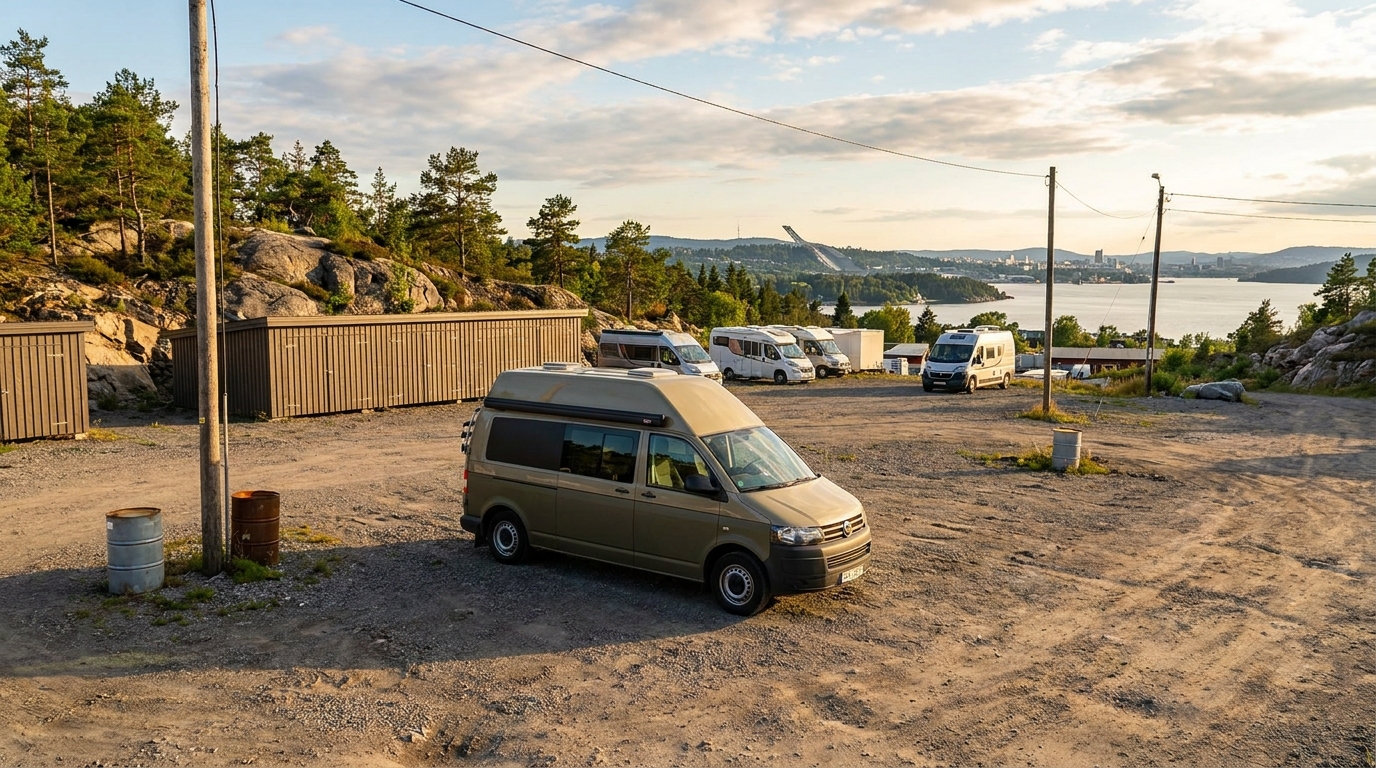
Proper setup and understanding hookups and campground etiquette are vital for a smooth and enjoyable RV experience in Oslo, particularly during winter. Upon arrival at a campground like Ekeberg Camping, prioritize connecting to shore power immediately to power your RV's heating and appliances, especially the water heater. Next, connect your fresh water hose if available and temperatures permit-many campgrounds winterize their water hookups or provide heated ones. Finally, set up waste disposal connections for your grey and black water tanks; ensure they are insulated or regularly emptied to prevent freezing. Locate the waste disposal points (for grey and black water) and freshwater refill stations specifically around Oslo and popular routes upon planning, as these facilities may have reduced availability or specific operating hours in winter. RV PLANET (rvplan.net) often includes this practical information in its pre-planned route plans. Observe quiet hours, typically from 10 PM to 7 AM, and be mindful of your neighbors by keeping noise levels down, especially generator use (if your motorhome has one). Always leave your campsite clean and dispose of all waste properly in designated bins. Consider warming up with some delicious RV-friendly recipes playlist in your cozy kitchen after a day out in the snow.What are some RV rental-Specific Tips for Oslo?
Tailoring your RV rental experience to specific winter needs in Oslo can significantly enhance your trip, especially considering urban regulations and unique local attractions. Drive slowly and carefully, and you can drive almost anywhere without issues. No need to stress-just use common sense and pay attention. For families with children, choose a motorhome or campervan with ample space for indoor activities and comfortable sleeping arrangements, such as a large Class C with a 150-liter refrigerator and multiple beds. Consider planning nap-friendly drives during the day to keep everyone refreshed. Seniors may benefit from ergonomic RV classes with easier access, comfortable seating, and amenities that reduce physical strain, like a campervan with an automatic transmission and a more compact length of around 6 meters. Budget-conscious travelers can look for designated free overnight parking spots, adhering to 'Allemannsretten' (right to roam) guidelines in uncultivated land, particularly in areas designated outside urban zones. When parking within Oslo, be aware of urban camping regulations; prioritize designated RV-friendly parking zones or approved city campgrounds like Bogstad Camping to avoid fines and ensure proximity to attractions. Luxury travelers might opt for premium add-ons like enhanced multimedia systems, gourmet kitchen kits, or dedicated winter sports equipment storage; some high-end Class A motorhomes offer these features. For route inspirations, check out RV Travel Guide to Oslo - Tips and Top Spots 2026. Consider RV-friendly day trips directly accessible from Oslo, such as a visit to Drøbak for a charming coastal experience or exploring the Nordmarka forest for winter hiking or cross-country skiing, which are easily reached within an hour.What Common Mistakes Should I Avoid when Renting an RV in Oslo?
Avoiding common pitfalls can ensure a smoother and more enjoyable winter RV rental experience in Oslo. Firstly, never underestimate Norway's winter conditions; always research road closures, current weather forecasts (especially for mountain passes), and ensure your rented RV is equipped with appropriate winter tires and possibly snow chains (ask your supplier about inclusion). Instead of ignoring local parking regulations, especially within central Oslo or popular areas like Aker Brygge, always use designated RV parking areas or approved campgrounds to prevent fines and ensure accessibility to city attractions. Secondly, don't overlook the automatic toll system: confirm with your rental provider that the RV is equipped with an AutoPASS transponder and understand how tolls will be managed and billed. For a better overview of costs, see our RV Rental in Oslo - Prices and Best Deals 2026 and Cheap RV Rental in Oslo - Budget Guide 2026. Neglecting freshwater and waste management in cold weather is another common mistake; ensure tanks are insulated and regularly check for freezing (e.g., a 100-liter fresh water tank can freeze solid if left unprotected). Plan routes with known disposal and refill points. Finally, avoid driving long distances without planning; always have a backup route and knowledge of emergency procedures, including contact information for roadside assistance and local emergency services, especially in more remote Norwegian areas accessible from Oslo. Remember, slow travel is key for safety and enjoyment in winter RVing.Is Norway RV friendly?
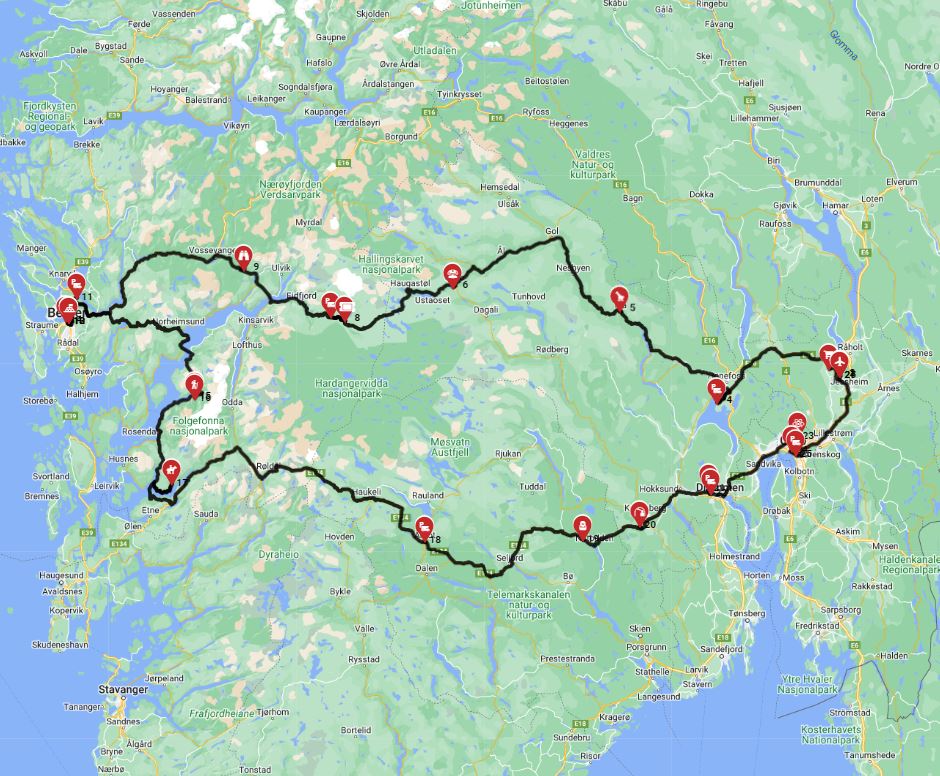
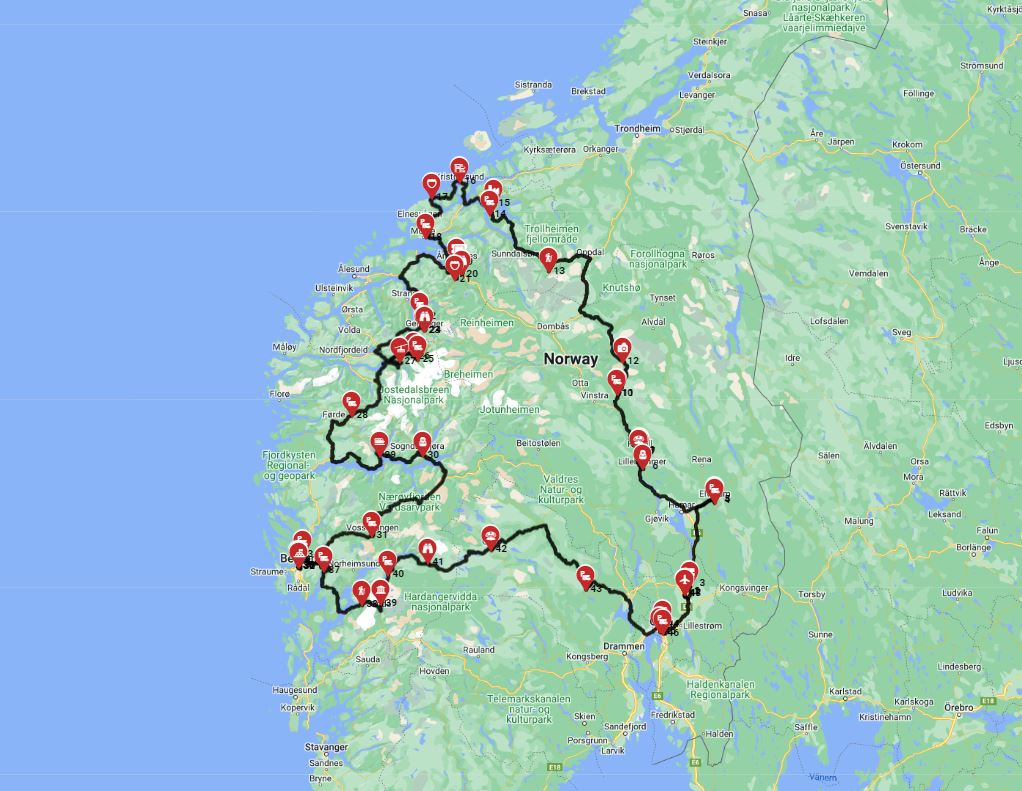
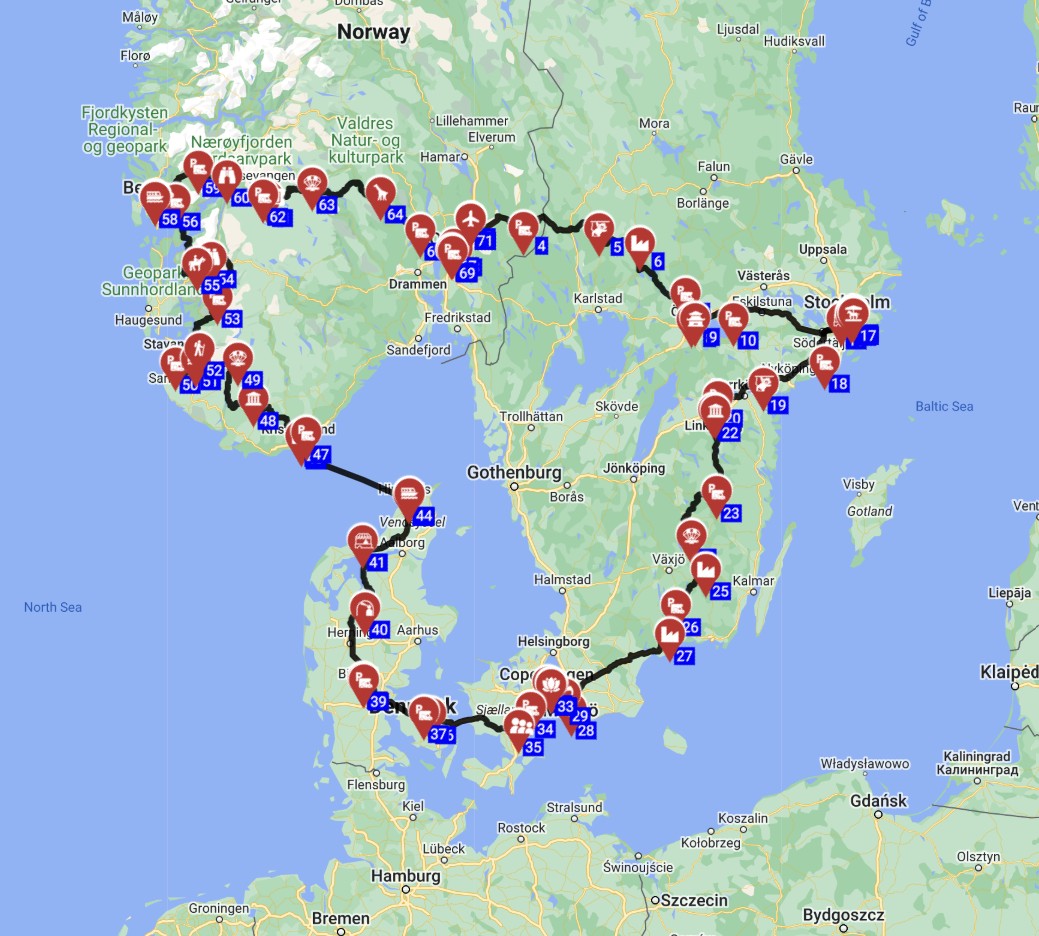
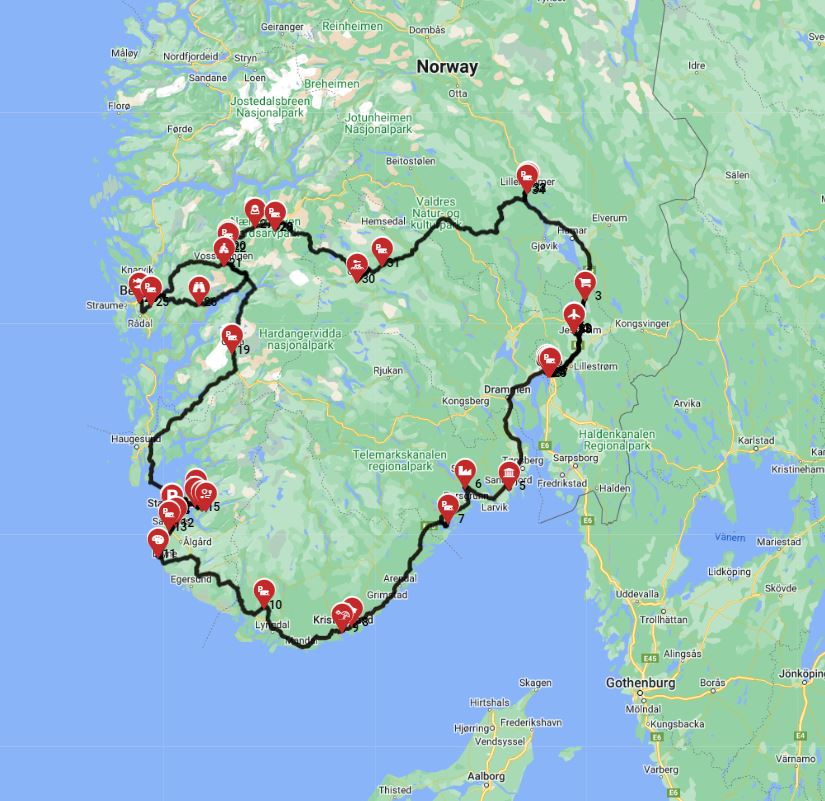
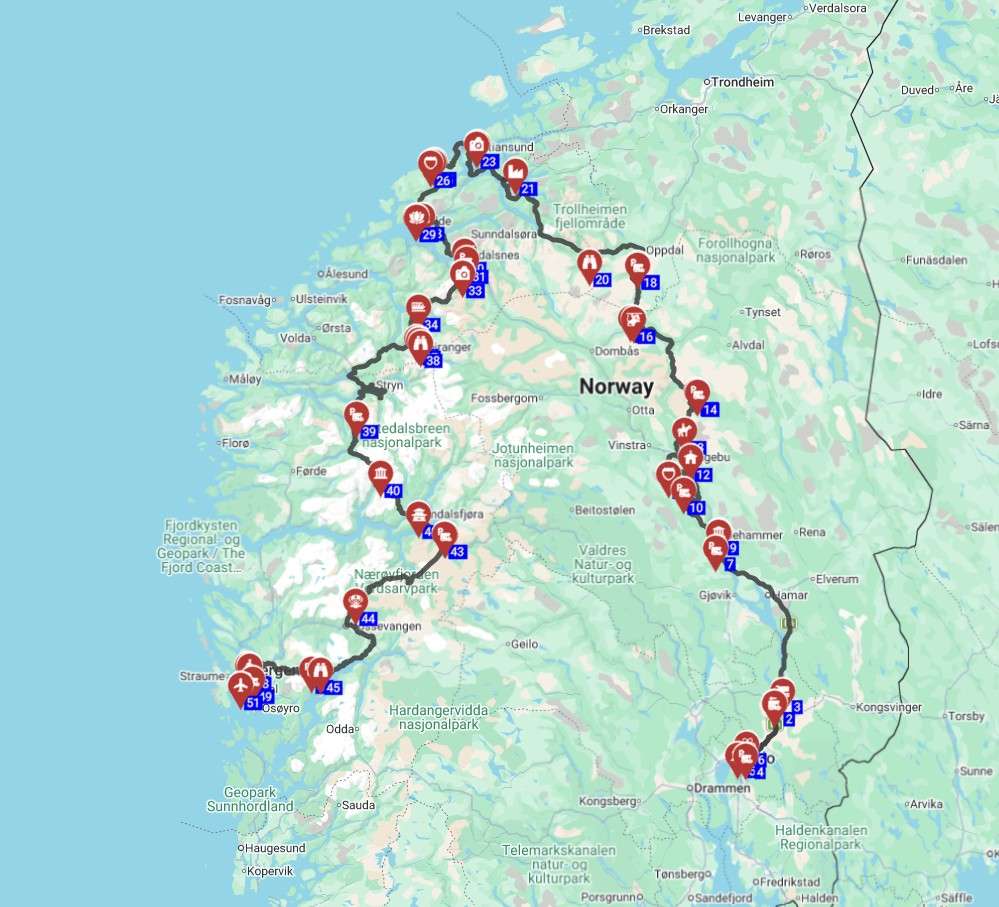
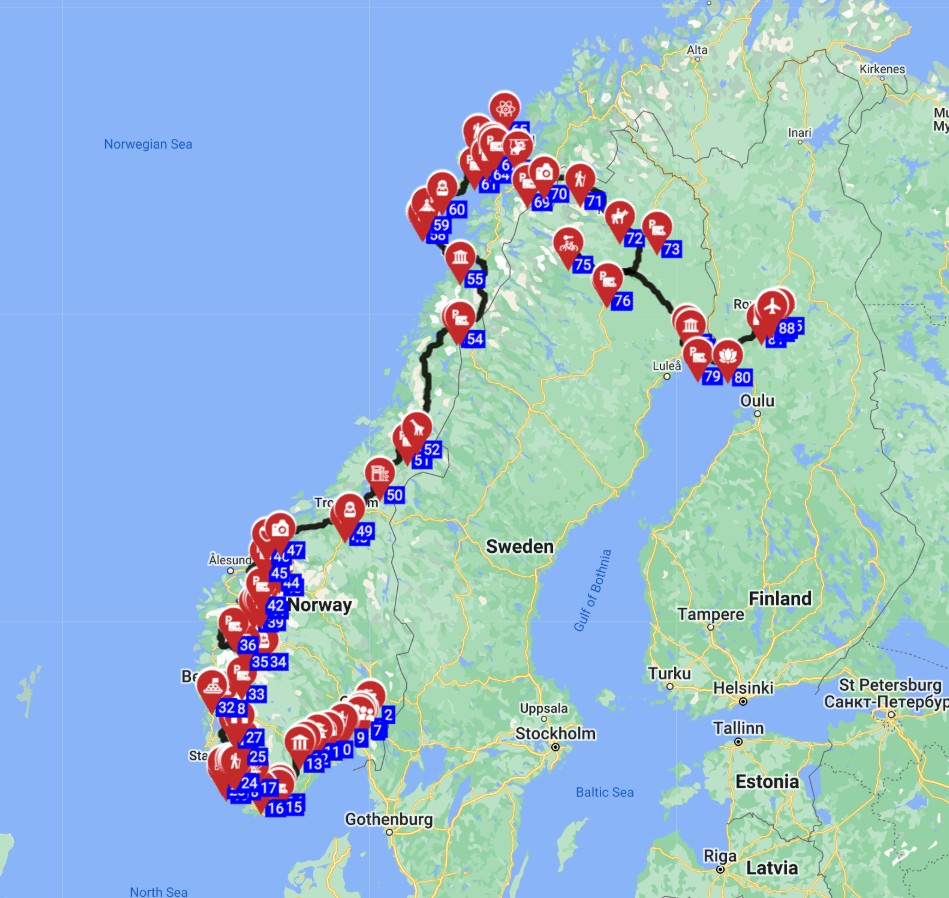
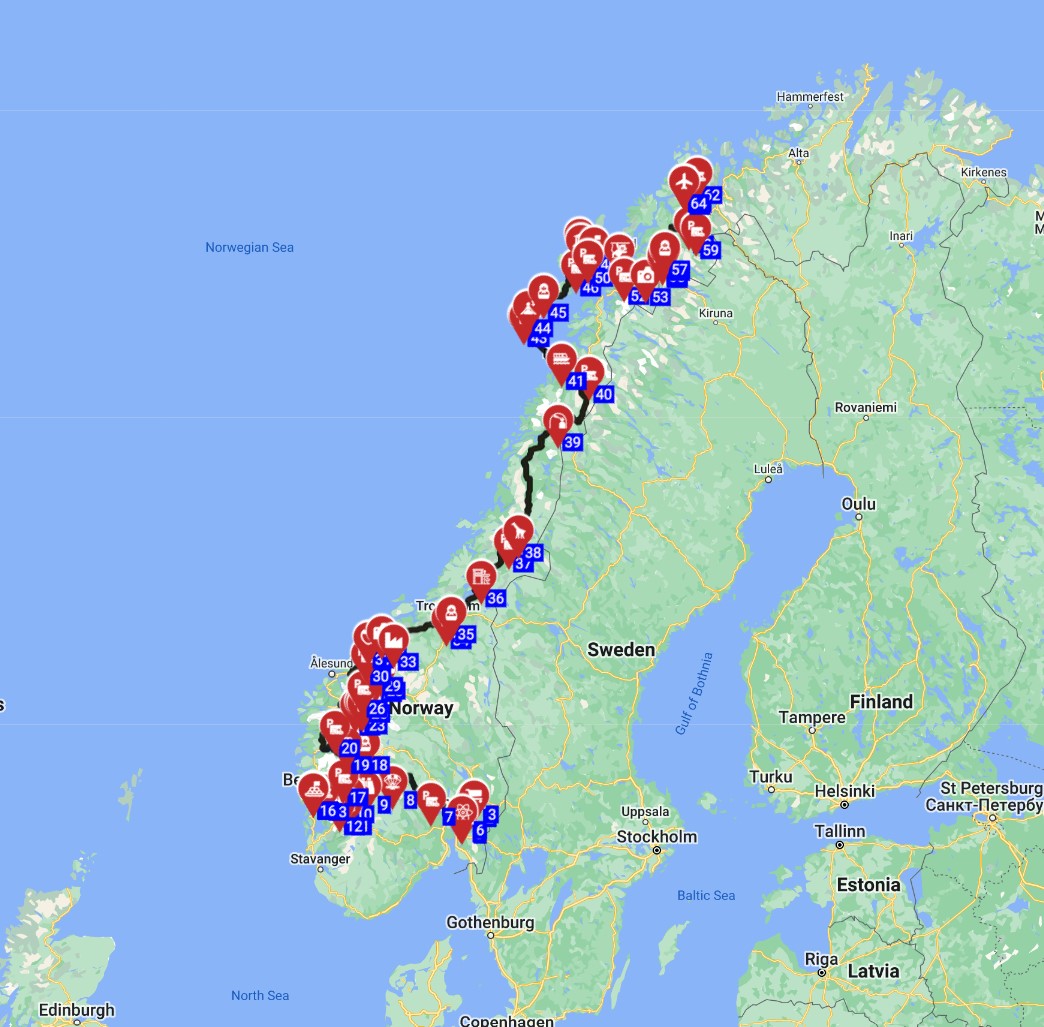
Norway is generally very RV friendly, offering stunning landscapes, well-maintained roads, and a robust infrastructure that supports motorhome travel, even in winter. The country boasts numerous scenic routes, like the journey from Oslo to Tromsø, covering over 3,400 km and featuring 4 natural features and 2 scenic routes on the RV PLANET itinerary. It also has a network of campgrounds that cater to RVs, many with modern facilities. However, some smaller campgrounds or more remote facilities may close or offer limited services in the deepest winter months, so always check ahead. 'Allemannsretten,' or the right to roam, allows for wild camping in uncultivated land for up to two nights, provided you are at least 150 meters from inhabited houses or cabins and leave no trace. This applies to RVs with responsible practices, but it's often more practical and safer to use established campgrounds in winter. While main roads are well-maintained, be aware that some fjord roads can be narrow and winding, requiring careful navigation, especially for larger Class A motorhomes. Smaller campervans, such as a "Category Van" with a length of around 6 meters and a 95-liter fresh water tank, generally offer greater maneuverability on these roads. Many larger towns and cities, including areas around Oslo, provide waste disposal (grey/black water) and freshwater refill points, often at campgrounds or designated service stations, which are essential for self-sufficiency during a winter road trip. For a broader perspective, our RV Rental Norway - Complete Guide 2026 provides extensive information.Is Oslo worth a visit in winter?
Oslo is highly worth a visit in winter, transforming into a festive wonderland with unique attractions and activities that embrace the cold season, offering a distinct experience from its summer charm. Visitors can enjoy world-class museums like the Fram Museum (detailing polar exploration) and the Munch Museum, go ice skating at Spikersuppa in front of the Parliament, or explore the festive Christmas markets in Karl Johans gate. The city's proximity to nature allows for easy access to winter sports, including cross-country skiing in Nordmarka, and exploring snow-dusted parks like Frogner Park with its iconic Vigeland sculptures, all within a 30-minute drive from the city center. Consider RV-friendly day trips directly accessible from Oslo, such as exploring the picturesque town of Drøbak, known as Norway's Christmas town, or a scenic drive along the Oslofjord's wintery shores. These routes are manageable for a rented motorhome, providing a comfortable base to return to after a day of exploration. Oslo in winter offers a magical atmosphere, with shorter daylight hours often compensated by stunning snowscapes and the possibility of seeing the Northern Lights on clear nights if you venture a bit north of the city. A winter RV trip allows you to combine urban cultural experiences with serene natural escapes, perfectly embodying the slow travel philosophy.Can you camp in an RV in the winter?
Camping in an RV in the winter in Norway is absolutely possible and can be an incredibly rewarding experience, provided you have a suitable, well-equipped vehicle and plan carefully for the cold. Modern RVs designed for cold climates feature enhanced insulation in the floor, walls, and ceiling, powerful heating systems (gas or diesel), and heated water tanks and pipes to prevent freezing, making them comfortable even in sub-zero temperatures as low as -20°C. Many campgrounds across Norway remain open year-round, offering essential electrical hookups, heated sanitary facilities, and often snow removal services, like the year-round Ekeberg Camping near Oslo, which typically has 200+ pitches available. While 'Allemannsretten' permits wild camping on uncultivated land, it's generally more practical and safer to use established campgrounds in winter for access to amenities, reliable power, and to avoid getting stuck in snow. Key challenges include managing water and waste systems (e.g., ensuring your grey and black water tanks don't freeze and are emptied regularly), ensuring adequate heating, and navigating potentially icy or snow-covered roads. Choosing an RV with sufficient propane or diesel capacity for heating is important; a typical 11kg gas bottle might last 2-3 days in continuous cold.Is it expensive to rent a campervan in Norway?
Renting a campervan or motorhome in Norway can be considered more expensive compared to some other European countries, primarily due to higher living costs, specialized winterization for vehicles, and seasonal demand. Prices vary significantly based on the season, RV size and model (e.g., a "Paradise Family 5" campervan has 5 sleeping places and an 80L fridge, while a larger "6 Berth Discovery" motorhome has 6 sleeping places, a 190L fridge, and a 125L fresh water tank), rental duration, and the booking lead time. Winterized vehicles often incur a slight premium due to their specialized equipment and lower demand overall. A comprehensive cost breakdown for an RV trip to Norway includes not just the rental fee (which can range from NOK 8,000 to NOK 18,000 for a week), but also significant fuel expenses (Norway has high fuel prices), specific tolls for RVs (which can be higher for heavier vehicles due to the AutoPASS system), ferry costs for crossing fjords, and campground fees (typically NOK 250-500 per night for a powered site). Budgeting for fuel is crucial, as a Class C motorhome might consume 11-15 liters per 100 km. Strategies to save money include booking during the shoulder season (if your winter travel plans allow some flexibility), comparing rental companies through a platform like Bandana Caravan, and opting for a smaller, more fuel-efficient campervan, which also incurs lower tolls. We believe in full transparency, showing you what you pay with no hidden fees or surprises.What is the average cost to rent an RV for one week?
The average cost to rent an RV for one week in Norway typically ranges from NOK 8,000 to NOK 18,000 (approximately €750-€1,700 or $800-$1,800), depending heavily on the RV class, specific model, season, and the rental supplier. For instance, a compact campervan like a "Camper Van - Economy" might start around €100-€150 per day during the winter, while a larger, well-equipped 4-berth motorhome could be €180-€240 per day. Winter rentals for a mid-sized, well-equipped campervan can fall into the higher end of this range due to specialized features like enhanced heating and insulation, which are essential for comfort in Oslo's climate. Beyond the base rental fee, a comprehensive cost breakdown should include fuel costs (which can easily add €500-€800 for a week-long trip covering 1000-1500 km due to Norway's high fuel prices), potential one-way fees (ranging from €150-€500 if you pick up in Oslo and drop off in Tromsø), cleaning fees (usually around €100-€200 if not returned clean), and any additional insurance or equipment rentals (e.g., ski racks). Expect to budget for tolls, particularly for RVs using the AutoPASS system, and ferry costs if your itinerary involves crossing fjords, as these can add substantially to the total trip expense. One-Way RV Rental in Oslo - Price Guide 2026 can provide more details. Strategies to manage costs include booking early for better rates, considering a slightly older model (though Bandana prioritizes newer models), or choosing a compact campervan for fuel efficiency and lower tolls.Do rental cars in Norway have winter tires?
Yes, by law, all rental cars and RVs in Norway are equipped with winter tires during the winter season, typically from November 1st to April 30th (exact dates vary by region and year), to ensure safety on snow and ice. These winter tires can be either studded (piggdekk), which offer superior grip on ice and packed snow, or non-studded (piggfrie dekk), often preferred in urban areas like Oslo for quieter driving and less road wear. For heavier vehicles like motorhomes, the requirement for winter tires is even more critical, given their weight and braking distance on slippery surfaces. Some rental companies may offer snow chains as an optional extra, which are advisable for extreme conditions or mountainous routes such as those found outside the immediate Oslofjord area. Drivers are legally responsible for ensuring their vehicle has adequate grip, so it's always good practice to confirm the type of winter tires on your rental RV and understand their performance characteristics. In certain areas, a studded tire fee may apply if you opt for or are provided with studded tires, particularly in cities like Oslo during peak winter months, so factor this into your budget. For more information on local driving, see our Driving an RV in Oslo - Complete Guide 2026 article.What questions should I ask when renting an RV in Oslo?
Asking the right questions when renting an RV in Oslo is crucial for a smooth trip, ensuring you understand all terms, conditions, and vehicle specifics, especially for winter travel. First, inquire about the RV's specific winterization features: Is it fully insulated in the walls and floor? What type of heating system does it have (gas or diesel, and what is its fuel consumption)? Are the water tanks and pipes heated to prevent freezing, even when parked without shore power? For instance, a "MH-A" motorhome is explicitly marketed as "winter ready RV - Ideally for winter trips." Clarify the insurance coverage: What is included in the basic insurance, what are the deductible amounts, and what optional comprehensive coverage is available, such as our top-level deductible reimbursement? Ask about mileage limits and any additional charges for exceeding them, as well as the cost of additional drivers (the minimum age for drivers is 21). Confirm the vehicle's automatic toll transponder (AutoPASS) status and how tolls will be managed and billed (e.g., invoiced post-trip or pre-paid). Understand the waste disposal (grey/black water) and freshwater refill procedures, including locations for these services around your planned route in Oslo and along major Norwegian roads, as some may be seasonal. Finally, obtain details on roadside assistance, emergency contact numbers, and what to do in case of a breakdown or accident in remote areas, reinforcing that Bandana offers 24/7 support for pre-booking, booking, and post-booking coordination.What You Shouldn't Miss
- **Explore Frogner Park and Vigeland Sculpture Park:** Even under a blanket of snow, the iconic sculptures of Gustav Vigeland in Frogner Park offer a unique, serene experience. It's a fantastic spot for a winter stroll, easily accessible from RV parking near the city center.
- **Discover Holmenkollen Ski Jump and Museum:** For a taste of Norway's winter sports heritage, visit the legendary Holmenkollen Ski Jump. The museum provides fascinating insights into skiing history, and the views of Oslofjord are breathtaking on a clear winter day.
- **Wander through the Christmas Markets (November-December):** If you're visiting early in winter, immerse yourself in the festive atmosphere of Oslo's Christmas markets, particularly at Spikersuppa. You'll find traditional crafts, local treats, and warm drinks to enjoy.
- **Visit the Fram Museum:** Located on Bygdøy peninsula, the Fram Museum is dedicated to Norwegian polar exploration. It's a warm, engaging indoor activity perfect for a cold winter day, showcasing the historic Fram ship used by Amundsen and Nansen.
- **Experience a Traditional Sauna in the Fjord:** Many operators along the Oslofjord offer floating saunas, a quintessential Norwegian winter experience. Brave a dip in the icy fjord after a warming sauna session for an invigorating memory.
- **Looking for expert insights from Avi Bandana?** Top 5 Adventures - recommendations from Avi Bandana
Final Thoughts
An RV adventure in wintery Oslo is a truly unique experience, blending urban charm with stunning Nordic nature. Imagine cozying up in your warm motorhome after a day of exploring snowy parks or hitting the ski slopes, ready for another day of discovery at your own pace. With Bandana Caravan, you're supported every step of the way, from transparent pricing to expert advice. We empower you to explore with confidence, knowing you have a reliable, well-equipped rental camper or motorhome, along with access to expertly planned routes from RV PLANET. So, embrace the magic of winter in Norway and let your wanderlust guide you through Oslo's frosty landscapes and festive cityscapes. Life is now-discover your winter wonderland. Find Motorhome Rentals in OsloOn the routes offered through RV PLANET routes, you can itemize and track every expense along the way for easy budgeting.