For live availability and current prices, start with our RV Rental Nice - Complete Guide 2026 guide.
In This Guide
- Top 5 Tips for winter rv rental RV Rental in Nice
- Before You Book - Class, Dates, Insurance
- Pre-Trip Prep - Packing Checklist for Nice
- On the Road - Driving, Fueling, Navigation
- At the Campground - Setup, Hookups and Etiquette
- winter rv rental-Specific Tips for Nice
- Common Mistakes to Avoid in Nice
- What RV features are essential for winter rental in Nice
- What is the full cost breakdown for winter RVing in Nice
- How to plan a winter RV route in Nice and manage road conditions
- How do I manage RV winterization and my responsibilities during a winter rental
- Tips for traveling with pets in an RV during winter
- How to prevent RV water lines from freezing in winter
- What are effective power management strategies for winter RVing
- What safety protocols are essential for winter RV travel
- How to stay warm and comfortable in a winter RV rental
Top 5 Tips for winter rv rental RV Rental in Nice
Winter RV rental in Nice offers a unique charm, with milder temperatures and fewer crowds compared to the summer months. To make the most of your winter adventure, remember these essential tips:
- Choose a winter-ready RV with good insulation and heating. Larger RV classes like Class C or Class A motorhomes often provide better insulation and more robust heating systems, crucial for colder nights. Look for models with features like double-pane windows and well-insulated tanks. For example, the 29' Class C Motorhome often includes features beneficial for colder weather.
- Understand and manage winterization responsibilities. While rental companies often winterize their RVs, confirm what this entails. If you plan to use water systems, maintaining interior heat is key to preventing frozen pipes. Responsibilities can include draining water systems and adding antifreeze if leaving the RV unheated, especially if temperatures drop significantly below freezing.
- Pack layers and waterproof gear for Nice's mild but varied winter. While Nice enjoys a Mediterranean climate, winter days can be cool and evenings chilly. Packing layers, including thermal base layers, waterproof outerwear, and comfortable, warm footwear is essential.
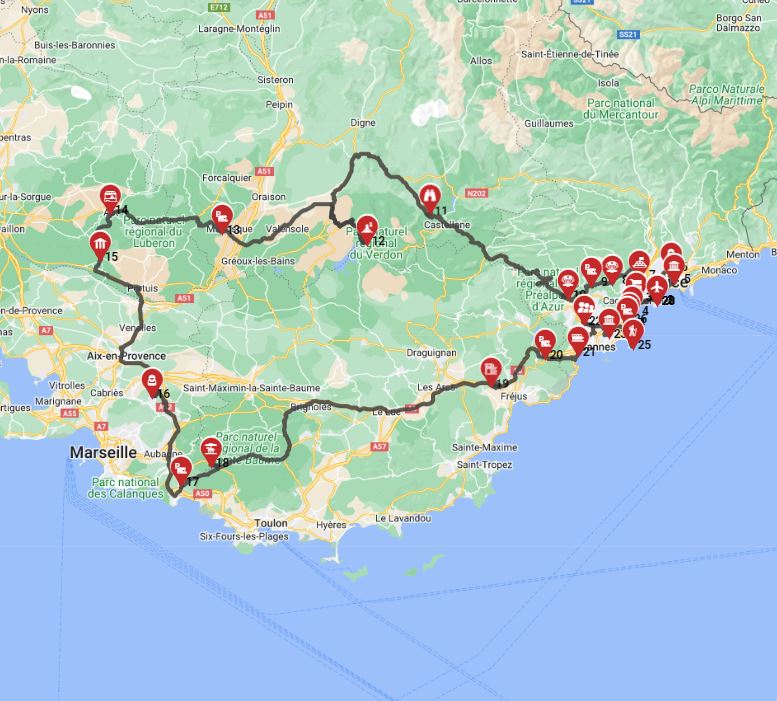
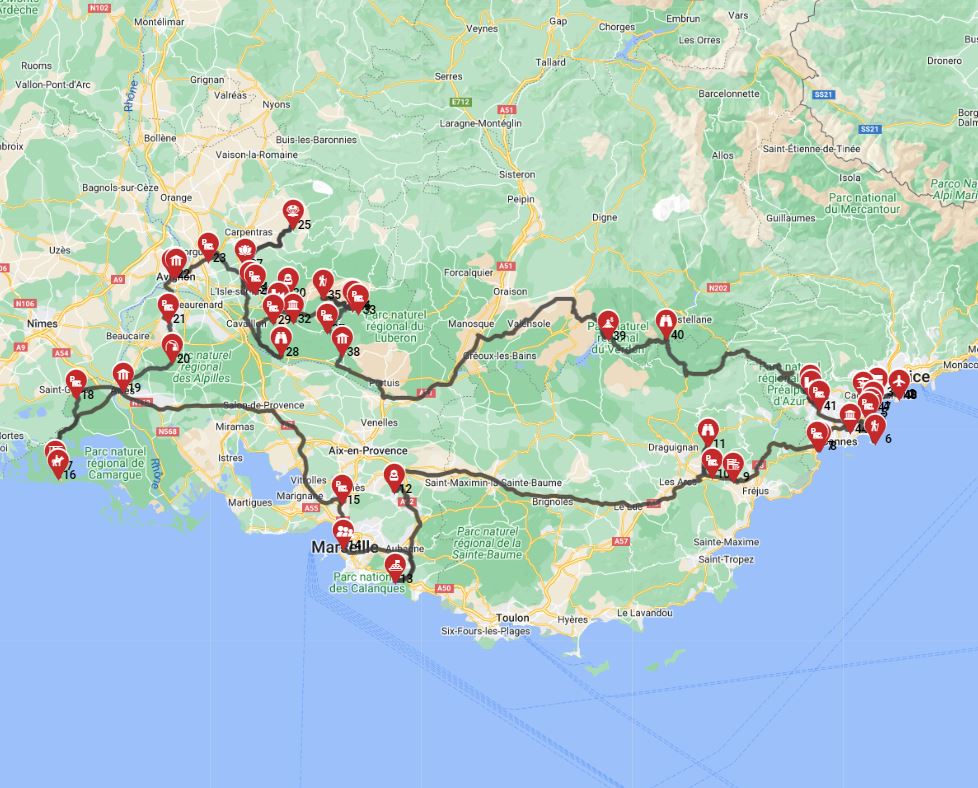
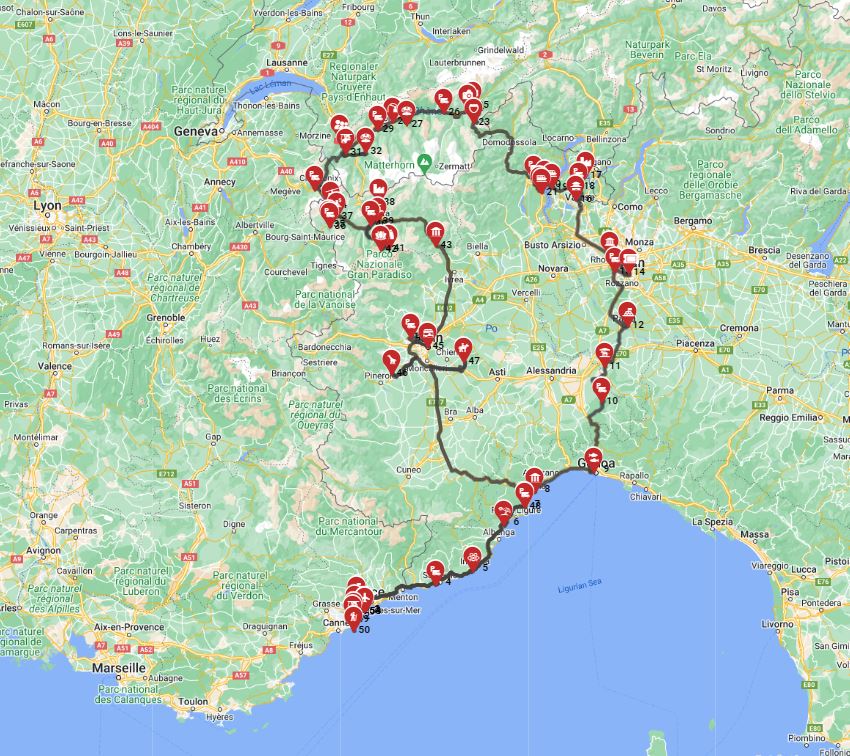
- Plan flexible routes, checking campground availability and road conditions. Winter can bring unpredictable weather, especially if venturing inland. Having a flexible itinerary with backup options for attractions and roads is wise. Always check campground opening hours and confirm road accessibility, especially for larger vehicles in charming, older villages. For route inspiration, consider exploring the
, a 15-day journey covering 1,090.8 km.
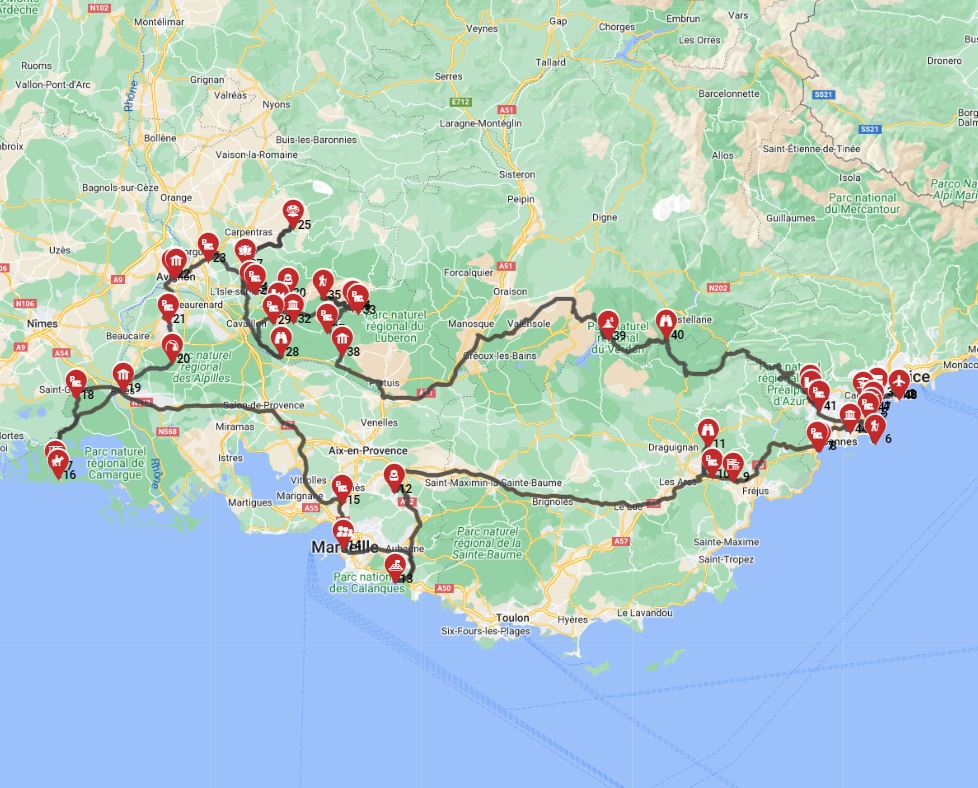 Nice Roundtrip - French Riviera Odyssey
 - Monitor and conserve power and propane for heating and cooking. Propane is vital for heating and cooking in winter. Conserving it by wearing layers, using electric heaters when on shore power, and being mindful of generator usage (adhering to quiet hours) will ensure continuous comfort and warmth.
Before You Book - Class, Dates, Insurance
Selecting the right RV and understanding booking details are crucial for a smooth winter getaway to Nice. Here's what to consider:
- Select larger RV classes (Class C or A) for better winter insulation. While Class B campervans are nimble, larger motorhomes generally offer superior insulation and more powerful heating systems, making them more suitable for winter conditions. For instance, a Cruise America RV rental example Explorer or a similar Class C model often provides enhanced comfort.
- Book several months in advance for better availability and rates. While winter travel generally has lower demand than peak season, popular campgrounds and specific RV models can still book up. Booking 3-4 months ahead can help you secure the best rates, potentially saving up to 25% on your rental.
- Basic insurance is included; comprehensive options shown during search. Rental agreements typically include basic insurance coverage. During the booking process, you'll see options for comprehensive coverage and top-level deductible reimbursement for added peace of mind.
Pre-Trip Prep - Packing Checklist for Nice
Proper packing ensures you're prepared for the diverse conditions you might encounter during a winter RV trip around Nice. Here’s a guide:
- Pack warm layers, waterproof outerwear, and comfortable shoes. Think in terms of layers: a moisture-wicking base layer, an insulating mid-layer, and a waterproof/windproof outer shell. Comfortable, sturdy footwear is essential for exploring, and waterproof options are highly recommended.
- Include non-perishable food, hot beverage supplies, and basic cooking gear. Stocking up on non-perishables is always a good idea. Don't forget supplies for hot drinks to enjoy on chilly mornings, and ensure your RV is equipped with basic cooking gear, or consider bringing your own. Our RV-friendly recipes playlist can offer great inspiration for easy onboard meals.
- Carry a first-aid kit, emergency tools, and a carbon monoxide detector. Safety first. A comprehensive first-aid kit, basic emergency tools for minor roadside fixes, and a reliable carbon monoxide detector are non-negotiable for winter RV travel.
- Ensure all essential documents like licenses, rental agreements, and passports are ready. Keep your driver's license, rental agreement, passport, and any other necessary identification easily accessible. It’s also wise to have copies stored digitally.
On the Road - Driving, Fueling, Navigation
Navigating the roads in an RV requires specific attention, especially during winter. Here are some tips for driving, fueling, and using navigation:
- Account for RV size/weight, allowing extra braking distance in wet conditions. Remember that RVs are larger and heavier than standard vehicles. Always allow significantly more braking distance, particularly on slick winter roads, and be mindful of wind gusts.
- Maintain at least a half-full fuel tank, especially on longer drives. Running out of fuel in winter can be problematic. Keep your tank at least half-full to ensure you have enough fuel to reach your next planned stop or to run the generator if needed.
- Use updated GPS or RV-specific navigation apps to avoid unsuitable routes. While standard GPS is helpful, RV-specific navigation apps can provide crucial information about bridge heights, weight limits, and road suitability for larger vehicles, preventing potentially hazardous situations.
At the Campground - Setup, Hookups and Etiquette
Arriving at a campground in winter requires a few specific considerations for a comfortable and respectful stay.
- Level your RV and connect hookups in the correct order: electric, water, sewer. Ensure your RV is level for proper operation of appliances and to prevent water from pooling. Connect hookups in the recommended order, typically electric first, then water, and finally sewer if applicable.
- Verify winter operating hours and amenities of chosen campgrounds. Not all campgrounds maintain full services or hours during the winter. It’s essential to confirm what amenities are available and operational, such as laundry facilities, restrooms, and dump stations, before you arrive.
- Adhere to quiet hours (typically 10 PM - 7 AM) and respect neighbors. Campground etiquette is important year-round. Be mindful of noise levels, especially during designated quiet hours, and respect the space and privacy of fellow campers.
winter rv rental-Specific Tips for Nice
Nice and its surrounding regions offer unique winter RV experiences tailored to different traveler types.
- Families should plan shorter drives and seek out local parks. For families with children, shorter driving days allow for more time to enjoy attractions and rest. Exploring local parks and family-friendly spots around Nice provides great opportunities for outdoor fun.
- Seniors benefit from accessible RV layouts and confirmed heating systems. Travelers who prioritize comfort will appreciate RVs with accessible layouts, easy-to-use features, and robust, confirmed heating systems. Booking a Class A motorhome like the Cruise America RV rental example Explorer can offer more space and amenities.
- Budget travelers can use municipal campgrounds and cook in the RV. To manage costs, budget-conscious travelers can opt for less expensive municipal campgrounds and maximize the RV's kitchen for cooking meals, saving on dining expenses.
- Luxury travelers can opt for RVs with enhanced features and high-end sites. For those seeking a more upscale experience, consider RVs with premium features and book spots at campgrounds that offer enhanced amenities, such as full hookups or premium locations.
For those seeking a well-rounded itinerary that combines scenic drives with cultural experiences, consider the Nice Roundtrip - French Riviera Odyssey. This 15-day, 1,090.8 km route includes a diverse range of attractions suitable for winter exploration.
Common Mistakes to Avoid in Nice
To ensure a hassle-free winter RV trip in and around Nice, be aware of these common pitfalls:
- Always check campground availability and book in advance during winter. While winter travel is less crowded, popular spots or those with specific amenities can still fill up, especially around holidays. Booking ahead is always recommended.
- Do not underestimate Nice's cool evenings; pack sufficient warm clothing. Even with mild daytime temperatures, evenings in Nice can become quite cool. Overpacking warm layers and essential clothing is crucial for maintaining comfort.
- Understand and fulfill your RV winterization responsibilities. Be clear on your responsibilities regarding winterizing the RV, especially if you plan to use the water systems. Confirm with the rental company about the specific procedures and your role in preventing freezing.
- Research and adhere to specific French road rules and parking regulations. Familiarize yourself with French driving customs, speed limits, and parking restrictions for larger vehicles. Using RV-specific navigation can help avoid prohibited routes.
- Plan your route to ensure accessibility of attractions in winter. Some seasonal attractions might have reduced hours or be closed during winter. Always verify operating schedules and accessibility before setting out.
What RV features are essential for winter rental in Nice
When renting an RV for a winter trip, certain features significantly enhance comfort and safety. Prioritize these:
- Look for robust insulation (high R-values) and double-pane windows. Good insulation is key to retaining heat and minimizing propane consumption. Double-pane windows further help in preventing heat loss and reducing condensation.
- Heated water and waste tanks are crucial to prevent freezing. Freezing tanks can render your water and waste systems unusable. RVs equipped with heated tanks are a significant advantage for winter travel.
- An efficient propane or diesel furnace is essential for warmth. A reliable and efficient furnace is paramount for maintaining a comfortable interior temperature. Check the capacity of the propane tank or inquire about diesel heating options.
- Ensure all-season tires; consider snow chains for mountain excursions. All-season tires are standard, but if you plan to venture into the higher altitudes of the nearby Alps, carrying snow chains might be necessary and is often required by law in certain conditions.
- A reliable generator type, like diesel, is beneficial for cold weather. While not always essential if you primarily use shore power, a generator can be invaluable for off-grid camping or power outages. Diesel generators are often more efficient in cold weather.
What is the full cost breakdown for winter RVing in Nice
Understanding the total cost of your winter RV adventure in Nice involves more than just the rental fee. Consider these components for budgeting: On the routes offered through RV PLANET routes, you can itemize and track every expense along the way for easy budgeting.
- RV rental fees vary by class, duration, and booking time. Expect daily rates to fluctuate. For example, a Cruise America RV rental example Explorer (often a Class C motorhome) might range from $101 to $185 per day depending on the season and how far in advance you book.
- Factor in fuel costs, which can be higher in cold weather. RVs are less fuel-efficient than cars, and colder temperatures can further impact mileage. Budget for approximately €1.50-€2.00 per liter for fuel, and account for potentially higher consumption due to heating.
- Campground fees range from €20-€50, with cheaper municipal options. While some premium campgrounds offer extensive amenities, municipal or 'aire de service' spots can be more budget-friendly, often costing around €15-€30 per night.
- Budget for groceries (€30-€50/day) and potential dining out. Cooking onboard is the most economical choice. A daily grocery budget for two people typically falls between €30-€50, but this can vary based on your dietary preferences.
- Include costs for specific cold-weather gear and increased propane usage for heating. You might need to purchase or rent items like thermal curtains or heavier blankets. Propane usage for heating can significantly increase in winter, so factor this into your budget. The RV PLANET routes can help you itemize and track these expenses.
How to plan a winter RV route in Nice and manage road conditions
Planning a winter RV route around Nice requires strategic consideration of weather and accessibility to maximize your experience.
- Research campgrounds open during winter months. Many campgrounds operate on a seasonal basis, so confirm which ones are open and what services they offer during your travel dates.
- Focus on coastal routes and lower elevations around Nice for mild weather. The French Riviera coast typically enjoys milder winter conditions, making routes along the Mediterranean a comfortable choice. Inland and higher elevations can experience colder temperatures and potential snow. Consider the Nice Roundtrip - French Riviera Odyssey for a coastal exploration.
- Monitor daily weather forecasts for potential rain or snow, especially inland. Stay informed about weather changes, particularly if traveling away from the coast. Road conditions can change rapidly, impacting travel plans.
- Have a flexible itinerary with backup options for attractions and roads. Unforeseen weather or road closures can necessitate changes. Having alternative attractions or routes planned ensures you can adapt your journey smoothly.
- Verify road accessibility for larger vehicles in charming villages. Smaller, historic villages can sometimes have narrow streets or parking limitations for larger RVs. Researching accessibility in advance or planning parking outside the village and using local transport is advisable.
How do I manage RV winterization and my responsibilities during a winter rental
Understanding your responsibilities regarding RV winterization is key to a problem-free winter trip.
- Confirm with the rental company the RV's winterization status. Before departure, verify that the RV has been properly winterized by the rental company, especially if you intend to use the onboard water systems.
- If using water systems, maintain RV heat to prevent freezing, especially overnight. The most effective way to prevent water lines from freezing is to keep the RV's interior warm. Running the furnace consistently, even at a low setting overnight, is crucial.
- Utilize tank heaters if available, and consider dripping faucets. Some RVs are equipped with tank heaters. If yours is, ensure they are activated. Dripping faucets, especially the kitchen sink and bathroom shower, can help maintain water flow and prevent freezing in pipes.
- Drain the water system and add RV antifreeze if leaving the RV unheated. If you plan to leave the RV parked and unheated for an extended period, or if temperatures are expected to drop significantly below freezing, properly draining the water system and adding RV antifreeze is essential. Consult your rental agreement for specific instructions on this.
Tips for traveling with pets in an RV during winter
Traveling with pets in a winter RV requires extra attention to their comfort and safety.
- Ensure consistent interior warmth, even when leaving the RV. Never leave pets in an RV that is not adequately heated. If you must leave them for a short period, ensure the heating system is set to a safe temperature.
- Provide warm, elevated bedding and consider pet clothing. Offer comfortable, warm bedding that is off the cold floor. For smaller or short-haired pets, consider a warm coat or sweater for outdoor excursions.
- Ensure constant access to non-frozen water (e.g., heated bowls). Water can freeze quickly in cold weather. Heated pet bowls or frequent checks and refills are necessary to ensure your pet stays hydrated.
- Plan regular exercise breaks and clean paws after walks. Even in winter, pets need exercise. Plan for regular short walks and be sure to clean their paws after exposure to salt, ice, or cold, wet conditions.
- Carry vaccination records and local vet contact information. Always have your pet's vaccination records handy and research local veterinary clinics along your route in case of any emergencies.
How to prevent RV water lines from freezing in winter
Protecting your RV's water system from freezing is paramount during winter travel.
- Maintain the RV's furnace consistently to circulate warm air. The furnace is your best friend in preventing frozen pipes. Ensure it's operational and use it regularly to keep the entire RV, including the underbelly and tanks, warm.
- Activate tank heaters if your RV is equipped with them. Many winter-ready RVs have tank heaters. Always confirm they are switched on when temperatures are near or below freezing.
- Use an insulated or heated freshwater hose for external connections. If you connect to external water sources, a standard hose can freeze. Opt for an insulated or heated hose designed for winter use.
- Drip faucets overnight to maintain water movement in pipes. A simple yet effective method is to allow faucets (kitchen and bathroom) to drip slowly overnight. Moving water is much harder to freeze than stagnant water.
- Fully drain the system and add RV antifreeze for extended unheated periods. For longer stops where the RV will be unheated, the safest method is to drain all water from the system and add non-toxic RV antifreeze to all pipes, faucets, and the toilet. Follow the rental company's guidelines for this procedure.
What are effective power management strategies for winter RVing
Managing your RV's power efficiently is critical in winter when heating and lighting demands are higher.
- Conserve propane by wearing layers and using electric heaters on shore power. Propane is often used for furnaces and water heaters. Reducing reliance on propane by layering up and using electric heating (if available via shore power or generator) can extend your propane supply.
- Keep batteries fully charged and consider insulating them in cold weather. Lead-acid batteries perform poorly in cold temperatures. Ensure they are fully charged and consider insulating the battery compartment to protect them from extreme cold.
- Understand solar panels are less efficient in winter; don't rely on them solely. While solar power is great, winter typically has shorter days and lower sun angles, significantly reducing panel efficiency. Don't depend on solar as your primary power source during these months.
- Use generators responsibly for charging, adhering to quiet hours and exhaust direction. Generators are useful for charging batteries but must be used considerately. Observe campground quiet hours and ensure exhaust is directed away from other sites.
- Prioritize shore power whenever available to reduce reliance on onboard resources. If you have access to shore power at a campground, connecting to it is the most reliable way to power your RV, freeing up your propane and batteries for when you're mobile.
What safety protocols are essential for winter RV travel
Prioritizing safety is paramount when RVing in winter conditions.
- Verify functioning carbon monoxide detectors before and during your trip. Furnaces and generators produce carbon monoxide. Always ensure your detectors are working correctly and test them regularly.
- Pack a comprehensive emergency kit including blankets, first-aid, and tools. Your kit should include warm blankets, a well-stocked first-aid kit, essential tools, a flashlight, jumper cables, and non-perishable food and water.
- Regularly check tire pressure and tread, considering chains for mountains. Cold temperatures can affect tire pressure. Ensure tires are properly inflated and have good tread. If traveling to mountainous areas, carry and know how to use snow chains.
- Have a breakdown plan: stay with the RV, conserve heat, and have emergency contacts. If your RV breaks down, stay inside the vehicle for warmth and visibility. Conserve battery power by minimizing unnecessary use, and keep a list of emergency contact numbers readily available.
- Be aware of hypothermia/frostbite symptoms and know how to access medical aid. Understand the signs of cold-related illnesses like hypothermia and frostbite and know how to get help quickly if needed.
How to stay warm and comfortable in a winter RV rental
Maintaining a comfortable interior climate in your RV during winter involves a few key strategies.
- Maintain consistent furnace operation, supplementing with electric heat if possible. Keep your furnace running as needed to maintain a steady temperature. If you have shore power, using an electric heater as a supplement can ease the load on your propane supply.
- Combat condensation by opening vents and using a dehumidifier. Winter RV living often leads to condensation. Ensure good ventilation by cracking roof vents slightly and consider using a small RV dehumidifier to manage moisture.
- Cook efficiently with one-pot meals to minimize moisture and heat loss. Opt for cooking methods that generate less steam and heat loss. One-pot meals are efficient for both cooking and cleanup.
- Dress in layers, including moisture-wicking base layers. Layering is the most effective way to regulate body temperature. Moisture-wicking base layers help keep you dry from perspiration, which is crucial in cold weather.
- Insulate windows with thermal curtains and use rugs on cold floors. Thermal curtains can significantly reduce heat loss through windows. Adding rugs to floors, especially in the living area and bedroom, makes the space feel much warmer and more comfortable.
What You Shouldn't Miss
- Embark on the Nice Roundtrip - French Riviera Odyssey, a 15-day, 1,090.8 km journey that offers a fantastic blend of coastal beauty and cultural stops.
- Explore the charming hilltop villages of the arrière-pays niçois, perhaps combining it with a visit to Grasse, the perfume capital, and experiencing local truffle markets in winter.
- Drive the scenic coastal roads towards Monaco and the Italian border, enjoying the milder winter climate and the unique opportunity for a multi-country RV adventure.
- Take advantage of Nice's proximity to the Maritime Alps for a day trip to ski resorts like Isola 2000, showcasing the region's diverse landscapes.
- Discover the unique urban RV experience by utilizing the 'aires de services' outside the city center and exploring Nice via its efficient public transport system, like the tramway.
Final Thoughts
Winter RV rental in Nice offers a distinct and rewarding travel experience, blending coastal charm with the potential for alpine adventures. By focusing on the right RV features, planning your routes carefully, and being mindful of winter conditions, you can create an unforgettable journey.
Remember, the freedom of the open road is amplified when you're prepared. Bandana Caravan is here to support you every step of the way, from initial comparison to final booking, ensuring your winter RV adventure is as seamless and enjoyable as possible.
Find Motorhome Rentals in Nice