In This Guide
- Top 5 Tips for winter rv rental RV Rental in France
- Before You Book - Class, Dates, Insurance
- Pre-Trip Prep - Packing Checklist for France
- On the Road - Driving, Fueling, Navigation
- At the Campground - Setup, Hookups & Etiquette
- winter rv rental-Specific Tips for France
- Common Mistakes to Avoid in France
- What are Aires de Service and how do they work for winter RV travel in France
- How much does a winter RV rental in France cost including fuel and tolls
- What cultural etiquette and local customs should RV travelers know in France
- What are the specific driving challenges for RVs in France during winter
- How can I ensure connectivity and emergency preparedness for a winter RV trip in France
- What are the best winter RV itineraries for France
- What essential equipment is needed for winter RV camping in France
- How can RV travelers enjoy French food and local markets in winter
- What are key considerations for sustainable RV travel in France
- What specific insurance is recommended for winter RV rentals in France
Winter RV travel in France offers a unique blend of enchanting landscapes, festive markets, and a quieter atmosphere away from peak-season crowds. Imagine crisp mornings in a charming Alpine village, or a cozy evening by the Côte d'Azur, all from the comfort of your rented motorhome or campervan. Our RV Rental France - Complete Guide 2026 provides an excellent starting point for planning your adventure. At Bandana RV, we’ve been helping tens of thousands of travelers explore the world by RV since 2001, and we're here to ensure your winter journey through France is seamless and unforgettable.
Exploring France by rented motorhome during the colder months provides unparalleled freedom and flexibility. Whether you're drawn to the snow-capped peaks of the French Alps, the historic vineyards of Bordeaux, or the serene coastline of the South, a winter RV trip allows you to set your own pace. Remember to travel slowly, covering a maximum of 100-150 km per day on average, to truly absorb the local culture, savor the food, and admire the scenery.
Top 5 Tips for winter rv rental RV Rental in France
Choosing an RV well-equipped for cold weather, including good insulation and heating, is the most crucial tip for a comfortable winter RV rental in France. Many modern campervans and motorhomes, such as the "Active Classic" or "Knaus BoxDrive 680ME" models, are designed with enhanced insulation and efficient heating systems for winter readiness. Planning your route to prioritize open roads and accessible service areas is essential, as some higher mountain passes may be closed or require specific equipment. Familiarize yourself with French driving regulations, especially regarding mandatory winter tires or snow chains in designated mountainous areas from November 1 to March 31. Pre-book campsites or research Aires de Service that remain open and accessible during the colder months, as many smaller ones close seasonally. Finally, pack layers of warm clothing, including thermal base layers and waterproof outerwear, and consider bringing extra blankets for maximum comfort inside your rented RV.
For more detailed information on pricing and deals, you might find our "Winter RV Rental in France - Pricing Guide 2026" particularly helpful.
Before You Book - Class, Dates, Insurance
When choosing an RV class for winter in France, prioritize models with excellent insulation, robust heating systems, and adequate storage for winter gear. Class C motorhomes and larger campervans, like the "Euro Deluxe" with its three double beds and living room heating, typically offer superior insulation and heating capacity compared to smaller campervans. Smaller models like the "Juliette 2-3" campervan still provide cozy options, often equipped with efficient heaters. Locking in your rental dates for a winter RV trip in France typically 3-6 months in advance is recommended, especially if traveling during peak holiday periods like Christmas or New Year, which can help secure your preferred vehicle and potentially save up to 25% on rates. However, flexible travelers can still find last-minute availability, as many national and state parks reserve 25-30% of their spots for first-come-first-serve arrivals - just call ahead before driving.
Basic insurance is always included with your RV rental. To see prices including the most comprehensive coverage options for your specific trip in France, select that option during your search on our platform; all relevant insurance choices will then be clearly presented with full transparency. You can also upgrade to a top-level deductible for extra peace of mind, ensuring you travel with confidence.
Pre-Trip Prep - Packing Checklist for France
A comprehensive packing checklist for a winter RV rental in France focuses on warmth, safety, and self-sufficiency to ensure a comfortable and secure journey.
- Clothing:
- Thermal base layers
- Warm socks (wool or synthetic)
- Waterproof and windproof outer jacket
- Waterproof pants
- Warm hat, gloves, and scarf
- Insulated waterproof boots
- Comfortable layers for inside the RV
- Kitchen:
- Portable coffee maker (if not built-in)
- Reusable shopping bags for markets
- Basic cooking spices
- Corkscrew/bottle opener
- Small insulated cooler for picnics
- Don't forget to check our RV-friendly recipes playlist for delicious meal ideas on the road!
- Safety:
- Reflective vests (at least one per person) - legally required in France.
- Warning triangle - legally required in France.
- First-aid kit
- Headlamp or flashlight
- Snow chains (if traveling in mountainous areas) - mandatory in certain zones.
- Shovel and de-icer spray
- Spare bulbs for external lights - legally required in France for certain vehicles.
- Documents:
- Valid driver's license (plus International Driving Permit if needed) - minimum rental age is 21.
- Passport/ID
- RV rental agreement
- Travel insurance details
- Crit'Air vignette (Low Emission Zone stickers) if entering cities - order online in advance.
- European Health Insurance Card (EHIC)
On the Road - Driving, Fueling, Navigation
Driving a rented RV in France requires adherence to speed limits, which are often lower for larger vehicles, and awareness of narrow village roads and city ZFE (low-emission zones). For example, the typical speed limit for motorhomes over 3.5 tonnes on motorways is 110 km/h, while on dual carriageways it's 100 km/h, and 80 km/h on other roads. Drive slowly and carefully, and you can drive almost anywhere without issues. No need to stress - just use common sense and pay attention. Fueling in France involves familiarizing yourself with different fuel types, with "Gazole" being diesel and "Sans Plomb 95/98" for petrol; fuel stations are widespread, even in winter, though some rural stations might have limited hours and automated pumps may only accept chip-and-PIN cards. Navigation can be efficiently managed using GPS apps that allow for RV-specific routing, avoiding roads unsuitable for larger vehicles, and supplementing with a good physical map for areas with limited mobile signal.
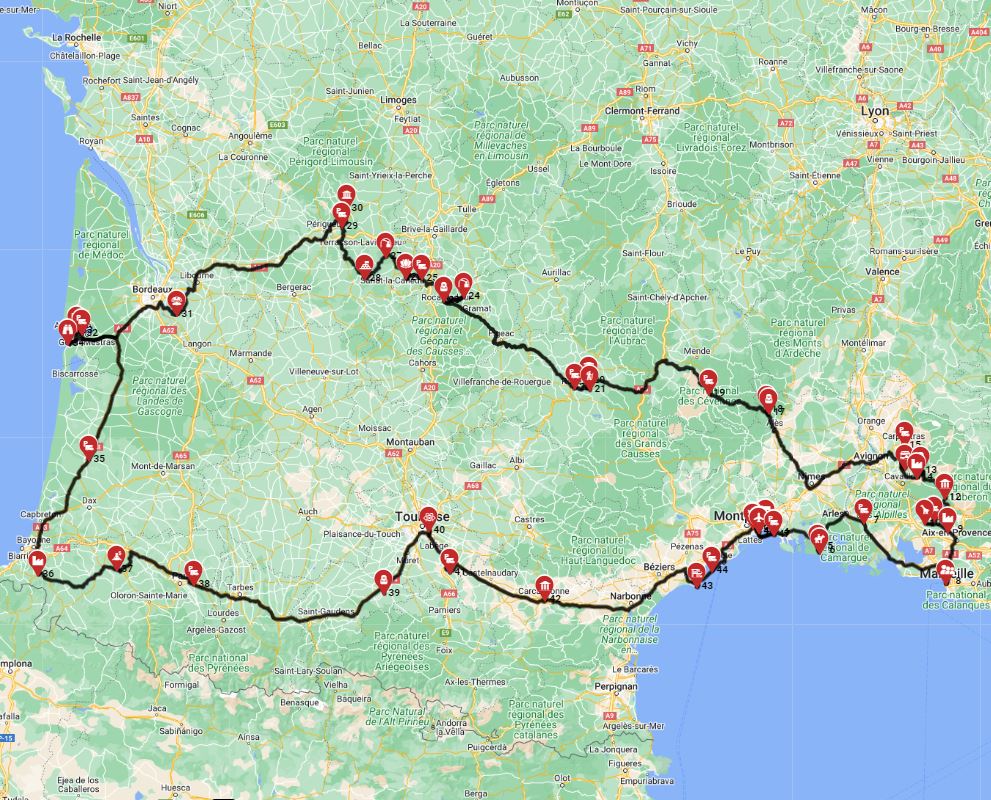
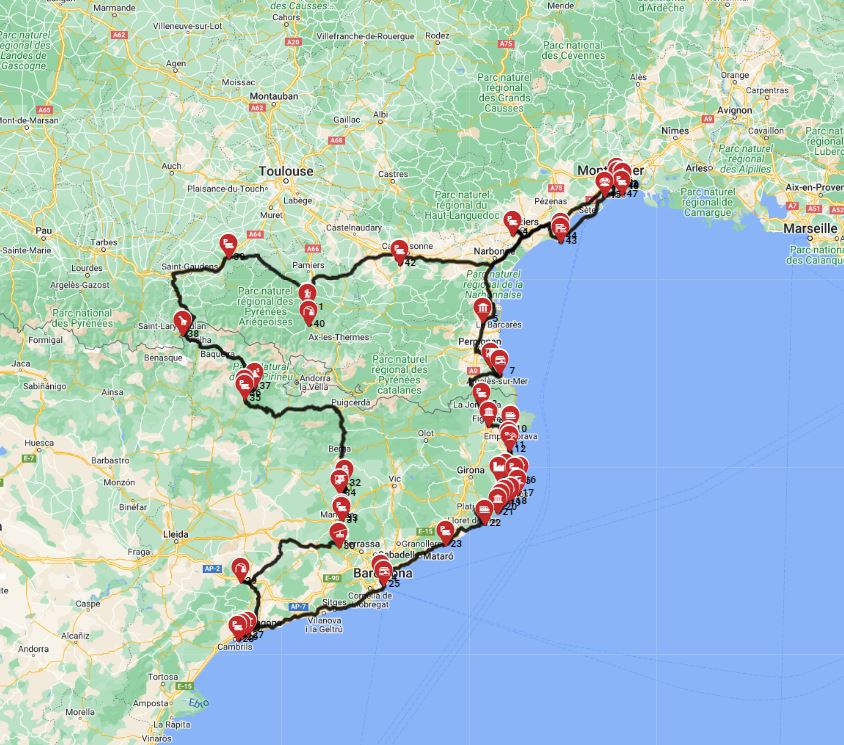
For estimating and tracking all your ancillary costs like fuel, tolls, and groceries, remember that RV PLANET routes allow you to itemize and track every expense along the way for easy budgeting. On the routes offered through RV PLANET routes, you can itemize and track every expense along the way for easy budgeting.
🎬 Video coming soon
At the Campground - Setup, Hookups & Etiquette
Setting up your rented RV at a French campground typically involves parking, carefully leveling the vehicle using chocks, and then connecting to electricity using a standard European two-pin adapter, which is particularly vital for running internal heating in winter. Afterwards, if available and not frozen, hook up the fresh water, followed by greywater and blackwater disposal, always ensuring secure connections to prevent leaks and spills. Proper hookup order is crucial: electricity first, then freshwater, followed by waste disposal. Campground etiquette in France emphasizes respecting quiet hours, typically from late evening (around 10 PM) to early morning (around 7 AM), maintaining cleanliness in shared facilities, and showing consideration for your neighbors by minimizing noise and light pollution. Remember, for finding campsites and campgrounds during your trip, we recommend using RV PLANET (rvplan.net) - a great resource for locating available spots along your route.
winter rv rental-Specific Tips for France
When traveling in winter through France, prioritize RVs with robust heating systems and good insulation, such as a Class C motorhome like the "Explorer" or the "EcoLine 4" semi-integrated model, to ensure comfort in potentially freezing temperatures. Plan routes that deliberately avoid high mountain passes, such as parts of the Alps or Pyrenees, which may be closed due to heavy snow or legally require snow chains, opting instead for lower elevation regions or scenic coastal drives along the Mediterranean. Always check campsite and Aire de Service availability in advance, as many smaller, seasonal locations close for the winter season, and ensure those open offer heated facilities and "winterized" water hookups. Consider a rented RV equipped with an inverter and good battery capacity for off-grid heating if you plan to utilize more remote winter parking spots or enjoy the tranquility of a snowy landscape without electrical hookups. Many Bandana RV partners, like Apollo and Britz, offer winter-ready motorhomes specifically designed for colder conditions.
For those interested in exploring different rental durations, our "RV Rental in France for Couples - Pricing 2026" guide also discusses various trip lengths suitable for winter adventures.
Common Mistakes to Avoid in France
Instead of relying solely on English, try to learn a few basic French phrases like "Bonjour" (hello), "Merci" (thank you), and "Au revoir" (goodbye) to enhance interactions and show respect for local culture, as it can significantly improve your experience. Instead of ignoring ZFE (low-emission zone) stickers, which are enforced in major French cities like Paris, Lyon, and Marseille, purchase and display the appropriate Crit'Air vignette well in advance if you plan to drive in these zones; fines typically range from €68 to €135 for non-compliance. Instead of assuming all campsites are open year-round, always pre-book or verify the winter operating hours of your chosen overnight stops, as seasonal closures are common, especially in rural areas. Instead of underestimating the need for winter gear, pack adequate warm clothing and vehicle equipment like snow chains, especially if heading to colder regions like the Jura or the Vosges mountains. Lastly, instead of neglecting fuel and toll costs, budget thoroughly for these significant expenses beyond the rental price to avoid unexpected financial strain; fuel (Gazole/diesel) typically costs around €1.80-€2.00 per liter.
What are Aires de Service and how do they work for winter RV travel in France
Aires de Service are dedicated motorhome service areas found throughout France, providing essential facilities like fresh water, waste disposal (grey and black water), and sometimes electricity, which are crucial for self-sufficient winter RV travel. France boasts over 3,000 such spots, making them a cornerstone of RV infrastructure. Utilizing Aires de Service in winter requires checking their operational status, as some rural locations may close or have frozen facilities, but many strategically located Aires, especially near towns or main routes, remain open and are excellent budget-friendly or free overnight options. For winter use, ensure your rented RV's water system is properly winterized or equipped with heating elements to prevent freezing when using Aires for water refills and disposal; this might involve using insulated hoses or ensuring tanks are kept above freezing. Many Aires are conveniently located near villages or towns, offering easy access to local bakeries and shops even in colder months, providing a unique cultural experience that combines practicality with local immersion.
How much does a winter RV rental in France cost including fuel and tolls
A winter RV rental in France can range from €70 to €150+ per day depending on the RV class and rental duration, with additional significant costs for fuel and tolls, which can easily add €50-€100+ per day depending on travel distance. For example, a 2-week trip in a Class C motorhome like the "Family Standard" could cost €980-€2100 for the rental alone. Detailed budgeting should account for diesel fuel (Gazole) averaging around €1.80-€2.00 per liter, with tolls on French motorways (péages) adding substantial costs, often €0.10-€0.20 per kilometer for larger RVs. Beyond rental, fuel, and tolls, factor in costs for overnight stays (€0-€30 for Aires, €20-€60 for campsites), groceries (which can average €30-€50 per day for a family), activities, and potential winter equipment rentals like snow chains (approx. €50-€100 per rental), all of which can vary greatly based on your itinerary and travel style. Comparing costs between Aires de Service (often free or minimal charge) and traditional campgrounds (typically €20-€60 per night in winter) can significantly impact your overall budget, allowing for flexible spending that truly reflects our commitment to full transparency and no hidden fees.
For precise pricing on different models, explore options like "RV Rental in France - Prices and Best Deals 2026" or "Cheap RV Rental in France - Budget Guide 2026".
What cultural etiquette and local customs should RV travelers know in France
RV travelers in France should observe cultural nuances such as greeting shopkeepers with 'Bonjour' upon entering and 'Au revoir' upon leaving, as this simple gesture fosters positive interactions with locals and is considered polite. When parking your rented RV in charming villages, especially overnight, always look for designated spots or inquire locally, avoiding blocking narrow streets or private entrances, and always respect signs prohibiting parking to maintain community relations. Engaging in local market shopping, which is a quintessential French experience even in winter, requires politeness like asking "Bonjour" and "Merci" before handling produce and bringing your own reusable bags, embracing the opportunity to cook regional specialties onboard your campervan. Dining etiquette includes waiting to be seated, keeping hands above the table (not in your lap), and understanding that bread is usually served with the meal, not as an appetizer, complementing dishes like hearty winter stews. Practicing responsible tourism involves minimizing noise, properly disposing of waste in designated areas (especially at Aires de Service), and respecting the tranquility and environment of local communities, particularly in picturesque rural settings.
What specific driving challenges for RVs in France during winter
Driving a rented RV in France during winter presents specific challenges including navigating potentially snow-covered or icy roads, especially in mountainous regions like the Alps, Pyrenees, Massif Central, Jura, and Vosges where snow chains or specific winter tires (marked 3PMSF - 3 Peak Mountain Snowflake) become legally mandatory from November 1 to March 31. ZFE (Low-Emission Zones) in major cities like Paris, Lyon, and Grenoble require a Crit'Air sticker, and fines apply if you enter these zones without one; this is particularly relevant in winter as pollution levels can be higher, leading to stricter enforcement or temporary bans. Parking for larger RVs can be difficult in charming, older French villages with narrow streets, often requiring careful planning and parking on the outskirts to walk into town. Drive slowly and carefully, and you can drive almost anywhere without issues. No need to stress - just use common sense and pay attention. Mountain driving tips for winter include using lower gears for ascents and descents to maintain control, maintaining safe braking distances (which can be 2-3 times longer on slippery surfaces), and regularly checking local weather forecasts for road closures or adverse conditions. Specific vehicle equipment beyond basic safety kits often includes high-visibility reflective vests for all passengers, a warning triangle, and spare bulbs, all of which are legally required, with snow chains being a crucial addition in designated mountain areas.
How can I ensure connectivity and emergency preparedness for a winter RV trip in France
Ensuring connectivity for a winter RV trip in France involves planning for mobile data options such as purchasing a local SIM card (e.g., Orange, SFR, Bouygues Telecom) upon arrival, or utilizing e-SIM services, to maintain consistent internet access throughout your journey. A 50GB SIM card typically costs around €20-€30 and provides ample data for navigation and communication. Wi-Fi availability can be found at larger campsites, some Aires de Service (though often limited in winter), and public hotspots in towns, but reliable connectivity in remote winter locations, particularly in mountainous regions, may be limited. For emergency preparedness, save essential emergency contacts including the pan-European emergency number (112), your rental company's breakdown assistance (provided by suppliers like El Monte or Cruise America), and your travel insurance provider, storing them in both physical and digital formats for easy access. Breakdown procedures typically involve calling your rental company's helpline or the emergency services if immediate danger exists, and utilizing legally required reflective vests and a warning triangle for safety while awaiting assistance. Handling language barriers in emergencies can be facilitated by using translation apps on your smartphone, having key phrases written down, and understanding that many emergency operators have access to translation services, ensuring you receive support when needed.
What are the best winter RV itineraries for France
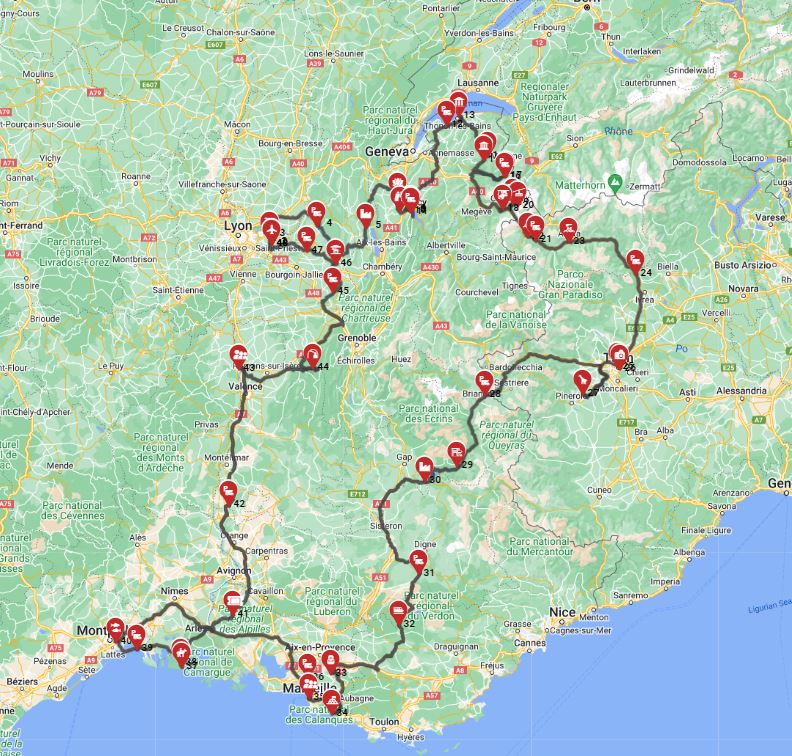
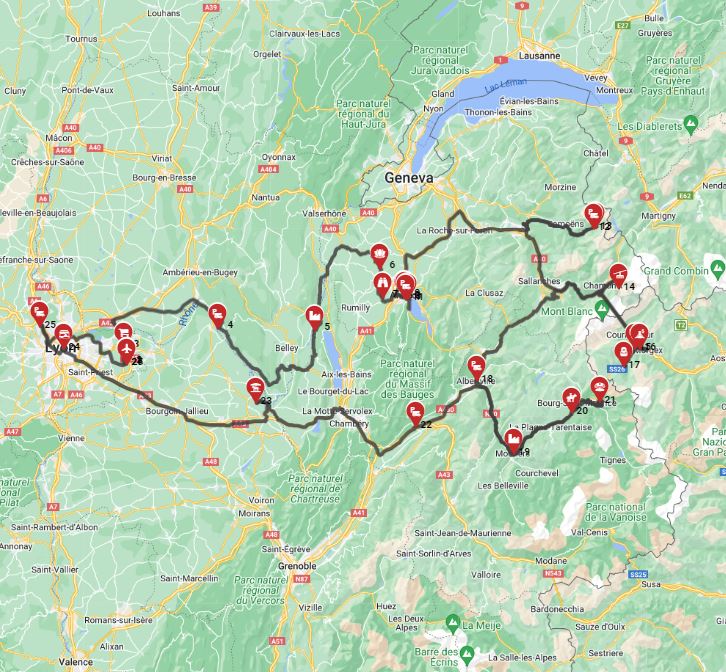
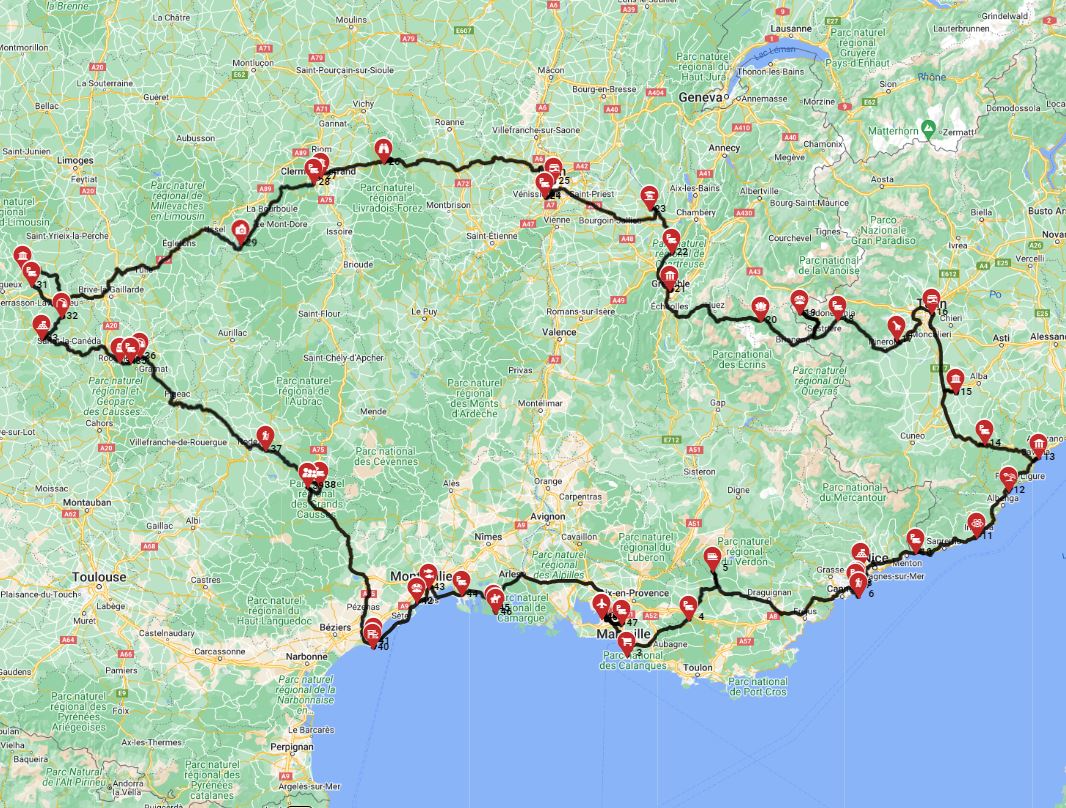
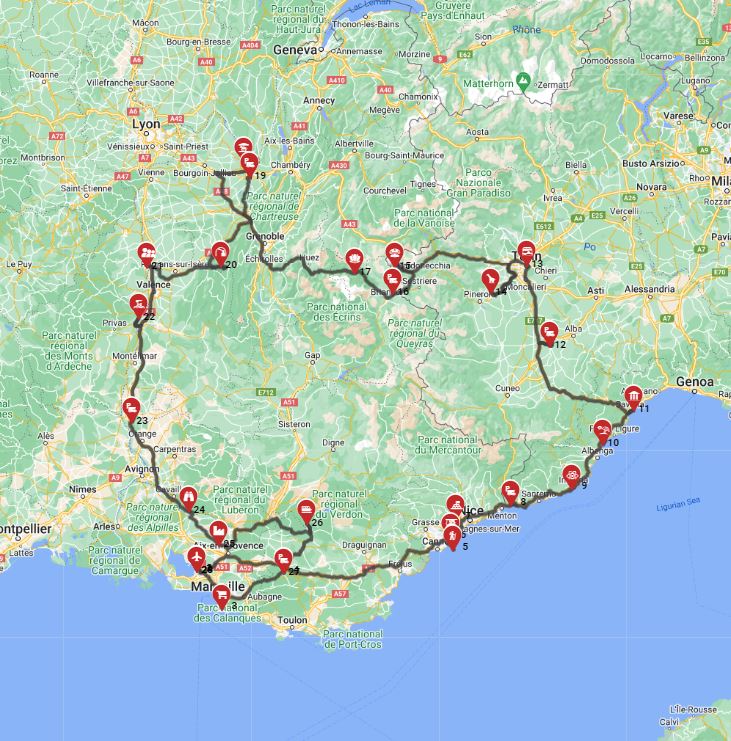
The best winter RV itineraries for France often focus on warmer coastal regions or less mountainous areas to avoid heavy snow and road closures, offering a unique blend of culture and a milder winter climate. One popular winter route explores the Côte d'Azur, visiting iconic cities like Nice, Cannes, and Menton, allowing travelers to enjoy fewer crowds, vibrant festive markets, and scenic coastal drives, with many campsites and Aires de Service remaining open year-round. Another excellent option is the Dordogne and Bordeaux region, renowned for its prehistoric sites, charming medieval villages, and world-class wine; a winter visit here allows for cozy wine tastings at local vineyards and exploring châteaux without the bustling summer crowds. For a blend of Roman history and Provençal charm, an itinerary through the Luberon and Camargue offers picturesque towns, impressive historical ruins like the Pont du Gard, and unique wildlife (flamingos!), often with crisp, sunny winter days perfect for exploring. Detailed day-by-day suggestions for a coastal winter trip might include starting in Marseille, heading east through Cassis and Saint-Tropez, and finishing near the Italian border in Menton, allowing ample flexibility for exploring local markets and enjoying regional cuisine at a slow, immersive pace, averaging 100-150 km per day.
What essential equipment is needed for winter RV camping in France
Essential equipment for winter RV camping in France includes specific items beyond standard gear, such as high-quality insulation for windows (e.g., thermal blinds or external covers) to retain heat and significantly reduce condensation inside your rented motorhome. A reliable heating system is paramount; ensure your rental RV's built-in heating is fully functional and consider bringing a small, safe electric heater if planning to exclusively use shore power at campsites. Regarding water systems, anti-freeze for wastewater tanks (grey and black water) and heated hoses for freshwater hookups are vital to prevent pipes from freezing, especially in temperatures below 0°C. Additional unique items for a French RV trip in winter include specific adapter plugs (European two-pin CEE 7/4 or CEE 7/7 standard) for electrical hookups and understanding different fuel types and pump operations at service stations, especially for diesel (Gazole). It's also advisable to carry a portable carbon monoxide detector, a fire extinguisher, and a sufficient supply of gas bottles for heating and cooking, as refills might be less frequent in off-season areas, ensuring safety and self-sufficiency.
How can RV travelers enjoy French food and local markets in winter
RV travelers can fully enjoy French food and local markets in winter by seeking out covered markets ('Halles') in towns and cities, which operate year-round and offer a vibrant selection of seasonal produce, artisanal cheeses, and rich charcuterie. For example, the Halles de Lyon Paul Bocuse remains a culinary beacon through winter, offering exquisite regional specialties. Leveraging local markets involves purchasing fresh, regional specialties like root vegetables, hearty cheeses (e.g., Comté, Raclette), and winter fruits, perfect for cooking delicious meals onboard your rented RV. Cooking onboard regional specialties such as a warming *pot-au-feu*, a comforting *tartiflette*, or simple quiches using market ingredients, enhances the culinary experience and provides warm, soul-satisfying meals. Check out our RV-friendly recipes playlist for inspiration! Finding unique culinary experiences from your RV includes visiting small, family-run bakeries ('boulangeries') for fresh bread and pastries like croissants and pain au chocolat, and trying local ciders or regional wines directly from producers, often less crowded in winter. Exploring local shops for specialty items like foie gras, truffles, or artisanal jams can transform simple RV meals into gourmet experiences, making the most of France's rich food culture even in colder months.
What are key considerations for sustainable RV travel in France
Key considerations for sustainable RV travel in France include minimizing environmental impact by reducing waste, conserving precious water and energy, and choosing eco-friendly routes and camping options. Waste disposal regulations in France are strict; always use designated bins for recycling (glass, plastic, paper) and general waste at campsites and Aires de Service, and properly dispose of grey and black water at authorized dump stations to protect the environment. Respecting local communities involves being mindful of noise levels, especially during quiet hours (typically 10 PM to 7 AM), avoiding wild camping in unauthorized areas to preserve natural beauty, and actively supporting local businesses and markets to contribute positively to the economy. Conserve resources in your rented motorhome by using LED lighting, opting for cold washes when possible, and taking shorter showers to minimize water consumption, which is especially important during off-grid stays. Choose campsites or Aires de Service that actively promote sustainable practices, such as solar power usage, waste sorting initiatives, or greywater recycling, to align with responsible tourism principles and ensure your visit is as gentle on the French landscape as possible.
What specific insurance is recommended for winter RV rentals in France
Specific insurance for winter RV rentals in France should ideally include comprehensive coverage that addresses potential winter-related incidents, such as damage from icy roads or minor collisions in challenging conditions. Most Bandana RV rentals automatically include basic third-party liability insurance, but it is highly recommended to consider a policy that offers full coverage for theft, vandalism, and personal liability, ensuring greater peace of mind for both the vehicle and your personal belongings during your extended road trip. Look for insurance options that provide robust breakdown assistance and recovery services, as winter conditions can increase the likelihood of mechanical issues or needing roadside help in more remote areas. Some policies offer specific coverage for frozen pipes or damage to water systems, which is a particular concern for RVs in colder temperatures, so carefully review the terms to understand what is covered. Always confirm with your rental provider or an independent insurance company about the exact extent of coverage for foreign travel and specific winter conditions in France to ensure you are adequately protected. Remember, you can upgrade to a top-level deductible for extra peace of mind, an optional enhancement available through Bandana RV.
What You Shouldn't Miss
- Christmas Markets in Alsace: Experience the magic of Strasbourg and Colmar's renowned Christmas markets, often running from late November through December, offering festive cheer and local crafts accessible via a cozy Class B campervan.
- Skiing in the Alps: Head to the French Alps for world-class skiing and snowboarding in resorts like Chamonix or Val d'Isère. Many ski resorts have dedicated RV parking areas, perfect for a week-long trip in a larger, well-heated motorhome like the "Euro Deluxe."
- Coastal Drives on the French Riviera: Enjoy the mild winter climate of the Côte d'Azur. Drive scenic routes between Nice and Monaco, experiencing charming coastal towns without the summer crowds, ideal for a smaller, agile campervan.
- Wine Tasting in Bordeaux: Explore the vineyards of Bordeaux during the quieter winter months, sampling exceptional wines and touring châteaux, often with special winter events. A comfortable Class C motorhome like the "F2" provides an excellent base for this culinary adventure.
- Exploring the Châteaux of the Loire Valley: Visit the iconic châteaux, like Chenonceau or Chambord, often beautifully lit and decorated for the festive season. The region's relatively flat terrain is easily navigable for any size rented RV, offering a historical and cultural journey.
Looking for expert insights from Avi Bandana? Top 5 Adventures - recommendations from Avi Bandana
Final Thoughts
A winter RV rental in France is more than just a trip; it's an immersive experience that promises cozy comfort amidst stunning seasonal beauty. From the enchanting Christmas markets to serene coastal drives, traveling by motorhome or campervan offers the freedom to discover France at your own pace, creating memories that truly last. Embrace the quiet charm of the off-season, savor local delicacies, and enjoy the open roads with fewer crowds.
Remember that planning is part of the adventure, and with Bandana RV, you have a trusted partner every step of the way. We're committed to full transparency, offering 24/7 support for your booking process, and providing access to meticulously planned itineraries. God is in the small details, and we take care of them. That's what makes the big difference.
Are you ready to swap the everyday for an extraordinary winter escape? Start comparing motorhome prices for France today and unlock your next great adventure. Discover top destinations, planning tips, all in one place!
Find winter RV Rentals in France now, or explore our "RV Rental Europe - Complete Guide 2026" for broader European options.