In This Guide
- Top 5 Tips for Winter RV Rental in Europe
- Before You Book - Class, Dates, Insurance
- Pre-Trip Prep - Packing Checklist for Europe
- On the Road - Driving, Fueling, Navigation
- At the Campground - Setup, Hookups and Etiquette
- Winter RV Rental-Specific Tips for Europe
- Common Mistakes to Avoid in Europe
- What is the 3-3-3 rule for RV travel?
- What is the 333 rule for campervan?
- What is the 444 rule for RV camping?
- Is Europe RV friendly?
- How much does it cost to rent an RV in Europe?
- Is it cheaper to rent an RV or stay in hotels?
- What is the 2-2-2 rule for RV travel?
- What is the 444 rule for RV?
- How cold is too cold for a RV?
- What You Shouldn't Miss
- Why Book with Bandana Caravan
- Final Thoughts
- Frequently Asked Questions
Top 5 Tips for Winter RV Rental in Europe
Prioritizing specific features and planning ahead are essential for a successful winter RV trip in Europe.
1. **Insulation and Heating:** Choose a motorhome or campervan explicitly designed for cold weather, often featuring enhanced insulation and robust heating systems to maintain a comfortable interior temperature, even when outside temperatures drop below 0°C (32°F). Many modern RVs, like the "2 Berth Hi Top" or "2 Berth Rover", are classified as "Winter Ready" by suppliers, indicating their suitability for colder climates with efficient living room heating and insulated fresh water tanks.
2. **Campsite Hookups:** Book campsites with reliable electrical hookups, as these provide consistent power for your RV's heating, appliances, and hot water, minimizing reliance on propane or internal batteries, which deplete faster in the cold. Access to heated bathroom facilities is also a welcome comfort. On the routes offered through RV PLANET routes, you can itemize and track every expense along the way for easy budgeting.
3. **Winter Driving Regulations:** Research country-specific winter driving regulations in Europe, as requirements for snow chains, winter tires, and even studded tires (e.g., in Nordic countries) are often mandatory from November to April. Suppliers like El Monte and Cruise America usually equip their vehicles with appropriate tires for the region, but always confirm this before your trip.
4. **Layered Clothing:** Pack layers of warm clothing, including thermal base layers, fleeces, and waterproof outerwear, to adapt to varying temperatures inside and outside the RV. Insulated, waterproof boots and plenty of wool socks are also critical for comfort in snowy or wet conditions.
5. **Shorter Driving Days:** Plan for shorter driving days, averaging 100-150 km, especially in northern regions where daylight hours are significantly reduced during winter. This allows ample time for early campsite setup, enjoying the scenery, and experiencing local culture without feeling rushed. Remember, driving slowly and carefully ensures you can navigate almost anywhere without issues, regardless of RV size.
Before You Book - Class, Dates, Insurance
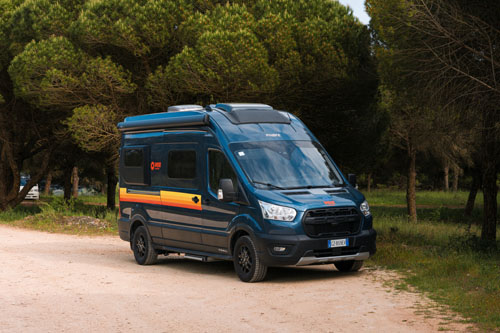
Choosing an RV class for winter in Europe means opting for well-insulated models, typically Class C motorhomes or integrated (Class A) motorhomes, which offer superior heating and more generous storage for winter gear like skis or heavy coats.
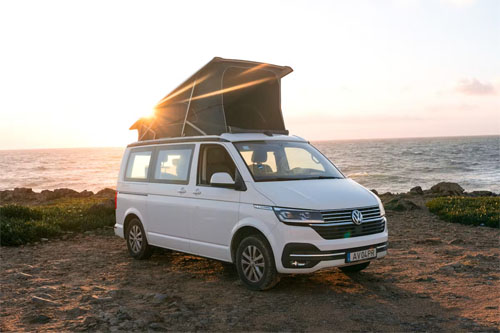
Campervans (Class B) are also excellent choices for couples or small families, offering compact maneuverability often preferred for navigating smaller European roads. Models like the "V3" or "K125" are popular winter-ready options, featuring efficient diesel engines and compact designs perfect for exploring. Locking in your rental dates several months in advance is advisable, especially for popular winter destinations or during holiday periods, to ensure availability and better rates, as prices are dynamic and change daily based on demand. For broader planning, consider reviewing our guide on "RV Rental in Europe - Prices and Best Deals 2026".
Basic insurance is always included with your Bandana rental. To see prices including the most comprehensive coverage, simply select that option during your search. This will display all relevant insurance options, including the ability to upgrade to a top-level deductible for extra peace of mind, ensuring you travel without surprises.
Pre-Trip Prep - Packing Checklist for Europe
A well-prepared packing list is crucial for a comfortable winter RV adventure across Europe.
- Clothing:
- Thermal base layers (tops and bottoms)
- Warm mid-layers (fleeces, sweaters)
- Waterproof and windproof outer jacket
- Waterproof trousers
- Warm hats, gloves, and scarves
- Insulated, waterproof boots
- Plenty of wool or thermal socks
- Pajamas or comfortable lounge wear for inside the RV
- Kitchen: When planning meals on board, simple, hearty recipes are often best. For more ideas, check out our RV-friendly recipes playlist.
- Basic cooking utensils and pots/pans
- Reusable water bottles and coffee mugs
- Non-perishable snacks and instant hot beverages
- Dish soap, sponges, and towels
- Safety & Comfort:
- First-aid kit
- Headlamps or flashlights
- Portable power bank for electronics
- European electrical adapter and extension cord
- Small shovel for snow
- Tire chains (if traveling in mountainous regions)
- Warm blankets or sleeping bags (even if RV has heating)
- Entertainment for evenings (books, games, movies)
- Documents:
- Passport/Visa and copies
- International Driving Permit (IDP) (recommended for non-English speaking countries, but not mandatory everywhere)
- RV rental agreement and insurance documents
- Travel insurance details
- List of emergency contacts
At the Campground - Setup, Hookups and Etiquette
Upon arrival at a European campground in winter, first position your rented RV or campervan on a level spot, ensuring it's not blocking access for other campers. Then, proceed to connect shore power (typically 230V, 16A in Europe), followed by fresh water if available, and finally, the waste hose. Always utilize an appropriate electrical adapter to power your RV's heating and appliances safely.
Campground etiquette is essential: observe quiet hours, usually from late evening until morning, keep your pitch tidy, and use shared facilities like heated bathrooms and communal areas considerately. Many national and state parks only reserve 25-30% of their spots, leaving the rest for first-come-first-serve arrivals, even in winter. You'll find a spot; if not at the first campground, then the next one. Always call ahead before driving, especially in winter. For finding campsites and campgrounds during your trip, we recommend using RV PLANET (rvplan.net) - a great resource for locating available spots along your route.
Winter RV Rental-Specific Tips for Europe
For comfortable winter RV travel in Europe, opt for motorhomes equipped with internal grey water tanks or heated tanks to prevent freezing in colder temperatures.
Always carry anti-freeze liquids for external water systems and ensure your rented RV has appropriate winter tires, which are often mandatory in countries like Germany, Austria, and Finland during the colder months. Plan your routes to prioritize main roads, as secondary roads and mountain passes can be more prone to snow closures. Given shorter daylight hours, aim to arrive at your campsite before dusk to safely set up your motorhome. Embracing slow travel, covering a maximum of 100-150 km per day on average, allows you to truly feel the place, connect to the culture, the food, and the scenery, and gives you flexibility for winter conditions. When considering vehicle options, remember that our "Luxury Small" Class SI - Semi-integrated motorhome often comes "Winter Ready", ensuring a cozy experience even in the snow.
Common Mistakes to Avoid in Europe
Overlooking local driving laws is a frequent mistake; always research country-specific regulations for speed limits, tolls, and environmental zones before crossing borders in Europe.
Rather than relying solely on mobile data, download offline maps and essential translation apps to navigate areas with limited connectivity, particularly in remote winter landscapes. Underestimating European winter conditions can lead to issues, so ensure your rented RV is thoroughly winterized, including antifreeze in water systems and proper tires for snowy roads. Additionally, don't exclusively buy groceries at large supermarkets; explore local markets for fresh produce and regional specialties, enhancing your culinary experience and connecting with the local culture. You can find many inspiring routes that highlight local food and traditions in our "RV Rental Deals in Europe - Latest Offers 2026" guide.
What is the 3-3-3 rule for RV travel?
The 3-3-3 rule for RV travel suggests driving no more than 300 miles a day, arriving by 3 PM, and staying for at least 3 nights, promoting a relaxed pace to minimize driving fatigue and allow ample time for exploration.
While this guideline is popular among North American RVers, its applicability in Europe may vary significantly due to shorter distances between attractions, often denser road networks, and different campsite availability and regulations. For example, a 300-mile drive in some parts of Europe might take considerably longer due to winding roads or city traffic. Many travelers prefer to stick to our recommendation of 100-150 km (approximately 60-90 miles) per day to truly immerse themselves in the European experience.
What is the 333 rule for campervan?
The "333 rule" for campervans, identical in principle to the 3-3-3 RV rule, recommends driving no more than 300 miles, arriving at your destination by 3 PM, and staying for a minimum of 3 nights, helping travelers avoid burnout and allowing for deeper engagement with new environments.
For European campervan adventures, adapting the mileage to approximately 300 kilometers (about 186 miles) might be more practical, given Europe's generally shorter distances between points of interest and varied road conditions compared to North America. This rule encourages a slower, more immersive travel experience, which perfectly aligns with discovering Europe's charming winter villages and landscapes.
What is the 444 rule for RV camping?
The 4-4-4 rule for RV camping is a less common variation suggesting driving no more than 400 miles, arriving by 4 PM, and staying for at least 4 nights, emphasizing an even more leisurely pace for extended relaxation and local exploration at each stop.
This rule can be particularly appealing for those embarking on longer European winter RV trips, offering a balanced approach to driving and experiencing diverse regions without feeling rushed. It allows for longer stays at unique destinations, perhaps near ski resorts or serene winter lakes, providing more time for activities beyond driving. Considering this, you might also find useful information in our "One-Way RV Rental in Europe - Price Guide 2026" to plan flexible long-distance journeys.
Is Europe RV friendly?
Europe is largely RV friendly, offering extensive infrastructure for motorhome travelers, including numerous campsites, service points, and designated parking areas across many countries.
However, 'RV friendliness' can vary significantly by country and even by region. Nations like France and Germany have robust networks of 'Aires' or 'Stellplätze' (motorhome stops), many free or low cost, providing essential services. Road infrastructure generally accommodates RVs, though narrow historic city streets and certain mountain passes may present challenges, requiring careful route planning and awareness of vehicle dimensions; winter travel specifically requires extra preparation for snow and ice, with mandatory winter tires and sometimes chains. Always remember that a standard car driver's license is sufficient for all motorhome classes, with a minimum rental age of 21 across Bandana's network of over 50 leading suppliers worldwide.
How much does it cost to rent an RV in Europe?
The cost to rent an RV in Europe varies significantly, with prices typically ranging from €50 to €200 per day for smaller campervans like the "Juliette 2-3" during off-peak winter, and up to €300+ for luxury Class A or large Class C motorhomes such as a "Motorhome MC6 Gold".
Factors influencing the price include the RV's size and class, the rental duration (longer trips often have lower daily rates), the time of year (winter can be cheaper than summer, excluding ski holidays), and the pickup location. Additional expenses to budget for include fuel (diesel prices fluctuate, currently around €1.70-€2.00/liter), tolls, mandatory vignettes (road tax stickers required in countries like Switzerland for €40), campsite fees (averaging €20-€50 per night for an electrical hookup), and optional insurance upgrades or add-ons. Our goal is full transparency, so what you see is what you pay, with no surprise fees at pickup.
Is it cheaper to rent an RV or stay in hotels?
Renting a motorhome or campervan in Europe can indeed be cheaper than staying in hotels, especially for families or longer week-long trips where accommodation costs accumulate quickly, though the total cost depends heavily on travel style.
RV travel significantly reduces accommodation expenses, particularly when utilizing free or inexpensive 'Aires' or 'Stellplätze' rather than premium campsites. The ability to prepare your own meals in the RV, even simple ones using fresh local produce, can also drastically cut down on dining expenses compared to eating out. However, travelers must account for initial rental rates (e.g., a "cheap RV rental in Europe" might start from €80/day in winter), fuel, tolls, and maintenance like propane refills, which might offset savings for solo travelers or short, city-focused trips where a rented RV's utility is less pronounced. With our 25% planning discount for using RV PLANET (rvplan.net), you can save on itinerary planning, which helps manage overall trip costs.
What is the 2-2-2 rule for RV travel?
The 2-2-2 rule for RV travel is a guideline suggesting driving no more than 200 miles in a day, stopping by 2 PM, and staying for at least 2 nights, promoting a very leisurely pace for maximum enjoyment at each destination.
This rule is ideal for those who prefer to minimize driving time and fully immerse themselves in each location, making it particularly beneficial for winter RV travel in Europe. It allows ample time for setting up your motorhome before the limited daylight hours end and ensures sufficient rest, which is crucial for navigating potentially challenging winter road conditions safely. Remember, we always recommend slow travel, covering a maximum of 100-150 km per day on average, to truly experience the local culture and scenery.
What is the 444 rule for RV?
The '444 rule' for RV travel, also known as the 4-4-4 rule, suggests driving no more than 400 miles in a single day, arriving at your campsite by 4 PM, and staying for a minimum of 4 nights, designed for a slower, more immersive experience.
This guideline provides generous time to explore each location and avoid rushed transitions, aligning well with longer, two-week or extended road trips in Europe. Implementing the 4-4-4 rule allows for deeper engagement with local culture and attractions while mitigating the stress of constant movement, a valuable approach during winter travel when conditions can be more demanding. It supports the Bandana philosophy of traveling slowly to truly connect with the destination.
How cold is too cold for a RV?
While modern rented RVs are often designed with insulation and heating, temperatures consistently below freezing (0°C or 32°F) can pose significant challenges for unheated water pipes and tanks, which are susceptible to freezing and bursting without specific precautions.
The actual temperature threshold depends on the rented RV's winterization level; for un-winterized models, sustained temperatures below -5°C (23°F) are generally considered too cold without specific actions like draining water systems or using RV antifreeze. However, properly winterized motorhomes or campervans, like the "MH-A" which is designated as "winter ready," can safely handle much colder conditions, sometimes down to -20°C (-4°F) or lower, provided their heating systems are fully functional and fuel supplies (like propane) are regularly monitored. Always confirm the winterization level of your specific rental vehicle with your supplier.
What You Shouldn't Miss
Europe in winter offers unique charm and experiences that are perfectly suited for a rented RV adventure. From festive markets to stunning snow-capped peaks, there's so much to discover at a relaxed pace.
-
Eastern European Christmas Markets: Embrace the festive spirit with a journey to Europe's enchanting Christmas markets. Starting in Austria, the "
" route plan takes you 2762 km over 15 days, allowing you to visit 10 traditional markets and 2 historical sites. It's an unforgettable experience for families looking for cultural immersion.
 Vienna Roundtrip - The epic Eastern European Christmas markets
 - Southern France's Winter Charms: For a milder winter experience, explore the south of France. The "Toulouse Round trip - European Charms & Family Delights" route plan spans 2088.7 km over 15 days, packed with 2 caves, 2 family activities, and 4 traditional visits. It's a great way to enjoy European culture without extreme cold.
-
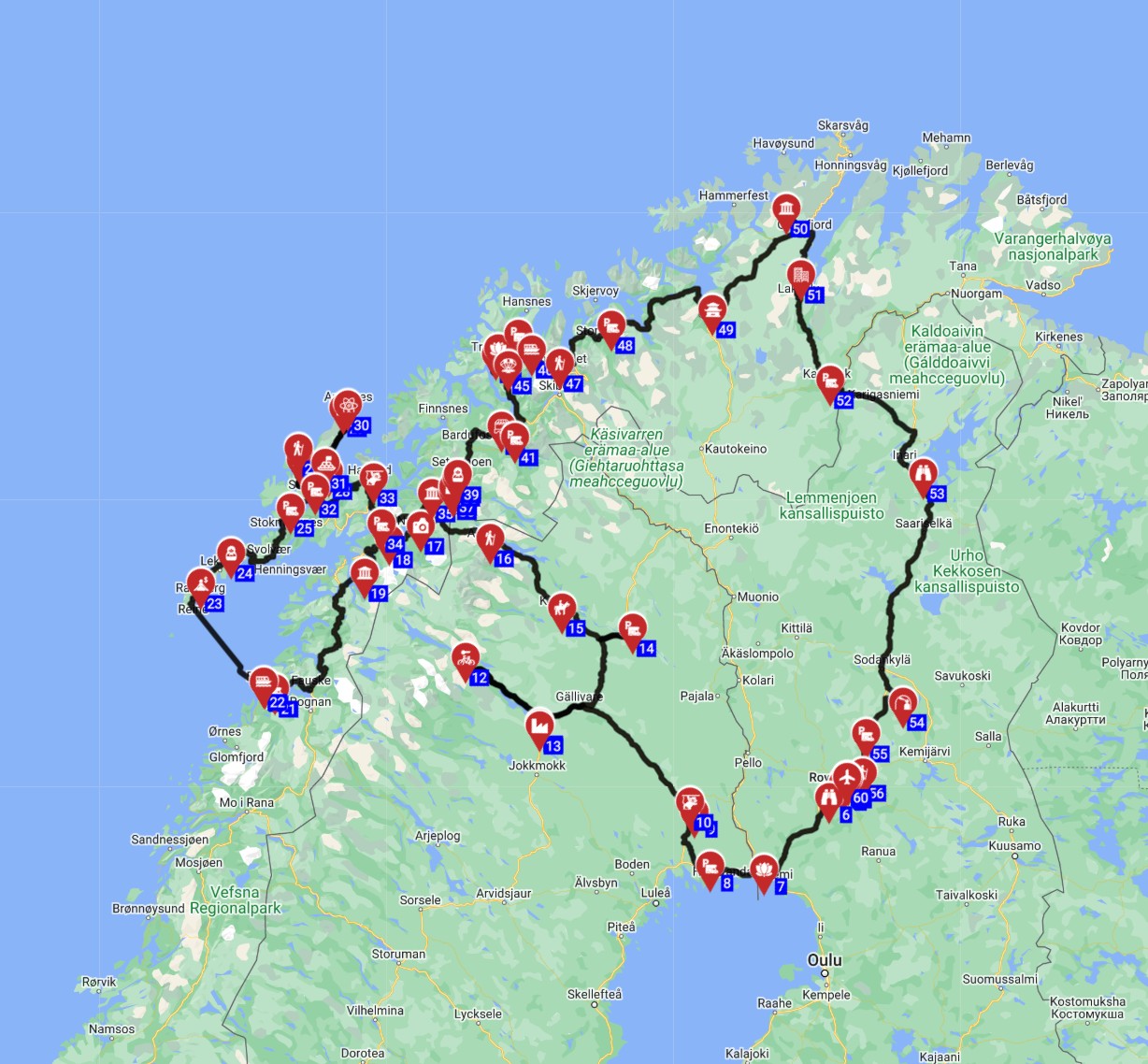
Lapland's Arctic Wonders: For the ultimate winter wonderland, venture north. The "
" route plan is an 18-day, 3579 km adventure from Rovaniemi, offering 5 museums, 3 natural features, and 4 hiking areas. It's a journey into the heart of Arctic Europe, perfect for experiencing the Northern Lights and snowy landscapes.
 Rovaniemi Roundtrip - End of Europe scenic roads
 - Ski Adventures in the Alps: Park your rented motorhome at the foot of world-class ski resorts in countries like Austria, France, or Switzerland. Many campsites cater specifically to winter sports enthusiasts, offering warm facilities and convenient access to the slopes.
- Nordic Lights in Scandinavia: Chase the Aurora Borealis in a cozy campervan in Norway, Sweden, or Finland. The dark, clear winter nights in these regions provide the best chances to witness this spectacular natural phenomenon, making for an unforgettable two-week adventure.
Looking for expert insights from Avi Bandana? Top 5 Adventures - recommendations from Avi Bandana.
Final Thoughts
Embracing a winter RV adventure in Europe is an experience unlike any other. It's about the freedom to chase fresh snow, discover cozy alpine villages, or simply enjoy the serene beauty of the off-season. With a rented motorhome, you have a warm, mobile haven that takes you right into the heart of Europe's winter magic.
Remember that careful preparation, from choosing the right insulated vehicle to packing layers and understanding local driving rules, will ensure your trip is not only memorable but also comfortable and safe. At Bandana, we're here to support you every step of the way, from comparing options across 50+ trusted suppliers to providing transparent pricing. Get inspired for your next trip!
So, whether you're dreaming of a week-long trip to Vienna's Christmas markets or an extended road trip through the Nordic landscapes, a winter RV rental in Europe awaits. Don't let the cold deter you; let it inspire a new kind of adventure. Plan a trip itinerary in advance with minimal effort and maximum enjoyment, and discover the continent's frosty beauty at your own pace.