In This Guide
- Top 5 Tips for winter rv rental RV Rental in Catalonia
- Before You Book - Class, Dates, Insurance
- Pre-Trip Prep - Packing Checklist for Catalonia
- On the Road - Driving, Fueling, Navigation
- At the Campground - Setup, Hookups & Etiquette
- winter rv rental-Specific Tips for Catalonia
- Common Mistakes to Avoid in Catalonia
- How much does it cost to rent an RV in Spain
- What documents do I need to rent an RV in Spain
- Is it good to travel Spain in winter
- Where can you RV in Spain in winter
- Can you wild camp in Spain
- What are the RV laws in Spain
- Can I drive an RV in Barcelona
- Is it safe to travel in Spain by RV
- Are dogs allowed in Spanish campsites
- What You Shouldn't Miss
- Why Book with Bandana Caravan
- Final Thoughts
- Frequently Asked Questions
Top 5 Tips for winter rv rental RV Rental in Catalonia
Booking your rented motorhome well in advance helps secure the best winter rates and models for your trip, with many travelers finding 15-25% savings by reserving 3-6 months out. Prioritize RVs equipped with robust heating systems and good insulation to ensure comfort in colder temperatures, as winter nights can dip below freezing, especially inland. Planning flexible itineraries is advisable to account for shorter daylight hours and potential weather-related road changes, particularly when traversing mountainous regions of Catalonia. Research and reserve campsites even in winter, as popular locations like those near ski resorts or cultural hubs can still experience high demand; many national and state parks only reserve 25-30% of spots, with the rest being first-come-first-serve. Packing versatile layers, including waterproof outerwear, is essential to adapt to Catalonia's varied winter climate, which can range from mild coastal temperatures to snowy mountain conditions.Before You Book - Class, Dates, Insurance
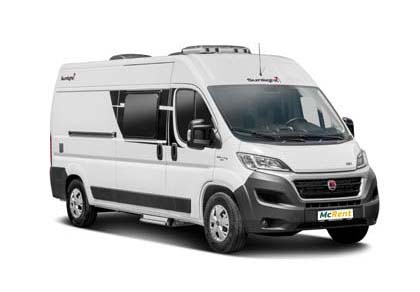
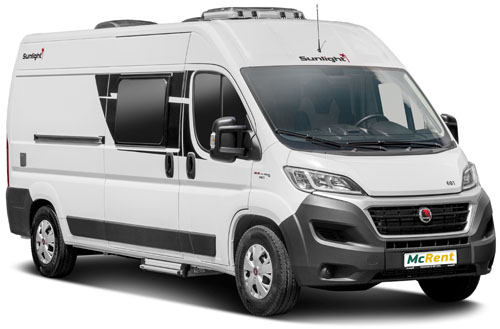
Selecting an appropriate RV class for a winter rental in Catalonia involves considering factors like maneuverability on potentially narrower roads and adequate interior heating and insulation. For a couple, a compact campervan like the "2 Berth Hi Top" or "Active Classic" with efficient heating is often perfect, offering easy driving and cozy nights. For optimal selection and availability, locking in rental dates approximately 3-6 months in advance is advisable, especially if traveling during peak winter holidays (e.g., Christmas, New Year's Eve) or specific events. Understanding insurance options is crucial: basic coverage is typically included, but comprehensive packages offer additional peace of mind for potential incidents or unforeseen circumstances. Basic insurance is always included, and to see prices including the most comprehensive coverage, select that option during your search on Bandana RV; then, all relevant insurance options will be shown transparently. Remember, our goal at Bandana RV is full transparency with no hidden fees, no surprises, just honest pricing. You can also upgrade to a top-level deductible for extra peace of mind, which covers your deductible in case of an incident. For a detailed breakdown of costs, check out our Winter RV Rental in Catalonia - Pricing Guide 2026.🎬 Video coming soon
Pre-Trip Prep - Packing Checklist for Catalonia
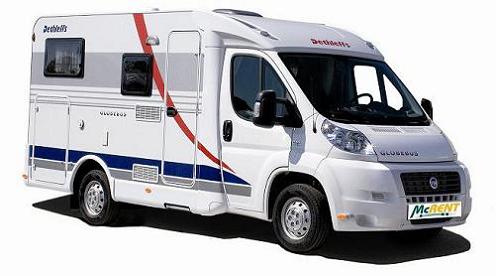
A tailored packing checklist for a winter RV trip in Catalonia ensures you have essentials for varying temperatures and activities. Consider that many Class C motorhomes, such as a "Benimar Sport 323" or "Ford Zefiro 675", offer ample storage for gear.- Layers of warm clothing (thermal base layers, fleeces, sweaters) for temperatures that can range from 0°C to 15°C.
- Waterproof and windproof jacket and trousers, essential for rain or snow, especially in coastal areas or the Pyrenees.
- Warm hat, gloves, and scarf, particularly for outdoor activities or evenings.
- Comfortable, waterproof walking shoes or boots suitable for varied terrains.
- European travel adapter and power bank for charging devices; RVs typically have 12V and 220V outlets.
- First-aid kit and any personal medications, as pharmacies might have limited hours in smaller villages.
- Headlamps or flashlights, useful during shorter daylight hours or in campgrounds.
- Reusable water bottles and shopping bags, aligning with local sustainability efforts.
- Non-perishable food items and snacks for your initial meals, though local markets offer fresh produce. For inspiration on cooking on the road, check our RV-friendly recipes playlist.
- Passport or valid ID, driver's license (and International Driving Permit if required, though a standard driver's license is sufficient for all motorhome classes in Spain).
- Rental agreement and insurance documents, kept readily accessible.
- Copies of important documents (physical and digital) for emergencies.
At the Campground - Setup, Hookups & Etiquette
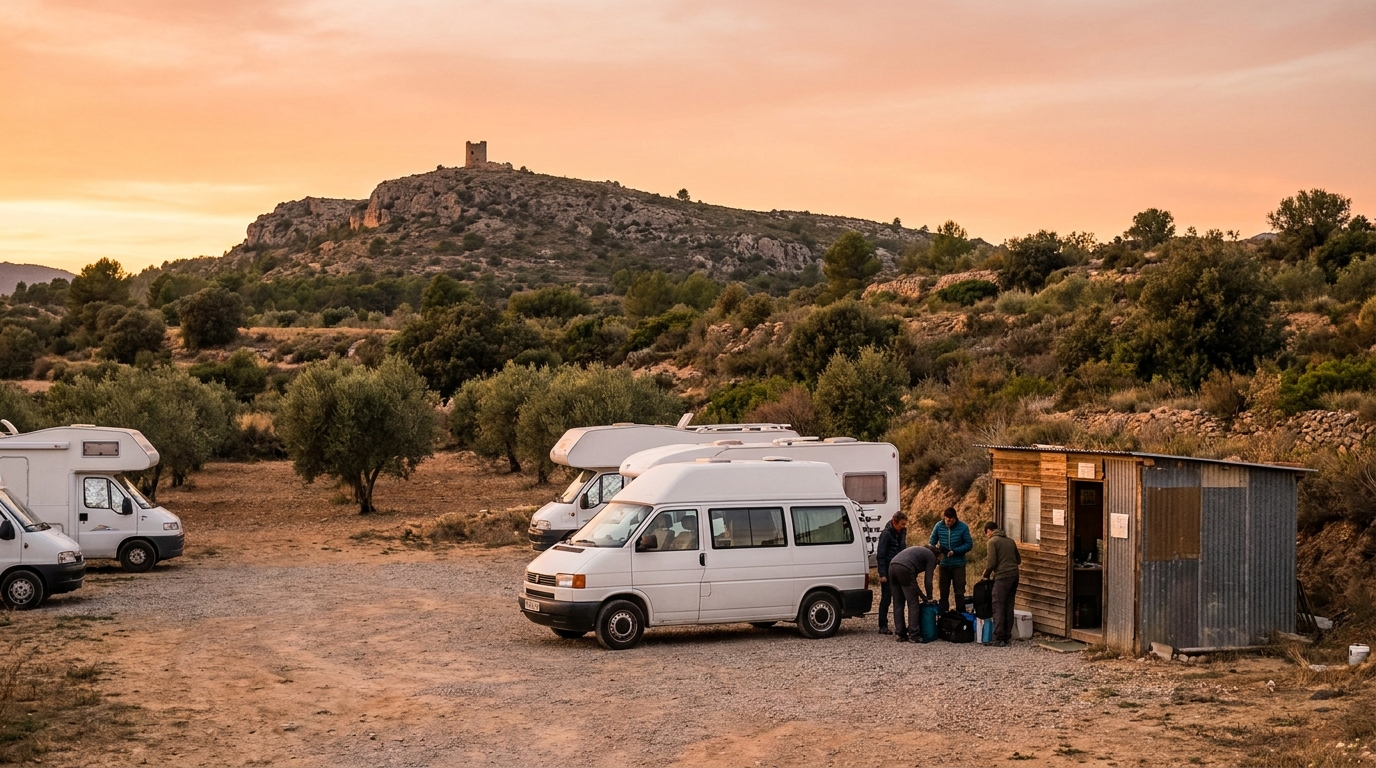
Proper RV setup, understanding hookups, and observing local etiquette are essential for a comfortable and respectful camping experience in Catalonia, where many campsites, even in winter, are well-maintained. Upon arrival at a campground like Camping Vilanova Park (near Sitges) or Camping Las Dunas (on the Costa Brava), typically level your RV first using blocks, then connect electricity (using a European CEE 17 adapter for 220V), followed by fresh water (using a potable water hose), and finally manage grey and black water disposal at designated service points. Most campsites observe quiet hours, usually from late evening (around 10 PM-11 PM) until morning (around 8 AM), requiring minimized noise and activity during these times. Respecting your neighbors' space, keeping your pitch tidy, and adhering to waste separation rules contribute to a positive camping environment for everyone. When staying at a campsite, remember that you are a guest in someone else's space, and showing courtesy goes a long way. For finding campsites and campgrounds during your trip, we recommend using RV PLANET (rvplan.net) - a great resource for locating available spots along your route.winter rv rental-Specific Tips for Catalonia
For winter RV travel in Catalonia, prioritize vehicles equipped with robust heating systems and superior insulation to maintain comfort in colder temperatures, especially when visiting areas like the Val d'Aran or Cerdanya. A "Class C - Alcove" like the "Elnagh Baron 37" often comes with integrated heating. It is crucial to verify that the rented RV's water systems are properly winterized with antifreeze to prevent freezing and damage during cold snaps, which can occur even in milder coastal regions. Plan your routes with an awareness of potential road closures or difficult conditions in mountainous areas like the Pyrenees, particularly after snowfall; local traffic updates (e.g., Servei Català de Trànsit) are vital. Embrace the advantage of fewer crowds at popular attractions like Park Güell in Barcelona or the Dalí Theatre-Museum in Figueres, allowing for a more serene and immersive experience without long queues. Consider incorporating winter-specific activities, such as skiing in Baqueira-Beret, snowboarding in La Molina, or snowshoeing in Aigüestortes i Estany de Sant Maurici National Park, into your itinerary for unique seasonal experiences in Catalonia.Common Mistakes to Avoid in Catalonia
Avoiding common pitfalls can significantly enhance a winter RV trip through Catalonia, leading to a smoother and more enjoyable experience. Instead of assuming availability, book popular campsites or overnight parking spots in advance, particularly during holidays like Three Kings' Day (January 6th) or Carnival season, to avoid disappointment. Rather than underestimating travel times, factor in shorter daylight hours (often setting around 5:30 PM in December), winding roads through mountainous terrain, and potential winter weather conditions when planning daily distances. To avoid fines, research and comply with Low Emission Zones (ZBE) regulations in cities like Barcelona; instead, consider using park-and-ride facilities outside these zones and integrating seamlessly with public transport. For example, parking at a safe RV-friendly spot in L'Hospitalet de Llobregat and taking the metro into central Barcelona can save you significant hassle. Instead of relying solely on informal overnight parking, ensure a mix of designated campsites for safety, services (like dump stations and fresh water refills), and local compliance, especially during winter when facilities might be less accessible. Always check local weather forecasts and road conditions before driving, particularly if heading towards mountainous regions like the Pyrenees, to prepare for potential snow or ice and carry snow chains as a precaution.How much does it cost to rent an RV in Spain
Renting an RV in Spain for a winter trip to Catalonia typically involves a comprehensive cost breakdown that includes the rental fee, fuel, tolls, campsite fees, local food, activities, and insurance, rather than just general price ranges. Winter RV rental prices in Catalonia can range from €70 to €150 per day for smaller models like a "V3" campervan or "Category Small AT" motorhome, and €120 to €250+ for larger, more luxurious RVs, often lower than peak summer rates due to lower demand. Fuel costs, primarily diesel, are a significant expense, with averages varying but generally around €1.50-€1.70 per liter, alongside potential toll charges on autopistas, which can add €10-€30 for longer journeys between major cities such as Barcelona and Valencia. Campsite fees usually fall between €20-€40 per night for a pitch with electricity and water hookups, while local food and activity expenses vary widely based on personal choices. Comprehensive insurance, beyond the basic included coverage, is an additional cost that can significantly impact the overall budget but offers enhanced protection and peace of mind. On RV PLANET routes, travelers can itemize and track every expense along the way for easy budgeting.What documents do I need to rent an RV in Spain
To rent an RV in Spain, including for a winter trip to Catalonia, travelers generally need a valid driver's license, a passport or national ID, and a major credit card for the security deposit and payment. For non-EU drivers, an International Driving Permit (IDP) is often recommended alongside your national driver's license, though it is not strictly mandatory in most cases for tourists from countries like the USA or Canada for short-term rentals. Renters must typically be at least 21 years old, depending on the rental company and vehicle class, and have held their driver's license for a minimum of 1-3 years. There are no young driver surcharges or vehicle class restrictions based on age when booking through Bandana RV, as long as you meet the minimum age. It is essential to have your rental voucher and any specific insurance documentation readily available for pick-up at the rental station near Barcelona-El Prat Airport and during your trip, ensuring a smooth and hassle-free experience.Is it good to travel Spain in winter
Traveling Spain, and particularly Catalonia, in winter offers a distinct experience with several advantages, including fewer crowds and unique seasonal events, making it a good time for those seeking a more tranquil journey. The off-peak season means popular attractions like the Sagrada Familia in Barcelona or the beaches of Sitges are less busy, allowing for a more relaxed exploration. Winter brings unique local festivals and gastronomic experiences, such as 'calçotada' season in Catalonia, a traditional onion barbecue which runs typically from January to March, offering a delicious cultural immersion. While coastal areas remain relatively mild, with average daytime temperatures of 10-15°C, mountainous regions like the Pyrenees offer opportunities for winter sports, though temperatures can drop significantly below 0°C and require appropriate RV insulation and heating for comfort. The best times to visit different regions vary; the Costa Brava and southern areas like Tarragona are pleasant for milder weather and exploring ancient Roman sites, while the interior and mountains cater to winter activities and cozy fireside evenings. For a broader perspective, you might find our "RV Rental Spain - Complete Guide 2026" helpful.Where can you RV in Spain in winter
In winter, Catalonia offers diverse RV-friendly itineraries catering to various interests, from the mild Mediterranean coast to the snow-capped Pyrenees, with practical stopping points available throughout. Curated routes could include a coastal tour exploring towns like Tarragona, known for its Roman heritage, and Girona, with its medieval charm and accessible parking near the city walls, both benefiting from milder winter climates. For wine enthusiasts, the Penedès or Priorat regions offer wine route tours with RV-accessible bodegas and charming historical towns, often less crowded in winter. Adventurous travelers might head to the Catalan Pyrenees for skiing in Vall de Núria or hiking in the Parc Natural de la Zona Volcànica de la Garrotxa, but must confirm road accessibility and choose campsites equipped for winter conditions and snow, like Camping La Borda del Pubill. Historical tours focusing on medieval villages inland, such as Besalú or Rupit, often with designated RV parking or nearby campsites, provide cultural enrichment away from peak season crowds. Remember our advice to travel slowly, taking in the sights.Can you wild camp in Spain
Wild camping with a rented RV in Spain is generally not permitted overnight outside of designated campsites or official Aires, though specific local regulations and enforcement can vary significantly across Catalonia. While parking an RV is often allowed where a regular car can park (provided it doesn't extend beyond its footprint), setting up camp (e.g., deploying awnings, tables, chairs, or leveling jacks) is typically forbidden outside authorized areas like Campings & Caravaning. Specific recommended spots for legal overnight parking, often called 'Aires de service' or service areas for motorhomes, can be found through specialized apps and websites, providing a safer and compliant alternative to wild camping, especially around popular tourist areas and natural parks. To minimize environmental impact and respect local communities, always adhere to waste management principles, utilize designated dump stations for grey and black water (e.g., at service stations on major highways like the AP-7, or dedicated spots found via rvplan.net), avoid disturbing natural habitats, and ensure no trace is left behind, aligning with sustainable RVing practices.What are the RV laws in Spain
RV laws in Spain encompass various regulations governing driving, parking, and camping, crucial for sustainable and responsible RVing in Catalonia. Driving regulations largely mirror standard car laws, including speed limits (e.g., 90-100 km/h on national roads, 120 km/h on motorways for vehicles under 3.5 tons), drink-driving limits (0.5 g/L blood alcohol content, or 0.25 mg/L in breath), and mandatory reflective vests and warning triangles to be carried in the vehicle. The distinction between 'parking' and 'camping' is key: parking is generally allowed where any vehicle can park, provided the RV does not exceed its dimensions or deploy external elements (e.g., no leveling jacks extended, no awnings out); 'camping' (setting up chairs, awnings, etc.) is strictly restricted to official campsites or designated areas. Waste management is strictly regulated, requiring disposal of grey and black water at authorized service points found in campsites or Aires, not in public drains or natural areas, to comply with regional conservation efforts. Adhering to regional conservation efforts and respecting local communities through quiet conduct and minimal environmental footprint is expected from all RV travelers.Can I drive an RV in Barcelona
Driving a rented RV in Barcelona, especially within the city center, presents significant logistics challenges due to low-emission zones (ZBE) and limited parking, necessitating careful planning. Barcelona's ZBE restricts access for certain vehicles, including many older RVs, from Monday to Friday (7 AM - 8 PM); vehicles must be registered and meet emission standards (generally Euro 4 for diesel, Euro 3 for petrol) to avoid fines. Drive slowly and carefully, and you can drive almost anywhere without issues. No need to stress - just use common sense and pay attention. Effective parking strategies include utilizing park-and-ride options located outside the ZBE, such as those near the Fira de Barcelona (Gran Via or Montjuïc areas) or at designated lots in surrounding towns like Badalona, which often provide direct public transport links into the city center. Seamless integration with public transport (metro, bus, tram) is highly recommended for exploring urban centers, as parking an RV within Barcelona is difficult and expensive, and public transport offers an efficient alternative for reaching attractions like La Rambla or the Gothic Quarter.Is it safe to travel in Spain by RV
Traveling by RV in Spain is generally considered safe, but implementing specific RV-specific safety and security measures is advisable to prevent theft and handle roadside emergencies effectively, especially in Catalonia. Proactive tips for preventing theft include securing all doors and windows, not leaving valuables visible in the cabin, using alarm systems or wheel clamps when parked overnight, and choosing well-lit, secure overnight parking locations such as official campsites. In case of roadside emergencies, rental companies typically provide breakdown assistance; it is crucial to have their emergency contact numbers readily available and be familiar with the European emergency number (112), which connects to police, ambulance, and fire services. Identifying secure overnight parking spots, such as official campsites or monitored Aires (like those found via rvplan.net), is recommended over isolated or unverified locations to enhance safety and provide access to amenities like fresh water and waste disposal. While Spain is largely safe, common regional safety concerns, such as opportunistic petty theft in crowded tourist hotspots like Las Ramblas or El Born in Barcelona, warrant general vigilance and common-sense precautions, including keeping bags secure and being aware of your surroundings.Are dogs allowed in Spanish campsites
Many Spanish campsites, particularly in Catalonia, are pet-friendly and allow dogs, though specific regulations and fees often apply, necessitating confirmation with individual sites beforehand. For traveling with pets into Spain, an EU Pet Passport is essential for dogs, cats, and ferrets, documenting microchipping, rabies vaccination (administered at least 21 days before travel), and other health requirements for legal entry and travel within the EU. Beyond campsites, finding pet-friendly attractions in Catalonia is possible, but it is advisable to research in advance as access can be restricted in museums, some restaurants, and national parks (though many offer designated trails or picnic areas for pets). Considerations for animal welfare during winter include ensuring the rented RV's heating system is adequate, providing comfortable bedding, and never leaving pets unattended in a vehicle where temperatures could drop dangerously. Always carry fresh water and a bowl for your pet, and remember leash laws are common in public spaces, especially in urban areas and protected natural parks.What You Shouldn't Miss
- Explore the Pyrenees: Drive the scenic routes through the Catalan Pyrenees, visiting charming villages like Ripoll and Bagà, and enjoying winter sports at ski resorts such as La Molina or Baqueira-Beret. The Parc Nacional d'Aigüestortes i Estany de Sant Maurici is stunning under a blanket of snow.
- Discover Barcelona's Winter Charm: Park your motorhome outside the city's ZBE and use public transport to explore iconic sites like the Gothic Quarter, Sagrada Familia, and the vibrant Christmas markets (Fira de Santa Llúcia in front of the Cathedral is a must-see).
- Indulge in a "Calçotada": If visiting between January and March, seek out a traditional 'calçotada' feast in the countryside. It’s a unique, delicious, and messy culinary experience celebrating grilled green onions with romesco sauce.
- Wander Medieval Villages: Head inland to discover picturesque medieval towns like Besalú with its iconic bridge, or Peratallada, often quieter and more atmospheric in the cooler months. These are perfect for slow travel and connecting with local history.
- Coastal Relaxation on the Costa Brava: Even in winter, the Costa Brava offers dramatic cliffs, secluded coves, and pleasant walks in towns like Cadaqués or Calella de Palafrugell, with many coastal campsites still open and less crowded.
- Wine Tasting in Penedès: Visit the Penedès wine region, known for its Cava production. Many wineries offer winter tours and tastings, often with RV parking, providing a warm and delightful cultural experience.
Looking for expert insights from Avi Bandana? Top 5 Adventures - recommendations from Avi Bandana