In This Guide
- Can You Drive an RV in Catalonia? License & Age Rules
- Road Conditions & Terrain in Catalonia
- RV Size Limits, Bridges & Restricted Zones
- Fuel: Diesel vs. Petrol & Cost per 100 km
- Tolls, Vignettes & Border Rules
- Driving Tips for RV Rental Travelers
- Recommended RV Class for Catalonia Roads
- Should I Choose a Compact Van Instead of a Large RV in Catalonia?
- Can I Park Anywhere? Free & Wild Camping Rules in Catalonia
- Can I Drive an RV Into the City Center? Heights, Tunnels & Local Signage
- What are the best RV routes in Catalonia?
- How much does it cost to rent an RV in Catalonia?
- What are the best campsites for RVs in Catalonia?
- Do I need a special license to drive an RV in Spain?
- Can you wild camp in Spain with an RV?
- What is the best time of year to RV in Catalonia?
- Are there specific driving rules for RVs in Catalonia?
- Where can I find dump stations and water refills for my RV in Catalonia?
Can You Drive an RV in Catalonia? License & Age Rules
Drivers with a standard B category license are fully authorized to operate most rented RVs up to 3,500 kg in Catalonia, encompassing popular campervans and smaller semi-integrated motorhomes. For a broader understanding of RV travel in the region, start with our RV Rental Catalonia - Complete Guide 2026. For larger motorhomes exceeding 3,500 kg, such as some Class A or bigger Class C models, a C1 license or higher is required, aligning with general European Union regulations. The minimum driver age for RV rentals in Catalonia typically begins at 21 years old, with most suppliers also requiring at least two years of driving experience; notably, Bandana does not impose young driver surcharges or vehicle class restrictions based on age, making RV adventures accessible to more travelers. Foreign drivers from outside the EU/EEA should carry an International Driving Permit (IDP) alongside their valid national driving license, although it is not strictly mandatory in all cases, it is strongly recommended for ease of communication and official recognition.Road Conditions & Terrain in Catalonia
Catalonia boasts generally excellent road quality, featuring a robust network of well-maintained highways (autopistas) that efficiently connect major cities and national roads (carreteras nacionales) that often provide more scenic, leisurely routes. The region's diverse terrain ranges from flat coastal plains perfect for relaxing drives along the Mediterranean, to rolling hills ideal for exploring vineyards, and the challenging, winding mountain passes of the majestic Pyrenees. While main highways are consistently smooth, urban areas like Barcelona and Girona predictably present denser traffic and narrower streets, necessitating slower, more deliberate driving; some rural roads in more remote areas can also be less maintained, encouraging caution and attention to detail. RV travelers should prepare for varying conditions, from high-speed motorways perfect for covering long distances to quaint village lanes, which ultimately necessitates adaptability in driving style and route planning. We strongly recommend slow travel, averaging no more than 100-150 km per day, to truly immerse yourself in the local culture, food, and stunning scenery.RV Size Limits, Bridges & Restricted Zones
Most rental RVs can comfortably navigate Catalonia's extensive road network, though drivers must remain vigilant for specific height and weight restrictions, particularly when encountering tunnels, exploring historic village centers, and attempting to park in multi-story parking garages. Major cities in Catalonia, such as Barcelona, enforce Low Emission Zones (ZBE - Zona de Bajas Emisiones), which restrict access for older, more polluting vehicles; fortunately, most modern rental RVs provided by Bandana's partners will already have the necessary DGT environmental sticker, ensuring compliance. Generally, there are no distinct RV size limits for ferries within Catalonia for trips to the Balearic Islands, but it is always prudent to verify specific vehicle dimensions directly with the individual ferry operator when planning your island adventure. Always pay close attention to local signage, especially in urban or mountainous areas, as these will clearly indicate any height or weight limitations or restricted access points.Fuel: Diesel vs. Petrol & Cost per 100 km
Most RVs available for rent in Catalonia, including Bandana's diverse fleet from suppliers like El Monte and Apollo, are diesel-powered, with diesel (gasóleo) being readily available at service stations across the region. Based on typical fleet data, a Class B Camper Van, generally a "RV size - Small" vehicle, consumes approximately 8-11 Liters/100 km, making it quite fuel-efficient for couples. Larger models, such as Semi-integrated (Class SI), Integrated (Class A), and Alcove (Class C) RVs, which often feature amenities like a 3-burner gas stove and a 140-liter refrigerator, typically average 9-13 Liters/100 km. The average cost per 100 km for an RV in Catalonia can therefore range from €15 to €25, depending on current 2026 fuel prices and the specific RV's consumption rate. While some RV rental companies may offer fuel discount cards, smart budgeting for these ancillary costs is key to a smooth journey; for comprehensive budgeting and expense tracking for your trip, consider using the RV PLANET routes planning tool to itemize every expense along the way.Tolls, Vignettes & Border Rules
Catalonia, similar to the rest of Spain, primarily utilizes a barrier toll (peaje) system on many motorways, particularly the faster 'AP-' designated routes, rather than a vignette system found in some other European countries. Toll costs can represent a significant portion of your travel budget, especially on popular routes such as the AP-7 highway along the Costa Brava, though often slower, toll-free alternative roads exist and provide more scenic drives. For border crossings into neighboring countries like France or Andorra, standard Schengen Area rules apply, meaning you'll generally experience no routine passport checks, but being aware of each country's specific driving laws, including environmental zones, is essential. Some RV rental companies may offer the option to pre-purchase electronic toll passes, like Via-T, which allow for automatic payment and can help avoid fines and save valuable time at toll booths.Driving Tips for RV Rental Travelers
Navigating Catalonia with a rented RV, whether a compact campervan or a spacious motorhome, is an incredibly rewarding experience that benefits from a few key driving tips. When exploring historic towns or small villages, it is often best to park your RV on the outskirts in designated areas and use public transport or walk, effectively avoiding extremely tight turns and limited access streets like those found in Barcelona's Gothic Quarter. Always plan your route carefully, utilizing RV-specific GPS or navigation apps that account for vehicle dimensions to steer clear of low bridges, weight-restricted roads, and environmental zones in cities. Pace your journey by planning for regular stops every 2-3 hours, especially when traveling with families, to relax and explore points of interest; remember, traveling slowly, ideally averaging no more than 100-150 km per day, allows you to truly feel the place, connect with the culture, enjoy the local food, and savor the scenery. Monitor your fuel and service points diligently, always keeping an eye on your diesel level and planning stops for refills, fresh water, and waste disposal in advance, as services can be sparse in more rural or mountainous areas. Lastly, respect parking regulations by being mindful of local signage; while overnight parking is generally permitted where cars can park, engaging in 'camping' behavior (e.g., extending awnings, setting out chairs) is typically prohibited outside designated campsites and `áreas de autocaravanas`.Recommended RV Class for Catalonia Roads
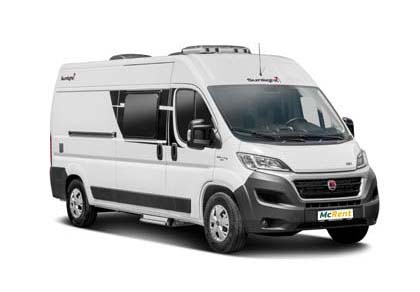
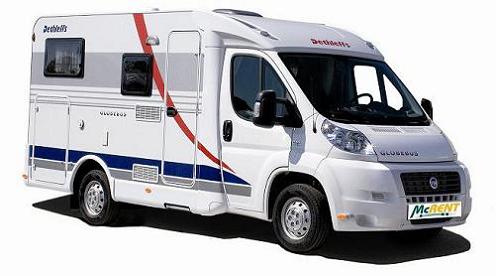
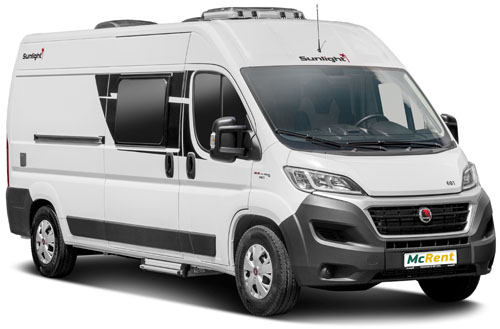
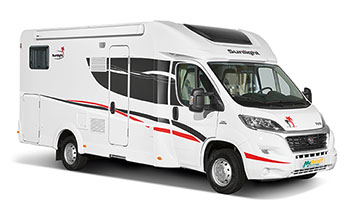
For optimal maneuverability and ease of access on Catalonia's diverse roads, a Class B Camper Van, typically around 6 meters in length with features like "Front Air condition" and "Shower" in models like the "rv rental denver example Category Van", is highly recommended. Alternatively, a Class SI Semi-integrated RV offers an excellent balance of spaciousness and drivability, with many models averaging about 7.3 meters in length and often providing amenities such as a "Toilet" and "Roof Air condition," presenting ample living space without being overly cumbersome. These classes are particularly well-suited for both navigating the winding coastal roads of the Costa Brava and tackling the varied mountain passes of the Pyrenees, providing a versatile option for various itineraries whether you prefer a quick run to a local market or an extended road trip. You can also explore options for "Luxury RV Rental in Catalonia - Premium Prices 2026" if comfort is a top priority.Should I Choose a Compact Van Instead of a Large RV in Catalonia?
While larger RVs can comfortably travel on Catalonia's main highways and offer significant amenities like those found in a "3 double beds" Class C model such as the "rv rentals example Comfort Class", a compact van (Class B Camper Van) provides a distinct advantage for navigating very tight historic village streets, narrower mountain passes, and securing parking in bustling city centers like Barcelona. However, the increased comfort, expansive indoor space, and enhanced amenities of a larger RV often present a more appealing trade-off for many travelers, particularly for week-long trips or families of 2+2 seeking more living area and features like a separate shower and toilet. For those prioritizing maximum maneuverability, easy parking, and quick city access, a compact van is genuinely beneficial, ideal for exploring areas like the small towns of the Costa Brava; for travelers valuing on-board living comfort and generous storage, a larger RV remains a superior choice, provided careful route planning and common sense in urban driving are undertaken. Drive slowly and carefully, and you can drive almost anywhere without issues. No need to stress - just use common sense and pay attention.Can I Park Anywhere? Free & Wild Camping Rules in Catalonia
Wild camping and free overnight parking, specifically where camping behavior such as extending awnings or putting out chairs occurs, are generally prohibited throughout Catalonia and the rest of Spain unless explicitly sanctioned by local authorities. However, overnight parking in a motorhome is broadly permitted in designated areas where regular vehicle parking is allowed, provided you are simply 'parked' and not 'camping' – meaning no external elements extended, no leveling blocks, and no permanent setup. Catalonia offers a well-developed network of designated `áreas de autocaravanas` (motorhome parking areas), which often provide essential services like fresh water and waste disposal, serving as legal and convenient alternatives to wild camping. Rules can vary significantly by municipality, particularly in tourist-heavy coastal towns or natural parks; therefore, always check local regulations and follow local law before parking overnight, and adhere to ethical considerations like respecting private property and minimizing environmental impact. For detailed information on finding available spots, check out RV PLANET (rvplan.net).Can I Drive an RV Into the City Center? Heights, Tunnels & Local Signage
Yes, you can generally drive an RV into city centers in Catalonia, but it absolutely requires careful attention to local signage, particularly regarding height limits, narrow streets, and environmental restrictions. Major cities such as Barcelona and Girona operate Low Emission Zones (ZBEs) which restrict access for vehicles without a specific DGT environmental sticker, a requirement that most modern rental RVs readily meet. Always be vigilant for height restrictions, which can be as low as 2.2 meters, before attempting to enter underground parking garages or low tunnels, and be aware of 'residents only' or restricted access streets that may apply at specific times. It is often advisable to park your RV on the outskirts in designated RV parking areas, such as those near the Fira de Barcelona or at Camping Tres Estrellas on the coast, and then utilize public transport (like the extensive metro and bus network) to explore the historic and often congested city centers without stress. Drive slowly and carefully, and you can drive almost anywhere without issues. No need to stress - just use common sense and pay attention.What are the best RV routes in Catalonia?
Catalonia offers diverse RV routes ranging from the scenic Costa Brava coastline with its charming fishing villages like Cadaqués and Calella de Palafrugell, to the dramatic peaks of the Pyrenees, providing a wide array of stunning landscapes for your journey. Popular itineraries include the coastal road from Girona to Cadaqués (approximately 70 km, with many stops for panoramic views), routes through the unique volcanic region of La Garrotxa, and tours of the renowned wine regions like Penedès and Priorat. For deeper cultural immersion and to discover less-known regions, consider exploring the Terra Alta wine region near the Ebro Delta, the medieval towns of Lleida province (like Montblanc), or the unique ecosystems of the Ebro Delta Natural Park with its 320 km of navigable waterways. These routes allow RVers to visit local markets, participate in regional festivals such as the Human Towers ('Castells') in Tarragona, and savor authentic Catalan dishes beyond typical tourist spots, offering rich cultural immersion opportunities. For curated route plans that highlight these experiences, check out the RV PLANET routes. For more detailed itineraries and hidden gems, our "RV Travel Guide to Catalonia - Tips and Top Spots 2026" offers excellent insights.How much does it cost to rent an RV in Catalonia?
The cost of renting an RV in Catalonia typically ranges from €80 per night for a compact Class B campervan in the low season to over €200 per night for a large, modern Class C motorhome during peak summer. A comprehensive cost breakdown for an RV trip in Catalonia should factor in the base rental fee, which is dynamic and changes daily based on availability and seasonality; fuel costs, averaging €15-€25 per 100 km for diesel; tolls, which can add €20-€50 to a week-long coastal trip on the AP-7; campsite fees, usually €20-€50 per night for a powered site; and potential attraction entrance fees. Budget-friendly RV travel can be achieved by opting for smaller campervans like a "hire campervan example Paradise S/T" (which is ideal for a couple), traveling during the off-season (November-March), and carefully planning routes to minimize toll roads and maximize legal free overnight parking in designated `áreas de autocaravanas`. Conversely, luxury RV travel with larger vehicles, premium campsites, and frequent use of amenities will naturally incur higher expenses, so understanding these variable costs is crucial for accurate budgeting. For more specific pricing insights, consult our "RV Rental in Catalonia - Prices and Best Deals 2026" guide.What are the best campsites for RVs in Catalonia?
Catalonia boasts an extensive network of high-quality campsites perfectly equipped for RVs, offering diverse options from bustling coastal resorts like Camping Las Dunas in Sant Pere Pescador (with over 2,400 pitches) to tranquil mountain retreats like Camping La Borda del Pubill in La Seu d'Urgell, and conveniently located urban-access parks such as Camping Vilanova Park near Sitges. Top-rated regions for RV campsites include the Costa Brava (e.g., Camping Cypsela Resort, known for its extensive facilities), the Pyrenees, and sites offering easy access to major cities like Barcelona. Most campsites provide essential RV services such as dump stations for grey and black water, fresh water refills, electrical hookups (typically 10-16 amps), and sometimes even propane exchange or specific repair shops, offering comprehensive support for RVers. When choosing a campsite, prioritize sites that align with your travel style, whether it's beachfront access in Platja d'Aro, mountain hiking near the Aigüestortes i Estany de Sant Maurici National Park, or proximity to cultural attractions in Tarragona, ensuring access to necessary local RV services. Remember, many national/state parks reserve only 25-30% of spots for advance booking; the rest are first-come, first-serve, so you'll find a spot – if not at the first campground, then the next one. Call ahead before driving.Do I need a special license to drive an RV in Spain?
No, for the vast majority of rental RVs weighing up to 3,500 kg, which includes common campervans and many semi-integrated models available through Bandana, a standard B category driving license from your home country (along with an International Driving Permit if applicable) is entirely sufficient in Spain. A special license (specifically a C1 category or higher) is only required for larger RVs that exceed the 3,500 kg weight limit, in line with broader European driving regulations. The minimum age for renting an RV in Catalonia is 21, and there are no young driver surcharges or vehicle class restrictions based on age, making RV travel accessible to a wide range of adventurers. For a detailed understanding of all licensing requirements, minimum driver age, and rules for foreign drivers in Catalonia, referring to the "Can You Drive an RV in Catalonia? License & Age Rules" section above is recommended.Can you wild camp in Spain with an RV?
Wild camping with an RV is generally prohibited throughout Spain, including Catalonia, primarily to protect natural environments and ensure respect for private property, with fines potentially reaching up to €5,000 in sensitive areas. However, 'overnight parking' in a motorhome is often permitted in areas where regular car parking is allowed, provided you are simply parked and not displaying typical camping behavior (e.g., no awnings extended, chairs out, or leveling ramps set up). Catalonia provides a robust network of designated `áreas de autocaravanas` (motorhome parking areas), such as those found in towns like Sitges or close to the Ebro Delta, and various small local initiatives or farm stays that actively welcome RVs, offering legal, ethical, and often serviced alternatives to wild camping. For comprehensive details on permissible overnight stops and ethical considerations, consulting the "Can I Park Anywhere? Free & Wild Camping Rules in Catalonia" section is crucial for responsible travel.What is the best time of year to RV in Catalonia?
The best time to RV in Catalonia largely depends on your travel preferences, but spring (April-May) and autumn (September-October) are generally considered ideal due to their pleasant temperatures (averaging 18-25°C), fewer crowds, and potential for off-season deals on RV rentals and campsites. Traveling during these shoulder seasons allows for enjoying unique seasonal experiences, such as participating in local harvest festivals in regions like Penedès, exploring natural parks like Montseny without peak tourist numbers, or finding better rental and campsite rates, which can be up to 30% lower than in summer. While summer (June-August) offers warm weather (25-30°C) perfect for coastal activities and lively festivals like La Mercè in Barcelona, it also brings peak crowds, higher temperatures, and inflated prices for rentals and campsites. Winter (November-March) provides a quieter experience for exploring cities and can be ideal for skiing in the Pyrenees, though some coastal or rural RV services might be limited. For more details on seasonal pricing, refer to "Winter RV Rental in Catalonia - Pricing Guide 2026".Are there specific driving rules for RVs in Catalonia?
While most general Spanish road rules apply universally to RVs in Catalonia, drivers must be particularly vigilant for specific regulations related to vehicle size, weight, and urban access, which can differ from standard passenger cars. RVs are subject to different speed limits than passenger cars on certain roads; for example, vehicles over 3,500 kg generally have a maximum speed of 90 km/h on conventional roads and 100 km/h on motorways, compared to 120 km/h for cars. Specific driving challenges in Catalonia include navigating narrow village streets in historic towns like Begur or Pals, tackling steep and winding mountain passes in the Pyrenees (e.g., routes near Vall de Boí), and finding suitable parking in densely populated urban centers such as Barcelona's Eixample district or Girona's old town. Always pay close attention to local signage regarding height restrictions (which can be found at some gas stations or parking entrances near central Barcelona), environmental zones (ZBEs), and parking regulations to ensure a compliant and smooth journey, addressing potential driving challenges proactively. Remember, drive slowly and carefully, and you can drive almost anywhere without issues.Where can I find dump stations and water refills for my RV in Catalonia?
Finding essential RV services like dump stations (for grey and black water) and fresh water refills in Catalonia is primarily accomplished through designated motorhome service areas (`áreas de autocaravanas`) and numerous well-equipped campsites. Many larger service stations on major highways, particularly along the AP-7, may also offer basic facilities, though dedicated RV parks and campsites (such as Camping Vilanova Park or Camping Las Dunas) are the most reliable and comprehensive sources for these services, often including electrical hookups and laundry facilities. Utilize RV-specific navigation apps like Park4Night or Campercontact, which provide up-to-date and detailed information on local RV services, including exact locations for water, waste disposal, and propane exchange, extending beyond general campsite amenities. Planning your route to include scheduled service stops is crucial, particularly when venturing into more remote regions like the Montseny Natural Park or the Ports Natural Park, to ensure responsible RVing practices and minimize environmental impact on Catalonia's diverse ecosystems.🎬 Video coming soon
What You Shouldn't Miss
- **Explore Barcelona's Architectural Wonders:** Park your rented motorhome outside the Low Emission Zone (ZBE) and take public transport to marvel at Antoni Gaudí's Sagrada Família and Park Güell, then wander through the bustling La Rambla and the historic Gothic Quarter.
- **Discover the Medieval Charm of Girona:** Drive your campervan to Girona, known for its beautifully preserved medieval architecture, colorful houses along the Onyar River, and the impressive Cathedral. Don't miss walking along the ancient city walls for panoramic views.
- **Coastal Drive along the Costa Brava:** Navigate the picturesque coastal road from Tossa de Mar to Cadaqués, stopping at secluded coves, charming fishing villages, and enjoying fresh seafood at local restaurants.
- **Hike in the Pyrenees:** Head to the Aigüestortes i Estany de Sant Maurici National Park for breathtaking mountain landscapes, pristine lakes, and diverse hiking trails, easily accessible with a well-prepared RV.
- **Taste Wine in the Penedès Region:** Enjoy a slow-paced tour through the Penedès wine region, famous for its Cava (Catalan sparkling wine). Many wineries offer RV-friendly parking and tastings.
- **Visit the Montserrat Monastery:** Take your RV up to Montserrat mountain to visit the iconic Benedictine monastery, nestled dramatically among unique rock formations, and witness the Black Madonna.
Final Thoughts
Renting an RV in Catalonia offers an unparalleled sense of freedom, allowing you to craft your own adventure through its stunning coastlines, majestic mountains, and vibrant cities. With the right preparation, understanding of local driving customs, and a flexible mindset for travel, your week-long trip or extended road trip can be an unforgettable journey filled with cultural discoveries and breathtaking scenery. Remember to plan your route leisurely, embracing the slow travel philosophy to truly connect with each place you visit. Bandana Caravan is here to support you every step of the way, from comparing transparent prices across dozens of suppliers to providing expert advice on choosing the perfect motorhome or campervan for your family or group of friends. We make RV travel easy, safe, and affordable, ensuring you focus on the joy of discovery rather than the hassle of logistics. Get inspired for your next trip and discover top destinations, planning tips, all in one place with us. Find Motorhome Rentals in CataloniaFor ideas you can prep on the road, watch our RV-friendly recipes playlist on YouTube.
On the routes offered through RV PLANET routes, you can itemize and track every expense along the way for easy budgeting.