In This Guide
- The RV Classes Compared for Winter RV Rental in West Europe
- Class A (Integrated) - Best For Winter Travel
- Price Comparison by RV Class in West Europe
- Class SI (Semi-Integrated) - Best For Winter Travel
- Class C (Alcove) - Best For Winter Travel
- Class B (Campervan) - Best For Winter Travel
- Side-by-Side Comparison Table
- Our Recommendation for Winter RV Rental Travelers in West Europe
- Is it safe to RV in Europe
- Do you need a special license to drive an RV in Europe
- What is the best country for RVing in winter Europe
- Are RV parks open in winter in Europe
- Is wild camping allowed in Europe RV
- Can you sleep anywhere in an RV in Europe
- Can you take a dog in an RV in Europe
- Is it hard to drive an RV in Europe
- Is a campervan warm enough for winter
- How cold is too cold for an RV
- How much does it cost to rent an RV in Europe for a month
- What is the cheapest RV to rent in Europe
- What You Shouldn't Miss
- Why Book with Bandana Caravan
- Final Thoughts
- Frequently Asked Questions
Embarking on a winter RV adventure in West Europe offers a unique way to experience its snow-dusted landscapes, festive markets, and cozy hideaways without the crowds of peak summer season. Choosing the right motorhome for cold weather is crucial for comfort and enjoyment, and Bandana Caravan is here to guide you every step of the way. With direct partnerships with over 50 leading RV suppliers worldwide, including trusted names like Apollo and Britz, we ensure you have access to a diverse fleet of well-equipped rental motorhomes and campervans suitable for the European winter. For live availability and current prices, start with our RV Rental West Europe - Complete Guide 2026 guide.
Winter RVing in West Europe opens up possibilities from skiing in the Alps to exploring charming villages under a blanket of snow, or even chasing milder coastal climates in the south. We believe in full transparency, providing you with all the information you need, so there are no hidden fees, no surprises, just honest deals. We’re true RV specialists, not just a side department of a generic travel agency, which means we genuinely know and love RV travel and are committed to helping you discover it.
The RV Classes Compared for Winter RV Rental in West Europe
Choosing the right RV class for your winter adventure in West Europe is paramount to ensure comfort and ease of travel. Your RV family choice significantly impacts maneuverability on narrow European roads, suitability for varying winter climates, overall trip length, and group comfort. Smaller RVs, like campervans, generally offer better access to European town centers and a more agile driving experience, while larger motorhomes provide more living space and superior insulation crucial for colder conditions. Understanding the trade-offs between size, fuel efficiency, and onboard amenities is therefore vital for a successful winter RV trip.
At Bandana Caravan, we offer a range of motorhome and campervan classes designed to fit every traveler's needs. We never want you to feel restricted by vehicle size. Drive slowly and carefully, and you can drive almost anywhere without issues. No need to stress - just use common sense and pay attention. For additional details on pricing for various sizes, check our RV Rental in West Europe - Prices and Best Deals 2026 guide.
Class A (Integrated) - Best For Winter Travel
Class A (Integrated) motorhomes are best suited for large families or groups (sleeping an average of 4.4 people according to Bandana's fleet data) seeking luxury, maximum living space, and superior insulation for comfortable winter travel across West Europe. These motorhomes offer a truly spacious and home-like environment, often equipped with ample storage and robust heating systems ideal for colder destinations. With an average length of 7.5 meters and fuel consumption typically between 11-12 liters per 100 km, they are perfect for longer trips where comfort and extensive amenities are prioritized over high maneuverability in tight spaces or historic city centers. While offering premium comfort, trade-offs include higher rental costs and increased fuel consumption. They may also present potential challenges navigating very narrow European roads and finding suitable parking spots outside designated RV parks. For those seeking a truly opulent experience, our Luxury RV Rental in West Europe - Premium Prices 2026 guide offers excellent choices.
Price Comparison by RV Class in West Europe
Pricing for RV rentals in West Europe is dynamic, much like flight tickets, and changes daily based on availability, demand, seasonality, and specific supplier decisions. The final price for your rental motorhome is set at the actual booking time. To give you a realistic idea, the table below provides example prices pulled from Bandana's live search for various durations and RV classes, offering a snapshot of what you might expect to pay for a winter RV rental.
Live April Price Comparison — RV Class × Trip Length
| Trip length | Class A | Class B | Class C | Class SI | Class TC |
|---|---|---|---|---|---|
| 1 week 15/04 → 22/04 | Check prices | 881.60 € EUR | 885.03 € EUR | 1,016.00 € EUR | Check prices |
| 2 weeks 15/04 → 29/04 | Check prices | 1,548.00 € EUR | 1,368.10 € EUR | 1,800.00 € EUR | Check prices |
| 1 month 01/04 → 30/04 | Check prices | 2,976.00 € EUR | 2,265.08 € EUR | 3,480.00 € EUR | Check prices |
Estimates only — flex-rate prices change daily based on availability and season.
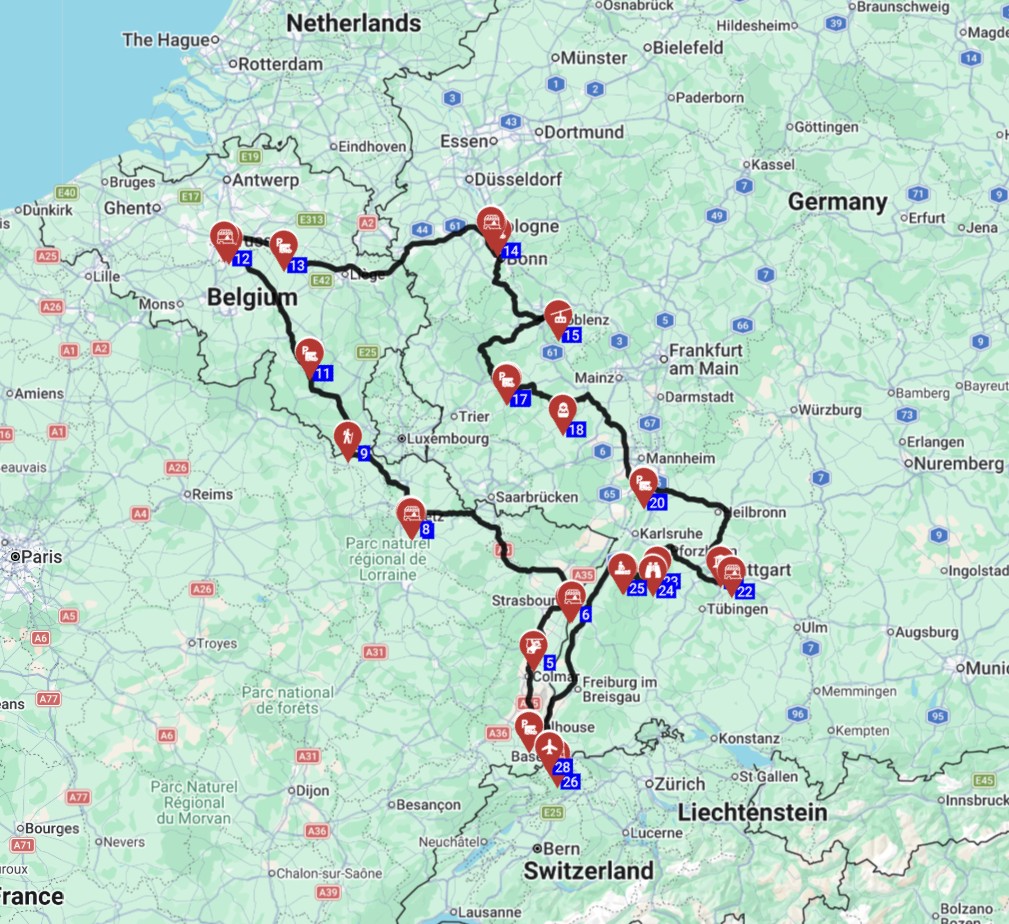
These prices are estimates and update constantly; for the most current numbers and to explore available RV Rental Deals in West Europe - Latest Offers 2026, use the search box on our platform. Remember that ancillary trip costs, such as fuel, campground fees, propane, and tolls, also factor into your total budget. You can easily itemize and track every expense along the way for simple budgeting using RV PLANET routes. On the routes offered through RV PLANET routes, you can itemize and track every expense along the way for easy budgeting.
Class SI (Semi-Integrated) - Best For Winter Travel
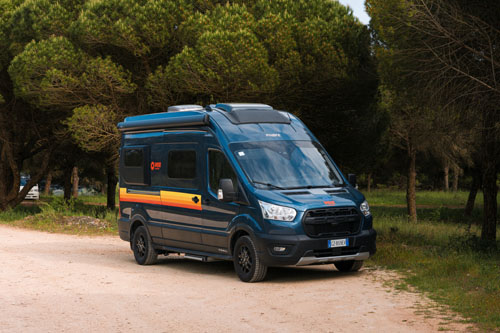
Semi-integrated motorhomes are a well-balanced choice, ideal for couples or small families (sleeping an average of 3.8 people) who desire comfort and amenities without the bulk of a Class A. These models, with an average length of 6.9 meters and fuel consumption of 10-11 liters per 100 km, offer better maneuverability than Class A or C models on West European roads while typically providing excellent insulation and onboard facilities for winter use. They are optimal for travelers seeking a good compromise between comfortable living space, driving ease, and moderate fuel efficiency for exploring diverse winter landscapes, from snowy mountain passes to quaint European towns. For example, a "2 Berth Rover" or "Active Compact Select" model from our fleet offers features like automatic transmission, front air conditioning, and are often winter-ready, ensuring a comfortable journey.
Class C (Alcove) - Best For Winter Travel
Alcove motorhomes (Class C) are primarily suited for larger families or groups, offering substantial sleeping capacity (an average of 5.8 people, often with an alcove bed over the cab) at a more budget-friendly price point than Class A models. These robust vehicles, with an average length of 7.5 meters and fuel consumption between 10-12 liters per 100 km, provide good insulation for winter conditions, making them a practical choice for extended trips with multiple occupants. While generally larger, they are often easier to drive than Class A models due to their familiar truck-like cab, though still requiring careful navigation on smaller West European roads. Examples like the "Jayco Conquest Royale 6" or "Denali Searcher 30 - Gold" in our fleet offer multiple double beds, generators, and are ideal for families seeking space and comfort for winter adventures.
Class B (Campervan) - Best For Winter Travel
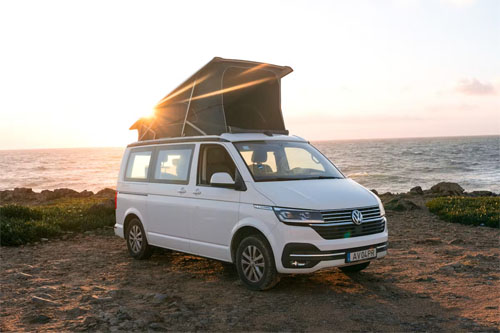
Campervans (Class B) are ideal for solo travelers, couples, or small groups (sleeping an average of 3.2 people) prioritizing maneuverability, fuel economy, and agility, especially when navigating West Europe's charming but often narrow roads. With an average length of 5.8 meters and impressive fuel consumption of around 10 liters per 100 km, they offer an authentic, intimate travel experience, allowing easy access to city centers and remote areas where larger RVs might struggle. These vehicles are perfect for adventurers seeking flexibility and a more minimalist approach to winter RV travel, though interior space and insulation are more limited compared to larger classes. Modern campervans, like the "VW California Ocean" or "Knaus BoxDrive 680ME," are often equipped with efficient diesel heating systems and good insulation, making them surprisingly cozy even in colder climates.
Side-by-Side Comparison Table
Below is a comparison of key specifications for each popular RV class, derived from Bandana's global fleet averages, to help you choose the best fit for your winter West Europe adventure. This overview highlights the core differences in size, capacity, and efficiency across our rental motorhomes and campervans.
| Family | Avg Length (m) | Sleeps | Fuel Use (L/100 km) | Best Use Case in West Europe (Winter) |
|---|---|---|---|---|
| Class A (Integrated) | 7.5 | 4.4 | 11-12 | Luxury, large groups, maximum winter comfort, long trips |
| Class SI (Semi-Integrated) | 6.9 | 3.8 | 10-11 | Balanced comfort, small families/couples, good maneuverability for winter touring |
| Class C (Alcove) | 7.5 | 5.8 | 10-12 | Families/groups, budget-conscious, good space, robust for winter |
| Class B (Campervan) | 5.8 | 3.2 | 8-10 | Solo/couples, urban access, fuel-efficient, adventurous, flexible |
For more detailed information and to review typical included features versus paid add-ons across different suppliers like El Monte, Cruise America, Apollo, and Britz, our platform provides comprehensive listings. You can also review cancellation policies, one-way options, and mileage packages to ensure your booking flexibility.
Our Recommendation for Winter RV Rental Travelers in West Europe
For most winter RV travelers in West Europe, we primarily recommend a **Class SI (Semi-Integrated) motorhome**. This class offers a superb balance of insulation and comfort essential for colder weather, adequate living space for small families or couples, and more manageable dimensions (with an average length of 6.9 meters) than larger models. This makes them easier to navigate on diverse European roads and when finding parking.
Our runner-up recommendation is a **Class B (Campervan)**, particularly for adventurous couples or solo travelers. These agile vehicles prioritize extreme maneuverability and fuel efficiency on shorter winter trips, making them perfect for those willing to trade some interior space for the ability to access more remote or urban locations with ease. Both options are fantastic choices, but your final decision will depend on your group size, budget, and desired level of onboard luxury. Remember to travel slowly, aiming for a maximum of 100-150 km per day on average, to truly take time to feel the place, connect to the culture, the food, and the scenery.
Is it safe to RV in Europe
RVing in Europe is generally very safe, provided travelers practice standard precautions like securing valuables, researching safe overnight parking options, and respecting local laws and customs. Many West European countries have dedicated RV-friendly infrastructure, such as 'Stellplatz' in Germany or 'Aires de Service' in France, which often offer secure and sometimes inexpensive overnight stays. Staying connected with local SIM cards or reliable navigation apps can further enhance safety and provide peace of mind during your winter RV rental in West Europe. Always be aware of your surroundings, especially in crowded tourist areas, and use common sense as you would in any travel situation.
Do you need a special license to drive an RV in Europe
A standard car driver's license (Category B in Europe, typically for vehicles up to 3,500 kg Maximum Authorized Mass - MAM) is sufficient for driving all motorhome classes available for rental with Bandana Caravan in West Europe. No special license, Commercial Driver's License (CDL), or additional permits are required for any rental motorhome. An International Driving Permit (IDP) is highly recommended for visitors from non-English-speaking countries as it serves as an official translation of your national license, though it is not strictly mandatory in all cases across West Europe. Always carry your national driver's license alongside your IDP if you choose to obtain one.
What is the best country for RVing in winter Europe
The "best" country for RVing in winter Europe depends entirely on your desired experience, with popular choices in West Europe including Germany, Austria, and Switzerland for winter sports, or milder southern regions of France, Spain, and Portugal for escaping colder temperatures. For winter sports enthusiasts, countries with established ski resorts and RV-friendly facilities, like Germany and Austria, offer well-maintained roads and numerous 'Stellplatz' near slopes. For a milder climate during your winter RV rental, the coastal regions of Portugal and Southern Spain provide pleasant temperatures and a wealth of campsites, though availability might be lower during peak holiday times. France also offers diverse winter options, from snowy Alps to the warmer Côte d'Azur, with a comprehensive network of 'Aires de Service' to support your journey.
Are RV parks open in winter in Europe
Many RV parks and campsites in West Europe do remain open during winter, particularly those catering to winter sports enthusiasts, long-term travelers, or located in popular year-round tourist areas, though some do close for the low season. It's crucial to check specific campsite websites or use RV-specific apps (like Campercontact or Park4Night) to confirm winter operating hours and available amenities before your winter RV rental trip, as some services like water hookups might be limited or require specific winterization due to freezing temperatures. Additionally, dedicated motorhome parking areas known as 'Stellplatz' (in Germany/Austria) or 'Aires de Service' (in France) are often open year-round and can be excellent options for winter overnight stays, providing basic services.
Is wild camping allowed in Europe RV
Wild camping with an RV in West Europe is generally illegal or heavily restricted across most countries, with strict laws varying from outright prohibition to permission only in very remote areas or with explicit landowner consent. Countries like Germany, France, and Italy typically prohibit wild camping in RVs, though 'tolerance zones' or specific regulations for overnight parking (not full camping, meaning no outdoor setup) might exist for one night to avoid driver fatigue. Scandinavia offers more lenient wild camping rules (often under 'Allemansrätten' or 'everyman's right'), but this rarely extends to motorized vehicles in West European nations. Always seek out designated campsites, 'Stellplatz,' or 'Aires de Service' to avoid fines and ensure a responsible, stress-free travel experience during your winter RV rental in West Europe.
Can you sleep anywhere in an RV in Europe
No, you generally cannot sleep anywhere in an RV in West Europe; overnight parking rules vary significantly by country and even by local municipality, with most urban and protected areas prohibiting arbitrary overnight stays. While parking a rented RV during the day for sightseeing is usually permitted where other vehicles park, transitioning to an overnight stay (often defined by putting out awnings, chairs, or leveling jacks) is typically restricted to designated campsites, 'Stellplatz,' or 'Aires de Service.' Many countries enforce specific regulations against 'wild camping' or 'free camping' to protect natural environments and ensure public safety, so it is essential to research local rules for each area you plan to visit with your winter RV rental in West Europe.
Can you take a dog in an RV in Europe
Yes, you can generally take a dog in a rented RV to West Europe, but it requires careful planning to comply with pet passport regulations, microchipping, rabies vaccinations, and often specific parasite treatments (e.g., tapeworm) before entry into certain countries. Each European country has its own specific requirements for pet entry, which must be strictly followed, and you'll need to research pet-friendly campsites and attractions as not all locations welcome animals. Ensure your RV rental company permits pets, and be prepared for potential additional cleaning fees or deposits, while also carrying your pet's health records and adequate supplies throughout your winter RV rental journey in West Europe.
Is it hard to drive an RV in Europe
Driving an RV in West Europe can present challenges due to narrower roads, compact city centers, and differing driving customs, but it is entirely manageable with proper preparation and appropriate RV size selection. The perceived difficulty largely depends on the RV's size; smaller campervans (Class B) and semi-integrated models (Class SI) are significantly easier to maneuver through historic towns and on winding country roads than larger Class A or C motorhomes. Key considerations include researching road tolls, understanding local traffic laws, and planning routes to avoid restricted zones or extremely tight spaces. GPS systems offering RV-specific routing are highly beneficial for navigating with your winter RV rental in West Europe.
Is a campervan warm enough for winter
A campervan can be warm enough for winter in West Europe, especially if it is modern, well-insulated, and equipped with a robust auxiliary heating system, such as a diesel heater or gas-fired central heating. However, campervans (Class B) inherently have less insulation and smaller water/wastewater tanks compared to larger motorhomes (Class SI, C, A), which can lead to faster heat loss and more frequent service stops in freezing conditions. Travelers opting for a campervan for their winter RV rental should prioritize models with double-glazed windows, insulated pipes to prevent freezing, and consider bringing extra thermal blankets or sleeping bags for added warmth. You'll be surprised how cozy even a smaller campervan can be with the right setup.
How cold is too cold for an RV
An RV can generally withstand temperatures down to freezing (0°C or 32°F) if properly winterized and equipped, but sustained temperatures below -5°C (23°F) can pose significant challenges to water systems and overall comfort, especially in older or poorly insulated models. For prolonged cold, issues such as frozen pipes, reduced battery efficiency, and inadequate heating can arise, necessitating a rented RV with excellent insulation, heated tanks, and a powerful heating system. Even with a robust RV, temperatures falling below -10°C (14°F) often push the limits of recreational vehicles not specifically designed for extreme cold, making it crucial to monitor weather forecasts and choose an RV class with sufficient winter capabilities for your West Europe adventure.
How much does it cost to rent an RV in Europe for a month
Renting an RV in West Europe for a month typically ranges from €2,000 to €5,000 or more, with prices varying significantly based on the RV class, time of year (winter being generally more affordable than summer), booking lead time, and specific rental company policies. Smaller campervans (Class B) or older models will generally be on the lower end of this range, while larger, more luxurious Class A or fully equipped Class C motorhomes will command higher prices. Additional costs to budget for include fuel (which can be expensive in Europe, averaging around €1.70-€2.00 per liter), daily campsite fees (averaging €20-€50), road tolls, insurance upgrades (like a top-level deductible for extra peace of mind), and potential one-way rental fees (which you can learn more about in our One-Way RV Rental in West Europe - Price Guide 2026). A comprehensive budget is essential for an extended road trip. Consider checking our Weekly RV Rental in West Europe - Pricing 2026 for shorter trip cost estimates.
What is the cheapest RV to rent in Europe
The cheapest RV to rent in West Europe is typically a Class B campervan, especially smaller models, due to their lower upfront rental cost, superior fuel efficiency (as low as 8 liters per 100 km), and compact size which can reduce ferry or toll expenses. While campervans often have the lowest base rental rates, factoring in total trip costs, including fuel and campsite fees, solidifies their position as the most budget-friendly option for many travelers. For those needing more space, older or less-equipped Class SI (Semi-Integrated) or Class C (Alcove) models might offer competitive prices, particularly during the shoulder or off-seasons when demand for a winter RV rental in West Europe is lower. Remember that prices are dynamic, so comparing options thoroughly on our platform is key to finding the best deal.
What You Shouldn't Miss
- **Alpine Skiing in Austria or Switzerland:** Experience world-class slopes with your motorhome as a cozy base. RV parks near resorts often offer winter services.
- **Christmas Markets in Germany:** Wander through enchanting, festive markets, enjoying mulled wine and local crafts, with convenient RV parking often available on the outskirts of cities like Nuremberg or Strasbourg.
- **Coastal Drives in Portugal or Southern Spain:** Escape the deepest winter chill and explore the sunny Iberian Peninsula. Enjoy mild temperatures and stunning ocean views.
- **Visiting Fairytale Castles in Bavaria, Germany:** See Neuschwanstein Castle dusted with snow for a truly magical, uncrowded experience.
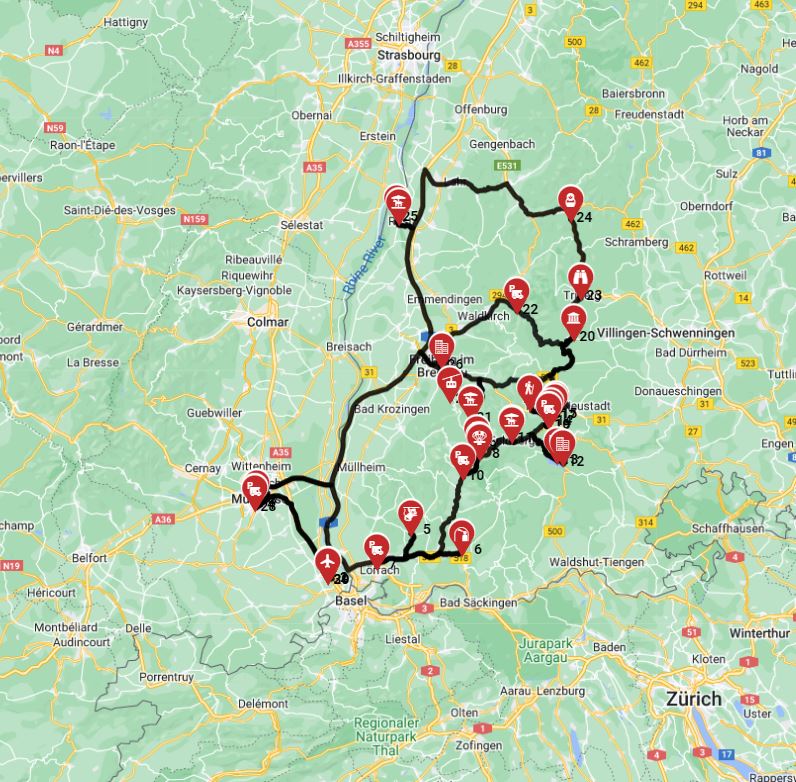
- **Winter Hiking in the Black Forest, Germany:** Discover serene, snow-covered trails, then return to your warm campervan for a hot meal. For inspiration and to help plan your adventure, consider exploring our RV Travel Guide to West Europe - Tips and Top Spots 2026.
Looking for expert insights from Avi Bandana? Top 5 Adventures - recommendations from Avi Bandana.
🎬 Video coming soon
Final Thoughts
A winter RV rental in West Europe offers an unparalleled opportunity to discover stunning landscapes and vibrant cultures in a truly unique way. Whether you're chasing powder in the Alps, exploring ancient cities dusted with snow, or seeking the milder climates of the Mediterranean coast, a rented motorhome or campervan provides the flexibility and comfort you need. Remember to embrace slow travel, allowing yourself to soak in the atmosphere of each destination at your own pace.
At Bandana Caravan, we are here to support your journey from your initial dreams to your safe return. We handle the details, so you can focus on living the journey. Our expertise and commitment to full transparency mean you can book with confidence, knowing exactly what to expect. For finding campsites and campgrounds during your trip, we recommend using RV PLANET (rvplan.net), a great resource for locating available spots along your route.
So, why wait? Imagine yourself waking up to a pristine snowy vista or a sun-drenched coastline, ready to explore the wonders of West Europe. Plan your trip itinerary in advance with minimal effort and maximum enjoyment. The winter road is calling!
Compare Motorhome Prices for West Europe and start your adventure today!
For ideas you can prep on the road, watch our RV-friendly recipes playlist on YouTube.