In This Guide
- What Luxury RV Rental Costs in West Europe (2026)
- Seasonal Pricing - Peak vs. Shoulder vs. Off-Season in West Europe
- What's Included vs. What's an Add-On
- Hidden Costs to Budget For in West Europe
- How to Save on Luxury RV Rental in West Europe
- How to Budget for a Luxury RV Trip in West Europe Beyond Rental Costs
- What are Key Safety and Security Tips for RV Travel in West Europe?
- How to Navigate Health, Insurance, and Emergency Access for RVers in West Europe?
- What are the Best Connectivity and Technology Options for RV Travel in West Europe?
- What are the Optimal Luxury RV Types for European Roads and Specific Gear Recommendations?
- What are the Advantages and Disadvantages of Off-Season Luxury RV Travel in West Europe?
- How Does Luxury RV Travel Compare to Other Modes of Transport in West Europe?
- What are the Cultural Nuances and Etiquette for RVers in West Europe?
- How to Practice Sustainable RV Travel in West Europe
- What are the Considerations for Traveling with Pets in an RV in West Europe?
What Luxury RV Rental Costs in West Europe (2026)
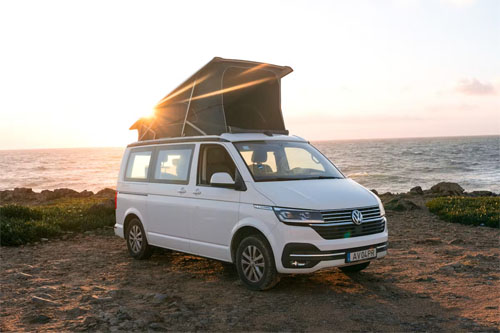
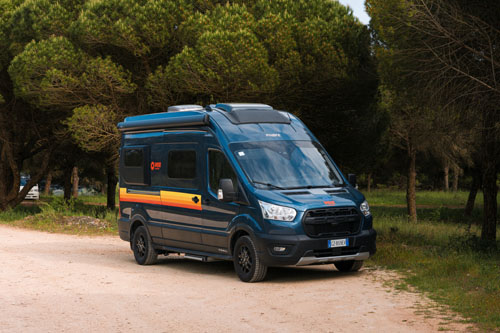
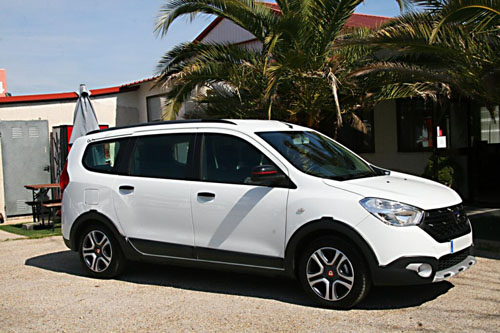
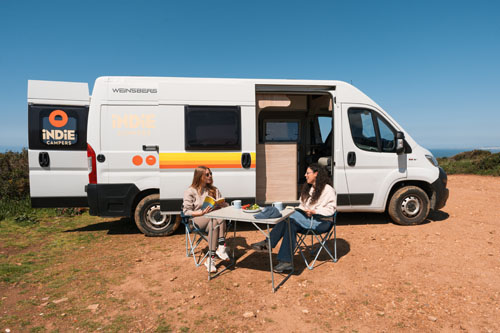
Luxury RV rental costs in West Europe generally range from €150 to €300+ per day, influenced by vehicle size, seasonality, and specific luxury amenities. For instance, a spacious 6-berth Class C motorhome like the "Euro Deluxe" or an "MHLUX" Class A might command higher rates, offering features such as multiple double beds, full kitchens with larger refrigerators, and expansive living areas. Keep in mind that prices are dynamic, much like flight tickets, and are subject to daily change based on demand and availability. We pride ourselves on full transparency, ensuring you'll never encounter hidden fees or surprises when booking through our platform. To find live availability and current prices, start with our RV Rental West Europe - Complete Guide 2026 for an overview of options.🎬 Video coming soon
Live April Price Comparison — RV Class × Trip Length
| Trip length | Class A | Class B | Class C | Class SI | Class TC |
|---|---|---|---|---|---|
| 1 week 15/04 → 22/04 | Check prices | 881.60 € EUR | 885.03 € EUR | 1,016.00 € EUR | Check prices |
| 2 weeks 15/04 → 29/04 | Check prices | 1,548.00 € EUR | 1,368.10 € EUR | 1,800.00 € EUR | Check prices |
| 1 month 01/04 → 30/04 | Check prices | 2,976.00 € EUR | 2,265.08 € EUR | 3,480.00 € EUR | Check prices |
Estimates only — flex-rate prices change daily based on availability and season.
Seasonal Pricing - Peak vs. Shoulder vs. Off-Season in West Europe
Peak season, typically July and August, sees the highest luxury RV rental prices in West Europe due to soaring holiday demand, with daily rates significantly fluctuating. For instance, a Class C motorhome that costs €180/day in spring might jump to €280-€350/day in mid-August. Shoulder seasons, spanning May-June and September-October, offer a balance of pleasant weather and more moderate rental prices, making them ideal for those seeking value without extreme crowds, with potential savings of 10-20% compared to peak. Off-season, from November to March (excluding major holidays like Christmas and New Year's, where prices can briefly spike), generally presents the lowest rental rates, with April often emerging as the single cheapest month for booking a luxury RV, sometimes offering savings of up to 30%. Travelers planning a Luxury RV Driving in West Europe - Scenic Routes 2026 can take full advantage of these seasonal shifts. During off-peak periods, not only are rental prices more attractive, but campgrounds also tend to be less crowded, offering more serene experiences and better availability. Some suppliers may offer incentives like unlimited mileage packages during these quieter months. However, it is essential to consider that some campsites or attractions might operate on reduced hours or close entirely during the deepest off-season. Always check directly with providers for the most accurate details for your chosen dates. Remember, early booking, especially for peak periods, is always recommended to secure your preferred luxury RV and potentially benefit from better rates.What's Included vs. What's an Add-On
Basic insurance is always included with luxury RV rentals in West Europe, covering essential liabilities, but more comprehensive coverage tiers are usually offered as optional add-ons. For true peace of mind, you can upgrade to a top-level deductible reimbursement, which covers the standard deductible amount in case of an accident or damage, typically costing an extra €20-€40 per day. Common add-ons include specific mileage packages beyond a standard allowance (e.g., an extra 100km/day for €0.30-€0.50/km), generator usage fees (if applicable, though less common in European RVs), kitchen kits with utensils and cookware (often €50-€150 per rental), and bedding sets (around €25-€50 per person). These inclusions and add-ons vary significantly by RV model and rental supplier, so it's critical to review your specific booking details. When using our platform, you can directly compare inclusions like kitchen utensils, tableware, and bedding within search results, allowing you to choose a rental that best fits your needs. Some luxury rentals might include a television or even an oven, adding to your comfort. For a typical Class C motorhome like the "Explorer", a refrigerator (90 liter -12V / 240V) and a gas stove (4 burners) are usually standard, allowing you to prepare delightful meals on the road. For culinary inspiration on the go, check out our RV-friendly recipes playlist. We ensure full transparency, so what you see is what you pay, with no surprise fees at pickup. Want to check exactly what's included? Just click the link on the vehicle details page.Hidden Costs to Budget For in West Europe
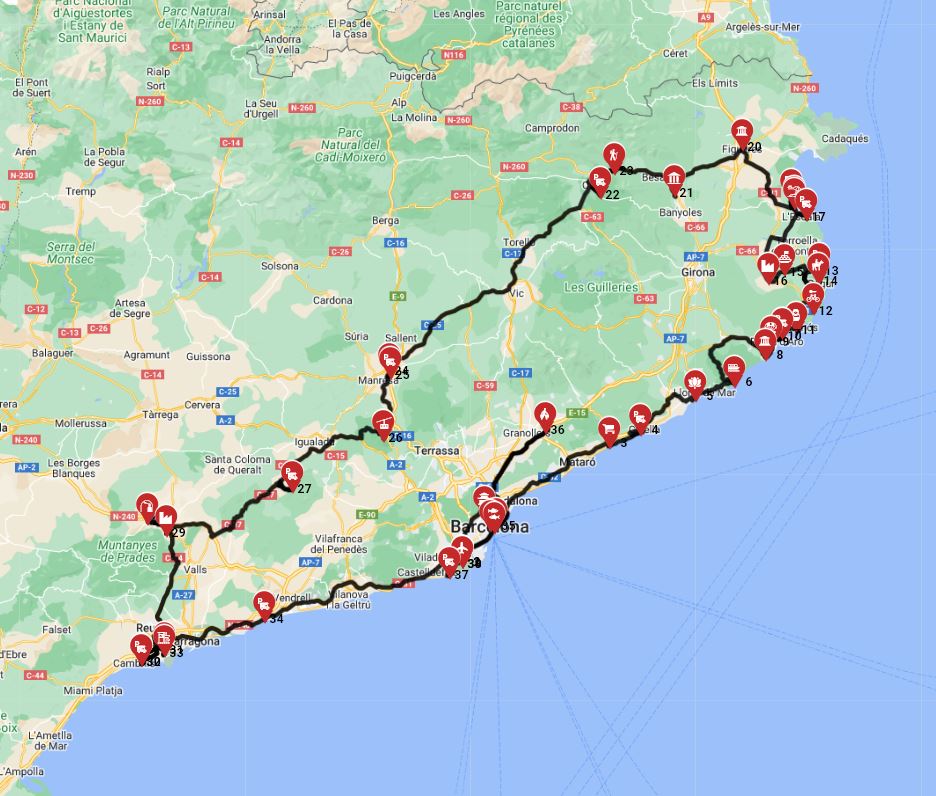
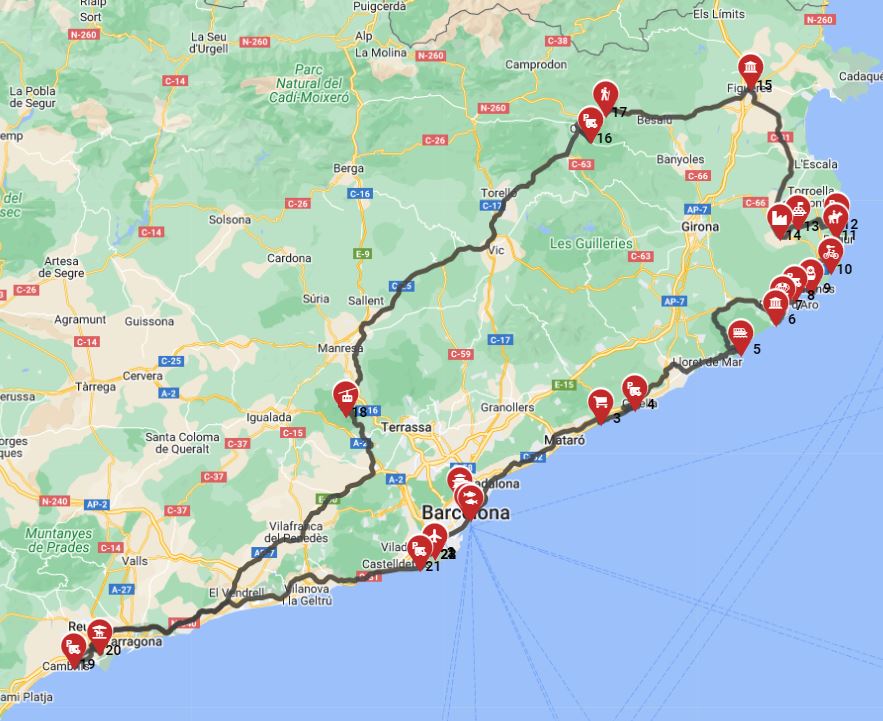
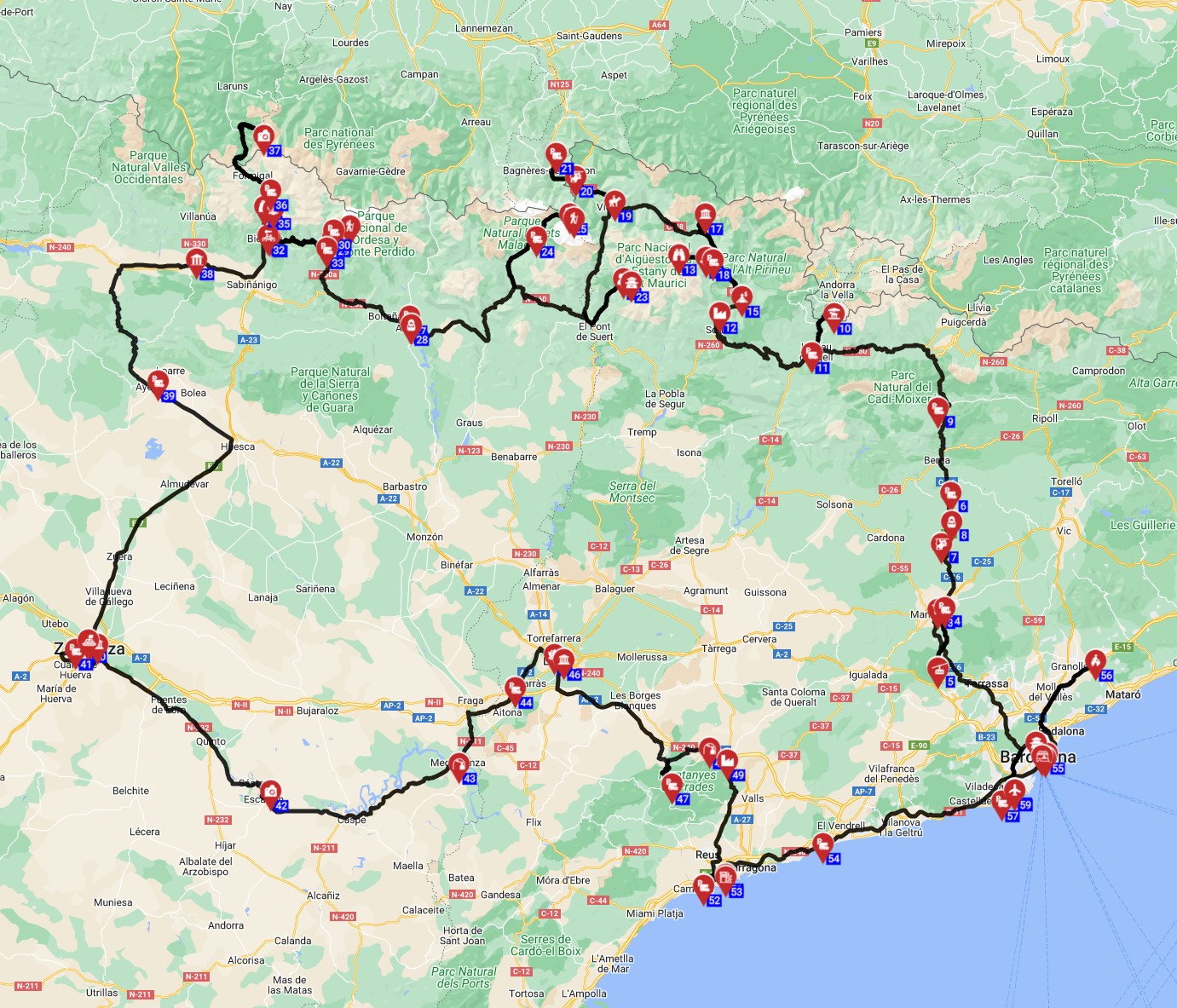
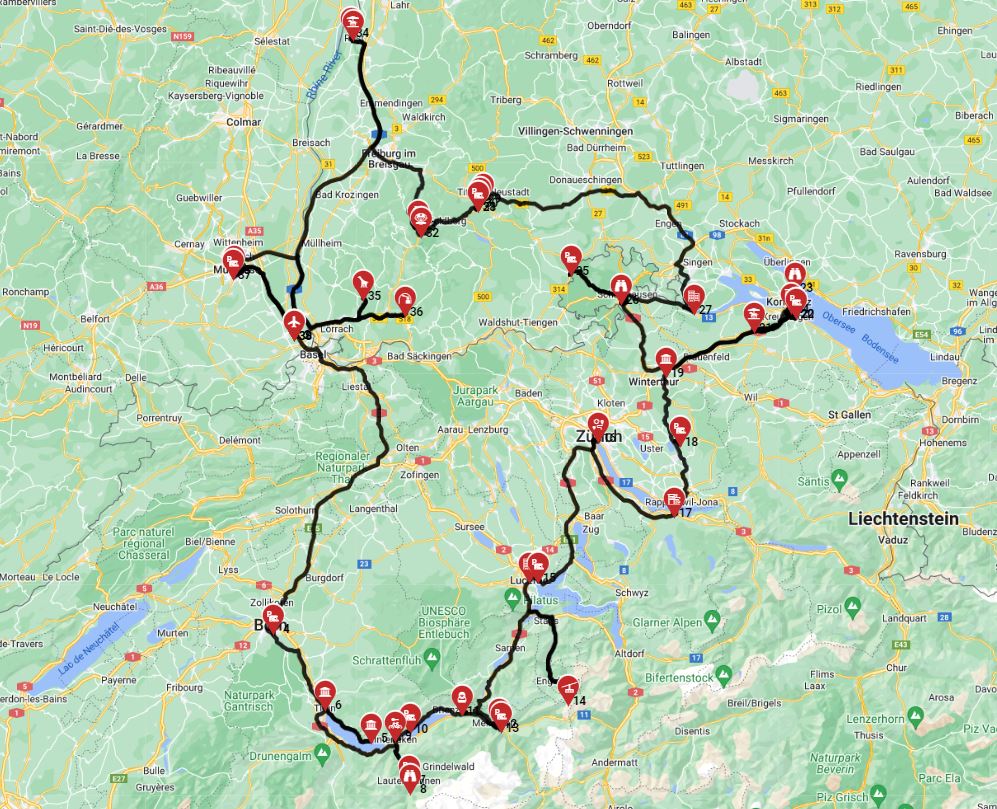
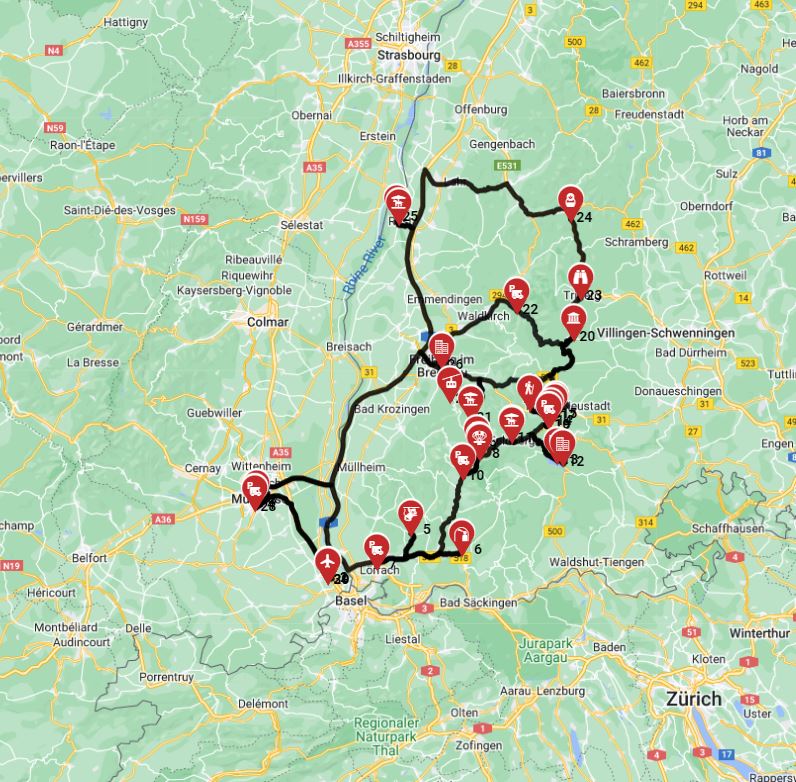
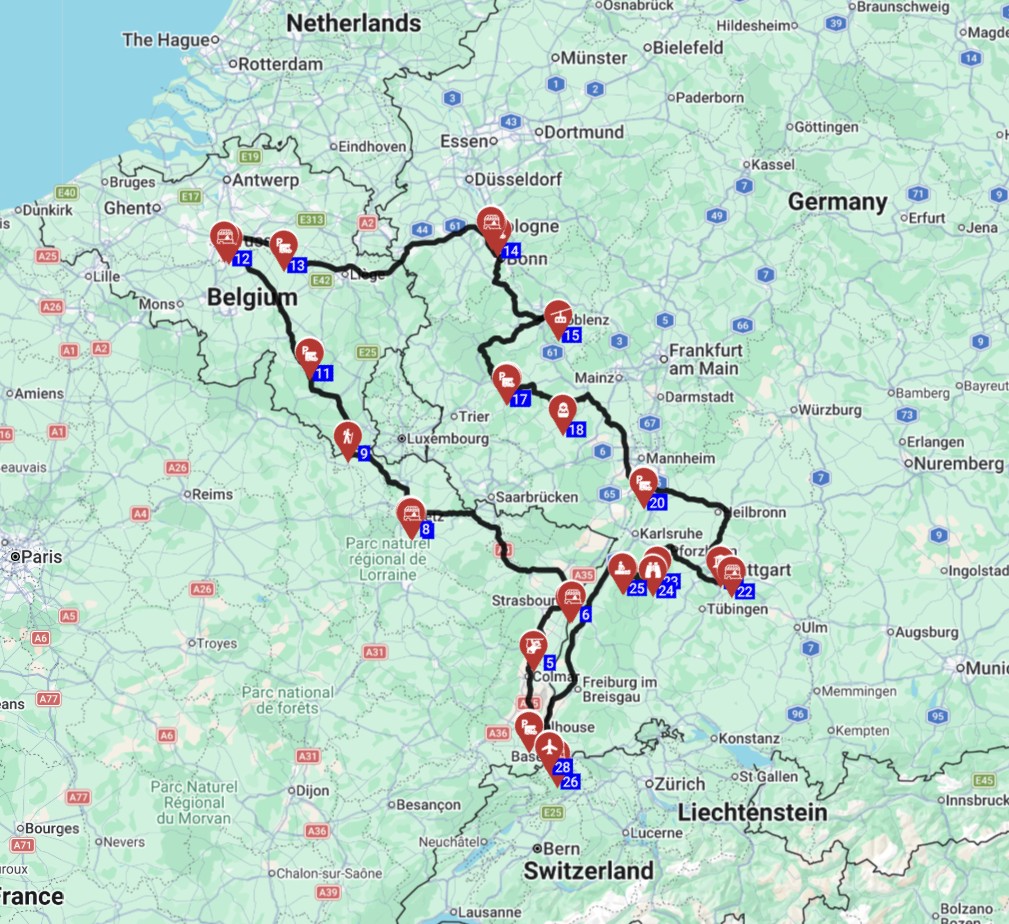
Tolls, vignette stickers, and city congestion charges are common hidden costs in West Europe that RVers must budget for, varying significantly by country and road. For instance, a single passage through the Mont Blanc Tunnel can cost over €60 for larger motorhomes. Campsite fees are another significant expense, ranging from basic pitches at €20-€40 per night to luxury resort hookups that can exceed €80-€100 per night, and should be factored into the overall trip budget. Fuel is a substantial ongoing cost for luxury RV travel; diesel and petrol prices vary widely across West Europe, often ranging from €1.70 to €2.20 per liter. For example, a larger Class A motorhome like the "MHLUX" with a 320-liter fuel tank will incur significant refueling costs on a long trip. Dump-station charges for grey and black water disposal may apply at some service points, usually €5-€15, and should be anticipated. For meticulous budget planning, keep in mind that RV PLANET routes allow travelers to itemize and track every expense along the way. We strive for full transparency in our pricing, ensuring that our customers are aware of potential additional costs. Some Bandana partners offer perks such as options to pre-purchase toll-road usage to avoid surprise fines, access to campground discount cards, and some RVs may include fuel discount cards, helping mitigate these hidden expenses; always inquire about these benefits at pickup. It's wise to allocate an extra 20-30% of your daily budget for these variable costs, ensuring a smooth and enjoyable luxury RV experience in West Europe.How to Save on Luxury RV Rental in West Europe
Booking your luxury RV rental during the shoulder or off-season (e.g., April, May, September, October) can lead to significant savings, often 15-30% compared to peak summer rates in West Europe. Another effective strategy is to pre-pay tolls or utilize specific toll passes offered by your rental company to potentially avoid higher on-the-spot charges or fines. Leveraging campground discount cards, which Bandana sometimes provides access to, can also reduce overnight accommodation expenses at various campsites, saving €5-€15 per night. Choosing a slightly smaller RV class, such as a compact Class C motorhome or a well-appointed campervan, that comfortably accommodates your group can lower both rental costs and fuel consumption. For example, a "Luxury Small" Class B campervan, with a 60-liter fuel tank and fuel consumption of 9-11 liters/100km, will be more economical than a larger "Euro Deluxe" with a 75-liter tank. Opting for longer rental durations often results in a more favorable daily rate, making extended week-long trips or two-week adventures more economical per day. Additionally, monitoring flex-rate drops is crucial, as prices can fluctuate daily, allowing savvy travelers to snatch better deals if booking with some flexibility in their travel dates. Our 24/7 support team is always available to help you compare final prices across suppliers, ensuring you find the easiest, safest, and most affordable way to rent an RV. For finding campsites and campgrounds during your trip, we recommend using RV PLANET (rvplan.net) - a great resource for locating available spots along your route. You can also explore our One-Way RV Driving in West Europe - Route Planner 2026 for cost-saving relocation options.How to Budget for a Luxury RV Trip in West Europe Beyond Rental Costs
To fully budget for a luxury RV trip in West Europe, you must factor in substantial fuel costs, as larger RVs consume more, with diesel prices varying significantly (e.g., €1.70/liter in Germany versus €2.00+/liter in France). For a Class C motorhome with a 75-liter fuel tank and 11-13 liters/100km fuel consumption, a 2,000 km trip could incur €250-€300 in fuel costs. Allocate funds for diverse food expenses, balancing supermarket groceries for preparing delicious meals in your RV's fully equipped kitchen with dining at local restaurants to experience regional culinary delights, budgeting approximately €50-€80 per day for food for a family of four. Plan for campsite fees, which vary from affordable basic pitches at €20-€40 per night to premium resort-style parks offering extensive amenities for €80-€100+ per night. Include a budget for attractions, tours, and cultural experiences, as these are integral to enjoying West Europe's rich offerings, estimating €30-€70 per person per day depending on interests. Always set aside an emergency fund, typically 10-15% of your total budget, for unexpected expenses, such as minor vehicle maintenance or unforeseen personal needs. Exploring our RV Travel Guide to West Europe - Tips and Top Spots 2026 can provide more detailed financial insights.What are Key Safety and Security Tips for RV Travel in West Europe?
Prioritize securing your luxury RV by always locking doors and windows, even when you are inside or just steps away, and using any additional security measures provided, such as alarm systems or wheel clamps. Always choose secure, reputable campsites or designated overnight parking areas, avoiding isolated spots that may be prone to theft or vandalism; established campgrounds often have 24/7 surveillance and secure gates. Keep all valuables out of sight, ideally stored in a safe or locked compartment within the RV, to deter opportunistic thieves. Familiarize yourself with local road safety regulations and driving etiquette for each country, as speed limits (e.g., 130 km/h on French motorways, 100 km/h in Germany for RVs over 3.5t) and right-of-way rules can differ significantly across West Europe. Drive slowly and carefully, and you can drive almost anywhere without issues. No need to stress - just use common sense and pay attention. Maintain a list of emergency contacts, including the universal European emergency number 112, your rental company's roadside assistance (which Bandana helps you secure), and your insurance provider. You can further enhance your peace of mind by opting for our top-level deductible reimbursement option. For more specific driving details, check out Driving an RV in West Europe - Complete Guide 2026.How to Navigate Health, Insurance, and Emergency Access for RVers in West Europe?
Navigating health and emergencies in West Europe requires securing comprehensive travel insurance that specifically covers RV travel, medical emergencies, and potential repatriation. While carrying your European Health Insurance Card (EHIC) or a suitable equivalent is essential to access state-provided healthcare in EU countries, this does not replace comprehensive travel insurance, which covers additional costs like emergency transport or extended hospital stays. Familiarize yourself with the universal European emergency number, 112, for immediate assistance across all EU member states, whether for police, ambulance, or fire services. Ensure you have clear instructions and contact details for your rental company's roadside assistance and emergency breakdown services, available 24/7 if needed. Keep accessible physical and digital copies of vital documents, including passports, rental agreements, insurance policies, and any relevant medical information (e.g., prescriptions or allergies) in multiple secure locations. Bandana RV supports you before, during, and after your booking, ensuring you have all necessary contacts and understanding of your coverage.What are the Best Connectivity and Technology Options for RV Travel in West Europe?
The best connectivity option for RV travel in West Europe is typically a local SIM card purchased upon arrival in your first country, offering affordable data and call packages that often include roaming across many EU countries under "Roam Like At Home" regulations. Utilizing robust navigation apps like Google Maps or Maps.me (for offline use) is essential to plan routes effectively and navigate unfamiliar roads, especially through charming but narrow village streets. While many campsites provide Wi-Fi, expect varying speeds and reliability; consider a portable Wi-Fi hotspot or a dedicated data plan for your devices to ensure consistent internet access on the go. Investing in a power inverter is highly recommended to keep all your devices charged using the RV's 12V battery power, allowing you to power laptops and other electronics. Download RV-specific planning tools for finding campsites, service points, and attractions tailored to motorhome travel, with RVPLAN.NET being an excellent resource for detailed route itineraries and points of interest.What are the Optimal Luxury RV Types for European Roads and Specific Gear Recommendations?
Optimal luxury RV types for navigating West European roads generally include Class B campervans or smaller Class C motorhomes, as their compact size (often under 7 meters in length and 2.3 meters wide) allows for easier access to narrow city streets, charming villages, and scenic routes without issues. While larger Class A-equivalent integrated RVs offer ultimate luxury with spacious interiors and amenities, they may face restrictions in certain historic centers or tight mountainous roads. When choosing a rented motorhome, prioritize models with efficient fuel consumption (e.g., 9-12 liters/100km for a Class B campervan like the "V2L" with a 75-liter fuel tank), which is crucial for covering long distances across Europe without excessive expenditure. Specific gear recommendations for West Europe include mandatory safety equipment for many countries, such as high-visibility vests (one per occupant) and warning triangles, along with European power adapters (Schuko CEE 7/4 socket type) for campsite hookups. Consider an RV with good insulation and robust heating systems for comfort, especially if traveling during shoulder or off-peak seasons. For instance, a "Category Van AT" (automatic transmission, ideal for a couple, RV size - Small) offers agility and ease of parking, while a "Comfort Luxury" (3 double beds, Class A - Integrated, RV size - Medium) provides a more expansive living experience. Bandana RV specialists can help guide you through the various vehicle classes, ensuring you select the perfect motorhome or campervan for your West European adventure, whether you're looking for a "hire campervan example Paradise S/T" or a larger "rent rv example E3".What are the Advantages and Disadvantages of Off-Season Luxury RV Travel in West Europe?
Off-season luxury RV travel in West Europe offers significant advantages, including substantially lower rental prices (up to 30% savings in months like April), fewer crowds at popular attractions (allowing for more intimate experiences), and greater campsite availability (reducing the need for advance booking). Travelers can enjoy a more relaxed pace, avoiding the bustling summer rush at iconic sites. Disadvantages can include shorter daylight hours, colder or unpredictable weather conditions (e.g., potential snow in Alpine regions like the Mont Blanc area), and the potential closure of some tourist services or attractions. Specific tips for off-season travel include focusing on regions with milder winters like Southern Spain or Portugal, ensuring your luxury RV has adequate heating and good insulation, and packing versatile layers for varying temperatures. Traveling outside of peak season allows for a deeper immersion into local culture, connecting with the people and places more authentically. Always confirm opening hours for attractions and road conditions before embarking on off-season routes. For example, our Week-Long RV Driving Tour in West Europe 2026 itineraries can be tailored to off-season travel.How Does Luxury RV Travel Compare to Other Modes of Transport in West Europe?
Luxury RV travel offers unparalleled flexibility and the convenience of a 'moving home,' which typically allows for spontaneous itinerary changes and direct access to remote natural beauty, unlike the fixed routes of train or flight travel. For example, with a rented motorhome, you can easily alter your plans to spend an extra day exploring a hidden village discovered along your journey through the French countryside. Compared to a car-and-hotel trip, RV travel can be more cost-effective for groups of 4-6 people or longer durations (e.g., a two-week adventure) by combining transport and accommodation, though initial rental and fuel costs are higher (a luxury Class C might consume 11-14 liters/100km). Train travel in West Europe is faster for city-to-city commutes (e.g., Paris to Berlin in under 8 hours) but lacks the freedom to explore rural areas or make impromptu stops, while an RV provides a comprehensive, immersive journey. The overall cost comparison depends heavily on trip duration, number of travelers, and individual preferences for spontaneity versus structured itineraries. Luxury RVs provide a unique blend of comfort, privacy, and adventure that other transport methods cannot fully replicate for multi-destination European exploration. Consider our RV Rental Europe - Complete Guide 2026 for a broader perspective.What are the Cultural Nuances and Etiquette for RVers in West Europe?
RV travelers in West Europe should be mindful of local noise regulations at campsites, especially during designated quiet hours (often 10 PM to 8 AM) or siesta periods in southern countries (typically 1 PM to 4 PM). Always offer a polite greeting in the local language (e.g., 'Bonjour' in France, 'Hola' in Spain, 'Guten Tag' in Germany) when interacting with locals or entering shops, as this simple gesture is highly valued and can open doors to warmer interactions. Respect local customs regarding dress codes, particularly when visiting religious sites or conservative rural areas; modest attire covering shoulders and knees is often appreciated. Adhere strictly to local waste disposal and recycling rules, which vary by municipality; littering is frowned upon and can result in fines of up to €100 or more. Embrace regional culinary experiences by visiting local markets for fresh ingredients (imagine cooking a traditional Italian pasta dish in your RV kitchen), trying traditional dishes at local eateries, and respecting meal times which can vary significantly across West Europe (e.g., dinner often starts later in Spain, around 9 PM-10 PM).How to Practice Sustainable RV Travel in West Europe
To practice sustainable RV travel in West Europe, always dispose of grey and black water at designated dump stations, which are widely available at campgrounds and some service areas, to protect local ecosystems and avoid fines. Minimize waste generation by reducing single-use plastics, carrying reusable bags for shopping (an average family of four can save 20-30 plastic bags per week), and diligently sorting recyclables according to local guidelines, which can be found at most campsites. Conserve water within your RV by taking shorter showers (a typical RV water tank holds 80-150 liters, so every drop counts) and turning off the tap while brushing teeth or washing dishes. Conserve electricity by turning off lights when not needed and unplugging electronics, especially if not connected to shore power. Choose eco-friendly campsites that prioritize sustainable practices, such as renewable energy use or water conservation efforts, often highlighted in campground directories on RVPLAN.NET. Adhere to 'Leave No Trace' principles: pack out everything you pack in, stay on designated roads and paths, and respect wildlife and natural habitats to preserve West Europe's beauty for everyone.What are the Considerations for Traveling with Pets in an RV in West Europe?
When traveling with pets in an RV in West Europe, ensure your animal has an up-to-date pet passport, microchip (ISO compliant), and all necessary vaccinations, especially rabies, administered at least 21 days before departure. Research country-specific regulations for pet entry and potential breed restrictions, as rules vary significantly between European nations; some countries have strict rules for certain dog breeds. Confirm pet-friendly policies and any associated fees with campsites and attractions in advance, as not all locations welcome animals (pet fees can range from €5-€15 per night at campgrounds). Plan for regular pet breaks during long drives (every 2-3 hours) to allow for exercise and potty breaks, and ensure adequate ventilation in the RV, especially on warmer days. Always keep your pet on a leash in public areas and diligently clean up after them to comply with local etiquette and regulations, carrying waste bags at all times.What You Shouldn't Miss
- Drive the Romantic Road in Germany: Traverse 400 km of picturesque villages, medieval castles, and charming towns like Rothenburg ob der Tauber.
- Explore the Loire Valley Châteaux in France: Discover magnificent castles and vineyards along the Loire River, many with RV-friendly parking nearby.
- Hike the Swiss Alps near Lauterbrunnen: Experience breathtaking mountain vistas, 72 waterfalls, and idyllic valleys, with numerous well-equipped campsites in the region.
- Indulge in Italian Food & Wine in Tuscany: Park your motorhome at an *agricampeggio* amidst rolling hills, savoring local wines and fresh produce.
- Visit the UNESCO Sites of Belgium and the Netherlands: Explore historic cities like Bruges and Amsterdam, utilizing efficient public transport from RV parks just outside city centers.
- Looking for expert insights from Avi Bandana? Top 5 Adventures - recommendations from Avi Bandana.
Final Thoughts
Embarking on a luxury RV adventure through West Europe is an incredible way to experience its diverse landscapes, rich history, and vibrant cultures. With the freedom of your own premium motorhome or campervan, you can craft a personalized journey that takes you from the bustling cities to tranquil countryside, all at your own pace. Remember to embrace slow travel, allowing yourself to truly immerse in each destination. From navigating picturesque backroads to savoring local cuisine cooked in your RV kitchen, every moment promises comfort and discovery. Our commitment to full transparency, 24/7 support, and expert guidance ensures that your luxury RV rental experience in West Europe will be seamless and unforgettable. Get inspired for your next trip and discover top destinations, planning tips, all in one place with Bandana RV! Ready to explore West Europe in style? Compare Luxury RV Rentals in West Europe to find your perfect vehicle and start planning an unforgettable journey today.On the routes offered through RV PLANET routes, you can itemize and track every expense along the way for easy budgeting.