In This Guide
- Can You Drive an RV in West Europe? License & Age Rules
- Road Conditions & Terrain in West Europe
- RV Size Limits, Bridges & Restricted Zones
- Fuel: Diesel vs. Petrol & Cost per 100 km
- Tolls, Vignettes & Border Rules
- Driving Tips for one way rv rental Travelers
- Recommended RV Class for West Europe Roads
- Should I Choose a Compact Van Instead of a Large RV in West Europe?
- Can I Park Anywhere? Free & Wild Camping Rules in West Europe
- Can I Drive an RV Into the City Center? Heights, Tunnels & Local Signage
- How Much Does a One Way RV Rental in West Europe Cost?
- What Legal Requirements and Regulations Apply to RVs in West Europe?
- What are the Practical Logistics and Challenges of RV Travel in West Europe?
- How Can I Immerse Myself in Local Culture While RVing in West Europe?
- What Safety and Security Measures Should I Take for RV Travel in West Europe?
- What Technology and Connectivity Options are Best for RVers in West Europe?
- What are the Benefits of Off-Season RV Travel in West Europe?
- Can I Travel with Family and Pets in a West Europe RV Rental?
- Top Cities for One-Way RV Rental in West Europe
Embarking on a one-way RV rental adventure through West Europe offers an unparalleled freedom to explore diverse landscapes, rich cultures, and historical treasures at your own pace. Imagine waking up to a different scenic vista each morning, from the dramatic coastlines of Portugal to the majestic peaks of the Swiss Alps, all from the comfort of your mobile home. At Bandana RV, we're passionate about helping you discover this incredible way to travel, providing full transparency and expert support every step of the way. For live availability and current prices, start with our RV Rental West Europe - Complete Guide 2026 guide.
Can You Drive an RV in West Europe? License & Age Rules
Yes, you can absolutely drive a rented RV in West Europe, and the licensing requirements are generally straightforward for most vacationers. A standard 'B' driving license, which is the common car license in most countries, typically allows you to operate RVs up to 3,500 kg (3.5 tonnes). This category covers the vast majority of campervans and smaller semi-integrated motorhomes, such as a compact 'rv rental denver example Category Van' or a popular 'Class B - Camper Van'. For larger motorhomes weighing between 3,500 kg and 7,500 kg, a 'C1' license is usually required; however, very few rental RVs fall into this heavier class for standard recreational travel. Most rental companies in West Europe set a minimum driver age of 21 years old, and importantly, Bandana RV has no young driver surcharges or vehicle class restrictions based on age, making RV travel accessible to younger adults. If you are a non-EU/EEA driver, carrying an International Driving Permit (IDP) alongside your national license is highly recommended, though not always mandatory, and offers extra peace of mind for navigating different language zones. Always confirm specific license requirements and age restrictions with your chosen rental provider to ensure a smooth trip.
Road Conditions & Terrain in West Europe
West Europe boasts an extensive network of generally well-maintained motorways and autobahns that facilitate efficient long-distance RV travel between major cities. Countries like Germany, France, and Italy offer excellent highway systems, which are perfect for covering ground with your rented motorhome. However, beyond these major arteries, roads can become considerably narrower, especially in rural areas, charming villages, and mountainous regions like the Alps and Pyrenees. Historic city centers frequently feature cobblestone streets, tight turns, and restricted access zones, requiring careful navigation for any size RV. A one-way RV rental is particularly well-suited for exploring these diverse terrains, encouraging scenic detours and a slower pace to fully appreciate varied landscapes, from the flat Dutch polders to the dramatic cliffs of the French Riviera. While generally excellent, road conditions can vary by country and region; therefore, planning your routes with your RV's dimensions in mind using an RV-specific GPS is always recommended to ensure a comfortable and enjoyable journey. Our commitment to full transparency means you'll always know what to expect on the road.
RV Size Limits, Bridges & Restricted Zones
RV drivers in West Europe must be vigilant for various infrastructure elements like low bridges, tunnels, and narrow underpasses, especially when venturing into older towns and villages. Always observe posted height and weight restrictions displayed on signage, as these can vary significantly and ignoring them can lead to serious issues. Environmental zones, known as Low Emission Zones (LEZ), Crit'Air in France, or Umweltplakette in Germany, are increasingly common in West European cities. These zones require specific emission stickers for vehicle entry, so research and obtain the necessary stickers in advance to avoid fines. For example, a 'Class II DKG' motorhome needs to comply with these local regulations. Ferry services, particularly for island destinations or cross-channel routes, typically impose length, height, and weight surcharges for RVs, necessitating pre-booking and adherence to vessel limits for a stress-free experience. Most standard rental RVs, generally up to approximately 7.5 meters in length and 3.2 meters in height, can navigate West Europe's infrastructure without significant issues, provided drivers remain aware of local signage and drive slowly and carefully. There's no need to stress about city driving; just use common sense and pay attention, and you can drive almost anywhere without issues. Always research specific route restrictions, especially for very large motorhomes, before traveling through sensitive areas.
Fuel: Diesel vs. Petrol & Cost per 100 km
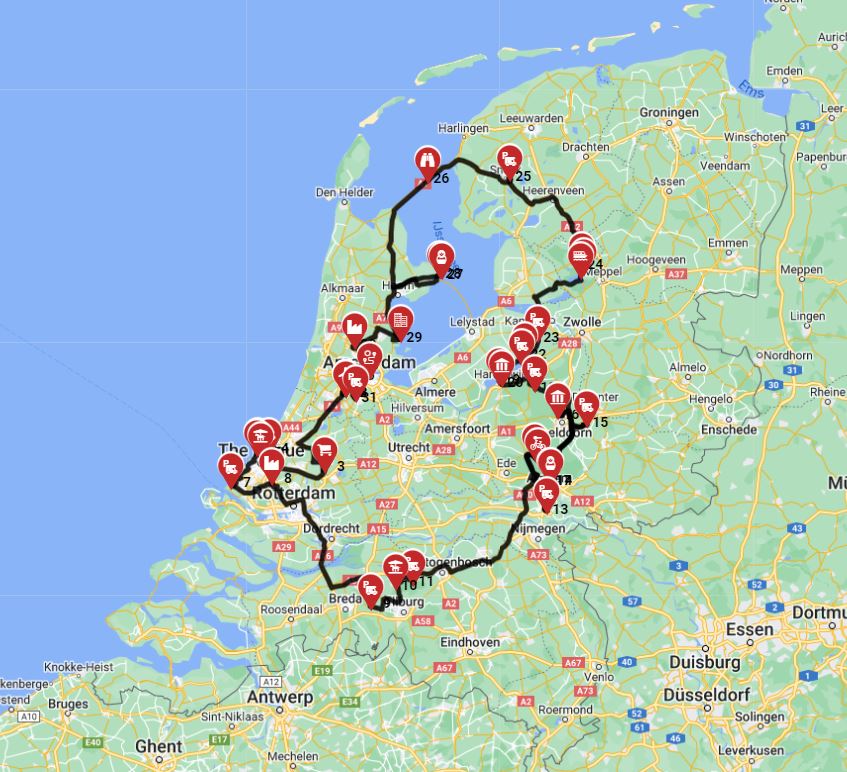
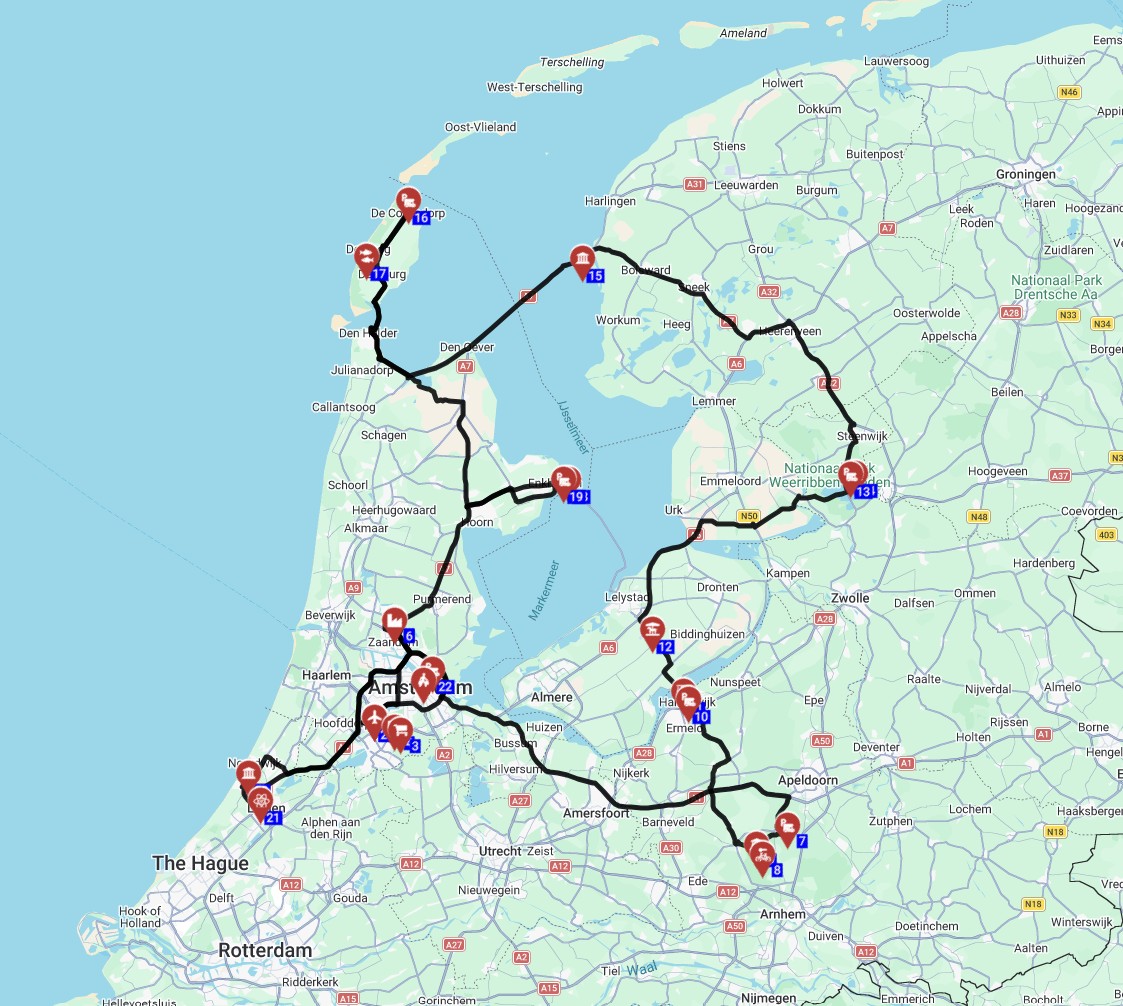
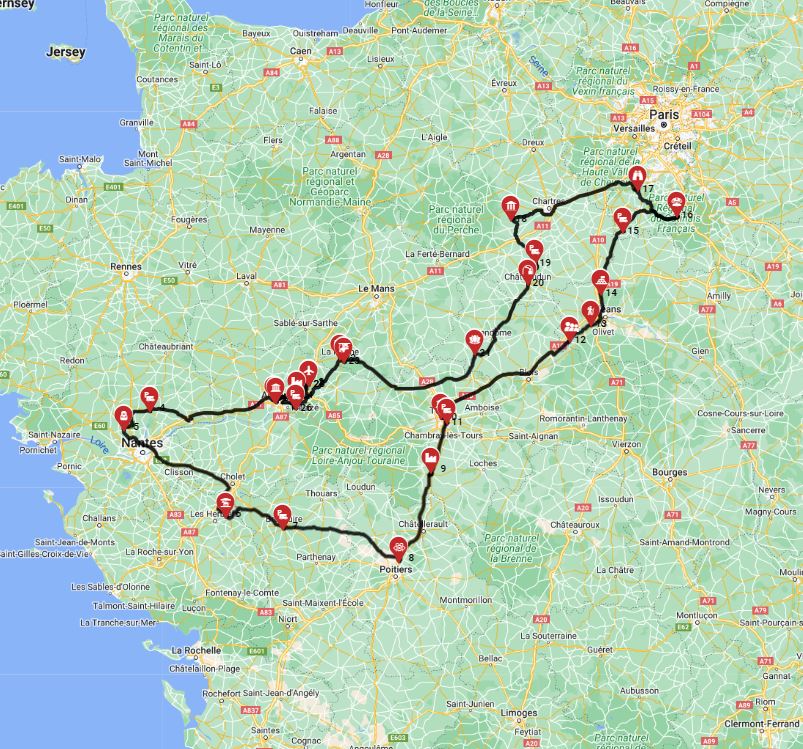
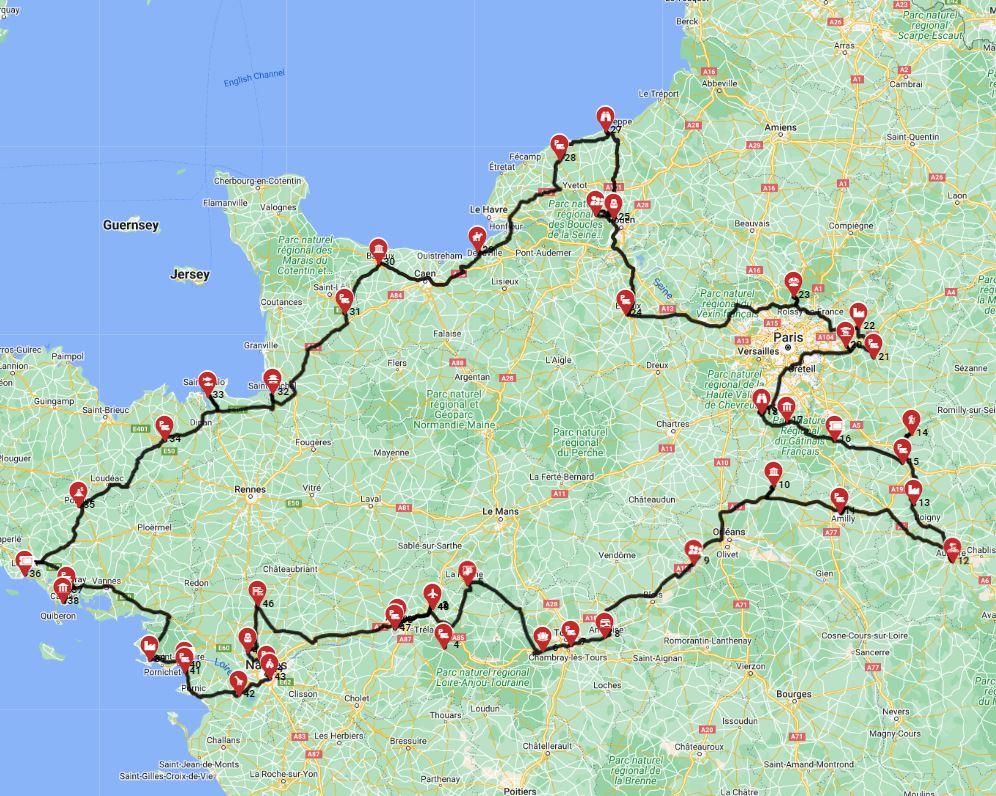
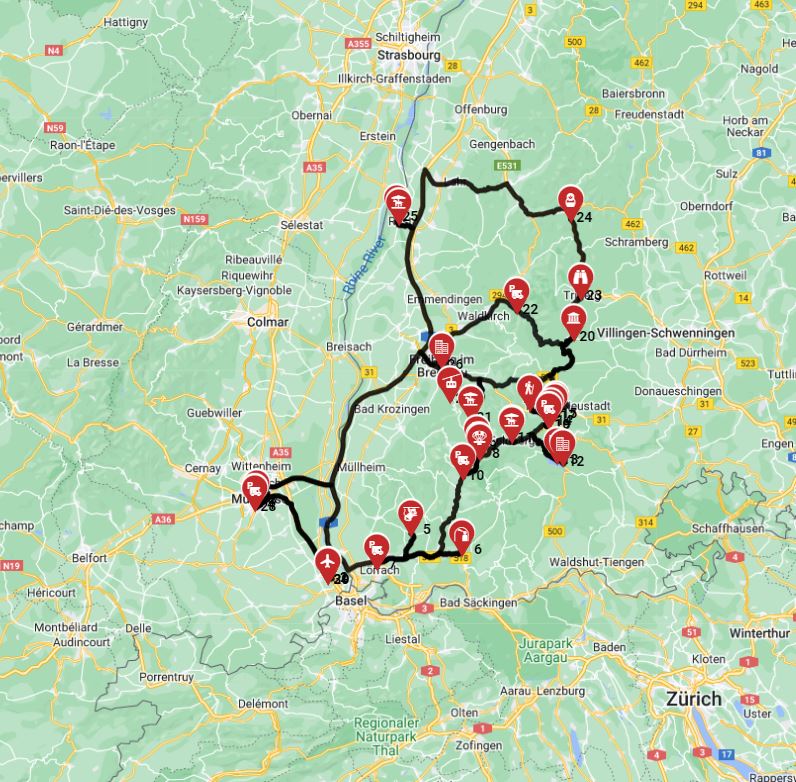
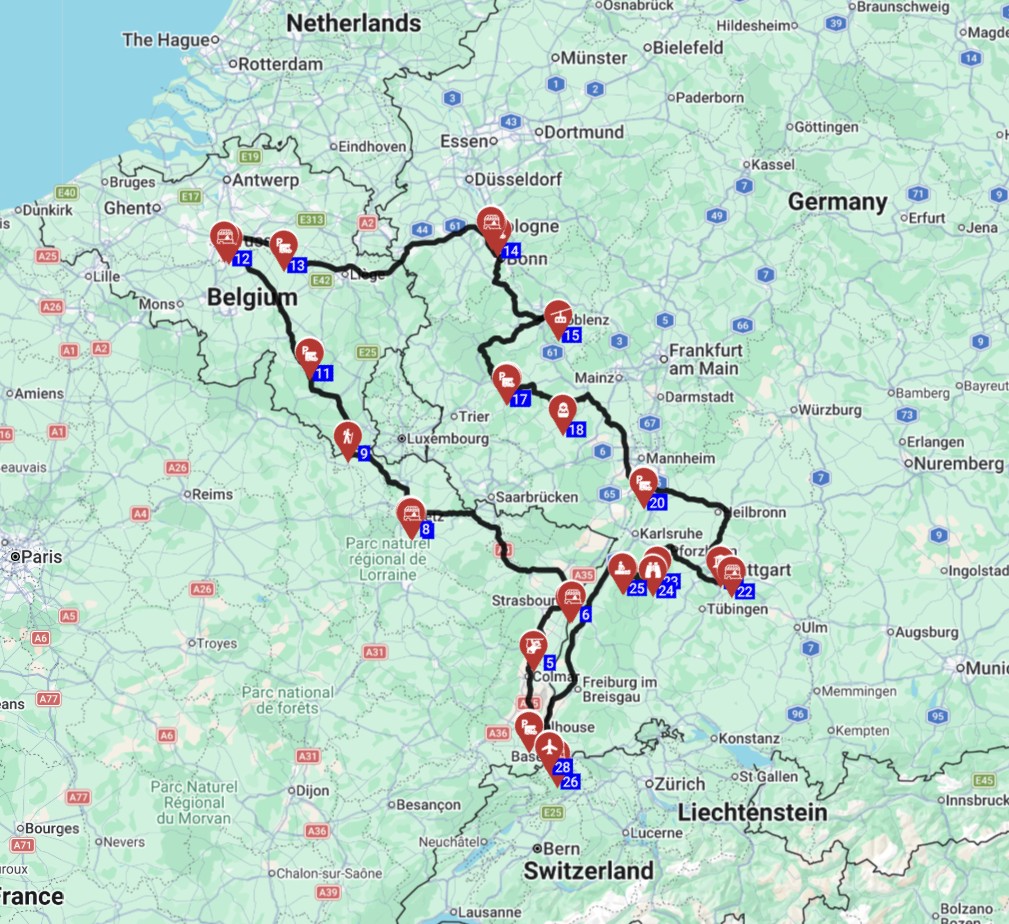
The vast majority of rental RVs in West Europe operate on diesel fuel, which is widely available at service stations across the region under names like 'Diesel' or 'Gazole'. It's crucial to always confirm the correct fuel type for your specific rented motorhome to avoid costly mistakes. Bandana's global fleet averages show that Class SI - Semi-integrated RVs, such as the '2 Berth Tamar', typically consume 10-11 Liters/100 km, while Class C - Alcove models, like a '4 Berth Henty', average 10-12 Liters/100 km. As of 2026, diesel prices in West Europe typically range from €1.70 to €2.00 per liter, though prices can fluctuate by country and region, so checking local prices is always a good idea. To estimate fuel costs, a semi-integrated RV traveling 100 km at an average of €1.80/liter would cost approximately €18-€19.80, making fuel a significant, but manageable, part of your budget. For budgeting ancillary trip costs like fuel, campground fees, and groceries, you can itemize and track every expense along the way using RV PLANET routes, ensuring full transparency in your travel expenses. Some rental motorhomes might also offer fuel discount cards or programs, which can provide savings over the course of a long one-way trip. On the routes offered through RV PLANET routes, you can itemize and track every expense along the way for easy budgeting.
Tolls, Vignettes & Border Rules
West Europe employs a varied system for road usage fees, requiring travelers to be aware of both distance-based tolls and time-based vignettes. Distance-based tolls are common in countries like France, Italy, Spain, and Portugal, where you typically pay per kilometer driven, often with electronic systems or toll booths. Time-based vignettes, which are mandatory stickers or digital passes, must be purchased for specific durations (e.g., 10 days, 1 month) and properly displayed or activated before entering certain countries such as Switzerland, Austria, and Slovenia. Toll costs for RVs are often higher than for standard cars due to their larger size and weight, typically falling into higher vehicle categories; for example, an Austrian vignette might cost approx. €10-€30 for 10 days. Cross-border travel within the Schengen Area of West Europe is generally seamless, with minimal or no physical border checks, requiring only passports or national ID cards for identification. This ease of movement makes one-way RV rentals particularly appealing, allowing you to pick up your mobile home in one country and drop it off in another with minimal hassle. Some Bandana RVs may offer the convenience of pre-purchased electronic toll passes or transponders, which can prevent fines and streamline travel through toll booths, aligning with our commitment to making your journey smooth and supportive.
Driving Tips for one way rv rental Travelers
Planning your itinerary with an RV-specific GPS or app that considers vehicle dimensions is crucial for avoiding unsuitable roads and restrictions common in West Europe, especially for your one-way RV rental. It ensures you don't encounter low bridges or narrow streets unexpectedly. Remember to drive slowly and carefully, and you can drive almost anywhere without issues; there's no need to stress - just use common sense and pay attention. Incorporating frequent stops every 2-3 hours, particularly when traveling with family or pets, allows for necessary rest, stretching, and appreciating the diverse West European landscape without rushing. Familiarize yourself with local road signs, speed limits (which can be different for RVs over 3.5 tonnes in France), and driving etiquette, as these can vary significantly between countries. For budget-conscious travelers, researching and pre-booking campsites, or utilizing electronic toll passes (if available with your rental), can save money and reduce stress. If your luxury RV, like a 'luxury rv rentals example Carthago Malibu 600', comes with an automatic transmission, utilize its ease of use for a more relaxed driving experience on West Europe's varied roads. When planning your journey, consider incorporating popular routes mentioned in "RV Travel Guide to West Europe - Tips and Top Spots 2026".
Recommended RV Class for West Europe Roads
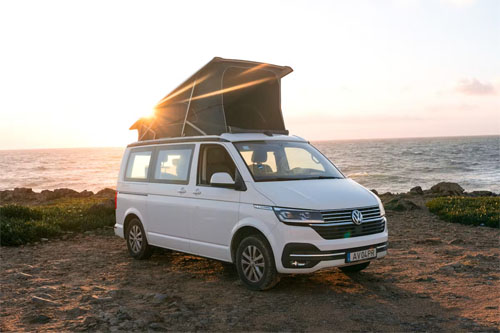
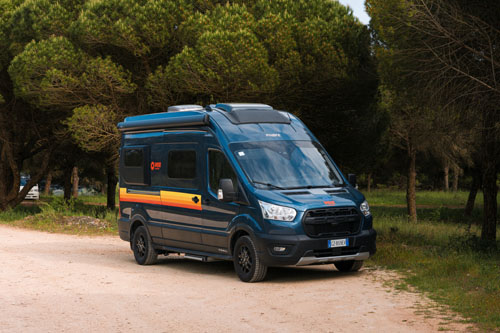
For navigating West Europe's diverse roads, Class B - Camper Vans and Class SI - Semi-integrated RVs are highly recommended due to their balanced size and excellent maneuverability. Class B Camper Vans, such as the 'Combi Van', with an average length of 5.8 meters, offer superb agility for tackling smaller towns, winding mountain passes, and easier parking, consuming an average of 8-10 Liters/100 km. Class SI - Semi-integrated RVs, like the 'Comfort Standard' motorhome, averaging 6.9 meters in length, provide a comfortable living space with an average of 3.8 sleeping places while remaining manageable for most West European roads, with an average fuel consumption of 10-11 Liters/100 km. These classes strike an optimal balance between sufficient indoor space for travel comfort and dimensions suitable for challenging urban or scenic routes, making them ideal for a one-way RV rental that might traverse varied landscapes. Bandana's global fleet data indicates these classes also have reasonable load capacities, with Semi-integrated RVs averaging 72.2 kg, suitable for typical traveler needs, ensuring a smooth and enjoyable journey without feeling oversized.
Should I Choose a Compact Van Instead of a Large RV in West Europe?
When considering a one-way RV rental in West Europe, the choice between a compact van and a larger motorhome depends entirely on your travel style and priorities, as there is generally no inherent issue driving any RV size. A compact van, such as a 'Category Van', offers genuine advantages in situations demanding extreme agility, like navigating very tight historic city centers, extremely narrow mountain passes, or finding street parking in densely populated urban areas, where its average length of 5 meters shines. However, a larger RV, such as a Class C - Alcove motorhome like the 'MIC' or a Class A - Integrated model like 'Class A - Thor ACE 30', offers significantly more living space, often includes a full bathroom and larger kitchen facilities, and provides greater storage, enhancing comfort for longer trips or families. The trade-off is clear: prioritize maneuverability and nimble access for intense city hopping with a campervan, or opt for the luxurious and self-sufficient experience of a larger motorhome, particularly when staying at campsites outside city centers. For family trips, a 6-berth 'Euro Deluxe' motorhome with its extensive amenities might be a perfect choice, despite its size. Ultimately, your selection should align with whether you value ultimate flexibility in tight spaces or enhanced comfort and amenities on your adventure. Remember, driving slowly and carefully allows you to navigate almost anywhere without issues.
Can I Park Anywhere? Free & Wild Camping Rules in West Europe
Wild camping or 'boondocking' in a rented RV is generally restricted or outright illegal in most of West Europe, especially within national parks, protected areas, and private land. These regulations are in place to protect sensitive natural environments, manage tourism impact, and ensure public safety, so it’s important to be aware. Many West European countries, including France and Spain, offer designated overnight parking spots specifically for RVs, known as 'aires de service' (France) or 'stellplätze' (Germany). These areas, numbering over 6,000 in France alone, often provide safe, frequently free or low-cost, authorized parking with essential services like water refill and waste disposal. Utilizing official campsites or designated RV parking areas is crucial for responsible travel; it allows access to proper waste disposal facilities for grey and black water and helps you avoid potential fines or conflicts with local authorities. While some countries outside West Europe, such as Scandinavia, have more permissive 'Right to Roam' laws, these generally apply to tents and not motorhomes, and respect for private property and local bylaws remains paramount. Rules vary significantly by region, so always check local regulations and follow local law before parking overnight. Using resources like RV PLANET (rvplan.net) can help you locate available spots and designated areas along your route for your one-way RV rental.
Can I Drive an RV Into the City Center? Heights, Tunnels & Local Signage
While generally possible to drive a rented RV into West European city centers, it requires significant attention to specific road signs and local regulations, as these areas are typically designed for smaller vehicles. Drivers must pay close attention to signs indicating height restrictions for tunnels and low bridges, which are common in historic urban areas, and observe weight limits on certain roads. Many West European cities, such as Berlin and Paris, operate environmental zones (e.g., LEZ, ZFE) that restrict high-emission vehicles; ensure your rental RV has the necessary sticker (like France's Crit'Air vignette) or plan routes to completely avoid these zones to prevent fines. City centers often feature narrow, one-way streets, pedestrianized areas, and parking restrictions (e.g., residents-only), making navigation and finding suitable parking challenging for any size RV. It is frequently advisable to park your motorhome at designated peripheral parking lots or campsites outside the city center and utilize West Europe's excellent public transport systems to explore urban attractions. Remember, drive slowly and carefully, and you can drive almost anywhere without issues. No need to stress - just use common sense and pay attention to signage.
How Much Does a One Way RV Rental in West Europe Cost?
The total cost of a one-way RV rental in West Europe includes several components: the base rental fee, a one-way surcharge, fuel, tolls/vignettes, campsite fees, insurance, and food, varying widely based on season and RV class. One-way rental fees typically range from €200 to €800, depending on the distance between pick-up and drop-off locations and current demand. For instance, a one-way rental from Paris to Rome would incur a different fee than a shorter route like Munich to Vienna. Fuel costs are a significant expense, with Bandana's RVs averaging 8-12 Liters/100 km, and diesel prices in 2026 typically between €1.70-€2.00 per liter. Tolls and vignettes also add to the budget, with an Austrian vignette costing approx. €10-€30 for 10 days, while Italian tolls can accumulate quickly on motorways. Campsite fees generally range from €20-€60 per night, depending on amenities and location, but self-catering in your rented camper can save €50-€100+ daily on food compared to dining out. For example, preparing meals with local ingredients purchased from markets using your RV's stove can be a delightful experience. Standard comprehensive insurance (CDW) is usually included, but optional excess reduction or specific coverages (e.g., tire/glass protection) can add to costs; you can upgrade to a top-level deductible for extra peace of mind. A realistic monthly budget for a one-way RV trip in West Europe, including all major expenses for a couple in a Class B campervan, can range from €2,500 to €5,000+, depending on RV size and travel style. Prices are dynamic like flight tickets, changing daily based on availability, seasonality, and supplier decisions, so the final price is set at the actual booking time. For more detailed pricing, explore "One-Way RV Rental in West Europe - Price Guide 2026" and "RV Rental in West Europe - Prices and Best Deals 2026".
What Legal Requirements and Regulations Apply to RVs in West Europe?
Drivers of rented RVs in West Europe must adhere to country-specific legal requirements, which are crucial for a hassle-free journey. This includes carrying mandatory equipment such as high-visibility vests, warning triangles, and often a first-aid kit and spare bulbs, depending on the country. Environmental zones (LEZ/ZFE) in many cities, like those in Germany (Umweltzonen) or France (Crit'Air), require specific emission stickers for legal entry, with non-compliance leading to fines typically from €68 to €135. Driving license requirements are strictly enforced; a standard 'B' license is sufficient for motorhomes up to 3,500 kg, covering most rental campervans and Class C models. Heavier vehicles (up to 7,500 kg) necessitate a 'C1' license, though these are less common for recreational rentals. For UK travelers post-Brexit, while UK licenses are generally accepted, carrying an International Driving Permit (IDP), the vehicle registration document (V5C or your rental agreement), and proof of insurance is highly recommended for added clarity. Adhering to the RV's stated load capacity, for example, a Class SI motorhome like a 'MH4-5 - SIF' averaging 72.2 kg, is crucial to avoid overloading, which is both illegal and unsafe. Our team at Bandana RV, as true RV specialists, is here to provide support before and after your booking, ensuring you have all the necessary information.
What are the Practical Logistics and Challenges of RV Travel in West Europe?
Navigating West Europe's often narrower roads and bustling city centers requires careful planning and driver awareness, especially for larger rented RVs like a '29′ Class C Motorhome'. While you can drive almost anywhere with care, finding appropriate parking for RVs can be challenging in urban areas, necessitating the use of designated RV parks or peripheral parking lots. Understanding and utilizing the varying waste disposal systems for grey water (from sinks/showers) and black water (from toilets) is crucial, with facilities typically found at campsites or 'aires de service' across the region. Most RVs in West Europe run on diesel fuel, requiring familiarity with fuel pump labels like 'Gazole' or 'Diesel' to ensure you select the correct type. Campsite amenity standards vary widely, from basic pitches with electricity to full-service resorts; researching facilities beforehand is key to matching expectations and enjoying your trip. Managing recycling rules, which differ significantly by country and municipality, is another logistical consideration for responsible RV travelers. Remember to travel slowly, aiming for a maximum of 100-150 km per day on average, to truly feel the place, connect to the culture, the food, and the scenery. Our Rent&Plan service can provide pre-planned routes by professionals, easing many of these logistical considerations, and by using rvplan.net for planning, you can get a 25% planning discount.
How Can I Immerse Myself in Local Culture While RVing in West Europe?
To genuinely connect with local culture while on your one-way RV rental adventure in West Europe, prioritize visiting local markets, smaller towns, and less-trafficked regions over major tourist traps. This approach allows for authentic interactions and discoveries beyond the usual crowds. Learning a few basic phrases in the local language, such as greetings and 'thank you,' can significantly enhance interactions and show respect for local communities, often opening doors to warmer welcomes. Observe and adapt to local customs and etiquette, including meal times (like the Spanish siesta), social greetings, and respectful attire when visiting religious or historical sites. Engage with local communities by attending regional festivals, trying local eateries recommended by locals, and asking for recommendations from friendly campsite hosts or shopkeepers. Utilize your rented RV's kitchen to cook with fresh, local ingredients purchased from markets, offering an authentic taste of the region's culinary traditions. For fresh meal ideas on the go, check out our RV-friendly recipes playlist. This slow travel approach, covering a maximum of 100-150 km per day, allows ample time to feel the place, connect to the culture, the food, and the scenery, making your trip truly unforgettable.
What Safety and Security Measures Should I Take for RV Travel in West Europe?
Ensuring the security of your rented RV against theft is paramount when traveling through West Europe; always lock all doors and windows, even when inside, and consider additional locks or alarms provided with your chosen motorhome. Keep valuables such as passports, money, and electronics out of sight or secured in a hidden safe or pouch, especially when leaving the vehicle unattended at a public parking spot. When parking overnight, choose well-lit, designated RV parks or busy areas, avoiding isolated or suspicious locations, and always call ahead to check availability if possible. Familiarize yourself with the universal European emergency number (112) and keep contact details for your rental company's road assistance handy for any unforeseen incidents. Practice general personal safety awareness, especially in crowded tourist areas, and be mindful of your surroundings to prevent petty crime. Investing in a top-level deductible reimbursement, an optional upgrade you can purchase, provides extra financial peace of mind for damages or theft, reflecting Bandana RV's supportive approach to your travel journey.
What Technology and Connectivity Options are Best for RVers in West Europe?
For RVers exploring West Europe, utilizing RV-specific navigation apps such as Campercontact or Park4Night, or GPS devices that allow input of vehicle dimensions (height, length, weight), is the best way to avoid unsuitable roads and restrictions. These tools are indispensable for any one-way RV rental. For reliable mobile data across multiple West European countries, purchasing local SIM cards or using eSIMs is a cost-effective and highly recommended solution for staying connected. Consider a portable Wi-Fi hotspot for consistent internet access, as campsite Wi-Fi can often be unreliable, slow, or incur additional charges, especially in more remote areas. Effectively managing your rented RV's power for charging devices is crucial; utilize campsite hook-ups when available, and carry power banks or solar chargers for backup charging on the go. Additionally, downloading offline maps for your navigation apps is a smart move, particularly when traveling through remote areas with potentially limited mobile signal, ensuring you're never lost. For a comprehensive overview of planning your trip and connectivity, consult our "RV Travel Guide to West Europe - Tips and Top Spots 2026".
What are the Benefits of Off-Season RV Travel in West Europe?
Traveling during the off-season or shoulder season (spring from April to June, and autumn from September to October) for a West Europe RV rental offers significant benefits, primarily substantial cost savings on both rental rates and campsite fees. For example, daily rates for a Class B motorhome can be up to 30% lower in April compared to July. You'll also enjoy popular attractions, historical sites, and natural landscapes with considerably fewer crowds, providing a more authentic and relaxed experience, whether you're exploring the Louvre or a quiet village. Specific destinations, like the Mediterranean coast in Portugal or Spain, often shine in the shoulder seasons with pleasant temperatures (e.g., 20-25°C) and vibrant local life without the intense summer heat. Service availability generally remains good in shoulder seasons, with many campsites and businesses still open, often offering more personalized attention due to fewer tourists. You'll also experience milder weather conditions in spring and autumn, which are ideal for hiking and outdoor activities, or enjoy festive winter markets without peak season congestion. For specific cost breakdowns, you might want to look into "Weekly RV Rental in West Europe - Pricing 2026" or "Luxury RV Rental in West Europe - Premium Prices 2026".
Can I Travel with Family and Pets in a West Europe RV Rental?
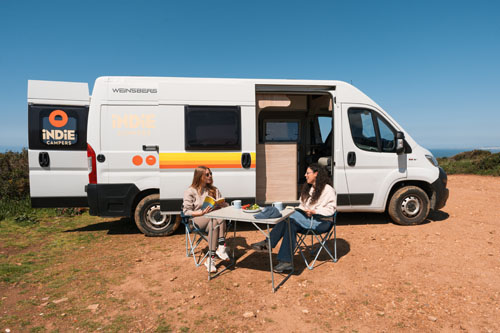
Yes, traveling with family and pets in a rented West Europe RV is a wonderful way to explore, and many RV rental companies accommodate pets for an additional cleaning fee, typically ranging from €50-€150. Always confirm their specific pet policy and any breed restrictions beforehand, as some suppliers may have limitations. Traveling with pets requires adherence to cross-border rules, including up-to-date vaccinations, microchipping, and a valid pet passport or animal health certificate, which are essential for seamless transitions between countries. When planning your route with a 'Category Family 5' motorhome, research pet-friendly campsites and attractions that explicitly welcome animals and may offer amenities like dog parks or specific walking areas. For families, planning kid-friendly campgrounds with playgrounds, pools, or entertainment programs can significantly enhance the travel experience for children. It’s also wise to locate veterinary clinics along your planned route for peace of mind in case of pet emergencies or routine check-ups. Finally, pack suitable entertainment and comfort items for children and pets to ensure a smooth and enjoyable journey during travel days, making the most of your mobile home experience.
Top Cities for One-Way RV Rental in West Europe
West Europe offers a fantastic array of cities perfect for starting or ending a one-way RV rental adventure, allowing you to craft diverse itineraries. Here are some top picks:
- Paris, France: The City of Light is an iconic starting point, offering easy access to French chateaux, the Normandy coast, or a journey south towards the Mediterranean.
- Berlin, Germany: Rich in history and vibrant culture, Berlin provides a gateway to exploring the German countryside, the Baltic Sea, or connecting to Eastern European routes.
- Amsterdam, Netherlands: With its picturesque canals and welcoming atmosphere, Amsterdam is ideal for picking up a campervan to explore the Low Countries, Belgium, or even head towards the Rhine Valley.
- Rome, Italy: The Eternal City is an incredible place to begin an RV trip through Italy's diverse regions, from Tuscany's rolling hills to the Amalfi Coast, or further into Southern Europe.
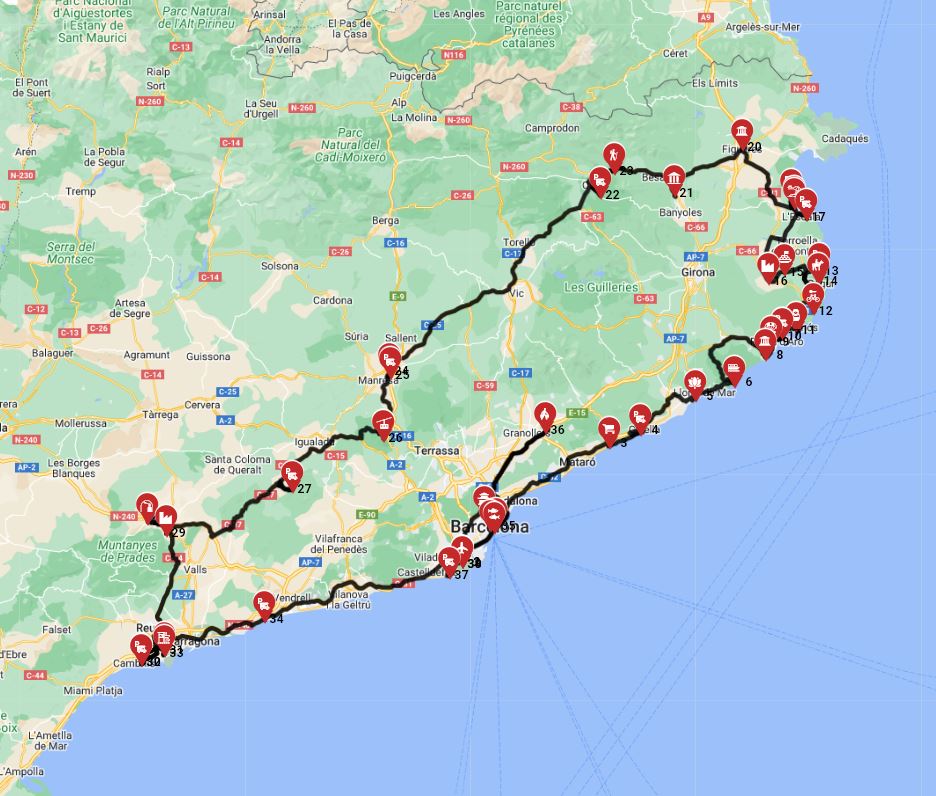
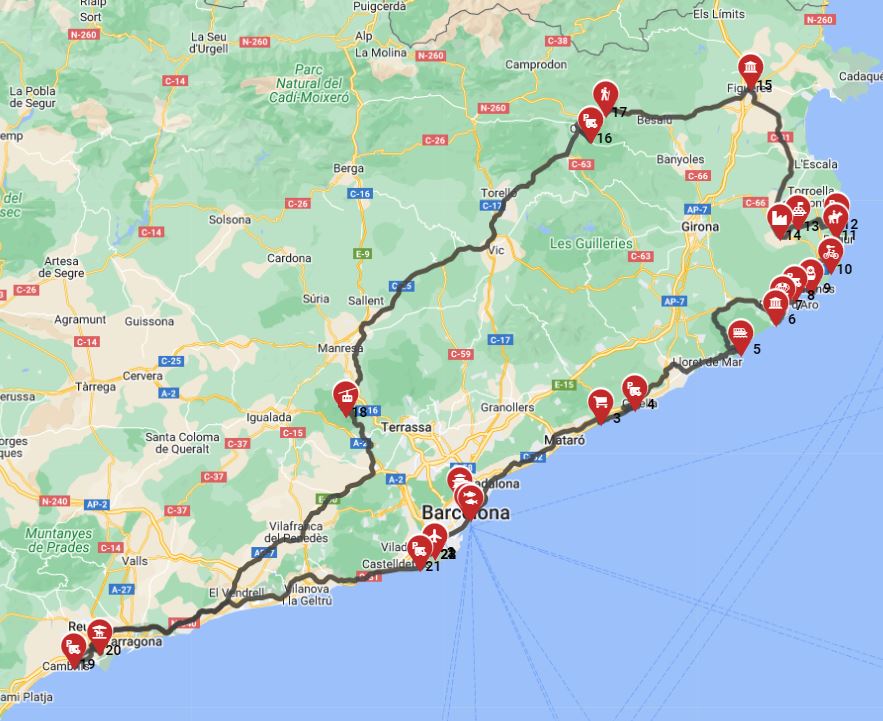
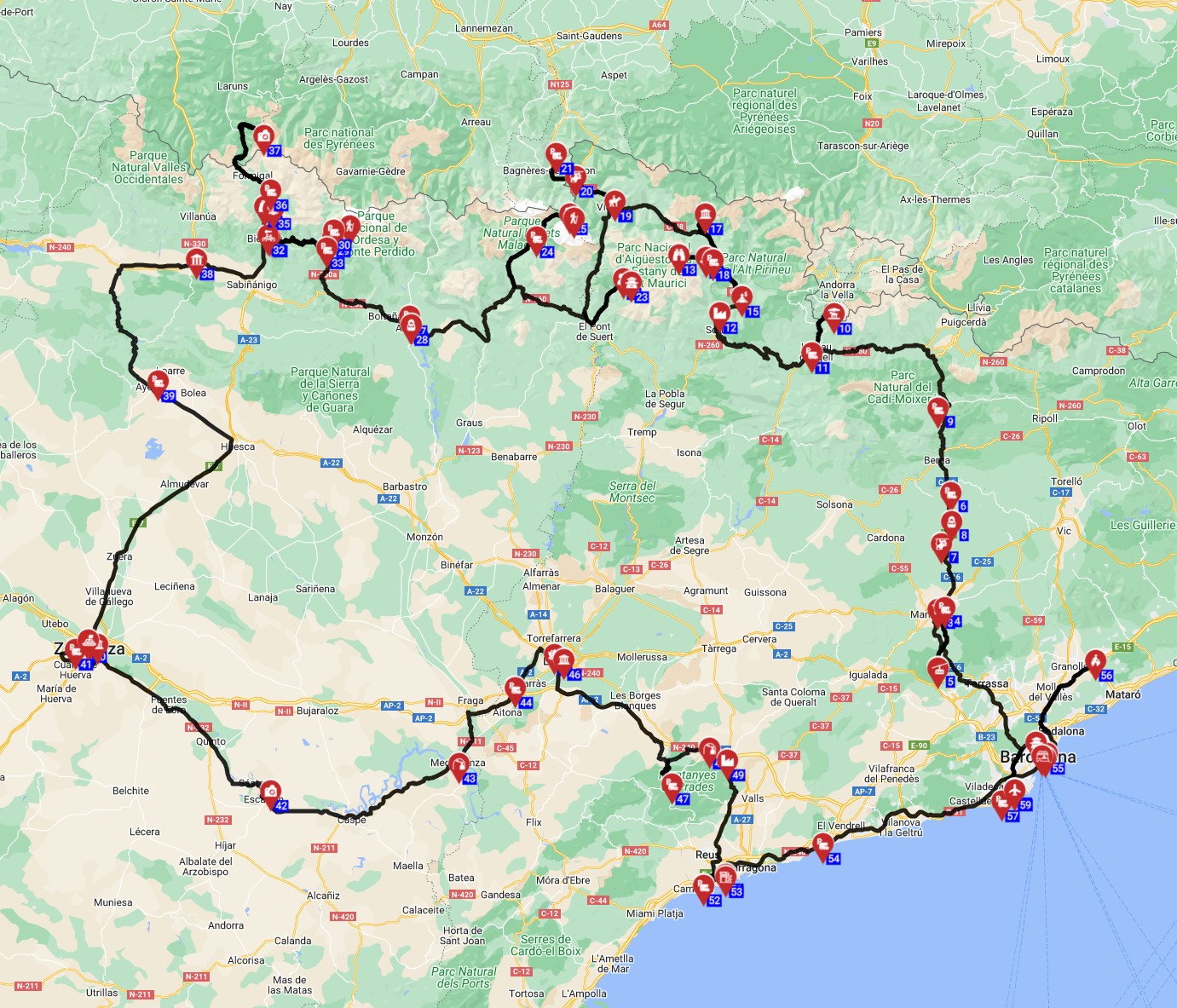
- Barcelona, Spain: Blending vibrant city life with stunning beaches, Barcelona is a prime location for exploring Catalonia, the Spanish coast, or embarking on a longer route through the Iberian Peninsula.
- Vienna, Austria: This imperial city offers excellent connectivity to the Alps, the Danube River, and neighboring Central European countries, perfect for a scenic one-way journey.
- Brussels, Belgium: As the heart of Europe, Brussels is a convenient hub for short trips to charming Belgian towns or for venturing into France, Germany, or the Netherlands.
- Munich, Germany: Known for its Bavarian charm and proximity to the Alps, Munich is a great starting point for exploring southern Germany, Austria, and Switzerland with your rental motorhome.
Choosing any of these cities as your pick-up or drop-off location for a one-way RV rental opens up a world of possibilities, allowing you to tailor your journey to your dreams. You'll find a range of campervans and motorhomes, from a compact 'Active Pop Top' perfect for couples, to a spacious '6 Berth Discovery' for larger families, available through our direct partnerships with 50+ leading RV suppliers worldwide.
🎬 Video coming soon
What You Shouldn't Miss
- **Alsace Wine Route, France:** Drive through charming villages like Riquewihr and Colmar, tasting local wines and admiring half-timbered houses along this 170 km route in your rented campervan.
- **The Romantic Road, Germany:** Explore medieval towns and castles, including the iconic Neuschwanstein Castle, on this 350 km themed route, perfect for a slow travel pace of 100-150 km/day.
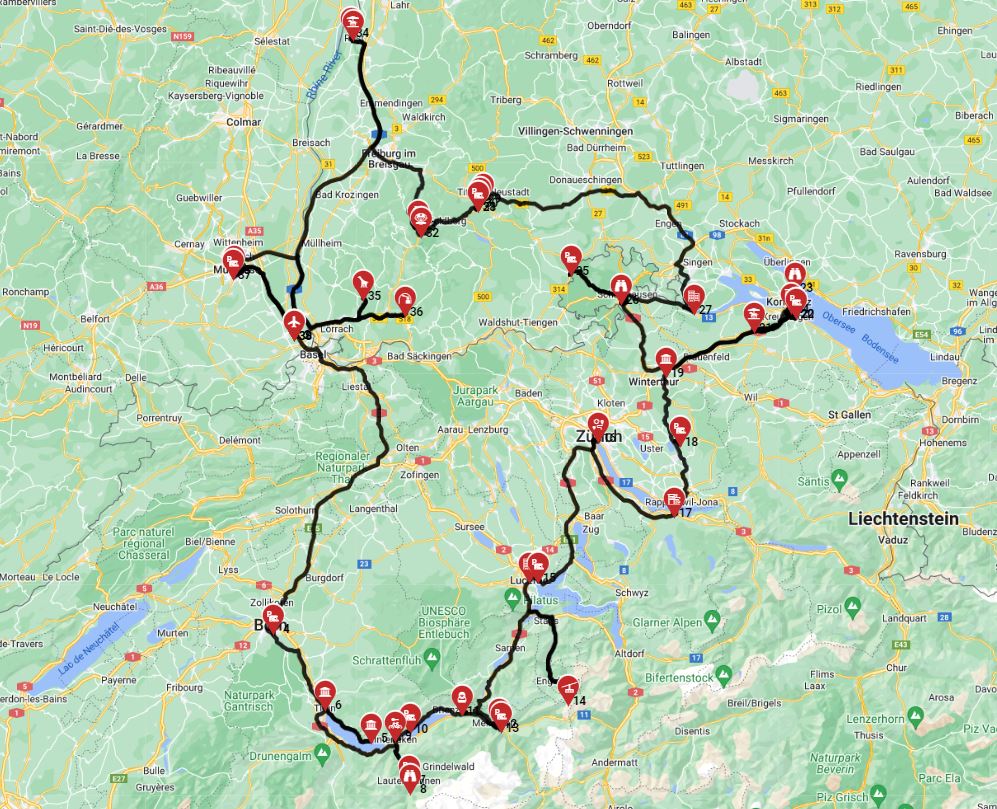
- **Swiss Alpine Passes:** Challenge your driving skills on scenic routes like the Grimsel Pass, offering breathtaking mountain vistas and opportunities for hiking (check RV suitability for steep climbs and narrow sections).
- **Tuscan Hill Towns, Italy:** Wander through the ancient streets of Siena, Florence, and San Gimignano, savoring local food and wine, easily accessible with your motorhome parked at nearby campsites.
- **Belgian Beer & Chocolate Trail:** Discover the culinary delights of Brussels, Bruges, and Ghent, sampling world-famous beers and artisan chocolates.
- **Côte d'Azur, France:** Cruise the glamorous French Riviera, stopping at Cannes, Nice, and Monaco, with stunning coastal views from your rented RV.
Looking for expert insights from Avi Bandana? Top 5 Adventures - recommendations from Avi Bandana.
Final Thoughts
A one-way RV rental in West Europe is more than just a trip; it's an invitation to a flexible, immersive adventure where every day brings a new horizon. From navigating the historic roads of Germany to savoring the culinary delights of Italy, your rented motorhome becomes your personal gateway to discovery. Remember, planning is key, but so is embracing spontaneity-West Europe is full of hidden gems waiting to be found just off the beaten path.
At Bandana RV, we're here to ensure your journey is as smooth and joyful as possible, with unmatched expertise, transparent pricing, and unwavering support. We handle the details so you can truly live the journey, creating memories that will last a lifetime.
So, why wait? Start dreaming up your perfect itinerary and let us help you hit the road. Discover top destinations and planning tips, all in one place, or compare one-way motorhome prices for West Europe now.