In This Guide
- What rv rental RV Rental Costs in West Europe (2026)
- Seasonal Pricing — Peak vs. Shoulder vs. Off-Season in West Europe
- What's Included vs. What's an Add-On
- Hidden Costs to Budget For in West Europe
- How to Save on rv rental RV Rental in West Europe
- What is the average cost of an RV rental in Europe?
- How much does it cost to rent a campervan in Europe for a month?
- Is it cheaper to rent an RV in Europe or USA?
- Is it worth renting an RV in Europe?
- Can you wild camp in Europe?
- How much does it cost to dump an RV in Europe?
- What is the cheapest way to travel Europe in an RV?
- Top Cities for RV Rental in West Europe
- Driving a Motorhome in West Europe: Essential Road Rules & Tips
- Connectivity and Emergency Information
- What You Shouldn't Miss
What rv rental RV Rental Costs in West Europe (2026)
April is typically the cheapest month for RV rental in West Europe, offering the best value outside of peak season with potential savings of 15-20% on daily rates. Understanding the exact costs requires checking live availability, as prices fluctuate based on demand, vehicle class, and rental duration. For live availability and current prices, start with our RV Rental West Europe - Complete Guide 2026 guide, which provides a comprehensive overview to help you plan your journey. Below is a general overview of potential rental costs for various RV classes and durations, but these are dynamic estimates:
Live April Price Comparison — RV Class × Trip Length
| Trip length | Class A | Class B | Class C | Class SI | Class TC |
|---|---|---|---|---|---|
| 1 week 15/04 → 22/04 | Check prices | 881.60 € EUR | 885.03 € EUR | 1,016.00 € EUR | Check prices |
| 2 weeks 15/04 → 29/04 | Check prices | 1,548.00 € EUR | 1,368.10 € EUR | 1,800.00 € EUR | Check prices |
| 1 month 01/04 → 30/04 | Check prices | 2,976.00 € EUR | 2,265.08 € EUR | 3,480.00 € EUR | Check prices |
Estimates only — flex-rate prices change daily based on availability and season.
Prices are flex-rate and change daily based on availability and demand. For the most accurate and up-to-date pricing for your specific dates and desired RV, always check live prices via the search box at the top of the page. Remember, Bandana RV offers full transparency with no hidden fees, so what you see is what you get.
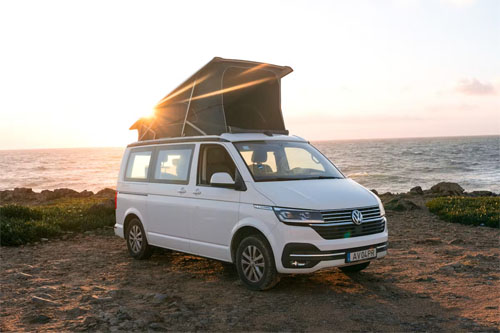
When considering your budget, remember that Class B campervans, like the `rv rental denver example Category Van` which is ideal for a couple and includes a shower and toilet, will generally have lower daily rates compared to larger Class C motorhomes such as the `rv rentals example Comfort Class` designed for a family of 2+2 with 3 double beds.
Seasonal Pricing — Peak vs. Shoulder vs. Off-Season in West Europe
Seasonal variations dramatically impact RV rental costs in West Europe, with peak season (July and August) seeing the highest demand and therefore the highest rental prices, which can change significantly day-to-day. Booking your RV well in advance is crucial during these months if you want to secure a preferred campervan or motorhome. For instance, a Class B campervan rental in August could be 30-50% more expensive than the same model in May. Destinations are often crowded, requiring early campsite reservations, especially in popular areas like the French Riviera or Swiss Alps.
Shoulder seasons, including May-June and September-October, present an excellent balance for RV travelers. The weather is generally pleasant, tourist crowds are thinner, and rental prices are considerably lower than peak season, offering a more relaxed travel experience and savings of up to 25% on daily rates. This period is ideal for exploring without the intense heat or the winter chill, allowing for more spontaneous stops.
Off-season, from November to March, generally offers the lowest rental rates and plenty of availability, though some campsites and attractions may have reduced hours or be closed. While the weather can be colder and wetter, it's perfect for those seeking quiet destinations, winter sports adventures, or specific cultural events without the tourist rush. April, as mentioned, often marks the very end of the low season, presenting great value for budget-conscious explorers.
What's Included vs. What's an Add-On
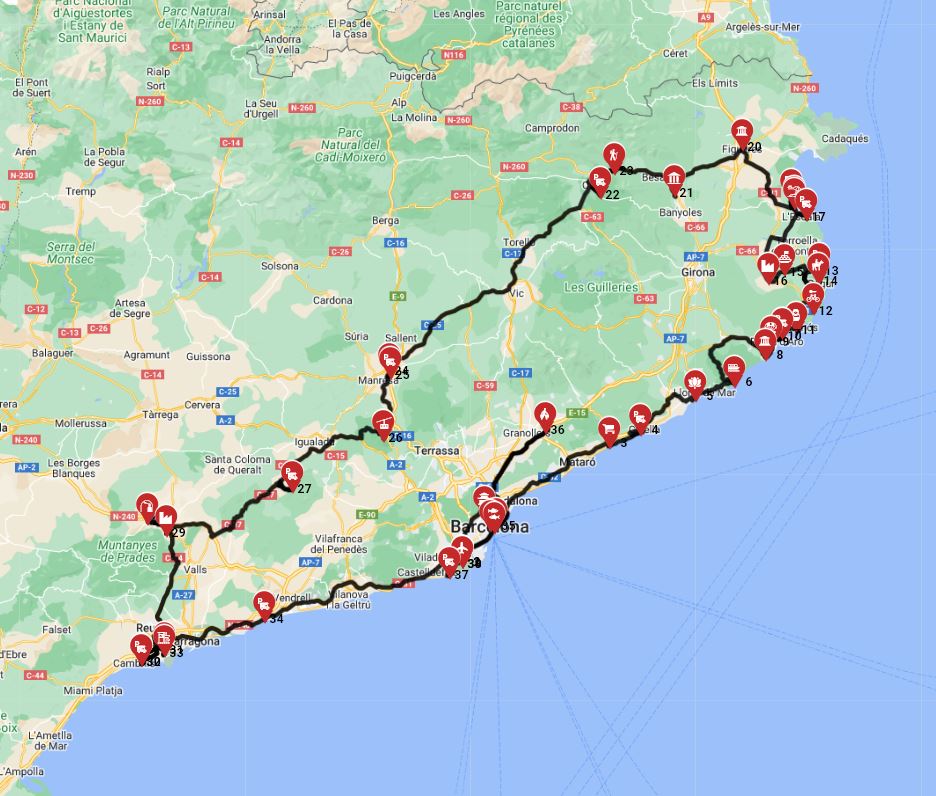
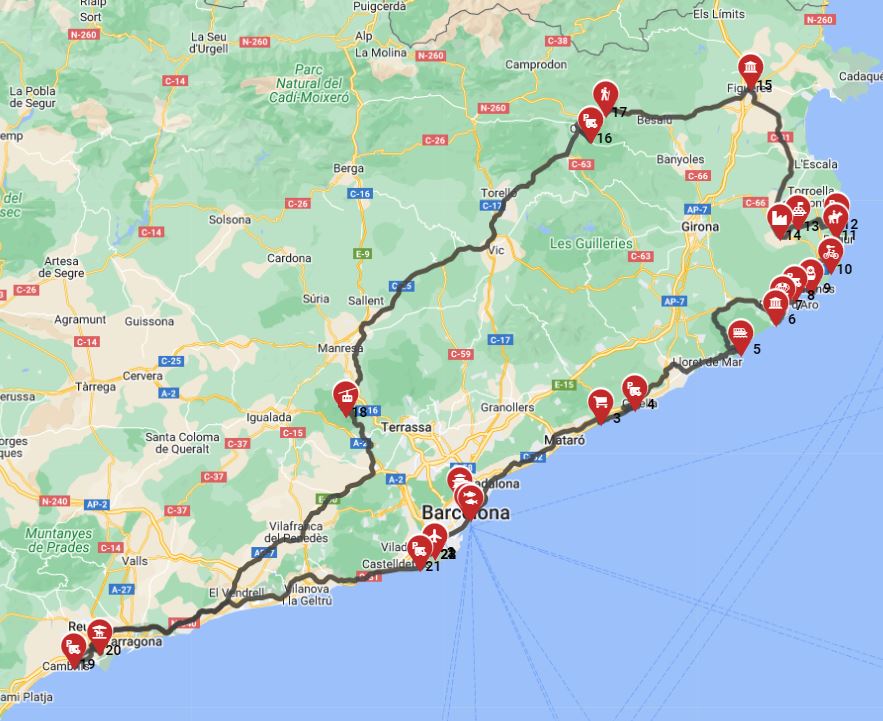
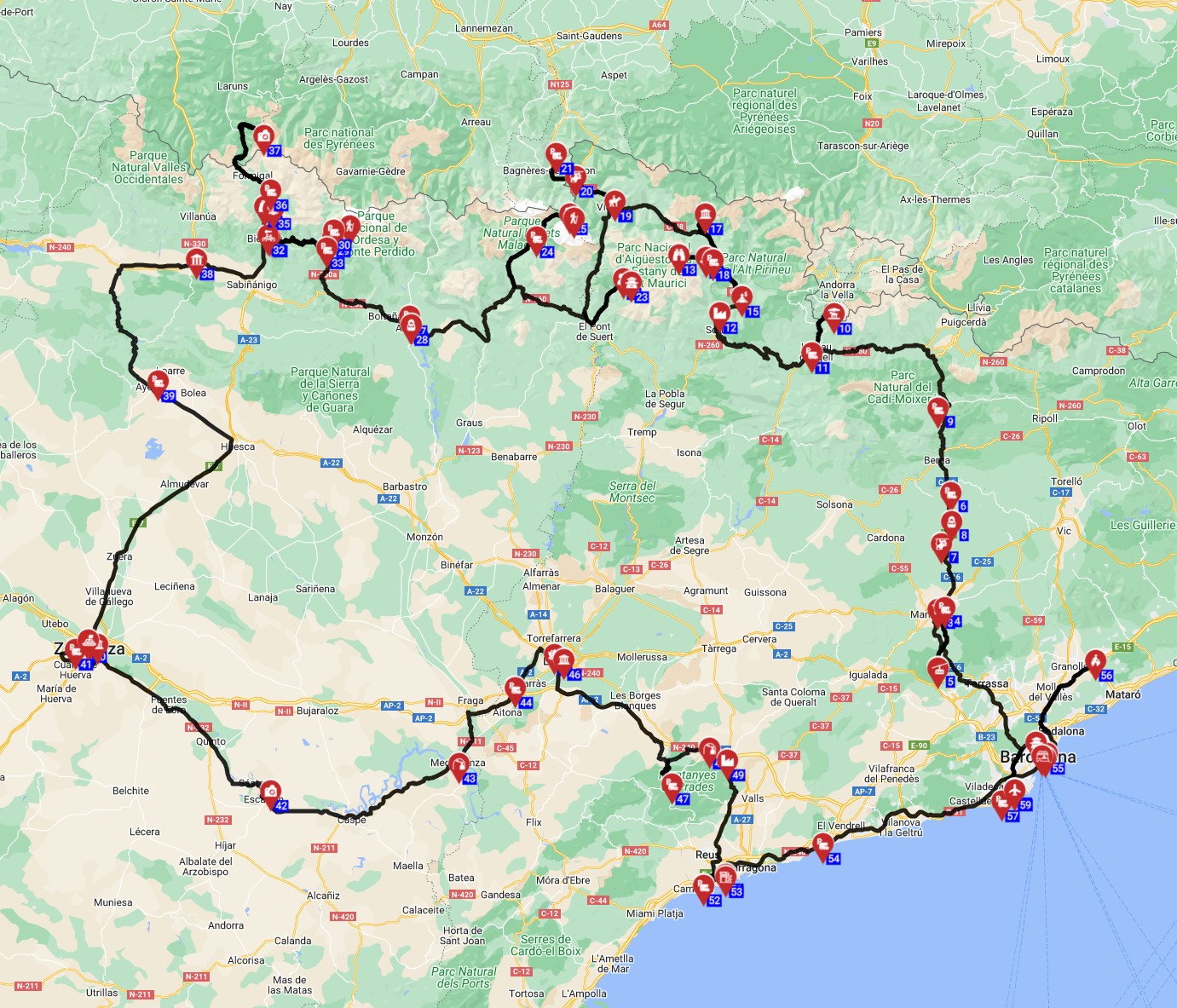
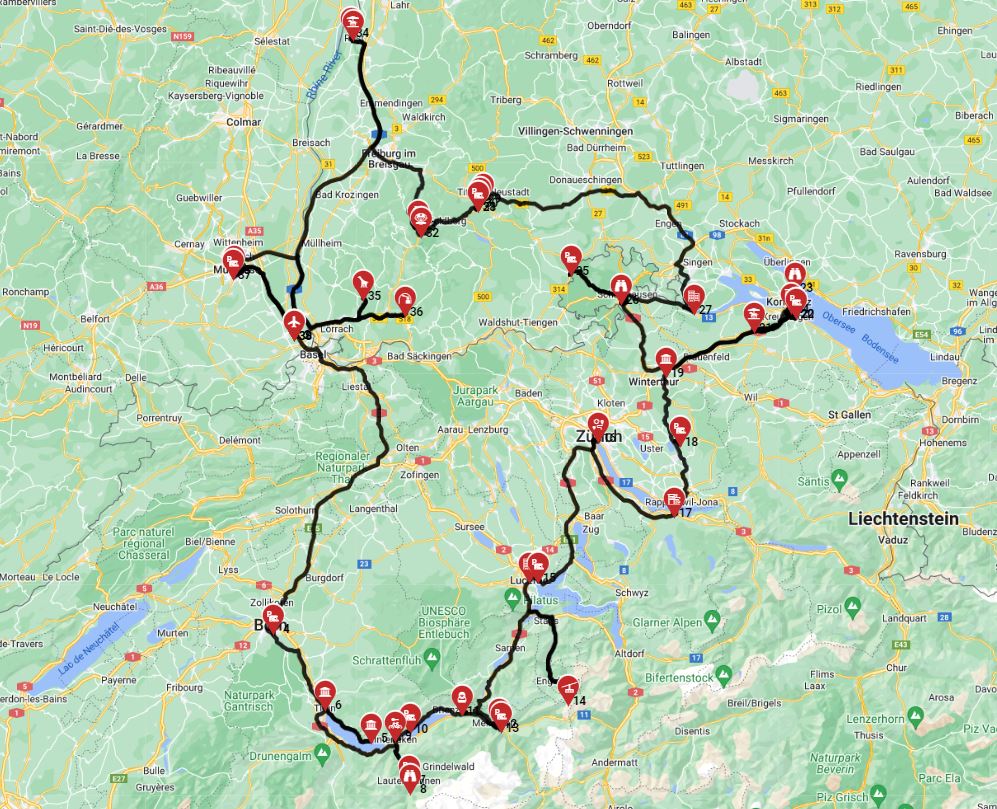
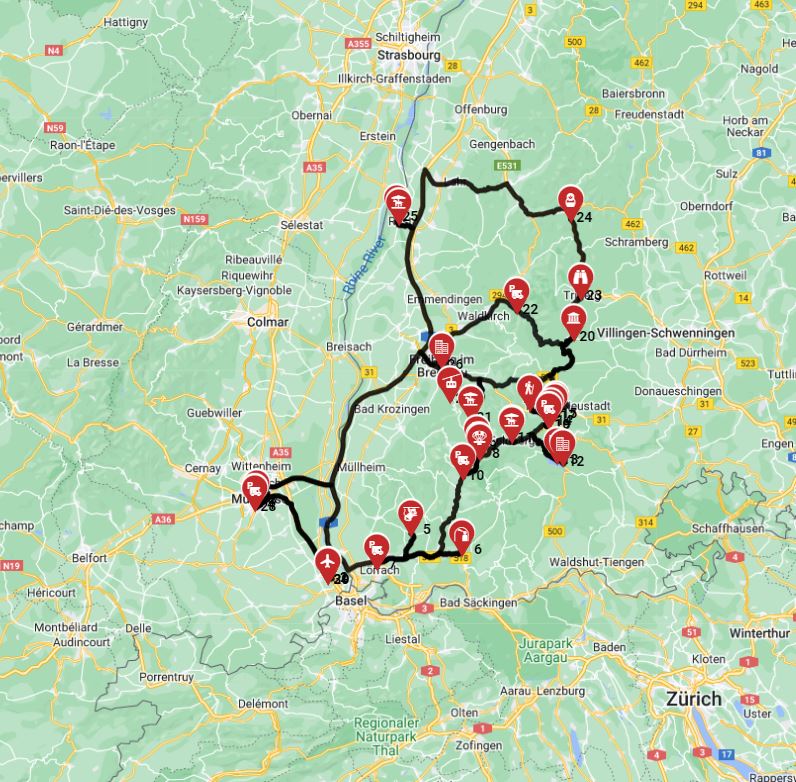
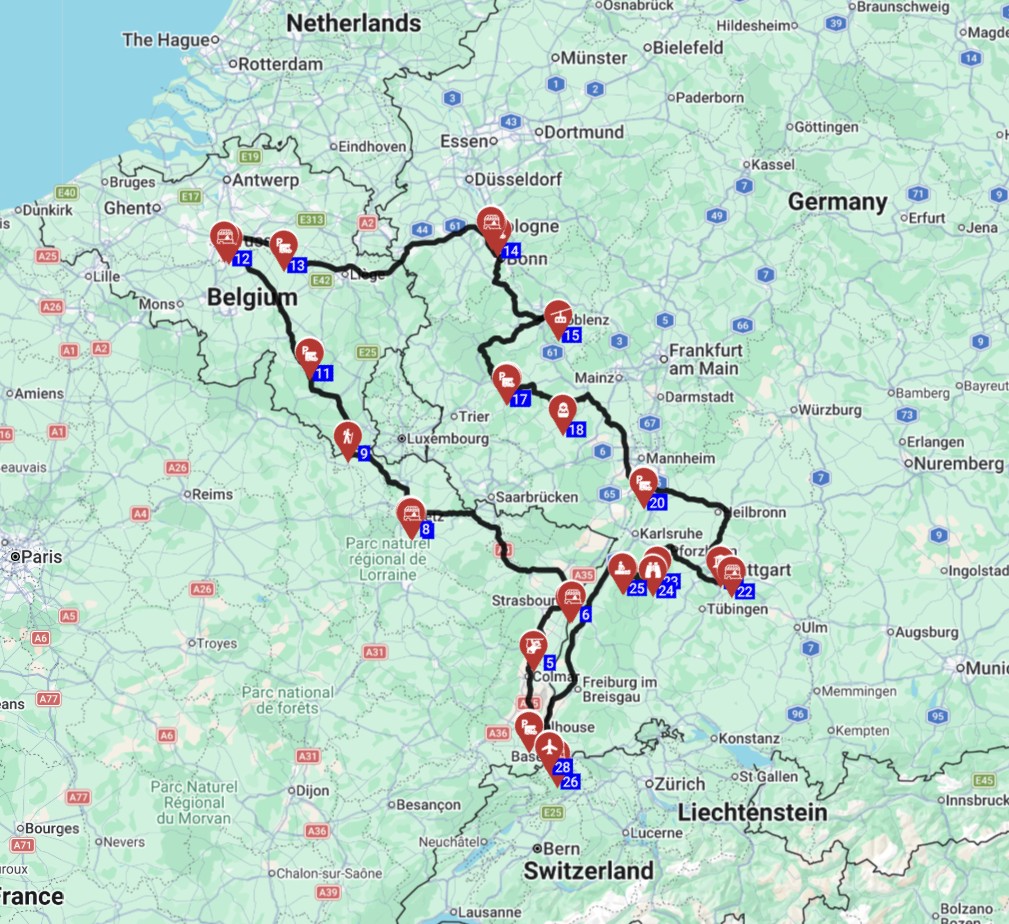
When renting an RV in West Europe, understanding what's included in the base price versus what constitutes an optional add-on is critical for accurate budgeting, as basic insurance and a set amount of mileage are usually included. The specifics can vary significantly depending on the RV model, rental company, and pickup location. For example, a `cruise america example EX-Group A` campervan with manual transmission typically includes 100 liters of fresh water capacity and 80 liters for waste water, making it a good base for a couple's journey. On the routes offered through RV PLANET routes, you can itemize and track every expense along the way for easy budgeting.
Common add-ons can include comprehensive insurance tiers, additional mileage packages, kitchen utensil kits (essential for preparing meals in your RV, perhaps even trying some RV-friendly recipes playlist), bedding and linen sets, outdoor furniture, and extra driver fees. It's essential to review the specific terms for each booking, as these extras can significantly increase the total cost. Basic insurance is always included. To see prices including the most comprehensive coverage, select that option during search – then all relevant insurance options will be shown. Some platforms like Bandana RV offer a comparison toggle to quickly see which RVs include specific features like kitchenware or linen.
Bandana RV is a true RV specialist, providing detailed information on what’s included with each supplier’s rental, ensuring full transparency and no surprises in your booking.
Hidden Costs to Budget For in West Europe
Beyond the rental cost, several additional expenses are crucial to budget for when RVing in West Europe, which can include tolls, mandatory road vignettes for certain countries, and specific city access fees (e.g., Low Emission Zones) which vary significantly by region. For instance, countries like France, Italy, and Spain have extensive toll road networks, while Switzerland and Austria require a vignette for highway use, costing around €40 for a yearly sticker. Failing to pay these can result in substantial fines.
Campsite fees are another variable, ranging from basic pitches at €15-€30 per night to full-service holiday parks with amenities at €40-€80+. Fuel costs in Europe are generally higher than in North America, with diesel averaging €1.80-€2.00 per liter, making efficient driving and route planning important. While many public service points offer free grey and black water disposal, some private facilities might charge a small fee, typically ranging from €2 to €5. For comprehensive budgeting and to track every expense along the way, RV PLANET routes allow travelers to itemize and monitor their trip costs effectively.
When picking up your RV, it's wise to ask about specific local regulations, toll systems, and available solutions. Some Bandana RV partners allow you to pre-purchase toll-road usage to avoid surprise charges and fines. Additionally, you can upgrade to a top-level deductible for extra peace of mind, protecting against unexpected costs.
How to Save on rv rental RV Rental in West Europe
Maximizing your budget for an RV trip in West Europe involves strategic planning and smart choices, with one of the most effective ways to save being booking during the shoulder season (May-June, September-October) or off-season (November-March). These periods often see daily rates up to 25% lower than peak summer. Booking well in advance can also secure better flex-rates, which fluctuate daily based on demand and availability. We handle the details, you live the journey, providing personal service from day one until your booking is confirmed, ensuring you get the best deals.
Choosing a smaller Class B campervan, such as a `hire campervan example Paradise S/T` (ideal for a couple, includes shower and toilet) if it fits your group's needs, often translates to lower rental fees and better fuel economy, which is a significant saving given European fuel prices. Furthermore, many rental companies offer better daily rates for longer rental durations, so a two-week or month-long trip might yield a lower per-day cost than a shorter one. Utilizing platforms like RV PLANET (rvplan.net) can offer a 25% planning discount on pre-planned routes, further reducing your overall trip expenses. Remember, spontaneity is great, and many national and state parks reserve 25-30% of spots for first-come, first-serve, so you'll always find a spot, even if it means calling ahead before driving to the next campground.
Pre-paying for essentials like tolls or specific add-ons through your rental provider can often be cheaper than paying ad-hoc or incurring fines. Staying flexible with your travel dates and monitoring price drops can also help you snatch a deal on a rented motorhome. For example, opting for a Class C motorhome like the `rv rentals utah example Sunrise Escape` with a 167-liter fresh water tank during off-peak times provides ample space and amenities at a more economical rate.
What is the average cost of an RV rental in Europe?
The average cost of an RV rental in Europe varies widely, typically ranging from €70 per day for a compact campervan in the off-season to over €200+ per day for a large, luxury motorhome during peak summer, influenced by specific country, season, RV class, and duration. For example, a budget-friendly `Class 0` campervan might start around €70 in spring, while a larger `Group E` motorhome could easily exceed €250 during the peak July-August period. Detailed country-specific insights reveal that while basic rental prices might be similar, local regulations, parking norms, and infrastructure for waste disposal can add to the overall travel cost. West European countries like Switzerland or Norway may be pricier, with daily rates sometimes reaching €150-€300 for premium vehicles. Overall, budgeting should account for varying local regulations and infrastructure, which can impact daily expenses beyond the base rental price.
How much does it cost to rent a campervan in Europe for a month?
Renting a campervan (typically a Class B or C vehicle) for a month in Europe can range from approximately €2,000 to €5,000 or more, depending significantly on the season, the specific country of pickup, and the vehicle's size and amenities. For example, a compact campervan like the `V3` (2-berth, 100-liter fresh water tank) booked in April for a month might cost closer to the lower end, around €2,200-€2,800, while a larger, well-equipped model during July or August could easily exceed €4,000 to €5,500. Long-term rentals generally offer a better daily rate compared to shorter trips, making a month-long adventure more cost-efficient on a per-day basis. This budget should also account for monthly costs of fuel, campsites, and provisions, offering a significant saving compared to hotels and restaurants for extended travel, especially if utilizing legal overnight parking areas where permitted.
Is it cheaper to rent an RV in Europe or USA?
Generally, RV rentals in Europe can be slightly more expensive per day than in the USA, largely due to factors such as smaller vehicle sizes (necessitated by narrower roads), different taxation structures, and a more compact infrastructure. While the upfront rental cost might seem higher in Europe, the smaller, often more fuel-efficient vehicles, such as a `Luxury Small` motorhome with an 80-liter fuel tank, can lead to savings on gas. Additionally, European rental fleet sizes tend to be smaller than in the US, potentially leading to higher demand-driven pricing. Overall trip costs also factor in fuel prices (typically higher in Europe), campsite fees (which can vary widely), and the availability of amenities, making a direct cost comparison complex without considering the full itinerary and travel style. Europe also presents unique challenges like navigating narrow historic streets, requiring smaller vehicles, which can affect selection and pricing. Drive slowly and carefully, and you can drive almost anywhere without issues. No need to stress - just use common sense and pay attention.
Is it worth renting an RV in Europe?
Renting an RV in Europe is unequivocally worth it for travelers seeking unparalleled flexibility and freedom to explore diverse landscapes and cultures at their own pace, making it a highly rewarding and enriching experience. With a rented motorhome, you have the flexibility to adjust your plans on the fly, chasing the best weather or lingering in charming villages that capture your imagination. It allows for spontaneous detours to discover hidden gems beyond the main tourist routes, fostering deeper cultural immersion and local interactions that fixed itineraries often miss. Imagine waking up to the rolling hills of Tuscany, cooking breakfast overlooking a Swiss lake from your `K2D` motorhome with its 3-burner stove, or enjoying dinner near the majestic cliffs of Ireland, all from your private mobile home.
While it offers incredible opportunities for scenic travel, potential challenges unique to Europe, such as navigating narrow historic streets, finding suitable parking in bustling towns, and understanding specific vehicle width/height restrictions (for example, many European cities have restricted access for vehicles over 3.5 tons), require adaptability and prior planning. However, for those who embrace the journey and its manageable challenges, an RV adventure provides a unique blend of comfort, independence, and adventure unmatched by other travel styles. Travel slowly, max 100-150 km per day on average. Take time to feel the place, connect to the culture, the food, and the scenery.
Can you wild camp in Europe?
Wild camping or boondocking legality varies significantly across West European countries, with strict regulations in some regions and more permissive laws or specific designated areas in others, requiring thorough research per country to avoid fines typically ranging from €50 to €500. For example, countries like Germany, the Netherlands, and Switzerland have very strict rules, often prohibiting wild camping outside of designated campsites or specific private properties without explicit permission. Conversely, some Nordic countries like Norway and Sweden operate under 'Allemansrätten' (everyman's right), allowing responsible wild camping with certain limitations, often meaning at least 150 meters from private dwellings.
Best practices for wild camping include adhering to a 'leave no trace' principle, being respectful of private property and local communities, and ensuring proper waste management. Finding suitable spots often involves using apps for Stellplatze (Germany/Austria), Aires de Services (France), or Sosta (Italy) which are designated overnight parking areas, rather than true wild camping. These typically provide water, waste disposal, and sometimes electricity for a small fee of €5-€15. For finding campsites and campgrounds during your trip, we recommend using RV PLANET (rvplan.net) - a great resource for locating available spots along your route, whether designated or more informal.
How much does it cost to dump an RV in Europe?
Dumping an RV's grey and black water tanks in Europe is often free at designated service points, known as Aires de Services in France, Sosta in Italy, or Stellplatz in Germany and Austria, or typically included with campsite fees, costing around €25-€80 per night. These public or municipal facilities are designed to support RV travelers and are widely available along major routes. However, some private service stations, certain city facilities, or specific holiday parks might charge a small fee, typically ranging from €2 to €5, for waste disposal services. Many dedicated motorhome areas even offer free fresh water refills alongside waste disposal.
Responsible waste management is a key aspect of sustainable RV travel in Europe, emphasizing the importance of utilizing these designated points to minimize environmental impact and adhere to local regulations. Always inquire about dump station access when booking a campsite or look for signage at public service areas. Your rented motorhome will typically have a fresh water tank capacity of 80-150 liters, a grey water tank of 80-120 liters, and a black water tank of 15-20 liters, requiring regular emptying, usually every 2-3 days depending on usage.
What is the cheapest way to travel Europe in an RV?
The cheapest way to travel Europe in an RV involves a combination of strategic planning and conscious choices to minimize expenses, such as opting for a smaller, more fuel-efficient campervan or Class B RV during the shoulder or off-season (e.g., April, May, September, October), which can significantly reduce both rental and fuel costs by up to 25%. For instance, a compact campervan like the `Combi Van` offers a fuel consumption of 9-12 liters/100 km, making it economical. Maximizing the use of wild camping where legally permitted and safe, or utilizing the widespread network of low-cost or free designated overnight parking spots (Stellplatze, Aires de Services, Sosta) instead of full-service campsites, will dramatically cut accommodation expenses, potentially saving €15-€80 per night.
Cooking your own meals in the RV galley rather than dining out frequently is another substantial saving. Consider planning your meals ahead and stocking up at local supermarkets to leverage your onboard refrigerator (many models offer 60-150 liters of fridge space) and gas stove (typically 2-3 burners). Furthermore, meticulous route planning to avoid toll roads and specific city access fees, along with booking longer rental durations to benefit from better daily rates, are key strategies for an economical RV adventure across West Europe. Remember, for detailed route planning and budgeting, Bandana's sister company, RV PLANET (rvplan.net), offers over 1,300 pre-planned routes across 5 continents, often with a 25% planning discount.
Top Cities for RV Rental in West Europe
West Europe offers numerous vibrant cities perfect for starting an RV adventure, providing excellent access to a diverse range of landscapes and cultural experiences. Choosing the right pickup city can significantly impact your journey and overall costs.
- Paris, France: As a major international hub, Paris offers a wide selection of motorhome and campervan rentals from top suppliers, ideal for embarking on a trip through the French countryside or towards the Alps. While driving in the city requires careful attention, its numerous ring roads (Périphérique) and accessible peripheral campgrounds make it a practical starting point.
- Frankfurt, Germany: Centrally located in Germany, Frankfurt is an excellent gateway for exploring not only Germany's Black Forest and Romantic Road but also neighboring countries like the Netherlands and Austria. German rental companies are known for their modern, well-maintained fleets, including models such as the `F2` motorhome, which features a 140-liter fresh water tank and a 75-liter fuel tank.
- Milan, Italy: Ideal for trips into the Italian lakes, Dolomites, or a longer adventure through the entire Italian peninsula. Milan provides a gateway to some of Europe's most picturesque scenery. Renting from here allows for convenient one-way options further south or north.
- Amsterdam, Netherlands: Perfect for a campervan trip through the flat, scenic landscapes of the Netherlands, Belgium, and Northern France. Rental depots are typically outside the congested city center, ensuring an easy start to your journey.
- Zurich, Switzerland: A prime location for those planning an alpine adventure, offering access to stunning mountain passes and crystal-clear lakes. While Switzerland can be pricier, the convenience of starting in Zurich for a week-long journey through the Alps is unmatched.
- Brussels, Belgium: Centrally located and offering easy access to France, Germany, and the Netherlands, Brussels is a strategic starting point for multi-country itineraries. The network of motorhome stops across Belgium and its neighbors makes for seamless travel.
- Dublin, Ireland: For those looking to explore the Emerald Isle, Dublin is the main rental hub. From here, you can easily access the Wild Atlantic Way or the historic sites across the country in a rented campervan. Remember that driving is on the left side of the road here!
- London, UK: Like Dublin, London is the primary entry point for RV rentals in the UK. Renting a motorhome here opens up trips through England's national parks, Scotland's Highlands, and Wales' dramatic coastlines.
Driving a Motorhome in West Europe: Essential Road Rules & Tips
Driving a motorhome in West Europe is a fantastic way to experience its diverse landscapes, but understanding key road rules and local customs is essential for a smooth and enjoyable trip, as regulations can vary significantly between countries. For a more detailed look, check out "Driving an RV in West Europe - Complete Guide 2026".
Driving Side and Speed Limits
Most of West Europe drives on the right side of the road, with the notable exceptions of the UK and Ireland, which drive on the left. Speed limits vary; typically, motorways have limits of 110-130 km/h (68-80 mph), while secondary roads are usually 80-90 km/h (50-55 mph), and urban areas are 30-50 km/h (18-30 mph). Always pay attention to signage, as specific limits often apply to heavier vehicles or those with trailers, even though Bandana exclusively offers motorhomes and campervans. For detailed tips on navigating traffic, you might find "Budget RV Driving in West Europe - Save on Fuel 2026" helpful.
Tolls and Vignettes
Many West European countries utilize toll roads (France, Italy, Spain, Portugal) or require highway vignettes (Switzerland, Austria, Slovenia). Research these in advance; for example, an annual Swiss vignette costs approximately CHF 40 (around €40) and is mandatory for highway travel. Failure to purchase one can result in hefty fines. Some tunnels, like the Mont Blanc Tunnel between France and Italy, also have separate, high tolls, often over €50 for an RV. When budgeting, consider that these ancillary costs can add up, and exploring RV PLANET routes allows for itemizing every expense.
City Driving and Parking
Driving larger motorhomes in historic city centers can be challenging due to narrow streets and restricted access zones. Drive slowly and carefully, and you can drive almost anywhere without issues. No need to stress - just use common sense and pay attention. Many cities have Low Emission Zones (LEZ) or environmental zones that require special permits or only allow certain vehicle emissions classes. Always check city-specific regulations before entering. Parking can also be scarce and expensive; consider utilizing park-and-ride facilities on city outskirts or parking at nearby campsites and using public transport. A compact `Active Classic` campervan, ideal for a couple, offers easier maneuverability in tight urban spaces than a larger Class A motorhome like the `rent motorhome example E3` with its greater length.
Fuel Types and Stations
Most rental motorhomes in Europe run on diesel (Gazole/Diesel). Ensure you refuel with the correct type of fuel. Fuel stations are widely available, including on motorways, but can be less frequent in rural or mountainous areas. Planning your fuel stops is advisable, especially on extended drives, and keeping an eye on your tank, which typically holds 60-120 liters, is a good habit. For optimizing your travel expenses, including fuel, take a look at "RV Driving Deals in West Europe - Routes and Savings 2026".
Connectivity and Emergency Information
Staying connected and knowing what to do in an emergency are crucial aspects of RV travel in West Europe, ensuring peace of mind throughout your adventure. Investing in a local SIM card or a travel eSIM is highly recommended for reliable internet access and phone service, especially if you're using navigation apps or researching local attractions.
SIM Cards and Mobile Data
Purchasing a local SIM card from any West European country is generally affordable and provides excellent data coverage across the EU due to 'roam like at home' regulations. This means a SIM card bought in France, for example, will work across Germany, Italy, Spain, and other EU member states without additional roaming charges, typically offering 10-30 GB of data for €15-€30 per month. Non-EU countries like Switzerland will require a separate local SIM or an international roaming plan. Public Wi-Fi is available at many campsites, cafes, and tourist spots, but having your own data ensures consistent connectivity.
Emergency Services
The pan-European emergency number is 112, accessible from any phone (mobile or landline) free of charge. This number connects you to ambulance, fire, and police services across all EU member states, including most of West Europe. When calling, clearly state your location and the nature of the emergency. It's also wise to have your rental agreement and insurance details readily accessible in case of an incident. While Bandana does not provide 24/7 on-trip support, our expert team assists with pre-booking comparison, booking support, and post-booking coordination to ensure you're well-prepared before you depart.
What You Shouldn't Miss
West Europe is brimming with iconic sights and hidden treasures waiting to be discovered by motorhome. Here are some experiences that should absolutely be on your itinerary:
- Driving the Romantic Road in Germany: This 460-kilometer (285-mile) route winds through charming medieval towns like Rothenburg ob der Tauber and Fussen, ending near the fairytale Neuschwanstein Castle. It's a quintessential European RV experience, especially enjoyable in a comfortable Class C motorhome like the `MH-A` with its ample living space.
- Exploring the French Alps and Provence: Imagine waking up to alpine vistas, then driving south to the lavender fields of Provence. Routes like the Col de l'Iseran (Europe's highest paved pass at 2,770 meters) offer breathtaking views.
- The Wild Atlantic Way in Ireland: This 2,500-kilometer (1,550-mile) coastal route offers dramatic cliffs, charming villages, and stunning ocean views. It’s perfect for slow travel, allowing you to immerse yourself in Irish culture and hospitality in a nimble campervan.
- Swiss Alpine Passes: Conquer legendary mountain passes like the Stelvio Pass or Grimsel Pass. These routes offer unparalleled scenery and a thrilling drive, best experienced with a reliable rental RV.
- Portuguese Coastline: From the golden beaches of the Algarve to the rugged beauty of the west coast, Portugal offers stunning coastal drives. Enjoy fresh seafood and vibrant local culture from your comfortable mobile home.
- Belgian Flanders Fields: For a more reflective journey, explore the historic battlefields and memorials of World War I in Belgium and Northern France, offering a poignant contrast to the natural beauty of other regions.
🎬 Video coming soon
Looking for expert insights from Avi Bandana? Top 5 Adventures - recommendations from Avi Bandana
Final Thoughts
Embarking on an RV adventure through West Europe promises an unforgettable journey filled with freedom, discovery, and unparalleled scenery. From the rolling vineyards of France to the dramatic coastlines of Ireland, a rented motorhome or campervan provides the perfect platform to explore at your own pace. With Bandana RV, you're not just booking a vehicle; you're gaining a partner dedicated to making your travel seamless and enjoyable, from transparent pricing to helpful pre-trip planning resources.
Remember to embrace the spirit of slow travel, allowing yourself the luxury of lingering in charming villages, savoring local cuisine, and truly connecting with the diverse cultures you encounter. Whether you're a seasoned RVer or planning your first week-long adventure, West Europe offers endless possibilities. So, pack your bags, choose your ideal motorhome, and get ready to create memories that will last a lifetime.